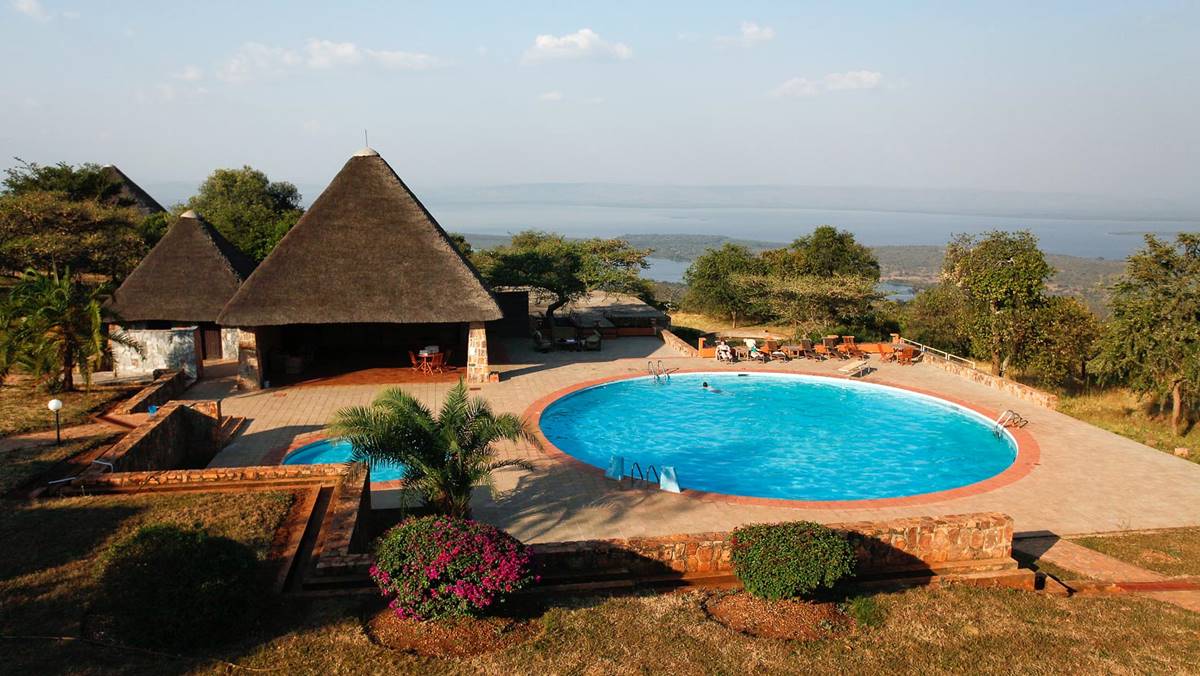
To choose the best lodge in Akagera National Park, match your budget, preferred location (north vs. south), and desired style to the park's key properties: ultra-luxury at Magashi Camp, eco-tents at Ruzizi Tented Lodge, mid-range comfort at Akagera Game Lodge, or scenic budget stays at Akagera Rhino Lodge.
3-days-rwanda-safari-to-akagera-national-park-combined-with-lake-ihema-boat-cruise
4-days-volcanoes-national-park-and-akagera-rwanda-wildlife-safari
How does the north-versus-south park geography affect lodge choice?
The park is long and narrow, running north to south along major water systems. Southern lodges like Ruzizi Tented Lodge and Salt of Akagera put you close to the main gate, Lake Ihema boat trips, and rolling hills. Northern properties like Magashi Camp and Karenge Bush Camp sit closer to the Kilala Plains, where open savannahs support higher concentrations of plains game and predators like lions. If heavy wildlife viewing is your primary goal, northern spots cut down on hours of driving time. If a relaxed lakeside ambiance matters more, the south delivers.
What makes Ruzizi Tented Lodge unique for a first-time visitor?
Ruzizi is managed directly by the park, meaning every dollar spent flows straight back into conservation and community protection. It features only nine tents nestled under giant fig trees and palms right on the edge of Lake Ihema. Because guest capacity stays capped around twenty people, the atmosphere feels intimate and quiet. Raised wooden walkways connect your room to the central dining deck and fire pit, where hippo grunts echo from the water at dusk. It serves as a fantastic choice for travelers wanting an eco-conscious footprint without sacrificing comfort.
Is Wilderness Magashi worth the higher price tag in the far north?
Magashi stands as the premier luxury option in the park, situated inside a private concession on Lake Rwanyakazinga. The price is steep, but it includes everything: top-tier guiding, exclusive vehicle access, fine dining, and drinks. The tented suites feature floor-to-ceiling glass and canvas looking out over water rich with hippos, crocodiles, and waterbirds. If you want supreme comfort, exceptional leopard and lion sightings right outside your door, and zero crowds, Magashi justifies the investment.
Who should consider staying at Salt of Akagera?
Salt of Akagera sits on the ridge above Lake Ihema in the south, offering a different scale entirely with around sixty rooms and suites. Unlike small tented camps, it functions more like a full-service resort featuring air conditioning, a swimming pool, a gym, and dedicated family facilities. It suits travelers who prefer conventional hotel amenities, reliable Wi-Fi, and spacious rooms over rustic canvas living. Families with younger children often find the infrastructure here much easier to manage than strict bush camps.
What is the experience like at Karenge Bush Camp?
Karenge is a seasonal, low-impact mobile camp tucked away in the remote northern sector. It operates with only a handful of canvas tents, relying entirely on solar power and bucket showers for a genuine throwback wilderness feel. Because it closes during parts of the rainy season, it targets purists who want a campfire under the stars and immediate access to the open northern tracks at dawn. There is no Wi-Fi or electricity in the rooms, letting you focus entirely on the surrounding sounds of the bush.
How do park entry fee structures impact lodge selection?
Where you sleep changes how park fees apply to your itinerary. Staying at properties located inside the park boundaries often streamlines conservation levy payments and avoids extra gate fees charged for multiple entries. Properties outside the park require you to re-pay or clear transit terms every time you enter, which adds up quickly over a multi-day stay. Calculating these logistics ahead of time helps prevent surprise expenses on your final bill.
Are there reliable accommodation choices outside the park gates?
Yes, several lodges sit just outside the boundaries, such as Akagera Rhino Lodge on Nyagakonji hill near the southern entrance. These properties provide comfortable chalet-style rooms, swimming pools, and sweeping valley views at a lower price point than inner-park luxury camps. They work well for self-drive travelers on a moderate budget or those booking late when interior lodges are fully booked. Keep in mind that you will still need to drive to the gate each morning before your game viewing begins.
How does seasonal weather change lodge accessibility?
Akagera experiences distinct wet and dry seasons that influence travel logistics. During heavy downpours in April and November, some dirt tracks turn slick, and seasonal camps like Karenge temporarily close. Permanent lodges with solid foundations, like Ruzizi or Salt of Akagera, remain open year-round with reliable access roads. If you travel during the rainy months, check whether your chosen lodge requires a heavy-duty 4x4 vehicle to reach its specific driveway.
Which lodges offer the best opportunities for bird watching?
Ruzizi Tented Lodge and Magashi both excel for birders due to their waterfront locations. Ruzizi puts you close to papyrus swamps where elusive species like the shoebill stork and various kingfishers thrive. Magashi’s boat safaris on Lake Rwanyakazinga cross paths with fish eagles, jacanas, and cormorants. Choosing a lodge adjacent to wetlands ensures you can spot rare avian species right from the breakfast deck without driving hours to find water.
Can families with young children stay comfortably in the park?
Options vary significantly depending on age policies. Salt of Akagera and Akagera Game Lodge welcome children of all ages with swimming pools and flexible dining. Conversely, high-end tented camps like Magashi or Ruzizi often enforce minimum age limits (usually around six or twelve years old) for safety reasons around open waters and wildlife. Always verify age restrictions directly with the lodge before locking in non-refundable deposits for family trips.
What is the difference between full-board and all-inclusive packages?
Most interior park lodges operate on a full-board basis, covering your room, breakfast, lunch, and dinner. High-end camps like Magashi take it further as fully inclusive, factoring in alcoholic drinks, laundry service, and guided safari activities. Standard full-board lodges usually charge extra for game drives, boat cruises, and park entry fees. Reading the fine print prevents miscalculations regarding your daily spending money on site.
How far in advance must luxury lodges be booked?
Akagera has limited high-end accommodation inside its borders, meaning places like Magashi and Ruzizi fill up many months ahead. Peak dry seasons spanning from June to September and December to February experience intense demand from international travelers. If you plan a safari during these windows, securing your rooms six to twelve months prior is essential to get your preferred dates and room configurations.
Do lodges inside Akagera organize their own game drives?
Luxury concession camps like Magashi use their own dedicated vehicles and expert guides for all activities. Park-run properties like Ruzizi typically require you to book park rangers and official vehicles separately through the visitor center, though lodge staff happily assist with arrangements. Self-drive visitors staying at basic camps can hire an official park guide at the gate to ride along in their own vehicle, which greatly improves wildlife spotting success.
What power and charging facilities are available at bush camps?
Eco-lodges rely heavily on solar arrays to protect the delicate park ecosystem. While charging stations are available in main communal areas or directly inside rooms, heavy power users should note that hair dryers and high-wattage electronics may not work in remote tented camps like Karenge. Bringing a portable power bank ensures you can keep camera batteries and phones charged throughout multi-day stays without relying solely on limited solar grids.
How do security measures differ between inside and outside lodges?
Lodges situated inside the park perimeter maintain fencing or natural barriers where appropriate, but wildlife still moves freely through the broader ecosystem. Camps like Ruzizi and Magashi brief guests on walking escorts after dark because hippos and elephants frequently wander near the tents. Outside properties near towns face standard regional security, while inner-park lodges benefit from park ranger patrols and controlled access gates that restrict non-resident drop-ins.
What budget categories exist for Akagera accommodations?
Accommodation spans a wide financial spectrum. Budget travelers rely on park-managed campsites (like Muyumbu or Shakani) where you pitch your own tent. Mid-range choices include lodges just outside the gates or standard rooms at Akagera Game Lodge. High-end luxury properties like Ruzizi, Salt of Akagera, and Magashi occupy the upper tier, offering gourmet dining, plush bedding, and personalized service.
Are mobile campsites a good alternative to permanent lodges?
Public campsites managed by the Rwanda Development Board offer raw, adventurous stays for self-sufficient travelers. Sites like Mutumba sit high on hills with sweeping vistas, but they feature minimal infrastructure, requiring you to bring your own camping gear, food, and water. They suit backpackers, overlanders, and budget campers looking to experience the nocturnal sounds of the African bush up close without paying high lodge rates.
How does lodge location impact your morning game drive start time?
Northern lodges give you an immediate head start because you wake up right where the wildlife density peaks. If you sleep in the south, reaching the northern Kilala Plains requires a two-to-three-hour drive along the main park track before dawn. Starting your wildlife tracking from a northern base maximizes your cool morning hours when leopards, lions, and hyenas remain active before the midday heat sets in.
Can you split your stay between two different lodges?
Splitting your nights between a southern lake lodge and a northern wilderness camp creates a well-rounded itinerary. You can spend your first night enjoying a sunset boat cruise on Lake Ihema near the south, then drive northward through the varying landscapes to track lions and rhinos from a northern base. This strategy prevents repetitive driving and exposes you to the distinct micro-habitats packed into Akagera's diverse geography.
What dining experiences can you expect at the lodges?
Catering blends international culinary standards with local Rwandan influences, often featuring fresh tilapia from the lakes, local honey, and highland coffee. Luxury lodges tailor meals to dietary requirements effortlessly when informed in advance. Bush camps cook hearty meals over open fires or solar kitchens, serving three courses under the stars, which adds a communal, storytelling atmosphere to your evening routine.
Do any lodges offer wellness or spa treatments?
Larger properties like Salt of Akagera and Akagera Game Lodge incorporate wellness features, including swimming pools, fitness equipment, and massage services upon request. Intimate tented camps focus more on raw wilderness immersion rather than spa infrastructure. If post-safari massages and pool lounging rank high on your priority list, filtering your search toward conventional resort-style lodges is recommended.
How reliable is connectivity and Wi-Fi at the accommodations?
Most permanent lodges provide Wi-Fi in their main reception or lounge areas, though mountain terrain and remote positioning can cause intermittent speeds. Tented bush camps intentionally limit internet access to preserve a peaceful atmosphere. Cellular network coverage from local providers works sporadically across elevated park ridges, but digital detoxes happen naturally once you venture deep into the valleys.
What unique activities do specific lodges provide?
Beyond standard vehicle game drives, specific properties unlock unique regional adventures. Lake-adjacent lodges arrange guided boat safaris to spot massive crocodiles and podded hippos. Northern camps like Magashi offer catch-and-release sport fishing on Lake Rwanyakazinga, while specialized night drives organized through park authorities reveal elusive nocturnal creatures like servals, genets, and bushbabies.
How do eco-friendly practices influence lodge design?
Akagera stands as a conservation success story, and its accommodations reflect that ethos. Ruzizi and Karenge utilize 100% solar power, canvas designs with low environmental footprints, and locally sourced construction materials built by cooperatives. Choosing these properties ensures your tourism dollars actively support anti-poaching units, habitat preservation, and regional community upliftment programs.
What is the typical check-in and check-out procedure?
Because Akagera operates strict gate opening and closing times (usually aligning with daylight hours around 6:00 AM to 6:00 PM), lodge check-ins must be coordinated around park transit rules. Arriving late means you might get locked outside the gates overnight. Lodges coordinate closely with gate personnel, but self-driving guests must allow ample buffer time when driving across the park to reach their rooms before sunset.
Are single traveler supplements common across Akagera lodges?
Solo travelers often encounter single supplements at luxury tented camps and mid-range properties, which adjust pricing upwards for occupying a double room alone. However, smaller community-focused camps or shared-tent setups sometimes offer flexible rates during low seasons. Checking for solo-friendly promotions or traveling during shoulder months helps mitigate these extra costs.
How does tipping and gratuity work at the camps?
Tipping is customary to reward the exceptional service provided by camp staff, chefs, and safari guides. Most lodges maintain a communal tip box at the reception desk distributed evenly among behind-the-scenes workers, alongside individual tipping envelopes for your personal ranger. Carrying a mix of Rwandan Francs or US Dollars (printed after 2013 in good condition) ensures you can show appreciation smoothly.
What should you pack specifically for staying in Akagera’s lodges?
Packing requires a balance of neutral-colored safari clothing for daytime game drives, warm layers for chilly early morning departures, and smart-casual attire for dinner. Sturdy walking shoes, insect repellent, a wide-brimmed hat, and a high-quality pair of binoculars are non-negotiable items. Because many lodges feature canvas walls and outdoor elements, a good fleece jacket keeps you comfortable around evening campfires.
Can dietary restrictions be easily managed in remote camps?
Kitchen teams at both luxury and mid-range lodges handle dietary needs—such as vegetarian, vegan, gluten-free, or halal—remarkably well if notified months prior. Because supplies must be trucked in from Kigali or local towns, spontaneous dietary changes on site are difficult for chefs to accommodate. Providing clear instructions during your initial booking guarantees a smooth culinary experience.
How do you choose the final lodge that best fits your travel style?
Your final choice depends entirely on what kind of traveler you are. Choose Magashi or Ruzizi if you want high-end luxury, intimate waterfront settings, and dedicated conservation backing. Pick Karenge Bush Camp if raw, unadulterated wilderness and early morning predator tracking drive your passion. Opt for Salt of Akagera or Akagera Game Lodge if you prefer resort amenities, family swimming pools, and reliable comfort. Matching your personal pace to the correct sector guarantees an unforgettable Rwandan safari
Booking Akagera safari with us Roads of Adventure safaris
Ready for an unforgettable journey? Book your Akagera National Park adventure with Roads of Adventure Safaris! Experience Rwanda’s stunning savannah, spot the mighty Big Five, and enjoy peaceful boat cruises on Lake Ihema. Our team handles all the details so you can simply relax and enjoy the wild.
