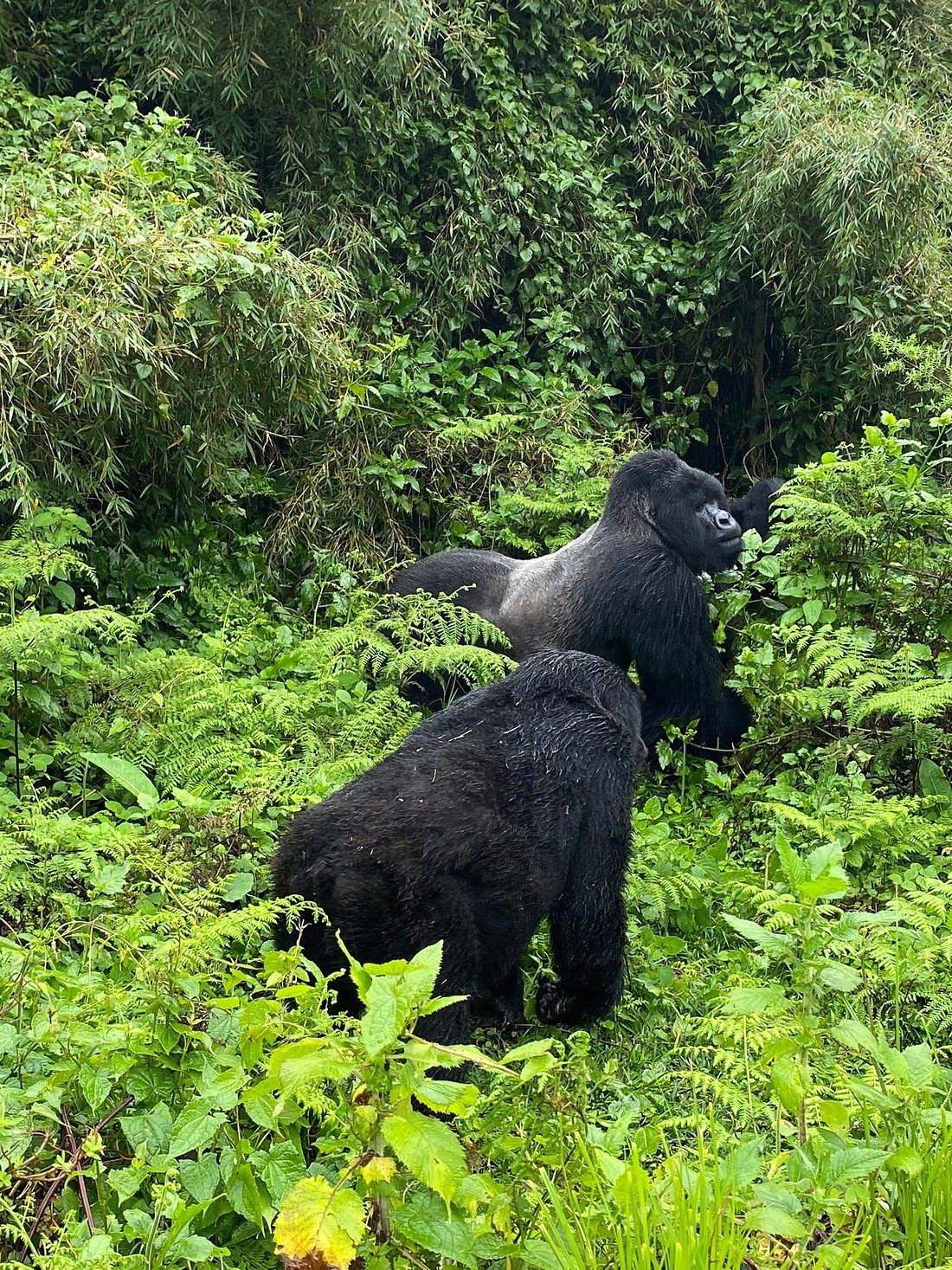
To choose the best Rwanda safari, visit during the dry seasons (June–September or December–February) for easier trekking and better game viewing, or the "green" seasons (March–May, Oct–Nov) for lower prices and fewer crowds. Key experiences include volcano hiking, primate tracking, and savannah game drives, best secured by booking permits months in advance
16-days-exclusive-rwanda-safari-tour-and-gorilla-trekking-tour-package
12-days-best-rwanda-wildlife-safari-and-rwanda-primate-safari-vacation
10-days-9-nights-midrange-rwanda-gorilla-trekking-wildlife-and-culture
11-days-best-rwanda-safari-tour-holiday-vacation
3-days-budget-chimpanzee-tracking-in-nyungwe-forest-park
3-day-chimpanzee-trekking-tour-package-canopy-and-lake-kivu
Timing by Activity
The success of your safari often hinges on the season. For Gorilla Trekking in Volcanoes National Park, the dry seasons (June–September and December–February) are the gold standard. During these months, the volcanic soil is firmer, making the steep climbs more manageable and reducing the risk of slipping on muddy slopes. For Chimpanzee Tracking in Nyungwe Forest, the dry season offers better mobility through the dense mahogany and ebony trees, although some trackers prefer the wet season when fruit is more abundant at lower elevations, often bringing the chimps closer to the trailheads. In Akagera National Park, game drives are most productive during the dry months. As the landscape parches, wildlife—including the "Big Five"—concentrates around permanent water sources like Lake Ihema, offering spectacular and predictable viewing opportunities.
Best Time for Bird Watching
If your primary goal is ornithological, the wet seasons (March–May and October–November) are unparalleled. During this time, Rwanda’s forests and wetlands transform into a lush, vibrant green paradise. This period coincides with the arrival of migratory birds from Europe and the North, joining over 700 resident species. You’ll have the chance to spot the regal Great Blue Turaco or the elusive Shoebill in Akagera’s swamps. While the rains make trekking for primates more physically demanding and the trails significantly muddier, the sheer density of birdlife and the dramatic, misty scenery provide a unique and rewarding atmosphere for photographers and nature enthusiasts who don't mind a bit of a challenge.
Key Considerations: Permits & Operators
The logistical backbone of a Rwandan safari is the Gorilla Permit. At $1,500 per person, these are a significant investment and are strictly limited to protect the primates. It is essential to book these at least six months in advance, especially if you plan to visit during the high-demand dry months. Beyond permits, your choice of Accommodation and Tour Operator will define your comfort. You can opt for ultra-luxury lodges like Bisate Lodge or Singita Kwitonda, which offer world-class sustainability and opulence, or more modest, high-quality budget options near the park boundaries. Selecting a specialized local operator is vital; they handle the complex permit booking process, provide expert driver-guides who understand the local terrain, and ensure that your travel between parks is seamless and safe.
What to Pack
Regardless of when you visit, Rwanda’s high-altitude tropical climate demands specific gear. Sturdy, waterproof hiking boots with excellent grip are the most important item in your bag for navigating the slippery forest floors. Long-sleeved shirts and trousers are a must—not just for warmth during the cool highland mornings, but to protect you from stinging nettles and insects during treks. Even in the "dry" season, a lightweight, high-quality raincoat or poncho is essential, as the rainforests can produce sudden downpours at any time. Finally, remember that Rwanda has a strict ban on plastic bags, so ensure your luggage and organizers are made of fabric or eco-friendly materials to comply with local environmental laws.
1. When is the best time to visit Rwanda for a safari?
The optimal window for a Rwandan safari is during the two dry seasons: the long dry season (June to September) and the short dry season (mid-December to February). During these months, the weather is more predictable, with bright, sunny days that are perfect for both wildlife viewing and outdoor photography. In Akagera National Park, the thinning vegetation makes it much easier to spot the "Big Five," as animals congregate around the remaining water sources like Lake Ihema.
While the dry seasons are the most popular, it is worth noting that Rwanda’s high altitude means the weather can be quite temperate even in the "heat" of summer. These periods are also the best for navigating the country’s winding, mountainous roads. Because these are peak months, the atmosphere at the lodges is vibrant and social, though you should expect higher demand for services. If you are looking for the quintessential African blue sky as the backdrop for your journey, these dry windows are the undisputed choice.
2. When is the best time for gorilla trekking in Rwanda?
The long dry season (June to September) is the "gold standard" for gorilla trekking in Volcanoes National Park. The primary advantage is the condition of the trails; the volcanic soil can become incredibly slippery and treacherous when wet, so the firmer ground of the dry season makes the steep ascent significantly more manageable. Additionally, there is a lower chance of your one-hour encounter being interrupted by a heavy tropical downpour, which can sometimes make the gorillas huddle together for warmth rather than interacting.
Visibility is also at its peak during these months. With less rain, the dense bamboo and hagenia forests are slightly less thick, allowing for clearer lines of sight for photography. However, this is also the most expensive and busiest time to visit. Permits are snapped up months in advance, and the top-tier luxury lodges often operate at full capacity. If you prefer a slightly quieter experience with similar weather benefits, the short dry season (January and February) is an excellent alternative, offering crisp mornings and clear views of the Virunga volcanoes.
3. Is it possible to go on a safari in the rainy season?
Absolutely. Rwanda is a year-round destination, and the rainy seasons (March to May and October to November) offer a completely different, "emerald" perspective of the country. This is often referred to as the "Green Season." The landscape becomes incredibly lush and photogenic, with the mist clinging to the hillsides in a way that feels truly prehistoric. For photographers, the air is scrubbed clean of dust, resulting in vivid colours and soft, diffused light that is perfect for forest portraits.
There are practical benefits to visiting now as well. The parks are much less crowded, providing a sense of "private" exploration. While the trekking is certainly more physically demanding due to the mud, the mountain gorillas often stay at lower, warmer elevations, which can actually shorten your hike. Furthermore, some high-end lodges offer seasonal discounts or "stay-pay" deals during these months, making the $1,500 gorilla permit more digestible by saving on accommodation costs. For birdwatchers, the rainy season is peak time, as it brings an influx of migratory species and triggers breeding displays among the residents.
4. How far in advance should I book gorilla permits?
In Rwanda, the rule for gorilla permits is "the earlier, the better." Because the Rwanda Development Board (RDB) strictly limits encounters to eight people per gorilla family per day, there are only about 96 permits available daily for the entire country. For the peak months of June, July, August, and December, it is highly advisable to book at least 6 to 12 months in advance. Waiting until you arrive in the country is a gamble that rarely pays off during the high season.
Even for the "off-peak" months, a lead time of 3 to 4 months is recommended to ensure you get the specific dates you want. Booking early is not just about the permit itself; it also allows you to secure the best accommodation. Many of the most sought-after lodges, like Bisate or Singita Kwitonda, have very few rooms and tend to sell out alongside the permits. Once your permit is paid for and confirmed, it is non-refundable, so ensure your travel insurance covers "cancel for any reason" to protect your $1,500 investment.
5. How much does a Rwanda safari cost?
Rwanda has intentionally positioned itself as a high-end, low-impact destination, and the costs reflect this "premium" conservation model. The single biggest expense is the gorilla permit, which costs $1,500 per person. Beyond the permit, a mid-range safari typically starts at $400 to $600 per person, per night, which includes comfortable lodging, a private 4x4 vehicle, and a professional guide.
For those seeking the pinnacle of luxury, Rwanda is home to some of the most expensive lodges on the continent, where prices can exceed $2,500 to $4,000 per person, per night. These all-inclusive retreats provide world-class gastronomy, private butler service, and direct contributions to local community and reforestation projects. On the other end of the spectrum, budget-conscious travellers can find simpler "community" lodges or guesthouses for $150 to $250 per night, but even then, the fixed costs of park entry fees and transport mean Rwanda is rarely a "backpacker" destination in the traditional sense.
6. What is the best way to get around Rwanda?
The most efficient and comfortable way to navigate Rwanda is by hiring a private 4x4 vehicle with a professional driver-guide. While the country is small (often called "the land of a thousand hills"), the terrain is exceptionally mountainous. Driving yourself can be stressful due to the steep, winding roads and the high number of pedestrians and cyclists sharing the tarmac. A professional guide not only handles the logistics but also provides invaluable cultural context and spots wildlife that you would almost certainly miss.
The road network in Rwanda is among the best in East Africa, with well-paved main arteries connecting Kigali to the national parks. For those with a higher budget, helicopter transfers are increasingly popular. Companies like Akagera Aviation offer flights from Kigali International Airport directly to the doorsteps of luxury lodges in Volcanoes, Nyungwe, and Akagera. These flights turn a 5-hour drive into a 30-minute scenic aerial tour, offering a breathtaking perspective of the terraced hills and volcanic peaks.
7. Do I need a visa for Rwanda?
Rwanda is one of the most accessible countries in Africa regarding visa policy. As of 2026, many nationalities—including citizens of the African Union, the Commonwealth, and La Francophonie—can enter visa-free or receive a free visa on arrival for 30 to 90 days. For most other visitors, including those from the USA, UK, and EU, a visa on arrival is available for a fee of approximately $50, or you can apply for an e-visa online before you fly.
If your safari includes visits to Uganda or Kenya, the East Africa Tourist Visa is the best option. Costing $100, this multi-entry visa allows you to travel between the three countries seamlessly for 90 days. It must be applied for through the embassy or website of the first country you enter. Always ensure your passport has at least six months of validity and a few empty pages. Rwanda’s immigration system is famously efficient and paperless, reflecting the country’s modern, "tech-forward" approach.
8. What are the best parks to visit for wildlife?
A well-rounded Rwanda safari focuses on three distinct national parks. Volcanoes National Park is the crown jewel, world-famous for its mountain gorillas and golden monkeys. It offers an intimate, misty forest experience. To the south lies Nyungwe Forest National Park, one of the oldest rainforests in Africa. It is a primate lover's paradise, home to 13 species including chimpanzees and the large-group Colobus monkeys. Nyungwe also features the spectacular Canopy Walkway, suspended 70 metres above the forest floor.
For a classic savannah experience, Akagera National Park in the east is a stunning success story of conservation. After the reintroduction of lions and rhinos, it is now a "Big Five" destination. Its landscape of shimmering lakes and rolling plains provides a beautiful contrast to the mountainous west. Each park offers a different ecosystem, meaning that to truly "see" Rwanda, you should aim to visit at least two, if not all three, of these conservation areas.
9. Are there age restrictions for gorilla trekking?
Yes, there is a strict age limit for gorilla trekking in Rwanda: participants must be at least 15 years old. This rule is non-negotiable and is strictly enforced by the Rwanda Development Board. The primary reason is conservation; children are more likely to carry "childhood" diseases like mumps, measles, or even common colds, to which mountain gorillas have no natural immunity. An outbreak of a human respiratory infection could be fatal to an entire gorilla family.
Additionally, the trek itself can be physically and mentally demanding. It requires the ability to remain calm and quiet for long periods and to follow complex instructions from rangers if a gorilla approaches. For families travelling with younger children, many luxury lodges offer "junior explorer" programmes or nature walks outside the park boundaries. Some hotels can also arrange for professional child-minding services while parents are out on the trek, ensuring the 15-year-old limit doesn't prevent the rest of the family from enjoying the Rwandan experience.
10. What should I pack for a Rwanda safari?
Packing for Rwanda requires a "layering" strategy to handle the diverse climates. For the rainforest, you need sturdy, waterproof hiking boots with good ankle support and grip. Long-sleeved shirts and long trousers are essential for trekking; they protect you from stinging nettles, thorny bushes, and insects. A lightweight, high-quality raincoat or poncho is a must, regardless of the season.
Specialised items that are often overlooked include gardening gloves—which are invaluable for grabbing onto branches and vines during steep climbs—and long socks to tuck your trousers into, preventing ants from crawling up your legs. For the savannah of Akagera, lightweight, neutral-coloured clothing (khaki, beige, olive) is best. Remember that Rwanda has a strict ban on plastic bags; ensure your luggage and any organizers are made of fabric. Finally, pack a high-SPF sunscreen and a wide-brimmed hat, as the equatorial sun at high altitudes can be deceptively intense.
11. Is Rwanda safe for tourists?
Rwanda is consistently ranked as one of the safest countries in the world, not just in Africa. The level of cleanliness, order, and security in Kigali often surprises first-time visitors. You can comfortably walk through the capital at night, and the "Umuganda" (community service) culture has fostered a strong sense of national pride and safety. In the national parks, security is extremely high, with professional rangers and wardens patrolling the forests 24/7.
The country has a "zero tolerance" policy for corruption, so you will find that interactions with police and border officials are professional and straightforward. While standard travel common sense applies—such as not leaving bags unattended—the risk of "petty crime" against tourists is significantly lower than in many Western cities. For many travellers, the feeling of safety and the warmth of the local "thousand welcomes" are the most enduring memories of their trip.
12. What health precautions should I take?
When preparing for Rwanda, your first step should be a consultation with a travel clinic. Malaria is present in the country, particularly in lower-altitude areas like Akagera, so taking a course of prophylactics (such as Malarone or Doxycycline) is strongly recommended. While Kigali and the high-altitude Volcanoes National Park have lower mosquito activity, it is always better to be protected.
A Yellow Fever vaccination certificate is mandatory for entry if you are travelling from a country where the disease is endemic. It is also wise to ensure your routine vaccinations, such as Hepatitis A, Typhoid, and Tetanus, are up to date. Regarding water, do not drink tap water; always use bottled or filtered water provided by your lodge, even for brushing your teeth. Because the trekking involves significant physical exertion at high altitudes, ensure you are hydrated and have discussed any heart or respiratory conditions with your doctor before booking.
13. What are the "Dos" and "Don'ts" of gorilla trekking?
Gorilla trekking is a highly regulated activity to ensure the safety of both the primates and the visitors. The most important "Do" is to maintain a 7-metre distance from the gorillas. While they may approach you, you must always try to move back to maintain that gap. You must also keep your voice low and move slowly to avoid startling them. If a gorilla makes a "mock charge," your ranger will instruct you to crouch down and look away—never run.
The "Don'ts" are equally critical. Do not go trekking if you are sick; even a minor flu can be a death sentence for a gorilla. If you feel unwell on the morning of your trek, inform the rangers; they may be able to reschedule or offer a refund. Never use flash photography, as the sudden burst of light can trigger an aggressive response. Finally, do not eat or drink in the presence of the gorillas, as dropped crumbs could introduce bacteria or change their natural foraging behaviour. Following these rules ensures that this conservation success story continues for generations to come.
14. Can I combine a Rwanda safari with other countries?
Yes, Rwanda is ideally located for a multi-country East African circuit. Many travellers choose to combine the "intimate" gorilla experience of Rwanda with the "wide-open" savannahs of Tanzania’s Serengeti or Kenya’s Maasai Mara. There are daily, direct flights from Kigali to Arusha, Nairobi, and even the spice island of Zanzibar, making it easy to transition from a forest trek to a beach holiday or a traditional plains safari.
Another popular combination is the Uganda-Rwanda circuit. Since both countries offer gorilla trekking but have very different landscapes and "vibes," some enthusiasts trek in both to see the contrast. This is made even easier by the East Africa Tourist Visa, which allows for multiple entries between the two. Combining Rwanda with its neighbours allows you to experience the full spectrum of African wildlife—from the Great Migration to the mountain gorillas—in a single, seamless trip.
15. Is it better to book directly or through an agent?
While it is technically possible to book permits and lodges directly, using a reputable local travel agent or Destination Management Company (DMC) is highly recommended for Rwanda. The logistics of coordinating permits, private 4x4 transport, and lodge availability are complex. Local agents often have "block bookings" for permits and can secure dates that appear "sold out" on public portals.
Furthermore, a local agent provides an essential safety net. If a road is blocked or a flight is delayed, they handle the rescheduling instantly. They also vet the driver-guides, ensuring you have an expert who is not only a good driver but also a knowledgeable naturalist. In a country where a single gorilla permit costs $1,500, having a professional manage the details ensures that your investment is protected and that your journey is as smooth and profound as the "Land of a Thousand Hills" deserves.
Booking Rwanda safari with us Roads of Adventure safaris
Book your unforgettable Rwanda safari with Roads of Adventure Safaris, experts in tailor-made primate trekking and wildlife adventures. Specializing in Volcanoes National Park gorilla trekking, chimpanzee tracking, and scenic tours, we offer secure, mid-range to luxury itineraries. Enjoy private 4x4 transport, expert local guides, and seamless logistical handling for a truly immersive East African experience. Secure your trip with a 30% deposit for a personalized, breathtaking journey. Contact us to start your adventure!
