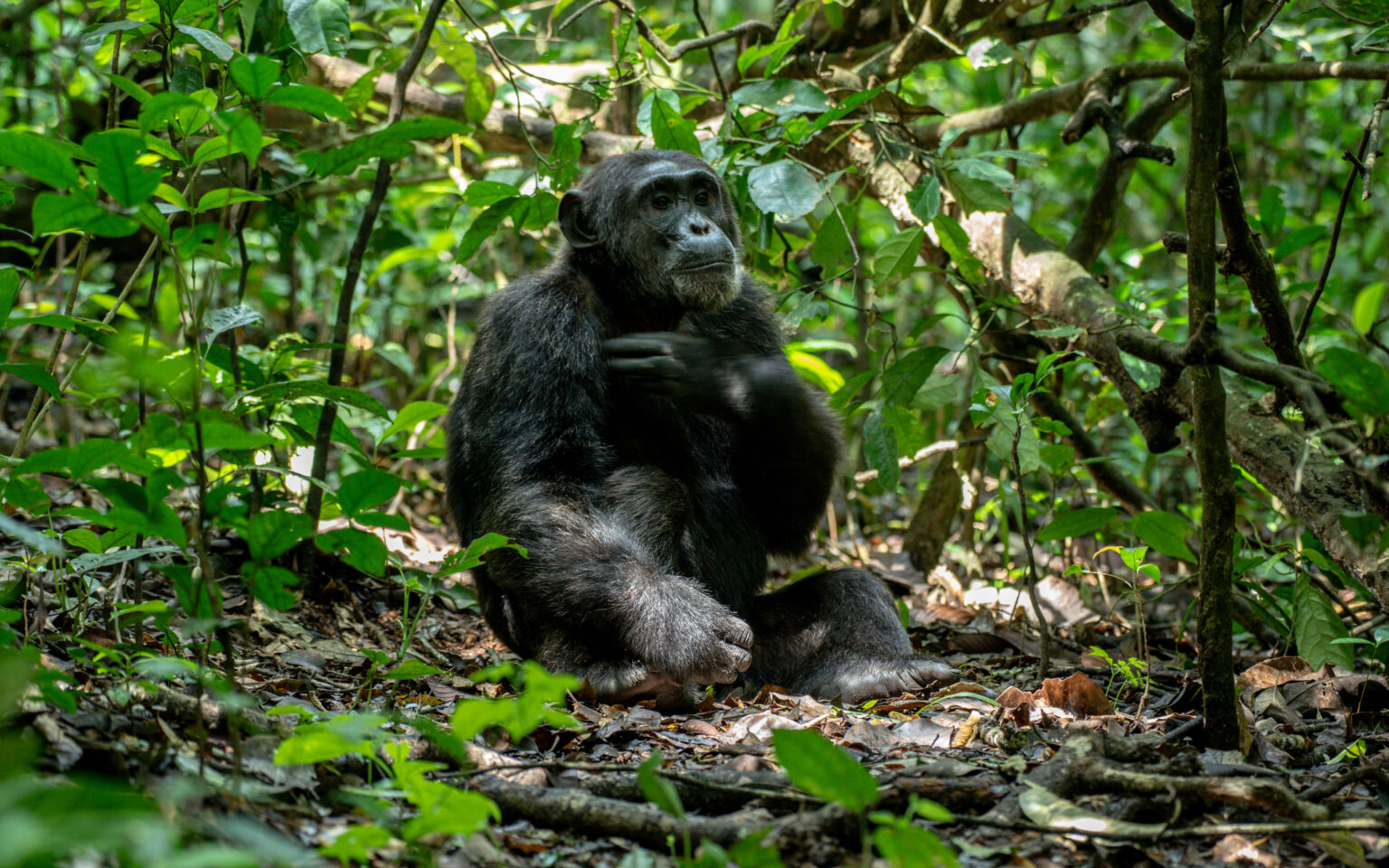
A Rwanda chimpanzee tracking permit costs $250 for foreign non-residents, $75 for foreign residents, and $25 for East African Community citizens. Issued by the Rwanda Development Board (RDB), these permits grant an unforgettable one-hour encounter with habituated chimpanzee troops navigating the dense canopy of Nyungwe National Park. While tracking our closest wildlife relatives through this ancient montane rainforest is an exhilarating journey, tourists must also budget for park entry fees, which are charged separately based on the length of their stay. The revenue generated from these permits directly funds local communities, anti-poaching initiatives, and critical ecological research, making every trek a meaningful contribution to long-term conservation. Due to a strict daily limit on tracking permits to safeguard primate well-being, securing your booking well in advance through official channels or trusted tour operators is essential for a smooth and rewarding African safari adventure.
2-days-nyungwe-chimpanzee-tracking-and-canopy-walk
2-days-nyungwe-luxury-fly-in-to-trek-with-chimpanzee
2-days-chimpanzee-tracking-in-nyungwe-rwanda-vacation
3-days-nyungwe-chimpanzee-tracking-and-lake-kivu-relaxation
3-day-chimpanzee-trekking-tour-package-canopy-and-lake-kivu
3-days-budget-chimpanzee-tracking-in-nyungwe-forest-park
3-days-best-rwanda-canopy-walk-and-nyungwe-chimpanzee-tracking-adventure
4-days-nyungwe-chimpanzee-trekking-canopy-walk-and-lake-kivu-relaxation
9-days-best-family-rwanda-safari-holiday-big-five-canopy-walk-and-chimpanzeea
Where does chimpanzee tracking take place in Rwanda?
Chimpanzee tracking in Rwanda takes place exclusively within Nyungwe National Park, located in the southwestern corner of the country. Spanning over 1,000 square kilometers of dense montane rainforest, Nyungwe is one of Africa’s oldest and most pristine forest ecosystems. When traveling with Roads of Adventure Safaris, we typically route our guests through either the Uwinka visitor center or the Cyamududu sector, where two primary communities of chimpanzees have been habituated for tourism. The journey from Kigali to Nyungwe takes approximately 5 to 6 hours by road, offering scenic views of rolling green hills, traditional homesteads, and tea plantations stretching as far as the eye can see. Because the terrain is rugged, steep, and deeply atmospheric, arriving prepared with proper gear is essential for an enjoyable trek.
Are park entrance fees included in the chimpanzee permit price?
No, the chimpanzee trekking permit fee of $150 covers solely your guided trek and the precious one-hour interaction with the chimpanzees once located. Park entrance fees for Nyungwe National Park are charged separately based on the duration of your stay. For international non-residents, the park entrance fee is $100 for a one-night stay, scaling up for multi-night visits. When Roads of Adventure Safaris drafts an itinerary for you, we itemize these costs transparently so there are never any unexpected surprises upon arrival at the park gates. Factoring in both the permit and park entry ensures your conservation contributions directly support local community projects and anti-poaching patrols managed by the Rwanda Development Board.
What is the difference between chimpanzee tracking and chimpanzee habituation?
While standard chimpanzee tracking allows visitors to spend exactly one hour observing a fully habituated chimpanzee community that is accustomed to human presence, a chimpanzee habituation experience is an immersive, all-day adventure. During habituation, you accompany researchers, trackers, and conservationists as they follow wilder, semi-habituated chimpanzee groups from their nests at dawn until they build new nests at dusk. This intensive experience offers deeper insights into primate behavioral ecology, social hierarchy, and vocalization patterns. Although standard tracking is more widely available and ideal for most travelers looking for a balanced safari itinerary, habituation is a rare treat for dedicated wildlife enthusiasts booked well in advance through experienced local operators.
How difficult is the trek to find chimpanzees in Nyungwe?
Trekking for chimpanzees in Nyungwe can range from moderately challenging to physically demanding. Unlike mountain gorillas, which tend to move slowly and remain on gentle slopes or lower bamboo zones, chimpanzees are highly active, fast-moving canopy dwellers. They frequently forage high up in giant mahogany and fig trees or travel great distances across steep, slippery valleys. A trek can last anywhere from 2 to 6 hours depending on where the troop spent the previous night. At Roads of Adventure Safaris, we always advise our guests to maintain a reasonable level of physical fitness, break in their hiking boots prior to arrival, and embrace the unpredictable nature of the rainforest with a spirit of adventure.
What should I pack for a chimpanzee tracking excursion?
Packing correctly for a Nyungwe forest trek can make the difference between an incredible experience and an uncomfortable morning. Because you are walking through a dense tropical rainforest, weather conditions change rapidly, and rain can occur at any moment. We recommend wearing sturdy, waterproof hiking boots with excellent ankle support and deep treads to handle muddy trails. Long-sleeved shirts and thick trousers tucked into your socks are mandatory to protect your skin from stinging nettles, sharp branches, and safari ants. Bring a lightweight waterproof jacket, a wide-brimmed hat, insect repellent, garden gloves to protect your hands when gripping vines, and a small daypack with at least one liter of drinking water.
Can children participate in chimpanzee tracking in Rwanda?
The Rwanda Development Board enforces a strict minimum age limit of 15 years old for anyone participating in chimpanzee tracking. This policy is in place for several important reasons, primarily safety and conservation. Chimpanzees share approximately 98.8% of human DNA, making them highly susceptible to human respiratory illnesses such as the common cold, flu, and other viral infections. Younger children can struggle to cover their mouths consistently with masks or maintain required social distancing protocols during unexpected encounters. Furthermore, the physical demands of navigating steep, uneven rainforest terrain for hours require the stamina and maturity of a teenager or adult. Families traveling with younger children can explore alternative family-friendly activities across Rwanda with Roads of Adventure Safaris.
What are the health and safety guidelines during a chimp trek?
Because chimpanzees are our closest genetic relatives, stringent health precautions are enforced to protect them from human diseases. All visitors are required to wear surgical or N95 face masks when in close proximity to the chimpanzees. If you are feeling unwell, showing symptoms of a cold, flu, or any contagious illness on the morning of your trek, you will unfortunately not be permitted to join the group, and permit rescheduling or refund policies will apply according to park regulations. Additionally, visitors must maintain a strict distance of at least 8 to 10 meters from the chimpanzees, refrain from eating or drinking near them, avoid using flash photography which can startle the animals, and follow every instruction given by your armed ranger guide.
What is the best time of year to go chimpanzee tracking in Rwanda?
Chimpanzee tracking in Nyungwe National Park is open year-round, but your overall experience is heavily influenced by seasonal weather patterns. The optimal times to visit are during the dry seasons, which run from June to September and from December to February. During these months, rainfall is significantly lower, making the forest trails less slippery, easier to hike, and far more pleasant for extended walking. However, the rainy seasons (March to May and October to November) offer their own unique advantages: the rainforest is brilliantly lush, waterfalls are roaring, fruit is abundant, and chimpanzees often stay at lower altitudes because food is plentiful closer to the valley floors. Roads of Adventure Safaris customizes travel windows based on your personal preference for weather and wildlife behavior.
How far in advance should I book my chimpanzee permits?
Securing your chimpanzee permits well in advance is critical, especially if you plan to travel during peak dry season months like July, August, or January. Nyungwe National Park has a limited number of permits available per day to minimize human disturbance on the chimpanzee communities, ensuring sustainable tourism practices. When travelers partner with Roads of Adventure Safaris, we recommend initiating your safari booking at least 6 to 9 months ahead of your intended travel dates. This allows our operations team to secure your permits, reserve top-tier forest lodges near Uwinka or Gisakura, and coordinate seamless ground transportation across Rwanda without last-minute availability stress.
Can I combine gorilla trekking and chimpanzee tracking in one trip?
Absolutely! Combining mountain gorilla trekking in Volcanoes National Park with chimpanzee tracking in Nyungwe National Park creates the ultimate primate safari experience in East Africa. Rwanda offers a compact, remarkably scenic landscape that allows travelers to transition smoothly from the bamboo-covered volcanic slopes of the north to the dense, ancient rainforests of the southwest. A typical signature itinerary designed by Roads of Adventure Safaris spans 7 to 10 days, incorporating gorilla trekking, golden monkey tracking, Nyungwe chimpanzee trekking, and the thrilling Nyungwe Canopy Walkway. This dual-primate journey provides a comprehensive window into Rwanda's world-class conservation triumphs while showcasing breathtaking geographic diversity.
What is the success rate of finding chimpanzees in Nyungwe National Park?
The success rate for locating chimpanzees in Nyungwe National Park sits around 85% to 90%. Because chimpanzees are wide-ranging, highly active, and unconfined by fences, finding them requires real bushcraft. Advanced teams of park trackers head out before dawn, following vocalizations and fresh nesting sites to locate the troops before guiding visitors to the exact GPS coordinates. While sightings are slightly less predictable than mountain gorilla tracking due to the chimps' rapid movement through high canopy branches, the thrill of tracking them in a wild, ancient rainforest is unmatched. When traveling with Roads of Adventure Safaris, our experienced guides work in close coordination with park rangers to maximize your viewing opportunities and adjust daily logistics based on real-time tracker updates.
How does chimpanzee tracking in Rwanda compare to Uganda's Kibale Forest?
Both destinations offer world-class primate encounters, but they differ significantly in terrain and overall experience. Uganda’s Kibale National Park boasts the highest primate density in Africa, with gentler, flatter terrain that often yields higher sighting success rates (over 95%). Nyungwe in Rwanda, on the other hand, features dramatic, mountainous forest scenery, deep valleys, and thick montane vegetation that creates a more adventurous, physically demanding hike. Rwanda’s infrastructure, smooth paved highway connections, and seamless circuit between Kigali, Volcanoes National Park, and Lake Kivu make Nyungwe exceptionally convenient for multi-stop luxury safaris. Roads of Adventure Safaris regularly handles cross-border itineraries, allowing guests to experience both renowned forests or select the ideal park based on their mobility preference and overall schedule.
What is the Nyungwe Canopy Walk and can it be paired with chimp tracking?
The Nyungwe Canopy Walkway is a spectacular 160-meter-long suspension bridge suspended 70 meters above a deep rainforest ravine, offering panoramic views of the forest canopy, distant lake shores, and rare bird species. Yes, pairing chimpanzee tracking with the Canopy Walk on the same day is a popular choice for many travelers. A typical morning begins with early chimpanzee tracking from either the Uwinka or Cyamududu sectors, followed by a midday lunch break and an afternoon trek out to the Canopy Walkway. Roads of Adventure Safaris organizes the timing and park bookings seamlessly so that guests enjoy both activities comfortably without feeling rushed, maximizing a single day in the park.
What accommodation options exist near Nyungwe National Park?
Accommodation around Nyungwe ranges from eco-luxury lodges to comfortable mid-range options and budget guest houses. At the top end, luxury properties nestled within tea estates on the forest edge offer world-class hospitality, gourmet dining, and direct rainforest vistas. Excellent mid-range lodges in nearby towns like Gisakura provide comfortable rooms, warm hospitality, and easy access to park reception centers at a fraction of the cost. Roads of Adventure Safaris maintains close partnerships across these properties, ensuring your stay aligns perfectly with your comfort expectations, budget parameters, and early-morning departure locations for forest activities.
How do I get to Nyungwe National Park from Kigali?
Reaching Nyungwe National Park from Kigali involves a scenic drive of approximately 5 to 6 hours along smooth, fully paved highways winding through southern Rwanda's rolling hills. The journey passes through historic cultural hubs such as Nyanza (home to the King's Palace) and Huye (formerly Butare), providing excellent stops for lunch and cultural tours. Alternatively, travelers seeking a faster transfer can opt for a short domestic flight or helicopter charter directly from Kigali to nearby airstrips or lodge helipads. Roads of Adventure Safaris provides custom 4x4 safari vehicles driven by professional driver-guides to ensure a safe, smooth, and informative journey across the country.
What physical fitness level is required for chimpanzee trekking?
A moderate to high level of physical fitness is recommended for chimpanzee tracking in Nyungwe. The trails cross uneven ground, mud, exposed tree roots, and steep forest inclines where elevation changes can be demanding. Chimpanzees travel rapidly through the forest canopy, meaning trackers may need to hike briskly uphill or downhill through dense off-trail brush to keep pace with a moving troop. Regular aerobic exercise, leg-strengthening workouts, and practice walks in hiking boots ahead of your trip will greatly enhance your endurance. Roads of Adventure Safaris prepares guests with comprehensive physical fitness guidelines so everyone feels confident on the trail.
Are porters available during chimpanzee tracking in Nyungwe?
Yes, local porters are readily available for hire at the park visitor centers prior to commencing your trek. Hiring a porter is strongly recommended for several key reasons: they carry your daypack, camera equipment, and extra water, leaving your hands free to navigate slippery slopes or hold steadying walking sticks. Beyond physical assistance, hiring a porter directly supports the surrounding rural community, providing fair local wages and fostering local investment in wildlife conservation. Porters are often former hunters or community members who now act as passionate stewards of the rainforest. Roads of Adventure Safaris encourages all guests to utilize porter services during their forest expeditions.
What photos or camera gear are best suited for chimpanzee tracking?
Photographing chimpanzees in a dense rainforest canopy presents unique technical challenges due to low light levels and fast animal movement. A camera body with strong high-ISO performance paired with a fast telephoto zoom lens (such as a 70-200mm or 100-400mm with an aperture of f/2.8 or f/4) is ideal. Monopods offer great stability without the bulky footprint of tripods on narrow, brushy trails. Flash photography is strictly prohibited as it startles the animals. Remember to pack a waterproof cover or rain sleeve for your camera gear to guard against sudden tropical downpours.
What happens if it rains heavily during our scheduled trek?
Chimpanzee tracking proceeds rain or shine, as rainforest ecosystems experience frequent precipitation year-round. Ranger guides assess trail conditions and weather updates continuously to keep all guests safe. In heavy rain, chimpanzees often take shelter under thick foliage or remain high in tree hollows, which can make them quieter and harder to locate initially. However, once the shower passes, the forest comes alive with vocalizations and movement. Equipping yourself with heavy-duty rain jackets, waterproof pants, dry bags for electronics, and quality waterproof boots ensures you remain warm, comfortable, and ready to hike regardless of weather shifts.
What other primates can be seen during a trek in Nyungwe?
Nyungwe National Park is renowned as one of Africa's premier primate havens, hosting 13 distinct primate species. Alongside chimpanzees, visitors frequently spot massive troops of Rwenzori Colobus monkeys—sometimes numbering over 300 individuals in a single super-group—bounding through the canopy. Other resident species include L'Hoest's monkeys, owl-faced monkeys, silver monkeys, red-tailed monkeys, dent's Mona monkeys, and grey-cheeked mangabeys. During guided forest walks arranged by Roads of Adventure Safaris, ranger guides point out these diverse species while highlighting their distinct behaviors, vocal calls, and ecological roles within the vibrant rainforest canopy.
What is the daily schedule like on a chimpanzee tracking morning?
A chimpanzee tracking day starts very early. Expect a wake-up call around 4:30 AM to enjoy a hearty breakfast before departing your lodge by 5:00 AM for the park briefing station at Uwinka or Cyamududu. By 6:00 AM, ranger guides conduct safety briefings, organize small tracking groups, and introduce your dedicated guide. Groups then drive to the specific trailhead where trackers last located the troop. The trek through the forest usually lasts between 2 to 5 hours, culminating in 1 hour of quiet observation with the chimpanzees. Afterward, you return to the trailhead, receive your official tracking certificates, and transfer back to your lodge for lunch and relaxation.
How do chimpanzee tracking permits support local communities?
A meaningful portion of every permit fee issued by the Rwanda Development Board goes directly into the Tourism Revenue Sharing Scheme. This initiative distributes funds back to communities bordering Nyungwe National Park to finance vital infrastructure projects, including clean water systems, schools, medical clinics, local roads, and community-led agricultural cooperatives. By transforming wildlife conservation into a direct source of economic upliftment, local residents become active partners in anti-poaching enforcement and habitat protection. Booking your safari through Roads of Adventure Safaris ensures your travel investment meaningfully aids community development and long-term ecosystem preservation across Rwanda.
Is chimpanzee tracking safe for solo travelers?
Yes, chimpanzee tracking is completely safe for solo travelers. Every excursion is led by highly trained, armed park rangers and professional tracker-guides employed by the national park authority. Solo travelers are simply integrated into small groups of up to 8 visitors, providing a shared group setting on the trail. Furthermore, when partnering with Roads of Adventure Safaris, solo travelers receive dedicated 4x4 ground transportation, personal driver-guide assistance, and 24/7 logistical oversight throughout their stay in Rwanda, ensuring complete comfort, safety, and peace of mind from airport pickup to final departure.
What are the rules regarding food and water during the trek?
Maintaining strict hygiene and waste control protects wildlife and preserves the natural forest ecosystem. Visitors are encouraged to carry at least 1 to 2 liters of drinking water in reusable bottles to stay hydrated. However, eating food, snacking, or drinking beverages is strictly forbidden when within 10 meters of the chimpanzees to prevent accidental disease transmission or behavioral habituation to human food. Snack breaks are taken at designated trail rest areas well away from primate groups. All trash, including organic fruit peels and food wrappers, must be packed out in your daypack without leaving any trace behind in the forest.
Can you track chimpanzees in Rwanda outside of Nyungwe National Park?
Gishwati-Mukura National Park, located in northwestern Rwanda, is another habitat where wild chimpanzee tracking takes place. Gishwati Forest has undergone remarkable ecological restoration over recent decades, rescuing a small resident chimpanzee population from near isolation. While Nyungwe remains the primary and most established destination for chimpanzee trekking in Rwanda due to its larger habituated troops and developed infrastructure, Gishwati offers an exclusive, off-the-beaten-path alternative for eco-conscious travelers. Roads of Adventure Safaris can incorporate either park—or both—into customized primate tracking itineraries based on your schedule and travel preferences.
How do armed rangers protect tourists during chimpanzee tracking?
Armed park rangers accompany every tracking group into Nyungwe National Park to ensure comprehensive security throughout the forest. Their primary role is safety monitoring—not against wild chimpanzees, which are habituated and non-aggressive toward visitors, but to manage potential encounters with shy forest elephants or wild buffalo, and to ensure security against unauthorized entry into protected park boundaries. Rangers carry firearms strictly as a safety precaution and are experts in wilderness survival, bush first-aid, and wildlife behavior interpretation, guaranteeing a secure environment for all participants.
How does Rwanda’s high-end tourism model impact chimpanzee permit pricing?
Rwanda deliberately follows a high-value, low-volume conservation tourism strategy designed to minimize environmental footprints while maximizing funds generated for habitat protection and local communities. By setting permits at competitive price points ($150 for chimpanzees and $1,500 for mountain gorillas), the country avoids over-crowding, caps visitor numbers, and ensures high-quality ranger services. This sustainability-first model funds ongoing scientific research, anti-poaching units, and pristine forest preservation, guaranteeing that Nyungwe National Park remains an untouched sanctuary for future generations.
What clothing layer strategy works best for Nyungwe forest treks?
Dressing in lightweight, moisture-wicking layers is the key to staying comfortable in Nyungwe's variable climate. Start with a breathable base layer (like a synthetic short-sleeved tee), add a lightweight long-sleeved shirt for protection against insects and thorny vines, and wear durable zip-off or trekking pants. Top it off with a breathable, fully waterproof rain jacket that can be unzipped or stowed away in your pack as temperatures rise during the day. Avoid heavy cotton or denim, which absorb moisture, dry slowly, and become uncomfortably heavy in high humidity.
What should I do if a chimpanzee approaches me on the trail?
If a chimpanzee moves toward you on the trail or descends from a tree nearby, always stay calm, freeze in place, and carefully follow your ranger guide's real-time instructions. Do not run, make sudden movements, or make direct, aggressive eye contact, which primates can interpret as a threat. Crouch down slightly, keep your hands visible, maintain a respectful demeanor, and slowly step back if guided to do so. Ranger guides are experts at reading chimpanzee body language and will seamlessly adjust your positioning to maintain safe, non-threatening boundaries.
Why should I book my Rwanda primate safari with Roads of Adventure Safaris?
Booking with Roads of Adventure Safaris guarantees a seamless, professionally managed primate safari tailored to your exact preferences. As a premier regional ground operator based in Kampala, we bring deep operational expertise across Uganda, Rwanda, Kenya, and Tanzania. We handle every detail directly—from securing hard-to-get primate permits and arranging top-tier 4x4 vehicle transport to selecting exceptional safari lodges and providing knowledgeable local driver-guides. Our end-to-end management eliminates logistical hassle, ensuring your East African adventure is safe, enriching, and unforgettable.
