Planning a Kenya wildlife adventure and wondering how many days you need? The ideal duration for a Masai Mara and Lake Nakuru safari is 4 to 5 days. This timeframe perfectly balances the vast, big-cat plains of the Mara with the scenic, rhino-focused landscapes of Nakuru without feeling rushed. Discover the ideal pacing, travel logistics, and recommended routes to maximize your safari experience.
4-days-masai-mara-and-lake-nakuru-kenya-safari-tour-package
5-days-best-of-kenya-wildlife-safari-to-masai-mara-lake-nakuru-and-amboseli-national-park
5-days-masai-mara-safari-lake-nakuru-and-hells-gate-national-park-kenya-tour
6-days-circuit-kenya-safari-to-masai-mara-lake-nakuru-and-amboseli-park
7-days-incredible-africa-big-five-kenya-tanzania-combined-tour
Recommended Masai mara and lake Nakuru Kenya safari Itineraries
Planning a Kenya wildlife adventure but unsure how much time to allocate? Compare two expertly crafted itineraries combining the big cat kingdom of the Masai Mara with the rhino sanctuaries of Lake Nakuru. Whether you prefer the action-packed efficiency of the 4-day express route or the relaxed, comprehensive pace of the 5-day Rift Valley journey featuring Lake Naivasha, this guide breaks down daily schedules, drive times, and highlights to help you choose the ideal trip length.
The 4-Day Masai mara safari and lake Nakuru Option (Fast-Paced)
This action-packed 4-day Kenya safari to Masai Mara and Lake Nakuru delivers an incredible wildlife hit, linking the famed big cat kingdom of the Masai Mara with the rhino haven of Lake Nakuru. Designed for travelers on a tight schedule, this fast-paced route maximizes game viewing—taking you from open-savanna Big Five tracking straight to scenic Rift Valley crater landscapes. Discover the full day-by-day breakdown, transfer tips, and advice on making every hour count.
- Day 1: Drive from Nairobi to the Masai Mara (approx. 5-6 hours). Afternoon game drive.
- Day 2: Full-day game drive in the Masai Mara to spot the Big Five.
- Day 3: Morning drive out of the Mara and drive to Lake Nakuru National Park (approx. 5-6 hours).
- Day 4: Morning game drive in Lake Nakuru—famous for white rhinos and flamingos—before driving back to Nairobi.
The 5-Day Masai mara safari and lake Nakuru Option (Relaxed & Comprehensive)
Experience the ultimate East African wildlife adventure without feeling rushed. This comprehensive 5-day Kenya safari seamlessly combines the big cat country of the Masai Mara with the rhino sanctuaries of Lake Nakuru and the scenic waters of Lake Naivasha. Perfect for first-time safari-goers and families alike, this relaxed route balances thrilling full-day game drives with tranquil boat trips and walking safaris. Discover day-by-day highlights, drive times, and expert tips to make the most of your Rift Valley journey.
- Day 1: Drive from Nairobi to the Masai Mara. Afternoon game drive.
- Day 2: Full-day game drive in the Masai Mara.
- Day 3: Another morning in the Mara, then an afternoon transfer to Lake Nakuru.
- Day 4: Morning game drive in Lake Nakuru National Park, followed by a short drive to nearby Lake Naivasha (1-hour drive) for an afternoon boat safari.
- Day 5: Morning nature walk/bird watching at Lake Naivasha, then return to Nairobi
Is 3 days enough time for both Masai Mara and Lake Nakuru?
Honestly, 3 days is far too rushed for combining both parks. The drive from Nairobi to Masai Mara takes roughly 5 to 6 hours, and moving from Mara to Lake Nakuru takes another 5 to 6 hours. If you try to fit both into 3 days, you will end up spending almost all your daytime behind the windshield rather than watching wildlife. On a 3-day trip, you would only get a brief afternoon drive in the Mara and a hurried morning in Nakuru before rushing back to the capital. If you strictly have only 3 days, it is vastly better to pick just one destination—preferably Masai Mara—and spend your time enjoying it properly rather than exhausting yourself on Kenya’s bumpy transit roads.
Why is a 4 to 5-day duration considered the sweet spot for this safari?
A 4 to 5-day window strikes a near-perfect balance between travel distance, wildlife viewing, and physical pacing. Masai Mara is vast and deserves at least two nights so you can venture deep into the reserve for big cats and the Great Migration without constantly checking the clock. Adding Lake Nakuru introduces a completely different ecosystem—a stunning Rift Valley Lake surrounded by acacia forests, famous for white and black rhinos and dramatic birdlife. With 4 or 5 days, the long transit segments are buffered by full-day game drives and relaxing evenings at camp. You get to experience two distinct Kenyan landscapes without feeling like you are on an endless road rally.
What is the main difference between the 4-day and 5-day options?
The core difference comes down to pacing and the inclusion of Lake Naivasha. In a 4-day itinerary, you move at a brisk pace: two nights in the Mara, one night at Nakuru, and a return to Nairobi right after a morning game drive. It is functional, efficient, and budget-friendly. The 5-day itinerary, however, inserts a welcome breather. After exploring Nakuru, you take a short drive to nearby Lake Naivasha for a boat safari among hippos and a guided walking safari among zebras on Crescent Island. This extra day transforms the trip from a fast-tracked checklist into a well-rounded Rift Valley holiday where you can unwind.
When is the best time of year to undertake this specific safari route?
While both parks offer superb year-round game viewing, the window between July and October is widely considered prime time. This coincides with the famous Great Wildebeest Migration in the Masai Mara, where millions of herds cross from the Serengeti. The weather during these dry winter months is mild, grass is low, and animals congregate around water holes, making tracking significantly easier. For Lake Nakuru, dry months mean animals stay closer to the shore and roads are easily navigable. However, if you prefer fewer crowds and lower lodge rates, the "short rains" in November or the shoulder season from January to March offer fantastic birdwatching and newborn animals.
Should I drive or fly between Nairobi, Masai Mara, and Lake Nakuru?
Driving is the most common and budget-friendly choice, but it requires stamina. The road journey gives you a firsthand feel for the Kenyan countryside and the Great Rift Valley escarpment, though segments near the Mara can get very bumpy. If comfort is a priority and budget allows, you can fly from Nairobi’s Wilson Airport to Masai Mara via a short bush flight. However, keep in mind that Lake Nakuru does not have high-frequency commercial flight connections, so most travelers still use ground transport to reach Nakuru from Mara or Nairobi. A popular hybrid approach is flying into the Mara and driving back through Nakuru.
What animals can I expect to see in Masai Mara compared to Lake Nakuru?
Masai Mara is open savanna country, world-renowned for high densities of apex predators—lions, cheetahs, and leopards—along with massive herds of elephants, buffalos, topis, and wildebeest. It is where you go for sweeping landscapes and raw predator-prey dynamics. Lake Nakuru, by contrast, is a fenced sanctuary featuring dense fever-tree forests and steep escarpments. Its biggest highlights are the endangered white and black rhinos, which are notoriously difficult to spot in the wild Mara. Nakuru is also a stronghold for Rothschild’s giraffes and elusive leopards resting in yellow acacia branches, giving you two complementary wildlife experiences.
Are flamingos still present at Lake Nakuru in huge numbers?
The famous image of millions of pink flamingos blanketing the edges of Lake Nakuru has changed in recent years. Due to rising water levels in the Rift Valley lakes over the last decade, the salinity of Lake Nakuru dropped, reducing the abundance of blue-green algae that flamingos feed on. While you will still see flocks of flamingos alongside pelicans, storks, and cormorants, the massive "pink carpet" effect is no longer guaranteed every month. Flamingos now move frequently between Lake Nakuru, Lake Bogoria, and Lake Elementaita depending on water chemistry, so it is best to view them as a lovely bonus rather than the sole reason for visiting.
What makes the full-day game drive in the Masai Mara so special?
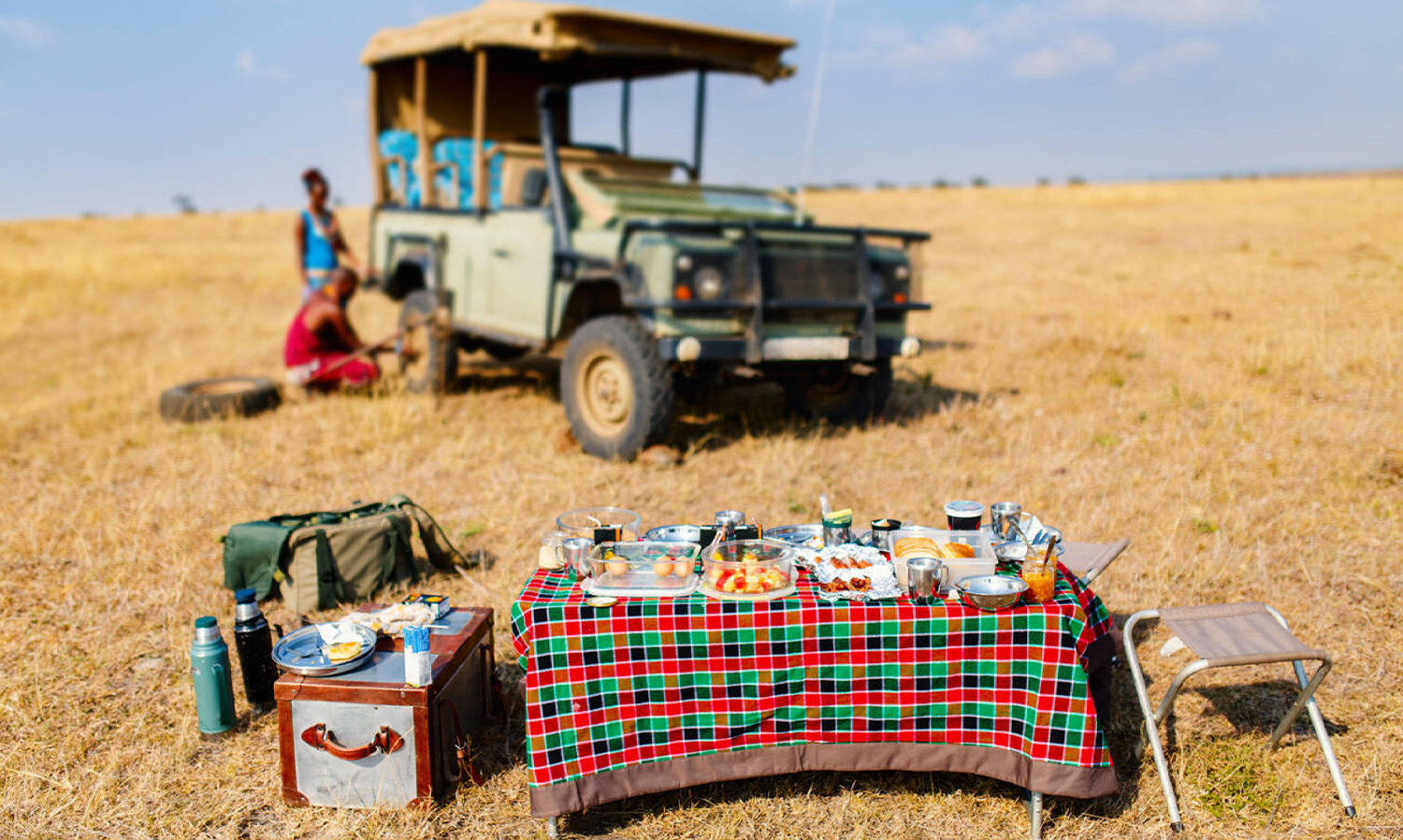
A full-day game drive with a packed picnic lunch allows you to break away from the busier lodge zones and explore the deeper, quieter corners of the reserve. You can travel all the way to the Mara River, where giant Nile crocodiles lie in wait for crossing herds. Spending eight to ten hours in the field gives your guide time to track specific animals—like a leopard on a hunt or a pride of lions resting under an acacia—without having to turn back early for lunch. Eating your meal under a solitary tree in the middle of the African savanna is an unforgettable experience in itself.
Is a hot air balloon safari worth adding to the Masai Mara portion?
A hot air balloon ride over the Mara plains at dawn is widely considered a bucket-list experience, and for good reason. Floating silently above the savanna as the sun rises over the horizon gives you a breathtaking perspective on the sheer scale of the landscape and animal tracks below. Afterwards, you land in the bush for a traditional champagne breakfast. The main consideration is cost—it generally adds around $450 to $500 per person to your trip. If your budget allows for it, it is a magnificent splurge, but if funds are tight, standard ground safari drives will still deliver phenomenal wildlife encounters.
Can I visit an authentic Maasai village during this itinerary?
Yes, cultural visits to a local Maasai village (Manyatta) can easily be integrated into your time in the Masai Mara, typically on the afternoon of Day 1 or Day 2. During the visit, village members share their ancestral traditions, demonstrate traditional fire-making techniques, perform the vibrant Adumu (jumping dance), and invite you inside their homes. While these visits carry a modest entry fee (around $20–$30 per person) and have a commercial aspect with handmade beadwork sales, they provide valuable support to local pastoralist communities and offer personal insight into indigenous culture.
Why is Lake Naivasha worth adding to the 5-day itinerary?
Lake Naivasha offers a completely different rhythm compared to standard vehicle game drives. As a fresh-water lake surrounded by papyrus swamps and yellow fever trees, it is a haven for aquatic life and birding. A motorboat safari lets you glide within safe proximity of submerged hippo pods and fish eagles diving for prey. Furthermore, Lake Naivasha serves as the gateway to Crescent Island Game Sanctuary, where you can walk freely among wild wildlife—a rare privilege in Kenya, where visitors are usually restricted to vehicles.
What is Crescent Island, and why is it unique?
Crescent Island is a private, peninsular sanctuary located on Lake Naivasha. Because there are no large predators like lions or hyenas living on the island, visitors are permitted to go on guided walking safaris. You can trek right alongside herds of wildebeest, waterbucks, impalas, gazelles, and giraffes with no barriers between you and nature. It feels strikingly intimate, offering brilliant low-angle photography opportunities that you simply cannot get while looking down from the window of a 4x4 land cruiser.
How long are the driving transfers between Nairobi, Mara, and Nakuru?
Expect significant road travel time. The journey from Nairobi to the Masai Mara takes roughly 5 to 6 hours depending on traffic exiting the city and road conditions near the gate. From the Masai Mara to Lake Nakuru takes about 5 to 6 hours as you cross back across the Great Rift Valley floor. Finally, driving from Lake Nakuru (or Naivasha) back to Nairobi takes roughly 3 to 4 hours. While these drives are long, they pass through scenic agricultural zones, traditional towns, and stunning viewpoints overlooking the Rift Valley escarpment.
What type of safari vehicle should I request for this trip?
You will generally choose between a standard 8-seater customized pop-roof safari van or a 4x4 Toyota Land Cruiser. While safari vans are comfortable and budget-friendly on paved highways, a 4x4 Land Cruiser is strongly recommended for this specific circuit. The roads leading into the Masai Mara and the dirt tracks within the reserve can become severely rutted, muddy, or dusty depending on the weather. A Land Cruiser offers superior clearance, better suspension on rough terrain, four-wheel-drive reliability in deep mud, and elevated seating for photography.
What are the accommodations like on this circuit?
Accommodations range from high-end luxury canvas lodges to comfortable mid-range tented camps and budget safari hotels. In the Masai Mara, staying in a tented camp—where canvas walls let in the nocturnal sounds of the African night—is the classic safari experience. Most mid-range and luxury options feature en-suite bathrooms, hot showers, fine dining, and swimming pools. Near Lake Nakuru and Naivasha, accommodations lean towards permanent lodges, historic country hotels, and eco-resorts set in manicured gardens with views of the lakes.
How does park entry fee pricing affect the overall trip budget?
Park fees are a major component of safari pricing in Kenya. In the Masai Mara, conservancy and national reserve conservation fees are levied on a 24-hour basis and have increased significantly in recent years, often exceeding $100–$200 per adult per day during peak season. Lake Nakuru National Park is managed by the Kenya Wildlife Service (KWS) and has its own separate daily entry rate. When planning your budget, ensure your tour quote clearly states whether all park entrance fees are included, as these mandatory government costs can quickly alter the total price.
Is this 4 to 5-day safari suitable for young children?
Yes, but with realistic expectations regarding vehicle time. Children under five often struggle with 5-to-6-hour road transfers and long game drives where sitting quietly is necessary. However, older children usually find the experience thrilling. To make it family-friendly, opt for a private 4x4 vehicle so you can customize drive lengths, schedule frequent bathroom breaks, and return to camp early if the kids get tired. The 5-day option with Lake Naivasha is particularly great for families because the boat ride and walking safari break up the monotony of vehicle drives.
What health precautions and vaccinations are required?
Travelers to Kenya generally need to present a Yellow Fever vaccination certificate if arriving from an endemic country, and it is widely recommended for all visitors. Malaria is present in the lower-altitude areas like Masai Mara and Lake Nakuru, so consulting a travel clinic for appropriate anti-malarial prophylaxis (such as Malarone or Doxycycline) is essential. Pack a strong insect repellent containing DEET, wear long sleeves during dawn and dusk, and drink only bottled or filtered water throughout your journey.
How much should I budget for tipping safari guides and lodge staff?
Tipping is an integral part of safari culture in East Africa and is deeply appreciated by the hard-working local crew. As a standard guideline, plan to tip your dedicated safari driver-guide around $15 to $20 per day per vehicle from your group. For lodge and camp staff, most properties have a communal tip box at reception; dropping $10 to $15 per day into the box covers the team behind the scenes, including chefs, housekeepers, and security escorts. Always tip in local currency (Kenyan Shillings) or clean US dollar bills printed after 2013.
What packing essentials should I bring for a 5-day Kenya safari?
Pack lightweight, breathable clothing in neutral tones like khaki, beige, and olive green—bright colors can startle wildlife, while dark blue and black attract tsetse flies. Evenings and early morning game drives can be surprisingly cold, especially in Nakuru and high-altitude areas of the Mara, so bring a warm fleece jacket or windbreaker. Key non-clothing items include high-SPF sunscreen, polarized sunglasses, a wide-brimmed hat, insect repellent, a durable power bank, extra memory cards, and a pair of quality 8x42 or 10x42 binoculars for spotting distant wildlife.
Can vegetarians and vegans be accommodated on this safari?
Virtually all safari camps and lodges in Kenya excel at accommodating dietary restrictions, including vegetarian, vegan, gluten-free, and halal diets. Because meals are usually served as multi-course set menus or buffets, chefs regularly prepare fresh vegetables, lentils, rice, curries, and tropical fruits. To ensure seamless service, notify your safari operator or lodges at the time of booking so the kitchen teams can stock specialized ingredients before your arrival in remote bush areas.
What is the difference between staying inside the Masai Mara reserve versus a private conservancy?
Staying inside the main national reserve puts you close to major river-crossing points and central wildlife areas, but off-roading, night drives, and walking safaris are strictly prohibited. Staying in a private conservancy bordering the Mara (such as Mara North or Olare Motorogi) offers distinct advantages: limited vehicle numbers at sightings, permission for off-road tracking of big cats, guided bush walks, and night game drives. While conservancy stays are generally pricier, they deliver a significantly less crowded and more exclusive safari environment.
Is it safe to travel by road between Nairobi, Mara, and Nakuru?
Generally, tourist road transit in Kenya is safe when conducted by licensed, professional safari companies. Drivers are experienced with local road conditions and highway etiquette. However, highway traffic out of Nairobi can be dense, and driving after dark is avoided by reputable operators due to poor street lighting and erratic local traffic. Always travel with an established driver who adheres to safe speed limits, keeps the vehicle locked, and handles transit during daylight hours.
How close will we get to the wild animals?
In both Masai Mara and Lake Nakuru, animals are accustomed to safari vehicles and often display remarkable indifference to them. Lions may sleep in the shade cast by your Land Cruiser, and cheetahs occasionally use bonnet tops as vantage points. However, professional guides strictly adhere to safety distances to avoid distressing wildlife. You will get close enough to take detailed photos with standard zoom lenses, but you must remain inside the vehicle at all times unless in designated picnic sites or walking zones.
What photography gear is recommended for this circuit?
A smartphone is great for wide landscape shots, but capturing distant wildlife requires a dedicated camera body with a telephoto zoom lens. A lens with a focal range of 100-400mm or 150-600mm is ideal for capturing clear shots of predators, birds, and skittish game. Bring a dust-proof bag or wrap to protect your gear from fine red dust on dirt roads, a lens cleaning kit, a beanbag to steady your camera on the vehicle pop-roof, and plenty of spare batteries since electricity charging hours in remote camps can sometimes be limited.
Is internet or mobile connectivity available during the safari?
Most safari lodges and tented camps offer Wi-Fi in their central lounge and dining areas, though speed and reliability can fluctuate due to satellite connections in remote areas. On the road, Kenya has surprisingly robust 4G mobile coverage powered by networks like Safaricom. You can easily purchase a local e-SIM or physical SIM card at Nairobi’s Jomo Kenyatta International Airport upon arrival to stay connected, send messages, and share photos during your transfers.
What is the night atmosphere like at safari camps?
Nighttime in the African bush is an unforgettable sensory experience. Once darkness falls, camps light campfires where guests gather for pre-dinner drinks and share stories under the stars. Because camps in the Mara are often unfenced, armed Maasai guards (ascars) escort you to and from your tent after dark for safety. Listening to the distant roaring of lions, laughing hyenas, and rustling trees while lying warm in your tent creates a magic that hotel stays simply cannot replicate.
How does Lake Nakuru differ landscape-wise from the Masai Mara?
Masai Mara is characterized by boundless rolling savannas, open horizons, riverine woodlands, and sweeping acacia groves that give you an endless sense of space. Lake Nakuru, on the other hand, is compact and dramatically framed by high rocky cliffs (like the Baboon Cliff viewpoint), dense yellow-fever acacia forests, and an expansive alkaline lake. The contrast between Mara's open plains and Nakuru's shaded woodland tracks makes combining them visually captivating and ecologically diverse.
Can I customize this itinerary into a private safari or join a group?
Both options are readily available. Joining a small group safari (usually 4 to 6 people in a van or cruiser) significantly reduces costs per person, making it ideal for solo travelers or budget-conscious couples. However, booking a private safari gives you total flexibility: you decide when to start your morning drives, how long to linger at a sighting, when to pause for restroom breaks, and what specific animals your guide focuses on tracking.
How far in advance should I book this safari?
If you plan to travel during the peak migration season (July through October), you should book at least 6 to 9 months in advance. Prime lodges and well-located tented camps in the Masai Mara fill up quickly, as do preferred safari vehicles. If you are traveling during the green or low seasons (November to May), 2 to 3 months advance booking is usually sufficient to secure your preferred itinerary, accommodations, and competitive pricing.
Booking Masai mara safari and lake Nakuru with us Roads of Adventure safaris
Book a combined safari to the Masai Mara and Lake Nakuru with Roads of Adventure Safaris offers an unforgettable taste of East Africa’s wild heart. Traveling in a comfortable 4x4 Land Cruiser with expert local guides, you will experience seamless game drives across two iconic ecosystems. Lake Nakuru captivates visitors with its rich birdlife, vibrant flamingo flocks, and rare rhino sightings. From there, the vast savannas of the Masai Mara await, offering front-row seats to the Big Five and sweeping natural landscapes. It is a perfectly balanced four-day escape blending luxury, discovery, and breathtaking safari encounters.
