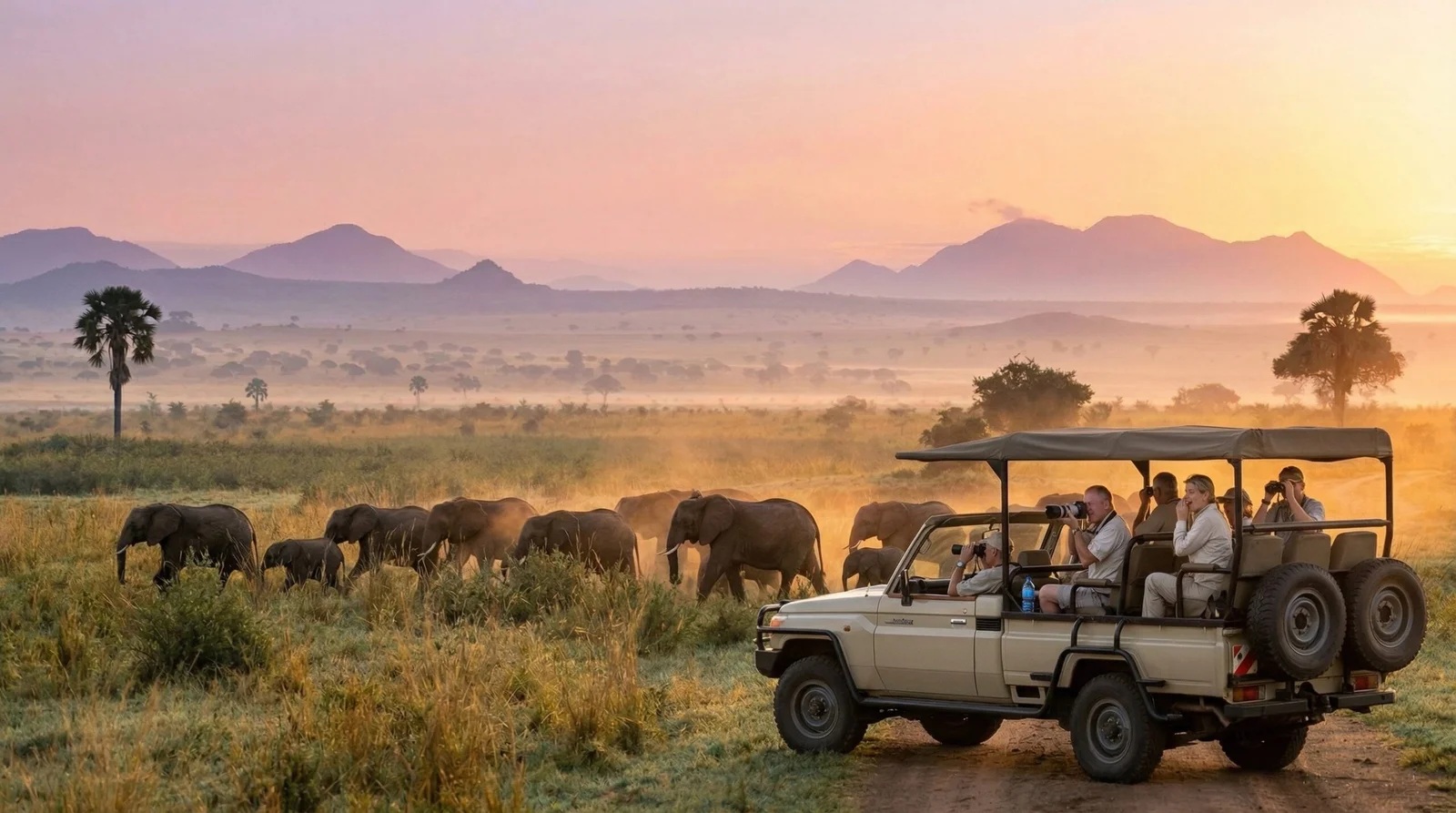
Discover Uganda’s Wild North: The Ultimate 7-Day Kidepo & Murchison Falls Safari Itinerary. If you are dreaming of an authentic African adventure far off the beaten tourist path, combining Kidepo Valley National Park and Murchison Falls National Park delivers the ultimate wilderness escape. Traversing Uganda’s rugged northern circuit offers an unforgettable contrast: the raw, mountainous frontier of Kidepo paired with the sweeping palm savannahs and roaring waterfalls of Murchison Falls.
Below, we break down everything you need to know about crafting this epic 7-day journey through twenty detailed insights.
3-days-uganda-safari-itinerary-to-kidepo-valley-national-park
5-day-best-safaris-to-uganda-kidepo-and-murchison-falls-national-parks
5-days-kidepo-valley-uganda-safari-via-ziwa-rhino-sanctuary
6-days-best-of-murchison-and-kidepo-uganda-safari-via-ziwa
7-days-murchison-falls-uganda-safari-trip-via-ziwa-rhinos-kidepo-valley-and-jinja.
Why is combining Kidepo Valley and Murchison Falls in 7 days a dream itinerary?
Pairing these two legendary parks offers a rich tapestry of landscapes and wildlife encounters you simply won't find anywhere else. Kidepo Valley, tucked away in Uganda's extreme northeast, boasts a dramatic semi-arid wilderness framed by sweeping mountain ranges, huge buffalo herds, and rare species like cheetahs and ostriches. Murchison Falls provides classic sweeping savannahs, booming elephant herds, elegant Rothschild's giraffes, and thrilling boat safaris along the Victoria Nile.
Covering this region in just a week creates an incredible flow. By weaving in a stop at Ziwa Rhino Sanctuary along the way, travelers achieve a complete Big Five safari—spotting rhinos, lions, leopards, elephants, and buffaloes in a single trip. It balances long, scenic road journeys through rural villages with intimate wildlife tracking, river cruises, and vibrant cultural exchanges with the Karamojong people. It’s the ultimate choice for travelers craving Uganda's most untamed, secluded corners without rushing.
How are long driving distances managed comfortably on the northern circuit?
Covering Uganda’s northern route involves significant stretches on the road, with transit days ranging from five to nine hours. For example, driving from Kampala to Gulu takes around five to six hours, while pushing onward from Gulu to Kidepo adds another four to five hours.
To ensure absolute comfort, we utilize custom-built 4x4 Land Cruisers featuring pop-up roofs, plush seating, and smooth suspension designed for rough terrain. We break up the miles strategically: stopping at Ziwa Rhino Sanctuary on Day 1 splits the initial leg north, while overnighting in vibrant Gulu town provides a restful pause before tackling the rugged Karamoja plains. Frequent stretch stops, cold bottled water, scenic picnic spots, and the engaging commentary of an expert local driver-guide turn long transit hours into an enjoyable part of the adventure.
What is the thrill of tracking rhinos on foot at Ziwa Rhino Sanctuary?
Ziwa Rhino Sanctuary serves as the perfect launchpad for your northern expedition. Located in the Nakasongola district, Ziwa is the exclusive home of wild white rhinos in Uganda, playing a vital role in national conservation and reintroduction efforts.
Upon arrival, expert Uganda Wildlife Authority rangers provide a thorough safety briefing before you step out into the bush. Walking quietly through the natural scrub within meters of these prehistoric giants delivers an adrenaline rush that vehicle safaris simply cannot match. You’ll observe their social behaviors, learn about anti-poaching conservation work, and snap incredible photos from a safe distance. Lasting roughly one to two hours, this immersive walking safari is an unforgettable highlight on your journey north.
Why do we recommend an overnight stopover in Gulu town?
Powering straight from Kampala all the way to Kidepo Valley in a single day translates to ten to twelve grueling hours in a vehicle, leaving you exhausted before the safari even begins. Breaking the journey with an overnight stay in Gulu transforms the entire experience.
As the bustling commercial hub of Acholiland, Gulu splits a massive drive into two manageable five-hour blocks. This allows you to enjoy rhino tracking at Ziwa at a relaxed pace. By evening, Gulu offers fantastic boutique hotels, warm northern hospitality, and wonderful local or international dining. It’s a wonderful way to experience modern northern town life and enjoy a restful night's sleep before venturing deep into the wild plains.
What extraordinary wildlife awaits you in Kidepo Valley National Park?
Widely celebrated as one of Africa’s most pristine, breathtaking wildernesses, Kidepo Valley hosts incredible species found nowhere else in the country. The Narus Valley retains permanent water year-round, drawing massive wildlife concentrations—including cape buffalo herds numbering in the thousands.
Alongside elephants, Rothschild's giraffes, zebras, and hartebeests, Kidepo is famous for its predators. Tree-climbing lions lounge lazily on massive granite kopjes, while leopards and hyenas roam the plains. Crucially, Kidepo is the only park in Uganda where you have a genuine shot at spotting fast-moving cheetahs. Bird enthusiasts are treated to over 470 species, including ostriches, secretary birds, and Abyssinian ground hornbills, all set against jaw-dropping mountain backdrops.
How does a visit to a Karamojong manyatta enrich your journey?
Stepping inside a traditional Karamojong manyatta (homestead) bridges the gap between a standard wildlife holiday and a profound cultural connection. The Karamojong are proud, semi-nomadic pastoralists sharing deep roots with Kenya's Maasai and Samburu communities.
Enclosed by protective thickets of thorn branches, the manyatta offers a window into traditional pastoral life. Village elders and local guides share stories of cattle heritage, craftsmanship, and ancient customs. You will be welcomed with energetic, roof-raising traditional dances where locals leap high into the air to rhythmic tribal songs. These respectful visits directly uplift local families through tourism revenue, funding community water and school projects while leaving you with lifelong human memories.
What makes Kanangorok Hot Springs and the Sand River worth exploring?
Tended by rugged mountain ranges near the South Sudan border, the northernmost sector of Kidepo features a dramatic landscape shift. Here, you will find the bubbling Kanangorok Hot Springs and the wide, sweeping expanses of the Kidepo Sand River.
Kanangorok features natural thermal waters bubbling up from subterranean depths against a stunning mountain backdrop. Just nearby, the dry Kidepo Sand River stretches wide like a ribbon of bright white sand fringed by borassus palms. Exploring this remote frontier gives travelers an authentic sense of unchartered wilderness, offering fantastic sightings of dry-country birds, ostriches, and browsing wildlife far away from crowded tourist tracks.
What are the key ecological differences between Narus Valley and Kidepo Valley?
Though they sit within the same park, Kidepo's two primary valleys present striking contrasts. The southern Narus Valley holds permanent water sources, drawing heavy wildlife concentrations during the dry months. This is where the majority of morning and afternoon game drives take place for consistent sightings of large mammals and predators.
In contrast, the northern Kidepo Valley is much drier, characterized by sandy riverbeds, palm forests, and semi-arid plains. While large mammal herds are sparser here, the valley delivers dramatic, sweeping scenery, specialized dry-country birds, and access to the hot springs, giving you a complete picture of the park’s diverse ecosystems.
What should you expect during an optional night game drive in Kidepo?
Venturing out after dusk in Kidepo opens the door to a mysterious nocturnal world. Accompanied by an armed park ranger wielding a high-powered spotlight, you traverse the silent savannah under a breathtaking canopy of stars.
As the spotlight sweeps across the brush, you'll catch the glowing eyes of elusive nocturnal predators like leopards on the hunt, servals, caracals, and civets. You might also spot roaming hyenas, white-tailed mongooses, and bushbabies leaping through acacia branches. Hearing distant lion roars echo across the cool night air makes this one of the most exhilarating experiences in the park.
What iconic wildlife highlights define Murchison Falls National Park?
As Uganda’s largest and oldest conservation area, Murchison Falls National Park pulses with life centered around the mighty Victoria Nile. Its palm-dotted northern savannahs support thriving populations of iconic African wildlife.
Along famous tracks like Buligi and Albert, you’ll encounter towering Rothschild's giraffes, massive elephant herds, buffaloes, hartebeests, and Uganda kobs. Lions frequently lounge in the shade or stalk grazing herds, while leopards hide out in acacia branches. Down by the water, hundreds of hippos wallow in the channels alongside giant Nile crocodiles basking on the mudbanks, accompanied by vibrant kingfishers and the rare, prehistoric shoebill stork.
What is the magic of the Victoria Nile boat cruise to the base of the falls?
The afternoon boat cruise up the Victoria Nile toward the base of the roaring waterfall stands out as an absolute masterpiece of any Ugandan safari. Setting off from Paraa jetty, you glide peacefully upstream on a comfortable vessel over a three-hour round trip.
You’ll enjoy front-row seats to incredible aquatic life: pods of grunting hippos, massive crocs with jaws agape, and elephants marching down to the shoreline to drink. The birdlife is equally dazzling, featuring colorful bee-eaters nesting in clay cliffs and majestic fish eagles perched overhead. The cruise culminates at the roaring gorge, where you look up in awe as the entire Nile forces its way through a narrow crack, creating shimmering mist and permanent rainbows.
How challenging is the hike to the Top of Murchison Falls?
For an extra dose of adventure, disembark from the boat cruise and embark on a guided hike straight to the top of the waterfall. Lasting roughly 45 to 60 minutes, the trail ascends the steep canyon wall alongside the cascading river.
While requiring a moderate level of fitness due to the warm climate and rocky steps, the reward is well worth the effort. As you climb, the thunderous roar of the water grows deafening, and a refreshing mist cools the air. Standing right at the brink of the 7-meter gorge where millions of gallons of water plunge 43 meters below delivers a sensory spectacle you will never forget.
What luxury and mid-range accommodations anchor this northern route?
Along this northern trail, accommodations range from charming mid-range tented camps to world-class luxury lodges. In Gulu, clean, modern hotels provide cozy en-suite rooms and great dining.
In Kidepo, properties like Apoka Safari Lodge offer stunning stone cottages with open-air canvas walls overlooking game-rich valleys, alongside fantastic options like Kidepo Savannah Lodge. In Murchison Falls, riverside gems like Paraa Safari Lodge, Chobe Safari Lodge, and Murchison River Lodge treat guests to swimming pools, delicious meals, and sweeping views of wildlife roaming right up to the lodge grounds.
When is the best time of year to embark on this northern safari?
While rewarding year-round, the optimal windows for this journey are Uganda’s dry seasons: December to February and June to September. During these months, dry weather makes road travel smooth and wildlife viewing exceptional.
In Kidepo, dry conditions draw all wildlife to the permanent waterholes in Narus Valley, creating concentrated, high-action game viewing with short grass for effortless predator spotting. However, traveling during the lush green seasons (March–May and October–November) offers unique perks: stunning photography backdrops, newborn wildlife, incredible migratory birding, and attractive low-season rates.
What should you pack for your 7-day northern adventure?
Packing smartly ensures complete comfort throughout your safari. Opt for lightweight, neutral-colored clothing (khaki, tan, olive) to stay cool and avoid attracting tsetse flies.
- Clothing: Long-sleeved shirts and trousers for sun and insect defense, shorts/t-shirts for daytime, a warm fleece for chilly morning drives, and sturdy hiking boots.
- Gear: Wide-brimmed sun hat, high-SPF sunscreen, sunglasses, DEET insect repellent, and a reusable water bottle.
- Electronics: A quality camera with a telephoto zoom lens (300mm+), extra memory cards, binoculars, and a reliable power bank for long transit days.
What health precautions, vaccinations, and safety steps are required?
Preparing your health and safety ensures a completely worry-free expedition. A yellow fever vaccination is mandatory for entry into Uganda, and an official certificate must be presented at immigration. Malaria prophylaxis (such as Atovaquone-Proguanil or Doxycycline) is strongly recommended, along with using mosquito repellent and sleeping under nets.
Always drink bottled or purified water and enjoy freshly prepared hot meals at reputable safari lodges. Uganda's northern region is exceptionally peaceful, welcoming, and safe for travelers. Simply follow the expert guidance of your professional driver-guide and UWA rangers during all activities.
How does your safari directly support local conservation and communities?
Booking this journey directly fuels vital wildlife preservation and community development across northern Uganda. Every park entry fee and conservation permit goes straight to the Uganda Wildlife Authority to fund anti-poaching patrols and habitat protection.
Furthermore, community-driven tourism initiatives—such as visits to Karamojong manyattas and Ziwa Rhino Sanctuary—provide sustainable employment, fair wages, and funding for local schools and clean water projects. When rural communities experience the tangible economic benefits of wildlife tourism, human-wildlife conflict drops, securing a brighter future for Uganda's natural heritage.
Can this itinerary be customized for luxury travelers or domestic flights?
Absolutely! This 7-day itinerary is fully flexible and tailored to match your precise travel style and time frame. For travelers seeking a luxury-focused pace with zero long road transit, long drives can be replaced with scheduled or private domestic flights.
Aerolink Uganda operates regular flights from Entebbe directly to Kidepo (Apoka Airstrip) and Murchison Falls (Pakuba, Bugungu, or Chobe Airstrips), turning seven-hour drives into quick 90-minute scenic hops. Whether you prefer a rugged 4x4 overland expedition or an effortless fly-in luxury tour, every detail can be customized to perfection.
What sets Uganda's northern circuit apart from southern parks like Bwindi?
While Uganda’s southern circuit is globally renowned for misty mountain gorilla trekking in Bwindi Impenetrable Forest, the northern circuit offers an entirely different, expansive wilderness experience.
Kidepo and Murchison Falls deliver vast, uncrowded, classic African savannah landscapes. You won't find bumper-to-bumper tourist traffic here; instead, you'll enjoy intimate, private wildlife sightings set against sweeping horizons, dramatic mountains, and mighty rivers—making it a deeply refreshing, authentic safari escape.
Ready to book your dream northern safari with Roads of Adventure Safaris?
Planning your unforgettable 7-day Kidepo and Murchison Falls expedition is effortless with Roads of Adventure Safaris. As a premier, locally owned Destination Management Company based in Kampala, our passionate travel experts handle every single detail—from custom itinerary design and lodge bookings to providing top-tier 4x4 Land Cruisers and expert driver-guides.
Don't just dream about the ultimate African wilderness—experience it firsthand. Contact Roads of Adventure Safaris today, and let our team start crafting your personalized Ugandan adventure from the ground up!
