How close is Nyungwe Tea Forest Resort to chimpanzee trekking and the canopy walk?
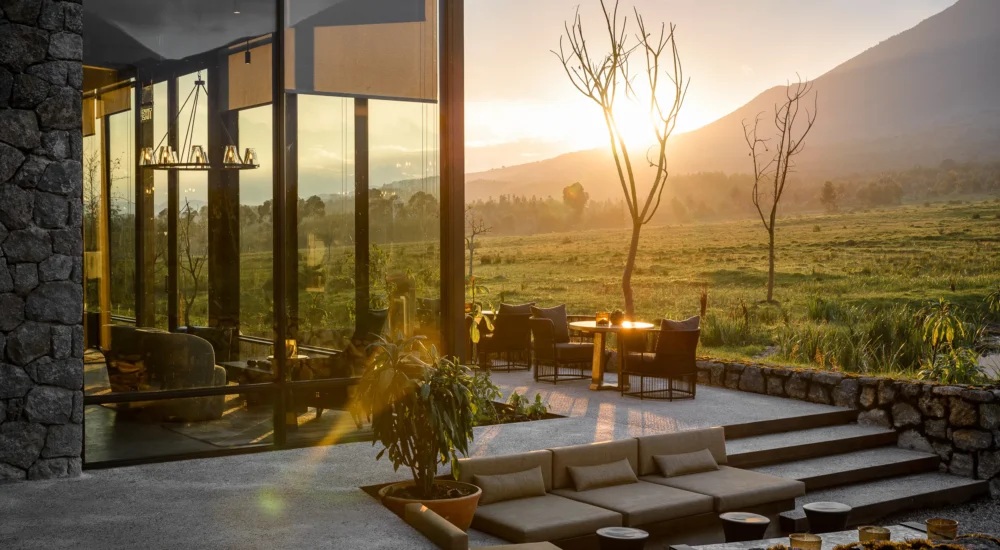
If you’re staying at Nyungwe Tea Forest Resort—the property formerly known as One&Only Nyungwe House—you’ll be based in the Gisakura tea-estate area, close to Nyungwe National Park’s western edge. You won’t be able to walk from the resort to either activity’s starting point, so plan on travelling by vehicle.
The canopy walk starts at Uwinka Visitor Centre, followed by a guided forest hike along the Igishigishigi trail to the suspended walkway. Chimpanzee trekking is less fixed: your meeting point depends on the chimpanzee group and the arrangements confirmed for your trek. It may involve a very early drive from Gisakura towards a park access point, and the drive can be longer if your assigned group is farther away.
A quoted 20–30-minute drive is best treated as an estimate, not a guarantee. Roads, weather and the precise meeting point can affect the journey. Ask the resort or your tour operator to confirm your exact pickup time and location before each activity.
How far is the resort from the canopy walk starting point?
The canopy walk begins at Uwinka Visitor Centre, not at the resort. Nyungwe Tea Forest Resort is in the Gisakura tea-estate area, on the western side of the forest, while Uwinka is farther inside the park. The road journey is often described as roughly 20–30 minutes, but allow for variation: the exact time depends on your pickup point, road conditions, traffic and weather.
The forest walk itself starts after you check in and meet your guide at Uwinka. From there, you follow the Igishigishigi trail to the suspended walkway. Visit Rwanda describes the walkway as about 160 metres long and 70 metres above the forest floor. The trail can be slippery or muddy, especially after rain, so wear shoes with good grip.
Is the canopy walk within walking distance of the resort?
No. Although the resort is close to the forest and surrounded by tea fields, Uwinka Visitor Centre is not a practical walk from the lodge. You would need to travel by vehicle to reach the canopy walk’s starting point, and the route follows park roads rather than a simple resort-to-attraction footpath.
Once at Uwinka, the canopy walk includes a guided hike through the forest. That’s a separate walk from the drive and involves uneven terrain, slopes and potentially muddy sections. Arrange transport with the resort or your tour operator rather than setting off on foot from the property. If you’re hoping to walk on the day, ask the resort which trails, if any, can be accessed locally from its area; don’t assume they lead to Uwinka or the canopy bridge.
Where exactly does the canopy walk start?
The canopy walk starts at Uwinka Visitor Centre, Nyungwe’s main visitor hub. Visitors check in there and join a guided walk on the Igishigishigi trail, which leads to the suspended bridge. The bridge is not directly beside the car park: reaching it involves walking through the forest first.
The park’s official tourism information describes the walkway as an experience on the Igishigishigi trail, and notes that it can also be reached by hikers on other trails. Visit Rwanda Follow the instructions from the visitor-centre staff and your assigned guide. Conditions and the exact arrangements can change, so confirm the meeting time when booking rather than relying on an old itinerary or an online schedule.
How long does the canopy walk experience take?
Allow around two hours for the full outing at Uwinka, including check-in, the guided approach hike, time on the bridge and the return walk. The exact duration varies with the group’s pace, the weather, trail conditions and how long people stop to look at the forest or take photographs.
The bridge itself is about 160 metres long, but the experience is more than a quick crossing: the forest trail is part of the activity. It can feel more strenuous than the short bridge suggests because Nyungwe is mountainous and paths may be muddy. If you have another activity planned that day, build in a generous buffer for the drive back to the resort. The park’s guidance is the best source for current check-in and departure arrangements.
Where does chimpanzee trekking begin?
There isn’t one universal starting point for every chimp trek. The meeting location depends on which habituated chimpanzee community you’ve been assigned to and the current park arrangements. Groups are associated with different parts of Nyungwe, including the Uwinka area and Cyamudongo Forest; Gisakura is also an important visitor and access point for the western side of the park.
That means an itinerary saying simply “chimpanzee trekking from the resort” leaves out an important detail. Before the trek, confirm the exact briefing point, pickup time and drive with your operator or resort. Chimpanzees move through the forest, and the location of the trek can affect both the drive and the walking time. Don’t assume the nearest-looking access point on a map will be the one used for your permit or group.
How early do guests usually leave for chimpanzee trekking?
Expect a very early start. Chimpanzee treks generally begin in the morning, and your actual departure time depends on the assigned community, briefing location and instructions from park staff. Some visitors may need to leave the resort before dawn, so confirm the pickup time the evening before and ask whether breakfast or a packed snack will be available.
The early start is practical: the trek needs time for the briefing, travel to the forest, the search itself and the return. Chimpanzees are active and can move through thick forest, so it’s difficult to predict exactly when you’ll finish. Bring water and any personal items your guide recommends. Since the precise schedule can vary, treat generic online times as planning guidance only, not as a guaranteed departure time for your specific booking.
Can I do chimpanzee trekking and the canopy walk on the same day?
It may be possible, but it’s not the easiest plan to rely on. Chimpanzee trekking can take several hours and its finish time is unpredictable; the chimpanzees may be found quickly or after a longer search. The canopy walk has its own meeting point at Uwinka and requires a separate guided hike. Depending on where your chimp trek starts and ends, travelling between the activities may also take time.
If both are important to you, ask your tour operator to check the current schedules and distances before booking them on the same day. A more relaxed plan is to put them on separate days, particularly if your chimp trek begins early or you’d like time to rest afterward. That also gives you some flexibility if weather, road conditions or park operations affect the timing.
How difficult is the canopy walk?
The canopy walk is suitable for many visitors who are comfortable with a guided forest hike, but it is not a completely flat stroll. The approach follows a forest trail with slopes and uneven ground, and rain can make the path muddy or slippery. The bridge is high above the forest floor, so visitors who are nervous about heights may find it challenging.
You don’t need technical climbing skills, but steady footing and a reasonable level of mobility help. Wear closed shoes with good grip, take your time and follow the guide’s instructions. If you have a medical condition, balance concerns or significant mobility limitations, discuss them with the resort or park staff before booking. Ask about the current trail condition and whether there are any restrictions that could affect your visit.
How demanding is chimpanzee trekking?
Chimpanzee trekking can be physically demanding because you’re walking in dense, hilly rainforest rather than along a paved path. The duration and difficulty depend on where the chimpanzees are that day, the terrain, weather and the pace of the group. You may spend time climbing or descending muddy slopes, stepping over roots and waiting while guides listen for calls or track movement.
There’s no reliable way to promise a short, easy trek. Bring suitable hiking shoes, water and rain protection, and tell your guide if you need a slower pace or have a health concern. If you’re unsure about your fitness, discuss it before the excursion so the operator can explain the likely demands and current options. A porter may be available to help carry a daypack; confirm this locally and bring cash if you plan to hire one.
What should I wear for these activities?
Wear comfortable, quick-drying clothes that cover your arms and legs, along with sturdy shoes with good grip. Nyungwe is a rainforest, so rain can arrive even when the morning begins clear. A lightweight waterproof jacket is useful, and gaiters can help keep mud and vegetation off your lower legs during chimpanzee trekking.
For the canopy walk, closed shoes are also a good idea; sandals or smooth-soled shoes are less suitable on wet forest paths. Carry a small daypack with water, any essential medication, a camera and a waterproof cover for electronics. Avoid bringing unnecessary valuables. Ask your guide about current rules for photography, bags and trekking equipment. The right clothing won’t prevent every muddy patch, but it will make the experience more comfortable and help you focus on the forest rather than your footwear.
What is the best time of year to visit Nyungwe?
Nyungwe can be visited throughout the year, but rain is a normal part of a montane rainforest environment. Drier periods may make trails less muddy, while wetter conditions can mean lush vegetation and slippery paths. Weather varies locally, so a general seasonal forecast cannot guarantee the conditions you’ll meet on the day.
Rather than choosing dates based only on the weather, consider your wider Rwanda itinerary, availability of permits and how much flexibility you have. If you’re planning chimp trekking and the canopy walk, allow enough time in the area to absorb a schedule change or a slower trek. Pack rain protection regardless of the month. Before travel, check the latest advice from your lodge, tour operator and park staff, who can speak to current trail and road conditions.
Do I need to book the canopy walk in advance?
It’s wise to arrange the canopy walk ahead of time, particularly if you have only one available day or are travelling during a busy period. Booking through your tour operator or resort helps coordinate transport from Gisakura and ensures you know the required arrival time at Uwinka. Confirm whether your booking includes park entry, the guided walk and transfers, because inclusions can differ.
The published schedules and procedures may change, so don’t rely on an old blog post for departure times or prices. Ask for written confirmation of the date, meeting point, pickup time and what to bring. If you’re already staying at the resort, its team may be able to help coordinate the booking and transport. Confirming these details in advance is especially useful if you are trying to fit the canopy walk around other park activities.
Do chimpanzee permits need to be booked in advance?
Yes, planning ahead is sensible. Chimpanzee trekking is a managed park activity, and availability, permit arrangements and assigned trekking locations can affect your itinerary. Ask your operator or the relevant park booking channel to confirm that the permit is secured, which group or sector you are assigned to, where the briefing takes place and what time you must be ready.
Do this before finalising your hotel nights and transfers, because the assigned location can change how early you need to leave Gisakura. Don’t assume that an enquiry or a provisional itinerary is the same as a confirmed permit. Request the final details in writing and keep them available during your trip. If you’re arranging activities independently, check directly with the official park or tourism channels for current rules, costs and availability.
What happens if we don’t find chimpanzees?
Chimpanzees are wild animals, not a scheduled performance, so sightings cannot be guaranteed. Guides use experience, calls and signs in the forest to locate them, but the group may move or remain difficult to see. A trek can therefore take longer than expected, and visitors should be prepared for a forest walk even if the encounter is brief or visibility is limited.
Ask your operator what the current permit terms say about unsuccessful searches; don’t assume a refund or repeat trek is automatically included. Even without a clear view, the outing can still offer a close look at Nyungwe’s forest habitat and other signs of wildlife. Bring patience, follow the guide’s instructions and avoid making loud noises or trying to approach animals. The goal is to observe responsibly, not to force an encounter.
Can children join the canopy walk or chimp trek?
Age limits and participation rules may differ between activities and can change, so confirm directly with the park or your tour operator before booking. Even where children are permitted, think about the practical demands: early starts, a long forest walk, muddy slopes and the height of the canopy bridge. A child who is comfortable on ordinary hikes may still find the suspension bridge intimidating.
For chimpanzee trekking, the length and difficulty of the search are unpredictable, which can be tiring for younger visitors. Ask about the minimum age, supervision requirements and whether a particular trek is suitable for your child’s fitness and confidence. Don’t rely on a resort’s general description alone; get confirmation for the exact activity and date. If children are not joining one excursion, discuss safe, supervised alternatives with the resort in advance.
Is the canopy walkway suitable for someone afraid of heights?
It depends on how strong the fear is. The suspended bridge is roughly 70 metres above the forest floor, so visitors who are uncomfortable with heights may find it intense. Some people feel reassured once they’re on the walkway; others decide that the height and movement are not for them. There’s no need to feel pressured to cross.
Tell your guide if you’re nervous, and follow their instructions about spacing and movement on the bridge. If you think the experience may be too much, ask the resort or operator about other guided forest walks at Nyungwe. You can still enjoy the rainforest without going onto the suspension bridge. Get current advice from the park staff before setting off, since the route and operating procedures are managed locally.
What should I bring on the chimpanzee trek?
Keep your daypack light. Useful items usually include drinking water, a small snack if permitted, a waterproof jacket, camera or phone in a protective cover, personal medication and a spare layer for the cool morning. Wear hiking shoes with good traction, since trails may be steep or muddy. A walking stick can be helpful for some visitors; ask your guide or operator whether one is available.
Follow the park’s instructions about food, rubbish, photography and distance from wildlife. Don’t pack a large suitcase or leave valuables unattended in a vehicle. If you’d like help carrying your bag, ask in advance whether a porter can be arranged and how payment works. The exact checklist may differ by trek, so use the final guidance from the park or your tour operator rather than assuming every online packing list applies.
Is there a benefit to staying at the resort for these activities?
The resort’s location in the Gisakura tea-estate area makes it a convenient base for exploring the western side of Nyungwe. Staying there also means you can enjoy the tea landscape and forest setting between excursions. However, it does not remove the need for transport: Uwinka Visitor Centre, where the canopy walk begins, is elsewhere in the park, and the chimpanzee meeting point depends on your assigned trek.
The practical advantage is having resort staff or your tour operator coordinate early pickups, meals and local arrangements. Ask whether transfers are included in your stay or billed separately, and confirm the plan for each activity the day before. If you’re choosing accommodation mainly to minimise driving, compare the exact location of the relevant starting points—not just the phrase “near Nyungwe”—with your confirmed activity schedule.
Can I visit the canopy walk without doing a chimpanzee trek?
Yes. The canopy walk is a separate guided activity, so you can plan it on its own without booking a chimpanzee trek. You’ll still need to get to Uwinka Visitor Centre and follow the park’s check-in and guide arrangements. The activity includes a forest hike and the suspended bridge; it isn’t simply a viewpoint you can drive up to.
If you have only one day in Nyungwe, the canopy walk can be a good option because it has a more defined route than chimpanzee tracking, although timing and trail conditions still matter. Ask your hotel or operator about the current schedule, transport and fees. If you’re hoping to see wildlife from the bridge, remember that sightings are possible but never guaranteed; the main experience is the elevated view over the forest.
How should I plan the two activities during a short stay?
If you have two days, a straightforward plan is to dedicate one morning to chimpanzee trekking and another to the canopy walk. This gives you more breathing room if the chimp search takes longer than expected or if road and weather conditions slow your transfers. It also means you won’t have to rush from one starting point to another after an early forest excursion.
Before you arrive, confirm your chimpanzee group, briefing location, pickup time, canopy-walk booking and transport with the resort or operator. Ask whether meals are available before early departures and whether your activities include park entry and guiding. If you have only one day, request a feasibility check from someone coordinating locally rather than assuming the two can be combined. Build in extra time for Nyungwe’s winding roads and changeable conditions.
Booking Nyungwe chimpanzee tracking with us Roads of Adventure safaris
Booking chimpanzee tracking in Nyungwe National Park with Roads of Adventure Safaris offers a seamless primate experience in Rwanda. The company manages permit bookings, lodging, and transfers from Kigali, while providing expert guides for treks through Nyungwe or Cyamudongo forest. Guests can also combine the one-hour chimp encounter with highlights like the treetop canopy walk or Lake Kivu relaxation via flexible multi-day iti