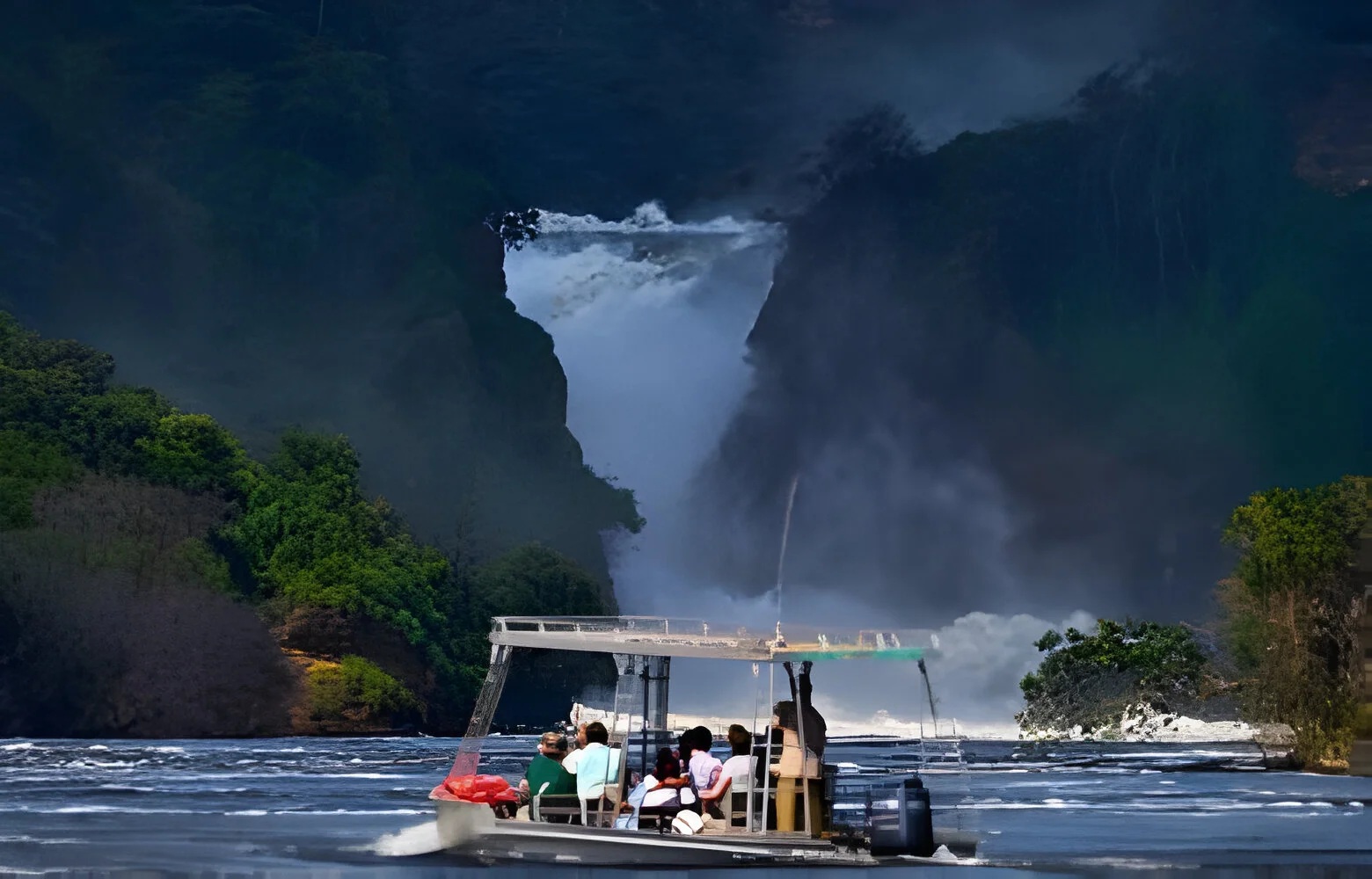
Embarking on a game drive in Murchison Falls National Park is widely considered Uganda's ultimate wildlife experience. Spanning nearly 3,900 square kilometers, this iconic conservation area is bisected by the roaring Victoria Nile, creating a breathtaking haven where wild savannah meets rich riverine ecosystems. Most safari tracks wind through the park’s northern sector, where palm-dotted grasslands, acacia woodlands, and open plains host incredible densities of big game. Whether you are tracking active lion prides along the Buligi circuit at dawn, watching massive elephant herds gather along the Nile, or venturing out on a thrilling night drive under the stars, Murchison offers an unforgettable African safari adventure.
3-days-murchison-falls-national-park-best-uganda-safari-road-trip
3-days-best-honeymoon-uganda-safari-escape-to-murchison-falls-national-park
5-day-best-safaris-to-uganda-kidepo-and-murchison-falls-national-parks
5-days-kidepo-valley-uganda-safari-via-ziwa-rhino-sanctuary
6-days-best-of-murchison-and-kidepo-uganda-safari-via-ziwa
7-days-murchison-falls-uganda-safari-trip-via-ziwa-rhinos-kidepo-valley-and-jinja
7-days-uganda-tour-to-murchison-falls-via-ziwa-kibale-and-queen-elizabeth-national-park
9-days-africa-big-five-safari-in-uganda-safari-parks-and-gorilla-trekking
🦁 Expected Wildlife Sightings
Murchison Falls National Park protects an impressive biodiversity footprint featuring over 76 mammal species and more than 450 recorded bird species. During a single morning drive, safari-goers can spot four of the famous Big Five—including large herds of Cape buffaloes, African bush elephants, prides of lions, and elusive leopards resting in acacia branches. The park is especially renowned for harboring the world’s largest remaining population of endangered Nubian (Rothschild’s) giraffes, often seen in tower groups of 10 to 30 individuals browsing along the treetops. Surrounding the giraffes are massive herds of Jackson's hartebeests, Uganda kobs, waterbucks, oribis, and warthogs. Birdwatchers can spot striking Abyssinian ground hornbills walking through the grass, martial eagles scanning from above, and the highly sought-after, prehistoric shoebill stork near the Albert Nile Delta.
🕒 Game Drive Schedules
Timing your game drives correctly allows you to experience the park at its most active hours while capturing incredible light for photography. The early morning drive begins precisely at 6:30 AM, catching predators like lions and leopards while they are still actively hunting before equatorial heat sets in. Late afternoon drives depart around 4:00 PM, offering ideal conditions to photograph elephant herds and tall giraffes silhouetted against dramatic golden sunsets until park gates close at 6:30 PM. For a completely different perspective, night game drives launch at 7:00 PM, lasting 2 to 3 hours. Accompanied by an armed Uganda Wildlife Authority (UWA) ranger and equipped with high-powered spotlights, guests venture into the dark to spot nocturnal hunters—including spotted hyenas, civets, genets, white-tailed mongooses, and lions preparing for night hunts.
🛣️ Top Safari Tracks
The northern sector of Murchison Falls features a well-maintained network of dirt tracks designed to maximize game viewing across different habitats. The Buligi Track is the park's premier 170-kilometer circuit, winding through open savannah, acacia woodland, and riverine forest where big game sightings are at their highest density. For a shorter, highly focused excursion, the 10-kilometer Queen’s Track is famous for frequent lion sightings, grazing antelopes, and giraffe towers. Meanwhile, heading west toward the Albert Nile Delta offers a stunning drive where the Nile empties into Lake Albert. This marshy ecosystem is a magnet for massive elephant herds coming down to drink, pods of hippos wallowing in the shallows, and rare wetland birds like the shoebill stork.
💵 Standard Costs & Tariffs
Planning a smooth safari budget requires understanding the official Uganda Wildlife Authority (UWA) fee structure for Murchison Falls. Daily park entry fees are valid for 24 hours and currently stand at USD $45 for Foreign Non-Residents, USD $35 for Foreign Residents, and UGX 25,000 for East African Citizens. Hiring an official UWA ranger guide for a day game drive costs roughly USD $20 to $25 per vehicle, while taking an official UWA open-top game drive truck costs USD $30 per person. Night game drives require a mandatory armed ranger and cost USD $40 for foreign visitors or UGX 40,000 for East Africans. Lastly, vehicle entry fees start at UGX 30,000 for local Uganda-registered tour cars, with custom 4WD pop-up roof safari vehicles being the ideal choice for optimal 360-degree viewing.
When is the best time for a Murchison game drive?
The absolute best window for game drives in Murchison Falls National Park occurs during the primary dry seasons: December through February and June through September. During these months, rainfall drops significantly, causing the thick savannah grasses to wither and shorten, which greatly improves visibility for spotting wildlife across the open plains.
As water sources evaporate inland, massive herds of elephants, Cape buffaloes, giraffes, and various antelope species gather in large numbers around permanent water bodies like the Victoria Nile and the Albert Nile. Predators like lions and leopards frequently wait in ambush nearby, providing travelers with incredible, high-energy wildlife encounters.
While game drives operate year-round, traveling during the dry months also ensures that dirt tracks like the Buligi and Pakuba circuits remain firm and easily navigable for 4WD safari vehicles, preventing unexpected delays in the bush. If you visit during the wetter months (March to May or October to November), you will enjoy lush green scenery and fewer crowds, but animal tracking requires more patience as wildlife disperses across the park. Sticking to the dry seasons offers the highest probability of ticking off big game from your wishlist.
Which animals can you expect to spot on a drive?
A game drive across Murchison Falls National Park introduces you to one of East Africa’s most diverse mammal populations, featuring 76 distinct mammal species. As you traverse the open grasslands, you can reliably expect to spot four of the famous Big Five: giant African bush elephants, dense herds of Cape buffaloes, proud prides of lions, and secretive leopards draped across acacia branches.
Murchison is also world-famous for harboring the planet's largest remaining population of endangered Nubian (Rothschild’s) giraffes. It is common to see impressive towers of 10 to 30 giraffes browsing peacefully alongside massive herds of Jackson's hartebeests, Uganda kobs, Defassa waterbucks, oribis, and warthogs.
Primates like olive baboons and patas monkeys frequently trot alongside the dirt tracks, while birdwatchers can admire over 450 recorded avian species. Look out for striking Abyssinian ground hornbills strutting through the grass, martial eagles perched high in canopy trees, and bateleur eagles soaring overhead. If you head toward marshy delta channels, you may even spot hippos grazing near the water's edge during cool early mornings.
Why are game drives mostly done on the northern bank?
The northern bank of Murchison Falls National Park is widely recognized as the premier game-viewing sector due to its vast, open Borassus palm-dotted savannahs and higher wildlife density. Historically, the river acts as a natural barrier, and the northern plains between the Victoria Nile and Albert Nile host sprawling grasslands that support immense herds of grazers.
Because grazing antelopes, buffaloes, and giraffes congregate heavily on the northern bank, apex predators like lions, leopards, and hyenas naturally concentrate in this sector to hunt. The open vegetation here provides unobstructed, 360-degree sightlines, allowing safari-goers to spot animals from hundreds of meters away compared to the denser, bushier landscapes found on the southern bank.
Furthermore, the northern sector features the park's best-developed network of game tracks—including the famous Buligi, Queen's, and Victoria circuits—which loop through varied habitats like riverine woodlands and acacia thickets. While the southern bank offers incredible attractions like Budongo Forest chimp tracking and hikes to the top of the falls, the northern bank remains the undisputed heart of classic game driving in Murchison.
What makes the Buligi game track so popular in Murchison?
The Buligi game track is universally considered the crown jewel of safari circuits within Murchison Falls National Park. Spanning a sprawling 120-to-170-kilometer network of interconnected dirt loops, Buligi sits wedged between the Victoria Nile and the Albert Nile, creating a rich biological triangle where wildlife thrives in huge numbers.
What makes Buligi so special is its diverse landscape, which seamlessly transitions from open short-grass plains to dense acacia thickets, riverine woodlands, and palm groves. This habitat variety supports an incredible mix of animals. It is the most reliable track in the entire park for spotting prides of lions on the hunt, solitary leopards resting in large fig trees, and massive herds of Rothschild’s giraffes feeding on acacia leaves.
The circuit also leads directly toward the serene Albert Nile Delta, where land mammals mingle with aquatic wildlife like hippos and crocodiles. Because Buligi offers smooth driving conditions, wide sightlines, and unmatched animal concentrations, almost every morning and evening game drive incorporates this iconic route to maximize high-quality wildlife sightings.
What time does an early morning game drive start daily?
Early morning game drives in Murchison Falls National Park officially kick off around 6:30 AM, right as the first rays of equatorial sunlight break across the horizon. Setting out at dawn is essential because the cool morning air triggers peak activity among the park's resident wildlife.
Predators like lions, leopards, and spotted hyenas are nighttime hunters that remain active during these early, chilly hours before the intense sun forces them to retreat into thick brush for shade. Watching a lioness stalk through dew-covered grass or spotting a leopard heading home from a hunt is best experienced between 6:30 AM and 8:30 AM.
Herbivores like elephants, giraffes, and Uganda kobs also spend these early hours actively grazing before midday heat sets in. Furthermore, sunrise over the palm-dotted savannah offers soft, golden lighting that photographers dream of. Drivers typically cross the river or depart from northern safari lodges by 6:15 AM, ensuring you are out on the main tracks the moment park gates open and animal action begins.
Can you see big cats during a night game drive?
Yes, taking a night game drive significantly increases your chances of witnessing big cats in action! While lions and leopards are often spotted sleeping under bushes during hot daytime hours, they transform into formidable, active hunters once darkness falls over the savannah.
Departing around 7:00 PM, night game drives venture into the open northern plains using specialized high-powered spotlights. Accompanied by an armed Uganda Wildlife Authority (UWA) ranger guide who understands nocturnal animal habits, you can follow fresh tracks and listen for territorial calls echoing through the dark.
It is an incredible adrenaline rush to catch the amber eye-shine of a leopard stealthily tracking prey through the grass, or to observe a pride of lions assembling to hunt buffaloes under the moonlight. Beyond big cats, night safaris expose you to rare nocturnal creatures rarely seen by day, including spotted hyenas, African civets, genets, white-tailed mongooses, porcupines, and nightjars resting on dirt roads. The entire 2-to-3-hour experience offers a fascinating, mysterious glimpse into the wild after dark.
Is an armed ranger required during Murchison game drives?
While hiring an armed ranger is not strictly mandatory for standard daytime game drives if you are accompanied by an experienced tour operator guide, it is highly recommended—and absolutely mandatory for night game drives and self-drive safaris.
Uganda Wildlife Authority (UWA) rangers bring immense value to any safari. They possess deep, insider knowledge of daily animal movements, track signals, and territory boundaries, dramatically improving your chances of locating elusive species like leopards, lions, and hyenas. Having a ranger on board also adds a crucial layer of safety when navigating remote sectors of the park where large wild animals roam freely.
During night drives, an armed ranger is required by park regulations to ensure complete guest safety in the dark. In the rare event of an aggressive animal encounter or an unexpected breakdown on a remote track, the ranger’s specialized training and firearms provide total peace of mind. Hiring a UWA ranger guide for a day drive costs roughly $20 to $25 USD per vehicle, making it an affordable, worthwhile investment for an enriched wildlife safari.
What kind of safari vehicle is best for game viewing?
The absolute best vehicle for a game drive in Murchison Falls National Park is a customized 4WD safari Land Cruiser or safari van equipped with a pop-up roof. The rugged terrain and occasional mud on dirt tracks require a sturdy four-wheel-drive system to ensure smooth navigation across all park circuits.
A pop-up roof design is crucial for an exceptional wildlife viewing experience. It allows passengers to stand up safely inside the vehicle, providing an elevated, 360-degree unobstructed view over high savannah grass and bushes. This line of sight is essential for spotting big cats resting in the underbrush, tracking distant elephant herds, and capturing crisp, glare-free photographs without glass windows in the way.
Additionally, quality safari vehicles feature large drop-down windows, comfortable cushioned seating, charging ports for camera batteries, and built-in fridges or coolers to keep drinking water cold during hot afternoon drives. Choosing a well-maintained 4WD safari Land Cruiser guarantees both off-road reliability and maximum comfort throughout your wilderness adventure.
How long does a standard morning game drive usually last?
A standard morning game drive in Murchison Falls National Park typically lasts between 3 to 4 hours. Leaving your lodge or crossing the Nile River around 6:30 AM, you will spend the morning exploring interconnected tracks like Buligi, Queen's, and Pakuba before returning to camp between 10:00 AM and 10:30 AM.
This timeframe is carefully planned to align with wildlife behavior. The first two hours (6:30 AM to 8:30 AM) offer peak action as predators hunt and herbivores graze actively in cool temperatures. As the sun rises higher and temperatures warm up between 9:00 AM and 10:00 AM, animals slowly move toward shaded thickets or riverbanks to rest, marking a natural wind-down for game viewing.
Your guide will pace the drive comfortably, stopping frequently for photograph opportunities, animal behavior explanations, and short breaks at scenic lookouts like the Albert Nile Delta. Returning to your lodge by mid-morning gives you ample time to enjoy a full breakfast, relax by the pool, and recharge before afternoon activities like the Nile boat cruise.
Where can you spot lions resting along the Pakuba track?
The Pakuba track is famous among safari guides as one of the most reliable hotspots for lion sightings in Murchison Falls National Park. Extending for 17 kilometers parallel to the Albert Nile and connecting the Buligi circuit to the Tangi gate, this track features open grasslands interspersed with thick acacia groves that lions favor.
The ultimate landmark on this route is the ruins of the old Pakuba Safari Lodge. Built decades ago and later abandoned, the crumbling concrete structures, shaded rooms, and overgrown foundations provide lions with a cool, elevated, and sheltered place to rest during hot daytime hours. Prides are frequently spotted lounging on the concrete slabs, lying under nearby shade trees, or using high vantage points to scan surrounding plains for grazing Uganda kobs.
In addition to the lodge ruins, lions are often seen resting beneath large umbrella acacia trees lining the track between 9:00 AM and 3:00 PM. Driving slowly along Pakuba during early morning or late afternoon frequently rewards visitors with sightings of lionesses heading out to hunt or cubs playing near thickets.
Can visitors spot the rare shoebill stork on drives?
Yes, visitors can spot the rare and prehistoric shoebill stork during game drives, particularly when navigating tracks that approach the Albert Nile Delta area in the western sector of Murchison Falls National Park.
While shoebills are shy, solitary wetland birds that spend most of their time wading through thick papyrus swamps, the track network leading toward the delta offers elevated vantage points overlooking marshy channels and shallow mudflats. During dry seasons, water levels recede slightly, bringing shoebills closer to open swamp edges where they stand motionless for hours, waiting to strike at lungfish, catfish, and frogs.
While a dedicated Nile Delta boat trip remains the most guaranteed way to spot this sought-after bird, slow game driving along the delta loop around 7:30 AM to 9:30 AM often yields surprise sightings along swampy road margins. Bringing a good pair of binoculars or a long telephoto camera lens (400mm or higher) is strongly recommended, as these magnificent, dinosaur-like birds blend seamlessly into tall papyrus vegetation.
What are the park entry fees for foreign nonresidents?
As of 2026, the official Uganda Wildlife Authority (UWA) park entrance fee for Foreign Non-Residents visiting Murchison Falls National Park is USD $45 per person for a 24-hour period. For Foreign Residents holding valid work permits, the fee is USD $35, while East African Citizens pay UGX 25,000.
It is important to remember that park entry permits operate on a strict 24-hour clock. For instance, if you enter the park gates at 2:00 PM on day one, your permit remains valid until 2:00 PM on day two. This allows you to fit in an afternoon boat cruise, a night drive, and a morning game drive all under a single entrance ticket.
In addition to individual entrance fees, safari vehicles pay separate entry charges. Uganda-registered tour cars pay starting at UGX 30,000 per entry, valid for the same 24-hour window. Payment can be made at main gates (such as Tangi, Kichumbanyobo, or Bugungu) using credit/debit cards or official UWA cashless payment cards, ensuring quick processing before you head out on your drive.
Why should you visit the Albert Nile Delta during drives?
Driving out to the Albert Nile Delta—where the Victoria Nile empties into Lake Albert—is a highlights-packed extension of any Murchison Falls safari. Located at the western end of the Buligi circuit, this unique wetland ecosystem combines open savannah with tranquil river channels and papyrus marshes.
The delta acts as a natural magnet for wildlife, especially during warm morning and afternoon hours. Hundreds of African bush elephants frequently gather along the marshy banks to drink, bathe, and squirt water over their backs, while large pods of hippos snort in the shallows. Massive herds of Uganda kobs, waterbucks, and Cape buffaloes line the shores to graze on lush green marsh vegetation.
For birdwatchers, the Albert Nile Delta is paradise. It is one of East Africa’s best locations to spot the iconic shoebill stork, alongside Goliath herons, grey crowned cranes, African fish eagles, and kingfishers. The scenic drive offers magnificent panoramic views across the water toward the Democratic Republic of Congo mountains in the distance, making it a peaceful, visually rewarding stop.
What should visitors pack for a Murchison game drive?
Packing smart for a Murchison Falls game drive ensures you remain comfortable throughout changing weather conditions across the savannah. Early morning game drives start around 6:30 AM when temperatures can be surprisingly cool (around 18°C), so wearing light layers—such as a breathable long-sleeve shirt and a light fleece jacket—is essential.
As the sun rises, temperatures quickly reach 28°C to 31°C, so dressing in lightweight, neutral-colored clothing (khaki, beige, or tan) helps keep you cool. Avoid wearing dark blue or black attire, as these colors attract tsetse flies, and skip bright white clothes that show red dust quickly.
Crucial items to carry inside your daypack include high-SPF sunscreen, polarized sunglasses, a wide-brimmed sun hat, insect repellent containing DEET, and plenty of drinking water. For capturing memories, bring a good pair of 8x42 or 10x42 binoculars, a camera equipped with a telephoto zoom lens, spare batteries, and a dust-proof cover or soft bag to protect electronics from fine savannah dust kicked up by dirt tracks.
Are self-drive safaris allowed inside Murchison Falls Park?
Yes, self-drive safaris are permitted inside Murchison Falls National Park, allowing independent travelers who have rented vehicles to explore the track network at their own pace. However, strict park regulations and safety rules apply to ensure guest safety and wildlife protection.
Self-drive travelers must use a sturdy 4WD vehicle with good ground clearance, as unpaved dirt tracks can feature deep ruts, loose sand, or sticky mud during wet weather. Off-roading is strictly prohibited to prevent habitat destruction, and driving speeds are capped at 40 km/h. Crucially, self-driving is strictly forbidden after dark; night game drives require an official UWA open vehicle or an armed UWA ranger guide on board.
To get the most out of a self-drive safari, it is strongly recommended to hire an official UWA armed ranger at the gate for a small fee ($10 to $20 USD). The ranger sits in your vehicle, helps navigate tricky track junctions, locates hidden lions or leopards, and provides valuable protection in case of vehicle breakdowns or close animal encounters.
Booking Uganda safari to Murchison falls with us Roads of Adventure safaris
Booking a Murchison Falls safari with Roads of Adventure Safaris typically involves a 3-day or 4-day private package How to get from Kampala to Murchison falls on Uganda safari. Prices range from $600 to $800+ per person, covering 4WD transport from Kampala, park fees, lodging, game drives, and a Nile boat cruise How to get from Kampala to Murchison falls on Uganda safari.
