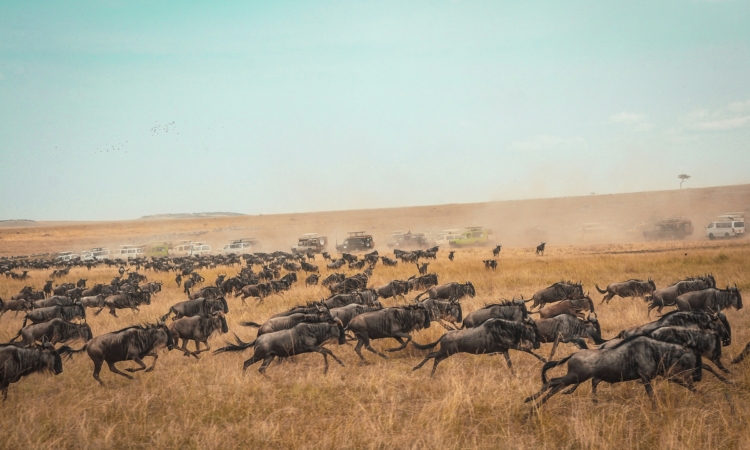
Budget Kenya safaris offer affordable wildlife viewing by utilizing public campsites or budget tented camps, group-joining tours to share transportation costs, and customized 4x4 safari vans with pop-up roofs. Typical packages range from 3 to 8 days, taking visitors to top spots like the Maasai Mara.
15-days-luxury-kenya-safari-holiday-and-zanzibar-beach-holiday-combined-itinerary
14-days-best-of-kenya-safari-holiday-2-weeks-africa-kenya-safari-vacation
11-days-best-kenya-wildlife-safaris-and-kenya-beach-holiday-combo
9-days-luxury-africa-big-five-kenya-safari-itinerary
8-day-africa-safari-tour-to-masai-mara-safari-tour-serengeti-ngorongoro
7-days-masai-mara-safari-tour-and-serengeti-safari-tour-in-kenya-and-tanzania
6-days-kenya-safari-and-gorilla-tracking-vacation-in-rwanda
5-days-kenya-safari-holiday-to-diani-beach-kenya-beach-holiday
3-days-fly-in-masai-mara-safari-tour-package
4-days-masai-mara-and-lake-nakuru-kenya-safari-tour-package
1. Average Costs
A Budget Kenya safari generally ranges from $200 to $380 per person, per day, depending primarily on the season, destination mix, and park entry fee structures. While historic package rates used to start near $150 per day, recent updates to conservation fees across Kenya’s major wildlife reserves have shifted baseline entry pricing. For example, the non-resident daily park entry fee for the famous Maasai Mara National Reserve is $100 per adult per day from January through June, doubling to $200 per adult per day during the peak Migration season between July and December. Similarly, major reserves managed by the Kenya Wildlife Service (KWS), such as Amboseli National Park and Lake Nakuru National Park, charge non-resident entry fees ranging between $85 and $90 per adult per 24-hour period.
Despite these mandatory entry costs, a Budget Kenya safari remains one of the most cost-effective wildlife adventures in East Africa when structured as a group-joining tour. The daily rate typically covers shared ground transportation, driver-guide services, park admission, budget tented accommodations, and three daily meals. A classic 3-day, 2-night budget excursion from Nairobi to the Maasai Mara in the low season usually totals around $600 to $750 per person all-inclusive. Extending the itinerary to a 6-day circuit covering Maasai Mara, Lake Nakuru, and Amboseli generally costs between $1,200 and $1,600 per person. Travelers can further optimize their spending by paying park fees directly online via government payment portals (such as eCitizen) or through licensed operators who bundle logistics.
2. Shared Transportation
The cornerstone of keeping a Budget Kenya safari affordable is participating in a "group-joining" safari. Instead of chartering a private vehicle—which can cost between $180 and $300 per day solely for the car, fuel, and driver—travelers join a group of six to eight individuals in a shared custom safari vehicle. This setup allows participants to divide fixed overhead costs, such as the driver-guide’s daily allowance, vehicle entrance fees, and fuel costs across all passengers.
The standard workhorse for a Budget Kenya safari is the customized 4x4 safari minivan (typically a modified Toyota HiAce) equipped with a heavy-duty suspension and a pop-up roof panel. While luxury tours often use 4x4 Land Cruisers, safari vans are significantly more fuel-efficient and less expensive to rent while performing reliably across Kenya’s main highway corridors and park dirt tracks. Vehicle operators ensure that every passenger gets a dedicated window seat, allowing clear views and photography opportunities during game drives through the pop-up roof.
Group-joining safaris depart daily from Nairobi, picking up travelers at central meeting points or city hotels between 6:30 AM and 7:30 AM. Shared journeys foster a social atmosphere where solo travelers, couples, and small groups can meet like-minded international tourists. For travelers who prefer a 4x4 Land Cruiser over a safari van, many operators offer upgraded group-joining options in a Land Cruiser for an additional $30 to $50 per person per day, providing smoother handling on rutted park roads without paying private vehicle charter rates.
3. Accommodation
Accommodation on a Budget Kenya safari focuses on practical, comfortable, and scenic lodging rather than high-end luxury resorts. Budget travelers typically choose between two primary options: permanent budget tented camps situated just outside national park boundaries, or rustic public campsites located inside the park gates.
Permanent budget tented camps represent the most popular choice for a Budget Kenya safari. Located within a 5-to-10-minute drive of major entry gates—such as the Sekenani, Talek, or Oloolaimutia gates surrounding the Maasai Mara—these camps consist of walk-in canvas tents built over solid concrete or wooden bases. Each tent features standard beds, mosquito netting, power outlets, and attached ensuite bathrooms with flushing toilets and hot showers powered by solar or wood boilers. Examples include properties like Rhino Tourist Camp or Lenchada Tourist Camp in the Maasai Mara, and Kimana Camp near Amboseli. Staying outside park boundaries reduces accommodation costs significantly while allowing quick gate access for early morning game drives.
For adventurous travelers seeking the lowest possible prices, public camping safaris involve sleeping in two-person dome tents pitched at designated public campsites inside the parks. In these setups, camping gear—including sleeping bags, mattresses, and cooking utensils—is provided by the tour company, accompanied by a traveling safari cook who sets up camp and prepares meals over open fires or stove setups. Public campsites feature basic communal bathroom blocks with shared toilets and cold or solar-heated water showers, offering an authentic wilderness atmosphere where night sounds, such as roaring lions or laughing hyenas, echo through the canvas walls.
4. All-Inclusive Packages
A well-structured Budget Kenya safari is usually sold as an all-inclusive package, minimizing unexpected out-of-pocket expenses for travelers during their journey. A typical multi-day package covers every essential operational element required for a successful wildlife excursion.
First, roundtrip overland transportation from Nairobi to all destination parks is included, along with unlimited game drives as detailed in the tour itinerary. Second, all mandatory park admission fees and vehicle conservation charges are handled directly by the tour operator. This is a major benefit given Kenya's digital payment systems (such as eCitizen) and varying seasonal fee structures across county-managed reserves and KWS-managed national parks. Third, packages provide three full meals daily—breakfast, lunch, and dinner. When staying at budget tented camps, meals are served buffet-style in communal dining mess tents; during long full-day game drives, the operator provides packed picnic lunch boxes to enjoy at designated riverbanks or viewpoint sites within the reserve.
Additionally, every Budget Kenya safari includes the services of a certified, professional English-speaking driver-guide who handles road navigation, animal tracking, and park ranger communications via radio. Items generally excluded from standard package pricing include international flights, visa fees, travel insurance, personal souvenirs, alcoholic beverages, soda, tip gratuities for driver-guides ($10 to $15 per day recommended), and optional add-on activities such as a Maasai cultural village visit ($20 to $30 per person) or a hot air balloon safari over the Mara ($450 to $550 per person).
5. Key Destinations
When designing an efficient itinerary for a Budget Kenya safari, operators focus on accessible parks along paved transit corridors to keep fuel usage and travel times manageable. The classic southern safari circuit features three flagship destinations.
The absolute highlight of most tours is the Maasai Mara National Reserve, located roughly 260 kilometers southwest of Nairobi. World-renowned for high densities of predators—including lions, cheetahs, and leopards—and the Great Wildebeest Migration (July through October), the Mara delivers unmatched wildlife viewing. Budget travelers stay outside gates like Sekenani or Talek to access the reserve quickly for dawn game drives along the Mara and Talek Rivers.
The second major stop is Lake Nakuru National Park, a KWS-managed sanctuary located in the Great Rift Valley, about a 3.5-hour drive from Nairobi. Lake Nakuru is famous for its fenced sanctuary protecting endangered black and southern white rhinoceroses, alongside Rothschild's giraffes, waterbucks, and thousands of flamingos feeding along the alkaline lake shores. Because the park is compact, visitors can cover it on a half-day game drive, making it a budget-friendly addition when paired with the Mara.
The third prime destination is Amboseli National Park, situated near the Tanzanian border at the foot of Mount Kilimanjaro. Amboseli is famous for its massive free-roaming elephant herds, swamplands fed by snowmelt, and clear views of Africa's highest peak. Budget safaris routinely combine these three parks into a seamless 5-to-6-day roundtrip circuit originating in Nairobi.
6. Timing
Timing is the single biggest factor influencing the overall cost of a Budget Kenya safari. Kenya’s safari calendar is divided into distinct dry and wet seasons, each offering different trade-offs between wildlife viewing conditions and trip prices.
The dry seasons—spanning July through October (the long dry season) and January through February (the short dry season)—offer ideal wildlife conditions. Vegetation thins out and animals gather around predictable water sources, making tracking easier. July through October aligns with the Great Migration in the Maasai Mara. However, this peak period brings higher demand, busy park trails, and top-tier park entry rates—most notably in the Maasai Mara, where non-resident entry fees rise to $200 per adult per day.
Travelers seeking maximum savings should consider the "green season" months of April through May (the long rains) and November (the short rains). During these low-season months, park entry fees in the Mara drop back to $100 per adult per day, and budget tented camps cut nightly rates significantly to attract visitors. Rain typically falls in short afternoon bursts rather than day-long downpours, leaving the landscape lush, green, and dust-free. Green season travel also features newborn animals, excellent birdwatching as migratory species arrive, and fewer safari vehicles around major wildlife sightings, making it an attractive choice for budget travelers.
6 Days Budget Kenya wildlife safari
A classic 6-day budget Kenya safari covering Amboseli, Lake Nakuru, and the Masai Mara typically costs between $1,100 and $1,600 per person, balancing affordable group transport with mandatory park fees. By utilizing customized 4x4 safari minivans with pop-up roofs and staying at basic tented camps near park gates, travelers can explore Kenya’s premier wildlife destinations without breaking the bank. This popular circuit takes you from the shadow of Mount Kilimanjaro to the Great Rift Valley lakes and into the open plains of the Mara.
Day 1: Nairobi to Amboseli National Park
Your journey begins early in Nairobi with a 7:00 AM pickup, heading southeast through the Kapiti Plains toward Amboseli National Park. Covering roughly 240 kilometers over a four-hour drive, you will arrive at your budget tented camp near the Kimana or Meshanani Gate in time for lunch. After settling in, head out for a 3:00 PM game drive as the afternoon light softens. Amboseli is renowned for hosting huge, free-roaming herds of African bush elephants against the breathtaking, snow-capped backdrop of Mount Kilimanjaro. As you traverse the open plains, keep an eye out for lions, cheetahs, spotted hyenas, giraffes, and impalas grazing near the marshes before returning to camp for dinner.
Day 2: Full Day in Amboseli National Park
Spend a full day exploring Amboseli's diverse habitats, starting with an early breakfast at 6:30 AM to catch Mount Kilimanjaro before morning clouds obscure its peak. Your driver-guide will navigate through the park's central acacia woodlands and seasonal dried lake beds, bringing you to Observation Hill. Here, you can disembark for a short climb to take in panoramic views of the entire park, including the Enkongo Narok and Ol Okenya swamps fed by Kilimanjaro’s underground snowmelt. These permanent wetlands attract dense concentrations of wildlife, including wallowing hippos, bathing elephants, and over 400 bird species like crowned cranes and kingfishers. Enjoy a packed picnic lunch at a shaded site before continuing your afternoon search for big cats.
Day 3: Amboseli to Lake Nakuru National Park
Depart Amboseli after an early breakfast for a scenic, six-to-seven-hour drive across the Great Rift Valley toward Lake Nakuru. Stop along the Great Rift Valley Viewpoint for photos overlooking the vast volcanic floor before descending into the town of Nakuru. You will check into your budget lodge or camp, grab lunch, and head directly into Lake Nakuru National Park for an afternoon game drive. This fully fenced sanctuary is one of Kenya’s most reliable spots for viewing both endangered black and white rhinoceroses. Drive along the shores of the alkaline lake to spot Rothschild's giraffes, waterbucks, tree-climbing lions, and large flocks of flamingos, pelicans, and cormorants feeding along the water's edge before sunset.
Day 4: Lake Nakuru to Masai Mara National Reserve
After breakfast, depart Lake Nakuru and head southwest toward the legendary Masai Mara National Reserve. The five-hour drive takes you through scenic agricultural landscapes and past Narok town before turning onto dirt tracks that lead to the reserve's eastern gates, such as Sekenani or Talek. Arrive at your budget tented camp, enjoy a late lunch, and take a brief rest before embarking on your introductory afternoon game drive at 4:00 PM. The open, rolling grasslands of the Mara immediately reveal grazing zebras, topis, wildebeests, and gazelles, alongside hunting lion prides preparing for the night, providing an incredible preview of the wilderness ahead before returning to camp for dinner.
Day 5: Full Day in Masai Mara National Reserve
Dedicate a full day to exploring the vast expanses of the Masai Mara National Reserve with a packed picnic lunch on board. Set out at 6:30 AM when predators are most active, tracking lions, elusive leopards, and cheetahs across the savannah. Drive down toward the Mara and Talek Rivers, where hippos wallow in the shallows and Nile crocodiles sunbathe on the banks. If you visit between July and October, these riverbanks become dramatic backdrop sites for the Great Wildebeest Migration, where thousands of wildebeests and zebras attempt treacherous river crossings. Enjoy your picnic lunch under a shady acacia tree before continuing your afternoon search for buffaloes, elephants, and rare black rhinos.
Day 6: Masai Mara to Nairobi
Conclude your safari with an early morning game drive at 6:00 AM, capturing the golden light as the sun rises over the Mara's rolling hills. This final drive offers a great opportunity to spot nocturnal animals returning to cover and birds waking up across the plains. Return to camp for a hearty breakfast, pack your luggage, and begin the six-hour return journey back to Nairobi. You will drive through the Great Rift Valley, stopping for souvenir shopping and an optional lunch en route, before arriving in Nairobi in the late afternoon for drop-off at Jomo Kenyatta International Airport or your city hotel.
When is the best time for budget Kenya wildlife safari
The best time for a budget Kenya wildlife safari is during the shoulder and green seasons, particularly April through May and November to early December. During these rainy periods, major parks like the Maasai Mara lower entry fees to off-peak rates, and lodges offer steep discounts on accommodations. Showers typically occur in short afternoon bursts, leaving mornings clear for fantastic game drives, lush photography, and birdwatching without heavy tourist crowds. If you prefer dry weather, January to March offers excellent game viewing at more reasonable rates than the peak July-to-October migration season.
Where to stay on budget Kenya wildlife safari
On a budget Kenya wildlife safari, staying at permanent budget tented camps located just outside national park gates offers the ideal mix of affordability and comfort. Popular options near the Maasai Mara or Amboseli feature walk-in canvas tents equipped with standard beds, power outlets, and private ensuite bathrooms with hot showers. For maximum savings, adventurous travelers can choose public campsites inside the reserves, sleeping in sturdy dome tents with communal facilities while enjoying an authentic, wild bush experience. Budget lodges in nearby gateway towns also provide clean, economical rooms with easy morning park access.
Booking budget Kenya wildlife safari with us Roads of Adventure safaris
Booking your budget Kenya wildlife safari with Roads of Adventure Safaris guarantees a seamless, personalized East African experience. Based in East Africa, our expert team crafts custom and group-joining itineraries designed to maximize wildlife sightings while keeping costs transparent and manageable. We provide customized 4x4 safari vehicles with pop-up roofs, professional driver-guides, bundled park fees, and carefully vetted budget accommodations. Whether you want to witness the Big Five in the Maasai Mara or spot giant elephant herds in Amboseli, Roads of Adventure Safaris handles every logistical detail to bring your dream safari to life.
