Yes, 10-day Rwanda primate safari itineraries almost always include time for a Kigali city tour, typically scheduled on the first day upon arrival or on the final day before departure. These tours commonly include visits to the Kigali Genocide Memorial, local craft markets, and art centers.
10-days-best-photography-uganda-wildlife-safari-holiday-and-gorilla-trekking
10-days-luxury-uganda-gorilla-trekking-safari-and-big-five-safari-vacation
10-days-budget-uganda-safari-holiday-vacation-tour-road-trip
10-days-best-honeymoon-uganda-safari-tour-vacation-holiday
10-days-best-uganda-birding-safari-and-wildlife-experience
10-days-best-of-uganda-and-rwanda-all-big-five-animal-and-gorilla-trekking
10-days-uganda-gorilla-trekking-and-safari-tour-vacation-holiday
10-days-9-nights-midrange-uganda-wildlife-safari-and-cultural-experience
10-days-uganda-safari-all-big-five-gorilla-and-chimpanzee-tracking-adventure
10-days-uganda-rwanda-primate-safari-vacation-and-game-drive-safari
10-days-exclusive-family-uganda-safari-with-kids
Key Kigali City Tour Opportunities:
- Arrival Day (Day 1): Many itineraries include a short city tour after you are picked up from the airport, offering a gentle introduction before traveling to the national parks.
- Departure Day (Day 10): Depending on flight times, a final tour is often scheduled to visit markets and have a farewell lunch
Typical City Tour Highlights:
- Kigali Genocide Memorial: An important educational visit covering Rwanda's history and resilience.
- Local Markets: Exploring areas like Kimironko Market or craft centers for souvenirs.
- City Viewpoints: Seeing the city's unique landscapes and skyline
10-day Rwanda primate safari tour itinerary
This 10-day "Land of a Thousand Hills" primate safari is a comprehensive journey through Rwanda’s most iconic landscapes. Designed for wildlife enthusiasts, it moves from the vibrant urban pulse of Kigali to the expansive savannas of Akagera, and finally into the prehistoric, mist-shrouded rainforests of Nyungwe and Volcanoes. While the mountain gorillas are often the primary draw, this itinerary reveals that Rwanda is a multi-dimensional primate destination, home to high-energy chimpanzees, rare golden monkeys, and massive troops of colobus. By incorporating the scenic shores of Lake Kivu and the powerful history of the national memorials, the tour offers a perfect balance of intense forest trekking and tranquil relaxation. It is a logistical masterpiece that showcases how Rwanda has transformed into a global leader in conservation and luxury eco-tourism. This safari ensures that every day provides a new ecological discovery, from the "Big Five" of the plains to the "Great Apes" of the mountains.
Day 1: Arrival and Kigali City Tour
Your Rwandan odyssey begins in Kigali, widely regarded as Africa’s cleanest and most organized city. After a warm welcome at the international airport, you’ll embark on a city tour that provides essential context for the nation's journey. A visit to the Kigali Genocide Memorial offers a somber but vital understanding of the country's past and its inspiring resilience. Following this, you’ll explore the vibrant Kimironko Market, where the sights and sounds of local commerce provide a lively introduction to modern Rwandan life. The afternoon is spent at leisure in a boutique hotel, enjoying the city’s panoramic hill views. This first day is about grounding yourself in the local culture, enjoying refined Rwandan hospitality, and preparing for the wild adventures that lie ahead in the eastern savannas and western rainforests.
Day 2: Transfer to Akagera National Park
Today you head east toward the border with Tanzania to visit Akagera National Park. The landscape shifts from the terraced hills of the central region to the sprawling acacia woodlands and wetland systems of the East African Rift Valley. After checking into your lodge, you’ll head out for an afternoon game drive. Akagera is Rwanda’s only savanna park and has seen a miraculous revival, now hosting all of the "Big Five." You’ll likely spot herds of elephants and buffaloes near the water, while zebras and giraffes roam the open plains. As the sun begins to set, the golden light transforms the park into a photographer’s dream. The evening concludes with dinner overlooking the vast plains, with the sounds of the African night providing a soundtrack to your first night in the wilderness.
Day 3: Morning Game Drive and Lake Ihema Boat Cruise
The morning begins with a sunrise game drive in the northern sector of the park, where the open plains offer the best chances of spotting lions and the elusive leopard. The diversity here is staggering, with over 500 bird species and numerous antelope varieties like the impala and the majestic eland. After lunch at the lodge, you’ll board a boat for a safari on Lake Ihema. This is one of the best ways to see Akagera’s aquatic life; you’ll glide past pods of hippos and massive Nile crocodiles basking on the banks. The lake is also a haven for water birds, including the iconic African fish eagle and the rare shoebill stork. The tranquility of the water combined with the high density of wildlife makes this one of the most relaxing yet rewarding days of the trip.
Day 4: Heritage Sites and Transfer to Nyungwe
Today involves a scenic cross-country drive from the east to the southwest, passing through some of Rwanda’s most significant cultural landmarks. You’ll stop in Nyanza to visit the King’s Palace Museum, a reconstruction of the traditional royal residence. Here, you can meet the long-horned Inyambo cattle, which were historically sacred to the Rwandan monarchy. Continuing toward Huye (Butare), you’ll visit the Ethnographic Museum, home to one of Africa’s finest archaeological and anthropological collections. These stops provide a fascinating bridge between the wildlife experiences, showing how the Rwandan people have historically coexisted with their environment. By late afternoon, you’ll reach the edge of the Nyungwe Forest, a massive montane rainforest that has remained largely unchanged since the last ice age, settling into your lodge as the forest mists descend.
Day 5: Chimpanzee Trekking and Canopy Walk
The day begins at dawn as you enter the deep forest of Nyungwe in search of our closest relatives. Chimpanzee trekking here is an exhilarating, high-energy experience; you’ll follow their vocal "pant-hoots" through the ancient mahogany trees. Watching them feed, play, and swing through the canopy is a masterclass in primate behavior. After the trek and a short rest, you’ll head to the Uwinka Visitor Center for the famous Canopy Walkway. Suspended 50 meters above the forest floor, this 160-meter-long bridge offers a bird’s-eye view of the rainforest’s upper layers. From this vantage point, you can spot rare orchids, colorful turacos, and other primate species like the L'Hoest's monkey. The combination of the ground-level trek and the aerial walk provides a comprehensive perspective on one of the oldest forests in Africa.
Day 6: Colobus Monkey Tracking and Waterfall Hike
While the chimpanzees are the stars, Nyungwe’s black-and-white colobus monkeys are equally impressive. Today, you’ll track one of the park’s "super-groups," which can number over 300 individuals. Watching a sea of black-and-white fur move through the emerald-green trees is a stunning visual spectacle. Following the primate encounter, you’ll embark on a hike to the Isumo Waterfalls. The trail winds through verdant tea plantations before plunging into the dense forest, passing through tree-fern gullies and across moss-covered streams. The falls themselves are a hidden gem, cascading into a cool, mist-filled basin. This day is designed to showcase the botanical richness and water systems of Nyungwe, offering a more tranquil pace that allows you to appreciate the smaller details of the forest, from giant lobelias to endemic butterflies and rare forest birds.
Day 7: Transfer to Lake Kivu (Kibuye)
Leaving the rainforest behind, you’ll drive north along the shores of Lake Kivu, one of the African Great Lakes. The drive follows the "Congo Nile Trail," offering some of the most spectacular coastal scenery on the continent. You’ll arrive in the picturesque town of Kibuye, where steep, pine-covered hills drop directly into the turquoise water. After checking into a lakeside resort, you’ll take a boat trip to explore the many emerald islands scattered across the bay. A visit to "Napoleon Island," named for its shape, allows you to hike to the top for panoramic views and see the massive colony of fruit bats that inhabit the trees. The evening is spent enjoying fresh-caught "Sambaza" fish and watching the local fishermen set out in their traditional three-hulled boats, their melodic songs echoing across the water.
Day 8: Drive to Volcanoes National Park
The journey continues north toward Gisenyi and eventually to the Musanze region, the gateway to the Volcanoes National Park. This drive offers continuous views of the five volcanoes that make up the Rwandan sector of the Virunga Massif. Along the way, you can stop to visit local coffee washing stations to learn about Rwanda's world-class "crop to cup" process. As you ascend toward the park headquarters, the air becomes significantly cooler and the landscape more dramatic. This afternoon is kept flexible for relaxation or a visit to the Musanze Caves, formed by ancient volcanic lava flows. Staying in a lodge near the park gates, you’ll have an early dinner and a final briefing for the most anticipated event of the trip: the mountain gorilla trek. The anticipation in the mountain air is palpable as you prepare for tomorrow’s encounter.
Day 9: Mountain Gorilla Trekking
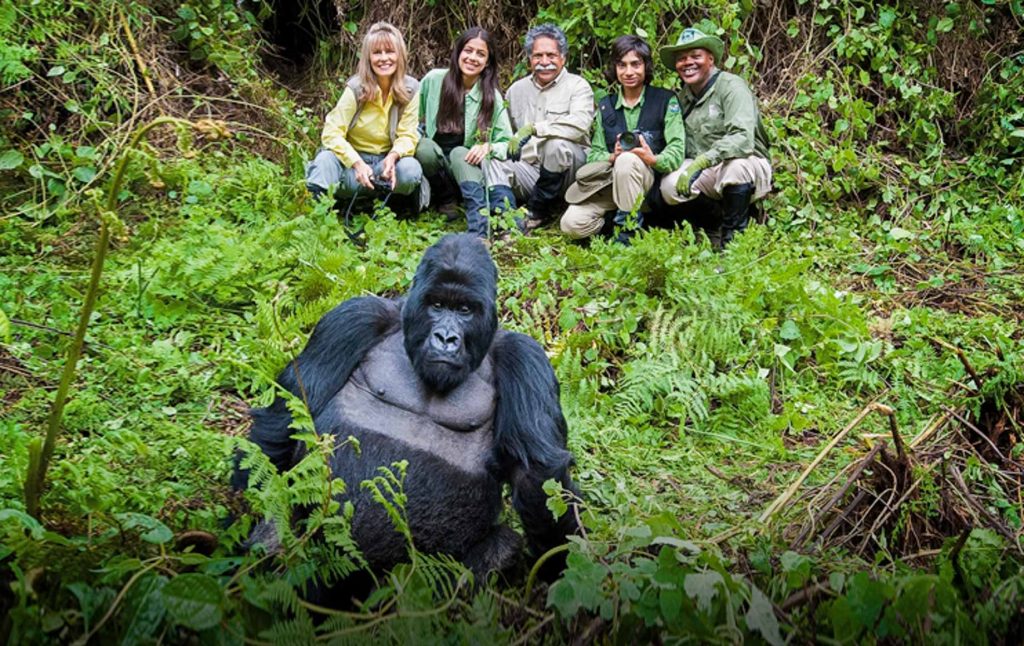
This is the pinnacle of the safari. After an early breakfast, you’ll head to the park headquarters for a briefing and assignment to a gorilla family. Led by expert trackers and armed with walking sticks, you’ll trek into the bamboo forests and stinging nettles of the volcanoes. The hike can be challenging, but the moment you find the gorillas, time stands still. You have one hour to observe these gentle giants in their natural habitat. Watching a silverback protect his troop or seeing a mother cradle her infant is an emotional and profound experience that defies description. Following the trek, you’ll visit the Gorilla Guardians Cultural Village (Iby’Iwacu), where former poachers now demonstrate traditional Rwandan dance, archery, and medicine, showing how conservation has successfully integrated with the local community to protect these endangered primates.
10: Golden Monkeys and Return to Kigali
On your final morning, you’ll head back into the park for a different kind of primate experience: tracking the rare Golden Monkeys. These energetic, "old world" monkeys are endemic to the Virunga volcanoes and are known for their striking orange-gold fur and playful antics in the bamboo thickets. They are much more active than the gorillas, providing excellent opportunities for dynamic photography. After the trek, you’ll enjoy a final lunch overlooking the volcanoes before beginning the two-hour drive back to Kigali. The road takes you through the heart of the "thousand hills," providing a final chance to appreciate the terraced landscapes that define Rwanda. You’ll arrive at the airport in the evening for your departure flight, carrying with you the memories of a journey that touched the very soul of African wildlife and culture.
Is a Kigali city tour included in a 10-day itinerary?
In the context of a 10-day Uganda-Rwanda safari, a Kigali city tour is almost always included, acting as the perfect cultural bookend to a trans-border adventure. Because many high-end 10-day itineraries utilize Kigali as either the starting point or the final departure hub—due to its proximity to Bwindi Impenetrable National Park—the city tour is naturally integrated into the first or last day. Including Kigali provides a vital urban contrast to the remote wilderness of the national parks you will have traversed. It allows travelers to transition from the "quiet of the forest" back to "modern Africa" in a city renowned for its cleanliness, organization, and mountainous beauty. Whether it’s used as an introductory briefing to the region's history or a final opportunity for reflection before a flight, the city tour ensures the 10-day journey is a holistic experience that covers both the natural and social landscapes of East Africa.
When is the best time to do the city tour?
Timing is everything when maximizing a 10-day schedule, and the city tour is strategically placed to avoid cutting into "prime" wildlife viewing hours. It is best done on the afternoon of your arrival if you land early, or on the morning of your departure. By scheduling it at these times, you ensure that the core days of your safari are dedicated entirely to the national parks, where early morning starts are critical for spotting active wildlife. Doing the tour upon arrival provides an immediate cultural grounding, helping you understand the resilience of the people whose land you are about to explore. Conversely, doing it on the final day allows you to spend your last hours in Africa picking up souvenirs and reflecting on your journey in a relaxed, urban setting before heading to the airport.
Does the tour include the Kigali Genocide Memorial?
The Kigali Genocide Memorial at Gisozi is the emotional heart of any visit to Rwanda and is a non-negotiable staple of the city tour. For travelers on a 10-day safari, this visit provides the necessary historical context to truly appreciate the peace and stability currently enjoyed in the region. The memorial is a place of remembrance and learning, honoring the victims of the 1994 genocide against the Tutsi. While the experience is deeply moving and somber, it is also one of immense hope, showcasing the country’s incredible journey toward reconciliation and unity. Most tours allow for at least two hours here, providing space for visitors to go through the exhibits at their own pace. It is a profound experience that deepens your connection to the local people you will meet throughout your 10-day journey.
Are local markets visited?
Yes, a visit to the bustling Kimironko Market is often a highlight for those wanting a sensory "deep dive" into Rwandan daily life. As the largest and busiest market in the city, Kimironko is a kaleidoscope of colors, sounds, and smells. During the city tour, your guide will lead you through the organized chaos of stalls overflowing with exotic fruits, vegetables, spices, and the famous "Agaseke" baskets. For many travelers, this is the best place to see the famous kitenge fabrics being transformed into custom clothing by local tailors in a matter of minutes. It is an interactive experience that allows you to practice your haggling skills and witness the entrepreneurial spirit of Kigali. This market visit provides a vibrant, human energy that perfectly balances the quiet, reflective moments of the wildlife portions of your 10-day trip.
Can I visit craft centers?
The city tour provides ample opportunity to support the local creative economy through visits to craft centers and art galleries. One of the most popular stops is the Inema Arts Center or the Ivuka Arts Studio, where you can see contemporary Rwandan painters and sculptors at work. These centers are not just shops but community hubs that often support orphaned children or local women's cooperatives. For high-quality, authentic souvenirs like wood carvings, pottery, and traditional jewelry, centers like Caplaki Craft Village are usually included. These stops are perfect for finding a physical memory of your 10-day safari. Because these centers are often located in beautiful parts of the city, they also offer great views and a chance to enjoy a cup of world-class Rwandan coffee while you browse.
How long does the city tour last?
A standard Kigali city tour is designed to be a half-day excursion, typically lasting between 3 to 5 hours. This duration is carefully chosen to be comprehensive without being exhausting, especially if you have just arrived from a long international flight or are preparing for a long journey home. The 3–5 hour window allows for a visit to the Genocide Memorial, one major market, and a scenic drive through the "1,000 hills" that define the city's topography. If you have specific interests, such as architecture or local coffee culture, the half-day format can be adjusted to focus on those areas. In the context of a 10-day itinerary, this half-day "urban safari" provides a concentrated burst of culture that complements the longer days spent in the bush.
Is the city tour part of the safari package price?
In most comprehensive 10-day safari packages, the Kigali city tour is included in the overall price. This usually covers the vehicle, the professional guide, and transport between locations. However, it is always a "best practice" to confirm this with your tour operator during the planning phase. Some operators might list it as an "optional add-on" for those who prefer to spend their first or last day relaxing at their hotel. Generally, even if the tour is included, personal expenses such as coffee, snacks, and souvenirs are out-of-pocket. Confirming the inclusion early ensures there are no surprises and that your final day in the "Land of a Thousand Hills" is as seamless and stress-free as the previous nine days in the wild.
Will I have time to tour Kigali if I arrive late?
If your flight lands late in the evening on Day 1, don't worry—most operators will simply shift the city tour to your final day. The flexibility of a 10-day itinerary is designed to accommodate the unpredictability of international air travel. If your departure flight is in the evening of Day 10, the morning and afternoon are perfectly suited for the tour. This "sliding" schedule ensures that no matter when you arrive, you won't miss out on the cultural highlights of the capital. It also means you won't feel rushed to start your tour immediately after a long flight, allowing you to get a good night's sleep before beginning your Ugandan or Rwandan adventure the next morning.
Are meals included in the city tour?
Lunch is a frequent and delightful inclusion in the Kigali city tour, often serving as an introduction to authentic Rwandan cuisine. Many tours stop at local "institutions" like Hotel des Mille Collines (the historic inspiration for the film Hotel Rwanda) or cozy garden restaurants that serve traditional buffets. You can expect to try staples like ugali (cassava flour porridge), matooke (steamed green bananas), grilled tilapia from Lake Kivu, and various bean and vegetable stews. Sampling the local food is a vital part of the cultural experience, and your guide will often use the mealtime to explain the significance of different dishes. For many foodies, this meal is a standout moment of the 10-day journey, offering a literal "taste" of the country's heritage.
Is transport provided for the city tour?
Yes, the private safari vehicle and guide that accompany you for your 10-day journey will also conduct the city tour. This is a significant advantage, as your guide by then will be someone you know and trust. The 4x4 safari vehicles are elevated, providing excellent vantage points for photography as you move through Kigali’s hilly neighborhoods. Having your dedicated vehicle means you don't have to worry about taxis or public transport, and your luggage remains securely stored in the back if you are heading straight to or from the airport. This continuity of service is a hallmark of a high-quality 10-day safari, ensuring that your transition from the wild savanna to the paved streets of the city is perfectly coordinated.
Can I customize the city tour?
One of the best features of a private 10-day safari is the ability to customize your city tour to suit your specific interests. If you are an architecture enthusiast, your guide can focus on the sleek, modern Kigali Convention Centre and the city's green initiatives. If you are a coffee lover, you might spend more time at a specialized "bean-to-cup" café learning about Rwanda’s world-renowned bourbon coffee. Some travelers choose to visit a local fashion boutique or a specific community development project. Because it is a private excursion, the pace is entirely yours; you can linger longer at the memorial or skip the market in favor of a quiet walk in the hilly suburb of Nyarutarama. This level of personalization ensures the tour feels like a meaningful part of your unique travel story.
Are there any hidden costs?
While the main components of the tour are typically covered, there are occasionally small entrance fees or suggested donations that might not be included in the "base" safari price. For example, while the Kigali Genocide Memorial does not charge an entrance fee, most visitors choose to make a donation or rent an electronic audio guide (approx. USD 15) to enhance their experience. Similarly, some smaller museums or specialized art galleries may have a modest entry fee (usually between USD 5–10). It is also customary to provide a small tip to the specific site guides at the memorial or the market. Your main safari guide will usually advise you on these small costs beforehand, but having a few small-denomination US Dollars or Rwandan Francs on hand is always a good idea.
Is it safe to tour Kigali?
Kigali is consistently ranked as one of the safest cities in Africa, if not the world. For tourists on a 10-day safari, this means you can explore the city with a level of comfort and ease that is rare in many global capitals. The streets are well-lit, the traffic is orderly, and there is a visible but non-intrusive security presence. Whether you are walking through a market or visiting a suburban art gallery, the local people are generally very welcoming and helpful. This safety allows for a relaxed "city walk" vibe that is a great way to stretch your legs after days of sitting in a safari vehicle. The city's commitment to safety and cleanliness (helped by the ban on plastic bags) makes the city tour a refreshing and stress-free experience for travelers of all ages.
What are the top highlights of the city tour?
A comprehensive city tour hits several iconic "pillars" of Kigali life. The Kigali Genocide Memorial is the essential historical stop. For culture and creativity, the Inema Arts Center showcases the modern soul of the city. For a sensory adventure, the Kimironko Market is unbeatable. To see the historical roots of the city, the Kandt House Museum (the former residence of the first German colonial governor) offers a look at Kigali's founding and its natural history. Finally, a drive through the Nyarutarama neighborhood or up to Mount Kigali provides the stunning panoramic views that give the city its "Land of a Thousand Hills" nickname. These highlights, packed into a single afternoon, provide a layered and sophisticated understanding of Rwanda's past, present, and future.
Does the 10-day tour allow for a night out in Kigali?
If your 10-day itinerary starts or ends with a night in Kigali, you absolutely have the opportunity for a night out in the city. Kigali’s nightlife is diverse and vibrant, ranging from "chill" rooftop lounges with stunning views of the city lights to lively spots featuring traditional and modern African music. Areas like Kigali Heights or Kimihurura are home to excellent international and local restaurants, wine bars, and craft breweries. It is a very safe city for an evening excursion, and your guide can recommend a spot that fits your mood. Enjoying a final Rwandan dinner or a cold "Primus" beer while overlooking the shimmering hills is a fantastic way to celebrate the completion of your 10-day African odyssey before returning home.
Booking 10 days Rwanda primate safari with us Roads of Adventure safaris
A 10-day Rwanda primate safari typically highlights mountain gorilla trekking in Volcanoes National Park, chimpanzee tracking in Nyungwe Forest, and wildlife viewing in Akagera National Park. These itineraries often include cultural experiences and scenic tours of Lake Kivu. Roads of Adventure safaris or similar local operators can facilitate these customized, all-inclusive, or mid-range trips
