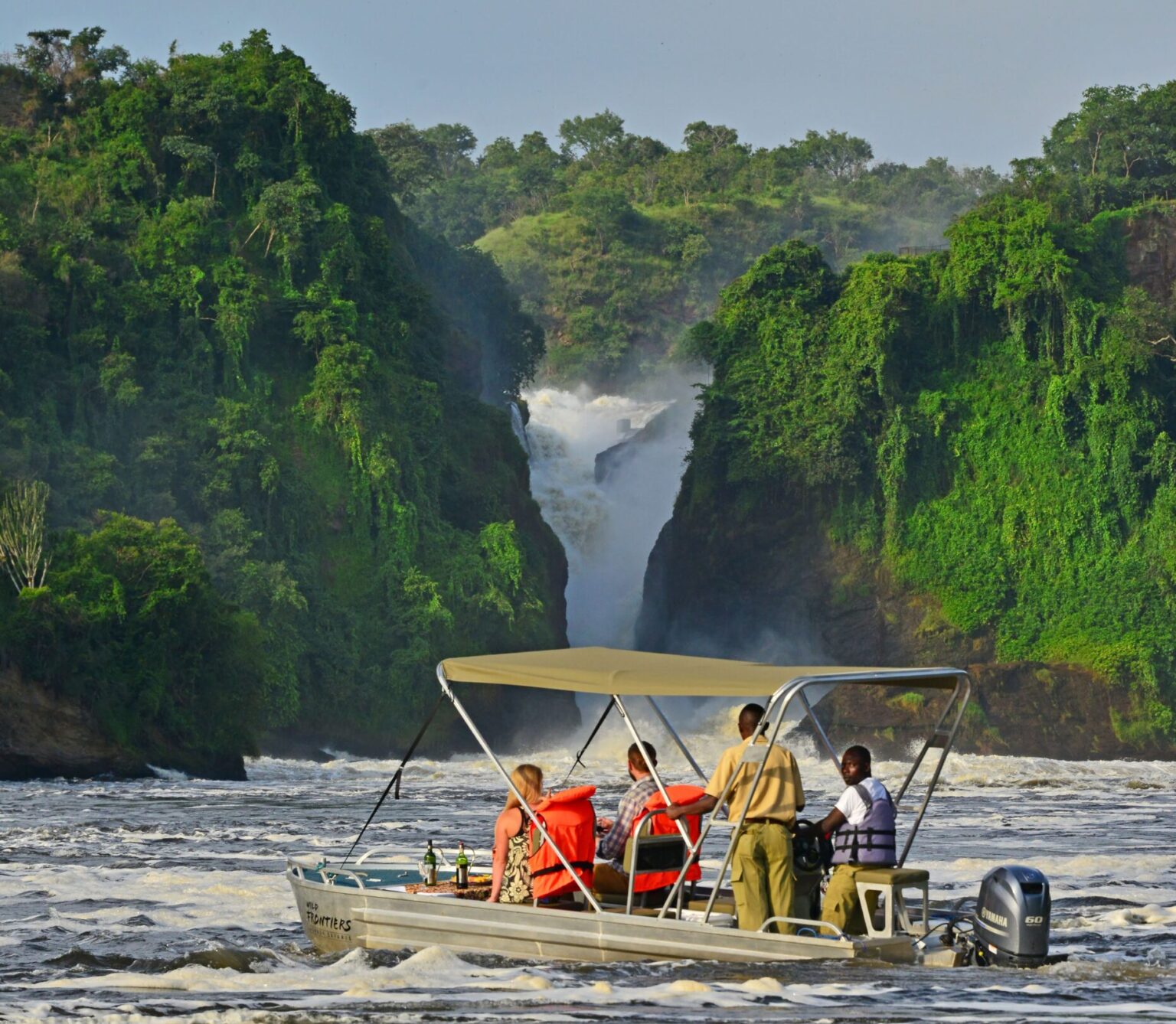
There’s a reason Murchison Falls National Park holds a legendary status for Uganda wildlife safaris. As the country’s oldest and largest protected wilderness, it’s a place where the wild truly takes over. Picture this: the mighty Nile River forcing its way through a narrow, eight-meter gorge with a roar you can feel in your chest. Whether you're drifting on a boat cruise toward the thundering base of the falls, catching the gaze of a lion on an early morning game drive, or trekking through the dappled light of Budongo Forest to find wild chimpanzees, Murchison Falls is pure magic.
3-days-murchison-falls-national-park-best-uganda-safari-road-trip
3-days-best-honeymoon-uganda-safari-escape-to-murchison-falls-national-park
5-day-best-safaris-to-uganda-kidepo-and-murchison-falls-national-parks
4-days-murchison-falls-uganda-family-safari-vacation-tour
5-days-murchison-falls-and-queen-elizabeth-safari-itinerary
5-days-kidepo-valley-uganda-safari-via-ziwa-rhino-sanctuary
6-days-best-of-murchison-and-kidepo-uganda-safari-via-ziwa
7-days-murchison-falls-uganda-safari-trip-via-ziwa-rhinos-kidepo-valley-and-jinja
7-days-uganda-tour-to-murchison-falls-via-ziwa-kibale-and-queen-elizabeth-national-park
9-days-africa-big-five-safari-in-uganda-safari-parks-and-gorilla-trekking
4-days-luxury-murchison-falls-and-jinja-uganda-safari-vacation
1) Buligi Game Drives (Murchison area)
A Buligi game drive is usually one of the most productive ways to explore the savanna tracks in the Murchison Falls area, because wildlife concentrates around open grassland and river-associated habitats. As your driver searches different routes, you may come across elephants moving between feeding areas, buffaloes gathered where vegetation is greener, and—when luck and timing align—lions resting or hunting in calmer moments. You can also observe smaller wildlife such as warthogs and antelope species, while the birdlife helps you judge where animals are active. Leopards are possible but sightings are less dependable than for the more regular grazers and browsers, so guides focus on signs like tracks, group behavior, and seasonal water availability. The experience typically feels dynamic: you stop for good views, listen for animal movement, and continue scanning as the landscape opens toward the river.
2) Bottom-of-the-Falls Boat Cruise
The bottom-of-the-falls boat cruise takes you along the Victoria Nile into the stretch where the river compresses and the falls create heavy mist and loud roaring sound. This part of the river is strongly associated with hippos, which often appear in groups along calmer edges, and you may also see Nile crocodiles basking along sandbanks or floating near the shoreline. Because the gorge-side habitat supports fish and insects, birds are common and you might spot cormorants, kingfishers, and herons/egrets depending on how the boat positions you relative to the banks. The closer you get to the falls, the more dramatic everything feels—spray changes visibility and lighting, which can make wildlife viewing both exciting and photographic. On any cruise, your guide will also brief you on safe viewing practices around crocodile zones, since the riverbanks here are prime territory for them.
3) Hiking to the Top of the Falls
Hiking to the top of the falls is a guided experience built around reaching official upper viewpoints close to where the Nile squeezes through the rocky cleft. The main “adrenaline” comes from the roar, mist, and sometimes steep or slick paths, so you’ll be moving carefully while your guide times stops for better views and safer footing. Wildlife viewing on the hike is typically quieter than on drives or the boat—more about observing what uses the gorge edges and nearby vegetation while you pause at viewpoints. Depending on the day, you may spot primates like baboons/monkeys in rocky patches, and birds become noticeable as you stand still in sheltered spots, with raptors sometimes circling above the gorge and forest-edge species calling from trees near the trail. The falls dominate the senses, but the guide often helps you notice movement and sound in the surrounding habitat.
4) Chimpanzee Trekking (Budongo Forest area)
Chimpanzee trekking in the broader Murchison conservation landscape is most commonly associated with Budongo Forest, which is known for chimpanzees and active forest primate communities. Trekking here works through tracking: your team follows signs like calls and movement patterns until you reach the area where the chimps are feeding or resting. When chimpanzees are found, you’ll often see adults foraging in the canopy and juveniles interacting—fast branch movements, loud vocalizations, and frequent changes in position as they respond to neighbors or food availability. Chimp encounters also tend to come with other forest wildlife around the same habitat, such as colobus monkeys and various forest birds that react when chimps move or call. Trekking is usually limited by time so you can watch without stressing the animals, and your guides manage distance and safety, keeping the experience both exciting and responsible.
5) Ziwa Rhino Sanctuary
A Ziwa Rhino Sanctuary stop is usually included as a route add-on and focuses on rhino conservation and guided rhino tracking/viewing within a managed sanctuary setting. Since rhinos are living animals that can move into thick cover, encounters are best described as an opportunity that depends on ranger guidance and the rhinos’ location that day—not a guaranteed “instant sighting.” When the visit is timed well, you may observe rhinos directly, but even without a quick sighting you can still see conservation in action through structured monitoring, ranger briefings, and signs that help trackers locate where rhinos have been. In the shared habitat, you may also notice other wildlife like grazers and forest-edge animals moving through the sanctuary landscape, plus the birds that typically accompany water and cover. The experience is often calmer and more educational than a game drive, but it remains a major wildlife highlight because it connects you to how Uganda protects one of its most threatened species.
What to Do in Murchison Falls National Park
The park offers a diverse range of activities that cater to wildlife enthusiasts and thrill-seekers alike. The ultimate highlight is the boat cruise to the bottom of the falls, where you can witness the Nile’s raw power from below while spotting massive pods of hippos and basking crocodiles. For land adventures, classic wildlife game drives across the northern savannah tracks offer the chance to see herds of elephants, giraffes, and predators. If you are looking for a unique primate experience, chimpanzee trekking in the lush Budongo Forest allows you to walk beneath the canopy to observe habituated chimps up close. Additionally, hiking to the top of the falls provides a dramatic aerial perspective of the crashing waters, while birdwatching tours cater to avid twitchers looking for rare species.
Murchison Falls National Park is situated in the northwestern region of Uganda. It is a massive conservation area that stretches across four distinct districts: Masindi, Kiryandongo, Nwoya, and Buliisa. The park is bisected by the Victoria Nile, creating distinct northern and southern sectors. It sits roughly 305 kilometers by road from Kampala, Uganda’s capital city. Its geographic position places it at the northern end of the Albertine Rift Valley, where the Bunyoro escarpment tumbles down into vast savannahs. This strategic location makes it a staple of Uganda’s northwestern tourism circuit, easily accessible yet wonderfully wild.
When is the Best Time to Visit Murchison falls park?
The absolute best time to visit Murchison Falls is during the optimal dry seasons, which run from December to mid-February and again from June to July. During these months, vegetation is sparser, and animals naturally gather around permanent water sources like the Nile River, making game viewing incredibly rewarding and predictable. The tracks are also dry and easy to navigate. While the rainy seasons (March to May and August to November) turn the park into a lush, emerald paradise and offer excellent birdwatching, the muddy roads can occasionally make navigation challenging, and wildlife tends to disperse throughout the vast park.
Who Manages This Conservation Area?
The entire Murchison Falls Conservation Area—which encompasses the national park itself, Bugungu Wildlife Reserve, and Karuma Wildlife Reserve—is managed and protected by the Uganda Wildlife Authority (UWA). UWA is the government agency responsible for conserving Uganda’s wildlife and managing its national parks. They oversee everything from anti-poaching patrols and community conservation initiatives to setting park regulations and maintaining infrastructure. UWA rangers are highly trained and often accompany tourists on game drives and nature walks to ensure visitor safety while fiercely protecting the delicate ecosystem and its diverse inhabitants from environmental and human threats.
Why is the Murchison falls so Famous?
Murchison Falls is world-famous because it represents one of the most powerful and spectacular surges of water on Earth. At this specific point, the entire volume of the mighty Nile River is forced through a remarkably narrow 7-meter gorge in the rocks. The compressed water then tumbles down a dramatic 43-meter drop before exploding into the "Devil's Cauldron" below. The sheer pressure creates a permanent mist, magnificent rainbows, and a thunderous roar that can be heard from miles away. It is a breathtaking display of nature’s raw, concentrated force that has captivated travelers, explorers, and filmmakers for generations.
Which Animals Can You See in Murchison falls park?
The park is a thriving haven for biodiversity, hosting four of Africa's famous "Big Five": lions, leopards, African bush elephants, and Cape buffaloes (rhinos are notably absent here but found nearby). Beyond these heavyweight icons, Murchison Falls is famous for its thriving population of the endangered Rothschild’s giraffes, alongside vast herds of Uganda kobs, Jackson's hartebeests, waterbucks, and oribis. The Nile River itself is teeming with immense numbers of hippos and prehistoric Nile crocodiles. For avian enthusiasts, the park boasts over 450 distinct bird species, including the highly sought-after, prehistoric-looking Shoebill stork, goliath herons, and vibrant kingfishers.
How Do You get to Murchison falls park?
You can access Murchison Falls National Park by either road or air. Traveling by road is a popular option, taking roughly 5 to 6 hours from Kampala via a well-paved highway, typically entering through the southern Kichumbanyobo gate near Masindi. This drive offers a scenic look at the Ugandan countryside. Alternatively, for those looking to save time, domestic flight operators run scheduled and charter flights from Entebbe International Airport or Kajjansi Airfield. These flights land directly at local airstrips within or near the park, such as Pakuba, Chobe, or Bugungu, reducing travel time to just under an hour.
How Much Does Murchison falls safari in Uganda cost?
The cost of visiting Murchison Falls National Park depends on your nationality, vehicle type, and the activities you plan to do. Park entrance fees, vehicle entry fees, and activity permits (like boat cruises or chimp trekking) are tiered for foreign non-residents, foreign residents, and East African citizens. Because prices are subject to periodic adjustments to support conservation efforts, it is highly recommended to check the official, current Uganda Wildlife Authority (UWA) Tariffs before booking. Budgeting should also account for mandatory guiding fees, community levies, and optional costs like hiring a professional UWA ranger for your safari drives.
Whose history is Tied to the Falls?
The history of the falls is deeply tied to both European exploration and Uganda’s complex political past. The waterfall was famously named Murchison Falls in 1864 by the British explorer Sir Samuel Baker, who named it in honor of Sir Roderick Murchison, the then-president of the Royal Geographical Society. Much later, during the turbulent dictatorial regime of Idi Amin Dada in the 1970s, the park was stripped of its colonial names. The waterfall was officially renamed Kabalega Falls, after Omukama Chwa II Kabalega, the historic, resistant king of the Bunyoro Kingdom. The original name was restored after Amin's ouster, though both names remain etched in history.
Where to Stay in Murchison falls?
Murchison Falls offers an excellent spectrum of accommodation options tailored to every budget and travel style. If you are seeking ultimate luxury and world-class service, the iconic Paraa Safari Lodge (perched right by the Nile crossing) and the opulent Chobe Safari Lodge offer stunning views, fine dining, and swimming pools. For travelers seeking mid-range comfort, lodges like Murchison River Lodge or Pakuba Safari Lodge provide excellent amenities and brilliant wildlife viewing. Budget-conscious adventurers can opt for eco-camps, rustic cottages, or the UWA-managed campsites, ensuring that everyone can experience the park's magic regardless of their spending limits.
How Far in Advance Should You Book?
It is highly recommended to secure your travel arrangements at least 3 to 6 months in advance. This is particularly critical if you are planning to visit during the peak dry seasons when the best safari lodges fill up rapidly. Furthermore, highly regulated activities like chimpanzee trekking permits for Budongo Forest have strictly limited daily quotas to protect the primates from stress. Booking well ahead ensures you secure your preferred dates, guarantees your permits, and allows your tour operator plenty of time to orchestrate a seamless logistically sound itinerary across the park's sectors.
Which Other Attractions are Nearby?
A classic trip to Murchison Falls is almost always combined with a stop at the nearby Ziwa Rhino Sanctuary. Located in Nakasongola district directly along the route from Kampala, this sanctuary is the only place in Uganda where you can track wild Southern white rhinos on foot. Because rhinos were wiped out within the national parks due to past poaching, Ziwa acts as a crucial breeding ground to reintroduce them to the wild. Stopping here allows travelers to complete their "Big Five" checklist before even crossing the park gates, making it the perfect educational and thrilling prelude to the main safari.
Booking Murchison falls Uganda wildlife safari with us Roads of Adventure safaris
Booking a Murchison Falls wildlife safari with Roads of Adventure Safaris is highly rated for solo travelers and groups, with multi-day trips typically ranging from $300 to $1,000 per person daily. Their packages usually feature expert-guided game drives, Nile boat cruises, and top-of-the-falls hikes in custom 4WD safari Land Cruisers.
A typical 3 to 4-day itinerary with the agency includes round-trip transport from Kampala, park entry fees, and stops at the Ziwa Rhino Sanctuary. Popular lodging partners in the park often include Paraa, Pakuba, and Fort Murchison.
You can check their full range of tours on the Roads of Adventure Safaris homepage or review Tripadvisor and SafariBookings to read testimonials from past travelers
