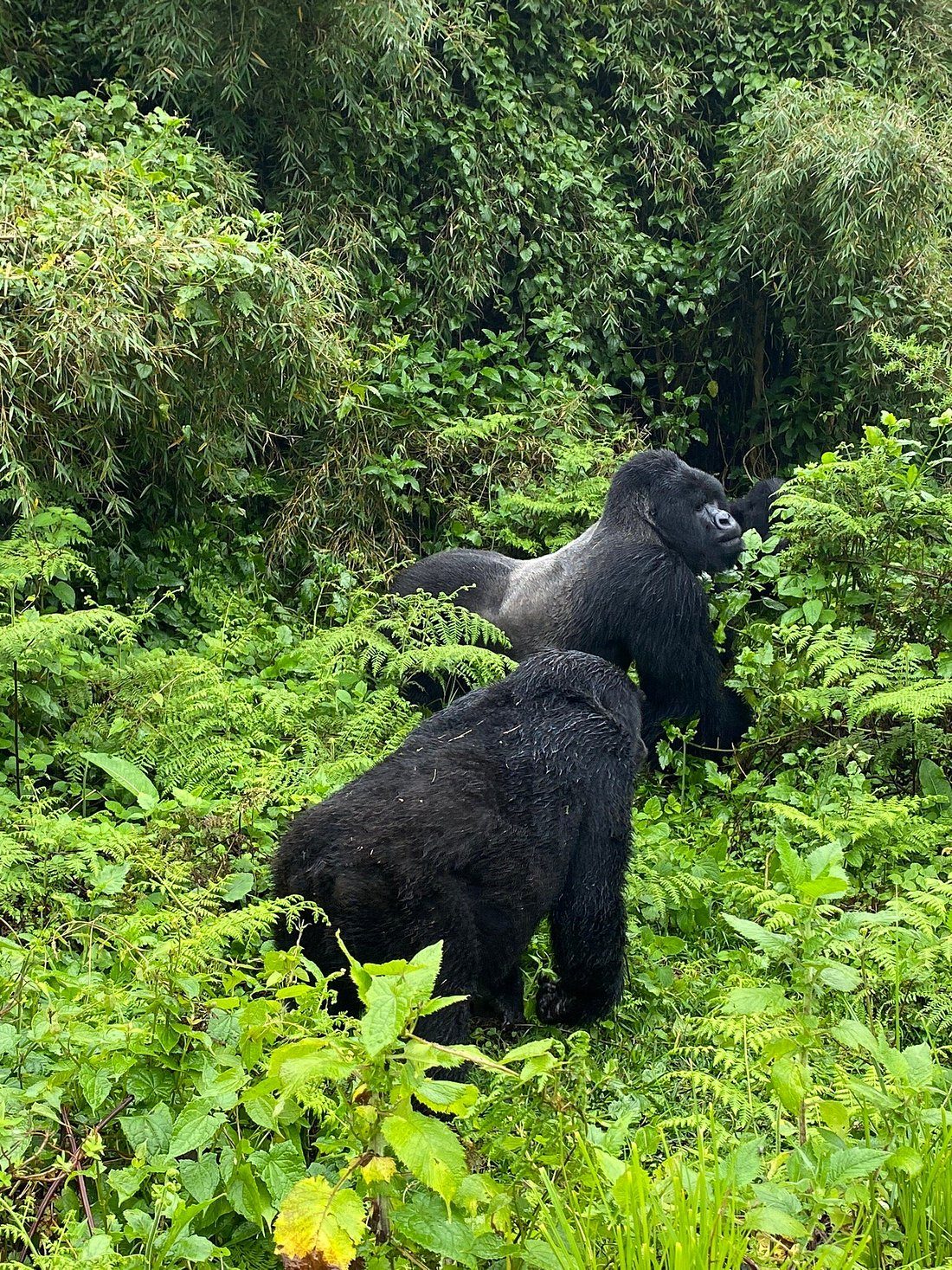
Starting April 2026, Uganda Wildlife Authority (UWA) offers low-season, discounted gorilla permits for $600 (foreign non-residents) and $500 (foreign residents) in April, May, and November, saving $200. These discounted, non-reschedulable permits are meant for low-season travel to Bwindi and Mgahinga, where lodge rates are often cheaper
2-days-best-gorilla-trekking-safari-tour-via-kigali-to-bwindi-impenetrable-forest-park
3-day-budget-gorilla-trekking-safari-in-uganda
4-days-budget-gorilla-trekking-lake-bunyonyi-and-golden-monkey-tracking
5-days-incredible-ishasha-tree-climbing-lions-and-gorilla-trekking-in-bwindi
Key Low Season Discount Details (2026):
- Discounted Months: April, May, and November.
- Permit Cost (Foreign Non-Residents): $600 (reduced from $800).
- Permit Cost (Foreign Residents): $500 (reduced from $700).
- Permit Cost (East African Citizens): 300,000 UGX.
- Chimpanzee Tracking: Discounted to $200 (non-residents) and $150 (Residents).
Important Booking Information
- No Rescheduling: Discounted permits cannot be rescheduled or refunded.
- Immediate Payment: The 7-day, no-payment reservation window has been suspended; full payment is required immediately to secure the permit.ukiyt
1. When is the low season for gorilla trekking in Uganda and why are permits discounted?
The low season for gorilla trekking in Uganda typically falls during the rainy months, specifically April, May, and November. During these months, the Uganda Wildlife Authority (UWA) offers discounted gorilla trekking permits, often reducing the cost from the standard $800 to $600 for foreign non-residents, and even lower for foreign residents. The primary reason for this initiative is to stimulate travel during the quieter rainy months, keeping tourism numbers steady throughout the year while providing a more accessible price point for travelers seeking a budget-friendly adventure. Additionally, these months align with the need to manage high demand during peak times, promoting a more balanced visitor flow to Bwindi Impenetrable National Park and Mgahinga Gorilla National Park. The discounted permit gives the same one-hour encounter with a habituated gorilla family as a peak season permit, making it an excellent opportunity for budget-conscious tourists to see the mountain gorillas.
2. How much does a low-season gorilla permit cost, and does it include accommodation?
Effective April 2026, low-season gorilla permits in Uganda are reduced to $600 for foreign non-residents, a $200 reduction from the $800 high-season rate. Foreign residents with valid work permits can purchase these permits for $500, down from $700, and African citizens can purchase them for $500. It is essential to note that the gorilla trekking permit only covers the guided trek, park entrance fees, and the one-hour observation time with the gorillas. It does not include accommodation, transport, meals, or other personal expenses. However, because it is the low season, many lodges, hotels, and campsites near Bwindi Impenetrable National Park and Mgahinga National Park offer significantly reduced rates on beds and meals, sometimes up to 30-50% off during these months. This allows travelers to save substantially on both the permit and the overall cost of their stay.
3. Is it possible to see gorillas during the rainy season in Uganda?
Yes, it is entirely possible and often highly rewarding to track mountain gorillas during the rainy season. Mountain gorillas live in the rainforest year-round, and tracking continues daily, rain or shine. The rainy season in April, May, and November does not mean it rains all day; rather, there are often heavy downpours that are quickly followed by sunny spells. The gorillas are still active, and because of the abundant food supply, they often stay at lower altitudes, which can actually result in a shorter, less exhausting hike to find them compared to the dry season when they may climb higher for food. Furthermore, while the trails might be muddy and slippery, the lush, vibrant, and greener environment provides a more intimate, dramatic experience, making the rainforest feel alive and untouched.
4. What are the major advantages of booking a gorilla trek in the low season?
The primary advantage of booking a gorilla trek in the low season is significant cost savings on both the permits ($600 instead of $800) and accommodation rates, which can be 15-35% lower. Besides financial benefits, there are far fewer tourists in the parks, resulting in smaller trekking groups—sometimes only 2-4 people instead of the maximum 8—providing a more exclusive and personal experience. This tranquility allows for a quieter and more intimate connection with the gorillas without the noise of large crowds. Additionally, last-minute permits are much easier to secure during these months, offering flexibility in planning your trip, unlike the peak season when permits sell out 6-12 months in advance.
5. What are the disadvantages or challenges of trekking gorillas during the low season?
The main challenges of low-season trekking are linked to the weather, with rainy conditions leading to muddy and slippery walking trails, making the trek more physically demanding. The increased rain can make hiking in the steep terrain of Bwindi more challenging, particularly for those with limited mobility. Visibility can also be lower due to mist and persistent rain, which can complicate photography. While the rain makes the scenery stunningly green, the dampness can make insect activity higher. However, these disadvantages can be managed by wearing proper waterproof clothing, using sturdy hiking boots, and hiring a local porter to assist with navigating slippery paths.
6. Where can I go for low-season gorilla trekking in Uganda?
Low-season gorilla trekking is available in both of Uganda's primary gorilla habitats: Bwindi Impenetrable National Park and Mgahinga Gorilla National Park. Bwindi offers four main sectors—Buhoma, Ruhija, Rushaga, and Nkuringo—all of which offer habituated families and participate in the low-season permit discount. Mgahinga Gorilla National Park, while smaller and home to only one habituated family (Nyakagezi), is also an excellent choice, particularly because the gorillas are often easier to locate, and the park is less crowded. The choice of sector often depends on permit availability and the type of experience you want, but all offer the same, high-quality, one-hour interaction with the gorillas.
7. What should I pack for a gorilla trekking safari in the rainy season?
Packing for the low season requires specialized waterproof gear to ensure comfort in wet conditions. Essential items include a high-quality, waterproof rain jacket, waterproof trousers, and sturdy, waterproof hiking boots with good ankle support. Garden gloves are helpful for handling vegetation, and gaiters are necessary to keep mud out of boots. A waterproof backpack for your camera, extra socks, and a light sweater for the chilly early mornings are also advised. Since you may be hiking in wet conditions, a breathable, quick-drying base layer is recommended. Finally, a pair of binoculars and a camera with a fast lens or good low-light performance is ideal for capturing photos in the dim forest light.
8. Are there any discounts on accommodation and transport in the low season?
Yes, low season is synonymous with lower prices for accommodation and transport. During April, May, and November, many lodges in Bwindi and Mgahinga cut their nightly rates by 15-35% to attract guests. Mid-range and luxury lodges often offer complimentary services, such as free massages, spa treatments, or community walks. Similarly, car hire companies and tour operators offer reduced transportation costs for, say, a 4x4 safari vehicle, as they prefer to keep their machines working during the off-peak months. This means you can stay in a higher-tier lodge for a lower price, making luxury more accessible.
9. How far in advance should I book my low-season gorilla trekking permit?
While permits can sometimes be secured last-minute during the low season, it is still recommended to book at least 3-4 months in advance, particularly for popular sectors like Buhoma or if you are traveling during a specifically demanded week like Easter. Because of the $600 discounted rate, these permits are popular and can sell out, even if they are more available than in the peak season (when booking 6-12 months ahead is necessary). It is essential to use a licensed tour operator who can check availability in real-time with the Uganda Wildlife Authority and secure your spot immediately, as these permits are offered on a first-come, first-served basis.
10. Can I reschedule my discounted low-season gorilla permit?
No, the low-season discounted gorilla permits are strict and cannot be rescheduled to another date once booked. If you have to change your travel plans, you may lose the payment for the permit. This is why it is highly recommended to be absolutely certain of your travel dates before purchasing a discounted permit. This strict rule is designed to prevent permit hoarding and ensure fairness in the booking process.
11. Is the gorilla habituation experience also discounted in the low season?
No, the 4-hour Gorilla Habituation Experience, which takes place only in the Rushaga sector of Bwindi, is not discounted during the low season. The permit price for this unique, longer experience remains $1,500 per person year-round. However, the standard 1-hour gorilla tracking permit is reduced, making it a better option for those looking to save money, whereas the habituation experience is better for those who want to spend more time with the gorillas and participate in research.
12. Are there any health risks or special precautions for rainy season trekking?
The primary risk during the rainy season is the potential for mosquitoes and other insects, which are more active in the wet, humid conditions. It is crucial to use a strong insect repellent, wear long-sleeved shirts and trousers, and use anti-malarial medication, as the national parks are located in malaria-prone areas. Additionally, the trails can be extremely slippery, so hiring a local porter is strongly recommended to assist you in walking and to carry your gear, allowing you to focus on the terrain and the forest.
13. Will I be able to see other animals besides gorillas in the low season?
Yes, the rainy season is actually a fantastic time for nature enthusiasts and birdwatchers. The forest is teeming with life, and you are likely to see various other primates, including rare monkeys, as well as many forest birds that are easier to spot when they are not hiding from the heat. The lush, vibrant, and green environment is also ideal for spotting forest elephants and other wildlife.
14. How does the low season affect road conditions to the gorilla parks?
The rainy season can make roads to Bwindi and Mgahinga muddy, and in rare cases, impassable, particularly in remote areas. It is essential to travel with a 4WD vehicle and an experienced local driver who is familiar with the terrain. While the roads are usually managed, unexpected, heavy rain can create delays. It is also important to note that the roads to the southern sectors of Bwindi and to Mgahinga can be particularly challenging.
15. What are the best ways to secure a low-season discounted permit and book a safari?
The best way to secure a discounted permit is to book through a reputable, licensed Ugandan tour operator. These operators have direct connections to the Uganda Wildlife Authority (UWA) and can efficiently handle the booking process, as well as combine it with accommodation and transportation at discounted low-season rates. They can provide advice on which sector to choose, the best lodges to stay at, and help ensure you have all necessary travel requirements for your trip.
Booking Discounted gorilla tracking with us Roads of Adventure safaris
Book discounted gorilla trekking with Roads of Adventure Safaris for unforgettable Uganda or Rwanda encounters. Expert local guides, tailored budget-friendly packages, and seamless permit booking ensure a hassle-free, secure journey. Maximize your experience with, in some cases, lower-cost permits (e.g., $600 in April/Nov) and cost-effective accommodation options. Services include private, safe transportation and specialized knowledge. Book early for the best rates
