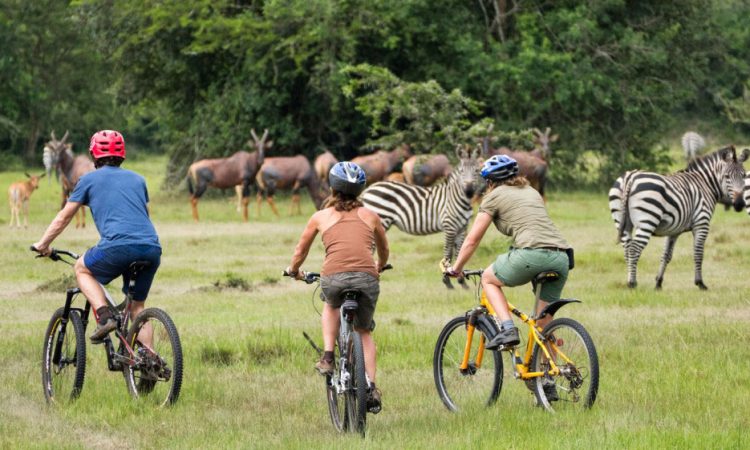
Cycling in Lake Mburo National Park offers an immersive, eco-friendly safari, letting you pedal alongside zebras, impalas, and giraffes on guided trails, especially great in the dry season (June-Aug, Dec-Feb) for firm paths and less rain. Guided by armed rangers, you'll explore savannahs and hills, spotting diverse wildlife and birds, with routes like the Impala Circuit available, providing unique photo ops and close nature encounters away from vehicles.
2-days-lake-mburo-national-park-uganda-safari-holiday
3-days-best-of-lake-mburo-national-park-uganda-safari-tour-package
4-days-queen-elizabeth-park-and-lake-mburo-uganda-safari-tour
4-days-perfect-honeymoon-uganda-safari-to-lake-mburo-national-park-and-lake-bunyonyi
10-days-best-photography-uganda-wildlife-safari-holiday-and-gorilla-trekking
7-days-safari-to-uganda-queen-elizabeth-park-gorillas-trekking-and-lake-mburo
What is the best time to do cycling in Lake Mburo National Park?
The best time for cycling in Lake Mburo National Park is during the dry seasons, specifically from June to August and December to February. During these months, the weather is generally more stable, with less rainfall, leading to drier and less muddy trails. This not only enhances the overall cycling experience but also allows riders to navigate more easily across the park’s diverse landscapes.
Moreover, wildlife behavior during the dry season makes cycling even more rewarding. Many animals congregate around water sources, which provides cyclists with frequent opportunities to spot a variety of wildlife along the trails. The chance to observe animals like zebras, impalas, and even Rothschild's giraffes in their natural habitats while cycling creates a memorable experience that many visitors treasure.
The pleasant temperatures during these months also contribute to a comfortable outing. Cycling enthusiasts can enjoy the fresh air and stunning views without the discomfort of extreme heat or rain. However, while these dry periods are ideal, it's essential to note that the park can also be enjoyed year-round, as each season offers unique sights and experiences.
For those who are considering a cycling adventure in Lake Mburo National Park, planning your visit during the dry season will enhance your experience dramatically, offering optimal conditions for both cycling and wildlife observation.
Is cycling in Lake Mburo National Park safe from wild animals?
Yes, cycling in Lake Mburo National Park is generally safe, particularly because there are no lions in the park. The park’s management prioritizes safety, ensuring that all cycling activities are conducted under guided supervision. Each cycling tour is led by an armed Uganda Wildlife Authority (UWA) ranger who is well-trained in safety protocols and wildlife behavior.
The presence of a ranger enhances safety, especially from larger herbivores like buffaloes, which can be encountered on the trails. While these animals are generally not aggressive, their size and unpredictability necessitate caution. The trained rangers ensure that cyclists maintain a safe distance from any wildlife encountered during the ride.
The established cycling routes are designed to minimize animal encounters while maximizing the experience of observing diverse wildlife. The armed ranger can provide insight into the park's ecosystem, pointing out different species and explaining their roles.
Adhering to the safety guidelines provided by your ranger, such as maintaining a safe distance from wildlife and following instructions, will allow you to enjoy your cycling experience while ensuring your safety and that of the wildlife. Overall, cycling in Lake Mburo National Park, when guided properly, offers a secure and exhilarating adventure through this beautiful environment.
What animals can I see while cycling in Lake Mburo National Park?
Cycling in Lake Mburo National Park provides an incredible opportunity to encounter a variety of wildlife in their natural habitat. Expect to observe majestic animals such as zebras, impalas, elands, and warthogs as you pedal along the controlled trails.
Lake Mburo is one of the few parks in Uganda where you can find the Rothschild's giraffe, a unique species that has been reintroduced to the park. Spotting these gentle giants while cycling adds a touch of excitement and wonder to your adventure. Cycling through the park also opens up chances to view notable herbivores like topis and buffaloes, often grazing in the verdant grasslands.
The park's diverse ecosystem includes a variety of bird species—over 300 identified—making it a birdwatcher’s delight. Cyclists may spot birds such as herons, kingfishers, and various weaver species as they navigate the trails, adding layers to the wildlife experience.
As you cycle, the dynamic environment offers a visual feast, with changing landscapes and the sounds of the bush enhancing your adventure. The chance to witness wildlife in a less intrusive way while on a bike adds a unique angle to the typical safari experience. Each pedal stroke brings you closer to nature, creating unforgettable memories as you explore one of Uganda’s most vibrant parks.
Do I need to bring my own bike for cycling in Lake Mburo National Park?
No, you do not need to bring your own bike for cycling in Lake Mburo National Park. The park offers convenient rentals that allow visitors to cycle without the burden of transporting their own gear. Mountain bikes are well-maintained and available for rent at designated lodges such as Leopard Rest Camp or through the Uganda Wildlife Authority.
Renting a bike not only simplifies logistics, but it also ensures that you have access to high-quality, fit-for-purpose bikes specifically designed for the terrain of the park. Local rental shops often provide a variety of bike sizes and models, catering to individual preferences and requirements.
Additionally, utilizing rental services gives you the benefit of expert insights from local operators on optimal bike settings for your cycling experience. You can confirm bike sizes and necessary adjustments before hitting the trails, making your adventure more enjoyable and accessible.
This option of renting bicycles extends to guided cycling tours, which include safety equipment and a ranger to accompany you throughout the ride. The organized approach provides an added layer of comfort and convenience, allowing you to focus on the amazing landscapes and wildlife encountering you along the way. Thus, renting a bike in Lake Mburo enhances your adventure while making it easier for you to explore this beautiful national park.
How long does a typical cycling in Lake Mburo National Park tour last?
Most guided cycling tours in Lake Mburo National Park typically last between 1 to 2 hours, offering an enjoyable introduction to the park's stunning landscapes and wildlife. This timeframe is suitable for both beginners and more experienced cyclists, allowing participants to take in the beauty of their surroundings while also enjoying a manageable physical activity.
For those looking to extend their experience, arrangements can often be made for longer tours upon request. These extended tours can delve deeper into the park’s diverse ecosystems, allowing cyclists to explore more trails and witness additional wildlife, enhancing the experience.
During the ride, participants are guided by a knowledgeable Uganda Wildlife Authority ranger, who ensures safety and offers valuable insights into the flora and fauna encountered along the route. This combination of physical activity and education makes cycling an engaging way to explore the park.
The moderate duration of these tours allows for flexibility in your itinerary, making cycling a versatile option whether you're seeking a quick thrill or aiming to blend it with other activities in the park. Whichever tour length you opt for, cycling in Lake Mburo promises to leave you with unforgettable memories and a deeper appreciation for the beauty of Uganda’s natural landscapes.
How much does a cycling in Lake Mburo National Park experience cost?
The cost of a cycling safari inside Lake Mburo National Park typically starts around $55 USD per person for a two-hour guided session. This price generally excludes park entrance fees, which are pay-per-visit and vary based on duration and purpose of stay.
The fee usually covers bike rental, the services of a knowledgeable guide, safety equipment, and ranger accompaniment, ensuring you have everything necessary for a fun and secure experience. Rental rates may differ depending on the type of bike and any additional services or gear you may require, such as helmets or specialized cycling equipment.
While the base cost provides great value for exploring the park by bike, it’s wise to budget for extra expenses like snacks, drinks, or optional guided tours that may enhance your experience. Visitors often find that the combination of physical activity, cultural immersion, and wildlife encounters justifies the investment.
Booking in advance is recommended during peak seasons to ensure availability, especially if you plan to participate in guided tours. Overall, cycling in Lake Mburo National Park offers a unique, enriching adventure at a reasonable cost, allowing you to explore one of Uganda’s most picturesque parks actively.
Is prior experience required for cycling in Lake Mburo National Park?
While prior experience certainly helps, it is not mandatory for cycling in Lake Mburo National Park. The trails are designed to accommodate participants of all skill levels, making it accessible for both beginners and experienced cyclists. The park’s trails vary in difficulty, allowing newcomers to enjoy cycling while feeling safe and confident.
If you're a beginner, the organized tours typically include brief training and safety instructions before embarking on your cycling adventure. Guides are experienced in facilitating rides for those with limited cycling experience, providing encouragement and advice as needed to ensure everyone has an enjoyable time.
Those with more experience will find the terrain and environment provide opportunities to explore varied landscapes, adding to the fun. The routes often involve gentle hills and flat areas, providing a good mix of relaxed cycling and physical challenges.
Ultimately, whether you’re a novice or seasoned cyclist, each participant can enjoy the thrill of cycling without feeling overwhelmed. The availability of helmet rentals and the presence of armed rangers further ensures a safe and fulfilling experience for all. Cycling in Lake Mburo is designed to be an inclusive and enjoyable activity for everyone.
What is the minimum age for cycling in Lake Mburo National Park?
The minimum recommended age for participating in cycling in Lake Mburo National Park is generally 15 years. This age requirement ensures that participants have the necessary physical maturity and capability to handle the terrain and distance involved in cycling.
Having a minimum age limit helps ensure the safety and enjoyment of all participants. Younger riders may find the demands of mountain biking challenging, particularly in a wildlife-rich environment where close encounters with larger animals can occur.
For those under the age of 15 wishing to participate, arrangements can sometimes be made, but it’s advisable to check in advance with the Uganda Wildlife Authority or local tour operators for additional details and safety recommendations. Parental supervision may also be required for younger children to ensure they can adequately participate in a safe and enjoyable manner.
Ultimately, the focus is on creating a rewarding cycling experience that accommodates various skill levels while ensuring safety and enjoyment for all participants.
Are there specific trails for cycling in Lake Mburo National Park?
Yes, Lake Mburo National Park features a range of well-established, authorized trails designed specifically for cycling enthusiasts. One of the most popular routes is the 8-kilometer Zebra Circuit, which provides cyclists with a chance to explore the park's stunning landscapes while observing its remarkable wildlife.
These designated trails are created to ensure a safe cycling experience while allowing riders to navigate through various terrains, including open grasslands and wooded areas. Each trail offers unique views and opportunities for wildlife encounters, including both large herbivores and diverse bird species. The cycling tracks are well-maintained, providing an enjoyable ride for everyone.
Guides accompanying cycling tours typically help navigate the best routes and ensure that you encounter the most wildlife-rich areas. This careful planning enhances your experience, allowing for memorable sightings and appreciation of the ecosystem during the ride.
For those looking to explore further, the park offers additional trails that can be combined for extended rides, allowing for a more comprehensive investigation of the unique habitats within the national park. However, it's essential to remember that cyclists must always stick to the designated trails to maintain safety and reduce disturbances to local wildlife.
Overall, the specific cycling trails and the surrounding natural beauty make Lake Mburo National Park an exhilarating destination for biking enthusiasts.
Can I do independent cycling in Lake Mburo National Park?
No, independent cycling in Lake Mburo National Park is prohibited. For safety reasons, all participants must be accompanied by an armed Uganda Wildlife Authority (UWA) ranger during their cycling activities. This policy is in place to ensure the safety of cyclists while navigating the park’s diverse wildlife and unique terrains.
The presence of a ranger is invaluable, as they are trained to handle various wildlife encounters and can provide essential insights about the park's flora and fauna. Guided tours not only ensure your safety but also enhance the experience by offering historical and ecological information, making your cycling adventure more enriching and rewarding.
Guided cycling tours follow established trails, keeping your experience organized and safe while maximizing opportunities to observe wildlife, such as zebras, impalas, and the newly introduced Rothschild's giraffes.
While independent cycling is not allowed, the guided experience guarantees a secure and engaging adventure. You can still relish the thrill of cycling while enjoying the tranquility of the park and its captivating views, all under the watchful eye of a knowledgeable ranger. This structure allows you to focus on enjoying the ride and fully immersing yourself in the beauty of Lake Mburo National Park without added concerns.
What should I pack for cycling in Lake Mburo National Park?
When preparing for cycling in Lake Mburo National Park, packing wisely is crucial for both comfort and safety. Start with long trousers that provide protection against scratches from vegetation and insects. It's also a good idea to wear closed-toe shoes for safety and support, especially since the cycling terrain can vary.
One of the most important items to include is sunscreen. The Ugandan sun can be quite strong, and applying sunscreen helps prevent sunburn during your outdoor adventures. Similarly, bring insect repellent to protect against mosquitoes and other pests, ensuring you remain comfortable during your ride.
A water bottle is essential for staying hydrated. Cycling can be exhausting, and it's important to keep your energy up with regular sips of water, especially under the sun. Additionally, carrying a camera allows you to capture the stunning landscapes and potential wildlife encounters along the way, enriching your memories of the experience.
For those who wear glasses, consider packing a strap to secure them or, alternatively, sports sunglasses to shield your eyes from UV rays and dust. If you're prone to sweat, a towel or bandana might also come in handy.
Overall, packing the right gear and essentials for your cycling experience in Lake Mburo helps ensure a safe and enjoyable adventure, allowing you to focus on the exhilarating ride through one of Uganda's beautiful landscapes.
Is a helmet provided when cycling in Lake Mburo National Park?
Yes, when you rent a bike for cycling in Lake Mburo National Park, a helmet is provided as part of the rental package. Safety is a top priority, and wearing a helmet is crucial for protecting your head during the ride. The helmets offered are typically well-maintained and designed to fit securely, ensuring that you can focus on enjoying the experience rather than worrying about safety.
While the helmets provided are adequate for most users, some participants may prefer to wear their own for a better fit. If you have a helmet you’re accustomed to, bringing it along can ensure maximum comfort and security while cycling.
The presence of an armed ranger accompanying your group adds another level of safety, as they are trained to manage various situations in the park, including potential wildlife encounters. This combination of helmet use and guided support allows you to explore the fascinating terrain of Lake Mburo with more confidence.
Ultimately, whether you choose to use the rental helmet or your own, it’s essential to prioritize safety during your biking adventure. Proper headgear enhances your enjoyment and can provide peace of mind as you navigate through the park’s stunning landscapes.
Is cycling in Lake Mburo National Park better than a game drive?
Cycling in Lake Mburo National Park often offers a more intimate and immersive experience compared to a vehicle-based game drive. While both activities have their benefits, cycling allows for a unique connection with the landscape and wildlife that isn't as easily achievable from within a vehicle.
One of the primary advantages of cycling is the silence it affords. The quieter you are, the closer you can get to the animals. This proximity allows for better wildlife observation, as animals may not be as aware of your presence. On a bike, you can easily stop and appreciate a grazing zebra or watch a herd of buffalo without startling them.
Cycling also provides a sense of adventure. As you pedal through the park, you become an active participant in the environment, rather than a spectator. This physical engagement can enhance your appreciation for the diverse ecosystems and biodiversity found in the park.
However, it is crucial to consider personal preferences and comfort levels. Game drives offer the convenience of resting and enjoying the scenery with a guide, and while they might capture fewer intimate experiences, they can cover greater distances and enhance the likelihood of spotting larger, more elusive wildlife.
Overall, the choice between cycling and a game drive in Lake Mburo National Park depends on your adventure style. If you seek close encounters and an intimate connection with nature, cycling is an excellent option. For those who prefer comfort and wider exploration, a game drive may be the better choice.
What is the difference between cycling inside and outside the park?
Cycling inside Lake Mburo National Park and outside it offers distinctly different experiences that cater to various interests. When you cycle inside the park, the primary advantage lies in the opportunity for better and more frequent wildlife sightings. The park is rich in biodiversity, allowing cyclists to encounter grazers like zebras, impalas, and buffaloes directly on the well-established trails. Being accompanied by an armed UWA ranger further enhances the safety and educational quality of your experience, as they provide insight into the park's ecology and wildlife behavior.
On the other hand, cycling outside the park generally takes you through local community trails and rural landscapes, providing a cultural experience distinct from the wildlife-focused cycling within the park. While it can be cheaper and involve fewer regulations, the sights may not feature as much iconic wildlife. Cycling outside is often characterized by more community interactions, offering glimpses into local life, crafts, and farming practices, which can add valuable context to your visit.
Additionally, the trails outside the park may be less restrictive and can give riders more freedom in terms of exploration. Yet, these trails can lack the maintenance and well-established routes found within the park.
Ultimately, the experience you choose will depend on your interests—whether you lean more towards wildlife spotting in a guided setting or prefer engaging with the local culture while exploring the beautiful rural landscapes surrounding Lake Mburo.
Can I do birdwatching while cycling in Lake Mburo National Park?
Yes, you can certainly engage in birdwatching while cycling in Lake Mburo National Park. The park is a haven for bird lovers, boasting over 300 bird species, including both migratory and resident birds. Cycling offers a unique advantage for birdwatchers, as it allows you to move quietly and quickly between different habitats, increasing your chances of spotting diverse avian species.
One of the prime areas for birdwatching via cycling is the Rwonyo sector, known for its rich birdlife and accessible trails. As you cycle along, you can enjoy the sights and sounds of various birds, such as herons, kingfishers, and often-distinct weaver birds weaving their nests, bringing the journey to life with their colorful feathers and melodious calls.
The ability to stop whenever you spot birds of interest enables an intimate experience, allowing you to appreciate the nuances of each species and their environments. Accompanied by an experienced ranger, you’ll benefit from their knowledge of bird behavior, migration patterns, and the best viewing spots, enriching your overall experience.
Birdwatching while cycling also allows for multifaceted exploration, combining wildlife observation with physical activity in a serene setting. By slowing down and taking the time to focus on the avian inhabitants of Lake Mburo, you deepen your appreciation of this remarkable ecosystem while enjoying a unique cycling adventure.
Is cycling in Lake Mburo National Park possible during the rainy season?
Cycling in Lake Mburo National Park during the rainy season is technically possible, but it is not generally recommended. The rainy seasons in Uganda typically occur from March to May and again from October to November. During these months, the trails can become muddy and slippery, making cycling more challenging and less enjoyable.
The rain can significantly alter trail conditions, increasing the likelihood of accidents or falls, especially for those who may not be experienced cyclists. In wet conditions, maintaining traction becomes difficult, and navigating through the park's diverse terrains can prove daunting. Additionally, adverse weather can hinder visibility and diminish the chances of spotting wildlife, which may retreat to denser cover during rain showers.
For those eager to experience Lake Mburo and the beauty it offers, planning your visit during the dry seasons (June to August and December to February) is advisable. During these times, trails are drier and easier to navigate, promoting a more enjoyable cycling experience. Wildlife is also more readily observable, as animals tend to congregate around water sources during dry months.
While the rainy season can bring its own beauty to the park, with lush green landscapes and vibrant flora, it is generally safer and more rewarding to cycle during the drier months for a worry-free adventure in Lake Mburo National Park.
What is the terrain like for cycling in Lake Mburo National Park?
The terrain for cycling in Lake Mburo National Park is varied, offering both flat savanna plains and slightly hilly areas, making it suitable for a range of cycling abilities. The park's trails are specifically designed to accommodate different skill levels, from casual rides to more challenging routes, ensuring that cyclists of all experiences can enjoy the stunning scenery and wildlife.
The flat sections provide easy cruising where beginners can comfortably pedal without significant exertion, allowing for a relaxed and enjoyable experience. These areas often traverse grassy plains where wildlife like zebras and antelopes can be easily spotted.
In contrast, the slightly hilly regions offer a bit more physical challenge, providing invigorating climbs that reward cyclists with panoramic views of the lake and surrounding landscapes. These hills enhance the cycling experience by presenting opportunities for nature observation and photography while adding a degree of adventure to your ride.
The well-maintained trails are designed for mountain biking, facilitating a smooth ride through diverse ecosystems, including woodlands and grassy savanna. Cyclists will encounter captivating sights such as acacia trees and vibrant wildflowers, all contributing to the park's rich biodiversity.
Overall, the combination of varied terrain sets Lake Mburo apart as an excellent destination for cycling, providing unique experiences in both physical activity and wildlife encounters amidst a stunning natural backdrop.
Can families participate in cycling in Lake Mburo National Park?
Yes, families can definitely participate in cycling activities at Lake Mburo National Park, making it a family-friendly adventure. The cycling tours are structured to accommodate children and adults alike. However, it is crucial for parents to consider the physical capabilities of their children before participating, as the typical cycling tours last between 1 to 2 hours.
The park offers various trails that cater to different skill levels, and families with younger members often find that the flat routes are manageable for children. That said, it’s advisable to assess whether your child has adequate stamina and interest for a cycling adventure.
The presence of experienced guides ensures that families are well-supported during their ride. The guides can accommodate various cycling abilities, ensuring that all family members feel safe and comfortable. This support transforms the cycling tour into a shared experience, fostering family bonding through shared challenges and joys.
In addition to biking, the park offers numerous opportunities for families to interact with the local environment. Birdwatching, wildlife spotting, and sharing stories during breaks each add layers of richness to the experience that can be appreciated by all ages.
Overall, cycling in Lake Mburo National Park is not only possible for families but also provides an engaging way to explore Uganda's natural beauty together. It’s an unforgettable adventure that blends physical activity with the excitement of nature and wildlife.
What happens if I encounter a dangerous animal while cycling in Lake Mburo National Park?
Encounters with dangerous animals while cycling in Lake Mburo National Park are rare, especially since safety protocols are strictly followed. However, in the event of an encounter, your safety is the top priority, and the park’s management has protocols in place to handle such situations effectively.
Each cycling group is led by an armed Uganda Wildlife Authority (UWA) ranger, who is trained to manage wildlife interactions and ensure the safety of all participants. If a dangerous animal, such as a buffalo, is spotted near the trail, the ranger will instruct the group on the best course of action, which usually involves maintaining a safe distance and calmly moving away from the area.
The ranger's expertise is invaluable; they can assess situations quickly, determining whether to redirect the group to safer areas or wait for the wildlife to move along. This professional guidance helps mitigate risks while allowing participants to appreciate wildlife from a safe distance.
Moreover, the fenced-in nature of most cycling trails allows for protection from more hazardous wildlife. The emphasis on group cycling and ranger accompaniment enhances overall safety, ensuring that participants can enjoy their adventure without unnecessary worries.
Ultimately, safety protocols in place provide peace of mind for cyclists, allowing them to focus on the beauty of Lake Mburo National Park while enjoying their cycling experience, reassured by the presence of trained guides who prioritize their well-being.
Is pre-booking required for cycling in Lake Mburo National Park?
Yes, it is highly recommended to pre-book your cycling activity in Lake Mburo National Park. Limited availability of bicycles and qualified rangers makes advance reservations necessary to ensure a smooth and enjoyable experience.
Popular times for cycling, especially during peak tourist seasons, lead to higher demand for bike rentals and ranger availability. By pre-booking, you secure your spot, giving you peace of mind knowing that everything is arranged before your arrival.
Booking in advance also allows you to carefully plan your itinerary. It provides an opportunity to choose your preferred cycling time and duration, making it easier to combine cycling with other activities within the park or nearby areas.
Online booking is typically available through local tour operators or the Uganda Wildlife Authority, simplifying the process for visitors. Additionally, this allows you to inquire about any packages that may include guided tours, equipment rental, and safety provisions, ensuring that you get the best value for your money.
Pre-booking your cycling adventure in Lake Mburo National Park enhances your overall experience by minimizing stress, allowing you to focus on the excitement of exploring one of Uganda's breathtaking landscapes. Make sure to plan ahead to fully enjoy your visit!
Booking Cycling in Lake Mburo national park with us Roads of Adventure safaris
To book a cycling safari in Lake Mburo National Park with Us Roads of Adventure Safaris, contact them directly through their official channels.
You can reach them via:
- Email: info@roadsofadventuresafaris.com
- Phone/WhatsApp: +256 701 041637
Booking in advance is essential for proper planning and to guarantee the availability of an accompanying Uganda Wildlife Authority (UWA) ranger, which is mandatory for safety and a guided experience. They will manage all logistics, including park fees (around $40 USD) and the ranger fee (around $30 USD), and can also help with accommodation and transportation. The best time for this activity is during the dry months of June to August and December to February, when trails are dry.
