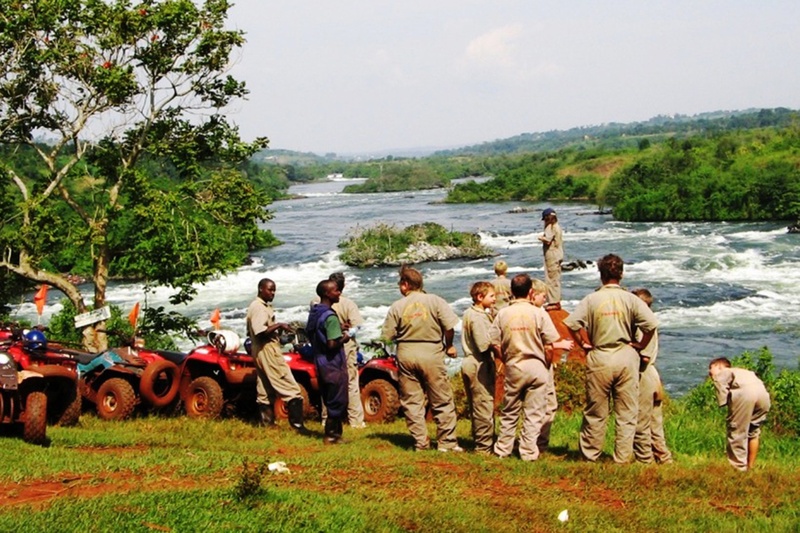
Quad biking in Jinja generally, costs between $50 and $130 per person, depending on the duration and specific route selected. For local currency, prices start from approximately 114,000 UGX for a 30-minute session.
2-days-jinja-white-water-rafting-tour-package
3-days-jinja-tour-tubing-source-of-the-nile-water-message-busowoko-falls-quadi-biking-and-bungee-jumping
4-days-luxury-murchison-falls-and-jinja-uganda-safari-vacation
4-days-jinja-activities-and-sipi-falls-uganda-safari-vacation
5-days-gorilla-trekking-and-jinja-white-water-rafting
5-days-perfect-uganda-honeymoon-safari-in-jinja
6-days-jinja-white-water-rafting-gorilla-trekking-and-chimpanzee-tracking-adventure
14-days-uganda-primate-safari-and-jinja-white-water-rafting
Typical Price Tiers
Prices often include a free 30-minute training session before the actual safari begins.
Simba African Expeditions +1
30-Minute Ride: $50 – $60 (approx. 114,000 UGX).
1-Hour Safari: $55 – $75 (approx. 209,000 UGX).
2-Hour Safari: $85 – $110.
3-Hour to Half-Day: $110 – $130.
Full-Day Adventure: $150+.
Kids' Circuit: ~$15 – $20 per child (typically for those under 12).
Safety Gear: Helmet, Goggles, and Overalls
Providing safety gear is a fundamental part of responsible adventure operations. Helmets protect against head impacts from falls or low branches during off road rides and are selected to meet regional or international safety standards; they should fit snugly, fasten securely and be inspected regularly for cracks or damage. Goggles shield eyes from dust, mud spray, wind and flying debris—critical on riverbanks, muddy tracks or high speed sections where visibility can be suddenly reduced. Overalls (or protective suits) protect clothing and skin from abrasions, scrapes and the elements; they also help minimize cuts from brush and reduce the amount of mud and water reaching the wearer.
Good operators routinely clean, disinfect and inspect all rented gear between uses. Proper sizing is essential: ill fitting helmets or goggles reduce protection and comfort, while oversized overalls can snag on controls. Guides typically demonstrate correct fitting during the pre activity briefing and will refuse participants who decline to wear required protective equipment. Guests should ask about gear standards if they have concerns (e.g., certified helmet brands, anti fog goggles, or flame resistant overalls) and may bring personal items—well fitted helmets or goggles they trust—if allowed. Ultimately, supplied safety gear reduces risk and ensures a baseline level of protection for all participants.
Footwear: Gum Boots to Protect Against Mud
Supplying gum boots (rubber boots) is a practical measure for activities that traverse muddy trails, riverbanks, marshy areas or rainy terrain. Gum boots keep feet dry, protect against prolonged exposure to water that can cause blisters and trench foot, and offer a barrier against sharp stones, thorns and small stream crossings. Their tall shaft also helps keep lower legs cleaner and reduces the amount of mud tracked into vehicles or facilities. For many adventure operations in wet tropical areas, gum boots are standard issue both for hygiene and participant comfort.
However, gum boots are not ideal for every situation. They are generally less supportive than hiking boots and can reduce ankle stability on steep or rocky slopes. Operators who provide gum boots should brief participants on when to use them—typically for muddy flat sections or river fords—and when stronger footwear is advisable. Quality matters: boots should have non slip soles and come in a range of sizes to ensure a secure fit. Guests with medical foot conditions or those who prefer their own footwear should discuss alternatives with guides; bringing waterproof hiking boots with good ankle support is often recommended for longer, steeper treks. Proper drying and cleaning protocols for shared gum boots are also important to prevent fungal infections and maintain hygiene.
Professional Guides: To Lead the Safari and Provide Mechanical Assistance
Professional guides are central to a safe, informative and smoothly run safari or adventure activity. Experienced guides perform multiple roles: they navigate routes, interpret wildlife and landscape features, enforce safety protocols, manage group pacing, and coordinate logistics such as vehicle handling and timing. In motorized activities (ATV rides, quad biking), guides commonly provide mechanical assistance—basic repairs, tire changes and on route troubleshooting—ensuring minimal downtime and safe continuation of the outing. Their knowledge of local terrain, seasonal hazards and wildlife behavior markedly improves both safety and the quality of the experience.
Guides should be trained in first aid, emergency response and, where relevant, vehicle maintenance and recovery techniques. Good operators keep guides certified and up to date with safety training, communication equipment, maps and spare parts. Guides also manage risk by assessing participant ability and making real time decisions—slowing pace, altering routes, or stopping an activity if conditions become unsafe. Beyond safety, professional guides enhance the trip with context, stories and conservation insights that deepen guest appreciation. When booking, ask about guide qualifications, guide to guest ratios, and the presence of a dedicated mechanic or support vehicle for longer or more technical adventures.
Training: A Mandatory 30 Minute Safety Briefing and Practice Session
A mandatory 30 minute safety briefing and practice session is an important inclusion that prepares participants physically and mentally for the activity ahead. This short orientation typically covers equipment fitting (helmets, goggles, overalls, boots), safe operation techniques (braking, steering, speed control), hazard awareness (river crossings, slippery sections, drop offs), and emergency procedures (stopping rules, hand signals, rendezvous points). Operators also use the time to assess individual riders’ or participants’ baseline skills through a supervised practice loop—adjusting instruction to address weaknesses and building confidence in a controlled setting.
Mandatory training reduces risk by standardizing knowledge across the group and ensuring that everyone understands the same safety protocols. It’s also an opportunity to lay out expectations for behavior, outline environmental and cultural respect (leave no trace, avoid disturbing wildlife, and respect local communities), and answer participant questions. For higher risk activities, briefings include contingency plans, communication methods (two way radios), and the location of nearest medical facilities. Participants should treat the session seriously: it’s not optional theatre but a critical risk management measure. If a participant struggles during the practice, guides may recommend additional practice, a lower risk activity tier, or in some cases, decline participation for safety reasons.
Minimum age for quad biking in Jinja
Participants must generally be at least 12 years old to operate their own quad bike, though specialized "Kids Quad Circuits" are available for children aged 7–12 to ride safely under supervision.
Most reputable operators in Jinja set a minimum solo riding age of about 12 years. This limit reflects safety, physical capability and legal/insurance considerations: at that age most children have sufficient coordination, strength to control a low powered quad, and an ability to follow instructions under dynamic outdoor conditions. Operators typically require proof of age at booking or check in, and guides will assess each child’s actual competence during the mandatory practice session. Meeting the age requirement is necessary but not always sufficient—if a child demonstrates poor control, the guide may move them to a lower risk option.
For younger children, many providers offer dedicated Kids Quad Circuits (roughly ages 7–12). These use smaller, lower powered machines on enclosed, short tracks with significantly reduced speeds and close instructor supervision. The kids’ circuits emphasize safety, skill building and fun, and they usually include child sized helmets and protective gear. Parents should confirm instructor to child ratios, harnessing options, and whether constraints like weight minimums or maximums apply.
Operators also manage liability and parental responsibility: children often must be accompanied by a consenting adult who signs indemnity forms. Special medical or behavioral considerations (e.g., poor balance, epilepsy, recent injuries) may disqualify a child regardless of age. If you travel with younger children, ask the operator in advance for exact age and weight policies, typical kids’ circuit content, and what documentation is required. Ultimately, the age rules exist to ensure that both young riders and the group remain safe while enjoying the activity.
Do I need previous experience to go quad biking in Jinja?
No previous experience is required. All Terrain Adventures and other operators provide comprehensive training and a 30-minute practice session on a specialized circuit before the main safari begins.
Quad biking in Jinja is designed for accessibility: most operators welcome complete beginners and structure activities so first timers can ride confidently. The standard format includes a mandatory safety briefing covering machine basics (starting/stopping, throttle control, braking, and safe posture), trail signals and hazard awareness, followed by a supervised practice session on a safe training loop. This 20–30 minute practice allows participants to handle the exact quad they’ll use on the main route under close instructor supervision until guides are satisfied with basic competence.
The quads provided for tourist circuits are typically user friendly (often automatic and lower powered) to reduce the learning curve. Guides assess each rider and adapt instruction accordingly, offering extra practice or recommending an easier route if someone struggles. That individualized approach makes the activity safe for many newcomers while still allowing more experienced riders to progress to longer or more technical trails.
Although no prior experience is needed, participants should have reasonable balance, the ability to follow verbal instructions, and basic physical fitness. People with significant mobility limitations, uncontrolled medical conditions, or severe balance problems should discuss suitability with the operator and possibly opt for alternative activities. For children, meeting the minimum age and passing the practice session are prerequisites.
In short, the combination of mandatory training, gradual exposure on a practice circuit, and continuous guide support means most people can try quad biking in Jinja without prior riding experience. Being attentive during the briefing and using the practice time to build confidence are the best ways to ensure a safe, enjoyable ride.
Is quad biking in Jinja safe?
Yes, it is safe. Tours are led by professional guides who prioritize safety, and all participants are equipped with helmets, goggles, and overalls.
When operated responsibly, quad biking in Jinja is a well managed adventure activity with controlled risk. Safety stems from multiple layers: operator protocols (mandatory briefings and practice sessions), provided protective gear (helmets, goggles, overalls), routine equipment maintenance, trained guides, and route selection appropriate to rider ability. Guides manage pace, maintain safe spacing between riders, assess environmental hazards, and provide on route mechanical assistance. Most companies also have first aid trained staff, radios or phones for emergency contact, and contingency plans for evacuation to nearby medical facilities.
However, adventure sports include inherent hazards—loss of control, rollovers, collisions, or slips on wet terrain are possible. Operators mitigate these through age and weight restrictions, the use of lower powered machines for novices, and enforcing behavioral rules (no reckless overtaking, no alcohol beforehand). Terrain management is important: guides avoid excessively technical or flooded sections and may alter routes in poor weather conditions. Equipment standards are equally critical; reputable providers maintain quads to manufacturer specs and replace worn parts promptly.
Participant responsibility is also a key safety factor. Listening to briefings, wearing provided gear correctly, riding within personal limits, and following guide instructions greatly reduce accident risk. Booking with established, reviewed operators and confirming safety inclusions (training, gear, guide ratios) improves safety assurance.
In summary, while no activity is entirely risk free, the structured systems used by professional operators in Jinja make quad biking broadly safe for appropriately screened and instructed participants. Read operator reviews, ask about emergency procedures, and ensure you are comfortable with the required safety standards before riding.
What is the best time of year for quad biking in Jinja?
While available year-round, many riders prefer the wet season (March–May, Oct–Nov) because the muddy paths and puddles offer a more exciting, challenging experience.
Jinja’s year round climate means quad biking is possible in any month, but seasonal conditions change the character of the ride. The wet seasons (March–May and October–November) create muddy tracks, deeper ruts and water crossings that amplify thrill and technical challenge. Muddy conditions produce dramatic splashes and varied traction that many adventure riders seek; they also accentuate the scenic lushness of the landscape and heighten photographic contrast. For thrill seeking groups and experienced riders, wet season rides are often considered the most fun.
Conversely, the dry seasons (June–September and December–February) deliver firmer trails, more predictable footing and fewer cancellations due to flooding. Dry months are preferable for beginners, families, or riders who prefer a cleaner experience and easier machine maintenance. Dry trails typically mean smoother rides and less downtime for mechanical cleaning or repairs, and they make logistics like vehicle transfers and photography simpler.
Other considerations include river levels—higher Nile flows during and after rains make certain crossings more dramatic but also potentially hazardous, so guides carefully assess those segments. Humidity and insect activity are greater in wet months; bring insect repellent. Peak tourist windows may also influence availability and price, so booking in advance is advised regardless of season.
In the end, the “best” time depends on preference: for muddy excitement and dramatic scenery pick the wet season; for stable, family friendly conditions choose the dry season. Always check with your chosen operator about current trail conditions and their policy on weather related route changes or cancellations before booking.
How much does quad biking in Jinja cost?
Prices typically start from around USD 50"-" 70 for a 1-hour ride and can go up to USD $150 or more for full-day adventures, depending on the operator and duration.
Quad biking costs in Jinja vary with duration, inclusions, equipment quality and whether transfers or extras are provided. Entry level one hour experiences typically fall in the 50"-" 70 range and include the quad rental, mandatory safety briefing and practice session, helmets/goggles/overalls, guide services and bottled water. Two to three hour rides commonly range from 85to130 and offer more trail variety, rest stops and sometimes light refreshments or transfers from nearby lodges.
Full day adventures—starting around $150 and rising with bespoke inclusions—may include hotel pickup/drop off, a picnic lunch, longer routes, combined activities (boat trips on the Nile, cultural stops) and additional guide or support staff. Private bookings and corporate packages are priced higher per person because of dedicated staffing, customized itineraries and logistics. Special add ons (photography packages, professional videographers, insurance upgrades) increase cost further.
Price differences can also reflect equipment standards: newer quads, smaller group sizes, and more experienced guides usually command higher rates. Seasonal demand affects pricing too—peak tourist periods and local holidays can see higher rates or deposit requirements. Some operators quote in Ugandan shillings with approximate USD conversions; always confirm currency, payment methods and what the price explicitly includes or excludes (park permits, transfers, insurance, gratuities).
When comparing options, request an itemized quote and check recent customer reviews for reliability and safety. Cheaper rates may omit essential safety measures, while pricier operators often provide better equipment maintenance, smaller groups and stronger emergency procedures—worth considering when evaluating value versus cost.
Where in Jinja does the quad biking experience take place?
Quad biking in Jinja takes place along the banks of the River Nile, passing through farmlands, local communities, forests, and tea/sugar plantations.
The quad biking terrain around Jinja capitalizes on the scenic and varied landscapes flanking the Nile. Typical routes run along riverbanks and nearby hinterlands, winding through agricultural zones—tea and sugarcane plantations, smallholder farms and pastures—plus stretches of riverine forest and scrub. This diversity delivers varied trail conditions: sandy or compacted dirt near the river, muddy ruts through lowland areas in the rainy season, and more technical gullies or vegetated corridors further inland.
Proximity to the Nile is distinctive: many itineraries include viewpoints overlooking river rapids or islands and sometimes pass features of historical or local interest. Routes are often chosen to balance adventure with cultural exposure—riders may see rural villages, children playing, and local farmers working fields—while guides ensure respectful distances and avoid private properties when necessary. For longer packages, operators can design loops that include short boat transfers, birdwatching stops in wetland patches, or visits to markets and local craft sites.
Trail selection is seasonal and dynamic. During heavy rains guides reroute to avoid flooded or dangerously eroded sections; in dry months they use firmer agricultural tracks. Operators maintain established trails to minimize environmental impact and erosion. Meeting points are usually near an operations base close to the Nile, with hotel pickups available for nearby lodgings. Confirm the precise meeting location when booking and ask about terrain difficulty to ensure suitable footwear and expectations.
What should I wear for quad biking in Jinja?
It is recommended to wear comfortable, light clothes that you do not mind getting dirty or muddy, along with closed toe shoes (gumboots are often provided by operators).
Appropriate clothing improves safety and comfort during a quad biking outing in Jinja. Start with long pants—jeans or synthetic hiking trousers—to protect legs from brush, mud and potential scrapes. A long sleeve top provides sun protection and reduces abrasion risk; choose breathable fabrics to manage heat and humidity. Layers are useful: cool mornings can warm quickly, and having a lightweight jacket or fleece helps when temperatures drop or the wind picks up.
Closed toe shoes are essential for control and protection. While operators sometimes supply gumboots for muddy stretches, these offer less ankle support than hiking boots. If you expect steep or rocky terrain, waterproof hiking boots with good ankle support are recommended. Gloves help with grip and protect hands from blisters or branches; many operators provide or permit personal riding gloves.
Operators supply mandatory protective gear—helmet, goggles and overalls—and these must be worn. Goggles protect eyes from dust and mud, while overalls shield clothes and skin. Bring a hat and sunscreen for before and after the ride, and apply insect repellent if you’ll pass through riverine or forested areas. A small, secure daypack or waistpack is useful for essentials: water bottle, camera in waterproof housing, personal medication and identification.
Avoid loose jewelry or anything that could snag on controls. If you wear prescription glasses, bring a strap or use contact lenses; ensure goggles fit comfortably with your eyewear. Lastly, bring a change of clothes and towel for after the ride—operators usually provide rinse points but you’ll appreciate clean, dry clothing post adventure.
How long does a typical quad biking session in Jinja last?
Quad biking safaris in Jinja usually run between 1 to 4 hours, with 2–3 hour trips being the most popular.
Session length varies by operator and package. A one hour option suits those with limited time or who want a short taste of riding; it typically includes the safety briefing and a brief practice session followed by approximately 30–40 minutes on the trail. Two to three hour rides are popular because they balance on bike time with manageable physical demand—these allow riders to explore different terrain types, stop for photos, and enjoy short rests without excessive fatigue.
Longer outings (half day or full day, 3–4+ hours) are for riders who want deeper exploration. These may include picnic breaks, cultural stops in nearby villages, combined activities (like a short boat ride), and longer stretches along the Nile. Operators build in frequent rest stops and mechanical checks for longer rides because fatigue increases risk and can diminish enjoyment.
Note that the advertised duration sometimes excludes pre ride activities. The mandatory safety briefing, gear fitting and the initial practice loop usually add 30–60 minutes to your total time at the base. Travel time for hotel pickups and drop offs also affects the day’s schedule. For sunrise or sunset rides, daylight availability can slightly shorten route lengths.
When booking, confirm whether the quoted duration includes briefing and practice, and ask about total time commitment including transfers. That way you can plan other activities that day and ensure you have adequate time to arrive, change, and return comfortably after the ride.
Are the quad bikes manual or automatic?
Most operators offer easy to use automatic quad bikes, making them suitable for beginners and first time riders.
For tourist circuits in Jinja, automatic quads are the standard because they simplify operation—there’s no clutch or gear shifting to manage so riders can concentrate on throttle control, braking and steering. Automatics reduce the learning curve and make the activity accessible to mixed ability groups, families and first time riders during the mandatory practice session. They also help in variable trail conditions where frequent speed adjustments are necessary.
Some operators, however, may offer manual or semi manual quads for more experienced riders who want greater control and a sportier feel. Manual quads allow gear changes for optimized performance on technical terrain and can be selected for advanced routes or upon request. These tend to have higher power outputs and require greater rider skill; operators match these machines to experienced riders and often restrict their use to designated runs.
If you have a preference, mention it during booking. Operators usually allocate quads based on rider experience, age and weight—automatic, lower powered machines for beginners and children; higher powered or manual machines for confident, skilled riders. The pre ride practice session will familiarize you with the transmission type supplied.
When booking a private or corporate ride, you can often request specific models or transmission types, although availability depends on fleet size. In general, automatics are the recommended choice for most visitors because they maximize safety and enjoyment without prior experience.
Do I need to book my quad biking in Jinja trip in advance?
Yes, it is highly recommended to book in advance, especially during peak tourist seasons to secure your spot, particularly for longer or twilight tours.
Pre booking ensures availability of the appropriate bike sizes, power classes and guide staffing. Popular time slots—early morning for cooler temperatures and late afternoon for golden light—often fill fast, so last minute walk ins may find limited options or longer wait times. Large groups, private tours, or specialized packages (full day, twilight, photography focused) require more logistics—additional guides, support vehicles and equipment—so lead time is important.
Booking ahead also clarifies inclusions, cancellation policies and any special requirements (age, weight limits, medical conditions). Many operators take deposits or full payments to secure bookings; some provide flexible rescheduling for weather related cancellations. If you’re staying in lodges around Jinja, your accommodation can often handle the booking and coordinate pickups, making advance reservations even easier.
During peak travel times or events, operators may run multiple groups concurrently; reserving in advance helps maintain ideal guide to guest ratios and ensures a better safety profile. It also gives you time to request particular gear sizes, tandem arrangements or family friendly circuits.
If you must book last minute, call ahead to confirm immediate availability and discuss any additional fees for short notice bookings. In short, to avoid disappointment and to receive the best equipment and scheduling, book quad biking in Jinja in advance whenever possible.
Can I bring a camera during quad biking in Jinja?
Yes, cameras are allowed, but they must be secured, ideally in a waterproof bag, as muddy puddles and dusty trails are common.
Bringing a camera is common and many riders want to capture Nile vistas, landscapes and candid cultural scenes. For safety and gear protection, use a secure strap (neck or cross body) and a waterproof case or dry bag. Action cameras (GoPros) mounted on helmets, chest harnesses or handlebar mounts are popular because they are compact, rugged and allow hands free recording—ensure mounts are professionally fitted and tightened before riding.
For DSLRs or mirrorless cameras, consider leaving them in a support vehicle during the most technical or muddy sections; guides usually advise when it’s safe to stop for photos. A padded, waterproof camera bag reduces impact and moisture risk, while lens hoods and microfiber cloths help keep optics clear. Avoid changing lenses on the trail to prevent dust ingress.
Always stop off the main track to shoot; never attempt to take pictures while actively negotiating technical features. Secure phones in waterproof pouches and use wrist straps to prevent drops. Ask guides for recommended photo stops—these are safer and can offer the best compositions.
Be mindful of local sensitivities: ask before photographing people, especially children, and respect privacy and cultural norms. Finally, bring spare batteries and memory cards; humidity and action shooting drain batteries faster. By securing equipment properly and following guide guidance, you can capture great images without risking injury or damage.
Is it possible to take a quad biking in Jinja tour if it is raining?
Yes, the activity continues in the rain. Muddy conditions are considered part of the adventure, though extreme weather might affect scheduling.
Many riders deliberately choose the wet season to enjoy muddier, more challenging trails. Operators routinely provide protective gear (overalls, goggles, gumboots) and anticipate wet conditions, adapting routes and pace to maintain safety. Riding in light to moderate rain increases fun for many participants—splashes, deeper ruts and softer soil can make for memorable experiences.
However, guides assess safety continuously. Heavy rains can cause hazards such as flash flooding, dangerously eroded trails, unstable river crossings and low visibility. In such cases operators may alter the route to avoid risk, shorten the ride, postpone to a safer time the same day, or cancel and offer rescheduling or refunds depending on policy. Responsible operators will never proceed if conditions threaten rider safety.
Raining conditions also impact equipment: water ingress can accelerate maintenance needs and increase the likelihood of mechanical problems. For this reason, some operators may rotate quads more frequently or restrict certain machines in wet spells. Riders should protect personal items in waterproof bags and be prepared to get muddy and wet despite provided overalls.
If you prefer dry conditions, plan for the dry season, but if you welcome wet season thrills, communicate with the operator about their wet weather protocols, cancellation policies, and the likelihood of route changes. Being flexible and trusting the guide’s local judgment ensures a safe adventure even when the weather turns.
Are there any weight restrictions for quad biking in Jinja?
While some, similar to horse riding, have strict limits, most quad biking operators can accommodate different sizes, though it is best to check if you are over 100 kg.
Weight restrictions vary by operator and by the quad model. Many providers set a practical maximum around 100–120 kg (220–265 lbs) per rider due to manufacturer load limits, handling characteristics and safety concerns—exceeding recommended payloads can impair braking, steering, suspension travel and overall stability. Operators may request rider weight at booking to allocate appropriate machines or suggest alternatives for heavier riders.
For tandem rides (adult plus child), payload and seating design are critical: not all quads permit passengers, and those that do will have strict combined weight limits. Operators sometimes offer side by side vehicles or alternative arrangements for heavier riders or for adults wishing to carry children. Transparency about your weight at booking allows the operator to match you with a sturdier model or different vehicle rather than risking safety or equipment damage.
Reputable companies include weight policies in booking information and will discuss options if you’re near or above their stated limits. They may decline to proceed if safe limits would be exceeded. If you’re unsure, ask for the quad manufacturer’s recommended maximum load or a guarantee that the machine can accommodate your weight.
Honesty about rider weight protects the participant and the group. If you are over the operator’s limit, they should offer a safe alternative or refund rather than putting you or others at risk. Always check policies ahead of time to avoid disappointment on the day.
What is included in the price of quad biking in Jinja?
The price typically includes the quad bike, fuel, safety gear (helmet, goggles, overalls), professional guide services, and often bottled water.
Standard packages in Jinja cover the essentials to deliver a safe, guided experience. Core inclusions generally consist of quad rental and fuel, mandatory protective equipment (helmet, goggles and overalls), a safety briefing and supervised practice session, and the services of one or more trained guides who lead the route, manage group safety, and provide basic mechanical assistance. For most short to mid length rides, bottled water and light refreshments are commonly provided.
Many operators also include hotel pickups and drop offs from nearby lodgings, especially for mid range and full day packages; confirm whether transfers are local only or include longer drive times. Longer or premium packages may add picnic lunches, photographic services, combined activities (boat trips on the Nile), support vehicles, and enhanced insurance coverage.
Exclusions to watch for include park or access fees, gratuities, specialized insurance, and optional extras such as helmet cameras, pro photography, or souvenirs. Some operators require a damage deposit or an optional damage waiver for the quad; verify this before booking. Cancellation and weather change policies should be clear—reputable providers offer flexible rescheduling in the event of unsafe conditions.
When comparing quotes, ask for an itemized list of inclusions to avoid surprises on the day. Confirm gear sizes availability, group sizes and guide ratios, and emergency procedures. Good operators will transparently explain what’s included and provide written confirmation so you know exactly what to expect for the quoted price.
Can we do a private or group tour for quad biking in Jinja?
Yes, quad biking in Jinja is popular for families, corporate groups, and private couples’ tours, with guides adjusting the pace to the group's ability.
Private and group bookings are common and easily accommodated by local operators. Private tours provide tailored experiences—customized routes, timing, pace and additional activities such as picnics, boat trips, or cultural visits. They are ideal for couples seeking a personalized outing or families wanting exclusive attention and safety control. For groups and corporate events, operators scale staffing (additional guides, marshal riders, support vehicles) to maintain safe rider to guide ratios and coordinate logistics like staggered starts, timed challenges, or team building exercises.
Group bookings often benefit from negotiated rates or package deals that include extras—transfers, catering, or professional photography—making them cost effective for events. Operators typically require advance notice for larger groups so they can allocate quads of appropriate sizes, confirm protective gear availability, and arrange any necessary permits or support vehicles.
Safety planning for groups includes clear communication of skill levels beforehand, so guides can divide riders by ability and adapt routes accordingly. For corporate clients, operators can design structured activities—timed trials, navigation tasks or friendly competitions—while maintaining safety priorities. Deposits and written agreements are common for large or private bookings; confirm cancellation and minimum group size policies.
In practice, private and group tours enhance the social element of quad biking while still providing a safe, guided adventure. To ensure success, share accurate group details with the operator ahead of time, agree on an itinerary and contingency plans, and confirm how many guides and support vehicles will be present on the day.
