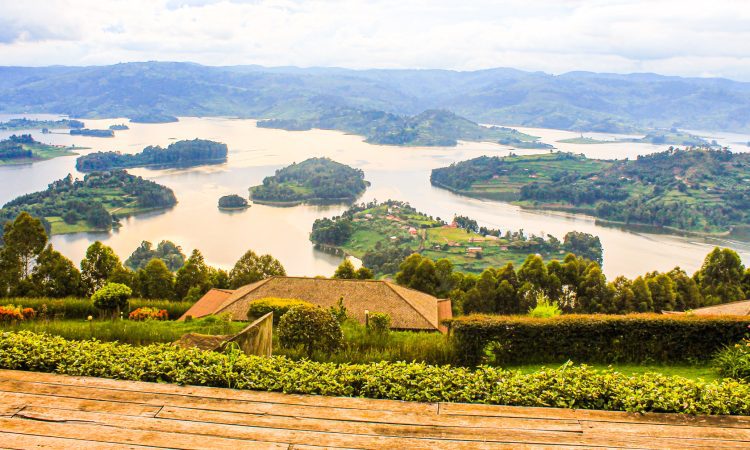
Canoeing on Lake Bunyonyi during a Uganda safari offers authentic local experiences, with costs varying but expect around 10,000-20,000 UGX (approx. $3-$6 USD) per person for shorter dugout rides, while longer hires or motorized options can be 60,000 UGX or more, often negotiated directly with local operators or lodges near the lake. These costs are separate from your main safari package, but many lodges offer canoe rentals, and you can find independent operators along the shores for a truly local feel.
3-days-gorilla-trekking-safari-and-lake-bunyonyi-relaxation-itinerary
4-days-gorilla-trekking-lake-bunyonyi-and-kalinzu-forest-chimpanzee-tracking
4-days-perfect-honeymoon-uganda-safari-to-lake-mburo-national-park-and-lake-bunyonyi
5-day-safari-to-bwindi-lake-bunyonyi-and-queen-elizabeth-national-park
- Dugout Canoe (Short Trip): Around 10,000 UGX per person for 30-45 minutes.
- Dugout Canoe (Longer/Full Hire): Can go up to 60,000 UGX for longer periods or island hopping.
- Motorized Canoe (Short Trip): About 20,000 UGX (each way) for quick island hops.
- Motorized Canoe (Full Hire): Up to 120,000 UGX or more for longer private tours.
15 frequently asked question on Lake Buyonyi on Uganda primate safari tour
Lake Bunyonyi is a stunning, bilharzia-free lake great for relaxation after gorilla/chimp treks in Uganda, offering canoeing, swimming, community walks, and unique island hopping, with FAQs focusing on safety (deep water caution), activities (dugout canoes, zip-lining), logistics (cash recommended), and its role as a scenic stop near Bwindi & Mgahinga, with permits needed for nearby primate tracking.
Is Lake Bunyonyi Safe for Swimming?
Yes, Lake Bunyonyi is generally safe for swimming, as it's bilharzia-free, making it one of the cleanest lakes in the region. However, due to the lake being Africa’s second-deepest, inexperienced swimmers should approach swimming with caution. It’s recommended to stay in enclosed swimming areas or use life jackets for safety. The cool, clear waters are inviting, especially during warm days, and swimming can be quite refreshing. When swimming, be mindful of the weather and any local advice regarding conditions or specific areas to avoid. Furthermore, the lake’s scenic surroundings provide a breathtaking backdrop for a relaxing day by the water. Whether you're enjoying a swim or just lounging by the lakeside, Lake Bunyonyi offers a serene experience. Additionally, families with children should supervise them closely while swimming to ensure safety. Overall, with its bilharzia-free status and captivating views, Lake Bunyonyi is an excellent choice for a dip while enjoying your Uganda primate safari tour.
Are There Dangerous Animals (Crocodiles/Hippos)?
Lake Bunyonyi is notably free from dangerous wildlife, such as crocodiles and hippos, making it an exceptionally safe environment for swimming and canoeing. This lack of dangerous animals allows visitors to engage freely in various water activities without the concern for personal safety. Canoeing, swimming, and exploring the lake are enjoyable experiences, unhindered by the threats often associated with freshwater bodies in Africa. This safety contributes to Lake Bunyonyi’s reputation as an ideal location for families and adventure-seekers. Furthermore, the tranquil waters provide a wonderful setting for relaxing and enjoying breathtaking views of the surrounding hills and lush vegetation. Many visitors appreciate the ability to partake in various activities, knowing that they are in a secure environment. In addition, local guides are readily available to provide insight into the lake’s ecosystem and assist in ensuring your activities are safe and enjoyable. The absence of hippos and crocodiles allows you to fully immerse yourself in the lake's beauty while on your Uganda primate safari tour.
What Activities Can I Do at? lake Buyonyi on Uganda primate safari tour?
Lake Bunyonyi offers a diverse array of activities that cater to various interests, enhancing your experience while on your Uganda primate safari tour. Canoe trips, especially in traditional dugout canoes, allow you to explore the lake's many islands, immersing yourself in the local culture and stunning scenery. Island hopping offers opportunities to discover unique communities and partake in community walks, where you can interact with local residents and learn about their traditions. Birdwatching enthusiasts will delight in spotting various species, as the lake is home to many birds, including herons and kingfishers. Adventure seekers can enjoy zip-lining over the lake, providing a thrilling experience with spectacular views. Hiking around the lake’s perimeter allows visitors to appreciate the lush landscapes and observe wildlife in the area. Swimming is another popular activity, especially in designated safe areas. Each of these activities enriches your time at Lake Bunyonyi, complementing the primate trekking experiences nearby and making it a perfect addition to your Uganda safari adventure.
How Do I Get Around lake Buyonyi on Uganda primate safari tour?
Getting around Lake Bunyonyi is both engaging and immersive, offering a variety of transportation options suitable for exploring its beauty. Traditional dugout canoes are a popular choice, providing an authentic experience as you paddle across the serene waters. Local guides often operate these canoes, sharing insights and stories that enhance your understanding of the lake. For a more leisurely journey, motorized boats offer comfortable rides around the lake, allowing you to sit back and enjoy the scenic views while you travel. Guided tours are also available, which can include stops at various islands, providing opportunities to interact with local communities and enjoy nature at its best. Whether you choose to navigate the waters by canoe or motorboat, you’re sure to experience the tranquility and beauty of Lake Bunyonyi. These transportation options not only facilitate exploration but also add depth to your Uganda primate safari tour, connecting you with the local culture and natural surroundings of this stunning region.
What's the Famous "Punishment Island" at Lake Buyonyi?
Punishment Island is a historically significant site located on Lake Bunyonyi, steeped in intriguing tales and cultural importance. Historically, it served as a place of exile for pregnant girls who faced societal shame for bearing children out of wedlock. Families would abandon these girls on the island, leaving them to fend for themselves as a form of punishment. Over time, the island transformed from a place of stigma into a site of cultural reflection, representing the trials and tribulations faced by women in the community. Today, visits to Punishment Island offer a unique opportunity to engage with local history, giving visitors insights into traditional practices and societal views of the past. Exploring this site adds a significant cultural layer to your Uganda primate safari tour, as it highlights the complexities of local customs and the evolution of community values. Engaging with local guides can provide deeper understanding and context, enriching your overall experience in this historically rich area.
Primate Trekking Logistics (Near Bunyonyi)
For those eager to enjoy Uganda primate safari tours, the logistics around primate trekking near Lake Bunyonyi are accessible and well-organized. The two primary destinations for primate trekking are Bwindi Impenetrable National Park, renowned for its gorilla populations, and Queen Elizabeth National Park, which is known for chimpanzees. Both locations are within reasonable reach from Lake Bunyonyi, making it convenient for travelers to combine lake activities with the awe-inspiring experience of trekking. Traveling to these parks typically requires a pre-arranged transport system, often organized by tour operators who specialize in such adventures. This ensures that you get to your destination safely and efficiently. It’s also essential to coordinate your trekking permits in advance, as availability can be limited, especially during peak seasons. This not only secures your spot but also enhances your overall experience, allowing for a smoother trek. The proximity of these prime treks to Lake Bunyonyi makes it an ideal location for those looking to embrace both the lake's beauty and Uganda's incredible primates.
Do I Need Permits?
Yes, securing permits is essential if you plan on participating in gorilla or chimp trekking during your Uganda primate safari tour. These permits are mandatory for accessing the protected areas where the primates reside, ensuring that the activities are regulated and contribute to conservation efforts. Gorilla trekking permits, which grant access to Bwindi Impenetrable National Park, should ideally be booked several months in advance due to high demand. The cost for gorilla permits is currently around $800 USD for foreign non-residents. For chimp trekking in Queen Elizabeth National Park, it’s also advisable to reserve these permits in advance, albeit at a generally lower cost. This pre-planning allows for a more organized and fulfilling experience, as you won’t face last-minute disappointments. Booking through licensed operators ensures that you receive all necessary information about your trek, from meeting points to regulations. By obtaining your permits ahead of time, you significantly enhance the chances of a successful and rewarding adventure among Uganda's incredible primates.
How Much Are Gorilla Permits (Approx)?
As of 2025, the cost for gorilla trekking permits in Uganda is approximately $800 USD for foreign non-residents. These permits provide access to Bwindi Impenetrable National Park, where visitors can trek to observe mountain gorillas in their natural habitat. The price reflects not only the incredible experience of observing these magnificent creatures but also supports conservation efforts and local communities involved in wildlife protection. Purchasing these permits in advance is highly recommended due to their limited availability, especially during peak tourist seasons. Various licensed tour operators facilitate the booking process, ensuring that visitors secure their permits while also offering additional itinerary planning and services. While the cost may seem significant, the opportunity to see mountain gorillas up close is often deemed a once-in-a-lifetime experience that many travelers find worth the investment. By budgeting for these permits, you can enhance your Uganda primate safari tour with a truly unforgettable wildlife experience.
What's the Difference Between Trekking & Habituation?
The difference between trekking and habituation for gorillas and chimpanzees lies primarily in the time spent with the animals and the overall experience. Standard trekking permits allow visitors to spend up to one hour observing gorillas or chimpanzees in the wild. This option, which typically groups trekkers together, is designed to give a brief yet rewarding glimpse into the lives of these magnificent primates. On the other hand, habituation experiences offer a more immersive opportunity, allowing visitors to spend up to four hours with the primates. This option is generally available for fewer people, making the experience more intimate and personalized. During habituation, trekkers may witness gorillas or chimpanzees in various activities, such as foraging, playing, or nesting, providing deeper insights into their social structures and behaviors. Each experience offers unique rewards, appealing to different kinds of travelers on a Uganda primate safari tour, whether you prefer a shorter encounter or a more thorough exploration of primate life.
What's the Minimum Age for Trekking?
The minimum age for gorilla trekking is typically set at 15 years, as this age limit ensures that participants are mature enough to understand the guidelines and respect the animals' space. However, there may be exceptions for chimpanzee trekking in Uganda, where younger children can sometimes participate, although this varies by regulations and individual tour operators. It’s recommended to check the specific guidelines when planning your Uganda primate safari tour. Each trekking experience provides its own set of rules aimed at both preserving the safety of the animals and ensuring that visitors have a respectful and fulfilling experience. Travelers planning to take younger individuals along should consult with the relevant authorities or tour operators beforehand to ensure compliance with age restrictions and availability of suitable trekking experiences. Adhering to these regulations contributes to the successful conservation efforts that protect these remarkable primates.
What Should I Pack for Treks?
When preparing for primate trekking near Lake Bunyonyi, packing the right gear is essential for a comfortable and enjoyable experience. Start with high-quality hiking shoes that provide good traction and support for uneven and muddy terrain. Long pants are advisable to protect your legs from scratches and insect bites during the trek. Weather can be unpredictable, so a waterproof rain jacket is vital for staying dry during sudden downpours. Don’t forget essentials like a wide-brimmed hat to shield you from the sun, as well as sunglasses for added protection. It’s also essential to carry a refillable water bottle to stay hydrated throughout the trek. Binoculars can enhance your wildlife viewing experience, allowing you to spot distant animals in their natural habitats. Snacks such as energy bars are helpful for maintaining energy levels. By thoughtfully packing these items, you’ll be well-prepared to enjoy your Uganda primate safari tour while exploring the incredible landscapes and wildlife of the region.
Should I Bring Cash or Cards?
When planning your Uganda primate safari tour, it’s best to bring cash for local transactions. While major cities like Kampala may have ATMs and some establishments that accept credit cards, rural areas are often limited in this regard. Cash is widely accepted for purchasing goods, services, and permits, making it essential for smooth transactions at local shops, lodges, and during activities. When traveling around Lake Bunyonyi or participating in various tours, you may encounter markets or small vendors that may not have electronic payment options. Carrying small denominations in Ugandan shillings will facilitate easier transactions, particularly for tips or local crafts. While credit cards can be useful for larger expenses, be prepared for situations where they may not be accepted. Additionally, informing your bank of your travel plans will help avoid any issues with card usage abroad. Overall, bringing cash ensures that you can navigate your Uganda safari without financial hurdles.
How Much Should I Tip Guides/Staff?
Tipping is a common practice in Uganda, particularly for service staff and guides during your Uganda primate safari tour. While tipping is optional, it is highly appreciated and often reflects the quality of service provided. For guides, it’s customary to tip between $10-20 USD per day, depending on their expertise and the level of service you receive. Additionally, if you have a driver for your safari, consider offering a tip as well, often in the range of $5-10 per day. For restaurant staff, round up the bill or leave around 10% as a tip for good service. While tipping is not mandatory, it encourages service excellence and recognizes the hard work of those who contribute to your experience. Be sure to plan for these tips within your budget for your trip, ensuring that you can show your appreciation to those who help make your time in Uganda memorable. Overall, a thoughtful tip can foster goodwill and provide a meaningful acknowledgment of outstanding service.
What About Health/Vaccinations?
When preparing for a Uganda primate safari tour, health and vaccinations are crucial considerations. Ensure you have proof of COVID-19 vaccination, as it may be required for entry or various activities. Additionally, consult your healthcare provider about necessary vaccinations for other diseases prevalent in Uganda. Common recommendations include vaccines for hepatitis A, typhoid, and yellow fever, which is mandatory for travelers coming from countries with risk of yellow fever. Malaria prophylaxis is also advised, particularly if you plan to stay in rural areas. Antimalarial medication helps reduce your risk of contracting malaria during your visit. Travelers should also consider bringing a basic first aid kit for minor injuries and illnesses, along with anti-diarrheal medications, insect repellent, and sunscreen. Staying hydrated and using clean drinking water is paramount; bottled water is widely available. By taking these health precautions, you can ensure a safer and more enjoyable experience during your time in Uganda's stunning landscapes and wildlife-rich areas.
Can I Combine Bunyonyi with Other Safaris?
Absolutely, Lake Bunyonyi is a popular stop on Uganda primate safari tours and can easily be combined with other safari experiences. Given its proximity to both Bwindi Impenetrable National Park (home to mountain gorillas) and Queen Elizabeth National Park (famous for chimpanzees), Lake Bunyonyi serves as an excellent base for adventure. Many travelers choose to start or end their safari at the lake, enjoying water activities and relaxation before or after engaging in gorilla or chimp trekking. This allows for a diverse experience, mixing different aspects of Uganda, from serene lakes to lush jungles rich with primate life. Additionally, guided tours often include transportation arrangements, ensuring convenient travel between locations. Adding Lake Bunyonyi to your itinerary offers not only accessibility to primate trekking but also a peaceful retreat to reflect on your adventures. This flexibility makes it easy to tailor your Uganda safari tour to your interests, maximizing the enjoyment of Uganda’s natural beauty and wildlife diversity.
Where to Sleep on Uganda Primate Safari at Lake Bunyonyi
When planning your stay at Lake Bunyonyi during your Uganda primate safari, you’ll find a variety of accommodation options catering to different preferences and budgets. From luxurious lodges to cozy campsites, there’s something for everyone. Popular lodges include the upscale Bunyonyi Overland Resort and the charming Bird’s Nest Resort, both of which offer stunning views of the lake. These lodges provide comfortable amenities, including private balconies, local cuisine, and friendly service. For more budget-conscious travelers, several guesthouses and campsites are available, providing basic facilities and an opportunity to connect with nature. Many accommodations also offer activities such as canoeing, hiking, and guided tours. Consider your priorities—whether it's comfort, adventure, or local culture—when selecting where to sleep. The tranquil surroundings of Lake Bunyonyi enhance your primate safari experience, allowing you to relax and rejuvenate after your treks.
When is the Best Time to Visit Lake Bunyonyi
The best time to visit Lake Bunyonyi is during the dry season, which typically runs from June to September and December to February. These months offer pleasant weather, making it ideal for outdoor activities such as canoeing, hiking, and exploring the surrounding islands. Clear skies and reduced rainfall provide excellent opportunities for birdwatching, as the vibrant avian life is more active. However, the wet season from March to May can also be rewarding, particularly for those interested in lush landscapes and fewer crowds. During this time, the flora around the lake is at its most vibrant, offering stunning views. It’s essential to consider your interests and preferences when planning your visit. Whichever season you choose, Lake Bunyonyi’s beauty and diverse activities ensure a memorable experience as part of your Uganda primate safari tour.
How to Get to Lake Bunyonyi
Getting to Lake Bunyonyi is straightforward, and several transportation options are available. The most common route is by road from Kampala, Uganda’s capital, which is approximately a 7 to 8-hour drive. Many travelers opt for organized transfers or guided tours that ensure a comfortable journey through Uganda’s picturesque landscapes. Buses and shared taxis also operate between Kampala and Kabale, the nearest town to the lake. Another option is to take a domestic flight from Entebbe to Kisoro or Bwindi, followed by a short drive to Lake Bunyonyi. This option is quicker and provides scenic aerial views of the countryside. Once you arrive, various local transport options, such as bodas (motorcycle taxis), can help you reach your accommodation. Regardless of your choice of transport, reaching Lake Bunyonyi sets the stage for a delightful Uganda primate safari experience.
Booking Uganda Primate Safari with Us Roads of Adventure Safaris
Booking your Uganda primate safari with Roads of Adventure Safaris guarantees a seamless and enriching experience at Lake Bunyonyi and beyond. Our knowledgeable team specializes in creating personalized itineraries that cater to your specific interests and timeframes. We ensure you have access to top accommodations, allowing you to rest comfortably after your adventurous days. Our packages often include various activities such as canoeing, community visits, and guided nature walks, enriching your understanding of the local culture and ecology. We handle all logistical details, from transportation to park permits, so you can focus on soaking in the stunning landscapes and primate encounters. Our dedicated guides are experts in wildlife, ensuring you have a deeper appreciation of the areas you visit. By choosing Roads of Adventure Safaris, you can look forward to a unique and well-organized Uganda primate safari experience that highlights the best of Lake Bunyonyi and its surroundings.
