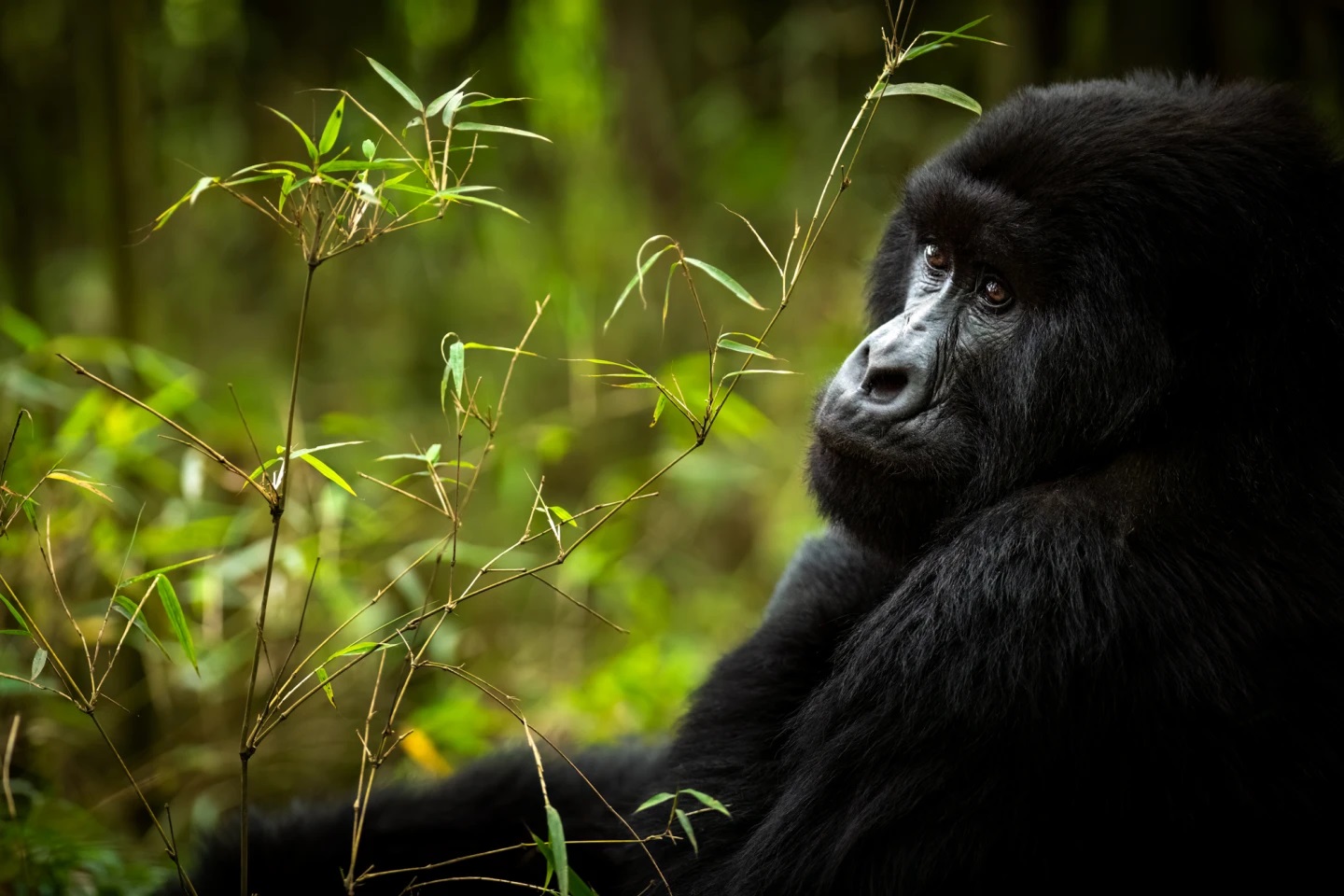
A 6-day budget Rwanda safari typically costs between $1,500 and $2,500 per person, with a key factor being the high cost of the $1,500 gorilla trekking permit. You can reduce costs by choosing budget accommodations, which can be around $50-$100 per night, and using shared transportation or group tours instead of private options.
6 Days Budget Rwanda Safari itinerary
6-days-rwanda-safari-to-akagera-and-nyungwe-chimpanzee-tracking
6-days-gorillas-trekking-chimpanzee-tracking-and-golden-monkeys-safari-in-rwanda
Embark on an unforgettable 6-day budget safari in Rwanda that immerses you in the country's breathtaking landscapes and diverse wildlife. This adventure highlights the majestic mountain gorillas in Volcanoes National Park and the playful chimpanzees in Nyungwe Forest, making it a dream for wildlife enthusiasts. Your journey begins in Kigali, where you can explore the rich history and culture before heading to the stunning national parks. Experience thrilling treks through lush jungles, where you'll encounter unique primates and vibrant ecosystems. The itinerary also offers opportunities to enjoy scenic views of Lake Kivu and local cultural experiences. This trip is designed to provide an enriching and affordable way to explore Rwanda's natural treasures, making it ideal for budget travelers seeking adventure and beauty.
Day 1: Arrival in Kigali & Transfer to Volcanoes NP
Upon arriving at Kigali International Airport (KGL), you will be welcomed and transferred to Volcanoes National Park. The journey takes about two hours, offering picturesque views of Rwanda’s rolling hills. If time permits, consider a stop at the Kigali Genocide Memorial to gain insight into the country's history. This emotional visit sets the tone for your adventure, emphasizing Rwanda's resilience and beauty. Afterward, continue your drive to your accommodation, where you can relax and prepare for the exciting days ahead. Enjoy dinner and rest well, as tomorrow you will begin your gorilla trekking experience, a highlight of your safari.
Day 2: Gorilla and Golden Monkey Trekking
Today, you’ll embark on an exhilarating gorilla trek in Volcanoes National Park. After an early breakfast, guided by experienced trackers, you’ll hike through the dense forest to encounter the magnificent mountain gorillas in their natural habitat. Spending time with these gentle giants is a once-in-a-lifetime experience. In the afternoon, you’ll have the chance to trek for the golden monkeys, known for their playful behavior. The trek typically lasts 2-4 hours, depending on the location of the gorilla families. In the evening, consider visiting the Gorilla Guardians Village, where you can engage with local communities and learn about their conservation efforts. After a full day of adventure, return to your lodge for a well-deserved rest.
Day 3: Transfer to Nyungwe National Park
Today, you will travel from Volcanoes National Park to Nyungwe Forest National Park, a journey of about 5-6 hours. As you drive, enjoy the stunning landscapes of Rwanda, characterized by lush tea plantations and rolling hills. Upon arrival, settle into your accommodation and prepare for an afternoon canopy walk, an exhilarating way to experience the forest from above. This suspended walkway offers breathtaking views of the rich biodiversity below, including various bird species and monkeys. The canopy walk typically lasts about an hour, providing a unique perspective on the forest ecosystem. Afterward, you can relax or explore the surrounding area before dinner, reflecting on the incredible sights of the day.
Day 4: Chimpanzee Trekking
This morning, get ready for an exciting chimpanzee trek in Nyungwe Forest. After breakfast, you’ll join your guide and fellow trekkers to search for these fascinating primates in their natural environment. The trek can take 2-5 hours, depending on where the chimps are located, but the experience of observing them in the wild is well worth the effort. After your trek, spend the afternoon enjoying leisure time in the park. You might opt for additional hikes or simply relax at your lodge, soaking in the serene surroundings. Nyungwe is known for its rich flora and fauna, so keep your camera ready for captivating wildlife encounters. End your day with a delightful dinner, sharing stories and experiences from your trek.
Day 5: Twin Lakes or Cultural Experience
On Day 5, you’ll journey towards Lake Kivu, which offers stunning views and a chance to relax. The drive takes about 2-3 hours, allowing you to soak in the scenic beauty of Rwanda. Once at Lake Kivu, enjoy the serene atmosphere; you can take a boat trip on the lake or simply relax by the shore. Alternatively, consider visiting a local community or cultural center where you can engage with the locals and learn about their traditions. This immersive experience enriches your understanding of Rwandan culture and its people. As the day winds down, return to your accommodation for dinner and prepare for your journey back to Kigali.
Day 6: Return to Kigali and Departure
On your final day, you’ll drive back to Kigali, a journey of approximately 2-3 hours. Depending on your flight schedule, you may have some time for last-minute shopping at local markets or exploring the city’s attractions. Take the opportunity to purchase souvenirs to remember your incredible trip, from handmade crafts to local art. If time allows, visit the vibrant Nyamirambo neighborhood for a taste of local life or enjoy a meal at a local restaurant. As your adventure in Rwanda comes to a close, reflect on the unforgettable experiences and connections you’ve made during this remarkable safari.
Cost Breakdown of a 6-Day budget Rwanda Safari
1. Gorilla Trekking Permit
The gorilla trekking permit is one of the most significant expenses on your Rwanda safari. As of my last knowledge update, the cost for a single permit is approximately $1,500 per person. This fee is essential for conservation efforts and allows you to spend one hour with the mountain gorillas in their natural habitat. It’s crucial to secure your permit well in advance, as they sell out quickly, especially during peak seasons. The price includes park entrance fees and the services of experienced guides and trackers, ensuring a safe and educational experience. The funds generated from these permits play a vital role in protecting the gorillas and their habitat, as well as supporting local communities. Given the rarity and magnificence of seeing these gentle giants, many travelers consider the permit fee a worthwhile investment in a once-in-a-lifetime experience.
2. Chimpanzee Trekking Permit
Similar to the gorilla trekking permit, the chimpanzee trekking permit is another essential cost for your safari. The fee for a chimpanzee trekking permit in Nyungwe Forest National Park typically ranges around $100 per person. This permit allows you to join guided treks to observe chimpanzees in their natural habitat, providing a unique opportunity to witness their social behavior and interaction. The trek often lasts several hours and can involve hiking through dense forest, so being prepared with appropriate footwear and gear is advisable. As with gorilla trekking, the fees collected from these permits also contribute significantly to conservation efforts and the protection of these endangered primates. Purchasing this permit is crucial for a complete wildlife experience in Rwanda, and it adds to the adventure of your safari by giving you a chance to connect with another incredible species.
3. Park Entrance Fees
In addition to trekking permits, park entrance fees are another essential aspect of your safari budget. For Volcanoes National Park, the entrance fee is approximately $50 per person, while Nyungwe Forest National Park has a similar fee structure. These fees provide access to the parks and contribute to their maintenance and conservation. They help protect the unique ecosystems and wildlife that draw visitors from around the world. The entrance fees also cover the services of park rangers who monitor the wildlife and ensure visitor safety. When planning your budget, be sure to account for multiple park visits if your itinerary includes various activities across different parks. Including these fees in your budget ensures you can fully enjoy the rich biodiversity and stunning landscapes that Rwanda has to offer.
4. Accommodation Costs
Accommodation costs can vary widely depending on your choice of lodging. Budget options such as guesthouses or lodges typically range from $50 to $100 per night. Mid-range hotels can range from $100 to $200, while luxury lodges may exceed $300 per night. For budget travelers, staying in simple lodges or guesthouses allows for a rich local experience without breaking the bank. Many budget accommodations are conveniently located near the parks, making early morning treks easier to access. When booking, consider factors like included meals, amenities, and proximity to trekking starting points. Additionally, staying at locally-owned establishments can enhance your cultural experience and contribute to the local economy. Regardless of your choice, accommodation costs form a significant part of your budget and should be planned accordingly to ensure a comfortable stay.
5. Transport Costs
Transport costs are a key component of your safari budget. The typical cost for a private vehicle with a driver-guide ranges from $80 to $150 per day, depending on the vehicle type and the distance traveled. This cost includes fuel and the driver’s expenses, providing both convenience and flexibility for your itinerary. For a 6-day safari, you’ll need to account for transport between Kigali, Volcanoes National Park, Nyungwe Forest, and Lake Kivu. Hiring a private vehicle is highly recommended for comfort and ease, especially when traveling between the parks. Alternatively, you can opt for group tours, which may reduce individual transport costs. Regardless of your choice, ensure that transport arrangements are reliable and well-reviewed to facilitate a smooth and enjoyable journey throughout your safari.
6. Meals
Meals are another important aspect of your budget. The cost of dining can vary depending on where you choose to eat. On average, budget travelers may spend around $10 to $20 per day on meals, especially if eating at local restaurants or guesthouses. Many lodges offer meal packages that can range from $15 to $30 per day, providing breakfast, lunch, and dinner. When dining out, you can experience local Rwandan cuisine, which includes delicious dishes such as ugali (a staple cornmeal dish), grilled meats, and fresh vegetables. It’s also common to find international options in larger towns like Kigali. Ensure you include meals in your budget, as this cost can add up quickly, especially on days with multiple activities. Having a mix of local dining experiences and lodge meals can enhance your overall safari experience.
7. Guide Fees
Hiring a knowledgeable guide is essential for enhancing your experience during the safari. Guide fees, which typically range from $50 to $100 per day, vary based on the guide's expertise and the complexity of the trek. A good guide will not only ensure your safety but also enrich your understanding of the wildlife and ecosystems you encounter. They can provide insights into primate behavior, plant life, and the cultural significance of the regions you visit. When booking your safari, inquire whether guide fees are included in your overall package or if they are an additional cost. Investing in a skilled guide can make a significant difference in your experience, providing valuable context and ensuring you maximize your time in the parks.
8. Miscellaneous Costs
Miscellaneous costs can include a range of expenses that may arise during your safari. This can encompass tips for guides and drivers (generally recommended at 10-15% of the total cost), entrance fees for additional activities, and personal expenses such as souvenirs or snacks. Budgeting around $100 to $200 for miscellaneous costs is prudent, as this allows flexibility for unexpected expenses. It’s also advisable to have some cash on hand for smaller purchases, as not all places accept credit cards. Being prepared for these costs ensures a smoother experience and allows you to fully enjoy all aspects of your safari without financial stress.
9. Travel Insurance
Travel insurance is a crucial aspect of your safari budget. The cost for comprehensive travel insurance varies based on coverage but typically ranges from $50 to $150 for a week-long trip. Insurance should cover medical emergencies, trip cancellations, and lost luggage, providing peace of mind during your travels. Given the adventure nature of the safari—such as trekking in mountainous regions—having adequate insurance is essential. Before purchasing insurance, review the policy details to ensure it covers activities specific to your trip, including gorilla and chimpanzee trekking. Investing in travel insurance is a safeguard that protects your trip and can save you from unexpected costs due to unforeseen circumstances.
10. Total Estimated Cost
When you combine all the elements of your 6-day Rwanda safari, the total estimated cost can range significantly based on your choices. A budget traveler may spend around $3,000 to $4,000 per person, including permits, transportation, accommodation, meals, and other expenses. For mid-range travelers, the cost may increase to $4,500 to $6,000, especially if opting for more comfortable lodgings and additional activities. Luxury travelers could see costs exceeding $6,000 due to higher accommodation standards and personalized services. Regardless of your budget, planning ahead and understanding each component of the cost will help you tailor your safari experience to fit your financial expectations while ensuring an unforgettable adventure in Rwanda’s stunning landscapes.
Cost Includes of a 6-Day budget Rwanda Safari Tour
1. Gorilla Trekking Permit
The gorilla trekking permit is a fundamental component of your safari costs, granting you access to one of the most incredible wildlife experiences in the world. This permit allows you to spend one hour with the majestic mountain gorillas in their natural habitat. The fee, typically around $1,500 per person, supports conservation efforts and local communities. Your permit fee includes not only the experience of being with these endangered animals but also the essential services of experienced guides and park rangers. They ensure your safety and provide valuable insights into gorilla behavior and ecology. It’s advisable to book your permit well in advance, as they are limited and tend to sell out quickly, especially during peak travel seasons. The encounter with the gorillas is often cited as a life-changing experience, making the permit cost a worthwhile investment for wildlife enthusiasts. Overall, the gorilla trekking permit is a key part of your safari budget and plays a crucial role in the ongoing protection of these incredible creatures.
2. Chimpanzee Trekking Permit
A chimpanzee trekking permit is another essential inclusion in your safari package. This permit allows you to observe the playful chimpanzees in Nyungwe Forest National Park, with fees typically around $100 per person. The trek usually lasts several hours, offering a unique opportunity to witness these intelligent animals in their natural environment. The fee covers the services of knowledgeable guides who help locate the chimpanzees and provide insights into their behavior and social structures. As with the gorilla permits, the funds generated from chimpanzee trekking are vital for conservation efforts aimed at protecting these endangered primates and their habitat. Engaging with chimpanzees adds a different dimension to your safari experience, offering a chance to learn about their conservation challenges and the importance of preserving biodiversity. This permit is essential for anyone looking to fully experience Rwanda’s rich wildlife offerings, making it a key component of your safari budget.
3. Park Entrance Fees
Park entrance fees are an important part of your overall safari costs and cover access to the national parks you will visit. These fees, typically around $50 for Volcanoes National Park and a similar amount for Nyungwe Forest, contribute directly to the conservation and maintenance of these protected areas. They help fund the operations of the parks, including ranger salaries, infrastructure, and wildlife protection initiatives. The entrance fees also ensure that you have access to the stunning landscapes, diverse ecosystems, and rich wildlife present in these parks. When planning your budget, it’s crucial to factor in these fees for each park you intend to visit. The fees enhance your experience by ensuring that the parks remain well-maintained and accessible for future generations of travelers. Being aware of these costs helps you effectively plan your itinerary and budget while maximizing your enjoyment of Rwanda's natural beauty.
4. Accommodation Costs
Accommodation is a significant aspect of your safari budget and varies widely depending on your preferences and the type of lodging you choose. Budget accommodations range from $50 to $100 per night, while mid-range options may cost between $100 and $200. Luxury lodges can exceed $300 per night. Many budget-friendly lodges offer comfortable amenities and are located near the national parks, making them convenient for early morning treks. Opting for local guesthouses can provide a more authentic experience, allowing you to engage with Rwandan culture. When considering accommodation, it’s important to check for included amenities, such as meals and guided services, as these can affect your overall budget. Planning your stays thoughtfully ensures you find options that fit your budget while providing comfort and accessibility to the attractions you wish to explore. Overall, accommodation costs make up a significant portion of your safari expenses and should be planned carefully.
5. Transport Costs
Transport costs are a crucial element of your safari budget, as you will need to travel between various national parks and other attractions. The typical cost for hiring a private vehicle with a driver-guide ranges from $80 to $150 per day, depending on the distance and type of vehicle. This cost includes fuel and the driver’s fees, ensuring you have a comfortable and reliable means of transport throughout your journey. Given the constraints of public transport in rural areas, a private vehicle is often the best option for flexibility and convenience. For a 6-day safari, you should account for travel between Kigali, Volcanoes National Park, Nyungwe Forest, and Lake Kivu. Having a knowledgeable driver-guide not only enhances your travel experience but also provides local insights and ensures safety on the roads. Including transport costs in your budget is essential for a seamless travel experience during your safari adventure.
6. Meals
Meals constitute an important part of your travel experience and budget on a safari. Depending on your accommodation, meal costs can vary. Budget travelers might spend around $10 to $20 per day if dining at local restaurants or guesthouses. Many lodges offer meal packages for about $15 to $30, which typically include breakfast, lunch, and dinner. Rwandan cuisine features a variety of delicious dishes, such as grilled meats, fresh vegetables, and traditional starches like ugali. Dining at local eateries allows you to immerse yourself in the culture and taste authentic flavors. It’s also advisable to try some local specialties during your travels. When budgeting for meals, consider any additional costs for snacks, drinks, or special dining experiences. Overall, being mindful of meal costs will enhance your safari while allowing you to savor the culinary delights of Rwanda.
7. Guide Fees
Including guide fees in your safari budget is essential, as experienced guides greatly enhance the quality of your experience. The cost for a professional guide typically ranges from $50 to $100 per day, depending on their expertise and the nature of the activities. A knowledgeable guide can provide valuable insights into the local wildlife, flora, and conservation efforts, enriching your overall understanding of the environment. They also ensure your safety while navigating through the parks, especially during treks. Many guides are passionate about wildlife conservation, and their enthusiasm can make your experience even more memorable. When planning your budget, inquire whether guide fees are included in your safari package or if they will be an additional expense. Investing in a skilled guide is often seen as a worthwhile expense, as their expertise can significantly enhance your adventure and provide a deeper connection to Rwanda's natural wonders.
8. Miscellaneous Costs
Miscellaneous costs are often overlooked but can significantly impact your safari budget. These can include tips for guides and drivers, typically recommended at 10-15% of your total service costs, as well as entrance fees for any additional activities you might choose to participate in. It's also wise to budget for personal expenses such as souvenirs, snacks, or local crafts. Setting aside around $100 to $200 for miscellaneous costs will provide you with the flexibility to handle unexpected expenses. Having cash on hand is advisable, as some smaller vendors may not accept credit cards. Additionally, consider any costs associated with travel insurance, which is important for protecting your investment in the trip. Being prepared for these miscellaneous costs ensures you have a smoother experience and can fully enjoy all aspects of your safari without financial stress.
9. Travel Insurance
Travel insurance is a critical aspect of your safari budget that provides peace of mind throughout your journey. The cost for comprehensive travel insurance typically ranges from $50 to $150 for a trip of this duration, depending on the coverage you choose. Insurance should cover medical emergencies, trip cancellations, lost luggage, and potential evacuation, which is particularly important given the adventurous nature of a safari. With activities like trekking in remote areas, having adequate coverage is essential for safeguarding your trip. Before purchasing insurance, carefully review the policy details to ensure it aligns with the activities you plan to undertake, including trekking permits for gorillas and chimpanzees. Many travelers find that investing in travel insurance is a small price to pay for the security it provides, allowing you to focus on enjoying your safari adventures without worry.
10. Total Estimated Cost
When you consider all the components included in a 6-day Rwanda safari, the total estimated cost can vary widely based on your choices and preferences. A budget traveler might expect to spend around $3,000 to $4,000 per person, while mid-range travelers could see costs ranging from $4,500 to $6,000. Luxury travelers may find their expenses exceeding $6,000 due to higher-quality accommodations and personalized services. This total includes all essential aspects, such as permits, accommodation, meals, transport, and guide fees. Planning your budget effectively allows you to tailor your safari experience to suit your financial expectations while ensuring an unforgettable adventure. Being aware of the costs involved helps you make informed decisions about your itinerary and activities, ensuring a fulfilling and memorable experience exploring Rwanda’s stunning landscapes and rich wildlife.
Cost Excludes of a 6-Day Rwanda Safari Tour
1. International Flights
One of the significant costs not included in your 6-day Rwanda safari tour is the price of international flights to and from Kigali. Depending on your departure location, flight costs can vary widely. Travelers from North America or Europe might pay anywhere from $600 to over $1,200 for round-trip tickets. It’s essential to book your flights well in advance and monitor prices to find the best deals. Many travelers also choose to arrive a day early or stay longer to explore more of Rwanda or neighboring countries. When budgeting for your safari, ensure you account for these international flight costs, as they can significantly impact your overall travel expenses.
2. Visa Fees
Visa fees are another cost to consider that is not typically included in safari packages. Most travelers to Rwanda require a visa, which can be obtained upon arrival or in advance online, with costs around $30 for a single-entry visa. It’s important to check the most current visa requirements based on your nationality, as regulations can change. Additionally, some travelers may opt for a East African Tourist Visa, which covers multiple countries, including Rwanda, Uganda, and Kenya for approximately $100. Budgeting for visa fees ensures that you have the necessary documentation to enter Rwanda without any last-minute surprises.
3. Travel Insurance
While travel insurance is highly recommended for your safety and peace of mind, it is often not included in safari tour packages. The cost for travel insurance typically ranges from $50 to $150, depending on the coverage options you choose. Insurance should cover medical emergencies, trip cancellations, lost luggage, and other potential issues that could arise during your travels. It’s crucial to select a policy that aligns with your itinerary, especially if you plan to participate in activities like trekking. While this is an additional expense, investing in travel insurance is essential to protect your trip and ensure you can enjoy your safari without worry.
4. Optional Activities
While your safari package includes many exciting activities, there may be additional optional activities that come at an extra cost. For instance, you might want to explore additional nature walks, cultural experiences, or guided tours in and around Kigali. Activities like boat trips on Lake Kivu or visiting local markets can enhance your experience but will require additional budgeting. Prices for these optional activities can vary, so it's wise to research and determine which experiences you would like to include. Setting aside funds for optional activities allows for a more personalized safari experience, ensuring you make the most of your time in Rwanda.
5. Tips and Gratuities
Tips and gratuities are an important aspect of your budget that are often not included in the cost of the safari. While it is customary to tip guides and drivers, the amount can vary based on the level of service provided. A general guideline is to tip around 10-15% of the total service cost. For example, if your driver-guide costs $100 per day, you might consider leaving a tip of $10 to $15 per day. Additionally, tips for hotel staff, restaurant servers, and other service personnel should also be factored into your budget. Preparing for these gratuities ensures you can show appreciation for the services received during your journey.
6. Personal Expenses
Personal expenses, such as souvenirs, snacks, and drinks, are often not included in the tour package and should be considered when budgeting for your safari. While some accommodations provide meals, you may want to indulge in local dining experiences or purchase snacks during your travels. Prices for souvenirs can vary widely, from locally made crafts to art pieces, so setting aside a budget for personal expenses is advisable. Depending on your interests, you might allocate around $50 to $100 for these costs. Being prepared for personal expenses ensures you can fully enjoy your safari experience without financial constraints.
7. Laundry Services
Laundry services are another cost that is often not included in safari packages. Depending on your accommodation, you may have the option to have your clothes washed, but this service usually incurs an additional fee. Prices can vary significantly, with some lodges charging per item, while others may offer flat rates. If you prefer not to pay for laundry services, consider packing clothes that are easy to wash and dry, or plan to bring enough outfits for the duration of your trip. Being aware of potential laundry costs allows you to budget effectively and avoid surprises during your safari.
8. Meals Not Included
While some meals are typically included in safari packages, certain meals may not be covered, especially during travel days or in specific lodges. It’s common for breakfast to be included, but lunch and dinner may be at your own expense, particularly in towns or during excursions. Budgeting around $10 to $20 per meal is advisable if you plan to dine out. This cost can vary depending on your dining choices, from local eateries to more upscale restaurants. Being prepared for meals not included in your package ensures that you can enjoy local cuisine without worrying about overspending.
9. Extra Baggage Fees
If you plan to bring more luggage than your airline allows for free, be aware of potential extra baggage fees. Airlines often have strict policies regarding luggage weight and size, especially for domestic flights within Africa. These fees can range from $25 to $100 per additional bag, depending on the airline and route. To avoid these costs, consider packing light and utilizing soft bags, which are often easier to transport during your safari. Planning for extra baggage fees in your budget can help you avoid any unexpected expenses and ensure a smoother travel experience.
10. Currency Exchange Fees
Currency exchange fees can also affect your overall travel budget. While some expenses can be paid with credit cards, smaller purchases often require Rwandan francs. When exchanging money, banks and exchange services may charge fees or offer less favorable rates. It’s wise to research the best options for currency exchange to minimize these costs. Additionally, using ATMs can incur withdrawal fees, so check with your bank regarding international transaction fees. Budgeting for currency exchange ensures you have enough local currency for your daily expenses while avoiding surprises related to exchange rates.
10 ways to lower costs on 6-day budget Rwanda safari
10 Ways to Lower Costs on a 6 Days Budget Rwanda Safari Tour
1. Travel During the Off-Peak Season
Traveling during the off-peak season is one of the best strategies to lower costs on your 6 days budget Rwanda safari tour. The peak tourist season, which runs from June to September and December to February, is when prices for permits, accommodations, and transport tend to be highest. Opting for the rainy seasons, typically from March to May and October to November, can result in lower rates. While you might encounter some rain, the lush landscapes and fewer tourists can enhance your experience. Wildlife activity is often high during these months, making for excellent sightings. By planning your safari during the off-peak times, you can enjoy significant savings while still experiencing the beauty and adventure of Rwanda.
2. Choose Budget Accommodations
Selecting budget accommodations is a straightforward way to reduce costs on your 6 days budget Rwanda safari tour. Instead of staying in luxury lodges, consider guesthouses or budget hotels that offer basic amenities at a lower price. Many budget options are conveniently located near national parks, making access to trekking routes easier. Local establishments often provide a more authentic experience and support the local economy. Prices for budget accommodations typically range from $50 to $100 per night. By prioritizing budget-friendly lodging, you can allocate more funds for activities, ensuring a fulfilling experience without sacrificing comfort.
3. Share Transport Costs
Sharing transport costs can significantly lower expenses on your 6 days budget Rwanda safari tour. If you’re traveling with friends or are open to joining a group, consider sharing a private vehicle. This arrangement reduces individual transport costs since the vehicle is charged per day rather than per person. Alternatively, look for organized group tours that provide shared transportation, which can be more economical than private transfers. Sharing a ride not only cuts costs but also allows you to meet fellow travelers and share your safari experiences. By pooling resources for transportation, you can enjoy the convenience of a private vehicle while keeping your budget manageable.
4. Self-Cater Meals
Self-catering meals is an effective way to save money during your 6 days budget Rwanda safari tour. While your accommodations may offer meal packages, preparing some of your own meals can cut costs significantly. Look for guesthouses or lodges with kitchen facilities, enabling you to cook simple meals. Purchasing groceries at local markets is generally more affordable than dining out. This approach allows you to enjoy local ingredients and flavors while controlling your meal budget. Additionally, packing snacks for your trekking adventures can help avoid higher prices in tourist areas. By self-catering, you can enjoy flexibility in your meals and save money along the way.
5. Book Permits and Tours in Advance
Booking your gorilla and chimpanzee trekking permits in advance is a smart way to lower costs on your 6 days budget Rwanda safari tour. These permits are limited and often sell out quickly. By securing them early, you can take advantage of any promotional rates or early bird discounts. This advance booking ensures you get the dates you want while avoiding last-minute price increases. Additionally, planning your tours well in advance allows you to compare prices and find the best deals. By being proactive in your planning, you can save money while ensuring a smooth and well-organized safari experience.
6. Limit Optional Activities
While your 6 days budget Rwanda safari tour may offer exciting optional activities, limiting these can keep costs down. Focus on the primary experiences, such as gorilla and chimpanzee trekking, which are the highlights of your trip. While additional activities like cultural visits or boat trips can be tempting, they can quickly add to your overall expenses. Evaluate which optional experiences are most important to you and allocate your budget accordingly. Some activities, like exploring local markets or hiking in the surrounding areas, can be enjoyed at little or no cost. By prioritizing essential activities, you can have a fulfilling safari without overspending.
7. Use Local Guides
Hiring local guides instead of more expensive tour operators can be a cost-effective choice for your 6 days budget Rwanda safari tour. Local guides possess extensive knowledge of the area, its wildlife, and cultural practices, providing valuable insights during your treks. Their rates are typically lower than those of larger tour companies, allowing you to save on guide fees while still benefiting from a rich experience. Look for recommendations from fellow travelers or check online reviews to find reputable local guides. By choosing local expertise, you can enjoy a more authentic experience while keeping your costs manageable.
8. Travel with a Group
Traveling with a group is an excellent way to reduce individual costs on your 6 days budget Rwanda safari tour. Group travel allows you to share expenses for transport, accommodation, and meals, making it more affordable than traveling solo. Many tour companies offer group packages that provide discounts for larger parties, which can include shared transport and group rates for permits. Additionally, traveling with others can enhance your safari experience through shared camaraderie. If you’re flexible with your travel dates, consider joining an established group tour to take advantage of lower overall costs. By pooling resources, you can enjoy a fantastic safari experience without straining your budget.
9. Opt for Local Transportation
Using local transportation options rather than private vehicles can help save costs during your 6 days budget Rwanda safari tour. Public buses and shared taxis (matatus) are often available and can be significantly cheaper than private transfers. While these options may require more time and flexibility, they provide an authentic experience of local life and culture. Research routes and schedules in advance to streamline your travel. For shorter distances within cities, walking or renting bicycles can be economical and environmentally friendly alternatives. By utilizing local transportation, you can experience Rwanda more intimately while keeping expenses low.
10. Plan Your Itinerary Wisely
Careful planning of your itinerary can lead to significant cost savings on your 6 days budget Rwanda safari tour. By grouping activities geographically, you can minimize travel time and transportation costs. For instance, plan your gorilla trekking and golden monkey trekking in Volcanoes National Park back-to-back before heading to Nyungwe Forest for chimpanzee trekking. This approach reduces excessive travel, saving both time and money. Additionally, consider activities covered by park fees, such as nature walks or community visits, instead of adding expensive excursions. By strategically organizing your itinerary, you can maximize your time in Rwanda and ensure your budget stretches further while enjoying incredible experiences.
10 Things to Do on a 6-Day Budget Rwanda Safari Tour
1. Gorilla Trekking in Volcanoes National Park
Gorilla trekking in Volcanoes National Park is the highlight of any Rwanda safari. This UNESCO World Heritage site is home to approximately half of the world's remaining mountain gorillas. You'll embark on an exhilarating trek through lush forests, guided by experienced trackers. The trek can last from 1 to 6 hours, depending on the location of the gorilla families. Once you locate them, you’ll spend one unforgettable hour observing these magnificent creatures in their natural habitat. The experience is both thrilling and humbling, offering a unique opportunity to witness their social structures and behaviors. This intimate encounter with the gorillas is a once-in-a-lifetime experience that many travelers describe as life-changing. The permit fee, which is a significant part of your budget, supports conservation efforts and local communities. Be sure to wear comfortable hiking gear and bring plenty of water, as the trek can be physically demanding. Overall, gorilla trekking is a must-do activity that encapsulates the essence of Rwanda’s rich wildlife heritage.
2. Chimpanzee Trekking in Nyungwe Forest
Chimpanzee trekking in Nyungwe Forest National Park is another essential experience during your budget Rwanda safari. Nyungwe is one of Africa's oldest rainforests and boasts a rich biodiversity, including a large population of chimpanzees. The trek usually begins early in the morning, guided by knowledgeable rangers who help locate the chimps. The trek can take anywhere from 2 to 5 hours, leading you through stunning hiking trails that showcase the forest's beauty. Once you find the chimps, you'll have the chance to observe them as they interact, play, and forage. The experience is both educational and exhilarating, providing insights into their social behavior and habitat. Aside from the chimps, Nyungwe is also home to various bird species and monkeys, making it a paradise for nature lovers. The chimpanzee trekking permit is relatively affordable compared to gorilla permits, adding an excellent value to your safari itinerary. Being in the heart of this ancient forest enhances the adventure, allowing you to connect with Rwanda's diverse wildlife.
3. Canopy Walk in Nyungwe Forest
The canopy walk in Nyungwe Forest National Park is an exhilarating experience that offers a unique perspective of the rainforest. Suspended high above the ground, this walk allows you to traverse the treetops and observe the forest's rich biodiversity from an entirely different vantage point. The canopy walkway, which is about 50 meters long and 200 meters high, offers stunning views of the lush forest below and the chance to spot various bird species and monkeys. This experience typically lasts around an hour and is suitable for all ages, making it a fantastic family activity. The canopy walk provides an opportunity to appreciate the ecological importance of the rainforest while enjoying breathtaking scenery. It's also a great way to learn about the various plant species that thrive in this unique ecosystem. Be sure to have your camera ready, as the views from the walkway are truly spectacular. Incorporating the canopy walk into your itinerary is a perfect way to appreciate the beauty of Nyungwe Forest, making it a must-do on your budget Rwanda safari.
4. Visit the Kigali Genocide Memorial
A visit to the Kigali Genocide Memorial is an essential and poignant part of your 6-day budget Rwanda safari tour. Located in the capital city, this memorial serves as a tribute to the victims of the 1994 genocide against the Tutsi. The museum offers a comprehensive insight into the events leading up to the genocide, its impact on Rwandan society, and the ongoing process of healing and reconciliation. Through powerful exhibits, photographs, and personal testimonies, visitors gain a deeper understanding of Rwanda's history and resilience. The memorial also includes graves for over 250,000 victims, providing a space for reflection and remembrance. While it may be an emotional experience, visiting the memorial is vital for appreciating the country's journey toward peace and unity. Many visitors find it to be a transformative experience that enhances their understanding of Rwanda's culture and history. The entrance fee is minimal, making it an affordable and meaningful addition to your itinerary, enriching your overall safari experience.
5. Explore Kigali's Cultural Scene
Exploring Kigali’s cultural scene is a fantastic way to enrich your 6-day budget Rwanda safari tour. The capital city offers a vibrant mix of art, music, and local cuisine, showcasing the country’s dynamic culture. Start your exploration at the Inema Arts Center, where you can view and purchase works from local artists, often reflecting Rwandan themes and stories. The center frequently hosts workshops and events, providing an opportunity for cultural immersion. Additionally, visiting local markets, such as Kimironko Market, allows you to engage with the community while sampling local foods and crafts. Don’t miss trying traditional Rwandan dishes like ugali and brochettes at local eateries. Consider taking part in a cultural performance, such as traditional dance or music shows, which are often held in various venues across the city. Engaging with Kigali’s cultural scene offers a deeper understanding of Rwandan life and traditions, making your safari experience more fulfilling and memorable while being budget-friendly.
6. Discover Lake Kivu
A visit to Lake Kivu is a beautiful addition to your 6-day budget Rwanda safari tour. This stunning lake, bordered by picturesque hills and charming towns, offers a serene escape and numerous recreational activities. You can explore the lake by renting a kayak or taking a boat trip to enjoy the scenic views and peaceful atmosphere. The lakeside towns of Gisenyi and Kibuye are perfect for relaxing, with sandy beaches and opportunities for swimming. Enjoying a picnic by the lake or trying local fish dishes at lakeside restaurants can enhance your experience. If you're interested in cultural experiences, consider visiting nearby fishing villages to learn about local traditions and lifestyles. The fresh air and breathtaking landscapes of Lake Kivu provide a refreshing contrast to the dense forests of Rwanda's national parks. Incorporating a visit to Lake Kivu into your itinerary allows you to unwind while still enjoying the natural beauty that Rwanda has to offer.
7. Visit the Gorilla Guardians Village
Visiting the Gorilla Guardians Village provides a unique cultural experience that complements your wildlife adventures on your 6-day budget Rwanda safari tour. Located near Volcanoes National Park, this community-based initiative focuses on conservation and the protection of mountain gorillas. Here, you can engage with local community members who share their stories, traditions, and the importance of gorilla conservation. Participate in cultural performances, such as traditional dance and music, which are often showcased for visitors. The village also offers opportunities to learn about local crafts and even try your hand at traditional weaving. Engaging with the community enhances your understanding of the challenges they face and how tourism supports their livelihoods. The experience is not only enriching but also contributes to the sustainability of conservation efforts in the region. Incorporating a visit to the Gorilla Guardians Village into your safari allows you to connect with both the wildlife and the people dedicated to protecting them.
8. Nature Walks in Volcanoes National Park
Nature walks in Volcanoes National Park offer a fantastic way to experience the park's diverse ecosystems without the intensity of a gorilla trek. These guided walks allow you to explore the park’s rich flora and fauna while enjoying the stunning landscapes of rolling hills and volcanic mountains. A typical nature walk lasts around 2-3 hours and can be customized to suit your interests, whether you're keen on birdwatching or learning about medicinal plants. Your guide will share insights into the park's unique biodiversity, including various plant species, butterflies, and birds. The walks are suitable for all fitness levels, making them an accessible option for families and casual hikers. This experience is not only educational but also a peaceful way to appreciate the natural beauty of Rwanda. Incorporating nature walks into your itinerary provides a more intimate connection with the park’s ecosystem, enhancing your overall safari experience while remaining budget-friendly.
9. Explore the Local Markets
Exploring local markets is a delightful way to immerse yourself in Rwandan culture during your 6-day budget Rwanda safari tour. Markets like Kimironko in Kigali offer vibrant atmospheres filled with colorful stalls selling everything from fresh produce to handmade crafts. Strolling through the market allows you to engage with local vendors, sample traditional foods, and find unique souvenirs. Bargaining is common and can be a fun part of the experience. You might try local delicacies such as fried plantains or fresh fruit drinks while interacting with the community. Visiting markets not only supports local economies but also provides insight into daily Rwandan life and customs. It’s an affordable way to explore the country’s culture, and you can often find great deals on handmade crafts, textiles, and jewelry. Including market visits in your itinerary adds a personal touch to your safari experience, connecting you with the vibrant spirit of Rwanda.
10. Relax and Reflect
Taking time to relax and reflect is an essential part of your 6-day budget Rwanda safari tour. After days filled with trekking and exploration, finding moments of tranquility allows you to absorb your experiences fully. Consider spending some quiet time at your lodge or guesthouse, enjoying the serene views of the surrounding landscapes. Journaling about your adventures, thoughts, and emotions can enhance your understanding of the journey. If you’re near Lake Kivu, take a moment to sit by the water, enjoy the sunset, and appreciate the natural beauty of Rwanda. Engaging in mindfulness practices such as meditation can also be beneficial, helping you connect with your surroundings and find peace amidst the excitement. Reflecting on your experiences allows you to cherish the memories and insights gained during your safari, making it a more meaningful journey. Ultimately, taking time to relax enriches your overall experience and prepares you for future adventures.
What to Pack for 6 Days Budget Rwanda Safari Itinerary
Packing for a 6 days budget Rwanda safari requires thoughtful consideration to ensure comfort and practicality. Start with lightweight, breathable clothing suitable for warm weather, but also include layers for cooler evenings, especially in mountainous areas. Neutral colors like khaki, green, and brown are recommended to blend in with the environment and minimize wildlife disturbance. Durable hiking boots are essential for trekking, particularly during gorilla and chimpanzee treks, while sandals or comfortable shoes are great for relaxing at your accommodation.
Don’t forget essential accessories such as a wide-brimmed hat, sunglasses, and sunscreen to protect against UV rays during outdoor activities. A reusable water bottle is also important for hydration, as it’s both eco-friendly and cost-effective.
For wildlife photography, bring a good camera with a zoom lens, binoculars for birdwatching, and extra batteries. A small daypack is handy for carrying essentials during your treks. Additionally, pack a basic first aid kit, insect repellent, and any personal medications you may need. Finally, include travel documents, cash in local currency, and a power bank for charging devices. Proper packing will enhance your comfort and enjoyment during your safari adventure.
When is the Best Time for 6 Days Budget Rwanda Safari Itinerary
The best time for a 6 days budget Rwanda safari largely depends on your interests and activities planned. Generally, the dry seasons, which run from June to September and December to February, are considered the ideal times for trekking and wildlife viewing. During these months, the weather is typically dry and pleasant, making it easier to navigate the national parks and spot wildlife. Gorilla trekking is particularly popular during the dry season, as the trails are less muddy, reducing the physical challenge of treks.
However, visiting during the wet seasons—March to May and October to November—can also be rewarding. While you may encounter some rain, the landscapes are lush and vibrant, and there are fewer tourists, allowing for a more intimate experience with nature. Additionally, the costs for permits and accommodations may be lower during these months, making it more budget-friendly.
Ultimately, the best time for your safari will depend on your personal preferences, whether you prioritize wildlife sightings, comfortable trekking conditions, or cost savings. Plan accordingly to make the most of your 6-day adventure in Rwanda.
Where to Sleep on 6 Days Budget Rwanda Safari Itinerary
When planning your 6 days budget Rwanda safari itinerary, selecting accommodations that balance comfort, location, and affordability is crucial. Budget options vary from guesthouses and lodges to campsites, allowing you to choose based on your preferences and budget. In Kigali, consider budget hotels or hostels that provide basic amenities and easy access to the city’s attractions, such as the Kigali Genocide Memorial.
Near Volcanoes National Park, look for budget lodges or community guesthouses that offer comfortable rooms and local hospitality. Staying close to the park entrance can save time and transportation costs for gorilla trekking. Options like the Gorilla Mountain View Lodge or simpler guesthouses provide a mix of comfort and affordability.
In Nyungwe Forest, there are budget-friendly lodges and eco-camps that cater to travelers seeking a close-to-nature experience. Choose accommodations that offer meal plans to further reduce your costs. Always read reviews to ensure that the places you select meet your expectations for cleanliness and service. With a variety of budget accommodations available, you can find the perfect places to rest after your exciting daily adventures.
Booking 6 Days Budget Rwanda Safari with Us: Roads of Adventure Safaris
Booking your 6 days budget Rwanda safari with Roads of Adventure Safaris guarantees a memorable and hassle-free experience. Our dedicated team specializes in crafting personalized safari itineraries that cater to your interests and budget. We understand the unique beauty of Rwanda and work to ensure you experience its rich wildlife, culture, and landscapes at an affordable price.
From the moment you reach out, our knowledgeable staff will assist you in planning every aspect of your trip, from securing permits for gorilla and chimpanzee trekking to arranging comfortable budget accommodations. We prioritize customer satisfaction and strive to provide an authentic Rwandan experience, connecting you with local guides and communities.
In addition to our competitive pricing, we offer flexible itineraries that allow for adjustments based on your preferences and travel dates. Our commitment to responsible tourism ensures that your journey supports local conservation efforts and communities. By choosing Roads of Adventure Safaris, you can rest assured that you’re not only getting an incredible safari experience but also contributing positively to the environment and local culture. Contact us today to start planning your unforgettable 6-day budget Rwanda safari!
