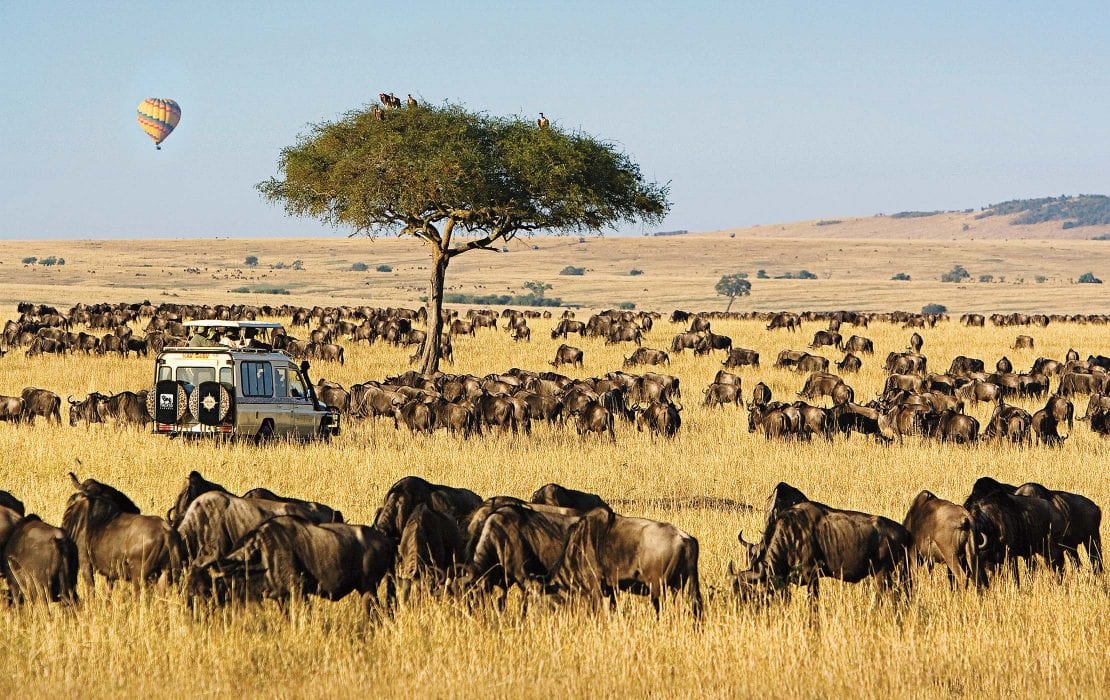
Yes, you can easily combine a beach visit with a 14-day Kenya wildlife safari. Most 14-day itineraries (e.g., from Roads of Adventure safaris) feature 8–9 days of game drives in parks like Masai Mara and Amboseli, followed by 3–4 days relaxing at Diani Beach or Mombasa on the coast.
14-days-2-week-exclusive-kenya-tanzania-safari-tour-holiday-combined-vacation
14-days-ultimate-kenya-tanzania-safari-to-zanzibar-beach-beach-holidays
14-days-kenya-birding-safari-and-wildlife-watching
14-days-best-of-kenya-safari-holiday-2-weeks-africa-kenya-safari-vacation
Best Location: Diani Beach
Diani Beach is consistently voted the best beach destination in Africa, and in 2026, it remains the crown jewel of Kenya’s coastline. Located 30 kilometers south of Mombasa, it offers 17 kilometers of flawless, white-sand shoreline fringed by swaying palm trees and a turquoise lagoon protected by a vibrant coral reef. Unlike the busier beaches of Mombasa, Diani maintains an atmosphere of exclusive tranquility while providing a sophisticated infrastructure of luxury boutique hotels and private villas.
The reef acts as a natural breakwater, creating calm, shallow waters that are ideal for swimming and paddleboarding. For those seeking adventure, Diani is a global hub for kitesurfing and skydiving, offering breathtaking aerial views of the coastline. The beach is also home to unique wildlife like the endangered Angolan Colobus monkey, which can be seen in the surrounding forests. Whether you are looking for a high-end spa retreat or a vibrant water sports center, Diani serves as the perfect logistical and emotional finish line for your 14-day expedition.
Typical Itinerary: From the Bush to the Shore
A well-structured 14-day safari typically concludes with the "Southern Circuit." After exploring the high-adrenaline environments of the Maasai Mara and Amboseli, travelers move into the vast, wild expanses of Tsavo East and West. These parks are geographically the closest major wildlife sanctuaries to the coast, making the final transfer a seamless logical progression.
The most popular route involves a morning game drive in Tsavo East—tracking the famous "red elephants"—followed by a drive or train journey toward the coast. This "Bush-to-Beach" transition allows you to watch the landscape shift from arid, acacia-dotted savanna to lush, tropical coastal vegetation in just a few hours. Arriving at Diani in the afternoon provides just enough time for a sunset stroll on the sand, marking a symbolic shift from the pursuit of the "Big Five" to the pursuit of pure relaxation. Ending at the beach ensures you return home not just with memory cards full of wildlife, but with a body and mind that are fully rejuvenated by the ocean air.
Activities: Kisite-Mpunguti and Beyond
The coastal finale is far from passive. The highlight for most travelers is a day trip to Kisite-Mpunguti Marine National Park, widely regarded as the best snorkeling and diving destination in East Africa. Located near the Tanzanian border, this marine sanctuary is famous for its resident pods of Bottlenose and Spinner dolphins. You will typically board a traditional Arabian dhow for a cruise through the clear waters, where there is an 80% to 90% chance of dolphins leaping alongside the boat.
The snorkeling here is world-class, with visibility often exceeding 20 meters, revealing "rainforests of the sea" teeming with green sea turtles, rays, and over 250 species of tropical fish. After your aquatic adventure, you often visit Wasini Island for a traditional Swahili seafood lunch. For those who prefer to stay on land, the Shimba Hills National Reserve is a short drive away, home to the rare Sable antelope. These activities ensure that your connection to Kenya's biodiversity continues, shifting from the savanna's mammals to the Indian Ocean's spectacular marine life.
Travel Logistics: Rail, Road, and Air
Connecting the safari parks to the coast in 2026 is efficient and varied. For those finishing in Tsavo, the Madaraka Express (SGR) train is a highly recommended option. The modern rail service offers a scenic journey from Voi (the gateway to Tsavo) to the Mombasa Terminus in Miritini. From there, a private transfer or a short taxi ride—including the Likoni Ferry or the newer Dongo Kundu bypass bridge—will deliver you directly to Diani Beach.
Alternatively, regional flights are the ultimate luxury for saving time. Several local carriers, such as Safarilink and AirKenya, operate daily "bush flights" directly from the Maasai Mara or Amboseli airstrips to Ukunda Airstrip (Diani Airport). This 1-to-2-hour flight bypasses the drive entirely, landing you just minutes from your beach resort. To conclude your 14-day trip, you can fly from Ukunda back to Nairobi’s Wilson Airport for your international connection, or depart directly from Moi International Airport in Mombasa. These multi-modal logistics allow for a stress-free transition, ensuring your final days are focused on the horizon rather than the road
14-day Kenya Wildlife Safari
This 14-day Kenya Wildlife Safari is a definitive odyssey through the "Home of the Safari," offering a comprehensive traverse from the rugged Northern Frontier to the iconic southern savannas. Designed for the true wilderness enthusiast, this journey bridges the gap between diverse ecosystems, starting with the arid, red-earth landscapes of Samburu where specialized "Special Five" species thrive. You will then navigate the volcanic wonders of the Great Rift Valley, witnessing the rhino sanctuaries of Lake Nakuru and the freshwater serenity of Lake Naivasha. The heart of the adventure beats in the legendary Maasai Mara, home to the Great Migration and Africa’s densest predator populations. The expedition culminates in the shadow of Mount Kilimanjaro in Amboseli and the ancient, red-dust plains of Tsavo. This two-week narrative is a profound immersion into Kenya’s natural heritage, blending high-octane wildlife encounters with unhurried moments of reflection in the world’s most celebrated animal sanctuaries.
Day 1: Arrival in Nairobi
Your journey begins in Nairobi, a bustling metropolis where skyscrapers meet the savanna. Upon arrival at Jomo Kenyatta International Airport, you will be met by your guide and transferred to a boutique hotel. The afternoon is dedicated to the city’s renowned conservation landmarks: the David Sheldrick Elephant Orphanage and the Giraffe Centre. Here, you will witness the rehabilitation of orphaned calves and hand-feed endangered Rothschild’s giraffes, providing an intimate introduction to Kenya's wildlife protection efforts. Nairobi serves as the perfect staging ground, allowing you to acclimate to the altitude and enjoy a briefing on the upcoming circuit. As evening falls, a welcome dinner featuring local fusion cuisine sets the tone for your expedition. This first day is about grounding yourself in the East African atmosphere before heading into the rugged northern frontier tomorrow morning.
Day 2: Journey to Samburu Reserve
Heading north, the landscape transforms dramatically as you cross the Equator and watch the lush central highlands give way to the semi-arid plains of the Samburu National Reserve. This rugged wilderness is defined by the Ewaso Ng’iro River, a lifegiving artery lined with Doum palms. After a scenic drive, you will arrive at your riverfront lodge in time for an afternoon game drive. Samburu is famous for its "Special Five"—the reticulated giraffe, Grevy’s zebra, Somali ostrich, Beisa oryx, and the long-necked gerenuk—species specifically adapted to this parched environment. The harsh, red-earth beauty of the northern frontier provides a striking contrast to the parks you will visit later. As the sun sets over the Koitogor hills, you will enjoy a communal dinner, listening to the nocturnal calls of the wild.
Day 3: Samburu’s Unique Wildlife
A full day in Samburu allows for a deep exploration of its desert-adapted biodiversity. During early morning and late afternoon game drives, you will track the predators that thrive here, including lions, cheetahs, and the elusive leopards that frequent the riverine thickets. The riverbanks are a magnet for massive elephant herds, which are often seen bathing and playing in the water to escape the midday heat. Samburu is also an avian paradise, hosting over 450 bird species ranging from the vibrant vulturine guineafowl to various birds of prey. Between drives, you can relax at the lodge or visit a local Samburu village to learn about their traditions, which are closely linked to their northern heritage. This day emphasizes the remarkable evolutionary adaptations of animals in arid environments, a cornerstone of your Kenyan safari.
Day 4: Ol Pejeta Conservancy
Leaving the desert behind, you travel to the private Ol Pejeta Conservancy, a world-class sanctuary nestled between the Aberdare Range and Mount Kenya. Ol Pejeta is a global leader in rhino conservation and is home to the world’s last remaining northern white rhinos. Your game drives here offer a high probability of seeing both black and white rhinos, alongside the Big Five. A unique highlight is the Sweetwaters Chimpanzee Sanctuary, the only place in Kenya where you can see rescued primates. The conservancy’s focus on integrated wildlife management—where cattle and wildlife coexist—provides a fascinating look at modern conservation. The evening concludes with a night game drive, offering a rare opportunity to spot nocturnal species like aardvarks and bat-eared foxes before retreating to your luxury tented camp.
Day 5: Lake Nakuru Rhino Sanctuary
You descend into the Great Rift Valley to reach Lake Nakuru National Park, a stunning soda lake famous for its vibrant birdlife and specialized rhino sanctuary. The park’s acacia woodlands and grassy plains provide the perfect habitat for rhinos, which are frequently spotted grazing near the water. You will also search for the rare Rothschild’s giraffe and the famous tree-climbing lions that inhabit the park’s forest fringes. A drive to Baboon Cliff offers a panoramic view of the lake, which is often fringed with a pink hue from thousands of flamingos and pelicans. Lake Nakuru’s compact size ensures high-density wildlife viewing, making every game drive exceptionally productive. This stop is essential for checking off your "Big Five" list, particularly the elusive rhinos, in a setting of immense geological and avian beauty.
Day 6: Lake Naivasha and Crescent Island
The journey continues to Lake Naivasha, the highest freshwater lake in the Rift Valley. Here, the pace shifts to a more tranquil, water-based exploration. You will enjoy a private boat safari, gliding past massive pods of yawning hippos and spotting African fish eagles perched in the yellow-fever trees. The highlight is a walking safari on Crescent Island, a private sanctuary where you can walk among giraffes, zebras, and waterbucks without the confines of a vehicle. This intimate interaction with nature is a favorite for photographers, providing a tactile connection to the landscape. The lush, green surroundings and the absence of predator tension create a restorative atmosphere before you head into the high-adrenaline environment of the Maasai Mara tomorrow. It is a day of gentle exploration and profound peace.
Day 7: The Maasai Mara Arrival
Day seven marks your entry into the legendary Maasai Mara National Reserve, the crown jewel of African safaris. The drive across the Loita Plains brings you to the rolling, golden savannas that host the world’s most famous wildlife spectacle. You will arrive in time for a gourmet lunch and an afternoon game drive in search of the big cats. The Mara is where the "Kingdom of Lions" truly comes alive, and you are likely to encounter prides within your first few hours on the plains. You will check into a luxury tented camp, where the sounds of the African night provide a primal soundtrack to your evening. The sheer scale of the landscape and the abundance of herbivores create an atmosphere of primal energy that defines the heart of your safari.
Day 8: Big Cats and the Mara River
A full day in the Maasai Mara allows for an extensive exploration of the various sectors, including the banks of the Mara River. Your guide will track the "Big Five," with a special focus on the elusive leopards and cheetahs that dominate these plains. If visiting during the migration season, you will witness the dramatic movement of thousands of wildebeest and zebras risking crocodile-infested waters in their search for greener pastures. The Mara offers a front-row seat to the rawest forms of nature, from high-speed hunts to the complex social dynamics of the prides. Between drives, enjoy a luxury bush picnic under a lone acacia tree, fully immersed in the wilderness. This day represents the peak of predator viewing, delivering high-octane wildlife drama with the highest level of personal service.
Day 9: Mara Cultural Discovery
Today you explore the more exclusive Mara North Conservancy or revisit favorite spots in the main reserve. This allows for a more private wildlife experience, often resulting in spectacular sightings of cheetahs on the hunt. In the afternoon, you will visit a traditional Maasai Manyatta to learn about the ancient culture that has coexisted with these predators for centuries. You will witness their traditional jumping dance and gain insight into their warrior traditions, beadwork, and medicinal plants. This interaction provides a human dimension to the landscape, highlighting the delicate balance between ancient human traditions and modern wildlife conservation. The day ends with a sunset "sundowner" on a ridge overlooking the vast plains, a classic safari tradition that allows you to reflect on the immense beauty of the African savanna.
Day 10: Amboseli and Kilimanjaro Views
Your journey heads toward the border with Tanzania to Amboseli National Park, world-renowned for its large herds of free-ranging elephants and the iconic backdrop of Mount Kilimanjaro. As you enter the park, the snow-capped peak of Africa’s highest mountain provides a breathtaking silhouette against the dusty lakebeds. Your afternoon game drive focuses on the elephants that frequent the park’s permanent swamps, often seen wallowing in the water or walking in single-file lines across the plains. Amboseli’s open terrain makes wildlife spotting exceptionally easy, and you are likely to see buffaloes, hippos, and various bird species. The blend of massive tuskers and the majestic mountain creates a sensory experience that is unique to southern Kenya. You will stay at a lodge with panoramic views of the "Roof of Africa."
Day 11: Amboseli Elephant Plains
A full day in Amboseli allows you to explore the park’s diverse habitats, from the dried-up bed of Lake Amboseli to the lush Enkongo Narok swamp. You will witness the incredible intelligence and social bonds of the elephant families that have been studied here for decades. The park is also home to cheetahs and spotted hyenas, which are often spotted in the early morning light. For a panoramic perspective, you will visit Observation Hill, which offers views of the entire park and the towering mountain. This day is about the slow, deliberate pace of the elephants and the immense scale of the landscape. As part of your grand circuit, Amboseli provides the most "photogenic" wildlife encounters, where every frame is dominated by the presence of Kilimanjaro and the giant tuskers.
+1
Day 12: Tsavo West Volcanic Wonders
Your safari enters its final chapter as you move into Tsavo West National Park, a rugged landscape of ancient lava flows and volcanic hills. You will visit Mzima Springs, where crystal-clear water gushes from underground, creating a sanctuary for hippos and crocodiles that can be viewed from an underwater observatory. The park’s geography is dramatic, featuring the Shetani lava flow and the "Roaring Rocks" vantage points. Tsavo West is also home to the Ngulia Rhino Sanctuary, providing another chance to see these rare creatures. The dense vegetation and hilly terrain make game spotting more of a challenge, but the rewards are sightings of "red elephants"—colored by the park's vibrant volcanic soil. The evening is spent at a lodge perched on a rocky outcrop, offering a bird's-eye view of the wilderness.
+2
Day 13: Tsavo East Red Savanna
The penultimate day takes you across the highway into Tsavo East National Park, one of the largest and oldest parks in the world. Known for its flat, expansive plains and the Yatta Plateau, Tsavo East offers a sense of total isolation. You will search for the famous "man-eaters of Tsavo" lion prides and the large herds of buffalo that roam the Galana River banks. The park’s red earth provides a striking backdrop for photography, especially when capturing the elephants that have become synonymous with this region. You will visit Aruba Dam, a popular watering hole for a variety of game. This final savanna experience captures the raw, untamed spirit of the African bush, providing a rugged and authentic conclusion to your big-game viewing adventure before returning to the city.
Day 14: Return to Nairobi
On the final day, you will enjoy a final early morning game drive in Tsavo East, catching the last glimpses of the savanna’s inhabitants. After a hearty breakfast, you begin the drive back to Nairobi, or alternatively, board the Madaraka Express train for a scenic rail journey through the park. You will arrive in the capital by late afternoon, where a farewell dinner at a famous restaurant allows you to reminisce about the incredible journey through Kenya's premier parks. Your guide will provide a transfer to Jomo Kenyatta International Airport for your evening flight. You depart with a full camera, a deep appreciation for Kenya’s conservation efforts, and memories of the Big Five, the migration, and the majestic Kilimanjaro that will stay with you forever.
1. Can I visit the beach during a 14-day Kenya wildlife safari?
A 14-day duration is perfectly suited for a "Bush and Beach" combination. In the safari world, this is often referred to as the "10+4" model: ten days of high-octane wildlife tracking across three or four distinct national parks, followed by four days of tropical rejuvenation on the coast.
This structure is highly recommended because a safari, while exhilarating, can be physically demanding. The early 5:30 AM wake-up calls, dusty roads, and constant "on-call" nature of wildlife viewing can lead to minor fatigue by day ten. Transitioning to the beach for the final leg of the journey acts as a vital "re-entry" period, allowing you to process your wildlife encounters while enjoying the luxury of sleeping in, spa treatments, and the calming rhythm of the ocean.
2. Which beach is best to visit?
Diani Beach is the undisputed champion for a post-safari retreat. Located south of Mombasa, it offers a 17-kilometer stretch of flawless white sand and a coral reef that keeps the turquoise waters calm and swimmable. Diani is famous for its sophisticated boutique hotels and eco-resorts that blend seamlessly into the coastal forest.
For those seeking a different vibe, Watamu to the north is a haven for marine enthusiasts and home to the Gede Ruins. If you prefer a more cultural, "step-back-in-time" experience, the island of Lamu offers narrow winding streets and traditional dhow sailing. However, for the classic "tropical paradise" aesthetic with world-class amenities, Diani remains the gold standard for 2026 travelers.
3. How do I get to the beach?
The most efficient way to bridge the gap between the savanna and the sea is via domestic "bush flights." In 2026, several regional carriers operate direct routes from the Maasai Mara or Amboseli airstrips to Ukunda Airstrip (Diani) or Malindi. This 1-to-2-hour flight saves you an entire day of travel by road and provides stunning aerial views of the Great Rift Valley and the changing topography.
Alternatively, if you are finishing your safari in Tsavo, the Madaraka Express (SGR) train offers a modern and scenic journey to Mombasa. From the Mombasa terminus, a private transfer can take you across the ferry or over the new Dongo Kundu bypass bridge to Diani. Flying is the preferred "luxury" option to maximize your beach time, while the train offers a more grounded, local perspective on the landscape.
4. When is the best time for a combo trip?
The Dry Season (July to October) is widely considered the best time. This period coincides with the Great Migration in the Maasai Mara and offers the best wildlife viewing as animals congregate around water sources. On the coast, the weather is pleasantly warm and the sea is clear, which is ideal for snorkeling and diving.
Another excellent window is January to February. This is the "short dry season" where the savanna is lush but the wildlife viewing remains excellent. The coastal temperatures are at their peak during these months, making it the perfect time for those who want a truly hot, tropical beach experience. Avoid the "Long Rains" of April and May, as heavy downpours can disrupt both game drives and beach activities.
5. What clothes should I pack for both?
Packing for a "Bush and Beach" trip requires a "Dual-Wardrobe" strategy. For the safari portion, you need neutral-colored (khaki, tan, olive) layers that are breathable but warm enough for chilly morning drives. You will also need sturdy walking shoes and a wide-brimmed hat.
For the beach, the palette shifts to light cottons, linens, and swimwear. However, because you are often limited to 15kg (33lbs) in soft-sided bags for internal flights, you must prioritize "multi-use" items. A lightweight sarong can serve as a beach cover-up or a scarf for a dusty game drive. Most beach resorts in Kenya are "safari casual," meaning you don't need formal wear—just a few cleaner "smart-casual" outfits for sunset dinners by the ocean.
6. Can I visit Tsavo during a 14-day safari?
Yes, and from a logistical standpoint, including Tsavo is highly strategic. Tsavo East and West are located halfway between Nairobi and the coast, making them the perfect "bridge" parks. A common 14-day itinerary involves starting in the north (Samburu) or west (Maasai Mara) and working your way southeast toward the coast, stopping in Tsavo for the final few days of game viewing.
Tsavo is famous for its "Red Elephants," volcanic landscapes, and Mzima Springs. Visiting Tsavo at the end of your 10-day safari allows for a very short transfer to the beach—either a 3-hour drive or a quick train ride—ensuring that you don't waste your final days in transit. It is the most geographically logical way to end the "wildlife" portion of your adventure.
7. What activities can I do on the beach?
The Kenyan coast in 2026 offers much more than just sunbathing. Snorkeling and diving at the Kisite-Mpunguti Marine Park are world-class, with high chances of spotting dolphins and sea turtles. For the more adventurous, Diani is a global destination for kitesurfing and skydiving, offering the unique thrill of landing on one of the world's most beautiful beaches.
You can also take a traditional dhow cruise at sunset, enjoy deep-sea fishing, or explore the sacred Kaya Kinondo Forest with a local guide. If you prefer relaxation, the coastal "Swahili Spa" culture is exceptional, offering treatments that use local ingredients like coconut oil and sea salt. The blend of high-energy water sports and deep relaxation ensures that every traveler finds their rhythm.
8. Is it too rushed to do both in 14 days?
Not at all. In fact, 14 days is the ideal timeframe to avoid feeling rushed. A 7-day or 10-day trip that tries to combine both usually results in too much time spent in airports or on the road, leaving you exhausted. In 14 days, you have enough "mechanical time" to satisfy your wildlife cravings without cutting your beach relaxation short.
The extra days allow for a "Slow Safari" approach, where you can spend 3 nights in each park rather than just one. This means fewer hours spent packing and unpacking and more hours spent watching the horizon. By the time you reach the beach on day 11, you will feel that you have "conquered" the bush and are ready to surrender to the sea.
9. What is the best 14-day itinerary?
The ultimate 2026 route is the "Grand Kenyan Traverse":
- Days 1-2: Nairobi (Elephant Orphanage & Giraffe Centre)
- Days 3-5: Maasai Mara (Predators & Great Migration)
- Days 6-7: Lake Nakuru or Naivasha (Rhinos & Birdlife)
- Days 8-10: Amboseli (Elephants & Mt. Kilimanjaro)
- Days 11-14: Diani Beach (Relaxation & Marine Life)
This route flows geographically from the central highlands toward the southern border and then east to the coast. It ensures that the scenery is constantly changing and that the "climax" of the wildlife—the Mara and Amboseli—is followed by the ultimate reward of the Indian Ocean.
10. Do I need different vaccines for the beach and bush?
Generally, the health precautions for a Kenya safari apply to the entire country. Malaria prophylaxis is the most important consideration for both the bush and the coast. While the coastal breeze can sometimes reduce mosquito presence, the Indian Ocean fringe is still a malaria-endemic zone.
You should consult a travel doctor regarding vaccinations for Hepatitis A, Typhoid, and potentially Yellow Fever (if you are arriving from an endemic country). In 2026, most travelers find that a single "pre-trip" health protocol covers both environments. Ensure you continue taking your malaria tablets throughout your beach stay and for the prescribed period after you return home.
11. Can I visit the coast at the start of the trip?
While it is technically possible, it is rarely recommended. The "Bush and Beach" concept works best when the beach is the finale. After the adrenaline and early starts of a safari, the beach provides a necessary period of decompression.
If you start at the beach, you may find it difficult to transition into the 5:30 AM wake-up calls required for the best wildlife viewing. Furthermore, there is a psychological "crescendo" to a 14-day trip; ending with the luxury and tranquility of the Indian Ocean feels like a reward, whereas starting there can make the dusty game drives feel more taxing. Always aim to "save the best for last."
12. Is it safe to visit the coast?
Yes, Diani Beach and the major coastal resorts are considered safe for international travelers in 2026. These areas have a long history of tourism and well-established security protocols. Lodges and resorts typically have private security (Askaris) who monitor the grounds and beach access points.
As with any global destination, standard "traveler's common sense" applies. Avoid walking on unlit sections of the beach at night and use the hotel safe for your valuables. The local "Beach Boys" (vendors) can be persistent but are generally friendly; a polite "No, Asante" (No, thank you) is usually enough to be left in peace. The coastal regions are a welcoming and vibrant part of Kenya's cultural tapestry.
13. Will I see as many animals with "only" 10 days of safari?
Absolutely. 10 days of dedicated safari is a substantial amount of time. In most cases, by day seven or eight, travelers have already seen the "Big Five" and are beginning to focus on more specialized sightings or birdlife. 10 days allow you to visit at least three premier parks, providing a diverse range of ecosystems.
You will see the lions of the Mara, the rhinos of Nakuru, and the elephants of Amboseli. Reducing the safari portion to 10 days doesn't mean you are missing out; it simply means you are avoiding the "diminishing returns" of safari fatigue and choosing a more balanced, holistic vacation that includes the best of both worlds.
14. How do I book a 14-day combo trip?
In 2026, the best way to book is through a specialist safari operator who can handle the complex "multi-modal" logistics. These agencies can coordinate the 4x4 vehicles, the light aircraft transfers to the coast, and the boutique beach hotels under a single booking.
Many operators offer pre-designed "Bush and Beach" packages that are already optimized for travel times and park sequences. Booking a package often provides better value than booking each segment individually, as operators have negotiated "circuit rates" with lodges and airlines. Ensure your operator is a member of KATO (Kenya Association of Tour Operators) for peace of mind and professional standards.
15. What is the typical cost?
The cost of a 14-day combo trip varies significantly based on the level of luxury. A mid-range 14-day trip (using high-quality tented camps and 4-star beach resorts) typically ranges from $4,500 to $6,500 per person. A luxury fly-in safari (using premier lodges and exclusive beachfront villas) can exceed $10,000 per person.
Factors that influence the price include the season (July-October is more expensive), the use of internal flights versus driving, and whether you opt for a private vehicle. While more expensive than a 7-day trip, the 14-day option often provides better "value per day" because the high fixed costs (like international flights and visas) are spread over a longer duration.
16. Is the transfer to the beach included?
In most pre-packaged 14-day itineraries, the transfer to the beach is fully included. If you are doing a "Fly-in" safari, the flight from the last bush airstrip to Diani or Mombasa will be part of your ticket. If you are doing a "Driving" safari, your guide will drop you at the airport, train station, or directly at your coastal hotel.
It is always wise to confirm this with your operator. In 2026, many luxury packages even include the "VIP Meet and Greet" at the coastal airport, ensuring that as soon as you step off the bush plane, a chilled towel and a private vehicle are waiting to whisk you to the ocean. This seamless transition is what makes the 14-day Kenya safari a world-class travel experience.
Booking 14 Days Kenya safari and beach with us Roads of Adventure safaris
Roads of Adventure Safaris offers curated 14-day Kenya safari and beach packages that combine wildlife experiences in iconic national parks with relaxation on the coast. They specialize in custom tours, ranging from affordable to luxury experiences, often featuring locations such as the Masai Mara, Lake Nakuru, and Diani Beach.
