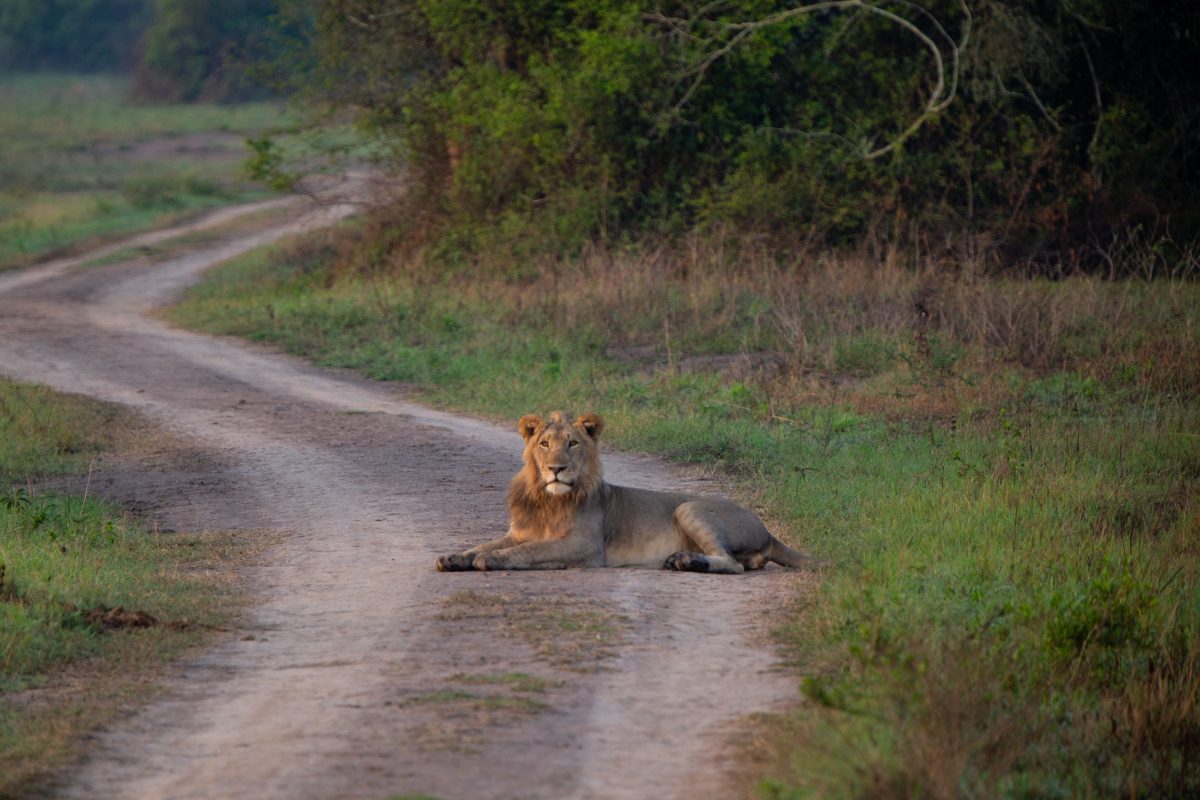
Yes, you can see all of Rwanda’s Big Five animals—lion, leopard, elephant, rhino, and buffalo—by visiting Akagera National Park, the only location in Rwanda offering a complete Big Five safari. Following successful conservation efforts, all five species are present in this eastern savanna park.
4-days-akagera-safari-and-chimpanzee-tracking-rwanda-safari
4-days-volcanoes-national-park-and-akagera-rwanda-wildlife-safari
2-day-best-akagera-safari-in-rwanda-from-kigali
3-days-rwanda-safari-to-akagera-national-park-combined-with-lake-ihema-boat-cruise
4-days-volcanoes-national-park-and-akagera-rwanda-wildlife-safari
6-days-akagera-safari-and-volcanoes-gorilla-trekking-and-ibi-wacu-cultural-village
8-days-best-of-rwanda-uganda-safari-volcanoes-to-best-uganda-safari-parks
What are the Specific Big Five Animals I Can See on a Rwanda Big Five Safari?
The term "Big Five" originally referred to the five most challenging animals to hunt on foot in Africa, but it has since evolved into a key attraction for wildlife safaris. In Rwanda, the Big Five includes:
- Lion: Lions are social creatures known for their pride structures. In Rwanda, they can be spotted lounging in the shade or roaming the savannahs of Akagera National Park.
- Leopard: This elusive big cat is often seen resting in the branches of trees. Leopards are masterful hunters, and sightings, while less common, offer thrilling moments for safari-goers.
- Rhinoceros: Rwanda is unique for having both black and white rhinoceros species in Akagera. These gentle giants have been a significant part of conservation efforts in the country.
- Elephant: African elephants, either in herds or solitary, can be spotted foraging for food and water throughout the park. Their presence significantly enhances the experience of a safari.
- Cape Buffalo: Known for their formidable presence, Cape buffaloes are often seen in groups and can be recognized by their distinctive curved horns.
These five species collectively represent some of the most iconic wildlife found in Africa. The opportunity to see all of them in one safari is a significant draw for wildlife enthusiasts. Akagera National Park, as Rwanda’s only destination featuring the Big Five, serves as a hotspot for naturalists and wildlife photographers alike.
Where is the Best Place to Experience a Rwanda Big Five Safari?
The best place to experience a Rwanda Big Five safari is undoubtedly Akagera National Park. This park is unique in that it is the only destination in Rwanda where all five of the Big Five animals can be observed in their natural habitat.
Spanning across 1,200 square kilometers, Akagera boasts a diverse range of ecosystems, including savannahs, woodlands, lakes, and wetlands. This ecological diversity not only supports a wide variety of wildlife but also offers visitors an immersive safari experience.
Akagera has undergone significant revitalization efforts over recent years, thanks to conservation programs focused on wildlife reintroduction and habitat management. The park’s successful reintroduction of lions and rhinos means visitors can now enjoy encounters with these magnificent creatures.
Game drives guided by experienced rangers provide the best opportunity to observe wildlife in Akagera. These experts know the park’s trails intimately and can efficiently guide visitors to the prime locations for wildlife sightings. Additionally, boat trips on Lake Ihema allow for serene views of hippos and crocodiles while enjoying the diverse avian life.
Overall, a safari in Akagera National Park not only promises the excitement of encountering the Big Five but also highlights Rwanda’s commitment to preserving its natural heritage.
Are All of the Big Five Animals Present in Akagera National Park During a Rwanda Big Five Safari?
Yes, all of the Big Five animals—lion, leopard, rhinoceros (both black and white), elephant, and Cape buffalo—are present in Akagera National Park, thanks to successful reintroduction programs. This development marks a major milestone in Rwanda's conservation efforts.
The lions were reintroduced in 2015, with seven individuals brought in from South Africa, marking a successful return to the park after an absence of over 20 years. Today, they can be seen monitoring their territories, hunting, and caring for their young.
The park also hosts both species of rhinoceros. The Eastern black rhinoceros was successfully reintroduced in 2017, while white rhinos were introduced in 2021. These recolonizations play a crucial role in maintaining genetic diversity and bolstering the populations of these critically endangered animals.
Additionally, elephants and Cape buffalo are abundant in Akagera. The park is home to large herds of elephants that roam freely, often seen foraging for food and interacting socially. Cape buffaloes, known for their strong herd dynamics, can often be spotted in large numbers, frequently found near watering holes.
Visitors to Akagera will enjoy the thrill of a Big Five safari, with opportunities for close encounters with all these magnificent animals. The combination of well-planned game drives and the park's commitment to conservation makes Akagera a premier destination for wildlife tourism in Rwanda.
When Were Lions Reintroduced to Akagera for a Rwanda Big Five Safari?
Lions were reintroduced to Akagera National Park in 2015, marking a significant moment in the park's history and conservation efforts. Before this initiative, lions had been absent from the park for over two decades due to poaching and habitat loss. Their return signaled a renewed commitment to restoring Akagera’s ecosystems and its once-thriving predator population.
The initial reintroduction involved seven lions sourced from South Africa. This carefully planned operation was designed with the goal of expanding the park’s predatory dynamics, which would, in turn, help balance the wildlife populations and contribute to the park’s ecological integrity.
The success of this reintroduction has seen the lion population grow, and they have adapted well to their new environment. Visitors to Akagera can now witness these magnificent predators in their natural habitat, lounging in the grasslands, hunting, or caring for their cubs.
This endeavor is part of a larger conservation vision that includes the restoration of other wildlife populations, ensuring a sustainable and thriving ecosystem within Akagera. As a result, tourists have the unique opportunity to observe these majestic creatures in the wild, enhancing the allure of a Rwanda Big Five safari.
Are There Rhinos in Akagera for a Rwanda Big Five Safari?
Yes, Akagera National Park boasts both black and white rhinos, making it one of the few parks where you can spot both rhino species in a single safari. This diverse presence is the result of targeted conservation efforts aimed at restoring the park’s former biodiversity.
The Eastern black rhinoceros was the first to be reintroduced in 2017, and this initiative was carefully monitored to ensure their acclimatization to the park’s ecosystems. In 2021, white rhinos were introduced, further enhancing the park’s appeal to wildlife enthusiasts.
These reintroductions have played an essential role in supporting both species, which are critically endangered globally. By establishing stable populations in Akagera, conservationists aim to promote genetic diversity, bolster numbers, and create a secure environment for these majestic creatures.
Rhino tracking tours are popular among visitors, offering exciting chances to observe these animals in their natural habitats. They typically take place within designated safe zones, ensuring the safety of both animals and guests.
Seeing both black and white rhinos in Akagera National Park enriches the experience of a Rwanda Big Five safari, showcasing the country’s commitment to conservation and responsible wildlife tourism. As a result, Akagera has become a vital sanctuary for rhinos and an unforgettable destination for safari enthusiasts.
Can I See Both Black and White Rhinos on a Rwanda Big Five Safari?
Yes, you can see both black and white rhinos during a Rwanda Big Five safari in Akagera National Park. This unique opportunity sets Akagera apart from many other national parks in Africa, making it an incredible destination for wildlife lovers keen on spotting these two species.
The reintroduction of the Eastern black rhinoceros in 2017 marked a significant milestone in the park's conservation efforts. Following the black rhinos, white rhinos were successfully introduced in 2021. This initiative aimed to restore the ecological balance and contribute to the survival of these critically endangered species.
Visitors to Akagera have the exciting chance to witness both species in one safari, offering insights into their behaviors, habitats, and challenges faced in the wild. Black rhinos are typically more solitary and can be challenging to spot due to their elusive nature. In contrast, white rhinos are often found in open grasslands, making them more accessible to viewing.
Rhino tracking tours are frequently organized, allowing visitors to seek out these magnificent creatures responsibly. Knowledgeable guides share valuable insights into the conservation efforts underway to protect these species, enriching the overall experience.
Combining the thrill of encountering both black and white rhinos with other Big Five animals highlights Akagera’s role as a vital wildlife sanctuary and enhances the appeal of a Rwanda Big Five safari.
Is a Rwanda Big Five Safari Considered a Luxury or Budget Experience?
A Rwanda Big Five safari can be tailored to suit both luxury and budget preferences, making it accessible for a wide range of travelers. Akagera National Park is equipped with various accommodation options, accommodating diverse budgets without compromising the quality of wildlife experiences.
For those seeking a luxurious experience, high-end lodges like Magashi Camp provide exquisite accommodations, gourmet dining, and personalized safari experiences. These luxury lodges often feature scenic views, private guides, and exclusive access to prime wildlife viewing locations, offering a more intimate safari experience.
Conversely, budget travelers will find comfortable mid-range and camping options available within and around Akagera National Park. These offerings allow for immersive wildlife experiences without breaking the bank. Budget-friendly lodges and camps provide guided game drives that ensure guests can see the Big Five while also appreciating the beauty of the park.
Regardless of the chosen level of luxury, Akagera’s commitment to conservation and wildlife protection enhances the safari experience. Tour operators often provide tailored packages to fit various budgets, ensuring everyone has the opportunity to explore the rich biodiversity of Rwanda.
Ultimately, whether you opt for a lavish retreat or a more economical camping experience, a Rwanda Big Five safari promises breathtaking sights and unforgettable memories in the heart of East Africa.
Planning and Best Time to Visit
The best time to embark on a Rwanda Big Five safari is during the dry seasons, which run from June to September and December to February. During these periods, the weather is generally more stable, offering ideal conditions for wildlife viewing. With less rainfall, animals tend to gather around available water sources, making them easier to spot.
The dry seasons also provide more accessible roads in Akagera National Park, enhancing your safari experience. Game drives become more productive as animals are more visible, and the overall wildlife activity is heightened. This is especially advantageous for spotting the Big Five, as well as enjoying the park's rich birdlife.
For travelers considering a dedicated Rwanda Big Five safari, a duration of 2 to 3 days is typically sufficient to explore Akagera National Park. During this time, you can experience multiple game drives, ensuring ample opportunities to see the iconic wildlife.
Many visitors choose to combine their Big Five safari with gorilla trekking in Volcanoes National Park. A popular option is a 5-day itinerary that allows time for both adventures, maximizing wildlife encounters while enjoying Rwanda's stunning landscapes. This combination not only showcases the park's diverse ecosystems but also highlights the country's commitment to preserving its natural heritage, making for an unforgettable journey through some of Africa's most breathtaking scenery.
How Far is the Rwanda Big Five Safari Park from Kigali?
Akagera National Park is approximately a 2.5-hour drive from Kigali, Rwanda’s capital. This relatively short journey allows travelers to transition from the urban environment of Kigali to the beautiful landscapes of the park, setting the stage for an exciting safari adventure.
The route to Akagera offers wonderful views of Rwanda’s rolling hills and expansive farmlands. Roads are generally well-maintained, and the scenery continuously changes, providing glimpses of local life, including markets, terraced farms, and rural communities.
Travelers can opt for organized transportation through tour operators, who provide round-trip transfers as part of safari packages. Alternatively, self-drive options are available, but the more recommended choice is to hire a local driver or guide. This approach not only enhances safety and navigation but also enriches the experience with informative commentary about the surroundings and wildlife.
Starting the journey early in the morning allows for a full day of activities upon arrival at the park. After checking in at your lodge or campsite within Akagera, you can embark on your first game drive or take part in a boat safari on Lake Ihema. Optimizing travel time with organized pick-ups and coordinated activities ensures you make the most of your visit to this stunning national park.
Are Night Game Drives Available During a Rwanda Big Five Safari?
Yes, night game drives are available during a Rwanda Big Five safari in Akagera National Park. These special excursions significantly enhance the wildlife viewing experience, allowing visitors to glimpse the park’s nocturnal residents. Night drives typically take place after sunset and last for a few hours, offering a thrilling opportunity to observe wildlife behavior and adaptations that occur under the cover of darkness.
During night drives, you may encounter animals that are rarely seen during the day, such as leopards, bush babies, and various nocturnal birds. The darkness transforms the safari experience, providing a different perspective of the wildlife and landscape. Spotlights are used to illuminate the paths and highlight wildlife, enhancing visibility and increasing chances of sightings.
Night drives are usually conducted by expert guides who are well-versed in the behaviors of various species. Their knowledge helps ensure both safety and a rich understanding of the animals you may encounter. Such excitement adds to the overall adventure, making night drives a popular option for safari-goers looking to maximize their wildlife experiences.
However, due to safety considerations, it’s essential to book night drives through licensed tour operators or park management. These organized tours ensure that safety protocols are followed, allowing visitors to enjoy the thrill of night wildlife viewing while minimizing risks.
What is the Best Way to Spot Lions During a Rwanda Big Five Safari?
To maximize your chances of spotting lions during a Rwanda Big Five safari in Akagera National Park, it’s advised to schedule game drives during the early morning or late afternoon when lions are most active. Lions tend to rest during the hottest parts of the day, making them less visible.
The northern plains of Akagera are known areas for lion activity. Traveling with experienced guides who have a thorough understanding of lion behavior and movement patterns significantly increases the odds of sightings. Guides often communicate with one another about recent lion movements, helping to direct safari vehicles to potential locations.
Focusing on open grassland areas can also enhance your chances of seeing lions, as they often use these expanses for hunting or resting. Staying quiet and patient while observing can significantly aid in spotting lions, especially since they may blend into their surroundings.
Lastly, perseverance is key. Lion sightings can require a bit of luck, so patience and a willingness to explore various parts of the park are essential. Engaging in multiple game drives during your visit will maximize your opportunities to witness these majestic predators in their natural habitat, enriching the overall safari experience.
How Hard is it to Spot Leopards on a Rwanda Big Five Safari?
Spotting leopards during a Rwanda Big Five safari can be quite challenging due to their elusive and shy nature. Leopards are solitary hunters, often preferring densely wooded areas for cover, which can make them difficult to see even for experienced guides.
The best times to increase your chances of spotting leopards are during night drives or early mornings when they are more active. Night drives can dramatically enhance your prospects, as spotted leopards are often hunting or patrolling their territories. Guides use spotlights during these excursions, which can reveal hidden leopards lazily perched in trees or lurking in the underbrush.
In the daytime, keen observation is crucial. Look for telltale signs of leopards, such as tracks or scat, and listen for the calls of their prey. Guides with a sharp eye for detail can often locate these big cats hidden among the branches of trees or camouflaged within thick bush.
Patience is essential when attempting to spot leopards. Often, they may choose to stay hidden even if they are nearby. Engaging in persistent game drives and working with knowledgeable guides can improve your odds. With their striking beauty and elusive nature, the rarity of leopard sightings adds to the excitement and allure of a Rwanda Big Five safari.
Where Are Elephants Usually Spotted on a Rwanda Big Five Safari?
On a Rwanda Big Five safari in Akagera National Park, elephants are typically spotted near Lake Ihema and Lake Rwanyakazinga. These areas serve as vital watering holes, especially during the dry seasons when animals congregate around available water sources.
Elephants are social creatures and can often be seen in family groups, foraging for food and interacting with one another. During the rainy season, their movements might spread out across more extensive parts of the park as vegetation becomes lush, but during the dry months, they tend to remain closer to the lakes, making them easier to locate.
Game drives focused on these areas enhance the likelihood of encountering elephants. Guides often know the best times and places to view elephants, which are typically most active during early mornings and late afternoons.
In addition to game drives, boat safaris on Lake Ihema can provide unique perspectives for viewing elephants approaching the water’s edge to drink. This setup allows for remarkable photo opportunities, capturing these majestic animals in their natural environment.
Overall, the combination of varied ecosystems in Akagera and the strategic locations of the lakes present excellent opportunities to witness elephants in the wild, enriching the experience of your Big Five safari.
Are Buffaloes Aggressive on a Rwanda Big Five Safari?
Cape buffaloes are generally peaceful and social animals, often found in large herds grazing in the grasslands of Akagera National Park. However, it’s essential to exercise caution, as they can be aggressive if they feel threatened.
Buffaloes have a strong herd mentality and will fiercely protect one another. When surprised or provoked, individuals may charge, making them one of the more dangerous animals in Africa. Their size and strength contribute to their formidable reputation, so keeping a safe distance during wildlife viewing is crucial.
Observing buffalo behavior provides insight into their social dynamics. You'll often see them engaging in activities like grooming, wallowing in mud, or simply resting in groups. This social structure adds an interesting aspect to your safari experience.
During game drives, it’s advisable to maintain a respectful distance from buffalo herds and to follow the guidance of your experienced guide, who is well aware of the best practices for observing wildlife safely. This emphasizes the importance of responsible wildlife viewing, allowing you to appreciate these magnificent creatures without disturbing their natural behaviors.
Ultimately, while Cape buffaloes can be aggressive when threatened, they are generally a fascinating and impressive part of the Big Five experience in Akagera National Park.
What is a Boat Safari on Lake Ihema During a Rwanda Big Five Safari?
A boat safari on Lake Ihema is a unique and tranquil experience that adds an exciting dimension to a Rwanda Big Five safari in Akagera National Park. This opportunity allows visitors to view wildlife from a different perspective, providing a relaxing alternative to traditional land-based game drives.
During a boat safari, you can spot various wildlife species that inhabit the shores of the lake. Hippos and crocodiles are often visible lounging in the sun or swimming just beneath the water’s surface. The boat also offers opportunities to observe elephants and other animals coming to the lake to drink, providing excellent photographic chances.
Birdwatching is another highlight of boat safaris in Lake Ihema. The lake’s ecosystems are home to a rich variety of bird species, including herons, kingfishers, and pelicans. The serene atmosphere for birdwatchers makes this experience particularly rewarding.
Boat safaris usually last for about an hour or two and are conducted by knowledgeable guides who provide insights into the lake’s ecosystems and the wildlife you may encounter. This experience not only diversifies your safari agenda but also allows you to appreciate the stunning beauty of Rwanda’s landscapes from the water, making it an essential component of a comprehensive Akagera experience.
Can I Do a Walking Safari on a Rwanda Big Five Safari?
Yes, guided walking safaris are available during a Rwanda Big Five safari in Akagera National Park. These experiences allow visitors to immerse themselves in the natural environment, offering a closer look at the ecosystems and smaller wildlife often overlooked during traditional vehicle-based game drives.
Walking safaris are usually conducted by experienced guides who are knowledgeable about local flora, fauna, and animal behavior. They provide insights into animal tracks, plant species, and the intricate relationships within the ecosystem. This intimate experience enriches your understanding of the natural world and enhances the overall safari adventure.
The duration and route of walking safaris can vary, but they typically last around two to four hours, depending on the terrain and wildlife activity. Guides assess the safety of the area before beginning and ensure that participants remain aware of their surroundings.
This mode of exploration can lead to unique wildlife encounters, such as observing birds, monkeys, or smaller mammals that often inhabit the underbrush. Walking safaris appeal to those seeking a more personal and engaging connection with nature, making them an enriching addition to your Rwanda Big Five safari.
Is it Safe to Go on a Rwanda Big Five Safari in Akagera?
Yes, it is safe to go on a Rwanda Big Five safari in Akagera National Park. The park is securely fenced, which helps protect both wildlife and visitors from potential threats. The management of Akagera takes safety seriously and implements strict regulations to ensure a safe experience for all guests.
Professional guides lead all safari excursions in Akagera National Park, offering valuable expertise and insights into the behaviors of the animals you're likely to encounter. These experienced guides follow established protocols for wildlife viewing, ensuring that safety is the top priority.
Additionally, the park management has developed safety measures for different activities, such as game drives and walking safaris, which further enhances visitor security. Travelers are advised to stay within designated areas, follow guide instructions, and observe wildlife from a safe distance.
The combination of consistent safety measures, expert guidance, and the peaceful environment of Akagera contributes to a reassuring experience for visitors. Ultimately, guests can enjoy their safari without unnecessary worries, immersing themselves in the natural beauty and wildlife of Rwanda.
Should I Hire a Guide for My Rwanda Big Five Safari?
Hiring an experienced guide for your Rwanda Big Five safari is highly recommended. Guides have extensive knowledge of Akagera National Park, which significantly enhances your chances of tracking down and spotting the Big Five and other wildlife species while providing valuable insights into their behaviors and habitats.
Professional guides know the best routes and locations for wildlife viewing, as well as when and where to time their excursions for optimal sightings. Their expertise extends beyond just location—they can also explain the ecological dynamics at play and share fascinating information about the flora and fauna you encounter.
Additionally, a guide can ensure your safety throughout the safari experience. They are trained to navigate the park and understand animal behavior, allowing you to observe wildlife without risking your safety. This level of knowledge improves both your enjoyment and understanding of the safari experience.
Tour operators generally include the option of hiring a guide as part of safari packages. The investment often pays off through elevated experiences and enhanced wildlife interactions, making it a worthwhile consideration if you want to maximize your time in Akagera National Park.
What Kind of Vehicle is Best for a Rwanda Big Five Safari?
For a Rwanda Big Five safari in Akagera National Park, a 4x4 safari vehicle with a pop-up roof is the ideal choice. These vehicles are specifically designed for the rugged terrain and uneven roads often encountered in the park, providing both comfort and durability.
The 4x4 capability enables the vehicle to handle various road conditions, ensuring that you can reach wildlife hotspots effectively. The pop-up roof is particularly advantageous for wildlife viewing, as it allows you to stand up and have an unobstructed line of sight for spotting animals and taking photographs.
Many safari operators utilize vehicles specially equipped with foldable roofs, which enhance visibility while providing a safe environment for passengers. Additionally, these vehicles are equipped with comfortable seating and amenities to make your safari enjoyable.
Bringing binoculars for wildlife spotting and a good camera to capture the breathtaking moments adds to the experience and makes for wonderful memories. Overall, choosing a suitable vehicle designed for safari purposes significantly enhances your chances of enjoying a successful and comfortable wildlife viewing experience in Akagera National Park.
Are There Other Animals to See Besides the Big Five on a Rwanda Big Five Safari?
Yes, during a Rwanda Big Five safari in Akagera National Park, you can expect to see a wide variety of wildlife beyond just the Big Five. Akagera is home to a rich ecosystem that includes numerous species of mammals, birds, and reptiles, providing a well-rounded wildlife experience.
Besides the Big Five, common sightings include giraffes, often seen grazing on acacia trees, and zebras, which can be spotted in grasslands. The park is also home to various antelope species such as eland, topi, waterbuck, and impalas, often seen in herds.
Birdwatching opportunities are plentiful in Akagera, with more than 500 bird species recorded. From raptors to colorful kingfishers, birdwatchers will find plenty to delight them. The wetlands are especially rich in birdlife, providing a chance to encounter many migratory species.
Akagera’s lakes are home to reptiles such as crocodiles and monitor lizards, adding further interest to any boat safari or visit to the lakes. The diverse habitats within the park contribute to a vibrant ecological tapestry, making every safari experience unique and exciting.
Exploring these additional species enhances the overall adventure, emphasizing the rich biodiversity of Akagera National Park and supporting wildlife conservation efforts in Rwanda.
What Should I Pack for a Rwanda Big Five Safari?
When preparing for a Rwanda Big Five safari, packing appropriately is essential to ensure comfort and readiness for various environments. Here’s a helpful list of recommended items:
- Neutral-Colored Clothing: Wear light, neutral colors like khaki or green to blend into the environment without startling wildlife. Light fabrics are ideal for warmth during chilly mornings but can also be layered for the changing weather.
- Sturdy Shoes: Comfortable walking shoes or hiking boots are critical for game drives and walking safaris. Ensure they are broken in to prevent blisters.
- Hat and Sunglasses: A wide-brimmed hat can protect you from the sun, while sunglasses will shield your eyes from glare.
- Sunscreen: Apply high-SPF sunscreen to protect yourself from the sun’s rays, especially during safari activities.
- Binoculars: A good pair of binoculars will enhance your wildlife viewing experience, allowing you to spot animals from afar.
- Camera: Don't forget a good camera or smartphone to capture the stunning scenery and wildlife.
- Insect Repellent: Mosquito repellent helps guard against bites, particularly in the evenings or around water sources.
- Water Bottle: Staying hydrated is crucial during your safari. Carry a reusable water bottle to refill and minimize plastic waste.
- Medications and First Aid Kit: Bring any personal medications and a basic first aid kit for emergencies.
- Daypack: A lightweight daypack is useful for carrying essentials during game drives or walking safaris.
Packing with these items in mind will help ensure a comfortable and enjoyable Rwanda Big Five safari experience, preparing you for the wonders of wildlife and the beautiful environments that Akagera National Park has to offer.
How Do I Book a Rwanda Big Five Safari?
Booking a Rwanda Big Five safari can be done through a variety of channels, with several options to ensure a smooth experience.
- Local Tour Operators: Numerous reputable tour operators specialize in Rwanda safaris and can offer customized packages. These operators typically handle all aspects of your trip, including transportation, accommodation, and guided excursions. It’s advisable to read reviews and verify the operator’s credentials before booking.
- Online Travel Platforms: Several websites allow you to compare different safari packages, read customer reviews, and book directly online. Many focus exclusively on wildlife experiences in Africa.
- Rwanda Development Board: You can also visit the official Rwanda Development Board website, which provides information on national parks and suggestions for booking tours. While they don't directly handle bookings, they can direct you to necessary resources.
- Early Booking: If you are planning to travel during peak seasons (June to September and December to February), early booking is highly advisable to secure accommodations and permits for activities. This ensures availability and allows you to plan your itinerary with ease.
- Package Deals: Consider booking packages that combine a Rwanda Big Five safari with other activities, such as gorilla trekking in Volcanoes National Park, for an enhanced experience.
Regardless of how you choose to book, ensure you confirm travel details, including lodging, guide arrangements, and itineraries, to ensure a seamless and memorable safari experience in Rwanda.
Booking Rwanda safari to see big five with us Roads of Adventure safaris
Book your premier Rwanda Big Five safari with Roads of Adventure Safaris for an unforgettable experience. Their expertly curated 5–6-day itineraries combine the savannahs of Akagera National Park to spot lions, rhinos, and elephants with optional gorilla trekking in Volcanoes National Park. Secure your, permits and tailored packages 6-12 months in advance to guarantee prime wildlife viewing and professional guided tours during the dry seasons.
