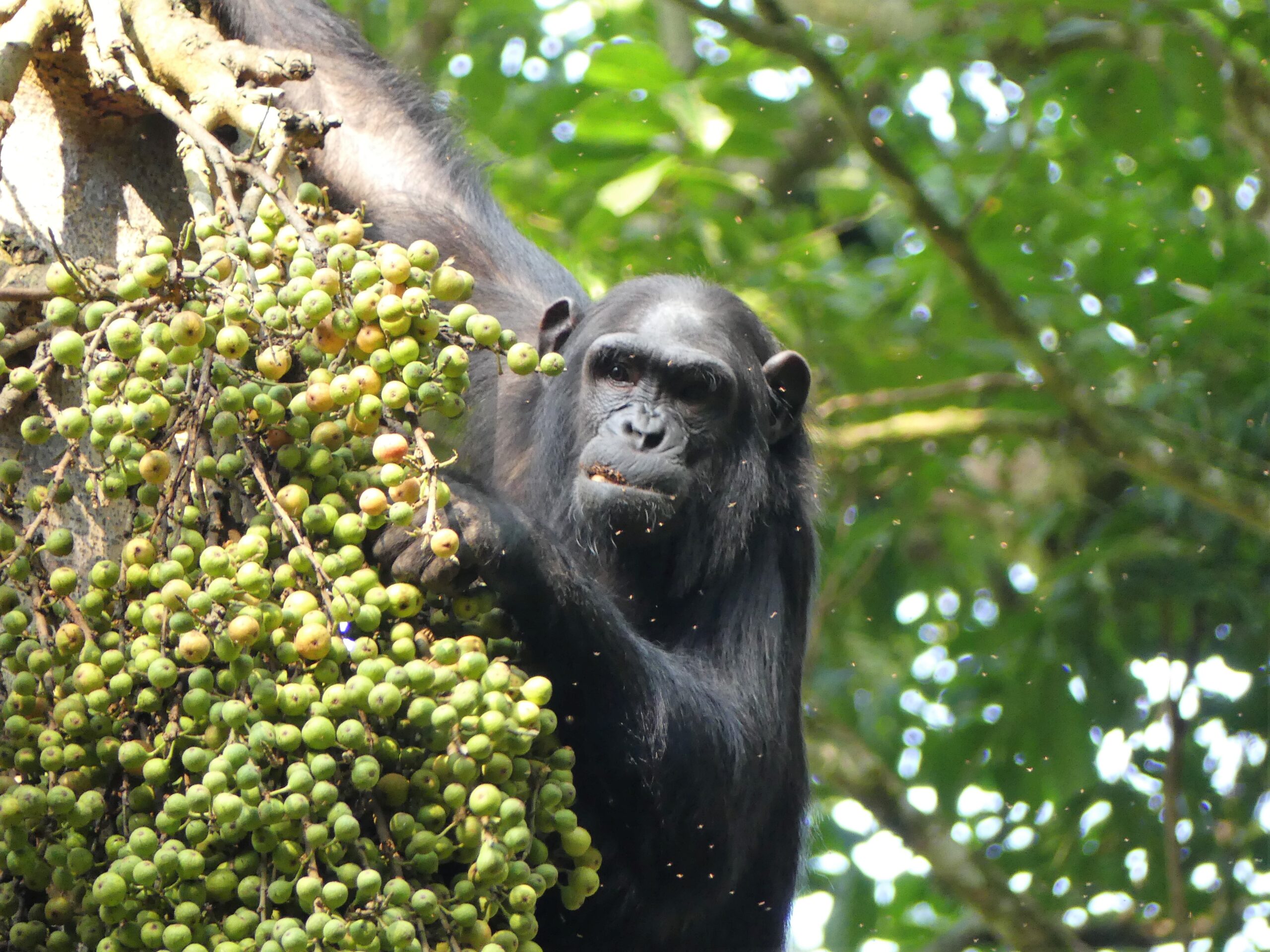
Yes, you can absolutely combine a Rwanda gorilla trekking trip with a Tanzania safari. This combination is popular, allowing you to experience both mountain gorillas in Rwanda’s Volcanoes National Park and the savannah wildlife of the Serengeti or Ngorongoro in one trip. Convenient flights connect Kigali (KGL) to Kilimanjaro (JRO) or Dar es Salaam (DAR).
12-days-best-east-africa-safari-tour-package-to-rwanda-tanzania-and-south-africa-safaris
9-days-best-of-rwanda-gorilla-trekking-safari-and-zanzibar-beach-vacation
25-days-east-africa-safari-to-uganda-rwanda-kenya-tanzania-safari-and-zanzibar-beach-holidays
20-days-perfect-uganda-rwanda-tanzania-safari-holiday
Key Details for Combining Rwanda gorilla trekking with Tanzania safari holiday Trips
1. Best Time to Go
When planning a combined trip for gorilla trekking in Rwanda and a wildlife safari in Tanzania, the best time to visit is during the dry seasons, typically running from June to September and December to February. These months offer optimal trekking conditions, as the trails in Volcanoes National Park are relatively dry and less muddy, making gorilla encounters more accessible and enjoyable.
During these dry seasons, wildlife viewing in Tanzania is also at its peak. The Serengeti and Ngorongoro Crater teeming with animals become easier to navigate, offering visitors increased chances of spotting the Big Five: lions, elephants, buffalo, leopards, and rhinoceros. In Tanzania, many animals congregate around water sources during the dry months, making them easier to find.
Moreover, the drier weather leads to better visibility, making it an excellent time for photography enthusiasts to capture the stunning landscapes and wildlife interactions both in Rwanda and Tanzania. The dry conditions also result in milder temperatures, significantly enhancing the trekking experience in the cooler mountain climate of Rwanda.
Traveling during these optimal times not only enhances the adventure for nature lovers but also aligns with the migratory patterns of various wildlife species. This planning maximizes your experiences, from intimate gorilla encounters to exhilarating safaris in some of Africa’s premier wildlife destinations, creating an unforgettable journey rich in biodiversity and stunning natural beauty.
2. Recommended Itinerary
A well-structured itinerary can significantly enhance the experience of combining gorilla trekking in Rwanda with a safari in Tanzania. A recommended approach is to start your journey in Rwanda, where you can immerse yourself in the unforgettable experience of gorilla trekking in Volcanoes National Park. This park is home to several habituated gorilla families, allowing for intimate encounters in their natural habitat. Dedicate the first few days to trekking and possibly engage in additional activities such as visiting local communities or exploring other nearby attractions like Lake Kivu.
Following the gorilla trekking experience, the next step is to fly from Kigali to Tanzania. The most efficient route involves a connecting flight to Kilimanjaro International Airport (JRO), after which you can begin your exploration of Tanzania’s magnificent landscapes. From Kilimanjaro, head to the Serengeti National Park, famous for its expansive plains and rich wildlife diversity. This region is particularly notable for the Great Migration, which sees millions of wildebeest migrating across the plains, providing spectacular game viewing opportunities.
Don't miss the chance to explore the Ngorongoro Crater, a UNESCO World Heritage site, known for its high concentration of wildlife. The entirety of this itinerary could comfortably fit within a 7 to 10-day trip, allowing for ample time to soak in the richness of each experience while maintaining a comfortable travel pace. This thoughtful routing enables both relaxation and adventure, ensuring a fulfilling journey through two of East Africa's most captivating destinations.
3. Logistics
Understanding the logistics of combining a trip to Rwanda and Tanzania is essential for a smooth travel experience. The journey typically begins by flying into Kigali International Airport, the capital of Rwanda. From there, it’s a short drive of about 2 to 3 hours to Volcanoes National Park, home of the iconic mountain gorillas. This scenic drive offers glimpses of Rwanda’s lush landscapes and friendly local villages, adding to the overall experience.
Once you’ve enjoyed gorilla trekking and any additional adventures in Rwanda, the next step is to connect to Tanzania. The easiest and most efficient way to do this is by taking a flight from Kigali to Kilimanjaro International Airport (JRO). Several airlines operate this route, with flights typically taking about 1.5 hours, allowing you to transition quickly and smoothly from the mountainous beauty of Rwanda to the vast plains of Tanzania.
Upon arriving in Tanzania, you can begin your journey through the Serengeti and the Ngorongoro Crater. Transportation options within Tanzania generally include guided tours or private transfers, which streamline travel and ensure a hassle-free experience while exploring the national parks.
By understanding these logistical pathways, you can effectively plan your trip and maximize your time in both countries, immersing yourself fully in the stunning wildlife and breathtaking natural landscapes unique to East Africa.
4. Duration
The duration of your combined Rwanda and Tanzania trip can greatly influence the quality of your experience. While a rapid itinerary can be achieved in 5 to 6 days, a more comfortable timeline of 7 to 10 days is highly recommended to fully savor both locations without feeling rushed.
In a shorter itinerary, you would primarily focus on gorilla trekking in Volcanoes National Park, followed by a quick transfer to Tanzania for game drives. While this allows you to tick off key experiences, it may compromise the depth of exploration available within each destination. The rapid pace can also lead to a sense of fatigue, particularly with the travel between countries.
In contrast, a 7 to 10-day trip allows for much greater flexibility and depth. For example, dedicating 2 to 3 days to gorilla trekking permits ample time to enjoy the awe-inspiring encounters with the gorillas while factoring in potential weather delays. You can also incorporate cultural experiences, such as visiting the local communities, enhancing your connection to Rwanda.
Transitioning to Tanzania, a longer itinerary gives you the opportunity to explore the Serengeti’s breathtaking landscapes in detail and take part in multiple game drives, increasing your chances of spotting a variety of wildlife, including the Great Migration when in season. In summary, choosing a timeline of 7 to 10 days creates a well-rounded experience that captures the best of both countries, ensuring your trip is rich, rewarding, and memorable.
1. Can I combine Rwanda gorilla trekking with Tanzania safari holiday easily?
Yes, combining Rwanda gorilla trekking with a Tanzania safari holiday is not only feasible but also a popular luxury itinerary among travelers seeking to experience the stark contrasts between dense mountain forests and sprawling savanna plains. This blend of experiences offers an incredible opportunity to engage in two of Africa's most iconic wildlife encounters—growing more popular as travelers seek to diversify their adventure in East Africa.
Starting in Rwanda, visitors can enjoy the magical experience of trekking through the lush forests of Volcanoes National Park, home to the endangered mountain gorillas. This intimate encounter is an unforgettable experience, allowing travelers to observe these magnificent creatures in their natural habitat.
Soon after indulging in this primal experience, travelers can transition seamlessly to Tanzania, where they can explore the vast Serengeti, known for its diverse wildlife and dramatic landscapes. This shift from the misty mountains of Rwanda to the sun-drenched plains of Tanzania provides a visually stunning contrast, enriching your experience further.
Notably, numerous tour operators specialize in crafting customized itineraries that cater to individual traveler preferences, ensuring a smooth transition between trekking and safari adventures. Thus, whether you are a seasoned traveler or embarking on your first East African adventure, this combination allows for a comprehensive experience that highlights the unique natural beauty and wildlife of the region, making it highly doable and very attractive for adventurous travelers.
2. How do I travel between the two destinations?
Traveling between Rwanda and Tanzania can be accomplished easily, with a few convenient options available. The best way to bridge the distance between these two captivating countries is by flying. Kigali International Airport (KGL) serves as the primary gateway for travelers coming from Rwanda, offering regular flights to several destinations within Tanzania, especially Kilimanjaro International Airport (JRO) and Arusha Airport (ARK).
Major airlines such as RwandAir and Precision Air operate routes connecting Kigali to Tanzania. These flights typically take around 1.5 hours, making it a swift and efficient transition from the lush mountain backdrop of Rwanda to the expansive plains of Tanzania. The aerial views during the flight are an added bonus, giving travelers a unique perspective of the stunning landscapes below.
For those who prefer a more scenic route, overland travel is also an option. However, this method takes significantly longer and involves crossing the border, which can add hours to the journey depending on traffic and border regulations. Thus, flying remains the most practical choice for travelers eager to maximize their time exploring the rich wildlife and stunning scenery of both countries.
In summary, whether you opt for a direct flight connecting Kigali to Tanzania or plan a more leisurely road trip, both options are accessible and convenient, allowing you to transition seamlessly between your gorilla trekking and safari adventures.
3. What is the best time to combine Rwanda gorilla trekking with Tanzania safari holiday?
The best time to combine gorilla trekking in Rwanda with a safari holiday in Tanzania is during the dry seasons, which are from June to September and December to February. These months offer optimal conditions for trekking in the mountain forests of Rwanda and the savanna landscapes of Tanzania.
During the dry season in Rwanda, the trails in Volcanoes National Park are much easier to navigate, thus enhancing the trekking experience. Dry weather means less mud and more stable conditions, making the journey to observe the majestic mountain gorillas more enjoyable. Additionally, these months see clearer skies, allowing for better visibility and stunning views of the surrounding landscapes.
In Tanzania, the dry seasons are peak wildlife viewing times. The Serengeti comes alive with activity as animals gather around water sources, making them easier to spot during game drives. Moreover, if your timing aligns with the Great Migration, you could witness thousands of wildebeests and zebras traversing the plains, creating a breathtaking spectacle.
Traveling during these peak months ensures not only the best trekking and viewing conditions but also aligns with most tourists' schedules, providing vibrant and active environments. Therefore, planning your combined trip during the dry seasons maximizes your opportunities for unforgettable wildlife experiences in both Rwanda and Tanzania, making it an ideal timeframe for your adventure.
4. How many days do I need for this combination?
When planning a combined trip that includes both gorilla trekking in Rwanda and a safari holiday in Tanzania, a balanced itinerary typically lasts between 7 and 10 days. This duration allows travelers to enjoy their experiences in both locations without feeling rushed.
For the gorilla trekking portion, it is advisable to allocate 2 to 3 days. This will provide ample time to trek in Volcanoes National Park, allowing for the possibility of trekking to see the mountain gorillas, as well as engaging in other activities such as visiting local communities or exploring cultural sites in the surrounding areas.
After completing gorilla trekking, you'll want to spend about 4 to 5 days on safari in Tanzania. This timeframe gives you the opportunity to explore iconic locations like the Serengeti National Park and the Ngorongoro Crater at a comfortable pace. You can plan multiple game drives to maximize wildlife sightings, which is particularly rewarding during the Great Migration, depending on the timing of your visit.
The ideal number of days enables travelers to immerse themselves fully in the unique landscapes and wildlife encounters each destination offers while allowing for potential travel delays or weather-related adjustments. This balanced allocation of time ensures a rich and rewarding experience that highlights the stunning diversity of East Africa's natural beauty.
5. What is the cost of a Rwanda gorilla permit for this trip?
As of 2024/2025, the cost for a gorilla trekking permit in Rwanda is $1,500 per person per trek. This fee grants trekkers the opportunity to observe mountain gorillas in their natural habitat for one hour, allowing for an intimate and unforgettable experience with these gentle giants.
While the price may seem high, it is important to note that the revenue generated from gorilla permits directly supports conservation efforts in the region. The funds help protect the mountain gorilla populations, offer education and health services to surrounding communities, and maintain the infrastructure of Volcanoes National Park, which is crucial for both biodiversity and sustainable tourism.
Booking your permits well in advance is highly recommended, as a limited number of permits—only 96 per day—are available for trekking. Due to the popularity of gorilla trekking, permits can often sell out, especially during peak tourist seasons, so planning ahead and securing your spot is essential for ensuring the best experience on this once-in-a-lifetime trek.
Ultimately, while the cost of a gorilla permit represents a significant investment, the invaluable experience gained from trekking to see these remarkable creatures in their natural habitat makes it well worth every penny for wildlife enthusiasts and adventure seekers alike.
6. Do I need a special visa to travel between Rwanda and Tanzania?
Yes, travelers planning to visit both Rwanda and Tanzania will benefit from applying for the East Africa Tourist Visa. This visa is designed specifically for travelers who wish to explore multiple countries in East Africa, allowing for seamless travel within Rwanda, Kenya, and Tanzania for a duration of up to 90 days. The cost for this visa is typically $100.
Obtaining the East Africa Tourist Visa simplifies the paperwork process, eliminating the need for separate visas for each country. This convenience is particularly valuable for those with complex itineraries involving multiple countries, ensuring a smoother travel experience without the hassle of managing various visa requirements.
The application process can usually be done online before your trip, allowing for easy planning. Simply ensure that your passport is valid for at least six months beyond your date of entry, and you may also need to provide documentation of your travel plans, such as flight itineraries and accommodations.
While the East Africa Tourist Visa covers travel between Rwanda and Tanzania, it's essential to check if any additional requirements are necessary, such as vaccinations or entry regulations. By securing the appropriate visa in advance, you can focus on enjoying the stunning landscapes and rich wildlife of East Africa without administrative concerns hindering your adventure.
7. Is it better to do gorilla trekking before or after the safari?
Deciding whether to undertake gorilla trekking before or after your Tanzania safari largely depends on personal preferences and logistical considerations, although most travelers tend to prefer the trek first.
Starting with gorilla trekking in Rwanda allows for the more physically demanding activity to be addressed at the beginning of the trip. The trek can exhaust both physically and emotionally, given the strenuous nature of hiking through dense rainforests in search of the elusive mountain gorillas. By experiencing this adventure first, travelers can subsequently relax and unwind during their safari in Tanzania, enjoying the open savannas and gentle pace of game drives.
Additionally, beginning with gorilla trekking gives you an immediate connection to the wildlife in East Africa, setting a thrilling tone for the rest of your trip. Once the trekking is complete, you can transition into the serene environment of the safari, where game drives allow for leisurely viewing of various wildlife, like lions, elephants, and cheetahs.
However, some may find it more convenient to safari first and save the gorilla trek for the end of the trip, particularly if flight schedules and arrival times favor such an arrangement. Ultimately, either order can work well; the key is to plan with flexibility to ensure that your journey provides both exhilarating experiences as well as moments of relaxation while immersing yourself in East Africa’s incredible natural beauty.
8. How long is the drive from Kigali to the gorilla park?
The drive from Kigali to Volcanoes National Park, where gorilla trekking takes place, is quite manageable and takes approximately 2 to 3 hours. This proximity makes the park easily accessible for travelers arriving in Rwanda, allowing for seamless transitions between the airport and one of Africa's most exciting wildlife experiences.
The route from Kigali to Volcanoes National Park offers stunning views of the Rwandan countryside, showcasing its lush green hills and rolling landscapes, often referred to as the "Land of a Thousand Hills." Along the way, travelers can witness local life, including small villages, vibrant markets, and the warm smiles of the Rwandan people, adding cultural richness to the journey.
Since the drive is relatively short, many tour operators offer convenient transportation options for visitors, including private transfers or guided tours that can enhance the experience with insights about the local environment and wildlife.
Departing early in the morning helps avoid any potential traffic in Kigali, ensuring that you arrive at the park in time for the scheduled gorilla treks. Considering the ease of access and the stunning scenery along the drive, this route makes for an exciting start to your gorilla trekking adventure in Rwanda.
9. Can I add Zanzibar to my Rwanda gorilla trekking with Tanzania safari holiday?
Absolutely! Adding Zanzibar to your itinerary after gorilla trekking in Rwanda and a safari in Tanzania can be an excellent way to round off your travel experience. Many itineraries conclude with a relaxing beach stay, offering the perfect contrast to the adventurous activities of trekking and safari.
Zanzibar, an archipelago off the coast of Tanzania, is renowned for its stunning beaches, crystal-clear waters, and rich cultural heritage. After the excitement of gorilla trekking and wildlife spotting, travelers can indulge in 3 to 5 days of relaxation on the pristine beaches of Zanzibar, soaking up the sun and enjoying water activities such as snorkeling, diving, or exploring the vibrant underwater life.
The transition from the mainland to Zanzibar is straightforward, typically involving a short flight from either Kilimanjaro International Airport (JRO) or Dar es Salaam to Zanzibar International Airport. Various airlines offer regular flights, making it convenient to travel from safari locations to the island.
In addition to the beautiful beaches, Zanzibar boasts a rich cultural history, particularly in Stone Town, a UNESCO World Heritage site famed for its winding alleys, spice markets, and stunning architecture. Incorporating some time to explore this historic area provides a well-rounded experience that highlights not only natural beauty but also the diverse cultural landscapes of East Africa.
In summary, adding Zanzibar to your trip enhances the experience, providing a beautiful blend of adventure, wildlife, and relaxation that rounds out a memorable East African journey.
10. Do I need to book my gorilla permit in advance?
Yes, booking your gorilla permit in advance is highly recommended when planning a gorilla trekking excursion in Rwanda. Given the limited availability of permits—only 96 per day are issued—it’s wise to secure these well ahead of your trip to ensure your desired dates.
Ideally, permits should be booked 3 to 6 months in advance, especially if you plan to visit during peak tourist seasons, such as during the dry months between June to September or during the festive season in December. During these times, demand for permits rises significantly, and delays in booking can lead to sold-out dates.
You can secure permits through official sources, typically via the Rwanda Development Board or through reputable tour operators who facilitate the booking process as part of their safari packages. It's beneficial to book through a trusted operator as they can help navigate the complexities of travel plans, including transportation, accommodations, and additional activities.
By planning and booking your gorilla trekking permit in advance, you ensure a smoother and more enjoyable experience, allowing you to focus on the rich, unforgettable experiences that await you in Volcanoes National Park, home to the mountain gorillas.
11. What should I pack for both adventures?
Packing appropriately for a combined trip that includes both gorilla trekking in Rwanda and a safari in Tanzania requires thoughtful consideration of the distinct environments you will encounter. Essential items should cater to the unique conditions of both the dense forests of Rwanda and the open savannah plains of Tanzania.
For gorilla trekking, be sure to include:
- Sturdy hiking boots: Good-quality, waterproof hiking boots are crucial for navigating rugged terrain.
- Layered clothing: Weather in the mountains can change quickly, so pack layers to accommodate cool temperatures and the potential for rain. Long-sleeved shirts and trousers made of breathable fabric are ideal.
- Rain gear: A waterproof jacket or poncho is essential due to the likelihood of rain in the forest.
For the safari, focus on:
- Lightweight, breathable clothing: Wear neutral colors to blend in with the environment and avoid attracting insects; khaki, green, and brown are recommended.
- Wide-brimmed hat and sunglasses: Essential for sun protection while on game drives.
Other items to pack include:
- Sunscreen and insect repellent: Protecting your skin from sunburn and insect bites is critical.
- Binoculars: Essential for spotting wildlife during safari game drives and enhancing your overall experience.
- Camera: Don’t forget a good camera or smartphone for capturing incredible memories.
Finally, ensure to include a daypack for carrying these essentials during your treks and excursions. By preparing adequately, you can fully enjoy both the exciting trekking experience in the Rwandan mountains and the diverse wildlife encounters in Tanzania’s savanna.
12. Is it safe to do a combined safari?
Yes, both Rwanda and Tanzania are considered safe destinations for travelers seeking to embark on a combined safari and gorilla trekking trip. Both countries have established strong tourism infrastructures, with well-maintained lodgings, knowledgeable guides, and secure transport options, making it easy to navigate each destination confidently.
In Rwanda, the government places a high emphasis on tourism safety and conservation. The facilities at Volcanoes National Park are well-equipped for managing visitor engagements, and the local communities are generally welcoming to tourists. The infrastructure is regularly monitored to maintain safety standards, providing a reassuring environment for travelers.
Similarly, Tanzania has robust systems in place, particularly in national parks like the Serengeti and Ngorongoro Crater, which regularly manage wildlife interactions and ensure safari activities are undertaken responsibly. Tour operators are well-versed in safety protocols, advising clients on best practices during wildlife encounters and while traveling.
While both destinations are largely safe, as in any travel scenario, it's recommended to exercise common sense and take necessary precautions. This can include keeping valuables secure, being aware of your surroundings, and traveling with reputable tour operators who hold a solid reputation in the industry.
Overall, with proper planning and adherence to safety guidelines, combining a safari and gorilla trekking adventure in these remarkable countries can be both safe and incredibly rewarding, leading to unforgettable experiences in East Africa.
13. What wildlife can I see in Tanzania after the gorillas?
After gorilla trekking in Rwanda, transitioning to Tanzania opens up a wealth of wildlife viewing opportunities. Tanzania is renowned for its diverse ecosystems and is home to the iconic Big Five: lions, leopards, elephants, rhinoceroses, and Cape buffalo, each of which can be spotted in various national parks.
The Serengeti National Park is one of the best places to witness these magnificent animals in their natural environments. Visitors often embark on thrilling game drives, where sightings of lions lounging in the grasslands or elephants roaming in large herds are common. The park is also the stage for the Great Migration, where millions of wildebeest, zebras, and antelope move across the plains in search of food and water, creating breathtaking wildlife spectacles.
Additionally, the Ngorongoro Crater presents a unique opportunity to view wildlife in a semi-enclosed environment, allowing for high concentrations of animals. Here, you can observe everything from flamingos in its crater lakes to the rare black rhinoceros. This UNESCO World Heritage site provides an exceptional chance to see a variety of birds and mammals in a diverse landscape.
Other notable wildlife areas in Tanzania include Tarangire National Park, known for its large elephant herds and baobab trees, and Lake Manyara National Park, famous for tree-climbing lions and extensive birdlife.
In summary, Tanzania offers an abundance of wildlife experiences following your gorilla trek, providing a remarkable chance to explore varied ecosystems while having numerous opportunities to observe some of Africa's most beautiful and majestic animals in their natural habitats.
14. How far in advance should I book this combined trip?
Given the high demand for both gorilla trekking permits in Rwanda and specialized flights that connect these regional adventures, it's advisable to book your combined trip 6 to 9 months in advance. Doing so allows ample time to secure all necessary elements for your itinerary, ensuring a smoother and more enjoyable experience.
For gorilla trekking, given the limited number of permits—96 available per day—it’s critical to reserve your spot as early as possible to avoid disappointment, especially during peak tourist seasons. Permits may sell out quickly, particularly in the dry months when many travelers flock to Rwanda for trekking experiences.
Planning your trip well in advance also allows you to organize transportation and accommodations effectively, helping you find the best deals and secure your preferred choices. Many quality lodges and camps have limited space, especially during popular travel times when demand is high.
By confirming everything ahead of time, such as your flights from Kigali to Tanzania and accommodations in both countries, you can concentrate on the excitement of your adventures without the stress of last-minute arrangements. In essence, early planning not only allows for a sense of security regarding your travel plans but also enhances your ability to fully enjoy both the gorilla trekking and safari experiences that await you in East Africa.
15. Can I fly directly from Volcanoes National Park to the Serengeti?
While it is not possible to fly directly from Volcanoes National Park to the Serengeti, travelers can still reach this iconic wildlife destination relatively smoothly through a short series of transfers. The most common route involves several steps that begin with a road transfer back to Kigali.
After your gorilla trekking adventure, you will typically need to drive back to Kigali, which takes approximately 2 to 3 hours. From there, you'll catch a flight from Kigali International Airport (KGL) to either Arusha or
Booking Rwanda Gorilla Trekking with Roads of Adventure Safaris
Booking your Rwanda gorilla trekking experience with Roads of Adventure Safaris guarantees a seamless and memorable journey. Our expert team handles all the logistics, from securing your gorilla permits to arranging comfortable accommodations and transportation. We prioritize personalized service, ensuring that your trek through Volcanoes National Park is both enriching and safe. Enjoy guided treks led by knowledgeable local guides who provide insights into the gorillas' habitat and behavior. With Roads of Adventure Safaris, you can immerse yourself fully in this extraordinary wildlife encounter, making it a once-in-a-lifetime experience.
Booking Tanzania Safari with Roads of Adventure Safaris
Experience the thrill of a Tanzania safari with Roads of Adventure Safaris, where we offer customized itineraries tailored to your preferences. Explore breathtaking landscapes and witness incredible wildlife, including the Big Five, in renowned parks like Serengeti and Ngorongoro Crater. Our professional guides enhance your experience by sharing their extensive knowledge and ensuring your safety throughout the adventure. We handle all arrangements, including transportation, accommodations, and meals, allowing you to focus fully on the breathtaking scenery and wildlife encounters. With Roads of Adventure Safaris, your Tanzania safari promises to be an unforgettable journey into Africa’s wildernes
