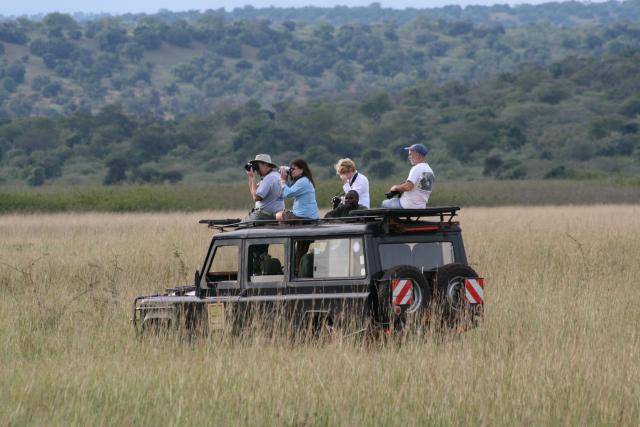
Yes, combining a Kenya and Tanzania safari into one trip is not only possible but highly recommended to experience both the Maasai Mara and Serengeti ecosystems in one go. A 10–14-day itinerary is ideal, allowing you to witness the Great Migration, explore top parks, and cross borders seamlessly, usually via short, connecting flights or overland travel.
20-days-uganda-kenya-tanzania-and-zanzibar-beach-holidays
19-days-kenya-tanzania-wildlife-combined-with-zanzibar-beach-holiday-vacation
17-days-luxury-kenya-tanzania-safari-and-bwindi-gorilla-trekking-in-uganda
17-days-photography-kenya-tanzania-safari-tour-package-to-best-east-arica-destinations
14-days-ultimate-kenya-tanzania-safari-to-zanzibar-beach-beach-holidays
13-days-luxury-kenya-and-tanzania-safari-wildlife-adventure
12-days-kenya-tanzania-safari-and-zanzibar-beach-holiday-vacation
10-days-africa-big-five-kenya-tanzania-safari-and-wildebeest-migration
Key Considerations for a Combined Kenya and Tanzina safari
1. Best Time to Visit
When planning a combined safari that includes experiences in East Africa, timing is crucial to ensure you witness the most breathtaking wildlife events and enjoy favorable weather. The best time for this adventure is generally from June to October, coinciding with the dry season, which is ideal for game-viewing. During these months, animals congregate around water sources, increasing the chances of spotting the “Big Five” and other iconic wildlife, making for spectacular safari experiences.
This period is also synonymous with the Great Migration, where millions of wildebeest and zebras traverse from the Serengeti in Tanzania to the Maasai Mara in Kenya in search of greener pastures. Observing this natural phenomenon is a must-do for any wildlife enthusiast, as it presents dramatic scenes of animals crossing rivers and the inherent dangers they face from predators.
Alternatively, for those particularly interested in calving season, January to March is another excellent time to visit the southern Serengeti. Here, you can witness thousands of wildebeest calves being born, typically around February, nurturing scenes that are heartwarming and essential for the ecosystem. Rich grasslands coupled with relatively fewer tourists enhance the serenity of this time.
In summary, choosing the best time to visit depends on your wildlife interests—whether you’re keen on the dramatic action of the Great Migration in the dry season or the tender scenes of calving in early year. Regardless of when you visit, East Africa always offers unforgettable safari experiences.
2. Optimal Routes
When planning a combined safari trip in East Africa, selecting the right route is pivotal to avoid long travel times and maximize your wildlife experiences. Popular routes often focus on efficient circuits that connect key highlights in Kenya and Tanzania.
One widely recommended circuit starts in Nairobi, moving to the Maasai Mara in Kenya before crossing into Tanzania to explore the Serengeti. The journey continues into the Ngorongoro Crater, a UNESCO World Heritage site known for its rich biodiversity, and then concludes in Arusha. This route ensures that you cover significant wildlife areas, enjoying the best of both countries while keeping travel times manageable.
Another viable option is to begin in Amboseli National Park, famed for its views of Mount Kilimanjaro and large elephant herds. From there, you can travel to Tarangire, known for its abundant wildlife and iconic baobab trees, before heading to the Serengeti and concluding the journey in the Maasai Mara. This circuit highlights diverse ecosystems and allows you to experience different wildlife behaviors.
Regardless of the route you choose, focusing on a logical circuit enhances the efficiency of your trip, enabling you to spend more time enjoying the spectacular scenery and interactions with wildlife rather than on the road. Ultimately, a well-planned itinerary can create a more satisfying and cohesive safari experience.
3. Logistics & Visas
When embarking on a combined safari in East Africa, understanding the logistics and visa requirements is essential for a smooth travel experience. Countries like Kenya and Tanzania have specific visa policies that travelers need to navigate. To simplify travel across these borders, consider obtaining the East Africa Tourist Visa, which allows multiple-entry access into Kenya, Tanzania, and Uganda for a set duration, typically 90 days. This is a practical option for those exploring multiple countries in one trip.
Booking through a reputable safari operator is crucial as they can expertly handle the complexities of cross-border transfers and park fees. They can arrange necessary documents and guides, making it easier for you to focus on enjoying your adventure. Furthermore, they often have established relationships with local authorities, which can streamline the entry process and enhance the overall experience.
In addition to visas, it's essential to plan for logistical aspects such as internal transportation and accommodations. Safari operators typically offer structured itineraries that include all necessary bookings, ensuring seamless connectivity between destinations. This can include private drivers or domestic flights to reduce travel time, particularly for longer stretches between parks.
In summary, tackling logistics and securing the right visas in advance will help alleviate uncertainties and enhance your exploration of East Africa. By planning thoroughly, you can focus on what matters most—experiencing the stunning wildlife and landscapes of this incredible region.
4. Transport
Transport is a critical factor when planning a safari in East Africa, significantly impacting your overall experience and efficiency. While driving between parks is an option, it can be time-consuming due to long distances and variable road conditions. For this reason, many travelers recommend utilizing domestic flights for key segments of your journey, particularly for transfers between major wildlife hotspots.
Flying between parks, such as from the Maasai Mara to the Serengeti, dramatically reduces travel time, allowing you to maximize your safari experiences. Flights are typically short—often around 30 to 60 minutes—and provide stunning aerial views of the landscapes below. This convenience not only helps you save time but also adds a layer of excitement to your overall journey, as you take in breathtaking panoramas from the sky.
When choosing your transport options, consider booking through a reputable safari operator that can handle internal flights and ground arrangements. This ensures all logistics are managed, allowing you to focus on your adventures rather than worrying about transfers.
While exploring in the parks, guided safari vehicles provide the best way to navigate through the landscape and access prime wildlife viewing areas. Experienced guides can enhance your experience with their knowledge of the wildlife and landscapes, ensuring you don’t miss any highlights.
In conclusion, opting for a mix of domestic flights and professionally guided vehicles can enhance your East African safari experience, ensuring you spend more time exploring the incredible wildlife and stunning environments you came to see.
5. Costs
When planning a combined safari in East Africa, understanding the cost implications is crucial for setting a realistic budget. A typical 10-day combined safari trip generally ranges from $3,000 to over $6,000+ per person, depending on a variety of factors such as the level of luxury, the choice of accommodations, and the types of activities included.
Budget options often feature basic lodges or tented camps in national parks, making for a more affordable experience while still providing access to incredible wildlife. Mid-range accommodations offer a comfortable blend of amenities and services, while luxury lodges or exclusive camps can elevate the experience with personalized service, fine dining, and stunning locations.
Another significant factor influencing costs is transportation. Choosing domestic flights between parks—while generally more expensive—can dramatically streamline your journey, allowing you more time for game drives and fewer hours spent on the road. On the flip side, road travel may be cheaper but can lead to longer travel times and possible discomfort due to rough road conditions.
Tours typically include guiding services, park fees, and sometimes meals. Carefully reviewing itineraries to understand what is included is essential for avoiding unexpected costs.
In summary, while a combined safari trip can represent a considerable financial investment, careful planning and honest conversations with tour operators about your budget can help create a rewarding experience that meets your financial and travel expectations. By weighing your options and prioritizing your needs, you can design a safari adventure that is both enjoyable and manageable within your budget.
1. Can I combine a Kenya and Tanzania safari into one trip?
Yes, combining a Kenya and Tanzania safari is not only possible but highly recommended for wildlife enthusiasts eager to experience the full, uninterrupted wildebeest migration. This iconic event, characterized by millions of wildebeest and zebras traversing between the Serengeti and the Maasai Mara, offers one of the most remarkable wildlife spectacles on the planet.
By traveling through both countries, you can witness different stages of the migration. During the calving season, from January to March, the herds are concentrated in the southern Serengeti, providing opportunities to see newborn calves. As the year progresses, the animals gradually migrate north, with river crossings at the Mara River occurring from July to October, where they face perilous challenges posed by crocodiles and strong currents.
Planning a combined safari offers unparalleled flexibility and access to diverse ecosystems, including the Maasai Mara, Serengeti, Ngorongoro Crater, and Amboseli National Park. Each park is unique, showcasing distinct wildlife populations and breathtaking landscapes.
While some may worry about the logistical challenges of crossing borders, many tour operators specialize in crafting seamless itineraries that manage all aspects of the trip, including border crossings and transportation. Ultimately, a combined safari allows for a richer and more varied wildlife experience, creating memories that last a lifetime.
2. How long should a combined safari be?
For a combined Kenya and Tanzania safari, a minimum duration of 10 days is recommended, with 14 days being ideal to cover major parks without feeling rushed. This allows sufficient time to immerse yourself in the breathtaking landscapes and abundance of wildlife both countries offer while enjoying a more leisurely pace.
A 10-day itinerary could include essentials such as the Maasai Mara and Serengeti, where you can focus on critical areas of wildlife activity. However, when extending your trip to 14 days, you have the opportunity to dive deeper into more parks and explore additional habitats, such as Amboseli National Park, famous for its elephants and stunning views of Kilimanjaro, and the Ngorongoro Crater, a UNESCO World Heritage site rich in biodiversity.
Longer itineraries provide the flexibility to travel between these incredible destinations without the pressure of time constraints. It also allows for unplanned encounters, longer game drives, and cultural excursions, such as visiting local Maasai villages.
The extra days can also facilitate more time for relaxation and recovery from travel, making it a more enjoyable experience overall. In essence, investing in a longer combined safari contributes to a richer exploration of East Africa’s stunning wildlife landscapes and cultural heritage.
3. What is the best time for a combined Kenya and Tanzania safari?
The best time for a combined Kenya and Tanzania safari is typically from July to October, coinciding with peak season and offering the best chance to witness the dramatic river crossings of the Great Migration. During these months, wildebeest and zebras make their way from the Serengeti in Tanzania to the Maasai Mara in Kenya, seeking greener pastures and fresh water.
The highlight of this migration is the perilous crossings at the Mara River, where herds face the threats posed by crocodiles and swift currents. These crossings are not only thrilling to witness but also provide remarkable photographic opportunities as animals struggle for survival, making it a must-see event for wildlife enthusiasts.
Moreover, the weather during this period is generally dry, making it ideal for game viewing. Wildlife is easier to spot as animals congregate around watering holes, and the vegetation becomes less dense. This means that each game drive is likely to yield exciting wildlife encounters.
While July to October is peak season, travelers can also consider visiting during the shoulder months, such as late June or early November, to avoid larger crowds while still having a chance to experience parts of the migration. In summary, scheduling your combined safari during the peak months enhances your chances of witnessing the incredible spectacle of the Great Migration, maximizing the impact of your East African adventure.
4. How do I travel between Kenya and Tanzania during the safari?
Traveling between Kenya and Tanzania during your safari can be accomplished in a couple of ways: by road or via short flights. While both options have their merits, your choice may depend on time constraints, budget, and personal preference.
Road travel is a popular way to cross the border, especially through the Namanga border point. This journey can be scenic, allowing you to enjoy the rural landscapes and local life along the way. However, it does require considerable travel time and can be subject to delays at the border as you go through customs and immigration procedures. It's important to have a reputable guide or tour operator familiar with the border crossing to facilitate the process smoothly.
Short flights are another, increasingly popular option, especially for those looking to maximize their game-viewing time. Flights typically connect major hubs like Nairobi or Wilson Airport with destinations in Tanzania such as the Serengeti and Arusha. These flights usually last about an hour, significantly reducing travel time compared to driving.
Ultimately, choosing the best method of transportation depends on your itinerary and preferences. Regardless of the method, planning ahead with a reputable tour operator can help ensure a smooth and efficient journey, allowing you to focus on the extraordinary wildlife encounters awaiting you in East Africa.
5. Do I need two separate visas?
Most visitors to Kenya and Tanzania should obtain the East Africa Tourist Visa, which conveniently covers both countries for a specified duration, typically 90 days. This visa allows for multiple entries into Kenya, Tanzania, and Uganda, making it an excellent option for those planning to explore multiple destinations in the region. The ease of having a single visa simplifies the travel process, eliminating the need to apply for separate visas for each country.
However, travelers should ensure they meet the eligibility criteria for this visa, as some nationalities may have different requirements. Obtaining the visa can usually be done online prior to traveling, making it convenient to secure the necessary documentation before arrival.
Upon arrival in East Africa, visitors may undergo standard customs and immigration checks, particularly at border crossings. It’s essential to carry all necessary documents, including your visa approval and passport, as you navigate through these procedures.
For travelers opting not to use the East Africa Tourist Visa or who are ineligible, separate visas for Kenya and Tanzania would need to be obtained. This can be done online or upon arrival but varies by nationality.
In summary, the East Africa Tourist Visa is a practical option for those traveling between Kenya and Tanzania during their safari. It streamlines the entry process and allows for flexibility in your itinerary, making it easier to focus on enjoying the incredible wildlife and landscapes of the region.
6. Which parks are best included in a combined trip?
For a comprehensive and fulfilling combined safari in Kenya and Tanzania, including key parks will enhance your experience and present the best opportunities to witness diverse wildlife. Two essential parks are the Maasai Mara in Kenya and the Serengeti in Tanzania. These two iconic parks are often linked through the Great Migration, with the Maasai Mara playing host to the dramatic river crossings of wildebeest and zebras typically occurring from July to October.
In addition to these two main attractions, incorporating Amboseli National Park in Kenya is worthwhile, especially for its stunning views of Mount Kilimanjaro and large elephant herds. Amboseli serves as a great introduction to the region’s wildlife and landscapes while often being less crowded than Maasai Mara.
Another significant addition to a combined safari is the Ngorongoro Crater in Tanzania. This UNESCO World Heritage site is lauded for its rich biodiversity and relatively short distances between habitats, providing an incredible opportunity to see a wide array of wildlife in one place. It’s home to a dense population of animals, which enhances your chances of spotting the "Big Five" in a single day.
Other parks like Lake Manyara National Park or Tarangire National Park are also worthwhile for their unique ecosystems and wildlife experiences. Each park offers distinct attractions, making the overall journey rich in variety.
By carefully planning an itinerary that connects these key parks, you can create an exceptional safari experience showcasing the best of what both countries have to offer in terms of wildlife, scenery, and adventure.
7. Is a Kenya and Tanzania safari more expensive?
A combined Kenya and Tanzania safari can indeed be more expensive than taking separate trips, but it often results in a highly valued experience that makes the additional cost worthwhile. While factors like park fees, accommodations, and transportation may seem elevated when combining two countries, the unique experiences and biodiversity offered by both are often considered worth the investment.
Prices can vary significantly based on the luxury level of accommodations and the nature of the safari, such as the type of vehicle, guided tours, and included amenities. Budget travelers may find more affordable options by choosing basic camps or lodges, while luxury travelers can indulge in exclusive lodges or private safari experiences.
Although it may seem more cost-effective to visit one country at a time, combining both offers the opportunity to witness the full extent of the wildlife migration, explore diverse habitats, and immerse yourself in the rich cultural experiences that both countries have to offer.
Furthermore, many tour operators provide packages for combined safaris that optimize costs through group bookings, making it possible to avail discounts and offers. These might include seamless transportation arrangements, guiding services, and logistical support for border crossings, potentially offsetting some expenses.
Ultimately, while a combined safari may represent a premium experience, the diversity, beauty, and excitement offered by exploring both Kenya and Tanzania justify the investment for many travelers, creating lifelong memories in one of the most spectacular regions on Earth.
8. Do I need to change vehicles at the border?
Yes, typically, travelers need to change vehicles when crossing the border from Kenya to Tanzania, which is due to different operating regulations and policies in each country. This requirement is essential for ensuring compliance with local laws and management of park fees to which various vehicles are subject.
Most safari operators will arrange this logistical detail as part of your itinerary, providing a new vehicle and driver upon crossing the border. This is crucial for maintaining safety standards and maximizing your comfort during your travels. The new driver will be knowledgeable about local regulations and landscapes, ensuring a smooth transition into Tanzania.
While the process of changing vehicles can take some time, well-organized operators usually manage the transition to minimize delays and ensure a seamless experience for travelers. They can also aid you with any border documentation you may need to provide, making the overall border crossing process more manageable.
Additionally, having a new vehicle enhances your experience by ensuring that the car is well-suited for the different terrains you may encounter within Tanzania's national parks.
In summary, while you do need to change vehicles when crossing the border from Kenya to Tanzania, this process is typically well-managed by competent safari operators, ensuring a smooth continuation of your adventure as you transition between these remarkable countries.
9. Can I see the Great Migration in both countries?
Yes, one of the most impressive aspects of combining a safari in Kenya and Tanzania is that you can witness the Great Migration in both countries throughout the year. This awe-inspiring wildlife event involves millions of wildebeest and zebras moving in search of fresh grazing grounds and water, creating a stunning spectacle of nature.
In Tanzania, the Southern Serengeti serves as the primary location for calving season, which runs from January to March. During this time, thousands of wildebeest give birth to their young in the lush green pastures, offering an incredible opportunity to witness new life and predator interactions. The wildlife dynamics created during this season provide a captivating experience as mothers protect their calves from predation.
As the seasons change, the herds begin their move northward towards the Maasai Mara in Kenya. By July, the migration typically reaches the Maasai Mara, where the dramatic river crossings at the Mara River take place. These crossings are particularly thrilling, as they often involve hundreds or thousands of animals navigating treacherous waters while facing dangers from lurking crocodiles. This spectacle draws thousands of visitors eager to capture the moment.
The synchronized movements of the herds also allow for flexibility in itinerary planning, as travelers can chase the migration throughout the year, depending on the season. In essence, visiting both countries provides a comprehensive experience of the full cycle of the Great Migration, showcasing its allure and the rich ecosystems that support such a wildlife phenomenon.
10. What is the best way to travel to save time?
To save time during a combined safari in Kenya and Tanzania, the most efficient option is to opt for a fly-in safari. This travel method allows you to maximize your game drive time while minimizing travel hours between various locations.
Domestic flights connect major national parks and reserves, enabling you to traverse large distances much more quickly than road travel would allow. For instance, you can easily fly from Nairobi or Wilson Airport to the Serengeti or the Maasai Mara, cutting down the often lengthy and bumpy road journeys. Most flights between parks take about 30 to 60 minutes, offering stunning aerial views of the vast landscapes below.
Fly-in safaris also grant access to remote airstrips near game reserves, significantly enhancing the safari experience by allowing immediate access to prime wildlife areas. On arrival, it’s common to begin game drives straight away, building excitement right from your first moments in the parks.
Additionally, the time saved by flying allows for more flexibility in planning your safari itinerary. Longer stays at specific locations can enhance your experience, enabling in-depth exploration of lesser-visited parks or unique experiences like cultural encounters with local tribes.
Overall, a fly-in safari is the fastest and most efficient way to travel during a combined Kenya and Tanzania safari. It maximizes your time with wildlife while ensuring a comfortable and exhilarating journey through East Africa's breathtaking landscapes.
11. Are there different driving regulations?
Yes, there are different driving regulations when navigating through Kenya and Tanzania, and this is why it is highly recommended to use a local tour operator experienced in managing the cross-border paperwork and compliance. Each country has its own laws and regulations governing safari vehicles, insurance, and driver certifications, which can vary significantly.
When traveling on a combined safari, tour operators typically provide vehicles that adhere to the legal requirements for each country. This ensures not only your safety but also that the vehicle is equipped for the diverse terrains and conditions you will encounter.
While the transition from one country to another may also involve transferring to a new vehicle or driver due to logistical and regulatory differences, reputable operators efficiently manage this process, handling necessary paperwork and facilitating a seamless handover.
Moreover, local drivers possess intimate knowledge of their regions’ wildlife behaviors and the best routes for viewing. By utilizing local drivers, you benefit from their expertise in navigating the unique landscapes, ensuring an enriching and safer experience.
Overall, understanding these regulatory differences is crucial for a smooth travel experience. Relying on experienced tour operators eases the navigation of these complexities, allowing you to focus on enjoying the remarkable wildlife and landscapes of Kenya and Tanzania.
12. Can I visit Zanzibar?
Yes, visiting Zanzibar is a highly popular option that many travelers choose to incorporate into their itinerary after a combined safari in Kenya and Tanzania. This wonderful island is renowned for its stunning white-sand beaches, vibrant culture, and rich history, making it a perfect way to unwind after your wildlife adventures in East Africa.
Typically, travelers fly from either Nairobi or Arusha to Zanzibar, with flight times averaging around one to two hours, making it a convenient addition to your trip. Once in Zanzibar, you can relax on beautiful beaches, enjoy water activities, and explore the island’s colonial sites and spice farms.
A combined safari followed by a Zanzibar beach holiday offers an excellent contrast to the thrilling experiences of game drives. It allows for reflection on the wildlife encounters while indulging in luxurious relaxation by the ocean. Popular activities in Zanzibar include snorkeling, diving, spice tours, and exploring the historical Stone Town—a UNESCO World Heritage site.
Many safari operators offer packages that include a Zanzibar extension, helping streamline logistics for travelers. This added convenience enables you to arrange seamless flights and accommodations on the island.
In summary, incorporating a visit to Zanzibar into your safari itinerary is not only feasible but also offers a delightful conclusion to your East African adventure. The island’s combination of stunning natural beauty and cultural depth makes it a must-see destination that enhances the overall travel experience.
13. What should I pack for a Kenya and Tanzania safari?
Packing wisely for a Kenya and Tanzania safari is essential to ensure comfort and enjoyment during your travels. Start with lightweight, breathable clothing suitable for warm daytime temperatures, which are typical during safari drives. Neutral colors like khaki, olive, and brown are advisable, as they help blend into the natural surroundings and minimize disturbance to wildlife.
It’s essential to bring warm layers for early morning and evening game drives when temperatures can drop significantly. A light jacket or fleece and a warm hat should suffice for these cooler hours. Additionally, packing a wide-brimmed hat and sunglasses will protect you from the sun during daytime safari excursions.
Comfortable footwear is crucial for the rugged terrain and varying conditions you may encounter; sturdy walking shoes or boots are highly recommended. Don’t forget essentials like sunscreen to protect your skin from sunburn and insect repellent to ward off mosquitoes.
Due to the varied climates depending on the altitude and travel locations, consider bringing light rain gear in case of unexpected showers—especially if traveling during the rainy season.
Finally, include travel essentials like a refillable water bottle, a camera with extra batteries for capturing wildlife, and binoculars for better viewing. Having a small backpack can also be handy for carrying essentials during daily outings.
Overall, being well-prepared with the right clothing and gear will enhance your safari experience, allowing you to focus on the incredible wildlife and landscapes that await you in East Africa.
Booking combine Kenya and Tanzina safari with us Roads of Adventure safaris
Book your combined Kenya and Tanzania safari with Roads of Adventure Safaris for an unforgettable East African experience. We expertly curate itineraries covering the Maasai Mara, Serengeti, and Ngorongoro Crater, offering unparalleled Big Five viewing and Wildebeest Migration tracking. Our specialized services ensure seamless cross-border travel between Nairobi and Arusha, featuring experienced guides, comfortable lodging, and tailored adventures. Whether for families or adventure seekers, our tailored packages promise a safe, thrilling journey through Africa's most iconic landscapes. Book with us to witness the best of East Africa's wildlife in one extraordinary trip, providing memories for a lifetime.
