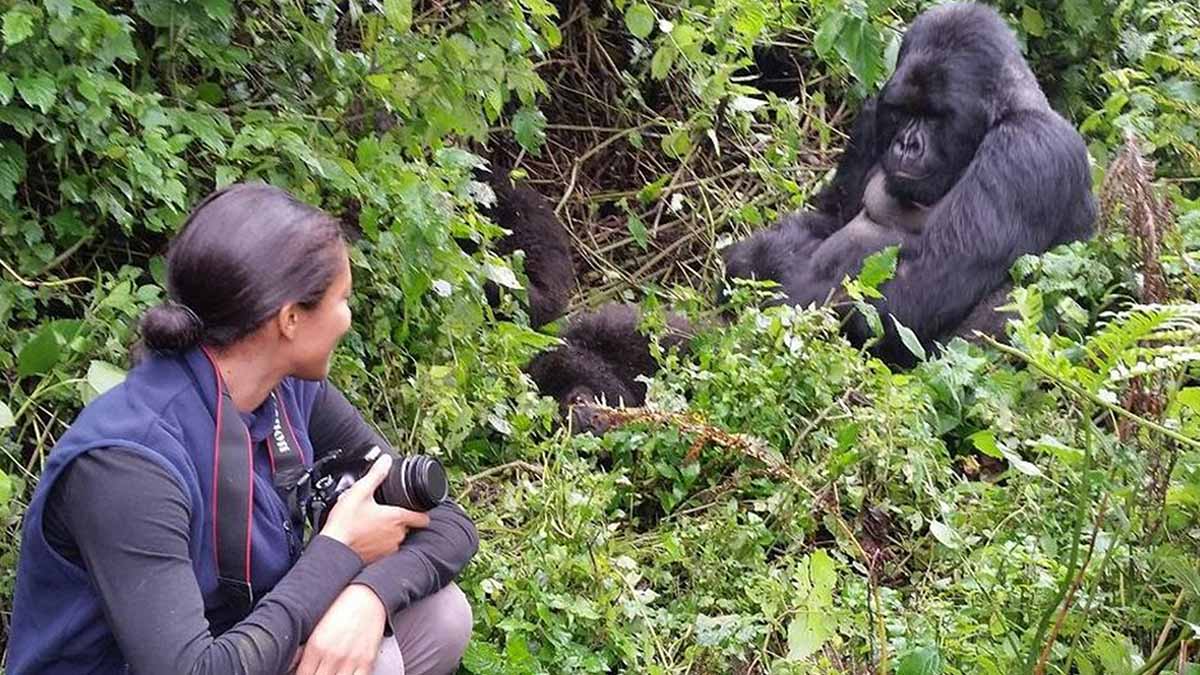
Budget gorilla trekking is most accessible in Uganda's Bwindi Impenetrable National Park and Mgahinga Gorilla National Park. A standard 3-day budget tour generally ranges from $1,200 to $1,500 per person, covering a $700 gorilla permit, round-trip 4x4 transport from Kampala or Kigali, park entry, and budget lodging
Budget gorilla trekking tour packages
2-days-all-inclusive-uganda-gorilla-trekking-from-kigali-rwanda
3-days-gorilla-habituation-in-bwindi-impenetrable-forest
3-days-gorilla-trekking-lake-mulehe-and-lake-buyonyi
4-days-gorilla-trekking-lake-bunyonyi-and-kalinzu-forest-chimpanzee-tracking
5-day-safari-to-bwindi-lake-bunyonyi-and-queen-elizabeth-national-park
4-days-luxury-gorilla-trekking-safari-in-bwindi-fly-in-all-inclusive-tour
7-days-queen-elizabeth-bwindi-lake-bunyonyi-and-lake-mburo-uganda-safari
10-days-best-uganda-big-five-safaris-and-primate-experience
Which country is the best for budget gorilla trekking?
Uganda is widely considered the best choice for budget gorilla trekking because it offers a strong mix of value and convenience. Gorilla permits are generally more affordable than in other popular destinations, and the country has a well-developed tourism infrastructure compared with more remote options. In Uganda, travelers can also find a broad range of accommodation styles—from simple budget lodges to mid-range properties—often at prices that fit tighter travel budgets. In addition, transport options are more flexible for budget travelers, with regular routes from major towns and shared transport possibilities. Another advantage is that many tour operators and local guides have long experience handling budget itineraries efficiently, meaning you can bundle permits, ground transport, and meals without constantly paying premium prices. That makes Uganda ideal if your goal is to reduce overall trip cost while still getting a high-quality gorilla experience, including professional guiding and proper trek coordination.
How much does a gorilla trekking permit cost?
Gorilla permit prices vary depending on the country, season, and conservation policies. In Uganda, permits for foreign non-residents are typically around $800, while foreign residents may pay about $700. Rwanda is usually more expensive, with permits commonly priced around $1,500 across seasons. Historically, the Democratic Republic of Congo (DR Congo) has been noted as the cheapest option, with permits around $400, but travel there is often affected by security challenges and disruptions—meaning the “cheapest” permit may not always equal the best or most reliable trip value. When budgeting, remember that the permit is only one part of the total cost. Accommodation, park-adjacent transport, meals, and internal travel routes can significantly affect your overall spending. For accurate planning, compare “total trip cost” rather than permit cost alone—especially if one country’s lower permit price is offset by higher logistics expenses.
Are there discounted gorilla permits available in Uganda?
Yes—Uganda has historically offered lower-priced gorilla permits during certain low-season months, usually intended to stimulate travel when demand is lower. Discounted permits have often been available in periods such as March, April, and November, and they’ve been priced at roughly $450 in earlier promotions. However, pricing can change with policy updates, so it’s important to confirm current official rates before booking. More recently, official low-season promotional permits have been reported at $600 for foreign non-residents during months like April, May, and November, with specific conditions. The key difference with promotional permits is usually the strict booking and payment requirements: they may require full payment immediately and may not be reschedulable. This means discounted permits can be a great way to save money if your dates are firm, but they require careful planning and confirmation of official terms. Always verify the latest permit category and rules with your tour operator or the official park authority.
What is included in the cost of a gorilla permit?
A gorilla trekking permit generally covers the core conservation and guiding components of your gorilla experience, not your full trip expenses. In most cases, the permit fee includes: your park entrance fees, the authorized one-hour guided trekking/observation experience with the mountain gorillas after the search is successful, and access to specialized ranger guides and trek coordination. It also typically covers the park’s search and rescue services, which are essential for safety in remote forest terrain. What the permit does not include is usually where many travelers have cost surprises. Accommodation, meals, and transport to and from the park are typically paid separately. You’ll also often pay for additional items like transfers from regional hubs, private or shared vehicle hire, and sometimes porter services if you choose to use them. So when budgeting, treat the permit as the foundation cost, then build the rest of your spending around logistics and comfort level—especially lodging and transport.
How far in advance should I book my budget gorilla permit?
Because gorilla trekking permits are limited in number, booking early is strongly recommended, even if you’re targeting budget or discounted options. Gorilla trekking is carefully controlled to protect the gorillas and manage visitor impact, which means availability can sell out well ahead of peak dates. A practical rule is to book 3 to 6 months in advance to secure your preferred trekking day and reduce the risk of having to accept less convenient dates. Early booking also gives you more flexibility to choose between different lodge categories, transport arrangements (private vs shared), and overall trip pacing. If you’re hoping for promotional low-season permits, booking early becomes even more important because discount windows may have limited stock and strict payment rules. Planning ahead helps you compare prices, confirm what’s included in your package (e.g., transport and meals), and avoid last-minute price increases. If your travel dates are fixed, earlier booking is the best way to lock in both permit availability and the best budget lodging options.
Where can I find affordable budget accommodations?
For budget gorilla trekking in the Bwindi Impenetrable National Park area (Uganda), you can find affordable accommodation through a mix of budget lodges and smaller guesthouses around the main access points. Many travelers choose lodges that are closer to the park entrance to reduce travel time on trekking day, because that can also lower transport costs. Some commonly suggested budget-friendly options near Bwindi include properties like Bwindi View Bandas, Gorilla Valley Lodge, and Ichumbi Gorilla Lodge—though availability and pricing can vary by season and demand. Budget lodging is often in the range of roughly $50 to $100 per night, depending on room type and what’s included (for example, whether meals are included, or if there are extra fees for activities). To get the best value, prioritize: proximity to trail access points, reliable electricity/hot water (if available), cleanliness, and whether transport and meals can be bundled by your operator. Also check review feedback—small price differences can matter less than comfort and logistics.
How long is a gorilla trekking experience?
A gorilla trekking day includes multiple time segments, and the trek itself can vary widely depending on where the gorilla family is located at the start of tracking. The hiking/search phase can take anywhere from about 2 to 8 hours, depending on factors like weather, recent gorilla movement, and trail conditions. Once the gorillas are found, the experience includes a fixed one-hour allowance to observe and photograph them in their natural habitat. That one-hour window is tightly managed to protect the gorillas’ wellbeing and minimize disturbance. After that, you begin the return hike, and the total day may feel long—especially if the search takes multiple hours. Your rangers will also control pace based on terrain and group safety. If you’re budgeting, you should plan for the possibility that trekking time affects transport and meal timing. If you want a more comfortable schedule, it’s smart to pick accommodations that reduce early departure stress and to avoid overly ambitious plans for the same day.
What is the cheapest way to travel from Kampala to Bwindi?
The cheapest route from Kampala to Bwindi is usually by using public transport, such as buses or shared taxis. This approach reduces the cost compared with hiring a private driver or using a direct safari transfer. A typical budget strategy is to take a bus from Kampala Bus Park toward key towns near Bwindi such as Kisoro or Kabale. The bus fare is often reported around $15 to $25 depending on timing, bus type, and conditions. From those towns, you’ll need to arrange local transport to the park entrance—often by hiring a private car for the final stretch or using a boda-boda (motorbike taxi) where it’s appropriate and safe. While this can be economical, it comes with trade-offs: longer travel times, more schedule variability, and less comfort. Also, Uganda’s terrain can be rough, so it’s important to be realistic about safety and logistics. For many budget travelers, a hybrid plan works best: public transport for the long segment, plus a short-booked transfer for the final portion to minimize risk and delays.
Can I save money by self-driving to the national parks?
Self-driving can sometimes lower costs, but it’s not automatically the cheapest or easiest option. If you rent a 4x4 vehicle, typical daily rental costs are often estimated around $70 to $150 per day, and you must also budget for fuel, permits (if required), maintenance, and potential repairs. The real savings usually happen if you travel with a group and split the rental and fuel costs. However, you need to consider the practical challenges: rural roads can be difficult, driving conditions may change quickly due to weather, and navigation can be more complex without local knowledge. Another factor is reliability—because getting stuck in remote areas can be costly and stressful. If you’re an experienced driver familiar with off-road conditions, self-driving may be viable and potentially budget-friendly. If not, hiring a driver/guide or using a package can be safer and reduce unexpected costs. In short: self-driving can save money for groups, but for solo travelers or inexperienced drivers, it may increase risk and total expenses.
Can I join a group tour to reduce costs?
Yes. Joining a group or shared tour is often one of the most cost-effective ways to manage a gorilla trekking budget because many expenses are bundled and then divided among travelers. Tour operators commonly group costs such as the permit, 4x4 transport, driver/guide services, and sometimes meals into one package. When you split those costs across multiple participants, the per-person price can drop significantly compared to arranging everything privately. Group tours also reduce planning workload: you don’t have to coordinate separate transport arrangements for each segment, and you’re more likely to get reliable timing for trekking day and check-ins. Another advantage is that group tours may include support like porter coordination, safety briefings, and contingency planning if road conditions change. For travelers aiming to spend less without sacrificing organization, shared tours are usually the best balance. You’ll still want to compare what’s included—especially whether meals, park transfers, and accommodation are covered—and confirm group size and pickup/drop-off locations.
What is the best time of the year for budget gorilla trekking?
Budget-wise, the best time to trek is often during the low season, when both permits and accommodation may be cheaper. Gorillas can be trekked year-round, but trekking conditions vary. The dry seasons—often described as January to February and June to September—tend to offer better trail conditions because paths are less slippery and visibility can be clearer. That said, dry season can be more expensive overall due to higher demand. If your goal is to pay less, it’s smart to consider March to May (a commonly cited low-to-shoulder period) because discounted permits and more competitive lodge pricing may be available. Even then, weather matters: some months may bring rain, which can make trekking slower and more physically challenging. The budget win is strongest when you can secure promotional permit pricing and affordable lodging during exactly those months. The ideal choice depends on your tolerance for rain and your willingness to trade some comfort for lower total cost.
Are there age restrictions for gorilla trekking?
Yes. In both Uganda and Rwanda, gorilla trekking has a strict minimum age requirement—commonly set at 15 years old. This rule is enforced for safety and conservation reasons. Trekking through dense forest terrain requires a level of physical maturity to follow instructions, maintain pace, and handle potential weather and trail challenges. It also helps ensure that everyone in the group can comply with ranger guidance, such as maintaining appropriate distance from gorillas, staying quiet when instructed, and moving carefully along trails. Because the permit is tied to regulated ranger-led tracking, the age policy is typically non-negotiable. If you’re planning a family trip, it’s important to confirm the age eligibility of each traveler in advance with your tour operator or the official park authority, since policies can occasionally be updated. Planning around age restrictions prevents disappointment and allows smoother permit booking.
What physical fitness level is required?
Gorilla trekking is physically demanding because it usually involves hiking through steep, sometimes slippery, and densely vegetated forest areas. Even though rangers guide you and often set a pace that works for the group, you should be prepared for uneven terrain, frequent uphill sections, and occasional waterlogged ground during wetter seasons. A moderate to good fitness level is typically recommended, especially if you want to enjoy the trek without feeling overly exhausted. That doesn’t mean you must be an athlete—many travelers who are reasonably active manage successfully—but you should be comfortable walking for hours and navigating uneven paths. Your guides can sometimes offer support such as adjusting the pace and arranging a porter, which can reduce the load of your daypack. Still, your breathing, leg endurance, and ability to remain steady on slippery ground are key. If you have health concerns (asthma, knee problems, heart conditions), it’s best to consult a medical professional before booking and tell your operator so they can advise on safe planning.
What should I pack for a budget gorilla trekking safari?
Packing smartly helps you stay comfortable and avoid unnecessary spending on last-minute purchases. For gorilla trekking, prioritize items that handle rain and dense vegetation. Common essentials include lightweight, waterproof hiking boots (non-slip is important), long-sleeved shirts and long trousers to protect against nettles and insects, a rain poncho, and a waterproof daypack or rain cover for your bag. Gardening gloves can be helpful to protect your hands while moving through vegetation. Bring a reusable water bottle (and optionally water purification tablets if needed, depending on your operator’s guidance). You may also want a small towel or wet wipes, a hat, sunscreen, and a light rain jacket if you prefer layered protection. For camera gear, use a waterproof cover or zip-lock bags for quick protection. Since this is budget-focused, avoid overpacking heavy items—stick to functional gear. Also ensure your passport/permits and any required documents are securely kept in a waterproof pouch so you’re never stuck improvising when conditions change.
Is it mandatory to tip my guides and trackers?
Tipping is not always legally “mandatory,” but it is widely appreciated and considered standard in gorilla trekking safari culture. Rangers, trackers, and guides often rely on tips as part of their overall compensation, especially in remote locations where safari income may vary. A common practice is to tip your main ranger guide and the park trackers, and if you hire porters, tip them as well. Since group sizes and services vary, there isn’t one universal amount, but many travelers budget around $5 to $10 per tracker/guide per day as a typical range. If you want to be respectful while staying within your budget, you can ask your operator for local guidance on who receives tips and how tips are usually handled for your specific tour. Paying attention to etiquette matters: give tips at an appropriate time (often end of trekking day) and follow your guide’s instructions. This helps ensure the experience remains respectful and supportive to the people who make the trek possible.
Booking Budget gorilla trekking tours with us Roads of Adventure safaris
To book a budget gorilla trekking tour with Roads of Adventure Safaris, you will need to secure a $800 gorilla permit through them and opt for a standard 3-day itinerary staying at budget lodges like Buhoma Community Rest Camp or Broadbill Forest Camp. Prices typically start around $1,300 to $1,500 per person, which includes 4x4 transport, permits, and guides.
