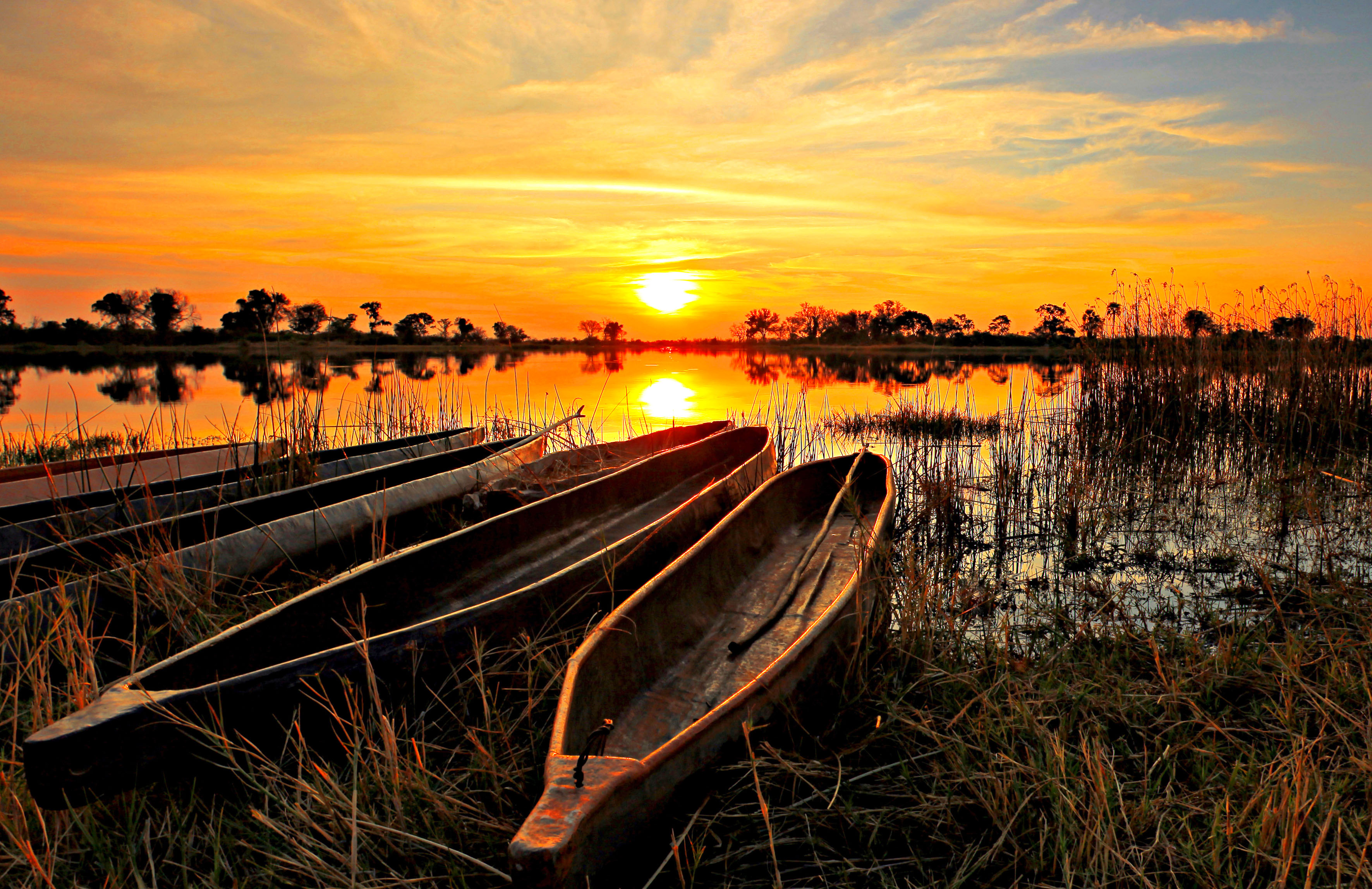
Livingstone is the perfect launchpad for Botswana safaris, as it sits just across the border from Kasane, the gateway to Chobe National Park. The most popular and accessible option is a full-day Chobe day trip, where you will cross the border and experience both a Chobe River boat cruise and a land-based 4x4 game drive
3-days-chobe-national-park-botswana-safari-tour-package-from-victoria-falls-town
6-day-best-victoria-falls-tour-chobe-and-hwange-zambia-wildlife-safari-holiday
8-days-best-zimbabwe-botswana-safari-all-inclusive-tour-package-from-victoria-falls
9-days-okavango-delta-moremi-game-reserve-chobe-river-front-and-victoria-falls-tour-package
11-days-un-comparable-best-botswana-safari-itinerary-and-optional-victoria-falls-tour
Multi-Day Botswana Luxury & Fly-In Safari Packages
4-Day Okavango Delta Fly-In Premium Escape
This concentrated, high-impact itinerary is designed for travelers who want to seamlessly transition from the thunderous roar of Victoria Falls to the tranquil, pristine wilderness of the Okavango Delta—a UNESCO World Heritage site. Leaving Livingstone, a short transfer to Kasane connects guests to a scenic light aircraft flight, offering breathtaking aerial views of the delta’s intricate, shimmering water channels before touching down at a remote, luxury tented camp. The experience focuses on exclusive, low-impact tourism in a private concession, away from the crowds.
Over two full days, the wilderness comes alive through a diverse mix of water and land-based safaris. Guests glide silently through the reed-fringed channels in a traditional mokoro (dugout canoe), providing an intimate perspective of tiny reed frogs, vibrant kingfishers, and drinking herds of elephants. Motorboat excursions venture into deeper lagoons, while morning and nocturnal 4x4 game drives track the delta’s apex predators, including lions, leopards, and African wild dogs. Evenings are spent in opulent canvas suites raised on wooden decks, featuring open-air showers and private plunge pools overlooking the floodplains. As night falls, a candlelit dinner is served under the stars on the viewing deck, followed by fireside stories and the immersive sounds of the African bush. This package perfectly maximizes limited time without compromising on comfort or the depth of the wildlife encounter.
6-Day Moremi & Chobe Linyanti Wildlife Connoisseur
For a deeper, highly dynamic wildlife experience, this 6-day itinerary bridges two distinct and ecologically rich ecosystems: the predator-rich Moremi Game Reserve and the exclusive, rugged wilderness of the Linyanti Swamps. The journey begins with a bush flight from the border area into the heart of Moremi, where the delta’s permanent waters meet the dry savannah. This creates an incredible biodiversity hotspot, ideal for tracking large prides of lions, cheetahs, and spotted hyenas. Guests stay in an elegant, eco-luxury lodge, blending guided walking safaris with traditional game drives to observe how the wildlife utilizes the seasonal floodwaters.
On day four, a scenic charter flight transfers guests north to the private Linyanti Concession, an area famous for its dramatic landscape of mopane woodlands, deep lagoons, and rivers. Linyanti is globally renowned for its massive, concentrated herds of elephants and buffaloes, alongside rare antelope species like the sable and roan. The luxury camps here offer an exceptional level of privacy and flexibility, featuring custom-designed 4x4 vehicles and specialized night drives to view elusive nocturnal species. Guests can also spend an afternoon in hidden underground photography hides, capturing spectacular, ground-level shots of wildlife visiting the waterholes undisturbed. Combining these two elite regions provides a comprehensive, contrasting look at Botswana’s finest environments, wrapped in top-tier luxury.
8-Day Ultimate Botswana Delta, Desert & Concession Expedition
The definitive luxury circuit, this 8-day expedition offers an ultimate immersion into Botswana’s most iconic and contrasting landscapes. The journey begins with a flight into the stark, breathtaking expanses of the Makgadikgadi Pans or the Central Kalahari, allowing guests to experience desert-adapted wildlife, walk with habituated meerkats, and learn ancient tracking techniques from local San bushmen. This unique desert prelude provides a stunning contrast to the next phase of the safari.
On day three, the light aircraft leaves the arid plains behind, soaring over the landscape as it transforms into the lush, vibrant green oasis of the inner Okavango Delta. Spending three nights at a premier water-focused camp, guests immerse themselves in the tranquility of mokoro excursions, boat cruises, and guided island walks, focusing on the delta's unique aquatic ecosystem. The final leg of the expedition flies guests north to a private concession bordering Chobe National Park. This area is a haven for big cats and massive elephant populations, where the focus shifts entirely to intense, high-action land safaris, tracking leopards through the riverine forests and watching lions hunt along the dry riverbeds. Staying at ultra-luxury properties that offer private chalets, personal butler service, and exceptional fine dining, this 8-day itinerary represents the absolute pinnacle of African fly-in safaris, seamlessly linking remote ecosystems with flawless logistical efficiency.
Which Botswana parks can I visit on a safari from Livingstone?
While Chobe National Park is the most accessible destination from Livingstone due to its immediate proximity across the border, it is by no means your only option. For travelers with more time, Livingstone serves as an excellent launchpad for multi-day fly-in safaris into Botswana’s deeper, more remote wilderness areas. By utilizing light aircraft charters departing from nearby Kasane Airport (just across the border), you can easily reach the world-renowned Okavango Delta, a pristine UNESCO World Heritage site famous for its labyrinth of water channels and exclusive island camps.
Additionally, these air transfers can take you into the Moremi Game Reserve, which protects the central and eastern areas of the delta and boasts incredible predator densities. For an even more exclusive experience, you can fly into the private Linyanti Concession or the Selinda Reserve, areas celebrated for their rugged landscapes, massive dry-season elephant concentrations, and wild dog populations. While a day trip restricts you strictly to the riverfront of Chobe, expanding your itinerary allows you to combine the dramatic spectacle of Victoria Falls with the complete, diverse circuit of Botswana’s elite safari destinations.
How do I get from Livingstone to the Botswana border?
Traveling from Livingstone to the Botswana border is a seamless and well-coordinated logistical process. Most tour operators handle this journey via a structured road transfer that begins directly at your Livingstone hotel or lodge. The drive takes you southwest along a well-maintained tar road toward the town of Kazungula, covering a distance of approximately 60 to 70 kilometers. This initial drive typically takes between 60 and 90 minutes, depending on early morning traffic and road conditions.
The journey culminates at the Kazungula border post, a unique geographical meeting point where four nations—Zambia, Botswana, Zimbabwe, and Namibia—nearly converge. Historically, travelers had to cross the Zambezi River via a slow pontoon ferry, which often caused significant delays. Today, the crossing is incredibly efficient thanks to the impressive Kazungula Bridge, a joint rail and road structure completed in 2021. This bridge features a one-stop border post facility, allowing passengers to exit Zambia and clear Botswana immigration smoothly. Once through customs, you will switch to a Botswana-registered safari vehicle or meet your next transfer driver to officially begin your excursion.
Do I need a visa to enter Botswana from Zambia?
Visa requirements for entering Botswana from Zambia largely depend on your nationality, but the process is straightforward for many international travelers. Citizens from a vast number of countries—including the United States, Canada, the United Kingdom, the European Union, Australia, and New Zealand—do not require a visa for tourist stays under 90 days. Instead, you will receive a standard entry stamp at the Kazungula border post. However, it is absolutely essential to verify your specific country's status with official immigration requirements before departing, as regulations can change.
Crucially, you must also look at your Zambian visa status. Since you will be leaving Zambia for the day or for a multi-day trip, you will need to re-enter the country to return to Livingstone. To avoid paying for multiple single-entry visas, it is highly recommended to secure a KAZA Univisa. This joint visa allows unlimited cross-border travel between Zambia and Zimbabwe, and covers day trips into Botswana through the Kazungula border. Lastly, ensure your passport is valid for at least six months beyond your travel dates and has plenty of blank pages for stamps.
Is a day trip from Livingstone to Botswana long enough?
Yes, a day trip from Livingstone to Botswana is absolutely long enough to deliver an exceptional, high-impact wildlife experience. Though it is a whirlwind itinerary, these excursions are meticulously structured to maximize your time, typically spanning 9 to 10 hours from pickup to drop-off. By departing Livingstone early in the morning, you clear the border just as the wildlife becomes highly active, ensuring you don’t miss prime viewing hours.
Because Chobe National Park’s northern boundary sits right along the Chobe River—merely minutes from the Kazungula border—you completely avoid long, drawn-out transit times once inside Botswana. Within moments of entering the park or boarding a river boat, you are placed directly in the middle of incredible wildlife action. The condensed timeframe is highly efficient, utilizing a split-day format that combines a river cruise with a land-based game drive. While it cannot match the deep immersion of a multi-day luxury safari, a single day provides ample opportunity to see thousands of elephants, massive buffalo herds, hippos, crocodiles, and major predators like lions, making it an ideal add-on to your Victoria Falls itinerary.
What wildlife can I expect to see in Chobe National Park?
Chobe National Park is globally celebrated for its astonishing wildlife density, meaning a single visit promises an intense and rewarding viewing experience. Most famously, Chobe is home to the largest continuous population of African elephants in the world, with estimates numbering over 50,000 individuals. During the dry season, watching these massive herds swim across the river, splash in the mud, and interact along the shorelines is an unforgettable sight.
Beyond elephants, the park supports an abundance of other large mammals. You can expect to encounter massive, moody cape buffalo herds, pods of grunting hippos, and enormous Nile crocodiles basking on the riverbanks. The park’s diverse habitats also support healthy populations of giraffes, zebras, impalas, puku, and waterbucks. This rich prey base naturally attracts top predators. Lions are frequently spotted sleeping under bushes or tracking game along the floodplains, while leopards can occasionally be seen draped over tree branches in the riverine woodlands. Spotted hyenas and even the elusive African wild dog are spotted here, while birdwatchers can marvel at over 450 avian species, including the iconic African fish eagle.
What is a "combo safari" in Chobe?
A "combo safari" is the quintessential Chobe itinerary, designed to give travelers the ultimate dual-perspective wildlife experience by splitting the day between land and water. This classic format ensures you experience the very best of Chobe National Park's unique ecosystem. Typically, the adventure begins with a morning water-based safari cruise on a specialized boat along the Chobe River. Moving by water allows you to get incredibly close to aquatic wildlife, offering unobstructed views of hippos, crocodiles, and a spectacular array of waterbirds, while watching elephants line the riverbank to drink and bathe.
Following a midday break for lunch, the second half of the combo shifts to a land-based 4x4 game drive. Guests board open-sided safari vehicles to explore the park’s rugged tracks, riverine forests, and dry mopane woodlands. This terrestrial segment expands your viewing opportunities, taking you deeper into the bush to track big cats, giraffes, zebras, and large herds of buffalo that avoid the deep water. By combining both elements into a single day, the combo safari guarantees that you don't miss out on either the river dynamics or the classic savannah tracking, making it the most comprehensive day-trip option available.
Are meals included in the safari package?
Yes, nearly all established full-day safari packages departing from Livingstone include a comprehensive lunch as part of the upfront cost. Because these day trips are highly structured, operators partner with premium riverfront properties located just outside the park gates in Kasane to provide a smooth, comfortable midday break. A frequent and popular stop is the historic Chobe Safari Lodge or similar high-end establishments like Cresta Mowana, which sit directly on the banks of the Chobe River.
The meal is typically served buffet-style, offering a wide array of options designed to cater to international palates. Guests can expect a diverse selection of hot dishes, including grilled meats, fish, and local specialties, alongside fresh salads, vegetarian options, bread, and desserts. Dining on an open-air deck overlooking the river allows you to continue soaking in the atmosphere—and often spot hippos or birds—while you eat. While lunch is covered, it is worth noting that drinks (especially alcoholic beverages or premium soft drinks) may sometimes be charged extra depending on your specific tour operator, so it is always wise to carry a little local currency or card for extras.
What time do Botswana day-safaris depart from Livingstone?
To make the absolute most of your day and beat the heat, Botswana day-safaris require a very early start. Hotel pickups in Livingstone typically begin between 06:30 AM and 07:00 AM. This early departure is highly intentional and serves two critical logistical purposes. First, it ensures that your transfer vehicle arrives at the Kazungula border post right around the time the immigration offices open, allowing your group to clear customs before the large midday tour buses and commercial trucks create bottlenecks.
Second, an early start aligns perfectly with natural wildlife behavior. Animals are at their most active during the cooler, crisp morning hours. By the time you successfully cross the border and board your morning river cruise or game drive vehicle (usually around 08:30 AM to 09:00 AM), the bush is alive. Predators are still on the move before the sun gets too hot, and herbivores are actively feeding along the river edges. While waking up early on vacation can be tough, the reward of smooth border logistics and prime, early-morning wildlife viewing makes the early alarm clock completely worthwhile.
Can I do a multi-day Botswana safari starting from Livingstone?
Absolutely. While day trips are the most famous quick excursion, Livingstone is an exceptional jumping-off point for immersive, multi-day Botswana safaris. For travelers seeking a premium experience, luxury fly-in safaris are highly popular. Operators arrange a smooth road transfer across the border to the Kasane Airport, where you board a light aircraft charter. Within an hour, you are flown deep into exclusive, private concessions within the Okavango Delta, Moremi, or Linyanti, staying at opulent, remote tented camps that offer complete privacy.
Alternatively, for those seeking a more rugged, ground-level adventure, there are excellent multi-day overland mobile camping safaris that depart from the border area. These tours utilize heavy-duty 4x4 safari vehicles to transport you into Chobe’s interior sectors, such as the famous, predator-heavy Savuti plains. You spend your nights in authentic dome tents under the stars in unfenced wilderness campsites, falling asleep to the sounds of roaring lions. Whether you choose ultra-luxury fly-in lodges or adventurous mobile camping, starting from Livingstone allows you to easily blend the iconic scenery of Victoria Falls with a deep, multi-day Botswana wilderness expedition.
What is the best time of year to do a Botswana safari from Chobe?
The absolute best time of year to undertake a Chobe safari from Livingstone is during the dry winter peak, which spans from May through October. During these months, Botswana experiences virtually zero rainfall, causing seasonal waterholes in the interior bush to completely dry up. Driven by thirst, wildlife is forced to migrate en masse toward the permanent waters of the Chobe River. This creates a spectacular concentration of game along the riverfront, offering some of the most dramatic wildlife viewing on the continent.
Furthermore, the winter weather is highly comfortable. Daytime temperatures are pleasantly warm and sunny, while the dense summer bush thins out significantly, making it much easier to spot tracking predators like lions and leopards. Within this window, August, September, and October are the absolute peak for elephant numbers, though October can become intensely hot. Conversely, the green wet season (November to April) brings beautiful lush landscapes and newborn animals, but the wildlife disperses deep into the interior woodlands, making them much harder to locate during a short safari excursion along the riverfront corridor.
Do I need specific health vaccinations for cross-border travel?
Health requirements for cross-border travel between Zambia and Botswana require careful attention, particularly regarding Yellow Fever. As a baseline rule, Botswana does not strictly require a Yellow Fever vaccination certificate for travelers arriving directly from non-endemic countries. However, because you are crossing the border from Zambia, the rules can become highly situational depending on current international health guidelines and regional border control enforcement.
If you have recently traveled through, or had a long layover in, a country officially designated as a Yellow Fever-endemic zone, Botswana border officials will strictly demand proof of vaccination. Because regional policies can fluctuate unexpectedly, many operators strongly recommend carrying a valid Yellow Fever yellow booklet just to prevent any unexpected border delays. Beyond vaccinations, Chobe and the surrounding Zambezi region are high-risk malaria zones, especially during or immediately following the rainy months. It is highly advised to consult with a travel clinic well before your trip to secure appropriate malaria prophylactics, and to consistently use insect repellent containing DEET during your day trip.
What should I pack for a Chobe day trip?
Packing smartly for a Chobe day trip requires preparing for shifting temperatures and a dynamic outdoor environment. First and foremost, wear lightweight, breathable clothing in neutral tones like khaki, green, or grey; avoid bright whites, blacks, and blues, which can attract biting insects like tsetse flies. Because early mornings on the open water or in an open-sided 4x4 can be surprisingly chilly due to the wind-chill, it is essential to dress in layers and bring a warm fleece or windbreaker jacket that you can easily discard as the sun heats up.
For sun protection, pack a wide-brimmed hat with a chin strap (to prevent it from blowing off on the boat), polarized sunglasses to cut the glare on the river, and high-SPF sunscreen. Bring a high-quality insect repellent, your passport safely secured in a waterproof bag, and any personal medications you might need. Finally, optimize your wildlife viewing by bringing a good pair of binoculars and a camera equipped with a solid zoom lens, along with extra memory cards and a fully charged battery to capture the incredible abundance of game.
Booking Botswana safaris from Livingstone with us Roads of Adventure safaris
Booking a Botswana safari from Livingstone with Roads of Adventure Safaris involves a cross-border adventure into Chobe National Park, known for its large elephant populations and big cats. Packages range from a 4-Day Livingstone and Chobe Tour to extensive, multi-day wilderness expeditions
