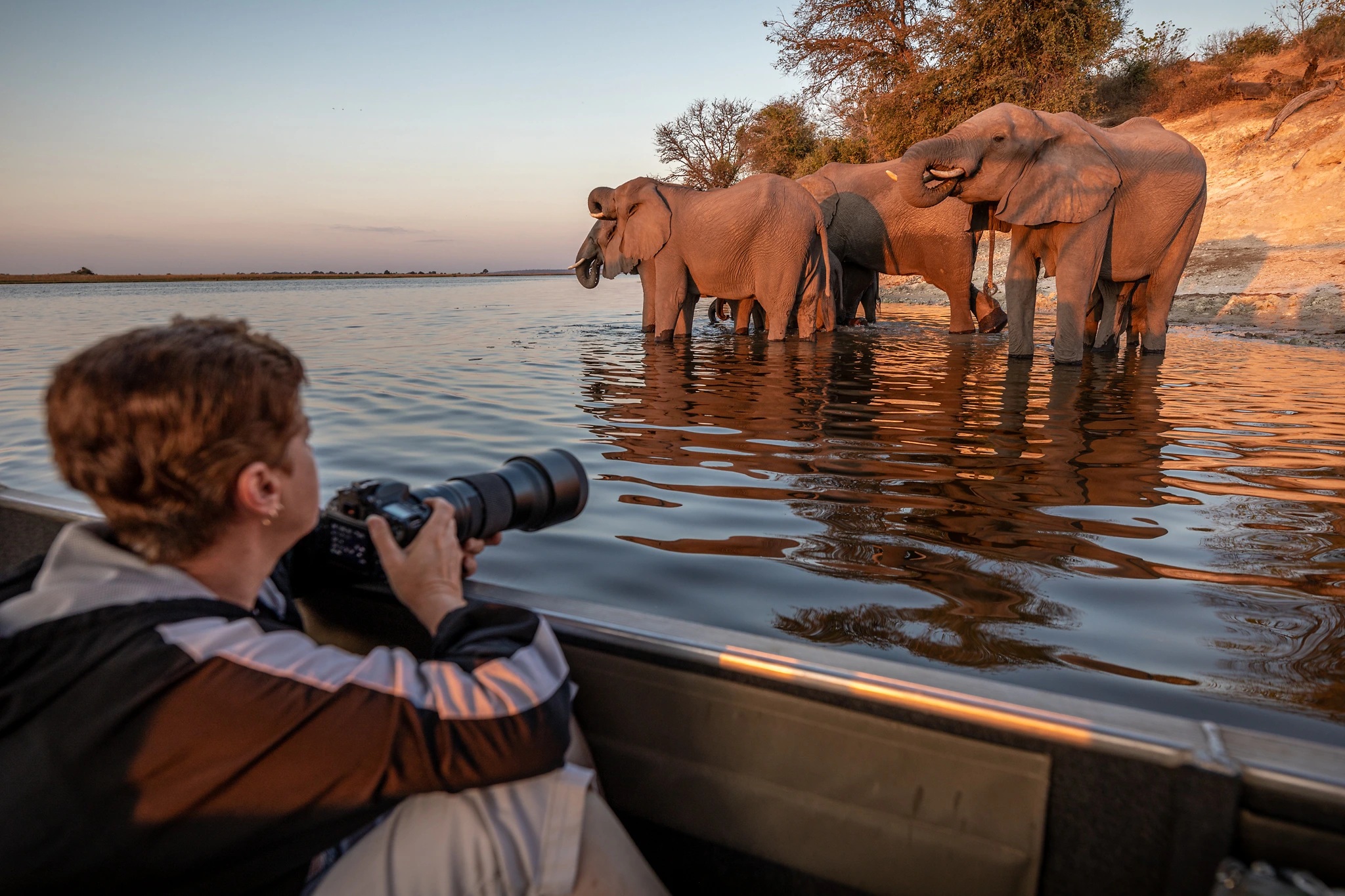
Botswana photography safari offers a premier wildlife experience defined by diverse ecosystems, from the flooded channels of the Okavango Delta to the stark salt pans of the Makgadikgadi. Unlike standard safaris, these are led by specialist photo guides who prioritize lighting, vehicle positioning, and long "sits" to capture unique animal behaviors.
21-days-exceeding-botswana-safari-itinerary-all-inclusive-tour-package
18-days-exclusive-botswana-safari-victoria-falls-and-zambia-wildlife-safari-tour
14-days-magical-botswana-wildlife-safari-holiday-trip
Okavango Delta
The Okavango Delta is a photographer’s paradise, renowned for its unique landscapes where water meets land. The intricate network of channels, lagoons, and islands provides endless creative opportunities. To fully immerse in the beauty of this region, consider exploring via traditional mokoros—dugout canoes that allow for low-angle perspectives. From these vessels, you can capture intimate shots of the rich birdlife and vibrant frogs that inhabit the lush marshes.
For those seeking a more expansive view, a doors-off helicopter flight is an exhilarating option, offering breathtaking aerial perspectives. This vantage point reveals the stunning geometric patterns of the waterways and the vastness of the delta. With the right timing, you can photograph the dramatic interplay of light and shadow, particularly during sunrise or sunset. The Okavango Delta exemplifies the essence of a Botswana photography safari, combining rich biodiversity with captivating landscapes.
Chobe National Park
Chobe National Park is famed for its enormous elephant herds and stunning riverine scenery, making it a must-visit destination for wildlife photographers. Specialized photo boats equipped with swivel seats and camera mounts provide unique eye-level perspectives of elephants as they navigate the riverbanks. This intimate approach allows for stunning close-up shots that capture the grace and enormity of these magnificent creatures.
The golden hours at sunrise and sunset provide perfect lighting conditions to highlight the animals in their natural environment. Additionally, the park’s diverse ecosystems offer opportunities to photograph a variety of wildlife, such as hippos, crocodiles, and numerous bird species. Whether you're capturing the dynamic interactions within the elephant herds or the tranquil moments of nature, Chobe National Park is essential for anyone on a Botswana photography safari.
Savuti & Linyanti
Savuti and Linyanti regions are renowned for their high predator density, making them ideal for wildlife photography enthusiasts. Home to lions, leopards, and wild dogs, this area offers exceptional opportunities to capture dramatic moments in the wild. The private concessions allow for off-road driving, enabling photographers to venture into areas that are otherwise inaccessible.
Night drives present a thrilling chance to photograph big cats under the stars, often revealing the mystery of their nocturnal behaviors. The eerie glow of spotlighting can create evocative images of these majestic animals in the twilight. Dramatic lighting during the golden hours enhances the visual narrative, highlighting the interplay between the predators and their environment. A Botswana photography safari in Savuti and Linyanti immerses you in the raw beauty of the African wilderness.
Makgadikgadi Salt Pans
The Makgadikgadi Salt Pans offer an entirely different photographic landscape that is both minimalist and striking. The expansive, stark white salt flats provide an ideal backdrop for capturing stunning landscapes and intriguing compositions. Early morning or late afternoon light casts long shadows, enhancing the textures of the salt crust.
The pans are also home to a variety of wildlife, including habituated meerkats that can be photographed at sunrise as they emerge from their burrows. Long exposure shots here can create unique star trails against the vast night sky, offering a different kind of photographic experience. The Makgadikgadi Salt Pans encapsulate the diverse beauty of a Botswana photography safari, inviting exploration of both its wildlife and mesmerizing landscapes.
What is the best time for a Botswana photography safari?
The best time for a Botswana photography safari is during the dry season, which typically runs from May to October. This period is marked by lower temperatures and scarce rainfall, leading animals to concentrate around the remaining water sources. This behavior results in increased visibility and opportunities for captivating wildlife shots.
Photographers can take advantage of this predictable animal behavior, capturing stunning images of elephants, lions, and other wildlife as they congregate at rivers and watering holes. The clear skies prevalent during the dry season also provide excellent lighting conditions, making it easier to achieve high-quality images.
Moreover, the absence of foliage in the dry months opens up views, allowing for unobstructed photography. Early mornings and late afternoons yield the best light for capturing those magical moments, such as a lioness lounging in the golden glow or elephants splashing in water.
In addition to wildlife, the dry season offers some of the best landscapes to photograph—cracked earth, waterholes, and iconic Baobab trees standing proudly against azure skies. For those wanting to showcase the raw beauty of Botswana in their photography, this period offers remarkable opportunities for dramatic compositions. In essence, the dry season is not just a time for wildlife sightings but also a period to create stunning visual narratives of the vibrant life that exists in this remarkable country.
Why choose the green season for a Botswana photography safari?
Choosing the green season, from November to April, can be equally rewarding for photographers, offering lush landscapes and dramatic skies. During this time, Botswana transforms into a vibrant tapestry of rich greens and blooming flora, providing stunning backdrops for unique photographs. The rain rejuvenates the land, drawing in a variety of wildlife, making it an ideal time to capture baby animals, which often emerge around this season.
Photographing these young animals can evoke emotional storytelling, showcasing the cycle of life and the beauty of nature's continuity. The presence of fewer tourists also translates to more peaceful settings, allowing for candid shots without the interference of crowds.
Additionally, the skies during the green season can be incredibly dynamic, featuring impressive cloud formations that add depth and drama to landscape photography. Photographers can capture breathtaking images of thunderstorms rolling across the sky or vibrant sunsets enhanced by the atmospheric conditions.
Moreover, the green season allows for unique photographic opportunities, such as capturing the contrast between rain and wildlife, or the interplay of light in a verdant environment. For creative photographers looking to produce artistic, impactful shots, the green season is a treasure trove. It invites exploration and a deeper connection with the environment, offering a contrasting yet equally enchanting experience to that of the dry season.
How many days do I need for a Botswana photography safari?
A Botswana photography safari requires a minimum of 4 to 6 nights to effectively experience the key regions, such as the Okavango Delta, Chobe National Park, and the Makgadikgadi Salt Pans. This duration allows you to immerse yourself in each area and capture a diverse range of wildlife and landscapes.
Spending at least four nights in the Okavango Delta can be particularly beneficial, as it is a highly dynamic ecosystem where wildlife interactions are rich and multifaceted. Here, you can spend time photographing not only the big game but also the extraordinary avifauna found in the region.
For a more comprehensive tour, planning for 10 or more days is ideal. This length permits travel between varied ecosystems and the chance to photograph different species in unique settings. You could also visit lesser-known areas that often provide exclusive wildlife sightings, facilitating unique photographic opportunities.
Moreover, a longer safari offers time for multiple outings, enabling you to wait for the perfect lighting and moments. Some of the best photographic opportunities arise from patience and repetition, whether waiting for a lion to emerge from the brush or capturing the subtle behaviors of birds. Ultimately, the more time you can dedicate, the richer your photography experience will be, allowing for a deeper exploration of Botswana’s breathtaking landscapes and wildlife.
Is a Botswana photography safari better than Kenya or South Africa?
A Botswana photography safari has distinct advantages that set it apart from similar experiences in Kenya or South Africa. One key aspect highlighted by Brave Africa is the presence of private concessions in Botswana, which offer fewer crowds and better opportunities for off-road driving. This means you can venture into areas that are typically less accessible, allowing for exclusive sightings of wildlife in their natural habitats.
Botswana’s commitment to conservation also plays a pivotal role in the quality of a photography safari. The country emphasizes sustainable tourism and has established vast protected areas that prioritize wildlife preservation. This not only ensures abundant wildlife but also fosters a more authentic experience, where photographers can capture creatures in pristine environments.
In comparison, while Kenya and South Africa boast notable wildlife reserves and national parks, they often experience higher tourist traffic, which can detract from the experience. Less crowded settings in Botswana afford photographers the chance to compose their shots without the distractions of other vehicles or tourists.
Overall, if you're searching for a more exclusive and immersive photography experience with unparalleled access to wildlife, Botswana stands out as an exceptional choice. The combination of lower tourist numbers, diverse landscapes, and vibrant ecosystems makes Botswana a unique and compelling destination for wildlife photography.
What is the best way to maximize photographic opportunities in Botswana?
To maximize your photographic opportunities in Botswana, consider booking a dedicated photographic safari. Such safaris utilize specialized vehicles designed for photographers, often featuring swivel seats that allow for 360-degree shooting without obstruction. These vehicles may also have low-profile setups, making it easier to position your camera for the best angles.
Engaging with experienced guides who understand both the wildlife and the needs of photographers is also crucial. They can help you strategize the best times and locations to capture specific species. These guides often have intimate knowledge of animal behaviors, allowing you to anticipate action and secure stunning shots.
Additionally, including time for discussions about techniques and post-processing can enrich your experience. Many photographic safaris include workshops or tutorials led by professional photographers to help you enhance your skills during the trip.
Furthermore, planning your excursions during the golden hours—early morning and late afternoon—can result in breathtaking photographs. The light conditions are ideal for capturing vibrant colors and dynamic shadows. Lastly, remain flexible and patient; often, the most magical photographic moments occur unexpectedly. A dedicated approach combined with the right tools and knowledge will produce extraordinary results on your Botswana photography safari.
Are specialized vehicles essential for a Botswana photography safari?
Yes, specialized vehicles are essential for a successful Botswana photography safari. These vehicles are specifically designed to enhance the photographic experience, featuring swivel chairs, open sides, and no roofs, which allow for optimal 360-degree shooting. The design helps photographers easily track wildlife without being hindered by traditional vehicle constraints.
With these vehicles, you can position yourself for the best angles, capturing dynamic shots of animals in their natural habitats. The open-top design not only facilitates better visibility but also helps to connect you with the surroundings, enhancing the experience both photographically and emotionally.
Additionally, some safari operators provide other features, such as raised platforms or adjustable seat heights, to further enhance your shooting experience. This setup minimizes vibrations and helps achieve stable images, particularly useful when using long lenses.
Another advantage of specialized vehicles is that they often allow for off-road travel. This means you can access areas where wildlife is typically found, leading to exclusive sightings and stunning compositions. According to Wild For Game Safaris, this capability is particularly important for capturing wildlife behaviors that occur outside of typical tourist routes.
Ultimately, investing in a photography-specific safari vehicle will significantly elevate your photographic opportunities, providing a unique and fulfilling experience that caters to your creative needs.
What camera gear should I bring on a Botswana photography safari?
When preparing for a Botswana photography safari, it's crucial to pack the right camera gear to maximize your photographic opportunities. A DSLR or mirrorless camera with a versatile zoom lens is essential; a 24-105mm lens is often recommended for its adaptability to various scenarios, allowing you to capture both wildlife and landscapes.
In addition to the standard zoom lens, a longer telephoto lens (such as a 100-400mm) is highly beneficial for photographing distant animals without disturbing them. This enables you to achieve stunning close-ups of wildlife, capturing details such as fur texture or the intensity in an animal’s eyes.
A wide-angle lens (ranging from 10-24mm) is also important for landscapes and to emphasize the vastness of Botswana’s unique environments. Wide shots of the vast salt pans or sprawling savannas can help in capturing the dramatic beauty of the landscape.
Furthermore, spare batteries and memory cards are essential. Safari days are long and often filled with numerous photo opportunities, so having backups will ensure you don’t miss out on spectacular moments. A sturdy camera backpack or case will help protect your gear while providing easy access during your adventures.
Ultimately, preparing well with the appropriate gear not only enhances your photographic capabilities but also enriches your overall experience during your Botswana photography safari.
How do I protect my gear during a Botswana photography safari?
Protecting your camera gear during a Botswana photography safari is essential, given the environmental challenges posed by dust, heat, and potential moisture. One effective method involves using a sarong or kikoi—a versatile piece of fabric that can cover your gear while allowing for quick access. This lightweight option is breathable and can also provide some level of cushioning against minor bumps.
Additionally, consider investing in lens caps and camera rain covers to protect sensitive equipment from unexpected weather changes or dust storms. Many professional photographers also recommend using padded cases or bags specifically designed for outdoor use, which can provide additional protection during transport.
When in the vehicle, be mindful of where you place your gear. Secure your camera with straps or in dedicated compartments to prevent any rattling or the risk of it falling. Keeping your equipment organized can help you grab it quickly when an unexpected wildlife sighting occurs.
Lastly, frequent cleaning of your gear is important. Using a soft brush to sweep away dust and debris will help prevent damage to lenses and camera sensors. If you encounter wet conditions, make sure to dry off your gear as soon as possible to avoid corrosion or malfunction. By taking these precautions, you can ensure that your camera gear remains safe and ready for action throughout your Botswana photography safari.
Should I bring a tripod on a Botswana photography safari?
While bringing a tripod may seem like a good idea for stabilizing your camera, beanbags are usually more practical in safari vehicles. Many tour operators, such as Wild For Game Safaris, provide beanbags specifically designed for photography, allowing you to rest your camera securely while capturing moving wildlife.
Beanbags are more versatile than traditional tripods, as they can be easily positioned on any surface, offering stability for shooting from a vehicle window or on uneven terrain when you’re out in the field. They also occupy less space, which can be a significant advantage in a crowded vehicle.
If you're planning to take landscape photos during your off days, a tripod might be beneficial for particular scenarios such as capturing long-exposure shots of sunsets or star trails in open areas. In general, however, the emphasis in a safari environment is often on capturing elusive wildlife moments, where mobility and speed are critical.
Ultimately, while a tripod can be an asset in specific contexts, packing a beanbag is usually a wiser choice for those on a Botswana photography safari. It offers flexibility, convenience, and efficiency, ensuring you can react quickly to wildlife sightings without sacrificing image quality.
Do I need special drones for a Botswana photography safari?
Yes, using drones during a Botswana photography safari requires permits from the Civil Aviation Authority of Botswana (CAAB). If you plan to incorporate drone photography into your experience, it’s essential to apply for these permits well in advance. The process involves submitting details about your drone, intended usage, and the areas you plan to fly in.
Once obtained, it's crucial to adhere strictly to the regulations surrounding drone usage in Botswana. This includes respecting wildlife and avoiding disturbances to their natural behaviors. Drones should not be flown near endangered species or in areas where wildlife may be sensitive to disturbances.
Additionally, be aware of the operational limitations that might be imposed based on geographical terrain and weather conditions. Some safari areas have specific rules prohibiting drone usage altogether, while others allow it under regulated circumstances. It's advisable to check with your safari operator to ensure compliance with all local regulations.
While drone photography can provide stunning aerial perspectives of Botswana's diverse landscapes, responsible usage is paramount. Always prioritize the well-being of wildlife and the ecosystem, and ensure that your aerial photography aligns with conservation efforts throughout your safari.
12. What wildlife can I expect to see on a Botswana photography safari?
On a Botswana photography safari, you can expect to encounter some of Africa's most iconic wildlife, making it a prime destination for photographers. One of the hallmarks of this region, particularly in Chobe National Park, is the exceptional sightings of elephants. This park boasts one of the largest populations of elephants in Africa, providing countless opportunities to capture their majestic presence against stunning backdrops.
In addition to elephants, Botswana is home to a diverse array of predators, including lions, leopards, and cheetahs. The vast landscapes of the Okavango Delta and Savuti offer ideal habitats for these big cats, and witnessing their natural behaviors can lead to dramatic and captivating photographs. African wild dogs, known for their striking coats and pack behavior, are also prevalent in Botswana, offering a unique subject for wildlife photography.
Birdwatchers will not be disappointed either; Botswana's varied ecosystems support abundant birdlife, from raptors to brightly colored songbirds. Notable species include African fish eagles, which can often be seen perched high in trees, and exquisite lilac-breasted rollers, known for their vibrant colors.
Whether you’re photographing elephants bathing in riverbanks, lions on the prowl, or an array of birds in flight, the wildlife diversity in Botswana creates abundant opportunities for stunning photography that reflects the true essence of African wildlife.
13. Where are the best locations for a Botswana photography safari?
Botswana offers several prime locations for photography enthusiasts, each characterized by unique landscapes and opportunities to capture diverse wildlife. The Okavango Delta is renowned for its intricate waterways and lush vegetation. As a UNESCO World Heritage Site, it provides a picturesque backdrop for water-based photography. Exploring the delta in mokoro canoes not only allows for intimate wildlife encounters but also offers unique angles and perspectives ideal for stunning photographs.
Chobe National Park, famous for its large elephant population, is another must-visit location. The Chobe River provides a stunning setting for capturing elephants as they cross the water or bathe, often framed by dramatic sunsets. The ease of access and high concentration of wildlife make Chobe a hotspot for photographers.
Savuti, located in the Linyanti region, is noted for its high densities of big cats. The area’s open plains and rocky outcrops provide excellent vantage points for wildlife photography, particularly during the dry season when animals congregate around water sources.
Lastly, the Makgadikgadi Salt Pans offer a stark, minimalist landscape that's perfect for capturing unique compositions, especially at sunrise or sunset. The play of light against the salt flats can yield dramatic images. By exploring these varied locations, photographers can create a comprehensive portfolio that showcases Botswana’s breathtaking diversity.
14. Is the Okavango Delta good for a Botswana photography safari?
Yes, the Okavango Delta is an exceptional destination for a photography safari, primarily due to its unique ecosystems and stunning landscapes. As a UNESCO World Heritage Site, the delta is known for its intricate network of waterways, lagoons, and rich biodiversity. Its idyllic scenery provides a spectacular backdrop for photography, where water meets land in captivating ways.
The ability to traverse the delta in traditional mokoro canoes allows photographers to achieve low-angle shots, capturing the vibrant flora and fauna up close. This method not only facilitates intimate wildlife encounters but also grants access to areas that larger vehicles cannot reach, presenting unique photographic opportunities.
The delta is particularly renowned for its diverse birdlife, with species ranging from the elegant African fish eagle to the colorful lilac-breasted roller. The tranquil waters also attract a variety of mammals, including hippos and elephants, which can be photographed in a serene setting.
Furthermore, the delta's shifting landscapes provide opportunities throughout the year. During the rainy season, the verdant scenery contrasts beautifully with the shimmering waters. In the dry season, animals flock to the remaining water sources, enabling exceptional wildlife photography. Overall, the Okavango Delta is a treasure trove for photographers seeking to capture the natural beauty of Botswana from a unique perspective.
15. What birds can I photograph on a Botswana photography safari?
Botswana is a birdwatcher’s paradise, boasting over 580 bird species that present countless opportunities for captivating wildlife photography. The diverse habitats across the country—from rivers and wetlands to woodlands and savanna—support a rich avifauna that varies across seasons, making the region a fascinating place for both amateur and professional photographers.
One of the standout species is the African fish eagle, which is often seen perched majestically in trees near water bodies. Their distinctive call and striking appearance make them a sought-after subject for wildlife photographers. Another beautiful bird to photograph is the malachite kingfisher, known for its iridescent plumage. Their swift movements and bright colors create dynamic and vibrant images.
The lilac-breasted roller is another iconic bird that frequently graces Botswana's landscapes. This bird's vivid colors and bold patterns make it a favorite among photographers, often inhabiting open savannas and woodlands. Other notable species include secretary birds, whose unique appearance and hunting behavior contribute to excellent photographic opportunities.
During migrations, photographers may also encounter transitory species, adding variety to their portfolios. With its varied ecosystems and rich birdlife, a Botswana photography safari offers an unparalleled chance to capture the stunning diversity of avian species, each presenting unique challenges and rewards for photographers.
16. Is it possible to photograph nocturnal animals on a Botswana photography safari?
Yes, photographing nocturnal animals during a Botswana photography safari is not only possible; it can also be an incredibly rewarding experience. Many private concessions in Botswana allow for night drives, which create excellent opportunities to encounter and photograph species that are active after dark, such as leopards, hyenas, and various species of owls.
Night drives are conducted with specialized vehicles equipped with spotlights, enabling photographers to track and capture the unique behaviors of nocturnal wildlife. The dim lighting conditions add an element of challenge, encouraging photographers to experiment with techniques like using higher ISO settings or slower shutter speeds to achieve the desired effect.
Leopards, for instance, are often spotted on nocturnal hunts, making them an exciting subject for photography. Hyenas, known for their vocalizations and social interactions, can also be more easily observed during these night outings. The elusive nocturnal birds, like owls, present additional opportunities for capturing striking images in low light.
Night photography requires specific skills and equipment, such as fast lenses and good stabilization methods to avoid blur. Nonetheless, the thrill of capturing stunning images of wildlife in their natural nighttime behaviors makes it a unique highlight of a Botswana photography safari. The combination of excitement, challenge, and the beautiful African night sky can lead to breathtaking photographs that are truly memorable.
Booking Botswana photography safari with us Roads of Adventure safaris
Experience the wild heart of Africa with Roads of Adventure Safaris. Our bespoke Botswana photography safaris take you deep into the Okavango Delta, Chobe, and Moremi, where we prioritize the perfect light and positioning for every shot.
Whether capturing the elusive leopard or the Great Elephant Migration, our expert guides understand the patience required for award-winning imagery. We offer specially adapted vehicles, small groups for unobstructed views, and luxury bush camps that keep you close to the action. From golden hour over the marshes to star-filled skies, join us to capture Botswana’s raw, untamed beauty.
