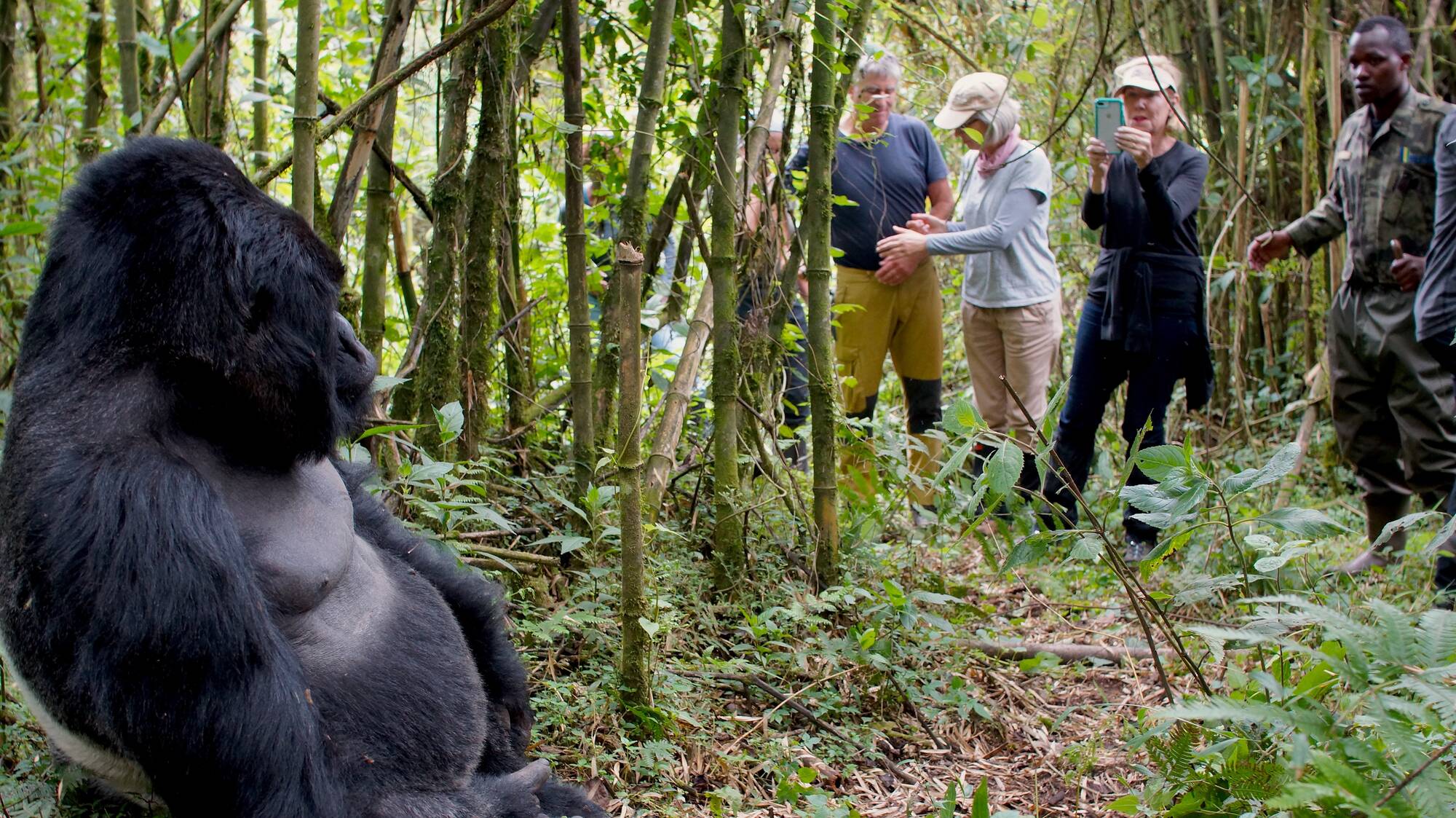
Rwanda is famous for its mountain gorillas in the misty northern volcanoes, yet just a two-hour drive east lies a completely different wilderness. Spanning 1,122 square kilometers along the Tanzanian border, Akagera National Park is Rwanda’s only protected savannah landscape.
Managed through a successful public-private partnership between the Rwanda Development Board and African Parks, this once-depleted ecosystem has experienced a dramatic revival. It is now the country’s sole home to the iconic Big Five—lions, leopards, rhinos, elephants, and buffaloes—alongside shimmering lakes and papyrus swamps. Akagera proves that Rwanda’s wildlife story stretches far beyond the high-altitude forests, offering a classic East African safari adventure just a stone's throw from Kigali.
3-days-rwanda-safari-to-akagera-national-park-combined-with-lake-ihema-boat-cruise
3-day-africa-big-five-safari-in-akagera-national-park-with-kigali-city-tour
3-days-safari-in-rwanda-akagera-national-park-game-drive-and-lake-ihema-boat-trip
4-days-akagera-safari-and-chimpanzee-tracking-rwanda-safari
4-days-volcanoes-national-park-and-akagera-rwanda-wildlife-safari
9-days-rwanda-gorilla-trekking-and-adventure-activities-and-relaxation
6-days-rwanda-safari-to-akagera-and-nyungwe-chimpanzee-tracking
Where is Akagera National Park located in relation to Kigali?
Akagera National Park is situated in the eastern province of Rwanda, directly bordering Tanzania. Located roughly 110 kilometers from the capital city of Kigali, the journey takes an estimated two hours by road, making it remarkably accessible for travelers wanting a quick transition from urban energy to wild savannah. The route winds through rolling hills, rural farming communities, and vibrant local markets, giving visitors a taste of authentic Rwandan daily life before entering the protected gates. Muzima (good) roads make the drive smooth and picturesque. This proximity allows tourists to seamlessly combine a gorilla trekking expedition in the northern volcanoes with a classic lowland game drive without enduring exhausting multi-day transit times.
What makes Akagera unique compared to Rwanda's other national parks?
While Volcanoes National Park is globally renowned for high-altitude mountain gorillas and Nyungwe Forest captivates chimpanzee seekers, Akagera stands alone as Rwanda’s only protected savannah landscape. Spanning 1,122 square kilometers, it features an ecosystem defined by rolling acacia woodlands, open grasslands, deep valleys, shimmering lakes, and expansive papyrus swamps. This diverse topography creates a habitat capable of supporting a rich array of wildlife not found anywhere else in the country. It offers visitors a traditional East African safari experience characterized by wide horizon views, large mammal herds, and complex aquatic ecosystems, diversifying Rwanda's tourism appeal far beyond dense mist-shrouded forests.
How has the management partnership transformed Akagera?
The modern ecological triumph of Akagera is credited to a visionary public-private partnership established in 2010 between the Rwanda Development Board and African Parks, a non-profit conservation organization. Decades prior, the park suffered terribly from poaching, agricultural encroachment, and post-genocide settlement pressures, leaving its wildlife populations heavily depleted. Through strict law enforcement, robust community engagement, and strategic species reintroductions, the partnership completely flipped the script. Today, Akagera functions as a fully fenced, financially sustainable, and biologically thriving sanctuary. It serves as an inspiring continental blueprint for how professional management can rescue a dying ecosystem and turn it into a world-class conservation asset.
Which animals make up the Big Five found in Akagera?
Akagera holds the prestigious title of being Rwanda’s sole home to the iconic African Big Five: lions, leopards, rhinos, elephants, and buffaloes. Seeing all five in a single ecosystem offers an authentic classic safari thrill. Buffaloes roam widely across the plains, while elephants frequently gather near water bodies to drink and bathe. Following strategic reintroduction efforts, lions and both eastern black and southern white rhinos now roam the landscape successfully. Leopards, though secretive and largely nocturnal, complete the legendary group. Spotting every member of this elite group rewards visitors with a profound sense of wilderness discovery right in the heart of the "Land of a Thousand Hills."
How were lions successfully reintroduced to the park?
Lions had been completely extirpated from Akagera by the late 1990s due to poisonings and retaliatory killings by local cattle herders. To restore ecological balance, seven lions—sourced from South Africa—were reintroduced into the park in 2015. This founding pride adapted exceptionally well, multiplying rapidly over the years through natural births and subsequent additions. Today, a healthy, self-sustaining lion population roams the northern plains, vocalizing across the night air. Their return restored the top apex predator role to the food web, naturally regulating herbivore populations and bringing a thrilling sense of wild authenticity back to Akagera's sweeping savannah vistas.
What is the story behind the return of rhinoceros to Akagera?
The journey of rhinos in Akagera is a tale of resilience. Black rhinos once thrived in the park before disappearing entirely around 2007 due to rampant poaching. To revive the species, Eastern black rhinos were reintroduced from South Africa in 2017, followed by a landmark translocation of southern white rhinos in 2021. Monitored closely by dedicated rangers and fitted with tracking telemetry, these magnificent mega-herbivores have settled safely into their protected home. Visitors tracking them on the open ground experience a rare privilege: witnessing a species brought back from local extinction thriving once again under the watchful care of Rwandan conservationists.
What aquatic wildlife thrives in Akagera’s lakes and swamps?
Water covers roughly one-third of Akagera National Park, anchored by a sprawling network of interconnected lakes—including Lake Ihema and Lake Shakani—alongside vast papyrus wetlands. These aquatic zones host massive populations of hippopotamuses and giant Nile crocodiles basking lazily along muddy banks. The swamps are crucial habitats for elusive sitatunga antelopes and the prehistoric-looking shoebill stork. Visitors taking boat safaris on Lake Ihema glide past pods of hippos huffing in the water and vibrant waterbirds nesting in the reeds, revealing a vibrant, water-driven side of the park that complements the dry savannah landscapes seamlessly.
What bird species make Akagera a paradise for birdwatchers?
With over 500 recorded bird species, Akagera is an absolute dream destination for ornithologists and casual bird lovers alike. The mosaic of habitats—savannah, woodland, lake, and swamp—attracts a diverse checklist ranging from majestic raptors to localized endemics. Notable residents include the elusive shoebill stork, papyrus gonolek, red-faced barbet, African fish eagles, and crowned cranes. During the wet season, flocks of migratory birds arrive from Europe and northern Africa, enriching the avian diversity. Whether scanning the reedbeds from a boat or spotting raptors soaring over the acacia trees, birders find endless excitement across every corner of the reserve.
What are the primary safari activities available in the park?
Akagera offers a dynamic suite of activities designed to immerse travelers deeply into its diverse environments. Classic daytime game drives explore the rolling northern plains and southern lakeshore tracks. Guided night drives provide a rare window into the nocturnal world, uncovering active leopards, hyenas, civets, and bushbabies with spotlight torches. Scheduled boat cruises on Lake Ihema get travelers close to water-bound wildlife. For active adventurers, guided nature walks, sport fishing on Lake Shakani, and unique behind-the-scenes conservation tours with park management offer educational and deeply engaging hands-on insights into modern park operations.
How does a night game drive differ from daytime viewing?
While daytime game drives focus on grazing herds, towering giraffes, and sun-basking predators, a night game drive unveils an entirely hidden ecosystem. Setting off just as twilight falls with an armed park ranger and a specialized spotlight, visitors enter a realm ruled by shadows and glowing eyes. Nocturnal creatures like elusive leopards, spotted hyenas, servals, genets, and large-eyed bushbabies emerge to hunt or forage. The acoustic landscape changes dramatically too, filled with the calls of nightjars and owls. It injects an element of mystery and high excitement into the safari itinerary, showcasing biodiversity that strictly avoids the equatorial sun.
What is the experience of taking a boat safari on Lake Ihema?
A boat safari on Lake Ihema stands out as one of Akagera’s most peaceful yet thrilling excursions. Gliding quietly across the calm surface, guests are treated to unobstructed eye-level views of massive Nile crocodiles sliding into the water and dense pods of hippos snorting and splashing nearby. The shoreline teems with waterbuck, impalas, and elephants coming down for a late afternoon drink. Overhead and among the papyrus fringes, fish eagles, kingfishers, and cormorants hunt with precision. It offers a refreshing alternative to vehicle-based game viewing, allowing travelers to experience the park's tranquil aquatic heartbeat at a slow, mesmerizing pace.
Which herbivore species are commonly spotted across the savannah?
Beyond the majestic Big Five, Akagera’s open plains and woodlands support a thriving abundance of diverse herbivore species. Graceful Maasai giraffes browse leisurely on high acacia branches, while herds of Burchell's zebras graze alongside stately topi, elands, and defassa waterbucks. Playful warthogs trot through the grass with their tails held high, and nimble impalas bound gracefully across tracks at the slightest sound. This rich tapestry of prey species not only animates the landscape with constant movement but also sustains the park's reintroduced apex predators, creating a balanced, fully functioning ecological food web for visitors to witness.
How does Akagera benefit local communities living around its borders?
Conservation in Akagera operates on the philosophy that a park must benefit its human neighbors to survive. A significant percentage of park revenues are directly funneled back into surrounding community development projects, funding local schools, clean water initiatives, health clinics, and agricultural support programs. Furthermore, the park acts as a major regional employer, providing jobs for local guides, rangers, lodge staff, and fence attendants. Initiatives like the "Walk the Line" community tour give visitors a chance to meet local fence monitors, fostering deep cultural appreciation and ensuring local residents view the protected park as a valuable community asset.
What accommodation options are available within and around the park?
Akagera caters to a wide spectrum of traveler budgets and comfort desires, featuring options ranging from rustic wilderness camping to ultra-luxury lodges. High-end sanctuaries like Ruzizi Tented Lodge offer eco-friendly luxury nestled discreetly along the shores of Lake Ihema, blending modern comforts with raw wilderness. For a remote, authentic bush experience, Karenge Bush Camp sits in the northern sector, offering seasonal tented accommodation under the stars. Additionally, budget-friendly campsites are available for self-drivers, while various comfortable lodges just outside the park gates provide excellent hospitality, ensuring every visitor finds a fitting resting place after an exciting day on safari.
Can visitors do a self-drive safari in Akagera?
Yes, Akagera is famously one of the few national parks in East Africa where visitors have the freedom to conduct a self-drive safari. Travelers can rent a robust 4x4 vehicle in Kigali, enter through the southern Mutumba Gate, and explore the park's network of well-marked tracks at their own leisure. While self-driving offers incredible flexibility and a sense of personal adventure, hiring an experienced local freelance guide at the park entrance is highly recommended. Local guides bring invaluable tracking skills, intimate knowledge of recent animal movements, and expert spotting eyes that dramatically increase the chances of finding elusive wildlife.
How does Akagera contribute to Rwanda's broader tourism strategy?
Rwanda's national tourism framework strategically focuses on high-value, low-impact conservation tourism. While Volcanoes National Park anchors luxury gorilla trekking and Nyungwe captures primate enthusiasts, Akagera completes the national trifecta by supplying the missing savannah and Big Five safari component. This synergy allows the Rwanda Development Board to market the country as a multi-faceted destination where a traveler can track mountain gorillas in the misty mountains one day and track lions across open grasslands the next. By diversifying attractions, Akagera increases average tourist stay durations and bolsters national conservation revenue significantly.
What measures are in place to ensure visitor safety in the park?
Visitor safety is treated with utmost priority in Akagera. The entire park boundary is secured by a sturdy, predator-proof electric fence measuring over 120 kilometers long, which prevents dangerous wildlife from wandering into human settlements and keeps unauthorized access controlled. Game drives and activities are strictly regulated by park management protocols, requiring armed, highly trained park rangers to accompany night drives, boat trips, and walking excursions. Clear park rules—such as remaining inside vehicles during game drives except at designated picnic sites—ensure harmonious, safe co-existence between thousands of annual visitors and the wild residents.
How does Akagera compare to larger East African reserves like the Serengeti or Maasai Mara?
While Akagera cannot match the sheer sprawling scale or million-plus wildebeest migration numbers of massive ecosystems like the Serengeti or Maasai Mara, it offers an intimately rewarding, crowd-free alternative. Its compact 1,122 square kilometers mean wildlife sightings are concentrated, varied, and frequently intimate without bumper-to-bumper tourist vehicle queues. The stunning combination of rolling hills, calm lakes, and lush wetlands gives Akagera a unique scenic charm. For travelers seeking a rich, unhurried Big Five safari experience combined with effortless travel logistics, Akagera punches far above its weight class.
What is the best time of year to visit Akagera National Park?
The ideal time to visit Akagera depends on individual travel preferences, though the dry seasons generally offer the easiest game viewing. The long dry season stretching from June to September features short grass, dry tracks, and animals concentrating heavily around shrinking water sources, making wildlife spotting straightforward. A short dry spell also occurs from mid-December to mid-February. Conversely, the rainy seasons (March to May and October to November) transform the park into a lush, emerald paradise with dramatic skies, abundant newborn animals, and exceptional birding opportunities due to migratory arrivals, though tracks can become muddy.
Why should you book your Akagera adventure with Roads of Adventure Safaris?
Embarking on your Rwandan wilderness journey with Roads of Adventure Safaris guarantees an impeccably planned, safe, and deeply enriching safari experience. Known for exceptional professional integrity and a profound passion for African travel, our expert team handles every logistical detail—from securing park permits and 4x4 transport to booking luxury eco-lodges. Whether you wish to seamlessly combine Akagera's Big Five savannah with gorilla trekking in Volcanoes National Park or craft a bespoke family holiday, our knowledgeable local guides ensure every moment is memorable. Contact Roads of Adventure Safaris today to craft your dream East African getaway!