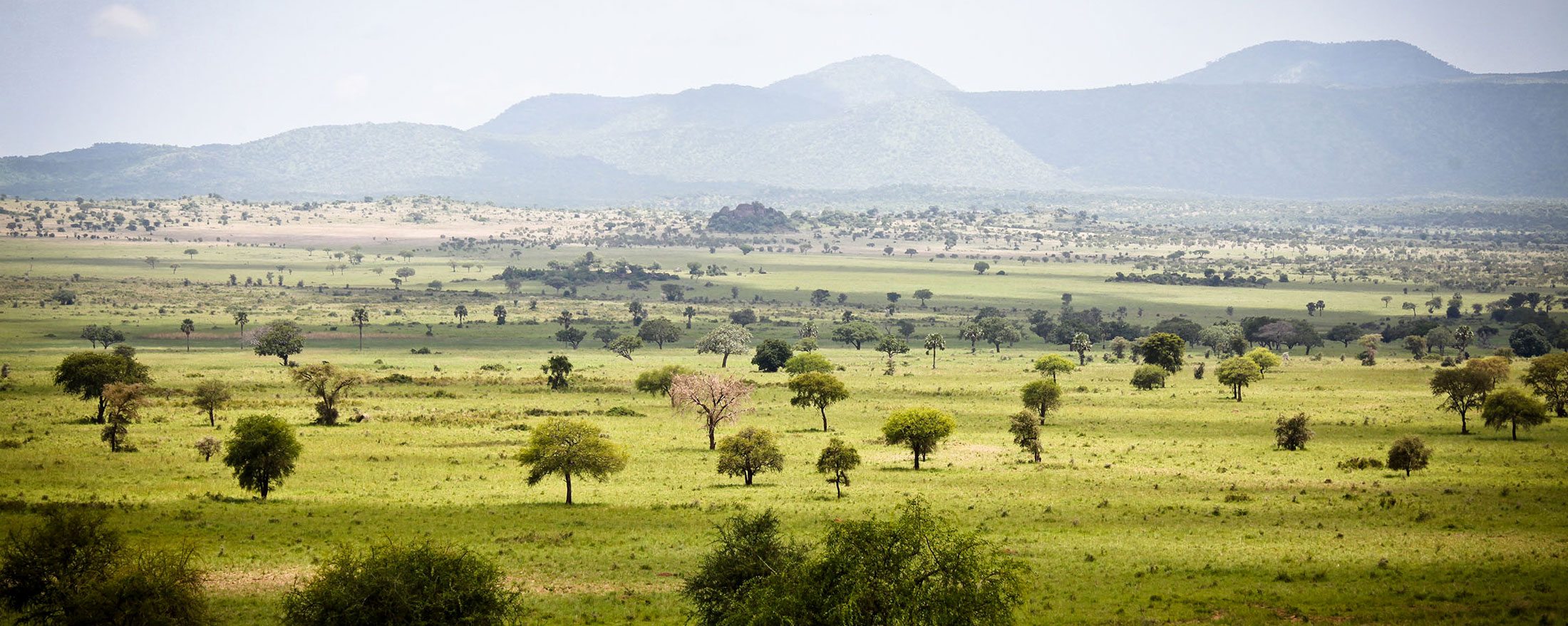
The best time to visit Kidepo Valley National Park is during the dry season from September to March for excellent wildlife viewing, as animals concentrate around waterholes with less vegetation. However, if you're interested in birdwatching or prefer lush green scenery, the wet season from April to August is ideal, offering lower temperatures and beautiful landscapes
Popular Uganda safari tour packages to Kidepo valley national park
3-days-uganda-safari-itinerary-to-kidepo-valley-national-park
5-day-best-safaris-to-uganda-kidepo-and-murchison-falls-national-parks
5-days-kidepo-valley-uganda-safari-via-ziwa-rhino-sanctuary
6-days-best-of-murchison-and-kidepo-uganda-safari-via-ziwa
7-days-murchison-falls-uganda-safari-trip-via-ziwa-rhinos-kidepo-valley-and-jinja
5 best lodges to sleep in on a safari in Uganda
.
Dry Season (September to March)
Best for Wildlife Viewing
The dry season, spanning from September to March, is considered the best time for wildlife viewing in Kidepo Valley National Park. During this period, animals are more easily spotted due to the sparse vegetation that results from the lack of rain. As water sources become limited, wildlife congregates around rivers and waterholes, making it easier for visitors to observe various species. This concentration of animals provides excellent opportunities for photographers and wildlife enthusiasts alike to capture breathtaking moments.
In addition to large mammals such as elephants, giraffes, and buffalo, the dry season also offers the chance to see predators like lions and leopards, who are more active around these concentrated watering holes. The clear visibility allows for better sightings and a more rewarding safari experience. Birdwatchers will also benefit, as migratory birds can be spotted alongside resident species.
Overall, the dry season enhances the chances of witnessing exciting wildlife interactions and behaviors, making it a preferred time for many travelers looking to experience the rich biodiversity of Kidepo Valley National Park.
Weather: Sunny with Clear Skies
The weather during the dry season in Kidepo Valley National Park is characterized by sunny days and clear skies, creating ideal conditions for outdoor activities. With minimal rainfall, visitors can expect bright, sunny mornings and warm afternoons, perfect for game drives and nature walks. The consistent weather enhances the overall safari experience, allowing travelers to fully enjoy the stunning landscapes and wildlife.
Temperatures can vary, with daytime highs often reaching into the mid-30s Celsius (mid-90s Fahrenheit). Nights can be cooler, especially at higher elevations, so having layers is advisable for comfort. The lack of rain means that the park's roads are generally more accessible, making it easier to navigate and explore different areas of the park.
However, the sun's intensity can lead to hot and dusty conditions, particularly from December to February. Travelers should be prepared with sun protection, such as hats, sunglasses, and sunscreen, to avoid sunburn. Staying hydrated is also crucial during this period. Overall, the sunny and clear weather of the dry season offers a fantastic backdrop for a memorable safari in Uganda.
Considerations: Hot and Dusty Conditions
While the dry season in Kidepo Valley National Park offers excellent wildlife viewing opportunities, it is essential to consider the potential challenges posed by hot and dusty conditions. From December to February, temperatures can soar, often exceeding 35 degrees Celsius (95 degrees Fahrenheit). This heat can lead to fatigue, making it crucial for travelers to take appropriate measures to stay cool and comfortable while exploring the park.
The dry season also brings dust, which can be a nuisance during game drives, especially on unpaved roads. Travelers should be prepared with appropriate clothing, such as lightweight, breathable fabrics that cover the skin to protect against sun exposure and dust. Additionally, wearing a hat and sunglasses can help shield against the sun's rays.
Despite these challenges, the dry season remains a popular time for safaris due to the unparalleled wildlife viewing opportunities it presents. With a little preparation and awareness of the conditions, travelers can enjoy an unforgettable adventure in Kidepo Valley National Park. Staying hydrated, taking breaks during the hottest parts of the day, and embracing the environment will enhance the overall safari experience.
Wet Season (April to August)
Best for Birdwatching
The wet season in Kidepo Valley National Park, from April to August, is an exceptional time for birdwatching. During this period, the park becomes a vibrant habitat, attracting a plethora of migratory bird species. Many birds travel from Europe and other regions to spend the warmer months in Uganda, making it an ideal destination for bird enthusiasts. With over 476 species recorded in the park, visitors can expect to see everything from colorful sunbirds to majestic raptors.
The lush vegetation that springs to life during the wet season provides not only food but also shelter for various bird species, enhancing the chances of sightings. The increased insect activity during this time attracts insectivorous birds, adding to the diversity of species observed. Birdwatchers can enjoy the melodious calls of songbirds and the sight of vibrant plumage, making each outing a rewarding experience.
With fewer tourists during this season, birdwatchers can enjoy quieter moments in nature, allowing for more intimate and undisturbed observations. Overall, the wet season offers a unique opportunity to witness the rich avian life of Kidepo Valley, making it a prime time for birdwatching enthusiasts.
Weather: Pleasant and Green
The weather during the wet season in Kidepo Valley National Park is generally pleasant, providing a welcome respite from the oppressive heat of the dry season. The temperatures are milder, typically ranging from 20 to 30 degrees Celsius (68 to 86 degrees Fahrenheit), making outdoor activities more enjoyable. The cooler weather creates ideal conditions for exploring the park, whether through game drives or guided nature walks.
One of the most striking features of the wet season is the transformation of the landscape. The rains bring vibrant green scenery, revitalizing the park's flora and creating a lush environment that is breathtaking to behold. This beautiful greenery not only enhances the aesthetic appeal but also supports a diverse range of wildlife, as plants flourish and food sources become abundant.
However, travelers should be prepared for occasional rain showers, which can be unpredictable. These showers often occur in the late afternoon or evening, so planning activities during the drier parts of the day is advisable. Overall, the pleasant weather and stunning green scenery of the wet season create a picturesque backdrop for an unforgettable safari experience in Kidepo Valley.
Considerations: Wildlife Dispersal and Visibility
While the wet season in Kidepo Valley National Park is a fantastic time for birdwatching, it does come with certain challenges for wildlife viewing. As the rains fill the water sources, animals disperse across the park to access richer feeding grounds, often moving to higher ground. This dispersal can make it more challenging to spot wildlife, as animals are not concentrated around the few remaining waterholes.
Additionally, the longer grass that flourishes during the wet season can obscure views of animals, making them harder to see from vehicles. Game drives may require more patience and keen eyes as you scan the landscape for movement among the tall grasses. Guides are invaluable during this time, as their expertise can help locate animals that might otherwise go unnoticed.
Despite these challenges, the wet season offers a unique opportunity to experience the park's vibrant ecosystem. With a little flexibility and the right mindset, visitors can still enjoy thrilling wildlife encounters and appreciate the beauty of Kidepo Valley. Embracing the season's challenges can lead to unexpected rewards, making for a memorable safari experience in Uganda.
Things to Consider When Planning Your Safari to Kidepo Valley National Park
Wildlife Concentration
One of the key factors to consider when planning your safari is wildlife concentration. During the dry season, animals tend to gather around water sources, particularly in areas like the Narus Valley. This makes it significantly easier to spot large herds of elephants, buffalo, and predators such as lions and cheetahs. If your primary goal is to witness wildlife, scheduling your visit during this time will maximize your chances of memorable sightings.
Photography
Photography enthusiasts should think about the seasonal differences in scenery. The wet season offers a lush, green backdrop that enhances the beauty of the park, making it ideal for stunning landscape photography. Conversely, the dry season boasts clear skies and excellent visibility, perfect for capturing wildlife in action against a bright blue sky. Depending on your photography goals, you may want to choose your timing accordingly.
Comfort
Consider your comfort level with temperatures when planning your visit. The wet season generally provides a milder climate, which can be more pleasant compared to the often-scorching heat of the dry season. If you prefer a cooler environment, the wet months may be the better choice for you.
Birdwatching
Birdwatching is another consideration. While both seasons offer opportunities for birding, the wet season is particularly exceptional for spotting migratory birds. Many species flock to Kidepo during this time, making it a paradise for bird enthusiasts. If birdwatching is high on your agenda, plan your trip to coincide with the wet months for the best experience.
By taking these factors into account, you can tailor your safari experience to align with your interests and preferences, ensuring a fulfilling adventure in Kidepo Valley National Park.
Best time to visit Kidepo valley national park on a Uganda safari tour Month by Month
January
January is one of the peak months to visit Kidepo Valley National Park, making it an ideal time for a Uganda safari tour. The dry conditions mean that animals are easier to spot as they congregate around limited water sources. The park's landscape is still relatively lush from the previous rains, providing a beautiful backdrop for wildlife viewing. The temperatures are typically warm, often reaching the mid-30s Celsius (mid-90s Fahrenheit), making early morning and late afternoon game drives particularly rewarding.
This month is also favorable for birdwatching, as many migratory species are still present. The clear skies and abundant sunshine enhance visibility, allowing for excellent photographic opportunities. However, it can be hot and dusty, especially towards the end of the month, so travelers should be prepared with sun protection and plenty of water.
January is less crowded than some other peak months, offering a more intimate safari experience. With a combination of vibrant landscapes and abundant wildlife, visiting Kidepo Valley in January promises an unforgettable adventure.
February
February continues the dry season, making it another excellent month for visiting Kidepo Valley National Park. Wildlife viewing is at its peak, as animals are concentrated around water sources, making them easier to spot. The warm temperatures, often reaching up to 35 degrees Celsius (95 degrees Fahrenheit), provide ideal conditions for early morning and late afternoon game drives.
This month also benefits from fewer tourists compared to the high season, allowing for a more personalized safari experience. The clear skies and beautiful sunsets create perfect conditions for photography enthusiasts looking to capture the stunning landscapes and wildlife.
However, travelers should be prepared for the heat and dusty conditions that can characterize this time of year. Staying hydrated and planning activities during the cooler parts of the day is essential. February is also a great time for birdwatching, as migratory birds are still present, adding diversity to the avian life in the park. Overall, February offers a fantastic combination of wildlife viewing and pleasant weather, making it a top choice for a safari in Uganda.
March
March marks the transition from the dry season to the wet season in Kidepo Valley National Park. Early in the month, wildlife viewing remains excellent, with animals still concentrated around water sources. The temperatures begin to moderate slightly, making outdoor activities more comfortable. As the month progresses, the first rains typically arrive, bringing a refreshing change to the landscape.
The onset of rain leads to vibrant green scenery, transforming the park’s environment and revitalizing the flora. This change attracts various wildlife species and enhances the overall beauty of the park. Birdwatching also becomes increasingly rewarding, as migratory birds return, and resident species become more active.
However, as the rains begin, conditions can vary. Travelers may encounter occasional downpours, which can affect accessibility to certain areas of the park. Longer grass may also make spotting animals more challenging as wildlife disperses to find food. Despite these considerations, March offers a unique experience, combining the tail end of the dry season's wildlife viewing with the beauty of the emerging wet season.
April
April is the beginning of the wet season in Kidepo Valley National Park, and it is considered an excellent time for birdwatching. Migratory birds are in full swing, making this month particularly rewarding for avian enthusiasts. The park’s landscapes transform into a lush green paradise, creating stunning backdrops for photography and exploration.
While wildlife viewing can be more challenging during this month, as animals disperse to find food in the abundant vegetation, there are still opportunities to spot various species. The milder temperatures, typically ranging from 20 to 30 degrees Celsius (68 to 86 degrees Fahrenheit), make outdoor activities pleasant, allowing visitors to enjoy the park without the oppressive heat of the dry season.
However, travelers should prepare for occasional rain showers, which can make navigating some roads more difficult. Despite this, the beauty of the park during April, along with the vibrant birdlife, offers a unique and rewarding experience. Overall, April is an excellent month for those seeking a quieter safari experience combined with exceptional birdwatching opportunities.
May
May is a prime month for birdwatching in Kidepo Valley National Park, as the wet season is in full swing. The park is lush and green, creating an idyllic setting for exploring its diverse ecosystems. Migratory birds are still present, and many resident species are active, making it a fantastic time for bird enthusiasts to observe a wide variety of avian life.
While wildlife spotting can be more challenging due to the longer grass and dispersed animal populations, the park's stunning landscapes and vibrant flora provide a different kind of beauty to appreciate. The temperatures are generally mild, ranging from 18 to 28 degrees Celsius (64 to 82 degrees Fahrenheit), making outdoor activities enjoyable.
Travelers should be prepared for rain, as May often sees increased precipitation. This can affect accessibility to certain areas, so having a flexible itinerary is advisable. Despite these challenges, the enhanced biodiversity and stunning scenery make May a rewarding time for visitors looking to immerse themselves in the natural beauty of Kidepo Valley. Overall, it’s a month that combines the wonders of birdwatching with the charm of a lush, vibrant landscape.
June
June continues the wet season in Kidepo Valley National Park, offering a unique and beautiful experience for visitors. The park is vibrant and lush, providing a stunning backdrop for exploration. Birdwatching remains excellent, as migratory species are still present, and many resident birds are actively nesting and feeding. The rich avian life adds a delightful dimension to any safari experience.
Wildlife viewing can be more challenging during this month, as animals spread out in search of food across the newly green landscape. However, the cooler temperatures, typically ranging from 15 to 25 degrees Celsius (59 to 77 degrees Fahrenheit), make for comfortable conditions during game drives and nature walks. The rain showers are generally lighter than in May, though occasional downpours can still occur.
Travelers should be prepared for muddy conditions, which might affect accessibility to certain areas of the park. Despite these considerations, the beauty of the lush landscape, combined with the rich biodiversity, makes June an excellent time for those looking to experience the park’s natural wonders and enjoy quieter safari conditions.
July
July is a great month to visit Kidepo Valley National Park, as the wet season begins to taper off, leaving behind a lush and vibrant landscape. Birdwatching continues to be a highlight, with many migratory birds still present, making it an ideal time for bird enthusiasts. The park’s rich biodiversity offers ample opportunities to observe various species in their natural habitats.
While wildlife spotting can still be challenging due to the longer grass and dispersed animal populations, the cooler temperatures, typically ranging from 15 to 25 degrees Celsius (59 to 77 degrees Fahrenheit), make outdoor activities enjoyable. The park is less crowded during this time, allowing for a more intimate safari experience.
As July progresses, the likelihood of rain decreases, and the conditions become more favorable for wildlife viewing. The scenery is still stunning, with green vegetation providing excellent photographic opportunities. Travelers should remain flexible with their plans, as some areas may still be muddy. Overall, July offers a great combination of comfortable weather, vibrant landscapes, and the chance to experience Kidepo Valley’s incredible wildlife and birdlife.
August
August is one of the best months to visit Kidepo Valley National Park, as the wet season comes to a close and the park begins to dry out. The lush green landscapes still linger, providing a beautiful backdrop for exploration. Wildlife viewing improves significantly during this time, as animals start to regroup around water sources, making it easier to spot various species, including elephants, giraffes, and predators.
Birdwatching remains excellent, with many migratory birds still present, providing ample opportunities for bird enthusiasts. The weather during August is typically mild and pleasant, with temperatures ranging from 15 to 28 degrees Celsius (59 to 82 degrees Fahrenheit), making it comfortable for outdoor activities.
As the park's roads become more accessible, visitors can explore different areas without the challenges posed by the wet season. The stunning landscapes, combined with the presence of diverse wildlife and birdlife, make August a fantastic time for a safari in Uganda. Overall, this month offers a wonderful combination of favorable wildlife viewing conditions, pleasant weather, and stunning scenery, ensuring a memorable safari experience in Kidepo Valley National Park.
Where to Sleep in Kidepo Valley National Park on a Safari in Uganda
Kidepo Valley National Park offers a variety of accommodation options to cater to different budgets and preferences. For a luxurious experience, Apoka Safari Lodge features elegant chalets with stunning views, a swimming pool, and fine dining. The lodge's proximity to wildlife provides excellent opportunities for viewing animals right from your room.
For mid-range options, consider Kidepo Savannah Lodge, which offers comfortable tented accommodation with en-suite bathrooms and beautiful views of the savanna. The lodge provides a more intimate experience while still offering essential amenities.
If you're on a budget, UWA Bandas and campsites within the park offer basic but cozy accommodations, perfect for those looking to experience nature up close. Regardless of where you stay, each option provides unique opportunities to immerse yourself in the park's incredible wildlife and stunning landscapes.
What to Pack for Safari in Uganda's Kidepo Valley National Park
Packing wisely for your safari in Kidepo Valley National Park is essential for a comfortable and enjoyable experience. Start with lightweight, breathable clothing in neutral colors to blend into the natural environment. Long sleeves and pants help protect against sunburn and insect bites, especially during dawn and dusk when wildlife is most active.
Don’t forget a good pair of binoculars for wildlife viewing and a camera to capture the stunning scenery. A wide-brimmed hat, sunglasses, and sunscreen are crucial for sun protection.
In your daypack, include essentials like a refillable water bottle, insect repellent, and a small first-aid kit. If you plan to go birdwatching, bring a field guide specific to the region. Lastly, a light jacket or sweater is advisable for cooler evenings. By packing thoughtfully, you can ensure a more enjoyable and safe safari experience.
Booking a Safari in Uganda with Us at Roads of Adventure Safaris
Booking your safari in Uganda with Roads of Adventure Safaris guarantees a well-organized and unforgettable experience tailored to your needs. Our team of experts is committed to crafting the perfect itinerary that aligns with your interests, whether you're looking for luxury or budget-friendly options.
We handle all logistical arrangements, including transportation, accommodation, and guided safari activities, ensuring that your focus remains on enjoying the breathtaking landscapes and diverse wildlife. Our tours can be customized to include game drives, cultural experiences, and adventure activities that make your safari truly unique.
To secure your safari, a deposit is required, and we offer flexible payment options for your convenience. Reach out to us today to start planning your adventure in Uganda, where incredible wildlife and stunning vistas await. Experience the magic of Kidepo Valley National Park with Roads of Adventure Safaris and create memories that will last a lifetime
