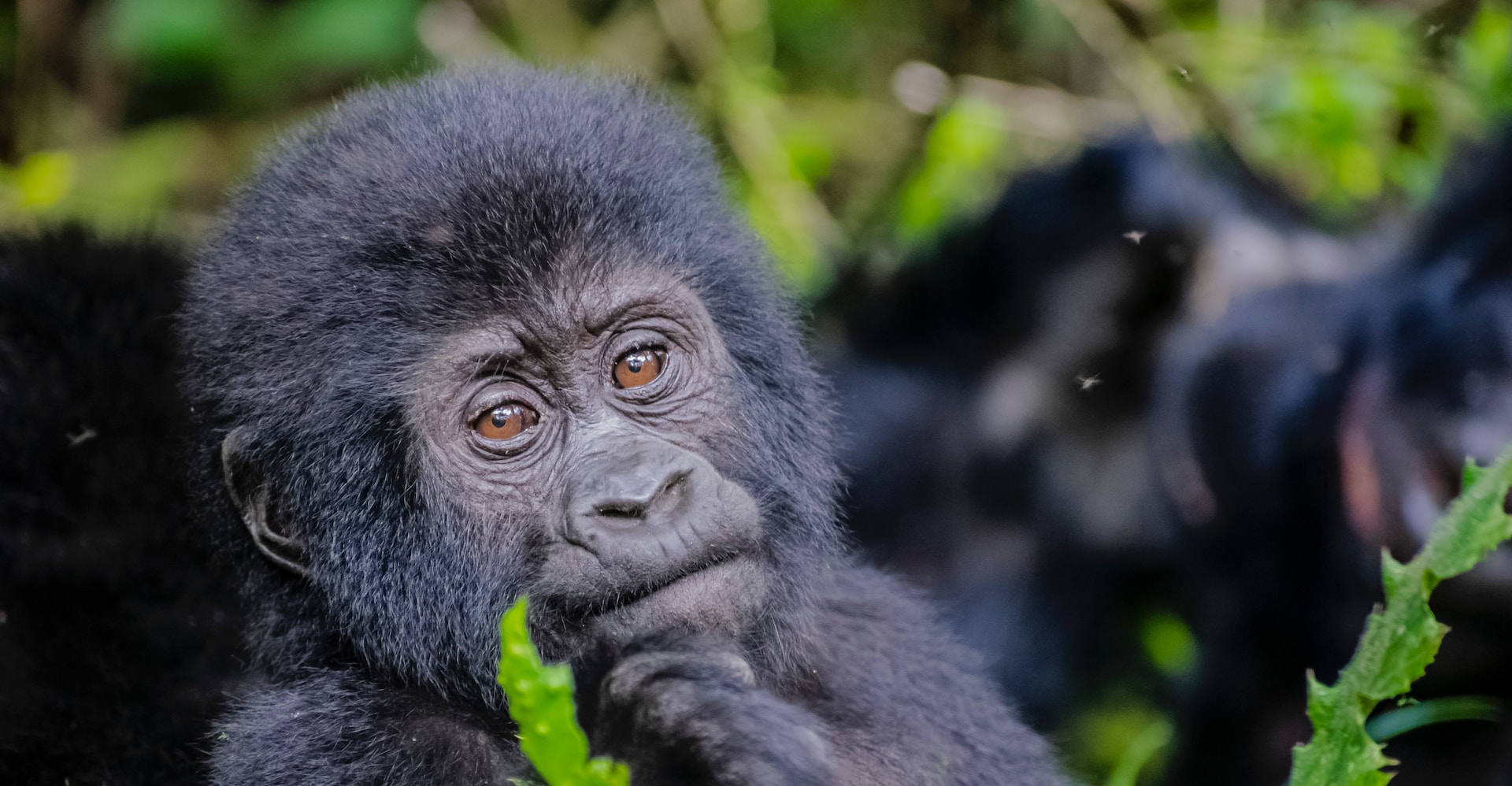
Finding the Best Africa safari trips is more than just a vacation; it is a profound immersion into the world’s most spectacular wilderness. Whether you are witnessing the thundering herds of the Great Migration in the Serengeti or tracking elusive mountain gorillas through the mist-covered forests of Rwanda, these journeys offer unparalleled encounters with nature. The Best Africa safari trips balance thrilling wildlife sightings with world-class hospitality, ranging from rugged mobile camping under the stars to ultra-luxurious lodges featuring private plunge pools. From the water-drowned plains of the Okavango Delta to the iconic red dunes of Namibia, every destination provides a unique lens through which to view the "Big Five." Selecting the Best Africa safari trips involves matching your personal sense of adventure with the diverse ecosystems and seasonal rhythms of this vast, vibrant continent.
3-days-budget-chimpanzee-tracking-in-nyungwe-forest-park
4-days-nyungwe-chimpanzee-trekking-canopy-walk-and-lake-kivu-relaxation
4-days-akagera-safari-and-chimpanzee-tracking-rwanda-safari
6-days-rwanda-safari-to-akagera-and-nyungwe-chimpanzee-tracking
9-days-best-family-rwanda-safari-holiday-big-five-canopy-walk-and-chimpanzee
5-days-gorilla-and-uganda-safari-and-golden-monkey-trekking-tour-from-kigali
5-days-un-matched-uganda-gorilla-safari-and-chimpanzee-tour-itinerary
6-days-gorilla-and-uganda-safari-to-see-big-five
7-day-ultimate-uganda-primate-safari-chimpanzees-and-game-drives
19-days-incredible-uganda-safari-tour-big-five-chimpanzees-and-mountain-gorillas
14-days-uganda-and-rwanda-safari-tour-itinerary
12-days-perfect-rwanda-uganda-gorilla-trekking-safari-holiday-vacation
1. What are the Best Africa Safari Trips for First-Time Travelers?
For first-time travelers to Africa, selecting the right safari experience can set the tone for an unforgettable adventure. South Africa's Kruger National Park comes highly recommended due to its well-developed infrastructure, making it accessible and comfortable for newcomers. The park is home to the "Big Five"—lions, leopards, elephants, buffalo, and rhinos—which can be spotted during guided drives or self-guided tours. The abundance of lodges ranging from budget to luxury ensures that visitors can find accommodation suitable for their needs.
Kenya’s Masai Mara, on the other hand, captivates with its iconic savanna landscapes and the vibrant culture of the Maasai people. This region is famous for its annual migration of wildebeest and zebras, known as the Great Migration, occurring between July and October. The opportunity to witness this spectacular event makes it a compelling choice for first-timers.
Both destinations offer options for guided tours, ensuring travelers can experience wildlife sightings with knowledgeable guides. Each park presents unique ecosystems, which allows visitors to engage with Africa’s rich biodiversity actively. Additionally, the combination of culture, scenic beauty, and thrilling wildlife encounters makes Kruger and Masai Mara ideal starting points for first-time safari-goers looking to immerse themselves in the African experience.
2. When is the Ideal Time to Go on the Best Africa Safari Trips?
Timing your safari can significantly enhance the overall experience. For Southern Africa, the dry season (May to October) is considered the best time for wildlife viewing in iconic destinations like Kruger National Park and Etosha National Park. During this time, water sources diminish, forcing animals to congregate around remaining waterholes, making them easier to spot. The vegetation also thins out, providing clearer views of wildlife.
In East Africa, the ideal time to visit is from June to October. This period coincides with mild weather and the peak of the Great Migration in the Masai Mara, where millions of wildebeests and zebras cross the plains, pursued by predators. The spectacle offers photographers and wildlife enthusiasts breathtaking opportunities for capturing memorable moments.
While these peak periods offer enhanced sightings, booking in advance is essential as lodges and camps can fill quickly. Each season boasts unique charm; the wet season is lush and vibrant, supporting new wildlife births, while dry months accentuate wildlife visibility. Therefore, travelers should weigh their preferences for weather, wildlife behavior, and crowd levels when planning the perfect safari adventure.
3. How Much Do the Best Africa Safari Trips Typically Cost?
The cost of African safari trips varies widely based on several factors, including destination, time of year, and type of accommodation. Budget safaris can start around $250 to $300 per person per day, providing essential services such as shared transport, meals, and basic lodging. These safaris often involve camping or simpler lodgings and cater well to travelers looking for adventure on a budget.
On the other hand, luxury safaris can exceed $1,500 per person per night. These experiences are marked by exclusive accommodations, private guides, gourmet meals, and personalized itineraries. Luxury safari lodges often come with amenities such as infinity pools, spa services, and fine dining options, promising a premium travel experience.
When budgeting for a safari, consider additional costs such as park entrance fees, tips for guides and staff, and optional activities like hot air balloon rides or cultural experiences. It's also important to factor in costs for flights and transfers. Planning ahead and researching various safari packages can help travelers find an experience that matches both their budget and their desired level of luxury.
4. Which Countries Offer the Best Africa Safari Trips for Seeing the Big Five?
When it comes to witnessing the Big Five—lions, leopards, elephants, buffalo, and rhinos—several African countries rank high on travelers' lists. South Africa is prominent, particularly for its Kruger National Park and private reserves like Sabi Sands, where game drives frequently encounter these iconic animals due to stable populations.
Kenya is another prime destination, with the Masai Mara being a top choice for spotting the Big Five amidst stunning landscapes. The migration of wildebeest also adds excitement to wildlife sightings, making it a spectacular destination.
In Tanzania, the Serengeti National Park offers unparalleled opportunities for seeing the Big Five, especially during the migration season, when thousands of animals traverse the plains. The Ngorongoro Crater, a UNESCO World Heritage Site, also provides excellent chances to see these animals in a concentrated area.
Zimbabwe, particularly with its Hwange National Park, is gaining recognition for good wildlife viewing and conservation efforts that support large populations of elephants and lions.
Each of these countries provides unique landscapes and ecosystems, creating different experiences for encountering Africa's most sought-after wildlife. Whether you prefer the rich diversity of Kruger or the breathtaking vistas of the Serengeti, adventure awaits in these iconic locations.
5. Are the Best Africa Safari Trips Safe for Families with Young Children?
Many lodges and camps throughout Southern Africa and Kenya are family-friendly, making them excellent options for those traveling with young children. Properties such as those in South Africa's Madikwe Game Reserve often have specialized programs such as "Junior Ranger" programs that engage children in wildlife education while ensuring their safety. These programs are designed to introduce kids to nature safely and entertainingly.
Furthermore, destinations like the Addo Elephant National Park and Botswana offer malaria-free zones ideal for families with very young children. Parents appreciate these regions for their safety and the peace of mind they provide while enjoying wildlife experiences.
Many lodges also offer family accommodations with connecting rooms or family suites, ensuring comfort and privacy. It’s advisable to check that the lodges cater specifically to children’s needs, including meal options and activities tailored for younger guests.
Parents are encouraged to consult with tour operators who specialize in family safaris; these operators often understand the unique requirements and safety considerations for families traveling with children. Overall, many options are safe, comfortable, and engaging for families choosing to explore Africa together.
6. What Should I Pack for the Best Africa Safari Trips?
Packing wisely for your Africa safari trip is crucial to ensure comfort and functionality during your adventures. Start with neutral-colored clothing such as greens, tans, and browns, which help you blend into the natural environment and reduce wildlife disturbance. Lightweight, breathable fabrics are ideal for hot days and cooler nights, and layering is recommended to adapt to temperature changes.
A wide-brimmed hat and polarized sunglasses are essential for sun protection during wildlife viewing. Binoculars are also important for spotting animals from a distance, enhancing your experience of observing wildlife in their natural habitats.
Sunscreen with high SPF is crucial to protect against the intense African sun. Travelers should also consider bringing insect repellent to ward off mosquitoes, especially in malaria-prone areas. Travelers in such regions may also want to carry malaria prophylactics prescribed by a healthcare professional.
Don’t forget the essentials, including a durable camera (to capture wildlife moments), focus on packing lightweight and portable chargers for your technology, and a small first-aid kit for any basic needs. Having the right gear will contribute significantly to a smooth and enjoyable safari experience, allowing travelers to concentrate on the breathtaking sights and sounds of the African wilderness.
7. Do the Best Africa Safari Trips Require Specific Vaccinations?
Travelers embarking on Africa safari trips should routinely check vaccination requirements for their destination countries. Most commonly advised vaccinations include Hepatitis A & B and Typhoid. These vaccines are essential due to the potential for exposure to contaminated food and water in certain regions.
Additionally, a Tetanus shot is advisable, especially if engaging in outdoor activities. For travelers heading into regions with risk of yellow fever, such as Kenya or Uganda, a Yellow Fever vaccination is often mandatory and requires travelers to present their vaccination card upon entry.
In some areas, especially in southern Africa, malaria prophylactics may also be recommended to provide further protection against mosquito-borne diseases. It’s essential to consult a healthcare provider or travel clinic several weeks prior to departure for tailored advice based on individual health needs and travel itinerary.
Staying informed about health requirements and taking preventive measures creates a safer and healthier travel experience. Ensuring you meet all necessary vaccination requirements is a crucial step in preparing for an unforgettable adventure in the wilds of Africa.
8. Which of the Best Africa Safari Trips Feature Gorilla Trekking?
Gorilla trekking is one of the most sought-after experiences for wildlife enthusiasts, offering unique encounters with mountain gorillas in their natural habitat. Uganda’s Bwindi Impenetrable Forest is a premier destination, noted for its steep hills and dense vegetation, providing a home for over half of the world’s remaining mountain gorillas. Guided treks into this UNESCO World Heritage site offer breathtaking views and unforgettable wildlife interactions.
Rwanda’s Volcanoes National Park is another top destination for gorilla trekking. The park is home to several habituated gorilla families, offering numerous trekking trails that lead through stunning terraced landscapes and lush forests. The ease of tracking and the chance to see these magnificent creatures make it a popular choice for travelers.
Both destinations have strict regulations to protect these endangered primates and ensure responsible tourism. Trekking permits should be secured well in advance, as only a limited number are issued each day to maintain the gorillas' comfort and population health.
The experience of seeing a mountain gorilla up close is often described as life-changing. Engaging with them in their native habitat while supporting conservation efforts makes these treks one of the most meaningful activities for visitors to Africa. Ultimately, both Uganda and Rwanda offer unforgettable opportunities for travelers to partake in this exceptional wildlife experience.
9. Can I Find the Best Africa Safari Trips That Are Also Budget-Friendly?
Yes, budget-conscious travelers can still experience incredible Africa safari trips without breaking the bank. Countries such as Zambia and Zimbabwe are emerging as great options for value-oriented safaris. Zambia has a reputation for walking safaris, where visitors can explore the wilderness on foot with knowledgeable guides, often at lower costs than traditional vehicle safaris.
In Zimbabwe, national parks like Hwange and Mana Pools offer affordable lodging options, including community-run camps, bringing down travel costs while still delivering exceptional wildlife experiences. These parks feature incredible biodiversity and striking landscapes, making them worthwhile for budget travelers.
Additionally, Tanzania offers camping safaris as an economical means to experience the Serengeti and Ngorongoro Crater. These trips typically include shared tents and communal meals, significantly reducing costs while still allowing for thrilling game drives.
Travelers can save money by opting for longer group tours, which generally offer a lower daily rate compared to private experiences. Planning during shoulder seasons may further reduce costs while providing great wildlife viewing opportunities, as many lodges offer discounts to attract visitors.
In summary, numerous affordable safari options allow travelers to experience Africa's wild beauty without financial strain. With the right research and planning, fantastic adventures await budget-conscious explorers.
10. What is the Typical Duration for the Best Africa Safari Trips?
The duration of Africa safari trips can vary widely based on individual preferences, travel goals, and the regions covered. For first-time travelers, a well-paced safari typically lasts between 5 to 10 days. This timeframe allows for a comprehensive experience without feeling rushed. It’s long enough to explore multiple regions or national parks, giving travelers varied wildlife experiences and landscapes.
For those who wish to delve deeper into Africa's rich offerings, many seasoned safari-goers opt for trips lasting two weeks or more. Such trips can include multiple countries or parks, providing opportunities to witness different ecosystems and wildlife. Longer safaris also allow for relaxation days in between, offering visitors the chance to unwind and reflect on the incredible sights they've encountered.
Choosing a safari that fits well with your specific interests—such as photography, walking safaris, or family-friendly options—can also influence the length of the trip. Ultimately, selecting the appropriate duration is key to ensuring that each traveler can engage meaningfully with their surroundings and fully appreciate the breathtaking beauty of the African wilderness.
11. Do the Best Africa Safari Trips Include Airport Transfers?
Most reputable safari operators in Kenya, Tanzania, and Uganda indeed include airport transfers within their itineraries. Upon arrival, travelers typically receive meet-and-greet services, where an operator's representative assists with luggage and transitions to the safari vehicle. This assistance immediately alleviates any travel stress, allowing visitors to focus on the excitement of their upcoming adventure.
These included transfers often extend from the airport to various lodges or camps, eliminating the need for travelers to navigate unfamiliar roads or currency exchanges. Reputable operators often set up these transfers as part of a package, ensuring a seamless travel experience from start to finish.
Additionally, some lodges offer complimentary airport transfers as part of their service, particularly for guests staying for multiple nights. However, it’s crucial to confirm these details when booking, as policies regarding transfers may vary among operators.
Arranging reliable airport transportation adds to the overall convenience of safari trips, and highlights the level of service that travelers can expect throughout their journey, allowing for a smooth transition from the excitement of arrival to the tranquility of the African bush.
12. Are There Any Best Africa Safari Trips Focused on Photography?
Yes, there are numerous safari trips tailored specifically for photography enthusiasts. Botswana’s Okavango Delta and Kenya’s Masai Mara are two premier destinations that feature specialized photographic safaris. These trips cater to photographers of all skill levels and often provide modified vehicles equipped with platforms for better camera angles and optimal wildlife viewing.
Professional photography guides accompany these trips, offering instruction on capturing stunning images, as well as insights into the behavior of wildlife. These experts help participants maximize their opportunities for composition and lighting, enhancing the overall photographic experience.
Beyond the setups of the vehicles, these safaris often include itineraries designed for golden hour shoots—early morning and late afternoon—when the lighting is most favorable for photography. Travelers can engage in longer game drives or even exclusive night drives, which can yield unique opportunities to document nocturnal wildlife.
Specialized photographic tours also tend to prioritize areas known for abundant wildlife, ensuring that participants have ample chances to capture breathtaking images of Africa’s landscapes, animals, and cultural interactions. For any wildlife photography enthusiast, choosing a safari that centers around this interest can lead to remarkable and lasting visual stories from their African adventure.
13. What Kind of Food is Served on the Best Africa Safari Trips?
Food on Africa safari trips is a delightful mix of international and local cuisine, carefully crafted to cater to a variety of tastes and preferences. Lodges and camps often feature menus blending local ingredients with gourmet cooking techniques, offering guests the opportunity to savor traditional dishes alongside familiar favorites.
In South Africa, you may find offerings including braai (a traditional barbecue), bobotie (a spiced minced meat dish), and biltong (dried cured meat). In East Africa, dishes like ugali (a maize porridge), nyama choma (grilled meat), and various vegetable stews are commonly served. Many lodges emphasize the use of fresh, locally sourced ingredients, ensuring both flavor and sustainability.
Dietary accommodations are a standard practice in many safari lodges. If notified in advance, chefs can expertly cater to specific requirements, whether vegetarian, vegan, gluten-free, or accommodating food allergies. Those on special diets can expect personalized menus that still allow for a taste of the region's culinary offerings.
Dining experiences can range from elegant meals served in dining rooms to more casual settings under the stars around a campfire. Bush dinners and picnic lunches are often arranged as part of the safari experience, allowing travelers to enjoy meals amidst stunning landscapes. The culinary aspect of a safari adds another layer to the adventure, making it just as memorable as the wildlife encounters themselves.
Ultimately, the variety of food served on safari is designed to enhance the overall experience, making mealtimes a delightful part of the journey through Africa's breathtaking wilderness.
14. Do the Best Africa Safari Trips Offer Wi-Fi in the Bush?
Access to Wi-Fi during Africa safari trips varies by accommodation type, but many luxury lodges and some permanent tented camps provide internet connectivity. While this can be a welcome feature for travelers looking to share their experiences or stay in touch with family and friends, it’s essential to manage expectations regarding speed and availability.
In more remote areas, Wi-Fi can often be slower than what travelers may be accustomed to at home or in urban settings. This is due to limited infrastructure and the reliance on satellite or mobile connections. However, many high-end lodges are equipped with modern technology that enables reasonable connectivity, allowing visitors to upload photos or check emails in a scenic setting.
While Wi-Fi is a helpful amenity, many travelers opt to disconnect during their safari to fully immerse themselves in the experience. Engaging with wildlife, connecting with fellow travelers, and soaking in the natural surroundings often take priority over digital interactions.
For those who prefer to remain disconnected, this technological aspect can serve as a gentle reminder to be present in the moment, enjoying the stunning vistas and incredible animal encounters that make safaris so special. Ultimately, the availability of Wi-Fi can enhance the safari experience for some while providing the opportunity for others to unwind and appreciate the beauty of nature.
15. What Are the Luggage Restrictions on the Best Africa Safari Trips?
When preparing for Africa safari trips, it’s crucial to be aware of luggage restrictions, particularly if your itinerary includes domestic flights on smaller "bush planes." Most operators impose weight limits of 15 kg (33 lbs) per person, and luggage must typically be in soft-sided bags for easier handling and storage.
These regulations are in place to ensure that the small planes can operate efficiently and that luggage can be easily loaded and unloaded. This limitation encourages travelers to pack light, focusing on essential items for their safari. Most airlines recommend avoiding hard suitcases, as they can be cumbersome and difficult to fit in the limited storage spaces available.
To maximize your packing, consider bringing lightweight, breathable clothing suitable for varying temperatures, along with essential safari gear such as binoculars, sunscreen, and a hat. It can also be helpful to utilize packing cubes or compression bags to save space.
Travelers can often keep a small carry-on bag with valuable items like cameras, medications, and personal items. Operators may provide additional storage for larger luggage at the main airport if necessary, allowing you to travel with just your essentials during the safari portion of the trip.
In summary, understanding the luggage restrictions is critical for a seamless travel experience during your African adventure, prompting a thoughtful approach to packing and helping ensure you have everything you need for an enjoyable safari.
16. Which Best Africa Safari Trips are Recommended for Honeymooners?
For honeymooners seeking the perfect blend of romance and adventure, several Africa safari trips stand out as exceptional choices. Tanzania's Serengeti, paired with a beach extension to Zanzibar, is a quintessential option. The Serengeti’s vast plains and stunning wildlife provide a backdrop for unforgettable game drives, while romantic lodges and intimate tented camps offer privacy and luxury.
Couples can enjoy candlelit dinners under the stars or embark on hot air balloon rides over the savanna, providing breathtaking panoramic views. The tranquil beaches of Zanzibar are perfect for relaxing after safari adventures, boasting pristine shores and idyllic sunsets.
Botswana is another top-rated destination for romance, with luxury lodges in the Okavango Delta and private concessions. The exclusivity and serenity of Botswana's wilderness appeal to couples seeking intimacy away from crowded tourist spots. Romantic activities, such as private dinners on sandy riverbanks or mokoro (traditional canoe) rides, create unique experiences that foster connection and relaxation.
Some operators also offer specialized honeymoon packages that include complimentary romantic experiences such as massages, private excursions, or surprise treats. The combination of breathtaking nature, luxurious accommodations, and personalized service makes these safari trips remarkably well-suited for couples celebrating love.
In essence, embracing the mix of adventure and romance during an African safari creates memories that last a lifetime, making it an ideal choice for honeymooners seeking to begin their journey together in a spectacular setting.
17. Do the Best Africa Safari Trips Provide Opportunities for Walking Safaris?
Walking safaris offer an immersive experience that allows travelers to explore Africa’s wilderness on foot, providing a unique perspective on the environment and its wildlife. Zambia's South Luangwa National Park is widely regarded as the world's premier destination for guided walking safaris. The park's diverse ecosystems and abundant wildlife make it an ideal setting for this type of adventure.
Guided by knowledgeable local guides, walking safaris enable guests to learn about animal tracks, plants, and the intricacies of the ecosystem. This intimate experience often leads to thrilling close encounters with wildlife, including elephants and giraffes. The emphasis on stealth and silence allows participants to witness animal behavior that is rarely observed from a vehicle.
In addition to Zambia, other countries like Botswana and Tanzania also offer walking safaris, particularly in private concessions where fewer visitors tread. These safaris are typically combined with traditional game drives, providing a well-rounded experience that showcases both the macro and micro aspects of the bush.
Walking safaris usually last a few hours and can vary in difficulty, catering to different fitness levels. Comfortable, sturdy shoes, appropriate clothing for changing weather, and plenty of hydration are essential for a safe and enjoyable experience.
In summary, walking safaris offer an outstanding opportunity for adventure seekers to connect with Africa's landscape and wildlife intimately, making them a popular choice for those wishing to explore the great outdoors in a rewarding and memorable way.
18. How Far in Advance Should I Book the Best Africa Safari Trips?
When planning an Africa safari trip, especially during peak seasons, it’s crucial to book as far in advance as possible. For popular destinations like the Masai Mara in Kenya or the Serengeti in Tanzania, booking 6 to 9 months ahead is highly recommended. This timeframe not only ensures availability in high-demand lodges and camps but also provides travelers an opportunity to select the best experiences.
The peak migration season, particularly from July to September, attracts a large number of tourists eager to witness the Great Migration. Early booking allows for preferred accommodations and the chance to secure any additional activities, such as hot air balloon rides or private guides.
For safari operators, securing early bookings enables better resource allocation, ultimately enhancing the travel experience. Additionally, those booking camping safaris or less well-known lodges should also plan frequently in advance to avoid disappointment.
Booking early also allows travelers to take advantage of special offers or discounts that certain lodges may provide during specific times of the year.
In summary, while there is flexibility in planning, advanced booking remains a wise strategy for ensuring a smooth and enjoyable experience on your safari adventure, particularly during busy periods when demand is at its highest.
19. Are Visas Required for the Best Africa Safari Trips?
Visa requirements for Africa safari trips can vary significantly depending on the country of visit and the traveler’s nationality. For instance, travelers to Kenya must now obtain an Electronic Travel Authorization (eTA), which simplifies the application process before arrival. This electronic system allows for a straightforward and quick entry process.
Other African countries, like Tanzania and Uganda, commonly offer visas on arrival for many nationalities, but it is wise to check requirements in advance. Travelers applying for a visa may need to provide a valid passport, travel itinerary, and possibly proof of accommodation.
Some countries may also require visitors to hold a yellow fever vaccination certificate, especially if entering from regions with known yellow fever presence.
Travelers should familiarize themselves with specific visa regulations well before their trip to ensure compliance. This includes understanding any fees associated with visa applications or the processes for obtaining visas in advance.
Overall, understanding the visa requirements for your safari destination is crucial to ensuring a smooth and hassle-free travel experience, allowing you to fully focus on the adventure that lies ahead.
20. What is a "Single Supplement" on the Best Africa Safari Trips?
The "Single Supplement" is an additional fee charged to solo travelers who occupy a room designed for two people on Africa safari trips. This charge arises due to the structure of accommodations, as most lodges and camps are set up for double occupancy.
When booking as a solo traveler, some operators require this fee to cover the cost of the unused space. The single supplement can significantly influence the overall cost of a safari, sometimes adding a considerable amount to the total price.
However, some tour operators offer specific packages that cater to solo travelers without imposing this fee. These packages might involve shared accommodations, allowing solo travelers to share a room with another guest. Solo travelers are advised to research and inquire about options that minimize or waive the single supplement to better manage costs.
Understanding this aspect is essential for solo adventurers to plan their trips effectively and ensure a smooth budgeting process. By comparing options and seeking out suitable packages, travelers can enjoy the thrill of an African safari without a hefty surcharge weighing down their experience.
21. Which Are the Best Africa Safari Trips for Birdwatching?
For birdwatching enthusiasts, Africa offers numerous ideal safari destinations bursting with vibrant avifauna. One of the best is Botswana’s Okavango Delta, renowned for its rich biodiversity and hundreds of bird species. Birdwatching in this unique ecosystem is rewarding, particularly during the wet season (November to March), when migratory birds flock to the area.
While exploring the delta, birdwatchers may encounter species like the African fish eagle, lilac-breasted roller, and the elusive Pel's fishing owl. Many lodges in the Okavango cater specifically to bird enthusiasts, offering specialized birding guides and customized itineraries focusing on avian life.
Uganda is another premier destination for birdwatching, particularly in its various national parks such as Queen Elizabeth and Bwindi Impenetrable Forest. The country boasts over 1,000 recorded species, including numerous endemics found only in the Albertine Rift. Birders can spot remarkable species like the shoebill stork, grey-crowned crane, and various vibrant sunbirds.
Lastly, the Zambezi River region, encompassing parts of Zambia, Zimbabwe, and Botswana, presents incredible birding opportunities. Birdwatchers can enjoy boat cruises where they might observe birds perched on riverbanks or darting over the water.
Ultimately, Africa’s diverse habitats and climates make it a treasure trove for birdwatching, allowing enthusiasts to track and identify a plethora of spectacular species during their safari adventures.
22. Can I Combine the Best Africa Safari Trips with a Beach Holiday?
Yes, combining Africa safari trips with a beach holiday is a popular and rewarding option for travelers. Many itineraries feature the "Bush and Beach" experience, which allows guests to enjoy the thrill of wildlife viewing before unwinding on pristine shores.
For instance, Kenya's Masai Mara can be coupled with a stay at Diani Beach along the southern coast, where pristine beaches, coral reefs, and warm Indian Ocean waters create a perfect retreat. The blend of wildlife adventure and leisure provides a balanced itinerary, allowing travelers to experience the best of both worlds.
Alternatively, many visitors opt for a safari in Tanzania's Serengeti, followed by relaxation on Zanzibar’s idyllic beaches. The island offers rich cultural experiences and opportunities for snorkeling and diving, along with stunning coastal landscapes.
Additionally, safaris in South Africa’s Kruger National Park can be combined with a beach getaway in Mozambique, where beautiful beaches, vibrant marine life, and water sports offer a refreshing conclusion to an exhilarating jungle adventure.
Travelers considering a "Bush and Beach" combination can work with travel planners who specialize in creating seamless itineraries, ensuring smooth transitions from safari lodges to beach resorts. This flexible approach lets adventurers tailor their experiences to balance wildlife exploration and coastal relaxation, creating a memorable travel experience.
23. Are There Best Africa Safari Trips That Offer Night Game Drives?
Yes, there are indeed Africa safari trips that include night game drives, providing an exciting opportunity to observe nocturnal wildlife behaviors that are not seen during the day. These experiences are typically available in private conservancies in Kenya and private reserves in South Africa, where night drives are permitted.
Night drives are conducted using specialized vehicles equipped with spotlights, enhancing visibility while minimizing disturbance to wildlife. This unique setting allows guests to discover creatures such as leopards, hyenas, and various species of owls, all of which are more active after sunset. The thrill of spotting animals under starlit skies adds an extra layer of adventure to the safari experience.
During these excursions, skilled guides share their expertise on the different nocturnal species, providing insights into their behaviors and habitats. The opportunity to see larger predators hunting in the dark or to witness the vibrant nightlife of the bush creates unforgettable memories for adventurous travelers.
While not all parks allow night drives, many luxury lodges and private conservancies have tailored experiences that focus on both day and night wildlife interactions. For those seeking a more comprehensive wildlife experience, incorporating night drives can add depth to the safari adventure while creating lasting stories to share.
24. Is Travel Insurance Necessary for the Best Africa Safari Trips?
Absolutely, travel insurance is essential for anyone planning an Africa safari trip. Most tour operators require proof of comprehensive travel insurance that includes coverage for medical evacuation, trip cancellations, and various unforeseen circumstances. The wilderness setting of safari trips can pose different risks than urban travel, making insurance a necessity.
Coverage often includes medical expenses from injury or illness, which is particularly important in remote regions where access to medical care may be limited. Should an emergency arise, having insurance in place aids in securing timely and appropriate care, including evacuation through air or ground transport.
Additionally, travel insurance can protect against trip cancellations due to unexpected events, such as medical emergencies or other unplanned changes to travel plans. Comprehensive policies may also cover lost or stolen belongings, providing peace of mind during the trip.
When selecting travel insurance, travelers should thoroughly review the policy to ensure adequate coverage aligns with their specific activities planned during the safari, such as walking safaris or more adventurous endeavors.
In summary, securing travel insurance is a crucial step for any traveler heading to Africa for a safari, ensuring protection and support in various situations, allowing them to focus on enjoying their adventure rather than worrying about potential risks.
25. What is the Difference Between a Lodge and a Tented Camp on the Best Africa Safari Trips?
The distinction between a lodge and a tented camp plays a significant role in shaping the safari experience. Lodges are typically permanent structures built with solid walls and roofs, offering various amenities comparable to hotels. Many provide modern comforts, such as en-suite bathrooms, electricity, and sometimes even swimming pools or spas. Lodges often have designated dining areas and communal spaces, creating a more traditional accommodation experience.
On the other hand, tented camps offer a unique "glamping" experience that combines the thrill of camping with luxury accommodations. These camps feature canvas walls and roofs but are designed for comfort and aesthetics, often including en-suite bathrooms and well-furnished interiors. The experience of staying in a tented camp allows guests to feel closer to nature while still enjoying upscale accommodations.
Tented camps are often strategically placed in remote locations, providing a more intimate and immersive experience within the bush. They may offer a sense of adventure, with the sounds of nature surrounding guests at night, providing an authentic safari atmosphere.
Ultimately, the choice between a lodge and a tented camp depends on personal preferences—whether you favor the traditional comforts of a lodge or the adventurous charm of tented accommodations. Both options deliver unique safari experiences, allowing guests to connect with Africa's stunning landscapes and wildlife in different yet equally rewarding ways.
26. Which Best Africa Safari Trips Offer the Chance to See the Great Migration?
The Great Migration is one of nature’s most breathtaking spectacles and can be experienced on Africa safari trips centered in the Serengeti in Tanzania and the Masai Mara in Kenya. This remarkable journey involves millions of wildebeest, zebras, and other herbivores migrating in search of fresh grazing pastures and water.
In the Serengeti, the migration typically begins its cycle around January, with animals moving north towards the Grumeti River as the dry season approaches. The herd encounters challenges such as river crossings filled with crocodiles, offering photographers and wildlife enthusiasts thrilling moments to witness.
The peak river crossings usually occur from July to September when the herds move into the Masai Mara. Here, travelers have the incredible opportunity to observe the dramatic scenes of crossing wildebeest and zebras amid the stunning savanna landscape.
Many tour operators specialize in migration-focused safaris, providing flexible itineraries that follow the movement of the herds to maximize viewing opportunities. Accommodations such as mobile camps shift locations to be in proximity to the migration throughout the year, ensuring guests enjoy the best possible experience during this awe-inspiring natural event.
For wildlife enthusiasts, witnessing the Great Migration is often a bucket-list experience, filled with adventure, dramatic landscapes, and unforgettable wildlife interactions in one of the world’s most significant natural phenomena.
Booking Best Africa safari trips with us Roads of Adventure safaris
Booking the Best Africa safari trips is a seamless experience when you choose Roads of Adventure Safaris. We specialize in crafting bespoke itineraries that take you off the beaten path to discover the raw, untouched beauty of Africa's wilderness. Our expert guides ensure unforgettable wildlife encounters, from tracking the Big Five in the Serengeti to experiencing the gentle giants of Uganda’s Bwindi Impenetrable Forest. With our extensive local knowledge and commitment to sustainable tourism, we design personalized journeys that cater to your unique interests and budget. We handle all the logistics—from expert-led game drives and comfortable accommodations to all internal transfers—allowing you to focus entirely on making memories. Trust Roads of Adventure Safaris to turn your dream of the Best Africa safari trips into a remarkable reality.
