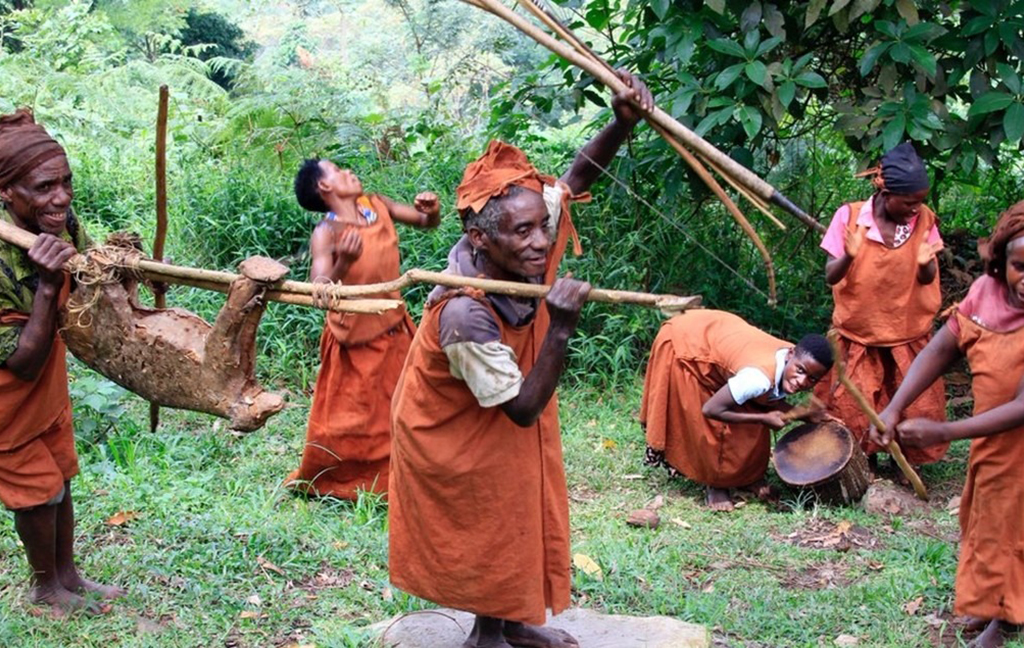
A Batwa community visit in Uganda offers an immersive cultural experience where you learn about the indigenous Batwa people's traditional forest life through storytelling, music, dance, and demonstrations of ancient hunting, gathering, and survival skills (fire-making, medicinal plants, tool use). These guided experiences, often near Bwindi and Mgahinga Parks, involve walks, homestead visits, and performances (like in Ngarama Cave), providing insight into their culture, challenges, and support for community development through tourism.
3-days-bwindi-gorilla-trekking-tour-and-batwa-forest-dweller-cultural-visit
4-days-bwindi-gorilla-trekking-mgahinga-golden-monkey-tracking-and-lake-bunyonyi
7-days-best-uganda-wildlife-safari-and-culture
Who are the Batwa people and where do they live?
The Batwa are an indigenous hunter-gatherer community, often referred to as "pygmies," traditionally inhabiting the lush forests surrounding Bwindi Impenetrable National Park and Mgahinga Gorilla National Park in Uganda and Rwanda. Historically, the Batwa have deep connections to these forests, relying on their rich biodiversity for sustenance. For generations, they practiced a nomadic lifestyle, hunting small game and foraging for fruits, nuts, and medicinal plants, all of which formed the backbone of their unique culture.
Their social structure is communal, deeply intertwined with nature, which they view as sacred. The Batwa possess extensive knowledge of their environment, including the medicinal properties of various plants, which is integral to their traditional healing practices. The community's cultural identity is rich with oral traditions, music, dance, and spiritual beliefs that reflect their close bond with the land.
However, the Batwa have faced significant upheaval in recent decades. In the early 1990s, they were evicted from their ancestral forests when these areas were designated as national parks for the conservation of endangered species, particularly the mountain gorillas. This eviction turned the Batwa into "conservation refugees," as they were forced to adapt to a new lifestyle outside their traditional habitats.
Today, many Batwa live on the fringes of the national parks, struggling with socio-economic challenges stemming from their displacement. While efforts to empower the Batwa community through tourism and cultural conservation initiatives are underway, the legacy of eviction continues to affect their social and economic wellbeing. Recognizing and supporting their cultural heritage is vital for the survival of their identity.
What is the "Batwa Experience" in Bwindi Impenetrable National Park?
The "Batwa Experience" is a captivating 3-4 hour guided tour offered by the Batwa community in Bwindi Impenetrable National Park. This immersive cultural experience is designed to showcase the traditional forest life of the Batwa, allowing visitors to engage directly with the community and learn about their unique way of living. During this intimate tour, guides from the Batwa community share their extensive knowledge of the forest, teaching participants about their traditional practices of hunting, foraging, and utilizing medicinal plants.
The experience often includes demonstrations of hunting techniques using bows and arrows, offering insights into how they once thrived in their natural environment. Visitors may also witness the Batwa’s vibrant musical and dance performances, which serve to express their cultural heritage and connection to the land. Stories passed down through generations are shared, providing context to the Batwa's struggles and their adaptation to contemporary life.
By participating in the Batwa Experience, tourists not only gain a deeper understanding of Batwa culture but also contribute to the community's economic growth. The proceeds from the tours support various community development projects, including education and health initiatives, which are crucial for the well-being of the Batwa people.
Additionally, the Batwa Experience encourages cultural sensitivity and awareness among visitors, fostering respect for this marginalized community. Overall, it’s a transformative experience that connects people across cultures while supporting the preservation of Batwa heritage and ensuring their stories are told for generations to come.
What is the difference between the Batwa Trail and the Batwa Community Visit?
The Batwa Trail and the Batwa Community Visit are two distinct cultural experiences that highlight different aspects of Batwa life, and each offers valuable insights into the community’s rich heritage. The Batwa Trail, located in Mgahinga Gorilla National Park, is an immersive deep-forest guided walk that allows participants to engage with the natural environment where the Batwa once thrived. This trail offers a glimpse into their historical practices as hunter-gatherers, focusing on survival skills such as foraging, hunting, and identifying medicinal plants. As guests traverse the forest, knowledgeable Batwa guides share their stories, illustrating how they interacted with the land and its resources.
In contrast, the Batwa Community Visit often takes place in a village setting, showcasing the current lives of the Batwa following their displacement from the forests. This experience emphasizes their cultural resilience and adaptation to new realities. Visitors engage directly with community members in various activities, including traditional crafts, storytelling sessions, and performances. Here, participants can witness firsthand how the Batwa are working to preserve their culture while navigating modern challenges.
Both experiences are significant, as they provide insight into the past and present lives of the Batwa people. The Batwa Trail offers a deep connection to their ancestral heritage, while the Community Visit showcases their ongoing adaptation and resilience. Together, they form a comprehensive understanding of Batwa culture, allowing visitors to appreciate their unique traditions and the challenges they currently face.
How do I book a tour with the Batwa community?
Booking a tour with the Batwa community is a straightforward process that can significantly enhance your travel experience while contributing to the community's wellbeing. Tours can be arranged through authorized tour operators or lodges situated near Bwindi Impenetrable National Park or Mgahinga Gorilla National Park. These operators are familiar with the local culture and offer various packages that include the Batwa Experience or the Batwa Trail, ensuring that your tour is both engaging and respectful.
Additionally, visitors can book directly at the Batwa Craft Banda, located near the park gates. This craft center serves as a community hub where locals sell traditional handmade crafts and share information about available tours. Engaging with the community at the Craft Banda not only supports local artisans but also enables you to learn more about Batwa culture before embarking on your tour.
For those traveling during peak seasons, it’s advisable to book your tour in advance to secure your spot, as limited availability may affect your plans. When selecting a tour operator, look for those that prioritize direct support for the Batwa community, which ensures that proceeds from tourism directly benefit them.
Ultimately, participating in a Batwa community tour is more than just sightseeing; it’s an opportunity to promote cultural awareness, generate income for the Batwa, and foster a respectful dialogue between visitors and this unique indigenous group. By making thoughtful choices when booking, you can contribute to the preservation of Batwa culture while enriching your own travel experience.
Is it ethical to visit the Batwa community?
Yes, visiting the Batwa community can be ethical, provided the tour is designed with respect for the community and focuses on supporting them directly. Engaging with the Batwa through authorized tours can contribute positively to their socio-economic development, particularly when proceeds are reinvested into community initiatives such as education and health programs.
Participating in an ethically structured tour emphasizes the importance of responsible tourism, ensuring that Batwa stories are shared in a respectful manner. Tours organized under the Batwa Development Program aim to promote cultural exchange while also benefiting the Batwa community by generating income. Such engagements can empower the community, giving them a platform to share their heritage and adapt to the modern world.
However, it is essential for visitors to choose tour operators that prioritize ethical practices. Engaging with the Batwa community should not come at the cost of their dignity; therefore, tours should be centered around cultural education rather than mere entertainment. Seek operators that emphasize community input and involve Batwa guides in the experience, thus ensuring that visitors gain genuine insights into their lives.
Additionally, it’s important to interact with the Batwa respectfully, honoring their customs and traditions. By approaching your visit with sensitivity and awareness, you help foster an environment of mutual respect and understanding. Through ethical tourism, you can support the Batwa's efforts to sustain their culture while fostering a deeper connection between diverse communities.
How much does the Batwa cultural experience cost?
The cost of the Batwa cultural experience typically falls between 40 USD and 80 USD per person, depending on the location (either Mgahinga or Bwindi) and the specific tour package chosen. This fee generally includes the guided tour as well as opportunities to engage in various cultural activities such as traditional performances, storytelling, and demonstrations of hunting and foraging skills.
The pricing structure reflects the community's efforts to generate income through tourism while also maintaining responsible practices. It’s important to ensure that the funds collected from these experiences go directly to supporting the Batwa community, facilitating essential development projects such as education, healthcare, and empowerment initiatives.
While the costs may vary based on group size and additional services offered—like meals or crafts—what remains crucial is the significance of your participation. By investing in the Batwa cultural experience, you are contributing to the preservation and revitalization of their heritage, helping the community navigate economic challenges and sustain their way of life.
For visitors, this investment offers a rich and meaningful interaction with the Batwa, fostering cultural exchange and understanding. As you immerse yourself in the Batwa experience, you not only gain insights into their unique traditions but also directly support their ongoing efforts to uplift the community, making your trip a transformative experience for both you and the Batwa.
What should I wear to visit the Batwa community?
When visiting the Batwa community, attire plays a significant role in enhancing your experience while ensuring comfort and safety. It is advisable to wear sturdy walking shoes that provide good traction, as the terrain can be uneven, particularly during guided walks through the forest. Comfortable footwear will not only protect your feet but also offer support as you navigate varying landscapes.
Long pants and long-sleeved shirts are recommended to safeguard against insect bites, as well as to protect against scratches from vegetation commonly found in the forested areas. Opt for lightweight, breathable fabrics to keep cool in Uganda's warm climate, while also offering protection from mosquitoes and other insects.
Since the weather can be unpredictable, especially during the rainy season, it’s wise to bring along a light rain jacket or poncho to stay dry if unexpected showers occur. Additionally, wearing a wide-brimmed hat and sunglasses can provide extra protection against the sun, enhancing your comfort during outdoor activities.
By dressing appropriately, you demonstrate consideration for the Batwa community and the natural environment. This respectful approach enhances your engagement and allows you to fully immerse yourself in the Batwa experience, building positive interactions while appreciating the beauty of their surroundings. Ultimately, being mindful of your attire contributes to a richer, more enjoyable visit while reflecting your respect for Batwa traditions and their way of life.
Can I take photos of the Batwa people?
Yes, you can take photos of the Batwa people during your visit, but it’s crucial to ask for permission first. Respecting their wishes regarding photography is a key aspect of engaging with the Batwa community. Some members might feel uncomfortable being photographed, while others may have specific guidelines for how their images are used.
Always approach community members politely and request their consent before taking any pictures. This not only shows respect but also fosters a deeper connection as you engage with their traditions and stories. In some cases, individuals may ask for a small fee in exchange for allowing their photo to be taken, which can contribute to their income and help support the community.
When capturing moments during your visit, it’s important to focus on the experience itself rather than solely on documentation. Photographs should enhance, rather than overshadow, your interactions with the Batwa. Engaging with them while being mindful of your surroundings will create a more meaningful experience for both you and the community.
Additionally, consider how the images you take might be used after your visit. Prioritizing respect and sensitivity can help ensure that your photography promotes culturally responsible tourism. By honoring their beliefs around photography, you contribute positively to building respectful relationships while enriching your understanding of Batwa culture.
What can I learn during a Batwa cultural experience?
During a Batwa cultural experience, visitors can gain profound insights into the rich heritage and traditional practices of the Batwa people. One of the primary focuses is understanding how the Batwa utilized their natural environment for survival. Guests often learn about the significant role of medicinal plants and how these were used for healing and various ailments. The guides share their extensive knowledge, showcasing which plants were most effective for different purposes, deepening visitors' appreciation for the forest.
Additionally, the cultural experience may include demonstrations of traditional hunting techniques, such as using bows and arrows. Participants can observe and sometimes practice these skills, providing a hands-on understanding of the Batwa's historical hunting practices. This interaction highlights the deep connection the Batwa have with their surroundings, underlining the sustainability of their hunting methods.
The experience often incorporates storytelling, where community members narrate tales that convey their history, values, and spiritual beliefs. These narratives serve to preserve their oral traditions while allowing participants to grasp the cultural significance of different customs.
Traditional music and dance also play a vital role in the cultural experience, allowing visitors to engage with the vibrant expressions of Batwa life. Through these performances, tourists observe not only the artistic traditions but also the communal spirit that defines Batwa culture.
Overall, the cultural experience is an enlightening journey that fosters respect and understanding. Visitors leave with valuable insights into the Batwa's relationship with nature, their challenges, and the resilience of their culture, making the experience transformative for both guests and hosts.
Why were the Batwa evicted from their ancestral forests?
The Batwa were evicted from their ancestral forests in the early 1990s when the Ugandan government designated these areas as national parks aimed at conserving wildlife, particularly the endangered mountain gorillas. The establishment of Bwindi Impenetrable National Park and Mgahinga Gorilla National Park was a crucial step in protecting biodiversity, but it came at a significant cost to the Batwa community, who had traditionally lived in these forests for generations.
The government's focus on conservation often neglected the rights and needs of the Batwa, resulting in their forced relocation. This drastic change stripped the Batwa of their land, resources, and sustainable way of life, transforming them into "conservation refugees." The eviction not only disrupted their traditional practices of hunting and gathering but also led to substantial socio-economic challenges, as many Batwa were unprepared to adapt to life outside their forest homes.
Post-eviction, the Batwa struggled with limited access to education, healthcare, and economic opportunities. Instead of living in harmony with nature, they found themselves marginalized and impoverished, often residing in makeshift settlements on the fringes of the national parks.
Recognizing the hardship faced by the Batwa, various advocacy groups and initiatives have emerged to support their rights and uplift their communities. Efforts are underway to promote cultural tourism that helps sustain their heritage while providing much-needed income, aiming to address the adverse effects of their eviction and foster a renewed appreciation for their culture.
Do the Batwa still live inside the national parks?
No, the Batwa no longer live inside the national parks. Following their eviction in the early 1990s, the Batwa were displaced from their ancestral lands when these forests were gazetted as national parks to protect endangered species, particularly mountain gorillas. This transition turned the Batwa into "conservation refugees," forcing them to adapt to life outside the forests that had supported them for generations.
Today, the Batwa primarily reside in settlements on the outskirts of Bwindi Impenetrable National Park and Mgahinga Gorilla National Park. Living on the fringes, they face numerous challenges and continue to struggle with the socio-economic implications of their displacement. Lacking access to adequate resources and opportunities, many Batwa experience poverty and limited social mobility.
While they may no longer have free access to their ancestral forests, some are actively engaged in cultural tourism initiatives that allow them to share their heritage with visitors. By participating in guided tours, the Batwa educate tourists about their traditional ways of life, which not only generates income but also fosters a greater understanding of their cultural identity.
Despite facing adversity, the Batwa community remains resilient, seeking ways to uphold their cultural practices while adapting to new realities. Community-driven efforts focus on empowering the Batwa, promoting education, healthcare, and sustainable livelihoods. Although they no longer inhabit the national parks, the Batwa's cultural legacy continues to thrive through initiatives that honor their traditions and advocate for their rights.
What language do the Batwa speak?
The Batwa primarily speak the same languages as the Hutu and Tutsi communities in the regions where they reside, including Rukiga and Kinyarwanda. Rukiga is widely spoken among the Batwa in southwestern Uganda, particularly in areas surrounding Bwindi Impenetrable National Park and Mgahinga Gorilla National Park. Kinyarwanda is the official language of Rwanda and is commonly used by Batwa communities in Rwanda, especially around the Volcanoes National Park area.
These languages reflect the Batwa's historical interactions with neighboring communities and their integration into the cultural fabric of the regions in which they currently live. While Rukiga and Kinyarwanda serve as the primary languages for daily communication, the Batwa also carry a rich oral tradition that includes stories, songs, and proverbs passed down through generations.
Understanding the linguistic context of the Batwa enhances respect for their cultural identity. Language serves as a vessel for transmitting important cultural narratives, values, and history, enabling visitors to appreciate the depth of Batwa heritage. Tourists engaging with the Batwa during cultural experiences may find that conversations conducted in Rukiga or Kinyarwanda provide a more authentic connection, deepening their understanding of the community.
As the Batwa navigate the complexities of modern life, promoting the preservation of their language and culture remains vital. Efforts to support their community often include initiatives aiming to revitalize their linguistic heritage, further fostering cultural pride and resilience among the Batwa people.
How long does the Batwa cultural experience last?
The Batwa cultural experience is designed to be immersive and engaging, typically lasting between 2 and 4 hours. This duration allows visitors to fully appreciate the unique cultural heritage of the Batwa people while participating in various activities that highlight their traditional practices. The experience typically begins with a guided walk through the forest, led by knowledgeable Batwa guides who share insights into their ancestral way of life, including foraging skills, hunting techniques, and the use of medicinal plants.
As part of the experience, visitors will often witness cultural performances, including traditional music and dance, which reflect the community's vibrant artistic expressions. Storytelling sessions might also be incorporated, providing deeper context about Batwa culture, their history, and their connection to the land. This multifaceted approach ensures that participants leave with a comprehensive understanding of the Batwa's rich traditions and their present challenges.
The structured format of the 2 to 4-hour experience encourages meaningful interactions between visitors and the Batwa, fostering cultural exchange and mutual respect. Participants are encouraged to ask questions and engage in discussions, enabling a deepened connection with the community.
By carefully crafting the experience within this timeframe, the Batwa cultural experience allows tourists to not only learn about the community’s past but also understand their current social and economic circumstances, thereby promoting awareness and supporting the efforts to preserve their heritage.
Can children participate in a Batwa community visit?
Yes, children can participate in a Batwa community visit, making this cultural experience family-friendly and an excellent educational opportunity for younger travelers. The immersive nature of the visit allows children to engage with the Batwa's traditional practices in a fun and interactive way, making it a memorable experience that broadens their horizons.
During the visit, children can learn about the Batwa's rich cultural heritage through storytelling, music, and dance, which often captivate young audiences. The guides are skilled at tailoring their presentations to be engaging for all ages, ensuring that children can understand and appreciate the context and significance of the Batwa's lifestyle.
Parents often find that these cultural experiences prompt meaningful discussions about respect for diversity, sustainability, and the importance of preserving indigenous cultures. Given the interactive nature of the activities, children may also have the chance to participate in traditional crafts or simple cooking demonstrations, adding an extra layer of engagement to the experience.
While the cultural visit is generally accessible for families, it is important to consider that some sections may involve walking on uneven terrain. Parents should assess their children's comfort levels with walking or hiking, particularly in a forest environment.
Overall, the Batwa community visit is an enriching experience that benefits not only the children but also the Batwa people, fostering connections and understanding across cultures. It offers valuable lessons that children can carry with them beyond the visit.
Are there any age restrictions for the Batwa trail?
Generally, there are no strict age restrictions for participating in the Batwa Trail; however, guests should be aware that the walking can be steep and involve challenging terrain. The trail is designed to reflect the deep connection the Batwa have with their ancestral forests, and participants will likely encounter various obstacles, such as uneven ground and inclines. Therefore, the trail is best suited for those who are reasonably comfortable with hiking and physical activity.
While families are often welcome to bring children along, parents should consider the suitability of the trail for their kids based on their hiking ability and comfort. Younger children may require additional supervision and support during the hike, particularly in navigating steep areas. It's advisable to check with the tour operators about the trail's difficulty level and to gauge whether it aligns with your family's capabilities.
For those with elderly companions or individuals with significant mobility issues, it might be prudent to consult local guides ahead of time to determine alternate options that may provide a more accessible experience. Some tours may offer modifications, such as shorter routes or gentler paths, ensuring that everyone has the opportunity to enjoy the beauty of the Batwa's natural environment.
Ultimately, the Batwa Trail presents a unique opportunity to connect with nature while learning about the traditional practices of the Batwa people, and being prepared for its challenges can enhance the overall experience for all participants.
What is the significance of the Garama Cave to the Batwa?
The Garama Cave in Mgahinga Gorilla National Park holds significant cultural and historical importance for the Batwa people. Traditionally, it served as a sacred hideout for the Batwa, who considered the cave a spiritual sanctuary. The cave acted as a meeting place where tribal leaders, including kings, would gather to discuss crucial matters affecting the community. This gathering spot highlights the leadership and social structure that governed the Batwa during their forest-dwelling days.
Beyond its practical uses as a hideout, the Garama Cave also holds deep spiritual value. For the Batwa, caves like Garama are often associated with ancestral spirits and are recognized as places of power. Entering the cave represents a connection to their past, maintaining the cultural and spiritual legacy that shapes their identity. The cave serves as a reminder of the Batwa’s historical way of life before their displacement from the forests.
Today, the Garama Cave attracts visitors who want to understand the cultural significance of the Batwa more deeply. Guided tours lead guests through the cave, where they learn about its role in Batwa history and its importance in their heritage. These tours encourage visitors to appreciate the complex relationship the Batwa have with their environment and their culture.
By visiting the Garama Cave, tourists can gain insight into the Batwa's historical narratives and the challenges they currently face. The cave acts as a symbol of resilience and cultural richness, offering an opportunity for the Batwa to share their stories while promoting awareness of their ongoing struggles.
Can I bring gifts for the Batwa community members?
While it is natural to want to bring gifts for the Batwa community members as a gesture of goodwill, it is advisable to approach this concept thoughtfully. The most effective way to support the Batwa community is through organized projects and initiatives that ensure contributions directly benefit the community as a whole. Giving direct, unregulated gifts to individuals could create unintended consequences, including dependency or disruptions in community dynamics.
Instead of bringing items or money, consider supporting established community programs such as the Batwa Development Program, which focuses on education, healthcare, and employment opportunities for the Batwa people. By contributing to these initiatives, your support can help promote sustainable development and empower the community in meaningful ways.
If you feel compelled to bring something, consider items that support community projects, such as educational materials or resources for cultural preservation initiatives. Engaging with local organizations to understand their needs is a more thoughtful approach to giving. This ensures your gesture is respectful and aligns with the community’s aspirations.
Ultimately, visiting the Batwa community should prioritize respect and cultural exchange rather than material gifts. Engaging in meaningful conversation, learning about their culture, and offering your support through organized programs fosters a more constructive relationship and positive impact on the community.
Do the Batwa sell traditional crafts?
Yes, during visits, the Batwa community often sells traditional crafts, which serve as both cultural expressions and sources of income for their families. Visitors can find handmade items such as intricately woven baskets, mats, and other artisanal products that reflect the Batwa's craftsmanship and traditional skills. These crafts carry cultural significance and often embody the stories, beliefs, and daily lives of the Batwa people.
The sale of traditional crafts has become an essential revenue stream for the Batwa community, especially following their displacement from ancestral lands. By purchasing these items, visitors not only take home unique souvenirs but also contribute to the economic sustainability of the Batwa. Proceeds from sales typically support community development projects, education, and healthcare, helping to improve the quality of life for many Batwa families.
The Batwa's skillful craftsmanship often stems from their rich cultural heritage, reflecting their deep connection to their environment. Participating in community visits that include craft sales allows guests to appreciate the intricate processes involved in creating these items, from gathering materials to weaving and decoration. Sometimes, visitors are offered a chance to try their hand at crafting under the guidance of experienced artisans, enriching their overall experience.
By purchasing and appreciating these traditional crafts, travelers can help preserve Batwa culture while providing essential income that uplifts the community, ensuring that their rich heritage continues to be shared with future generations.
Is the Batwa experience suitable for people with mobility issues?
While the Batwa cultural experience offers an enriching opportunity to engage with a unique community, potential participants should be aware that it typically involves walking through hilly and uneven terrain. Because of this, the experience might pose challenges for individuals with significant mobility issues or those who use mobility aids.
While the Batwa community and tour operators strive to accommodate a range of visitors, including those with mobility constraints, the nature of the environment means that the experience usually requires a certain level of physical ability and comfort with walking and hiking. However, many tours are conducted at a slower pace, allowing for breaks and ensuring that the experience remains enjoyable.
If you or a member of your party has mobility issues, it is recommended to communicate this when booking the tour. Some operators may have alternative arrangements or can provide insights on the best ways to engage with the community while considering mobility limitations.
Despite the physical challenges, it is still possible to participate in certain elements of the Batwa experience, such as cultural performances or craft demonstrations, which might take place in more accessible settings.
Overall, if you’re keen to engage with the Batwa community, discussing any concerns regarding mobility upfront will pave the way for a more enriching experience while promoting inclusivity and accessibility.
How do the Batwa earn a living now?
The Batwa have adapted their livelihoods in the wake of significant changes to their traditional way of life. Following their eviction from ancestral forests, many Batwa now rely on a combination of farming, labor, and, crucially, tourism revenue to sustain their families. Agriculture plays a vital role, as many Batwa engage in small-scale farming on land that they lease or own on the outskirts of the national parks. This offers them some level of food security, although they often face challenges due to limited resources and unpredictable weather conditions.
Tourism has emerged as a significant source of income for the Batwa community, primarily through cultural tourism initiatives that allow them to share their heritage with visitors. Engaging in cultural experiences, such as tours that highlight their traditional practices, crafts, and storytelling, provides essential revenue. The Batwa also sell handmade crafts, such as baskets and mats, which further contribute to their income.
In addition to these activities, some Batwa might find employment opportunities as guides or support staff for tourism operators, providing a direct connection to the growing ecotourism sector in the region. These roles not only help the community financially but also facilitate cultural exchange and awareness among visitors.
Nevertheless, the transition to these new forms of livelihood has not been easy. Ongoing efforts focus on empowering the Batwa through education and healthcare initiatives, aiming to provide greater opportunities for sustainable development. By fostering their involvement in tourism and supporting their traditional crafts, the Batwa are finding ways to adapt and thrive in a rapidly changing world.
What kind of food does the Batwa community serve during the visit?
During community visits, the Batwa often prepare and share local meals with visitors, offering a delightful introduction to their traditional diet. The food varies depending on seasonal availability and local resources, but it usually includes staples such as cassava, sweet potatoes, matoke (cooked green bananas), and beans. These ingredients are commonly grown in their small-scale farms and reflect the Batwa's deep connection to the land.
In addition to staples, visitors might also get to taste various local dishes that showcase the Batwa's culinary heritage. Meals are often accompanied by lively conversation and storytelling, enriching the experience while providing insight into their culture. Sharing food fosters community bonding and invites guests to engage with the Batwa in a more personal and intimate way, highlighting their hospitality.
Sometimes, food is prepared using traditional methods, such as cooking over an open fire or using local utensils, which further emphasizes their cultural practices. This aspect of the visit allows tourists not only to appreciate the flavors but also to gain a deeper understanding of Batwa culinary traditions.
The communal aspect of sharing a meal is also significant, as it reflects the Batwa's values of community and sharing. By participating in this culinary experience, visitors leave with not just memories of flavors but also a sense of connection to the Batwa's way of life.
Overall, the food served during community visits not only nourishes the body but also nurtures cultural exchange, creating lasting impressions that contribute to a richer understanding of Batwa traditions and hospitality.
Are the Batwa considered "Pygmies"?
Yes, the Batwa are often classified as "pygmies," a term that has been historically used to describe various indigenous groups in Central Africa known for their smaller stature. However, this term can be controversial, as it may carry negative connotations and oversimplify the complex identities and cultures of these groups. Many advocates and members of such communities prefer terms that reflect their unique identities, such as "forest keepers," which encapsulates their deep connection to the forests they traditionally inhabited.
The Batwa have a distinct cultural heritage, characterized by their traditional hunter-gatherer lifestyle, rich oral traditions, and spiritual beliefs connected to nature. As one of the original inhabitants of the forests surrounding Bwindi and Mgahinga, the Batwa possess extensive knowledge of the biodiversity in these ecosystems, enabling them to live sustainably for generations.
Today, they face unique challenges following their eviction from ancestral lands when these areas were designated as national parks to conserve wildlife, particularly mountain gorillas. This transition has transformed the Batwa into "conservation refugees," impacting their cultural identity and socio-economic conditions.
Efforts are underway to promote awareness of their cultural uniqueness and to empower the Batwa community through tourism and cultural exchanges. By engaging with visitors, the Batwa share their stories, traditions, and struggles, helping to change perceptions and foster respect for their rightful place in the social and cultural fabric of the region.
Acknowledging the Batwa’s identity as forest keepers rather than merely labeling them as pygmies is crucial for fostering understanding, respect, and support for their contributions as an indigenous people.
When is the best time to visit the Batwa community?
The best time to visit the Batwa community is during the dry seasons, which typically occur from June to September and December to February. During these months, the weather is generally more favorable, making the walking trails easier and more accessible for visitors who wish to engage in cultural experiences like the Batwa Trail or community visits. Dry conditions also mean that paths are less muddy and slippery, enhancing safety and comfort for travelers.
Visiting during these peak dry periods not only facilitates a smoother experience but also allows for better interactions, as the Batwa community is often more engaged in tourism activities during this time. The months of high tourist traffic can lead to increased opportunities for visitors to participate in guided tours, witness performances, and engage in cultural exchanges.
However, it’s important to note that the dry seasons can be more crowded, particularly with tourists drawn to the natural beauty and wildlife of the national parks. Therefore, early planning and booking are recommended to secure the best accommodations and tours.
That said, some visitors might choose to explore during the wet season for a more intimate experience, as fewer tourists venture to the region. The lush landscape during this time is undeniably beautiful, offering a different perspective on the Batwa’s natural environment.
Ultimately, the best time to visit depends on personal preferences, but planning for dry months can enhance accessibility and the overall experience, allowing you to engage meaningfully with the Batwa community and their cultural heritage.
How does visiting the Batwa impact their community?
Visiting the Batwa community has a significant and multifaceted impact, contributing directly to their socio-economic development and cultural preservation. One of the most tangible benefits is the income generated through tourism. Proceeds from cultural experiences, guided tours, and craft sales contribute essential funds that help sustain the Batwa community and provide for basic needs such as food, education, and healthcare.
The influx of visitors also fosters greater awareness of the Batwa's unique heritage and ongoing challenges faced due to their eviction from ancestral lands. This heightened awareness promotes advocacy efforts aimed at protecting their rights and preserving their cultural identity. Engaging with tourists allows the Batwa to share their stories and traditions, ensuring that their voices are heard and respected.
Additionally, the tourism revenue enables the community to reinvest in local development initiatives, such as education programs that empower Batwa children and healthcare projects that improve access to medical services. This direct financial support enhances the quality of life for community members and helps create opportunities for future generations.
However, it is essential for visitors to approach their experience with respect and awareness. Sustainable and responsible tourism practices that prioritize community involvement and benefit-sharing can amplify the positive impacts of these visits. Supporting programs that focus on capacity-building and cultural preservation ensures that the Batwa community benefits in the long term.
Booking Batwa community visit with us Roads of Adventure safaris
Experience the rich culture of the Batwa community by booking a visit with Roads of Adventure Safaris. Our expertly guided tours provide an immersive opportunity to learn about the Batwa's traditions, crafts, and ancient forest skills. Engage directly with community members and support their initiatives while witnessing their vibrant heritage firsthand. Secure your spot today for an unforgettable journey that empowers the Batwa and connects you with their unique way of life!
