This customized 6-day cross-border safari itinerary combines Rwanda and Uganda's premier primate experiences. You will begin in Kigali, track golden monkeys in Volcanoes National Park, cross into Uganda for your ultimate gorilla trek in Bwindi Impenetrable National Park, and wrap up with a city tour before departure
Tour highlights for 6 Days best Rwanda Uganda gorilla trekking from Kigali city
Kigali airport arrival welcome
Moving genocide memorial visit
Bustling local market exploration
Scenic terraced hillside drive
Musanze boutique hotel relaxation
Rare golden monkey trekking
Playful bamboo canopy watching
Smooth Cyanika border crossing
Bwindi forest lodge arrival
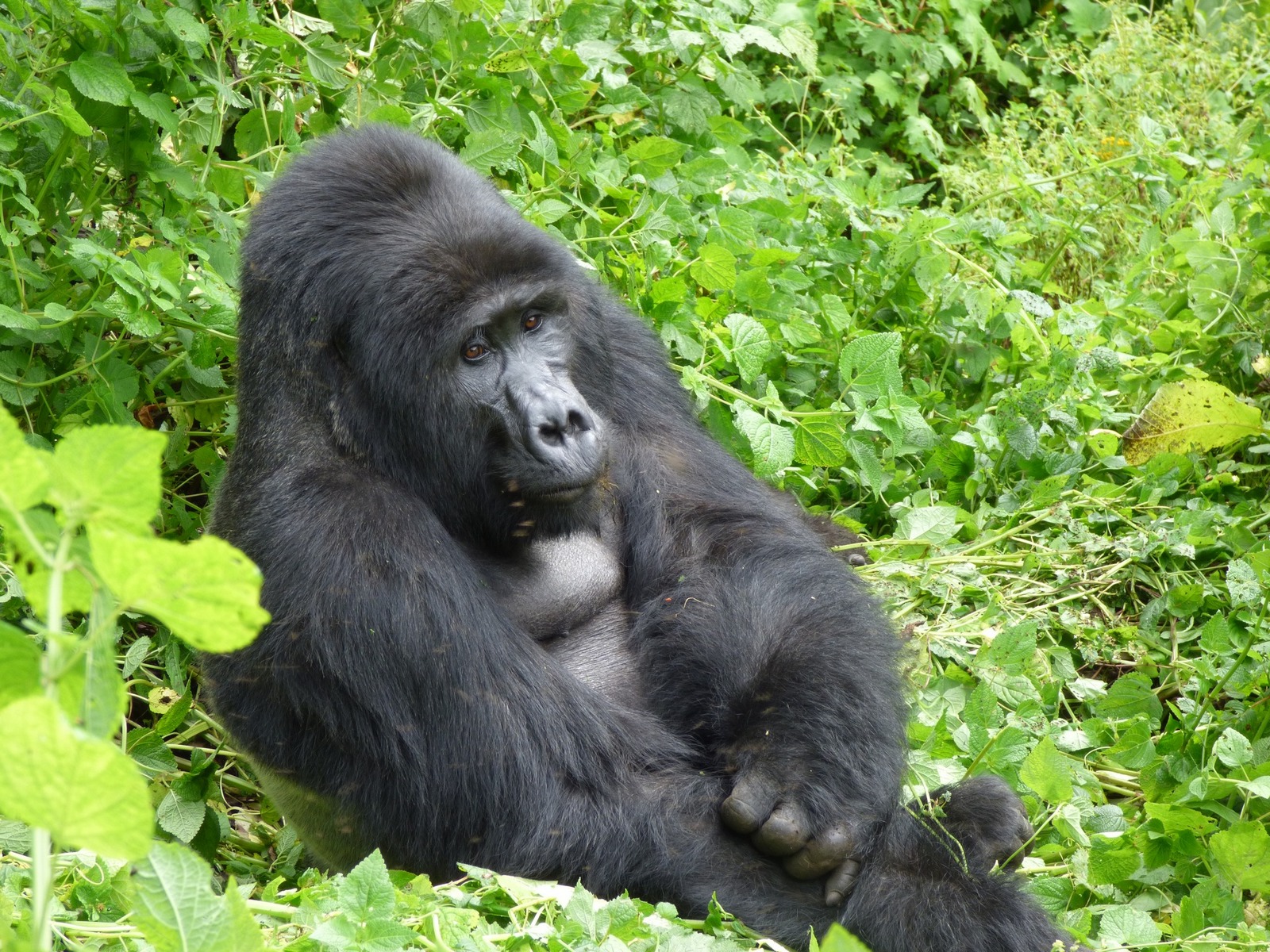
Unforgettable mountain gorilla encounter
Gentle silverback giant observation
Indigenous Batwa cultural immersion
Traditional fire making demonstration
Historic Dian Fossey hike
Peaceful Lake Mutanda excursion
Rwandan souvenir coffee shopping
Day 1: Arrival in Kigali and Transfer to Volcanoes National Park
Welcome to East Africa. Your 6 Days best Rwanda Uganda gorilla trekking from Kigali city adventure begins the moment your flight touches down at Kigali International Airport, where our welcoming professional driver-guide will greet you. Before heading into the mountains, you will embark on an insightful driving tour of Rwanda’s immaculate capital city. The central focus of this morning excursion is a deeply moving visit to the Kigali Genocide Memorial at Gisozi, providing vital historical context and highlighting the country's inspiring modern-day renewal. You will also navigate the colorful, bustling stalls of local markets to witness vibrant daily life. Following the city tour, you will leave the capital behind for a scenic 2-hour drive heading northwest toward Volcanoes National Park in Musanze. As the road winds upwards, enjoy magnificent views of the terraced hillsides. Arrive at your cozy boutique hotel in the evening to check in, unpack, and relax with a warm meal before tomorrow's tracking.
Day 2: Golden Monkey Trekking & Transfer to Bwindi
Your first primate tracking adventure starts early today with a 07:00 AM assembly at the Kinigi park headquarters. After an informative briefing detailing park regulations, you will trek into the beautiful bamboo forests of Volcanoes National Park. Your goal is to locate the rare and endangered golden monkeys, a vibrant, fast-moving species endemic to the Virunga volcanic chain. You will spend an entertaining hour watching these playful primates leap through the bamboo canopy and forage right before your eyes. After the trek, return to the lodge for a hearty lunch before hitting the road toward the Cyanika border post. Once customs clearances are completed, you cross into southwestern Uganda, continuing along a scenic 4 to 5-hour drive that snakes through rolling hills and deep valleys. You will arrive at your tranquil forest lodge bordering Bwindi Impenetrable National Park just in time for a relaxing dinner.
Day 3: Gorilla Trekking in Bwindi Impenetrable National Park
Prepare for a life-changing wildlife encounter. Following an early breakfast, transfer to the Bwindi park headquarters by 07:00 AM for a vital pre-trek briefing with local wildlife rangers. You will be assigned to a specific habituated mountain gorilla family and paired with experienced trackers. Soon after, you will plunge into the dense, misty, primeval rainforest. The trek can range anywhere from 2 to over 6 hours as you navigate steep, muddy ridges and thick vines following the paths of the gorillas. The physical exertion vanishes the moment you spot these gentle giants. You will spend one unforgettable, strictly regulated hour standing just meters away, observing the silverback guard his group, mothers nursing infants, and juveniles playing. Take incredible photographs and soak in this raw nature connection before trekking back out of the dense forest to your lodge for a restful evening.
Day 4: Batwa Cultural Experience & Transfer to Kisoro
Wake up to the tranquil sounds of the Bwindi forest. This morning is dedicated to a rich cultural immersion as you engage with the indigenous Batwa Pygmy community. The Batwa are the original, ancient keepers of the forest, and this experience allows you to learn firsthand about their historical, hunter-gatherer way of life before the national park was gazetted. Community elders will demonstrate traditional fire-making techniques, point out medicinal forest plants, perform vibrant cultural dances, and share ancient oral storytelling. This meaningful encounter provides excellent cultural insight and directly supports local community conservation initiatives. Following the cultural visit and a warm lunch, you will pack your bags and transfer smoothly south toward the Kisoro region, located near the stunning southern boundaries of Bwindi and Mgahinga. Check into your hotel, relax on the veranda, and watch the sunset over the jagged Virunga peaks.
Day 5: Dian Fossey Hike or Lake Mutanda Excursion
Today offers a choice between two captivating adventures tailored to your preferences. Option one is a historical pilgrimage hiking to Dian Fossey’s Grave and the historic Karisoke Research Center ruins, situated in the saddle between Mount Bisoke and Mount Karisimbi. This evocative trek pays homage to the legendary primatologist who dedicated her life to saving mountain gorillas from extinction. Alternatively, you can opt for a peaceful, therapeutic morning excursion on the breathtakingly beautiful Lake Mutanda. Here, you will glide across the calm, glassy waters in a traditional dugout canoe, taking in panoramic views of the surrounding volcanoes and spotting abundant birdlife along the pristine shores. The afternoon is completely yours to unwind back at your resort, sort through your incredible wildlife photos, pack your bags, and reflect deeply on the unforgettable cross-border primate encounters you have experienced over the past few days.
Day 6: Departure via Kigali
On the final morning of your cross-border safari, enjoy a relaxed breakfast while looking out over the misty mountain landscape. After checking out of your hotel, you will board your 4x4 safari vehicle and begin your return journey. You will drive back across the Cyanika border post, clearing customs formalities seamlessly, and continue traveling through Rwanda’s scenic, terraced countryside. The drive back to Kigali takes approximately 4 hours on smooth roads. Depending on your flight schedule, your guide can stop at local artisan boutiques in the city center for last-minute souvenir shopping, allowing you to pick up world-class Rwandan coffee, tea, or traditional hand-woven peace baskets. Finally, you will be transferred directly to Kigali International Airport for your departing flight, concluding your epic 6-day twin-nation primate expedition with memories to last a lifetime.
1. Where does the 6 Days best Rwanda Uganda gorilla trekking from Kigali city start and end?
The 6-day cross-border primate itinerary is strategically structured to start and finish in Kigali, Rwanda. This loop layout leverages Kigali International Airport (KGL) as the primary travel hub, which is highly favored by travelers due to its efficient infrastructure and shorter driving distances to the gorilla habitats compared to starting from Kampala or Entebbe in Uganda.
On Day 1, your professional driver-guide will meet you directly at the airport arrivals terminal or pick you up from any centrally located hotel in Kigali City. From there, you immediately dive into a local city exploration before driving northwest into the mountains.
The journey transitions seamlessly across international borders. You will exit Rwanda and enter southwestern Uganda via the Cyanika border post, which connects the Musanze region directly to Kisoro and the southern sectors of Bwindi Impenetrable National Park. After completing the primary highlights—including tracking golden monkeys in Rwanda, trekking mountain gorillas in Uganda, and enjoying cultural and lake excursions—the safari vehicle traces its path back through the rolling terraced hills of Kigezi.
You will re-cross the Cyanika border back into Rwanda. The final leg involves a smooth 4-hour return drive down to the capital city. Your guide will coordinate the timing perfectly with your international departure, offering options for brief souvenir shopping at local artisan centers before dropping you back at Kigali International Airport in the evening. This makes the entire expedition self-contained, logistical, and highly accessible.
2. What are the key parks visited during the 6 Days best Rwanda Uganda gorilla trekking from Kigali city?
This specialized itinerary showcases two of the world's most renowned biodiversity hotspots: Volcanoes National Park in northwestern Rwanda and Bwindi Impenetrable National Park in southwestern Uganda. Both parks are part of the tight geographic network that harbors the planet's remaining wild mountain gorilla population, yet they offer completely distinct ecosystems and landscapes.
Volcanoes National Park, known locally as Parc National des Volcans, spans across the steep slopes of the Virunga Volcanoes. It comprises five of the eight volcanic peaks in the chain, characterized by high-altitude mist, dense bamboo forests, and dramatic open vistas. It serves as the exclusive setting for your Day 2 golden monkey trek. The open understory of the bamboo zones makes it relatively easy to spot and photograph these fast-moving, brightly colored primates moving through the canopy.
Following the cross-border transfer, you enter Bwindi Impenetrable National Park, an ancient, ultra-dense rainforest that survived the last ice age. Unlike the volcanic slopes of Rwanda, Bwindi features rugged ridges, deep valleys, tangled layers of prehistoric tree ferns, thick vines, and a closed canopy. True to its name, the forest feels "impenetrable," requiring rangers to cut paths with machetes. Bwindi boasts roughly half of the world's mountain gorillas, containing more than 20 habituated families distributed across four distinct tracking sectors (Buhoma, Ruhija, Rushaga, and Nkuringo). Exploring both parks provides an incredible contrast between alpine volcanic bamboo and primeval lowland rainforest.
3. Do I need an East African Tourist Visa for a 6 Days best Rwanda Uganda gorilla trekking from Kigali city?
Yes, securing an East African Tourist Visa (EATV) is single-handedly the most important logistical step for this cross-border itinerary. Because this safari explicitly combines Rwanda and Uganda, a standard single-entry visa for either nation will result in significant border delays, extra costs, or denial of re-entry when you try to return to Kigali for your flight home.
The East African Tourist Visa is a joint initiative that allows tourists to travel through Rwanda, Uganda, and Kenya seamlessly using a single multi-entry document valid for 90 days. The cost is a flat fee of $100 USD. It eliminates the need to buy a separate Rwandan visa and a separate Ugandan visa, saving you money and paperwork.
Critical Booking Rule: You must apply for the East African Tourist Visa through the immigration portal of the country where your journey begins.
Since this specific 6-day tour initiates at Kigali International Airport, you must apply online through the official Rwanda Immigration platform (Irembo). Upon approval, an e-visa letter is issued, and the actual physical visa sticker is placed in your passport upon arrival at Kigali Airport. When you cross the land border via Cyanika into Uganda on Day 2, border officials will simply scan your existing visa. When you head back into Rwanda on Day 6, the multi-entry nature of the EATV ensures you cross back seamlessly without paying any additional fees.
4. How much do gorilla permits cost for the 6 Days best Rwanda Uganda gorilla trekking from Kigali city?
Gorilla permit pricing is strictly regulated by the respective government conservation bodies of each nation. A standard mountain gorilla trekking permit in Uganda, managed by the Uganda Wildlife Authority (UWA), is priced at $800 USD per person for foreign non-residents. In stark contrast, Rwanda has positioned its tourism model toward exclusive, high-end ecotourism; a gorilla permit in Rwanda’s Volcanoes National Park, managed by the Rwanda Development Board (RDB), costs $1,500 USD per person.
Because this 6-day customized cross-border itinerary is explicitly designed to track golden monkeys in Rwanda and mountain gorillas in Uganda, your direct permit layout is highly cost-effective compared to tracking gorillas in both nations. You will require one Ugandan gorilla trekking permit ($800 USD) and one Rwandan golden monkey permit, which is priced at $100 USD per person. This brings your core primate activity permit total to exactly $900 USD per traveler.
If you choose to alter the optional Day 5 schedule to include a second gorilla trek in Uganda or choose to cross back to hike to Dian Fossey’s grave site in Rwanda, additional fees will apply. It is important to know that these permit fees are entirely non-negotiable and go directly toward funding the intensive 24/7 anti-poaching patrols, veterinary interventions by the Gorilla Doctors, ranger salaries, and community revenue-sharing programs that allocate a percentage of park earnings directly to local villages bordering the parks.
5. When is the best time of year to book a 6 Days best Rwanda Uganda gorilla trekking from Kigali city?
While primate trekking in East Africa is open and operational year-round, the absolute best windows to book this 6-day safari are during the region's two distinct dry seasons. The primary dry season runs from June to September, followed closely by the shorter dry window from December to February.
During these months, rainfall is minimal, which significantly changes the dynamic of your treks. The steep mountain paths in Volcanoes National Park and the muddy, deeply carved ridges of Bwindi Impenetrable Forest are much firmer and less slippery, reducing the physical strain of hiking. Furthermore, the undergrowth and thick forest canopy are less dense during dry spells, which dramatically improves visibility for viewing and photographing the primates, as well as keeping your camera gear safe from sudden downpours.
Conversely, traveling during the rainy seasons—March to May and October to November—brings heavy tropical deluges. While the rain makes the landscape lush and vibrant, it makes tracking highly challenging, with mud-slick trails and mountain streams swelling. However, the wet seasons do offer unique advantages: mountain gorillas often descend to the lower slopes because food is abundant near the valley floors, meaning your tracking time can actually be shorter. Additionally, luxury lodges frequently lower their rates during these off-peak months, and the tracking trails are far less crowded, providing a highly intimate forest experience if you don't mind the mud and rain.
6. What is the physical fitness level required for 6 Days best Rwanda Uganda gorilla trekking from Kigali city?
Participating in this cross-border safari requires a moderate to high level of physical fitness, paired with good mobility. Gorilla tracking is not a leisurely walk on manicured park paths; it is an active wilderness expedition. Bwindi Impenetrable Forest features elevations ranging from 3,800 to 8,500 feet above sea level, meaning the thin mountain air adds an extra layer of cardiovascular exertion to the hike.
A typical gorilla trek can last anywhere from 2 to over 7 hours. Rangers lead you off-trail through dense, untamed vegetation, down steep ravines, across small forest streams, and up muddy vertical inclines. The ground is often covered in tangled vines and slick moss-covered roots. The golden monkey trek in Volcanoes National Park is generally shorter and less physically demanding because the monkeys inhabit the bamboo zones on the lower slopes, but navigating the loose volcanic soil and uneven terrain still requires steady footing.
To prepare for this trip, it is highly recommended to engage in cardiovascular and endurance training at least a few weeks before arrival, such as hiking, walking on inclined treadmills, or stair-climbing. If you have underlying knee, back, or heart conditions, you must consult your physician. It is also vital to communicate your physical limits to your guide on the morning of the trek; rangers at the park headquarters categorize travelers by fitness levels during the morning briefing to ensure you are assigned to a gorilla family that matches your physical capabilities.
7. Can I hire a porter on the 6 Days best Rwanda Uganda gorilla trekking from Kigali city?
Hiring a local porter is one of the most highly recommended additions to your gorilla safari, and it can be easily arranged during your morning park briefings on Days 2 and 3. Porters are local residents from the communities surrounding Bwindi and Volcanoes National Park who are authorized to assist tourists on the trails. The standard fee to hire a porter is roughly $20 to $25 USD per trek, plus an optional tip based on their exceptional service.
The physical benefits of having a porter are immense. They will carry your heavy daypack containing your camera gear, lens changes, packed lunch, and liters of drinking water, instantly relieving your shoulders of weight at high altitudes. More importantly, porters provide direct physical stability. On steep, muddy slopes or slippery clay paths, they act as an anchor, offering a steady hand to pull you up or support you on downhill descents.
Beyond the personal convenience, hiring a porter is an act of direct conservation and community empowerment. Many porters are reformed poachers or come from vulnerable agricultural families. Providing them with a reliable income turns the national parks into an economic asset for the community rather than a source of conflict. The money they earn goes straight toward paying school fees, buying food, and supporting local micro-economies, which minimizes the community's reliance on forest resources and directly protects the primates.
8. What is the minimum age to participate in 6 Days best Rwanda Uganda gorilla trekking from Kigali city?
The official minimum age requirement to participate in mountain gorilla trekking in Uganda and golden monkey tracking in Rwanda is strictly set at 15 years old. This age limit is rigidly enforced by both the Uganda Wildlife Authority (UWA) and the Rwanda Development Board (RDB). When your tour operator books your permits, you must submit your passport details, and park rangers will manually verify your date of birth during the early morning briefings before you are allowed into the forest.
There are two primary reasons for this strict age restriction:
- Physical Demands: As detailed previously, the terrain is incredibly challenging, unpredictable, and exhausting. Children under the age of 15 may struggle to cope with a grueling 6-hour hike through thick mud and steep inclines, potentially delaying the group or creating safety issues in the wilderness.
- Primate Health and Safety: Humans and mountain gorillas share roughly 98% of the same DNA, making these gentle giants highly susceptible to human infectious diseases. Children are historically more prone to catching and spreading common childhood illnesses, such as coughs, colds, flu, chickenpox, and measles. A simple virus that a human child easily recovers from could devastate an entire wild gorilla family. Furthermore, wild animals can be unpredictable; adults are better equipped to remain calm, stay silent, and follow safety instructions if a silverback charges or pounds his chest.
9. What should I pack for the 6 Days best Rwanda Uganda gorilla trekking from Kigali city?
Packing correctly for a primate safari requires focusing on protection from moisture, thick vegetation, and insects. Your most important piece of gear is a pair of high-quality, broken-in waterproof hiking boots with deep tread. Avoid bringing brand-new boots, as they can cause painful blisters during a multi-hour mountain trek. Pair your boots with breathable, moisture-wicking hiking socks.
For clothing, think utility over fashion. You should pack lightweight, quick-dry long-sleeved shirts and sturdy long trousers to protect your skin from stinging nettles, sharp branches, and safari ants.
Pro Tip: Tucking your trousers directly into your socks is standard practice to prevent crawling insects from climbing up your legs.
A heavy-duty waterproof rain jacket or poncho is mandatory, as tropical downpours can occur at any time, even during the dry season. Bring a pair of thick gardening gloves; you will frequently need to grab onto thorny branches, wet vines, or muddy banks for balance.
Don't forget a wide-brimmed hat, eco-friendly insect repellent, sunglasses, and a waterproof cover or dry bag for your camera equipment. Since flash photography is strictly banned to avoid startling the primates, ensure your camera has excellent low-light performance (high ISO capabilities) and a versatile zoom lens to capture sharp details through the dense forest canopy.
10. How long is the drive from Kigali to the gorilla parks?
One of the distinct advantages of starting this 6-day tour in Kigali is the relatively short, well-paved driving route to the primate habitats. On Day 1, the journey from Kigali City northward to Volcanoes National Park in Musanze takes roughly 2 to 2.5 hours. This drive follows excellent, smooth tarmac roads that wind upwards through Rwanda’s iconic terraced hillsides, offering stunning panoramic views that make the time fly by.
On Day 2, the cross-border transfer from Volcanoes National Park over to Bwindi Impenetrable National Park in Uganda takes approximately 4 to 5 hours in total. The initial drive from Musanze to the Cyanika border post takes about 45 minutes. The time spent at the border clearing customs and immigration paperwork typically ranges from 30 to 45 minutes, depending on passenger traffic.
Once inside Uganda, the final leg of the drive snakes through the scenic mountains of Kisoro to your forest lodge bordering the southern or eastern sectors of Bwindi (such as Rushaga or Ruhija). This Ugandan section features rougher, unpaved dirt roads that can be bumpy and slow, requiring a robust 4x4 safari vehicle. This is incredibly efficient compared to the arduous 9-to-10-hour drive required if you were to travel to Bwindi from Uganda’s capital, Kampala.
11. How much time do I get to spend with the gorillas on this trip?
Once your tracking group successfully locates your assigned habituated mountain gorilla family in Bwindi Impenetrable National Park, you are permitted exactly one hour of direct interaction. The rangers will instruct everyone to leave their walking sticks and daypacks with the porters, step forward quietly, and start the timer. This one-hour rule is a strict international conservation standard across Uganda, Rwanda, and the Democratic Republic of Congo.
While sixty minutes might sound brief after hiking for several hours, it is an incredibly profound, intense experience that feels amplified in the quiet of the rainforest. You will stand just several meters away as the daily life of the family unfolds right in front of you. You can watch the massive silverback assert his dominance, observe mothers tenderly grooming and nursing tiny infants, and see playful juveniles swinging from low branches.
The one-hour limit is strictly enforced to protect the mountain gorillas' well-being. Although these families are "habituated"—meaning they have undergone a multi-year process to become accustomed to the peaceful presence of humans—they remain entirely wild animals. Restricting human contact to one hour per day ensures the gorillas do not become overly stressed, their natural foraging and behavioral patterns are not disrupted, and the risk of airborne disease transmission from human tourists is kept to an absolute minimum.
12. Are gorilla sightings guaranteed during the 6 Days best Rwanda Uganda gorilla trekking from Kigali city?
While wildlife viewing can never officially be guaranteed 100%, the success rate for locating mountain gorillas in Bwindi Impenetrable National Park is exceptionally high, sitting at well over 95%. It is incredibly rare for a tracking group to return to the park headquarters without having encountered their assigned gorilla family.
This near-guaranteed success rate is due to a highly organized tracking system managed by the park authorities. Long before you finish your early morning breakfast or complete the 7:00 AM ranger briefing, a dedicated team of expert park trackers sets off into the forest at dawn. These trackers hike directly to the exact location where the gorilla family built their nests the previous night. Mountain gorillas build new nests on the ground every single evening and move dynamically during the day, but they rarely travel more than a few kilometers from their sleeping site.
Once the advance trackers find the fresh nests, they follow the footprints, broken vegetation, and discarded food remnants to locate the moving family in real time. They then radio the coordinates back to the lead ranger-guide who is hiking with your group. This ensures your group walks along a deliberate path toward a confirmed location, rather than wandering aimlessly through the dense jungle.
13. What is the chance of encountering other wildlife?
While mountain gorillas and golden monkeys are the undisputed stars of this 6-day cross-border safari, both Volcanoes National Park and Bwindi Impenetrable National Park are exceptionally biodiverse sanctuaries. Your chances of encountering secondary wildlife species along the trails are very high, adding immense value to your daily treks.
Bwindi Impenetrable National Park is a premier UNESCO World Heritage site home to over 120 species of mammals. As you trek through the dense forest, you have a strong chance of spotting alternative primates, including L'Hoest's monkeys, black-and-white colobus monkeys, red-tailed monkeys, and olive baboons. Bwindi is also inhabited by a small population of wild forest elephants and several chimpanzee communities, though these are unhabituated and are more frequently heard crashing through the undergrowth than seen up close.
For bird lovers, Bwindi is an absolute paradise, harboring roughly 350 bird species, including 23 Albertine Rift endemics like the African Green Broadbill and the Blue-headed Sunbird. In Rwanda's Volcanoes National Park, the bamboo zones are alive with unique avian species like the Rwenzori Turaco. You will also navigate trails filled with vibrant forest butterflies, chameleons, and unique flora, turning your entire trek into an immersive wilderness walk.
14. What are the accommodations like on a 6 Days best Rwanda Uganda gorilla trekking from Kigali city?
The accommodations along this cross-border route are world-class, offering exceptional comfort, local organic cuisine, and striking architectural designs that blend into the natural environment. Lodging options are flexible and can be tailored by your operator to match three distinct tiers: budget, mid-range, or luxury eco-lodges.
- Luxury Eco-Lodges: If you choose a luxury package, you will experience some of the finest hospitality in Africa. In Rwanda, properties like Bisate Lodge or Singita Kwitonda offer ultra-exclusive, dome-shaped villas nestled into volcanic hillsides. In Uganda, premium properties like Clouds Mountain Gorilla Lodge, Bwindi Lodge, or Sanctuary Gorilla Forest Camp feature private luxury stone chalets with personal fireplaces, deep bathtubs, private elevated decks overlooking the misty forest canopy, and dedicated personal butler service.
- Mid-Range Options: Mid-range accommodations—such as Mountain Gorilla View Lodge in Rwanda and Mahogany Springs or Four Gorillas Lodge in Uganda—offer spacious, comfortable, self-contained cottages with hot running water, cozy log fires in the main dining areas, and excellent views at a more accessible price point.
- Budget Lodges: Budget options focus on clean, comfortable, and basic amenities, often utilizing eco-friendly tented camps or community-run rest camps that provide a cozy bed, mosquito netting, and warm hospitality while directing profits back into local community development.
15. How do I book a 6 Days best Rwanda Uganda gorilla trekking from Kigali city?
Booking this cross-border itinerary requires careful planning and should ideally be initiated 3 to 6 months in advance, particularly if you intend to travel during the peak dry seasons (June to September or December to February). The primary bottleneck when planning this trip is permit availability; Uganda issues only 8 permits per habituated gorilla family per day, meaning permits sell out fast.
The most seamless and highly recommended method to book this trip is through a licensed, reputable tour operator based in East Africa. You can browse premier aggregator platforms like SafariBookings to compare certified operators, read reviews, and request tailored quotes. A registered tour operator will handle all the complex logistics on your behalf. They will directly purchase your Ugandan gorilla permit from the UWA and your golden monkey permit from the RDB, secure your preferred eco-lodges, provide a dedicated 4x4 safari vehicle with a professional driver-guide, and assist with managing the customs paperwork at the land borders.
To initiate the booking, you will select your travel dates, choose your preferred accommodation level, and submit a deposit (which always includes the full cost of the permits). You will also need to provide clear passport copies to verify your age and secure the permits under your legal name. Once confirmed, your operator will send you official scanned copies of your primate permits, leaving you ready to pack your bags for this trip of a lifetime.
Booking 11 Days Uganda Rwanda with us Roads of Adventure safaris
To book an 11-day combined Uganda and Rwanda safari with Roads of Adventure Safaris, contact them directly via email at info@roadsofadventuresafaris.com or WhatsApp/phone at +256 701041637. A 30% deposit is required to secure accommodations and gorilla/chimpanzee permits
