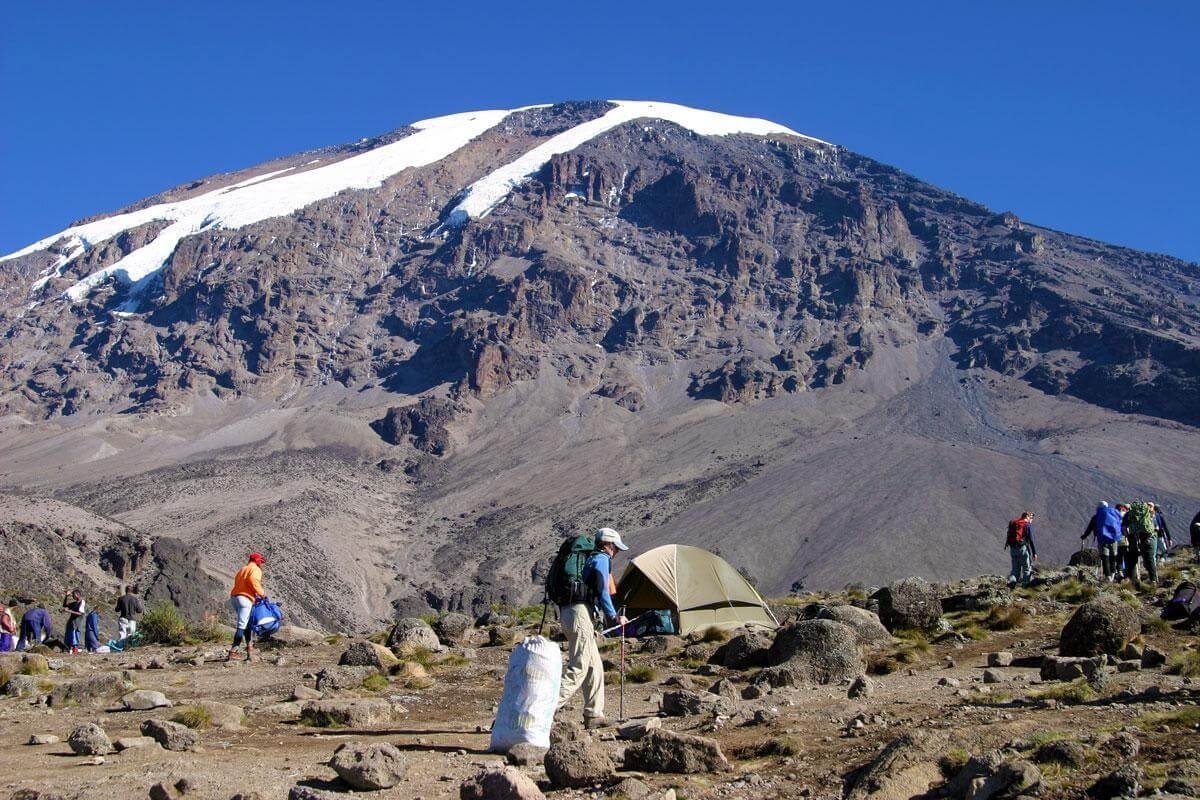
The 6-Day Best affordable Kilimanjaro Climb via Machame Route is a classic, high-intensity trek designed for physically resilient individuals seeking a condensed experience on the mountain. Often referred to as the "Whiskey Route," this path is celebrated for its diverse topography and dramatic elevation gains. By navigating through dense tropical rainforests, heath, moorlands, and alpine deserts, the 6-Day Best affordable Kilimanjaro Climb via Machame Route provides a rapid transition through the mountain’s various ecological zones. Because this itinerary prioritizes speed and efficiency, it requires climbers to be in peak physical condition and mentally prepared for the physiological demands of climbing to 5,895 meters. While it offers a more budget-friendly and time-efficient alternative to longer expeditions, it remains a serious undertaking that rewards focused determination. This structured approach ensures that every day is spent moving steadily upward, testing your stamina as you push toward the ultimate goal of reaching the continent’s highest point.
6-Day Best affordable Kilimanjaro Climb via Machame Route
Diverse mountain climate zones
Machame route forest ascent
Shira Plateau volcanic views
Lava Tower acclimation climb
Barranco Wall rock scramble
Alpine desert terrain transit
Barafu base camp stay
Midnight summit push start
Uhuru Peak summit reach
Long scenic descent trek
Professional mountain guide support
Official summit certificate award
Day by day 6-Day Best affordable Kilimanjaro Climb via Machame Route
Day 1: Machame Gate to Machame Camp
The 6-Day Best affordable Kilimanjaro Climb via Machame Route begins at the Machame Gate, located at 1,800 meters. After completing park registrations, you enter the montane rainforest. This section is characterized by thick, verdant vegetation, ancient trees, and frequent mist. You will hike for approximately 5 to 7 hours, covering 11 kilometers to reach Machame Camp at 2,835 meters. The trail is well-defined but can be muddy, particularly if it has rained recently. As you ascend, the temperature will begin to drop, signaling the transition away from the humid lowlands. You will spend your first night under canvas, listening to the sounds of the mountain forest. This initial day is essential for calibrating your walking pace and allowing your body to adjust to the new environment before the steeper inclines of the following days.
Day 2: Machame Camp to Shira Camp
Leaving the forest behind, the path climbs steadily through the heath zone, where the vegetation consists of giant heather and unique high-altitude flora. Today’s trek covers 5 kilometers over 4 to 6 hours, bringing you from 2,835 meters to approximately 3,750 meters at Shira Camp. As you emerge from the trees, the landscape opens significantly, revealing wide-open views of the Shira Plateau. This area is a remnant of an ancient volcanic collapse, offering a distinct geological shift in your surroundings. The air becomes noticeably crisper and thinner. Proper hydration is critical today, as your body begins the real work of adapting to lower oxygen levels. By the time you reach camp, the summit of Kibo will be visible in the distance, providing a constant reminder of the objective that lies ahead on this journey.
Day 3: Shira Camp to Barranco Camp
This day serves as a pivotal point for acclimatization, utilizing the "climb high, sleep low" principle. You will trek from Shira Camp toward the Lava Tower, reaching an elevation of 4,600 meters. This section takes about 4 hours to navigate the rocky, desolate terrain of the alpine desert. After a lunch break at the tower, you begin your descent toward Barranco Camp, located at 3,950 meters. The total distance covered is 10 kilometers over 6 to 8 hours. Descending back to a lower altitude is a strategic move, allowing your system to recover from the morning’s steep climb. You will spend the night sheltered within the valley, surrounded by dramatic rock formations. This day is mentally demanding due to the significant fluctuations in elevation, but it is necessary for building the endurance required for the final summit push.
Day 4: Barranco Camp to Barafu Camp
Your journey continues with the ascent of the Barranco Wall, a notable rock formation that requires slow, careful movement. Once you reach the top, the trail follows the southern circuit, undulating through the Karanga Valley before making a final push to Barafu Camp at 4,673 meters. This is a challenging day, covering 9 kilometers in 8 to 10 hours of active trekking. You are now firmly in the alpine desert zone, where life is scarce and temperatures remain consistently low. Upon reaching Barafu, the base camp for your summit attempt, your guides will conduct final equipment checks and provide a detailed briefing for the midnight start. Energy conservation is the primary focus for the afternoon. A simple, nutrient-dense dinner is provided before you attempt to get a few hours of sleep before the long ascent ahead.
Day 5: Barafu Camp to Uhuru Peak to Mweka Camp
The final ascent begins shortly after midnight. Dressed in all your cold-weather gear, you start the 5-kilometer climb to Uhuru Peak, reaching an elevation of 5,895 meters after 7 to 8 hours. The trail is steep, covered in loose scree, and requires persistent, rhythmic movement. You will first reach the crater rim at Stella Point before continuing to the summit itself. After spending a short time at the highest point in Africa, you begin the long, steep descent toward Mweka Camp at 3,100 meters. This return journey is physically grueling, covering 12 kilometers over 4 to 6 hours. You will pass through multiple climate zones on the way down, finally arriving back in the cloud forest. You will conclude the day exhausted but satisfied, having completed the most demanding portion of the itinerary.
Day 6: Mweka Camp to Mweka Gate
The final morning of the 6-Day Best affordable Kilimanjaro Climb via Machame Route is a gentle, 10-kilometer descent through the lower montane forest to the Mweka Gate at 1,600 meters. This 3-hour hike is much easier on the lungs as the air thickens with oxygen. The trail is often lush and green, sometimes damp underfoot, requiring careful footing. Upon reaching the gate, you will sign out of the national park records and receive your official summit certificate. Your transport team will be waiting to drive you back to your lodge in town. This final stage is a time for reflection on the challenge you have just conquered. After the intensive physical effort of the past few days, the return to civilization and the comforts of lower-altitude life marks the formal completion of your successful Kilimanjaro expedition
1. How long is the Machame Route trek?
The 6-day itinerary for the Machame Route is a physically intensive journey that spans approximately 62 kilometers (about 37 miles). This measurement accounts for the total trail length from the start at Machame Gate (1,800m) up to the Uhuru Peak summit (5,895m) and the final descent to Mweka Gate (1,600m). While the distance may appear manageable when compared to ultra-distance trekking trails, it is vital to remember that the terrain on Kilimanjaro is exceptionally steep and uneven. Each day involves significant vertical gain and loss, requiring you to navigate through loose volcanic scree, rocky ridges, and slippery forest trails. Because of this compressed timeframe, the daily hiking hours are high, often ranging from 5 to 8 hours, and up to 14 hours on summit night. The 6-day duration is essentially a "sprint" to the top, designed for those who value efficiency but are prepared to handle the substantial physical strain of climbing nearly 4,000 vertical meters in less than a week.
2. Why is it called the "Whiskey Route"?
The playful nickname "Whiskey Route" emerged as a direct contrast to the Marangu Route, which is commonly referred to as the "Coca-Cola Route." This branding highlights the distinct nature of the two experiences. The Marangu Route, with its permanent hut accommodations and relatively gradual, well-trodden path, is considered the commercial, easier, and more "accessible" option. In contrast, the Machame Route is tougher, more rugged, and far more demanding. The name "Whiskey" implies a stronger, more intense experience, reserved for those seeking a more traditional and challenging expedition. By choosing Machame, you are opting for a route that features steep climbs, challenging ridges like the Barranco Wall, and the necessity of camping in tents rather than sleeping in huts. This rugged reputation has solidified its status as the favorite for those who want to feel the raw reality of the mountain, testing their mettle against the tougher elements that the whiskey label promises.
3. What is the success rate of the 6-day Machame Route?
The success rate for the 6-day Machame Route is generally lower than that of longer itineraries, typically hovering around 60% to 75%. This is primarily due to the "aggressive" nature of the schedule; the route forces your body to gain altitude rapidly, leaving less time for physiological adaptation to the thinning oxygen levels. While it is an iconic trek, the 6-day timeline provides a very tight window for acclimatization. Most people who experience altitude sickness or extreme fatigue on this route do so because they are simply moving faster than their bodies can adapt. In contrast, extending this exact same route to 7 or 8 days allows for a much more gradual "climb-high, sleep-low" profile, which consistently pushes success rates above 80% to 90%. If you are considering the 6-day option, be aware that while it is affordable and efficient, it carries a higher risk of turning back if altitude symptoms become unmanageable. Success on this specific itinerary heavily depends on your pre-existing cardiovascular fitness and your ability to pace yourself with extreme discipline.
4. What will the scenery look like?
One of the most compelling features of the Machame Route is its ability to showcase all five of Kilimanjaro’s distinct ecosystems in a single, immersive journey. As you ascend, the scenery shifts dramatically from the lush, humid rainforest at the base, teeming with tropical ferns, mosses, and birdlife, to the heath and moorland zone, where you are greeted by surreal landscapes of giant groundsels and lobelias shrouded in morning mist. As you press higher, you cross into the alpine desert—a stark, desolate, and hauntingly beautiful expanse of volcanic rock, gravel, and ash where life becomes sparse. This is followed by the high-altitude arctic zone at the summit, a surreal domain of ice cliffs, remnants of ancient glaciers, and snow-covered slopes. Standing at the peak, you look out over the vast African plains far below, providing a visual contrast that is truly unforgettable. The sheer variety of the terrain ensures that every day on the mountain offers a completely different perspective and ecological experience.
5. How much does a 6-day Machame Route climb cost?
The cost of a 6-day Machame Route trek can vary significantly based on the level of service, the size of your group, and the quality of the operator. Budget-friendly group packages typically range from $1,300 to $1,800 USD per person. These packages are designed to be accessible and usually include all the essential logistics: mandatory National Park entrance and rescue fees, a full crew (lead guide, assistant guides, cook, and porters), camping equipment, and meals. However, it is important to understand what "budget" entails; very low prices can sometimes indicate that the company is cutting corners on staff wages, food quality, or safety protocols. Private climbs, which offer more flexibility, personalized pacing, and exclusive attention from the guide team, will naturally command a higher price, often ranging from $2,000 to $2,500+ USD. When budgeting, always remember to factor in additional costs that are usually not included in the quote: tips for the mountain crew, international flights, travel insurance, and potential gear rentals.
6. What is included in an affordable package?
A standard, reliable budget trekking package on the Machame Route is designed to cover the absolute necessities for a safe and supported ascent. At a minimum, your package should include all mandatory Tanzania National Park (TANAPA) fees, which comprise conservation, camping, and mountain rescue fees—these are non-negotiable and account for a large portion of your total cost. Additionally, the package will provide a certified, experienced mountain guide who leads the expedition, assistant guides (depending on group size), a cook, and a team of porters to carry the group gear. You will receive all necessary camping equipment, including sturdy, four-season mountain tents and sleeping pads. All your meals while on the mountain—three hearty, calorie-dense servings per day—are also included, as are all local transport costs to and from the Machame and Mweka gates. While it won't include luxury items or high-end hotel stays in Moshi before and after the trek, a reputable budget package is more than sufficient to provide the support infrastructure required to reach the summit.
7. How can I book a reliable, affordable operator?
Booking a reliable yet affordable operator is the single most important decision for your trip. Your best tool is the collective experience of past trekkers found on platforms like Tripadvisor, Google Reviews, or specialized travel forums. When researching, look for operators who have a consistently high volume of positive reviews that specifically mention safety, the quality of the guides, and the fairness of their treatment toward the local crew. Avoid companies that lure you in with suspiciously low prices, as these often correlate with poor safety standards or the mistreatment of porters. Instead, look for operators that are transparent about their safety protocols, such as carrying portable oxygen tanks, pulse oximeters for daily health checks, and a clear, pre-defined emergency evacuation plan. You can also verify if they are members of organizations like the Kilimanjaro Porters Assistance Project (KPAP), which audits companies for ethical employment practices. Checking for these indicators of quality and ethics will help you find a middle ground—a company that is affordable but also reliable and safe.
8. How fit do I need to be?
The 6-day Machame Route is not a casual walk; it is a serious endurance challenge. You do not need to be a professional athlete, but you must arrive with a strong base level of cardiovascular fitness and muscular strength. Most days involve trekking for 5 to 8 hours over steep, rocky, and uneven terrain. You should be able to walk continuously for several hours while carrying a light daypack without needing excessive breaks. Summit Night is the ultimate test, involving up to 14 hours of trekking in freezing temperatures and thin air. To prepare, experts recommend a structured training plan 8 to 12 weeks before your trip. Focus on "hike-specific" exercises: stair-climbing, walking on inclines at the gym, and long hikes on local trails with a weighted pack. Strengthening your legs (squats, lunges) and core is vital for stability, while jogging or cycling will improve your lung capacity and stamina. If you are comfortable hiking 10–15 km with a daypack in your training, you will be much better prepared to handle the intensity of the mountain.
9. Do I need to buy all of my own heavy gear?
No, you do not need to purchase expensive, bulky specialized equipment that you may never use again. Most reputable trekking operators in Moshi offer gear rental services, which can save you a significant amount of money and stress. Items such as high-quality four-season sleeping bags, heavy-duty down parkas, trekking poles, and waterproof over-trousers are commonly available to rent. Renting these items locally usually costs between $100 and $200 USD for the entire trip, which is far cheaper than buying them new. Before you commit to renting, ask your operator for photos or specifications of the gear they provide to ensure it meets your quality standards, especially for the freezing temperatures on summit night. Using a mix of your own reliable, comfortable gear (like your broken-in hiking boots and personal clothing layers) and rented technical items is a very common and practical strategy for budget-conscious climbers. It keeps your luggage weight low during international travel and ensures you are properly equipped for the mountain's harsh conditions.
10. Do the porters carry everything?
Porters are the backbone of your Kilimanjaro experience, but there are specific rules and logistical divisions to how they work. Generally, the porter team is responsible for carrying the "group gear"—this includes your main duffel bag (usually limited to 15 kg per person to ensure ethical weight standards), the large camp tents, the mess tent, dining equipment, food supplies, and fuel. You are responsible for carrying only a small daypack, typically 30–35 liters, which should hold your personal essentials for the day: water (2–3 liters), rain gear, an extra mid-layer, sunscreen, your camera, and personal snacks. This allows you to walk with relative freedom, which is essential to conserve your energy for the ascent. While the porters do the heavy lifting, remember that they are human beings working in a difficult environment. Following the weight limits and keeping your gear organized in a durable duffel bag helps them perform their jobs safely and efficiently, which directly contributes to the success of your entire group.
11. Will I experience altitude sickness?
Altitude sickness (Acute Mountain Sickness or AMS) is a reality on Kilimanjaro. Even for those with excellent fitness levels, the rapid ascent to 5,895 meters means that experiencing some symptoms is statistically likely for many climbers. Common early symptoms include mild headaches, lightheadedness, nausea, and shortness of breath. These are normal signals that your body is working harder to adapt to lower oxygen availability. The critical task is to distinguish between "manageable" symptoms and "dangerous" ones. If you have a mild headache, your guide will likely advise you to drink more water, slow your pace, and perhaps take a painkiller. However, more serious symptoms—like persistent vomiting, confusion, or lack of coordination—are signs that the condition is worsening and require immediate action, which may include descending to a lower altitude. Because altitude affects everyone differently, it is crucial to stay vigilant, maintain open communication with your guides, and never hide how you are feeling. Altitude sickness is not a reflection of your physical fitness; it is a physiological response that requires respect and proper management.
12. How should I prevent altitude sickness?
The single best defense against altitude sickness is the famous Swahili phrase: pole-pole ("slowly, slowly"). By maintaining a pace that feels almost too easy, you allow your body the best possible chance to synthesize red blood cells and adapt to the thin air. Beyond pacing, hydration is paramount; you should aim to drink 3 to 4 liters of water every single day. Dehydration exacerbates the symptoms of AMS, so keeping your fluids high is a non-negotiable rule. Many climbers also consult their doctors about bringing Diamox (acetazolamide). This medication is widely used to speed up the acclimatization process by encouraging deeper breathing and reducing the symptoms of mild altitude sickness. However, you should discuss this with your physician before your trip to ensure it is safe for you. Finally, listen to your guides. They are experts at recognizing the early signs of distress and will often perform daily health checks using a pulse oximeter. Trust their experience—they are the best judges of when you need to push forward and when you need to rest.
13. What safety measures do budget operators have?
Even on a budget, safety must never be compromised. Reliable, budget-friendly operators should still adhere to strict safety protocols that ensure you are in good hands. A key measure is the presence of an emergency medical kit, which should be stocked with first-aid supplies and basic medicines. More importantly, professional guides will be equipped with a pulse oximeter, a device that clips onto your finger to measure your blood oxygen saturation; they use this to track your body’s acclimatization progress every morning and evening. Furthermore, reputable companies must have a clear, pre-planned strategy for emergency evacuations, which includes the availability of portable oxygen tanks for use in critical situations and a reliable means of communication—such as a radio or satellite phone—to contact rescue teams if a climber needs to be taken off the mountain. When you are vetting an operator, specifically ask these three questions: "What is your guide's emergency qualification?" "Do you have oxygen on the climb?" and "What is your evacuation plan?" The answers will tell you everything you need to know about their safety standards.
14. When is the best time to climb?
Kilimanjaro’s climate is dominated by two primary dry seasons and two rainy seasons. The best windows to climb are during the dry seasons, which provide the most favorable weather, the clearest views, and the driest trails. The first dry season runs from mid-December through early March, while the second (and often more popular) dry season runs from late June through September. During these months, you are most likely to experience crisp, sunny days and clearer visibility from the summit, which makes the photographic opportunities and the general experience much more enjoyable. The weather is relatively stable, although it is still cold at night. Conversely, the rainy seasons—most notably April, May, and November—bring heavy rainfall, which makes the rainforest muddy, the alpine desert cold and wet, and the summit climb significantly more challenging and potentially hazardous. If you choose to climb during the dry months, you are stacking the odds in your favor for both safety and enjoyment.
15. Can I save money by climbing in the off-season?
Yes, it is possible to save 20–30% on your total trekking package by booking during the "shoulder" or "off-peak" months, such as April, May, or November. Because these months fall during the rainy seasons, demand for climbing is lower, leading many tour operators to offer discounted group rates to attract clients. However, this savings comes with a significant trade-off in the experience. You will likely face frequent rain, muddy and slippery trails, and higher levels of cloud cover, which can obscure the dramatic views you are climbing to see. Additionally, the mountain can be much colder and more miserable to trek through when everything is wet. If you are an experienced hiker who is comfortable with harsh conditions, has high-quality waterproof gear, and is motivated primarily by saving money and avoiding crowds, the shoulder season can be a perfect opportunity. But if this is your one chance to see Kilimanjaro in all its glory, the extra cost of traveling during the dry season is usually worth the investment.
16. Do I need a visa and vaccinations?
Yes, entry requirements are a vital part of your trip preparation. Most international visitors, including those from the US, UK, Canada, and most European countries, require a visa to enter Tanzania. This can be obtained in advance through the online Tanzania Immigration e-Visa system or, in many cases, purchased on arrival at major airports like Kilimanjaro International Airport (JRO). Regarding health, you must check if your specific country of origin or transit requires a Yellow Fever vaccination. Tanzania mandates a Yellow Fever vaccination certificate only for travelers arriving from or transiting through "yellow fever risk" countries (such as many other sub-Saharan African nations or parts of South America). If you are flying directly from Europe, North America, or Asia, you generally do not need this certificate. However, regardless of the mandate, it is highly recommended to consult a travel clinic to get routine vaccines like Hepatitis A and Typhoid updated and to discuss malaria prophylaxis, as Moshi and the surrounding regions are malaria-endemic areas. Always check the latest government health advisories at least a few months before you depart to ensure your documentation is complete.
Booking 6-Day Best affordable Kilimanjaro Climb via Machame Route with us Roads of Adventure safaris
To book your 6-Day Kilimanjaro climb via the Machame Route with Roads of Adventure Safaris, the most direct method is to visit their official booking portal or contact their reservations team directly via their website to customize your itinerary and lock in current 2026 rates Roads of Adventure Safaris.
