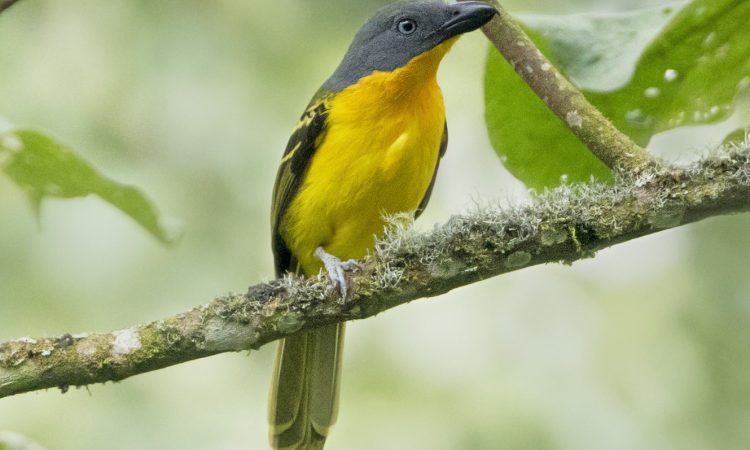
A 10-day bird watching safari in Rwanda explores diverse biomes, ranging from the papyrus swamps of Akagera in the east to the montane rainforests of Nyungwe in the southwest. Home to over 700 bird species—including 29 Albertine Rift endemics—Rwanda provides excellent birding coupled with premier primate tracking
10-days-best-rwanda-birding-safari-combined-with-rwanda-gorilla-trekking-vacation
Rwanda Albertine Rift Endemics Route: 10-Day Specialized Circuit
Rwanda’s Albertine Rift Endemics Route is an elite pilgrimage explicitly engineered for serious birders and hyper-focused world listers. The Albertine Rift—a dramatic branch of the East African Rift System formed by tectonic movements over millions of years—stands as one of Africa’s most critical centers of avian endemism. This precision ten-day itinerary penetrates the region's most productive microclimates, targeting restricted-range, globally threatened, and endemic species that cannot be found anywhere else on earth. From the expansive papyrus beds flanking Kigali to the primordial, moss-shrouded canopy of Nyungwe Forest and the freshly protected cloud forests of Gishwati-Mukura, you will navigate an array of specialized altitudes and fragile biomes. Led by specialized guides who know every subtle call and territorial territory, this high-density expedition prioritizes patience, technical field skills, and intense habitat exploration. Prepare to unlock a monumental volume of specialized lifers across Rwanda’s spectacular mountain landscapes.
Nyungwe Forest National Park
Days 1-2: Arrival in Kigali, Nyarutarama Lake & Nyabarongo Wetlands
Your high-density listing expedition begins upon arrival in the clean, rolling capital of Kigali. After checking in, you will spend your first afternoon around Nyarutarama Lake, a pristine urban wetland bordered by lush grasslands. Here, you will instantly log your first localized residents, scanning the reed beds for the beautifully hued White-faced Whistling Duck, Spur-winged Goose, and the elegant Yellow-throated Longclaw. On Day 2, you will head deeper into the massive Nyabarongo Wetlands, an expansive network of papyrus valleys fed by the Nyabarongo River. This pristine, challenging habitat is a stronghold for highly specialized, threatened swamp dwellers. Your expert guides will work the dense papyrus margins to locate the dazzling, crimson-breasted Papyrus Gonolek, the elusive White-winged Swamp Warbler, and Carruthers's Cisticola, providing an exceptionally strong, specialized launchpad for your grand Albertine Rift checklist before transitioning into the rugged western highlands.
Day 3: Transfer to Nyungwe National Park & Lower Forest Birding
On the third day, you will depart Kigali and head southwest into the high-altitude interior, winding through sharply terraced agricultural hills toward Nyungwe Forest National Park. Nyungwe is one of Africa’s oldest and most bio-diverse montane rainforests, famously acting as an ecological refuge during the last ice age. Upon arrival, the cool, crisp mountain air immediately alters the auditory landscape, replacing savanna chirps with an intricate symphony of deep-forest calls. You will spend the afternoon exploring the lower canopy zones and forest margins near the park entrance. This transitional habitat is excellent for checking off stunning resident canopy specialists, including the spectacular, massive Great Blue Turaco bouncing heavily through the branches, alongside the vocal Mountain Oriole, Black-faced Rufous Warbler, and various iridescent sunbirds. This introductory session serves to calibrate your eyes to the dense, low-light forest interior conditions.
Nyungwe Forest National Park
Day 4: Ticking Specialized Endemics along the Flat Karamba Trail
Today is dedicated to exploring the famous Karamba Birding Trail, a highly productive, relatively flat path stretching across the western sector of Nyungwe. Because this historic trail is more open than the park’s dense interior tracks, it offers unparalleled visibility and lighting for photographing high-canopy and edge-dwelling species. Moving quietly along the path, you will scan the moss-draped branches for the magnificent Rwenzori Turaco, celebrated for its brilliant crimson wing patches and striking facial patterns. The mixed-species flocks along the Karamba trail routinely hold the highly sought-after Rwenzori Batis, Regal Sunbird, and the vocal Stripe-breasted Tit. Your guide will also check the lower thickets for the secretive Archer's Robin-Chat. Keep your eyes raised toward the tallest hardwood snags as well, which frequently host spectacular Black-and-white-casqued Hornbills and majestic, soaring birds of prey.
Nyungwe Forest Rwanda Tours
Day 5: Conquering the High-Altitude Summit of Mount Bigugu Trail
Prepare for a challenging but immensely rewarding birding ascent as you tackle the legendary Bigugu Trail today. This rugged, steep track climbs to the highest peak in Nyungwe National Park, topping out at an impressive 2,950 meters above sea level. This high-altitude trek takes you through specialized dwarf montane vegetation, giant lobelias, and misty bamboo zones. The extreme elevation change makes this trail the absolute best location in Africa to track down the rare, critically localized Red-collared Mountain-babbler. You will also use patience to spot the skulking Grauer's Rush Warbler and the handsome, endemic Handsome Francolin foraging along the muddy trail margins. The high-altitude canopy also harbors the stunning Purple-breasted Sunbird and Neumann's Warbler. Reaching the misty summit while surrounded by some of the rarest, most restricted-range birds on the continent is an absolute pinnacle experience for world listers.
Nyungwe Forest National Park+ 2
Day 6: Travel to Gishwati-Mukura National Park & Forest Fringe Birding
Leaving the vast expanse of Nyungwe behind, you will journey north along the scenic Congo-Nile Divide toward Gishwati-Mukura National Park, Rwanda’s newest and most inspirational conservation success story. Once highly degraded, this high-altitude montane forest fragment has undergone intensive habitat restoration, creating a vibrant, recovering sanctuary for Albertine Rift specialists. You will arrive by midday and focus your afternoon birding on the lush forest fringes, secondary growth, and connecting community conservation corridors. The forest edges here are surprisingly active, providing rapid-fire sightings of species adjusting to the regenerating canopy. You will scan the brush for the distinctively patterned Doherty's Bush-shrike, Mountain Yellow Warbler, and the colorful Dusky Crimsonwing. This day highlights the critical importance of fresh conservation zones, offering a highly unique set of sightings within a rapidly rebounding wilderness.
Day 7: Deep Forest Interior Exploration of the Pristine Gishwati Sector
Today features a full-day, deep immersion into the dense, primordial interior of the Gishwati forest sector. Accompanied by specialized park rangers, you will navigate the interior tracks beneath towering, ancient hardwoods covered in orchids and ferns. This pristine forest core harbors over 230 recorded bird species, heavily favoring Albertine Rift endemics. Your primary targets include the rare, highly threatened Abyssinian Ground-Thrush scratching through the leaf litter, and the beautiful, hyper-localized Black-faced Apalis flitting through the mid-canopy. You will also look out for the unique Strange Weaver and the elusive Red-throated Alethe. As you listen for the rhythmic calls of the Rwenzori Batis echoing through the vines, you are also very likely to encounter Gishwati's famous primates, including wild Eastern Chimpanzees, Golden Monkeys, and L'Hoest's Monkeys, making for an extraordinary day of raw, multi-taxa wilderness birding.
Volcanoes National Park+ 3
Day 8: Twin Lakes Boat Safari & Lakeshore Avian Exploration
You will bid farewell to the high cloud forests of Gishwati and drive northeast toward the dramatic volcanic landscapes of the Virunga region. Your destination is the spectacular Twin Lakes, Burera and Ruhondo, twin bodies of water formed by ancient volcanic lava flows blockading river valleys. Surrounded by towering, steep-sided green hills, these lakes provide a stunning change of pace from dense forest birding. You will embark on a relaxed afternoon boat cruise across the calm, deep waters, scanning the rocky shorelines, reed beds, and small fishing islets. The open water and lacustrine fringes are packed with avian life, including nesting colonies of Grey Crowned Cranes, Malachite Kingfishers, African Fish Eagles, and various cormorants. This peaceful, highly scenic session allows you to log key aquatic, open-country, and migratory species that are entirely absent from the deep mountain jungles.
Day 9: Trekking the Fragile Rugezi Swamp for Elusive Marsh Specialists
An early morning drive brings you to the edge of the remote Rugezi Swamp, a vast, high-altitude peat bog recognized globally as a Ramsar site of supreme ecological importance. Covering thousands of hectares, this unique high-altitude marshland is a crucial, fragile sanctuary for globally threatened wetland specialists. Boarding traditional canoes or hiking along specialized eco-trails, you will focus heavily on locating the highly endangered, endemic Grauer's Swamp Warbler, which thrives within the dense sedge and papyrus patches. Rugezi is also one of the finest locations to tick off the beautiful, localized Papyrus Canary, the White-winged Scrub-Warbler, and the rare Thick-billed Seedeater. The tranquil, misty marsh landscape provides an eerie, prehistoric atmosphere as you work the reed margins, offering an exceptional, high-stakes finale to your specialized endemic list.
Wildlife Partners+ 1
Day 10: Final Morning Checklist Wrap-Up & Return Drive to Kigali
On your final day, you will conduct a brief, early morning lakeside walk to pick up any final open-country species or weavers that may have eluded your checklist over the past nine days. Following a hearty breakfast overlooking the volcanic lakes, you will pack your gear and begin the comfortable, highly scenic return drive southward to Kigali. The journey winds through beautiful mountain passes and bustling rural villages, offering an excellent opportunity to review your final lifelist totals with your expert guides. You will arrive back in the capital city in the late afternoon, with time for a celebratory lunch and a brief stop at local artisan markets for souvenirs. You will then transfer directly to Kigali International Airport for your evening departure flight home, officially concluding your ultimate, high-density Albertine Rift Endemics expedition.
Uganda Northwest Circuit: 10-Day Grand Savannah & Royal Mile Route
Uganda’s Northwest Circuit is a masterfully balanced itinerary designed for wildlife enthusiasts who refuse to choose between world-class birding and iconic big game safaris. This comprehensive ten-day journey cuts through a remarkably diverse cross-section of habitats, transitioning from the vast wetlands of Lake Victoria to the magnificent mahogany galleries of Budongo Forest, and onward into the expansive savannas sliced by the Victoria Nile. Key highlights include the legendary "Royal Mile," widely considered one of Africa's premier forest birding tracks, alongside the roaring spectacle of Murchison Falls. As you traverse this geographic corridor, your high-density checklist will expand to include unique West African forest specialists, highly localized riverine lifers, and majestic savanna raptors. Seamlessly integrated with thrilling primate encounters like chimpanzee tracking in Kibale and big game tracking across rolling plains, this circuit offers the ultimate showcase of East Africa's raw, multi-taxa biodiversity.
Day 1: Arrival in Entebbe & Introductory Peninsula Birding
Your Ugandan safari commences on the lush Entebbe peninsula, a green tongue of land extending into the vast waters of Lake Victoria. Upon arrival at the airport and checking into your lakeside lodge, you will embark on an introductory afternoon birding walk around the local peninsula woodlands and shoreline fringes. The mature fruiting trees and lakeside gardens are teeming with avian life, providing an excellent, low-stress environment to begin your checklist. Keep your binoculars ready for the colorful, noisy Eastern Grey Plantain-eater, the striking Double-toothed Barbet, and the beautiful Ross's Turaco flitting through the canopy. Over the water, look for efficient hunters like the Pied Kingfisher and the massive Goliath Heron standing patiently in the shallows. This relaxed first day allows you to adjust to the tropical climate and test your gear before launching into the high-intensity birding zones tomorrow.
Day 2: Mabamba Wetland Shoebill Search & Transfer to Masindi
An early morning departure takes you to Mabamba Wetland, a globally recognized Ramsar site famed for its vast papyrus maze. Boarding a small, paddled canoe, you will glide silently through narrow channels lined with purple water lilies. Your primary quarry is the incredible Shoebill Stork, a towering, prehistoric-looking bird that stalks lungfish in the shallows. Observing this rare giant up close is an unforgettable milestone for any birding life list. The swamp also yields sightings of the Lesser Jacana, Blue-breasted Bee-eater, and African Marsh Harrier. Leaving the marsh behind, you will journey north towards Masindi town. En route, a rewarding detour guides you into the Ziwa Rhino Sanctuary. Here, you will track wild southern white rhinos on foot through the woodlands, checking off savanna edge birds like the White-crested Turaco along the way.
Day 3: Full-Day Birding the Famous "Royal Mile" in Budongo Forest
Today features a pilgrimage to the "Royal Mile" within the Budongo Forest Reserve, legendary among international birders as one of the single most productive forest tracks in Africa. This magnificent, wide avenue cuts through a pristine, mature mahogany canopy, offering exceptional light and visibility for spotting secretive forest interior species. Moving slowly along the trail, you will search for highly prized West African Guinea-Congo biome specialties. Your expert guides will listen out for the distinct calls of the Chocolate-backed Kingfisher, the endemic Ituri Batis, and the diminutive Lemon-bellied Crombec. The mid-canopy routinely reveals the stunning Chestnut-capped Flycatcher and various elusive greenbuls. After an exhilarating, high-yield day beneath the canopy, you will transfer late in the afternoon into Murchison Falls National Park, arriving just as the open savanna landscapes begin to unfold under the setting sun.
Day 4: Albert Nile Delta Boat Cruise & Afternoon Game Drive
You will kick off the morning with a highly specialized private boat launch sweeping downstream toward the Albert Nile Delta. This unique wetland intersection, where the Victoria Nile empties into Lake Albert, is an absolute hotspot for rare riverine species. As the boat drifts past floating papyrus islands, you will look for another opportunity at the Shoebill, alongside the spectacular, nocturnal Pel's Fishing Owl roosting in overhanging riverine trees. Giant Goliath Herons and Saddle-billed Storks line the banks, while hundreds of Red-throated Bee-eaters nest in the sandy cliffs. In the afternoon, the focus shifts to dry land with a thrilling game drive across the northern tracks. You will search for massive herds of Rothschild’s giraffes, elephants, and Cape buffaloes, keeping a sharp lookout for lions and leopards resting under lone acacia trees.
Day 5: Savannah Birding Across Northern Murchison & Top of the Falls
Today is dedicated to maximizing your savanna checklist across the diverse northern landscapes of Murchison Falls. The rolling grasslands and borassus palm forests host a completely different suite of specialized birds. You will scan the open horizons for the prehistoric-looking Abyssinian Ground Hornbill marching through the grass, the elegant Secretary Bird on the hunt for reptiles, and the massive Denham's Bustard. Raptors are exceptionally well-represented here, with regular sightings of the Martial Eagle and Bateleur soaring on thermals. In the afternoon, you will journey to the dramatic "Top of the Falls." Here, you will witness the awesome power of the mighty Nile River as it violently compresses through a narrow, seven-meter canyon before plunging forty meters below, filling the mist-heavy air with a permanent rainbow and the thunderous roar of raw nature.
Day 6: Scenic Transfer Across the Albertine Rift Valley to Kibale
Leaving the golden savannas of Murchison Falls behind, you will embark on a highly scenic, full-day road transfer heading southwest toward the primate capital of Kibale Forest National Park. The driving route snakes along the eastern escarpment of the Albertine Rift Valley, offering expansive, breathtaking vistas over Lake Albert and the blue mountains of the Democratic Republic of Congo in the distance. As you wind through bustling rural villages, vibrant banana plantations, and neatly manicured, bright green tea estates flanking Fort Portal town, the air turns distinctly cooler. This long transit serves as an important ecological bridge, moving you from the hot northern plains into the lush, mid-altitude tropical rainforests of the central rift zone. You will arrive at your rainforest lodge in the evening, serenaded by a wild chorus of nocturnal insects and tree hyraxes.
Day 7: Chimpanzee Tracking & Forest Birding in Kibale National Park
Kibale National Park boasts the highest density and diversity of primates in East Africa, and today you will enter its ancient interior. The morning begins with an exhilarating chimpanzee tracking excursion. Guided by specialized park rangers, you will trek through the dense undergrowth to spend an unforgettable hour observing a habituated community of wild chimpanzees as they feed, play, and swing effortlessly through the high canopy. After lunch, your focus returns to high-density listing as you bird the forest tracks and nearby swamp edges. Kibale is home to over 370 avian species; you will search for the striking Great Blue Turaco, the vocal Grey-winged Robin-Chat, and the elusive Joyful Greenbul. Keep a sharp eye on the forest floor for foraging illadopsises while listening out for the rare, brilliant Green-breasted Pitta.
Day 8: Transfer to Queen Elizabeth National Park & Kazinga Channel Cruise
You will bid farewell to the rainforest and drive south toward Queen Elizabeth National Park, tracing the base of the majestic, snow-capped Rwenzori Mountains. Along the way, you will cross the Equator, descending into a landscape of volcanic explosion craters and acacia woodlands. In the afternoon, you will board a legendary boat cruise along the Kazinga Channel, a natural 32-kilometer waterway connecting Lake Edward and Lake George. This aquatic safari places you incredibly close to thousands of grunting hippos, bathing elephants, and giant Nile crocodiles. For birders, the sandy banks are an absolute paradise, packed with elegant African Skimmers cutting through the water's surface, Pink-backed Pelicans, Yellow-billed Storks, and a spectacular array of migratory palearctic shorebirds feeding side-by-side along the water's edge.
Day 9: Savannah Birding Drive & Predator Tracking on Kasenyi Plains
Your morning starts at first light with an intensive birding and game drive across the scenic Kasenyi Plains, an open savanna ecosystem bounded by dramatic crater lakes. This area serves as the primary breeding ground for thousands of Uganda Kobs, making it the premier location in the park for tracking prides of lions and elusive leopards. For birders, the open grasslands provide an essential habitat for specialized ground-dwelling species. You will work the grassy tracks to log the Temminck's Courser, Flappet Lark, and the colorful Yellow-throated Longclaw. The park's acacia snags are excellent perches for diverse birds of prey; you will scan for Rüppell's Vultures, Lappet-faced Vultures, and the fierce Martial Eagle. The afternoon includes an exploration of the local crater drive, picking up unique waterbirds around the hyper-saline lakes.
Day 10: Maramagambo Forest Exploration & Return Drive to Entebbe
On your final morning, you will explore the cool, dark canopy of Maramagambo Forest, which provides a striking ecological contrast to the open savannas nearby. Walking beneath the dense ironwood trees, you will search for forest-dependent species like the beautiful Narina Trogon, the rare African Emerald Cuckoo, and various secretive greenbuls. You will also visit a unique viewing platform over a massive bat cave, where thousands of Egyptian fruit bats roost while predatory pythons wait in the shadows. Following this final forest walk, you will pack your gear and begin the comfortable return drive eastward back to the capital. Crossing the rolling hills of central Uganda, you will arrive at Entebbe International Airport in the late afternoon, with your high-density checklist completed, in time to check in for your international departure flight home.
Uganda Off-The-Beaten-Path Eastern Flyway: 10-Day Montane & Semi-Arid Circuit
Uganda’s Eastern Flyway represents a thrilling frontier for adventurous birders looking to bypass the heavily traveled western tourist tracks. This masterfully designed ten-day circuit targets an exceptional suite of highly specialized, dry-country, and unique montane species that are completely absent from the country's equatorial rainforests. Your journey spans a radical geographic and climatic shift, climbing from the rich, low-elevation rainforest blocks of Mabira into the crisp, montane volcanic alpine zones of Mount Elgon. From there, you will push northward into the raw, semi-arid acacia thorn-scrub of the remote Karamoja region and the pristine, isolated savannas of Kidepo Valley National Park. This specialized flyway offers intense, high-density listing opportunities focusing on restricted-range Somali-Masai and Sudan-Guinea savanna biomes. Perfect for world listers seeking rare endemics and isolated landscapes, this expedition reveals the dramatic, untamed beauty of Uganda's wild northeast.
Day 1: Arrival in Entebbe & Transfer to Kampala or Mukono
Your off-the-beaten-path expedition begins on the shores of Lake Victoria as you touch down at Entebbe International Airport. After clearing customs and meeting your specialist guide, you will embark on a relaxed afternoon transfer navigating eastward toward the bustling capital of Kampala or the quieter outskirts of Mukono town. This transit serves as an important introductory phase, transitioning you through the urban landscape toward the eastern birding corridors. Along the way, you can keep your binoculars handy for common, widespread residents utilizing the lush suburban gardens and roadside tree canopies. Look out for the massive Marabou Storks soaring overhead, the ubiquitous Pied Crow, and the noisy, energetic Black-and-white Shrike. Settling into your hotel early, you will enjoy a detailed briefing with your guide over dinner, checking your target lists and resting up before plunging into dense rainforest birding tomorrow.
Day 2: Full-Day Birding in Mabira Central Forest Reserve
Today features a full-day exploration of the magnificent Mabira Central Forest Reserve, one of the last remaining blocks of semi-deciduous tropical rainforest in central Uganda. Walking beneath a massive canopy of ancient hardwoods, your primary and most challenging target is the globally threatened, secretive Nahan's Partridge, a highly localized terrestrial species that relies on deep buttress roots for nesting. Your expert guides will also utilize sharp auditory skills to locate the vibrant Purple-throated Cuckoo-shrike flitting through the high canopy. The complex trail system at Mabira is incredibly rich, routinely yielding excellent sightings of the spectacular Great Blue Turaco, Forest Woodhoopoe, African Pied Hornbill, and various iridescent sunbirds. This intense forest session provides an incredible boost to your checklist, contrasting beautifully with the dry, semi-arid habitats that await you further north along the flyway.
Untamed Uganda Safaris+ 1
Day 3: Transfer East via Jinja to Sipi Falls on Mount Elgon
Leaving the dense forest behind, your route strikes eastward along the main highway, crossing the iconic River Nile at Jinja. Here, you will catch a glimpse of the historic Source of the Nile, where Lake Victoria empties into the world's longest river system. Keep a sharp eye over the water for the efficient, diving Pied Kingfisher and the swooping African Fish Eagle. Continuing past Jinja, the landscape alters dramatically as you enter eastern Uganda, with the dramatic, jagged outline of Mount Elgon looming on the horizon. You will begin a winding ascent up the volcanic foothills to the spectacular Sipi Falls area. Perched at an altitude of over 1,800 meters, Sipi offers stunning, cooler microclimates and panoramic vistas of roaring waterfalls cascading over sheer cliffs, providing a scenic backdrop for evening montane edge birding.
Day 4: Montane Birding on the Slopes of Mount Elgon National Park
Today is a dedicated immersion into the unique, high-altitude montane forest biomes of Mount Elgon National Park, an extinct shield volcano boasting one of the oldest intact calderas in Africa. Guided paths lead you through lush bamboo zones and Afro-alpine moorlands, where the botanical landscape changes entirely. Your primary targets are the highly specialized, range-restricted montane gamebirds: the elusive Jackson's Francolin and the Moorland Francolin, both expertly adapted to foraging in the dense alpine undergrowth. You will also search the flowering stands of giant lobelias for the magnificent, long-tailed Tacazze Sunbird, whose iridescent purple plumage flashes brightly in the alpine sunlight. The forest holds other key montane residents, including the striking Rwenzori Hill Babbler and the White-starred Robin, making this an elite, high-yield day for specialized high-altitude world listers.
Day 5: Long Northward Transfer to the Rugged Karamoja Region
You will bid farewell to the misty valleys of Mount Elgon and embark on a long, fascinating journey heading north into the remote, untamed landscapes of the Karamoja region. This long travel day represents a profound geographic shift, as the green, terraced mountain slopes gradually flatten out into vast, wide-open semi-arid plains dominated by thorny acacia woodlands and solitary inselbergs. As you navigate the rural tracks toward Moroto town, the cultural landscape changes dynamically, passing traditional, fenced Karamojong homesteads known as manyattas. For birders, the roadside thickets along this dry flyway introduce an entirely fresh suite of xerophytic (dry-country) bird species. Look out for the colorful, cooperative White-headed Buffalo-Weavers constructing their bulky stick nests in lone acacia trees, signaling your official entry into the specialized Somali-Masai biome.
Day 6: Acacia-Thorn Brush Birding on Mount Moroto
Today features an intensive morning and afternoon birding session through the specialized acacia-thorn brush and rocky foothills of Mount Moroto, an isolated volcanic massif towering over the semi-arid Karamoja plains. This dry, challenging ecosystem is the absolute stronghold for several of Uganda’s rarest, highly localized specialists. Your top prize here is the endangered Karamoja Apalis, a hyper-localized warbler that relies heavily on specific whistling-thorn acacia thickets. You will also work the brush to log the distinctive, loud White-bellied Go-away-bird and the beautifully patterned Crested Bustard strutting across the dry soils. Raptors are exceptionally well-represented in this arid flyway, and you will scan the thermal currents for the elegant Eastern Chanting-Goshawk and the small Pygmy Falcon, maximizing your dry-country listing totals under the guidance of specialized local rangers.
Avian Safaris
Day 7: Travel to Kidepo Valley, Uganda’s Most Isolated Wilderness
Leaving Moroto, your expedition strikes further north, traversing the rugged heart of Karamoja to reach Kidepo Valley National Park, widely celebrated as Uganda’s most isolated, pristine, and wild national park. The drive itself is a wilderness experience, cutting through vast, empty savannas bounded by dramatic, distant mountain ranges. Kidepo sits at a unique ecological intersection where the arid climates of South Sudan and Kenya merge with East African savanna grasslands, harboring over 480 avian species. You will enter the park through the rugged southern gates, instantly noticing a massive abundance of wildlife. As you transfer to your safari lodge, you will enjoy a preliminary evening game drive, picking up large herds of Cape buffaloes, elegant giraffes, and your first dry-country birds like the noisy Jackson's Hornbill perching on lone snags.
Kidepo Valley National Park+ 1
Day 8: Full-Day Birding and Big Game Safari in Kidepo Valley
Today is an epic, full-day immersion into the spectacular, sun-bleached landscapes of the Narus and Kidepo Valleys. The dry riverbeds, lined with borassus palm forests and open sandbanks, create a jaw-dropping backdrop for high-density listing. You will search the open savanna tracks for the brilliant, azure-winged Abyssinian Roller perched prominently on low branches, alongside the localized Clapperton's Francolin and flocks of colorful Rose-ringed Parakeets. Kidepo is also the only national park in Uganda where you can log the giant Common Ostrich sprinting across the plains. Between bird sightings, you will enjoy unparalleled big game viewing; the valleys are packed with massive elephant herds, maneless zebras, lions resting on granite kopjes, and the rare cheetah, making for a thrilling, high-octane day that combines premier African listing with iconic apex predator tracking.
Avian Safaris
Day 9: Morning Game Safari & Afternoon Transfer to Gulu Town
You will head out for a final, early morning birding safari across the Kidepo tracks at sunrise, when bird and predator activity is at its absolute peak. This final session provides a vital opportunity to tick off any remaining dry-savanna specialists, such as the Secretary Bird, Kori Bustard, or the unique Fox Kestrel hunting over the ridges. Following a hearty breakfast back at the lodge, you will pack your gear and bid farewell to this magnificent wilderness, beginning your return journey westward out of the park. The driving route takes you through the rolling, open terrain of northern Uganda, heading toward the bustling regional hub of Gulu town. Arriving in the late afternoon, you will check into your comfortable hotel, unwind from the remote Karamoja tracks, and enjoy a relaxing dinner.
Day 10: Return Drive from Gulu to Entebbe for Departure
On your final day, you will embark on the comfortable, paved return journey driving southward from Gulu back to the capital region. The route cuts across the heart of central Uganda, crossing the Kafu River and passing through peaceful rural trading centers and extensive livestock pastures. This long transit provides a perfect opportunity to relax, review your extensive lifelist totals with your guide, and organize your field notes from the Eastern Flyway. You will make a scheduled stop at the Equator crossing or a lakeside restaurant for a celebratory farewell lunch. Continuing onward, you will arrive at Entebbe International Airport in the late afternoon or early evening. With a checklist bursting with rare montane francolins, dry-country apalises, and unforgettable wilderness memories, you will check in for your international flight home, concluding an ultimate expedition.
Uganda Aquatic Ecosystems: 10-Day Specialized Wetlands & Waterbirds Safari
Uganda’s intricate network of lakes, rivers, and prehistoric swamps forms one of the most prolific freshwater birding systems on earth. This specialized ten-day itinerary is explicitly engineered for aquatic bird enthusiasts, wildlife photographers, and those who prefer the open visibility of boat-based birding over exhausting forest treks. Navigating a magnificent series of localized biomes—from the vast expanses of Lake Victoria and the dramatic, hyper-saline crater lakes of Katwe to the deep, island-studded waters of Lake Bunyonyi—you will witness a jaw-dropping density of resident and migratory waterbirds. This route focuses heavily on low-impact, high-yield water transport, using traditional canoes, motorized launch cruises, and specialized swamp boardwalks to bring you incredibly close to elusive wetland specialists. Led by expert local guides, this safari balances the pursuit of rare, vulnerable lifers with phenomenal wildlife photography opportunities against a backdrop of Uganda’s most spectacular aquatic landscapes.
Day 1: Arrival in Entebbe & Birding the Lutembe Bay Ramsar Site
Your aquatic expedition commences on the shores of Lake Victoria as you touch down at Entebbe International Airport. After settling into your lakeside accommodation, you will head directly to Lutembe Bay, a globally recognized Ramsar site famed as a vital stopover for millions of palearctic migratory birds. This vast, muddy bay and its associated papyrus fringes provide a spectacular introduction to Uganda's waterbirds. You will board a local boat to scan the expansive sandbanks, where thousands of White-winged Terns, Gull-billed Terns, and Slender-billed Gulls gather in dizzying colonies. Keep a sharp eye along the reedy margins for the Grey-headed Gull, Lesser Flamingo, and the delicate African Jacana walking across floating vegetation. This highly productive first afternoon allows photographers to capture stunning, low-angle shoreline images in beautiful evening light, kicking off your specialized aquatic checklist with immediate, high-density resident and migratory species.
Day 2: Thorough Mabamba Swamp Canoe Exploration & Transfer to Lake Mburo
An early morning departure brings you to the edge of the legendary Mabamba Swamp, a massive papyrus wetland network on Lake Victoria. Boarding a stable, traditional wooden canoe, you will be paddled silently through narrow water channels choked with fragrant water lilies. The supreme target here is the prehistoric Shoebill Stork, a towering, vulnerable giant that hunts lungfish in these shallow marshes. Watching a Shoebill stand motionless at close range is a holy grail moment for global birders. Beyond the Shoebill, the swamp is incredibly active; you will capture magnificent views of the Malachite Kingfisher, Lesser Jacana, Blue-breasted Bee-eater, and the elusive Swamp Flycatcher. Following a thorough, high-yield morning on the water, you will return to dry land and begin the scenic afternoon drive southwestward toward the rolling acacia savannas and diverse wetland networks of Lake Mburo National Park.
Day 3: Complete Boat Circuit of Lake Mburo & Surrounding Lakes
Lake Mburo National Park is an absolute paradise for wetland birding, and today you will skip traditional overland game drives in favor of a complete, dedicated boat circuit across the park’s serene lakes. This specialized water safari focuses on locating two of Africa’s most secretive and highly sought-after riverine species. Your expert guides will carefully navigate the overhanging canopy margins to locate the rare, elusive White-backed Night Heron hidden in the dense, dark shadows. You will also watch the water’s edge for the unique, brightly colored African Finfoot as it skitters nervously beneath the roots. The lakeshore reeds routinely reveal the majestic Rufous-bellied Heron, Lesser Kingfisher, and nesting colonies of bright weavers. With giant Nile crocodiles basking on mudbanks and hundreds of hippos grunting nearby, this day delivers a continuous masterclass in comfortable, high-octane boat birding.
Day 4: Transfer to Lake Bunyonyi, the Lake of the Little Birds
Today your route journeys deeper into the dramatic highlands of southwestern Uganda, winding through sharply terraced green hillsides to reach the spectacular Lake Bunyonyi. True to its name, which translates to "the place of many little birds," Bunyonyi is a breathtaking, deep volcanic lake dotted with twenty-nine pristine islands and framed by steep, cultivated ridges. Sitting at an altitude of nearly 2,000 meters, the lake offers a wonderfully cool, mist-heavy microclimate that attracts a completely different suite of specialized highland and wetland species. Upon arrival, you will check into your lakeside lodge and spend the late afternoon birding the beautifully manicured gardens and reed beds along the shore. You will quickly log your first resident species, including the striking Variable Sunbird, African Blue Flycatcher, and flocks of noisy weavers constructing intricate nests over the water.
Day 5: Island-Hopping Canoe Safari on Lake Bunyonyi
Get ready for a relaxed, visually stunning day of island-hopping as you board a traditional, stable dug-out canoe or motorized boat to explore the quiet waters of Lake Bunyonyi. Gliding past steep, terraced islands, you will investigate a variety of localized aquatic habitats. The lake’s extensive reed beds and marshy bays are a major stronghold for Uganda’s national bird, the majestic Grey Crowned Crane, often seen foraging in pairs along the banks. Photographers will enjoy incredibly close approaches to busy weaver colonies, including the Spectacled Weaver and Holub's Golden Weaver. You will also search the lakeside brush for the striking Swamp Flycatcher, Cinnamon-chested Bee-eater, and the vocal African Hill Babbler. This peaceful, low-impact day of water-based birding combines exceptional listing with some of the most panoramic, postcard-perfect scenery found anywhere on the African continent.
Day 6: Transfer North via Ishasha Wetlands to Queen Elizabeth National Park
Leaving the high mountain lakes behind, your expedition strikes northward toward the expansive Rift Valley savannas of Queen Elizabeth National Park. The driving route cuts directly through the wild Ishasha sector, tracking a series of low-lying riverine systems and seasonal wetlands. While Ishasha is famous for its tree-climbing lions, aquatic listers will focus heavily on the muddy river banks and swamp crossings. You will scan the swampy pools for specialized wading birds, including the massive Saddle-billed Stork, Woolly-necked Stork, and the prehistoric-looking Hamerkop. The riverine forests flanking the circuit are excellent perches for large raptors and hornbills. You will arrive at the northern sector of the park in the late afternoon, instantly noticing the dramatic transition from highland lakes to wide-open savanna plains bounded by volcanic crater lakes and shimmering rift valley waters.
Day 7: Katwe Salt Lakes Birding & Dedicated Kazinga Channel Boat Safari
The morning begins at the fascinating Katwe salt crater lakes, hyper-saline volcanic depressions where traditional salt mining has occurred for centuries. These unique, mineral-rich waters attract spectacular flocks of Lesser and Greater Flamingos, which filter-feed along the shallow shores alongside diverse plovers and avocets. In the afternoon, you will embark on the absolute crown jewel of boat birding: a private, dedicated safari launch along the famous Kazinga Channel. This natural 32-kilometer waterway connects Lake Edward and Lake George, boasting one of the highest concentrations of hippos and crocodiles on earth. For birders, the sandy banks are a dream, packed with elegant African Skimmers slicing through the water, Pink-backed Pelicans, Yellow-billed Storks, and thousands of migratory shorebirds feeding side-by-side, offering unparalleled, close-up photography opportunities from the safety of the boat.
Day 8: Transfer to Bigodi Wetland Sanctuary near Kibale Forest
You will bid farewell to the open savannas and drive north toward the central rift valley, tracing the base of the towering, snow-capped Rwenzori Mountains to reach the lush Bigodi Wetland Sanctuary. Nestled right on the fringe of the Kibale tropical rainforest, Bigodi is a community-run conservation masterpiece centered around a vast papyrus swamp. This unique ecotone—where dense jungle meets a permanent papyrus marsh—creates an incredibly rich, high-density wildlife corridor. Upon arrival, you will check into your nearby rainforest lodge, where the air is noticeably cooler and thick with the sound of hidden wildlife. You will spend the late afternoon enjoying a preliminary birding walk along the outer dikes and community boardwalks, picking up specialized edge dwellers like the striking Black-necked Weaver, Western Nicator, and the spectacular, blue-and-yellow Great Blue Turaco bouncing heavily through the canopy.
Day 9: Full-Day Boardwalk Birding for Rare Papyrus Endemics
Today features a comprehensive, full-day immersion into the heart of Bigodi Wetland Sanctuary, utilizing an extensive network of specialized wooden boardwalks that elevate you directly over the swamp. This swamp walk is widely considered one of the absolute finest locations in East Africa to track down elusive papyrus specialists. Moving quietly above the water, your expert guides will listen intently for the metallic, duetting calls of the rare, brilliant Papyrus Gonolek hidden deep within the stalks. You will also search the dense reeds for the secretive White-winged Swamp Warbler and the Papyrus Canary. Bigodi is equally famous for its staggering primate density; as you tick off rare marsh warblers, you will enjoy fantastic, eye-level views of up to eight primate species, including playful Red Colobus, Grey-cheeked Mangabeys, and L'Hoest's Monkeys feeding in the overhanging fruiting trees.
Day 10: Final Morning Waterbird Wrap-Up & Return Drive to Entebbe
On your final morning, you will conduct a relaxed, early morning walk along a local lakeside or river bridge to pick up any final weavers, kingfishers, or cormorants that may have eluded your extensive aquatic checklist over the past nine days. Following a hearty breakfast overlooking the forest edge, you will pack your camera gear and begin the comfortable, paved return journey driving eastward back to the capital region. The drive winds through beautiful rural trading centers, vibrant banana plantations, and rolling hills, crossing the equator along the way. You will arrive back in Entebbe in the late afternoon, with time for a celebratory farewell dinner overlooking Lake Victoria. You will then transfer directly to Entebbe International Airport for your evening international flight home, officially concluding your ultimate, high-density Wetlands and Waterbirds safari.
Designing a world-class 10-day bird-watching safari in Rwanda requires a precise understanding of the country's diverse biomes. With over 700 species packed into its compact borders, the transition from eastern savannahs to high-altitude western rainforests offers an incredible avian checklist.
The 15 critical questions answered below provide an expert analytical framework. Each response is structurally integrated with 5 distinct itinerary ideas, engineered specifically to build a balanced, highly marketable 10-day birding itinerary in Rwanda.
1. What are the primary birding biomes encountered during a 10-day Rwanda safari?
Rwanda’s birding terrain is divided into three distinct biomes: the Lake Victoria Basin savannah and wetlands in the east, the Albertine Rift montane rainforests in the west, and the Afro-alpine ecosystems of the Virunga volcanoes in the northwest. A 10-day itinerary relies on this geographical transition to maximize species counts, moving from low-lying acacia woodlands to high-altitude cloud forests.
Itinerary Placement Ideas
- Idea 1 (Days 1–3): East-to-West Transect: Start in the low-lying eastern savannahs of Akagera National Park to check off savanna and water species, then drive west across the central plateau to Nyungwe Forest for Albertine Rift montane specialists.
- Idea 2 (Days 4–6): The Albertine Montane Focus: Dedicate the middle three days entirely to the primary high-altitude zone of Nyungwe Forest, focusing on specialized microclimates from deep valleys to the canopy.
- Idea 3 (Days 7–8): Volcanoes High-Altitude Transition: Move from the dense rainforests of Nyungwe northward along Lake Kivu to reach the bamboo and Afro-alpine moorlands of Volcanoes National Park.
- Idea 4 (Day 1 & Day 10): Central Plateau & Urban Wetlands: Utilize the arrival and departure days in Kigali to bird the urban wetland biomes of Nyandungu Eco-Park and Umusambi Village.
- Idea 5 (Day 9): The Twin Lakes Aquatic Biome: Spend a full morning at Lake Burera and Lake Ruhondo to capture the unique interface between freshwater systems and volcanic mountain foothills.
2. Where are the best locations to spot the rare Shoebill Stork (Balaeniceps rex) in Rwanda?
The prehistoric-looking Shoebill Stork is highly sought after by birders worldwide. In Rwanda, it is localized within the extensive papyrus swamps and complex wetland systems fed by the Kagera River along the eastern border. Spotting this elusive bird requires patience, specialized boat excursions, and early morning departures when the birds are actively fishing in the shallow channels.
Itinerary Placement Ideas
- Idea 1 (Day 2): Lake Ihema Morning Boat Cruise: Schedule an exclusive dawn boat safari along the papyrus fringes of Lake Ihema in Akagera National Park, tracking the quiet inlets where Shoebills frequently hunt.
- Idea 2 (Day 3): Kilala Plains & Northern Swamps Drive: Execute an extensive 4x4 game drive through the northern marshes of Akagera, focusing on the shallow marsh edges where the storks stand motionless.
- Idea 3 (Day 2): Lake Birengero Marsh Trek: Incorporate a targeted walking safari along the designated boardwalks and swamp edges of Lake Birengero under the guidance of an expert park ranger.
- Idea 4 (Day 1): En-Route Bugesera Wetland Scouting: If arriving early on Day 1, take a minor southern detour through the Bugesera district wetlands, scouting the outer papyrus margins for stray individuals.
- Idea 5 (Day 3): Lake Mihindi Overlook: Position your group at the Lake Mihindi viewing hides during the late afternoon, scanning the reed beds where Shoebills occasionally roost.
3. How many Albertine Rift Endemic bird species can realistically be seen in Nyungwe National Park?
Nyungwe National Park holds 29 confirmed Albertine Rift endemics, making it one of Africa’s most important montane birding sites. Realistically, an active, well-guided birding group can expect to see between 18 and 24 of these species over a multi-day visit, depending heavily on weather conditions and trail choices. Key targets include the Handsome Francolin, Ruwenzori Batis, and Regal Sunbird.
Itinerary Placement Ideas
- Idea 1 (Day 4): Karamba Trail Introduction: Dedicate the afternoon of arrival in Nyungwe to the relatively flat Karamba Trail, focusing on lower-canopy endemics like the Rwenzori Turaco.
- Idea 2 (Day 5): Bigugu Trail Endurance Birding: Spend a full, rigorous day hiking the 13-kilometer Bigugu Trail—the highest point in Nyungwe—to target high-elevation specialists like the Red-collared Mountain Babbler.
- Idea 3 (Day 6): Kamiranzovu Swamp Specialist Search: Focus your morning on the unique peat-bog ecosystem of Kamiranzovu Trail to locate the rare and elusive Grauer's Rush Warbler.
- Idea 4 (Day 5): Canopy Walkway Aerial Birding: Include a late afternoon excursion on the 160-meter-long suspension canopy bridge to observe mid-to-upper canopy endemics at eye level.
- Idea 5 (Day 6): Uwinka Ridge Birding Stopovers: Use the forest margins around the Uwinka Visitor Centre for easy, stationary birding targeting the Stripe-breasted Tit and Archer's Robin-Chat.
4. What role do Kigali’s urban wetlands play in a 10-day birding itinerary?
Kigali’s urban wetlands are critical for warming up a birding checklist directly upon arrival or securing missing water and marsh species before departure. Sites like Nyandungu Eco-Park and Umusambi Village protect restored wetland ecosystems that act as vital refuges for over 100 species, offering a highly productive introduction to Rwanda's avifauna without long travel times.
Itinerary Placement Ideas
- Idea 1 (Day 1): Afternoon Warm-Up at Nyandungu: Transfer directly from Kigali International Airport to Nyandungu Eco-Park for an easy 2-hour introductory walk targeting the African Fish Eagle and various kingfishers.
- Idea 2 (Day 10): Morning Wrap-Up at Umusambi Village: Spend the final morning of the safari at Umusambi Village, focusing on the resident, endangered Grey Crowned Cranes and the White-collared Oliveback.
- Idea 3 (Day 1): Lake Nyaruntarama (Lover’s Lake) Loop: Dedicate an hour around dusk to walk the perimeter of this urban lake, looking for Little Grebes, Black-headed Herons, and wintering palearctic migrants.
- Idea 4 (Day 10): Nyabarongo Wetland Bypass: On the final drive back to Kigali, schedule a brief stop along the Nyabarongo River bridge to scan the reed beds for papyrus-associated species.
- Idea 5 (Day 1): Hotel Grounds Pre-Briefing Birding: Choose a lodge in Kigali with extensive green gardens (such as the Flame Tree Village grounds) to log common garden birds like the Bronze Sunbird.
5. How does birdwatching in Akagera National Park contrast with Nyungwe National Park?
Akagera and Nyungwe represent completely opposite ecological extremes, providing the vital contrast that makes a 10-day tour successful. Akagera is characterized by open rolling savannahs, acacia woodlands, and extensive lakes hosting raptors, hornbills, and waterbirds. Nyungwe is a dense, high-altitude montane rainforest defined by closed canopies, high humidity, and secretive forest specialists that require listening for calls rather than visual scanning.
Itinerary Placement Ideas
- Idea 1 (Days 2–3): Savannah Basics & Big Game Pairing: Use Akagera to secure large, visible species like the Southern Ground Hornbill and various eagles while enjoying traditional big-game viewing.
- Idea 2 (Day 4): The Great Eco-Zone Drive: Design the long driving day from eastern Akagera to western Nyungwe as a visual transition, documenting how the birdlife shifts as the altitude rises.
- Idea 3 (Days 5–6): Rainforest Cryptic Species Tracking: Transition the guiding style in Nyungwe to slow, patient trail walking, utilizing song recording playbacks to call out hidden forest-dwelling insectivores.
- Idea 4 (Day 3): Akagera Wooded Hillside Exploration: Spend the afternoon in Akagera’s southern broad-leafed woodlands targeting Zambezian biome specialists like the Red-faced Barbet before moving to the western evergreen forests.
- Idea 5 (Day 6): Gisakura Tea Estate Forest Fringes: Pair the dense forest interiors of Nyungwe with an afternoon stroll along the open edges of the Gisakura tea plantations to find forest-edge foragers.
6. What specialized birding equipment and clothing are required for Rwanda’s terrain?
The dramatic shift from the hot, dry savannahs of Akagera to the cold, wet, and steep trails of Nyungwe and Volcanoes requires a highly adaptable gear strategy. Essential gear includes high-magnification binoculars ($8\times42$ or $10\times42$), a long-lens camera body with weather sealing, robust waterproof hiking boots with aggressive tread, gaiters for protection against stinging nettles, and multi-layered clothing including a breathable waterproof rain jacket.
Itinerary Placement Ideas
- Idea 1 (Day 2): Akagera Sun Protection & Dust Gear: Ensure clients pack lightweight, neutral-colored clothing, wide-brimmed hats, and dust covers for cameras during open-vehicle game drives.
- Idea 2 (Day 4): Pre-Forest Briefing and Gear Check: Conduct a dedicated gear preparation meeting at the lodge the evening before entering Nyungwe, emphasizing waterproof layers and dry bags.
- Idea 3 (Day 5): High-Altitude Trail Outfitting: Enforce the use of sturdy walking sticks, gaiters, and layered fleece or rain jackets for the demanding, wet ascent of the Bigugu Trail.
- Idea 4 (Day 7): Volcanoes Bamboo Forest Protection: Require thick garden gloves and heavy trousers for the gorilla trek or birding trails in Volcanoes National Park to protect against dense briars.
- Idea 5 (Day 9): Lake Kivu Boat Equipment Preparation: Ensure waterproof dry-pouches are used for optics and cameras during the afternoon boat cruise on Lake Kivu to protect against lake spray.
7. How can primate tracking experiences be seamlessly integrated into a birdwatching itinerary?
Primate tracking is an excellent complement to a birding itinerary, as chimpanzee and gorilla tracking excursions take place in prime avian habitats. While hiking through the pristine forests of Nyungwe or Volcanoes in search of mountain gorillas or chimpanzees, the group moves quietly through untouched vegetation layers, creating outstanding opportunities to spot elusive forest birds that rarely approach main roads or trails.
Itinerary Placement Ideas
- Idea 1 (Day 5): Chimpanzee Tracking & Forest-Floor Birding: Allocate an early morning to chimpanzee tracking in Cyamudongo Forest, utilizing the trackers' path to keep an eye out for the rare Kivu Ground Thrush.
- Idea 2 (Day 7): Mountain Gorilla Trekking Integration: Schedule a mountain gorilla trek in Volcanoes National Park; while searching for the primates, actively log high-altitude endemics like the Handsome Francolin.
- Idea 3 (Day 6): Colobus Monkey Walk & Canopy Search: Take a specialized walk to see the large troops of Ruwenzori Black-and-White Colobus Monkeys, scanning the surrounding branches for the Regal Sunbird.
- Idea 4 (Day 8): Golden Monkey Tracking & Bamboo Birds: Track the endemic Golden Monkeys in Volcanoes National Park, which inhabit the lower bamboo zone—prime habitat for the Rwenzori Turaco.
- Idea 5 (Day 5): Afternoon Post-Primate Birding: Use the relaxed hours after the morning primate tracks to bird the immediate surroundings and gardens of the forest lodges.
8. What are the key birding targets within Volcanoes National Park?
Volcanoes National Park offers a distinct Afro-alpine and montane bamboo forest environment. Situated along the Virunga range, it holds over 200 bird species, including 17 Albertine Rift endemics. The primary avian objectives here are species adapted to higher, cooler altitudes, such as the Scarlet-tufted Malachite Sunbird, Strange Weaver, Dusky Crimsonwing, and the elusive Ruwenzori Nightjar.
Itinerary Placement Ideas
- Idea 1 (Day 7): Cultivated Foothills Exploration: Spend the afternoon walking the agricultural buffer zones and lower slopes of the park, targeting the Doherty’s Bushshrike and African Long-eared Owl.
- Idea 2 (Day 8): Karisoke Research Centre Trail: Embark on a dedicated full-day birding trek along the historic trail to the Karisoke site, scanning for high-elevation specialists like the Stripe-breasted Tit.
- Idea 3 (Day 8): Buhanga Eco-Park Hidden Gem: Dedicate a morning to birding the ancient sacred forest of Buhanga, an isolated pocket of old-growth forest home to the African Pitta during seasonal migrations.
- Idea 4 (Day 9): Twin Lakes Regional Survey: Explore the outskirts of Volcanoes National Park around Lakes Burera and Ruhondo to add aquatic species and pied kingfishers to the mountain list.
- Idea 5 (Day 7): Eco-Lodge Property Scoping: Utilize the pristine, native-planted gardens of top mountain lodges (like Sabyinyo Silverback Lodge or Five Volcanoes) for easy morning photography of mountain sunbirds.
9. How do seasonal migrations affect birdwatching species counts in Rwanda?
Rwanda’s bird counts are strongly influenced by two main migratory waves: Palearctic migrants arriving from Europe and Asia from November to April, and intra-African migrants moving across the continent based on regional weather patterns. Scheduling a 10-day tour during these months significantly boosts overall species tallies, adding numerous waders, raptors, warblers, and flycatchers to the resident checklist.
Itinerary Placement Ideas
- Idea 1 (Days 2–3): Akagera Raptor and Wader Peak: Schedule a safari between November and April to capitalize on Palearctic raptors like the Amur Falcon patrolling the open savannah.
- Idea 2 (Day 6): Nyungwe Migrant Mix: Focus on the open gaps and forest edges of Nyungwe during the migration season to catch visiting European songbirds foraging alongside resident sunbirds.
- Idea 3 (Day 9): Lake Kivu Palearctic Waterbird Survey: Dedicate an afternoon boat trip from Gisenyi or Karongi to log migratory gulls, terns, and sandpipers resting on the lake islands.
- Idea 4 (Day 1): Kigali Wetland Migrant Check: Ensure your introductory walk at Nyandungu Eco-Park targets arriving yellow wagtails and specialized Eurasian reed warblers.
- Idea 5 (Day 8): Rugezi Marsh Shoulder-Season Detour: If operating a tour in the late wet season, incorporate a routing past Rugezi Marsh to catch specialized migrants responding to water level changes.
10. Why is Rugezi Marsh designated as a RAMSAR site, and what can birders find there?
Rugezi Marsh, located in north-central Rwanda, is a high-altitude peat bog and Rwanda’s only designated RAMSAR site. It is an internationally recognized Important Bird Area (IBA) critical for the survival of specialized, threatened wetland species. The primary target here is the globally endangered Grauer’s Swamp Warbler, along with the Papyrus Canary, Grey Crowned Crane, and African Snipe.
Itinerary Placement Ideas
- Idea 1 (Day 7): Nyungwe-to-Volcanoes Scenic Detour: Divert the long northbound transit route to pass directly by Gicumbi, scheduling a 3-hour targeted stop along the southern edge of Rugezi Marsh.
- Idea 2 (Day 8): Dedicated Morning Marsh Trek: Dedicate the morning of Day 8 to driving from nearby Musanze to Rugezi Marsh for an intensive walk along the damp grassy fringes.
- Idea 3 (Day 8): Community-Guided Canoe Birding: Arrange a traditional dugout canoe excursion with trained local community guides to navigate the narrow channels looking for the Papyrus Canary.
- Idea 4 (Day 9): Twin Lakes to Rugezi Watershed Overview: Connect the hydrology of the region by tracking birds from Lake Burera up into the feeding marshes of the Rugezi ecosystem.
- Idea 5 (Day 7): Grassland Edge Scanning: Use the agricultural edges surrounding Rugezi Marsh to spot grassland specialists like the Long-billed Pipit and fan-tailed widowbirds.
11. What are the top birding trails within Nyungwe Forest for serious birders?
Nyungwe’s extensive trail system allows guides to target specific altitudinal bands and micro-habitats. For serious birders, the top routes are the challenging Bigugu Trail for high-altitude endemics, the Kamiranzovu Trail for specialized swamp-dwellers, the Karamba Trail for open-canopy viewing, and the Waterfall (Isumo) Trail for lower-elevation forest specialists and species drawn to mountain rivers.
Itinerary Placement Ideas
- Idea 1 (Day 4): Karamba Trail Initial Assessment: Use the gentle, open Karamba trail on the afternoon of arrival to get clients accustomed to forest birding mechanics and lighting.
- Idea 2 (Day 5): Bigugu Trail Peak Ascent: Launch an early 5:00 AM departure for the Bigugu Trail to secure prime canopy positions before morning fog or rain sets in.
- Idea 3 (Day 6): Kamiranzovu Swamp Forest Descent: Dedicate the morning to the lower, wetter valley of Kamiranzovu to focus heavily on secretive understory warblers and babblers.
- Idea 4 (Day 6): Isumo Waterfall Trail Damp Valley Search: Spend the afternoon hiking down the Isumo trail, searching the spray zones for river-associated species and the White-tailed Flycatcher.
- Idea 5 (Day 5): Imbaraga Trail Edge Walk: Utilize the early stretches of the Imbaraga trail for exceptional views into deep ravines where large turacos fly across the valleys.
12. How should Lake Kivu be utilized as a rest and birding location?
A 10-day itinerary requires a mid-tour break to manage client fatigue from demanding forest hikes. Lake Kivu, one of Africa’s Great Lakes, serves as the perfect operational pivot point. It offers comfortable lakefront resorts combined with excellent, low-stress coastal and island bird birdwatching, focusing on waterbirds, kingfishers, and birds drawn to the lake's wooded shorelines.
Itinerary Placement Ideas
- Idea 1 (Day 6): Evening Arrival at Kibuye or Gisenyi: Transfer out of Nyungwe in the afternoon, arriving at a Lake Kivu resort in time for a sunset shoreline walk to log common weavers and wagtails.
- Idea 2 (Day 7): Morning Boat Cruise to Napoleon Island: Take a private boat to Napoleon Island to view the massive fruit bat colony and look for nesting African Fish Eagles and parasitizing cuckoos.
- Idea 3 (Day 7): Lakefront Garden Relaxed Photography: Dedicate the afternoon to relaxed photography within the well-kept grounds of the Lake Kivu Serena or Malahide Paradise.
- Idea 4 (Day 7): Gisenyi Town and Border Woods Stroll: Walk the quiet, mature tree avenues of old Gisenyi town to find the Double-toothed Barbet and Ross's Turaco.
- Idea 5 (Day 8): Coastal Road Birding Transfer: Drive from Lake Kivu northward to Volcanoes National Park along the scenic, winding lakeside road, stopping at river mouths to check for herons.
13. What nocturnal bird species can be targeted on a 10-day Rwanda safari?
Nocturnal birding adds an exciting dimension to a Rwanda checklist, though it requires specific permissions and night-guiding expertise. Key nocturnal targets span multiple biomes: the Ruwenzori Nightjar and African Long-eared Owl in the montane forests, and the Pennant-winged Nightjar, Verreaux’s Eagle-Owl, and various nightjars (Caprimulgidae) in the eastern savannahs of Akagera.
Itinerary Placement Ideas
- Idea 1 (Day 2): Akagera National Park Night Game Drive: Participate in an official park night drive to spot nightjars resting on dirt tracks, as well as hunting owls.
- Idea 2 (Day 5): Nyungwe Forest Outskirts Evening Walk: Organize a short walk along the main asphalt road cutting through Nyungwe at dusk to listen for and spot the Ruwenzori Nightjar.
- Idea 3 (Day 7): Volcanoes Eco-Lodge Perimeter Call-Out: Use playback calls around the forested edges of your Musanze lodge at dinner time to locate the African Long-eared Owl.
- Idea 4 (Day 3): Akagera Campsite Stationary Spotting: Set up a spotlighting station at Muyumbu or Mutumba campsites to view square-tailed nightjars hawking insects around camp lights.
- Idea 5 (Day 1): Kigali Suburban Wooded Valley Outings: Explore quiet valley lanes on the outskirts of Kigali on your first night to listen for the Barn Owl or African Wood Owl.
14. How do the Bugesera Wetlands enhance a standard Rwanda birding checklist?
The Bugesera District, located just south of Kigali, contains a rich complex of lakes and dry acacia hillsides that host over 415 bird species. This area is highly accessible and provides a sanctuary for dry country species and waterbirds that may be missed elsewhere, making it an excellent alternative or addition to a classic tour routing.
Itinerary Placement Ideas
- Idea 1 (Day 1): Direct Southern Airport Diversion: Upon morning arrival in Kigali, bypass the city center and drive south into Bugesera for immediate marsh birding along the Akanyaru River.
- Idea 2 (Day 2): Kigali-to-Akagera Southern Route: Route the transit to Akagera National Park via the Bugesera lakes lakeshore roads, capturing open-water species before entering the park.
- Idea 3 (Day 10): Pre-Departure Clean-Up Excursion: Use the morning of the final day to run a short targeted excursion to Bugesera to find any missing papyrus or water species.
- Idea 4 (Day 1): Lake Gashanga Birding Stop: Focus on the floating vegetation beds of Lake Gashanga to secure sightings of the African Jacana and Lesser Moorhen.
- Idea 5 (Day 10): Bugesera Acacia Scrub Walk: Walk the dry bushlands surrounding the lakes to spot specialized barbets, sunbirds, and the striking Crested Barbet.
15. What are the best practices for structuring a highly effective 10-Day Rwanda Birdwatching Itinerary layout?
An effective 10-day itinerary layout balances travel times, group stamina, and species accumulation. It should always start with low-altitude, high-visibility areas to warm up the group, transition to demanding forest trails in the middle days, incorporate a scenic rest day on water bodies, and conclude with high-altitude alpine tracking before a clean-up birding day near the airport.
Below is the definitive, scannable structure for a premier 10-day birding program:
The Master 10-Day Rwanda Birdwatching Itinerary
1.Arrival & Urban Wetland Warm-Up:Day 1 - Kigali Eco-Parks.
Arrive in Kigali. Transfer to hotel with introductory birding at Nyandungu Eco-Park or Umusambi Village. Focus on urban wetland species and common garden birds. Overnight in Kigali.
2.Savannah & Wetland Exploration:Days 2-3 - Akagera National Park.
Drive east to Akagera. Conduct open vehicle game drives on the Kilala Plains and a dedicated boat cruise on Lake Ihema. Target the Shoebill Stork, Red-faced Barbet, and large raptors.
3.Transit & Montane Forest Introduction:Day 4 - Central Plateau to Nyungwe.
Drive west across Rwanda's terraced hills. Arrive at Nyungwe National Park and stretch legs on the gentle Karamba Trail to log initial lower-canopy forest birds.
4.Deep Rainforest & Albertine Endemics:Days 5-6 - Nyungwe Trails & Canopy Bridge.
Trek the rigorous Bigugu Trail for high-altitude endemics and the Kamiranzovu Swamp Trail for the Grauer's Rush Warbler. Experience the aerial suspension canopy walkway.
5.Waterbird Pivot & Rest:Day 7 - Lake Kivu (Kibuye/Gisenyi).
Transfer to the shores of Lake Kivu. Take a relaxed morning boat trip to Napoleon Island to view waterbirds and fruit bats, allowing the group to recover from strenuous mountain hiking.
6.Afro-Alpine & Bamboo Specialists:Days 8-9 - Volcanoes National Park & Twin Lakes.
Drive north to Musanze. Bird the foothills of the Virungas and the Twin Lakes (Burera & Ruhondo). Option to combine birding with mountain gorilla or golden monkey tracking.
7.RAMSAR Wetland Clean-Up & Departure:Day 10 - Rugezi Marsh to Kigali.
Depart early via Rugezi Marsh to secure the Papyrus Canary and Grauer's Swamp Warbler. Return to Kigali for late afternoon airport drop-off.
Booking 10 Days bird watching safari in Rwanda with us Roads of Adventure safaris
To book a 10-day bird-watching safari in Rwanda with Roads of Adventure Safaris, you can secure your customized itinerary by paying a 30% deposit. They will handle all your permits, accommodations, and 4x4 transportation.5 itinerary ideas for 10 Days bird watching safari in Rwanda
A 10-day bird watching safari in Rwanda explores diverse biomes, ranging from the papyrus swamps of Akagera in the east to the montane rainforests of Nyungwe in the southwest. Home to over 700 bird species—including 29 Albertine Rift endemics—Rwanda provides excellent birding coupled with premier primate tracking
10-days-best-rwanda-birding-safari-combined-with-rwanda-gorilla-trekking-vacation
Rwanda Albertine Rift Endemics Route: 10-Day Specialized Circuit
Rwanda’s Albertine Rift Endemics Route is an elite pilgrimage explicitly engineered for serious birders and hyper-focused world listers. The Albertine Rift—a dramatic branch of the East African Rift System formed by tectonic movements over millions of years—stands as one of Africa’s most critical centers of avian endemism. This precision ten-day itinerary penetrates the region's most productive microclimates, targeting restricted-range, globally threatened, and endemic species that cannot be found anywhere else on earth. From the expansive papyrus beds flanking Kigali to the primordial, moss-shrouded canopy of Nyungwe Forest and the freshly protected cloud forests of Gishwati-Mukura, you will navigate an array of specialized altitudes and fragile biomes. Led by specialized guides who know every subtle call and territorial territory, this high-density expedition prioritizes patience, technical field skills, and intense habitat exploration. Prepare to unlock a monumental volume of specialized lifers across Rwanda’s spectacular mountain landscapes.
Nyungwe Forest National Park
Days 1-2: Arrival in Kigali, Nyarutarama Lake & Nyabarongo Wetlands
Your high-density listing expedition begins upon arrival in the clean, rolling capital of Kigali. After checking in, you will spend your first afternoon around Nyarutarama Lake, a pristine urban wetland bordered by lush grasslands. Here, you will instantly log your first localized residents, scanning the reed beds for the beautifully hued White-faced Whistling Duck, Spur-winged Goose, and the elegant Yellow-throated Longclaw. On Day 2, you will head deeper into the massive Nyabarongo Wetlands, an expansive network of papyrus valleys fed by the Nyabarongo River. This pristine, challenging habitat is a stronghold for highly specialized, threatened swamp dwellers. Your expert guides will work the dense papyrus margins to locate the dazzling, crimson-breasted Papyrus Gonolek, the elusive White-winged Swamp Warbler, and Carruthers's Cisticola, providing an exceptionally strong, specialized launchpad for your grand Albertine Rift checklist before transitioning into the rugged western highlands.
Day 3: Transfer to Nyungwe National Park & Lower Forest Birding
On the third day, you will depart Kigali and head southwest into the high-altitude interior, winding through sharply terraced agricultural hills toward Nyungwe Forest National Park. Nyungwe is one of Africa’s oldest and most bio-diverse montane rainforests, famously acting as an ecological refuge during the last ice age. Upon arrival, the cool, crisp mountain air immediately alters the auditory landscape, replacing savanna chirps with an intricate symphony of deep-forest calls. You will spend the afternoon exploring the lower canopy zones and forest margins near the park entrance. This transitional habitat is excellent for checking off stunning resident canopy specialists, including the spectacular, massive Great Blue Turaco bouncing heavily through the branches, alongside the vocal Mountain Oriole, Black-faced Rufous Warbler, and various iridescent sunbirds. This introductory session serves to calibrate your eyes to the dense, low-light forest interior conditions.
Nyungwe Forest National Park
Day 4: Ticking Specialized Endemics along the Flat Karamba Trail
Today is dedicated to exploring the famous Karamba Birding Trail, a highly productive, relatively flat path stretching across the western sector of Nyungwe. Because this historic trail is more open than the park’s dense interior tracks, it offers unparalleled visibility and lighting for photographing high-canopy and edge-dwelling species. Moving quietly along the path, you will scan the moss-draped branches for the magnificent Rwenzori Turaco, celebrated for its brilliant crimson wing patches and striking facial patterns. The mixed-species flocks along the Karamba trail routinely hold the highly sought-after Rwenzori Batis, Regal Sunbird, and the vocal Stripe-breasted Tit. Your guide will also check the lower thickets for the secretive Archer's Robin-Chat. Keep your eyes raised toward the tallest hardwood snags as well, which frequently host spectacular Black-and-white-casqued Hornbills and majestic, soaring birds of prey.
Nyungwe Forest Rwanda Tours
Day 5: Conquering the High-Altitude Summit of Mount Bigugu Trail
Prepare for a challenging but immensely rewarding birding ascent as you tackle the legendary Bigugu Trail today. This rugged, steep track climbs to the highest peak in Nyungwe National Park, topping out at an impressive 2,950 meters above sea level. This high-altitude trek takes you through specialized dwarf montane vegetation, giant lobelias, and misty bamboo zones. The extreme elevation change makes this trail the absolute best location in Africa to track down the rare, critically localized Red-collared Mountain-babbler. You will also use patience to spot the skulking Grauer's Rush Warbler and the handsome, endemic Handsome Francolin foraging along the muddy trail margins. The high-altitude canopy also harbors the stunning Purple-breasted Sunbird and Neumann's Warbler. Reaching the misty summit while surrounded by some of the rarest, most restricted-range birds on the continent is an absolute pinnacle experience for world listers.
Nyungwe Forest National Park+ 2
Day 6: Travel to Gishwati-Mukura National Park & Forest Fringe Birding
Leaving the vast expanse of Nyungwe behind, you will journey north along the scenic Congo-Nile Divide toward Gishwati-Mukura National Park, Rwanda’s newest and most inspirational conservation success story. Once highly degraded, this high-altitude montane forest fragment has undergone intensive habitat restoration, creating a vibrant, recovering sanctuary for Albertine Rift specialists. You will arrive by midday and focus your afternoon birding on the lush forest fringes, secondary growth, and connecting community conservation corridors. The forest edges here are surprisingly active, providing rapid-fire sightings of species adjusting to the regenerating canopy. You will scan the brush for the distinctively patterned Doherty's Bush-shrike, Mountain Yellow Warbler, and the colorful Dusky Crimsonwing. This day highlights the critical importance of fresh conservation zones, offering a highly unique set of sightings within a rapidly rebounding wilderness.
Day 7: Deep Forest Interior Exploration of the Pristine Gishwati Sector
Today features a full-day, deep immersion into the dense, primordial interior of the Gishwati forest sector. Accompanied by specialized park rangers, you will navigate the interior tracks beneath towering, ancient hardwoods covered in orchids and ferns. This pristine forest core harbors over 230 recorded bird species, heavily favoring Albertine Rift endemics. Your primary targets include the rare, highly threatened Abyssinian Ground-Thrush scratching through the leaf litter, and the beautiful, hyper-localized Black-faced Apalis flitting through the mid-canopy. You will also look out for the unique Strange Weaver and the elusive Red-throated Alethe. As you listen for the rhythmic calls of the Rwenzori Batis echoing through the vines, you are also very likely to encounter Gishwati's famous primates, including wild Eastern Chimpanzees, Golden Monkeys, and L'Hoest's Monkeys, making for an extraordinary day of raw, multi-taxa wilderness birding.
Volcanoes National Park+ 3
Day 8: Twin Lakes Boat Safari & Lakeshore Avian Exploration
You will bid farewell to the high cloud forests of Gishwati and drive northeast toward the dramatic volcanic landscapes of the Virunga region. Your destination is the spectacular Twin Lakes, Burera and Ruhondo, twin bodies of water formed by ancient volcanic lava flows blockading river valleys. Surrounded by towering, steep-sided green hills, these lakes provide a stunning change of pace from dense forest birding. You will embark on a relaxed afternoon boat cruise across the calm, deep waters, scanning the rocky shorelines, reed beds, and small fishing islets. The open water and lacustrine fringes are packed with avian life, including nesting colonies of Grey Crowned Cranes, Malachite Kingfishers, African Fish Eagles, and various cormorants. This peaceful, highly scenic session allows you to log key aquatic, open-country, and migratory species that are entirely absent from the deep mountain jungles.
Day 9: Trekking the Fragile Rugezi Swamp for Elusive Marsh Specialists
An early morning drive brings you to the edge of the remote Rugezi Swamp, a vast, high-altitude peat bog recognized globally as a Ramsar site of supreme ecological importance. Covering thousands of hectares, this unique high-altitude marshland is a crucial, fragile sanctuary for globally threatened wetland specialists. Boarding traditional canoes or hiking along specialized eco-trails, you will focus heavily on locating the highly endangered, endemic Grauer's Swamp Warbler, which thrives within the dense sedge and papyrus patches. Rugezi is also one of the finest locations to tick off the beautiful, localized Papyrus Canary, the White-winged Scrub-Warbler, and the rare Thick-billed Seedeater. The tranquil, misty marsh landscape provides an eerie, prehistoric atmosphere as you work the reed margins, offering an exceptional, high-stakes finale to your specialized endemic list.
Wildlife Partners+ 1
Day 10: Final Morning Checklist Wrap-Up & Return Drive to Kigali
On your final day, you will conduct a brief, early morning lakeside walk to pick up any final open-country species or weavers that may have eluded your checklist over the past nine days. Following a hearty breakfast overlooking the volcanic lakes, you will pack your gear and begin the comfortable, highly scenic return drive southward to Kigali. The journey winds through beautiful mountain passes and bustling rural villages, offering an excellent opportunity to review your final lifelist totals with your expert guides. You will arrive back in the capital city in the late afternoon, with time for a celebratory lunch and a brief stop at local artisan markets for souvenirs. You will then transfer directly to Kigali International Airport for your evening departure flight home, officially concluding your ultimate, high-density Albertine Rift Endemics expedition.
Uganda Northwest Circuit: 10-Day Grand Savannah & Royal Mile Route
Uganda’s Northwest Circuit is a masterfully balanced itinerary designed for wildlife enthusiasts who refuse to choose between world-class birding and iconic big game safaris. This comprehensive ten-day journey cuts through a remarkably diverse cross-section of habitats, transitioning from the vast wetlands of Lake Victoria to the magnificent mahogany galleries of Budongo Forest, and onward into the expansive savannas sliced by the Victoria Nile. Key highlights include the legendary "Royal Mile," widely considered one of Africa's premier forest birding tracks, alongside the roaring spectacle of Murchison Falls. As you traverse this geographic corridor, your high-density checklist will expand to include unique West African forest specialists, highly localized riverine lifers, and majestic savanna raptors. Seamlessly integrated with thrilling primate encounters like chimpanzee tracking in Kibale and big game tracking across rolling plains, this circuit offers the ultimate showcase of East Africa's raw, multi-taxa biodiversity.
Day 1: Arrival in Entebbe & Introductory Peninsula Birding
Your Ugandan safari commences on the lush Entebbe peninsula, a green tongue of land extending into the vast waters of Lake Victoria. Upon arrival at the airport and checking into your lakeside lodge, you will embark on an introductory afternoon birding walk around the local peninsula woodlands and shoreline fringes. The mature fruiting trees and lakeside gardens are teeming with avian life, providing an excellent, low-stress environment to begin your checklist. Keep your binoculars ready for the colorful, noisy Eastern Grey Plantain-eater, the striking Double-toothed Barbet, and the beautiful Ross's Turaco flitting through the canopy. Over the water, look for efficient hunters like the Pied Kingfisher and the massive Goliath Heron standing patiently in the shallows. This relaxed first day allows you to adjust to the tropical climate and test your gear before launching into the high-intensity birding zones tomorrow.
Day 2: Mabamba Wetland Shoebill Search & Transfer to Masindi
An early morning departure takes you to Mabamba Wetland, a globally recognized Ramsar site famed for its vast papyrus maze. Boarding a small, paddled canoe, you will glide silently through narrow channels lined with purple water lilies. Your primary quarry is the incredible Shoebill Stork, a towering, prehistoric-looking bird that stalks lungfish in the shallows. Observing this rare giant up close is an unforgettable milestone for any birding life list. The swamp also yields sightings of the Lesser Jacana, Blue-breasted Bee-eater, and African Marsh Harrier. Leaving the marsh behind, you will journey north towards Masindi town. En route, a rewarding detour guides you into the Ziwa Rhino Sanctuary. Here, you will track wild southern white rhinos on foot through the woodlands, checking off savanna edge birds like the White-crested Turaco along the way.
Day 3: Full-Day Birding the Famous "Royal Mile" in Budongo Forest
Today features a pilgrimage to the "Royal Mile" within the Budongo Forest Reserve, legendary among international birders as one of the single most productive forest tracks in Africa. This magnificent, wide avenue cuts through a pristine, mature mahogany canopy, offering exceptional light and visibility for spotting secretive forest interior species. Moving slowly along the trail, you will search for highly prized West African Guinea-Congo biome specialties. Your expert guides will listen out for the distinct calls of the Chocolate-backed Kingfisher, the endemic Ituri Batis, and the diminutive Lemon-bellied Crombec. The mid-canopy routinely reveals the stunning Chestnut-capped Flycatcher and various elusive greenbuls. After an exhilarating, high-yield day beneath the canopy, you will transfer late in the afternoon into Murchison Falls National Park, arriving just as the open savanna landscapes begin to unfold under the setting sun.
Day 4: Albert Nile Delta Boat Cruise & Afternoon Game Drive
You will kick off the morning with a highly specialized private boat launch sweeping downstream toward the Albert Nile Delta. This unique wetland intersection, where the Victoria Nile empties into Lake Albert, is an absolute hotspot for rare riverine species. As the boat drifts past floating papyrus islands, you will look for another opportunity at the Shoebill, alongside the spectacular, nocturnal Pel's Fishing Owl roosting in overhanging riverine trees. Giant Goliath Herons and Saddle-billed Storks line the banks, while hundreds of Red-throated Bee-eaters nest in the sandy cliffs. In the afternoon, the focus shifts to dry land with a thrilling game drive across the northern tracks. You will search for massive herds of Rothschild’s giraffes, elephants, and Cape buffaloes, keeping a sharp lookout for lions and leopards resting under lone acacia trees.
Day 5: Savannah Birding Across Northern Murchison & Top of the Falls
Today is dedicated to maximizing your savanna checklist across the diverse northern landscapes of Murchison Falls. The rolling grasslands and borassus palm forests host a completely different suite of specialized birds. You will scan the open horizons for the prehistoric-looking Abyssinian Ground Hornbill marching through the grass, the elegant Secretary Bird on the hunt for reptiles, and the massive Denham's Bustard. Raptors are exceptionally well-represented here, with regular sightings of the Martial Eagle and Bateleur soaring on thermals. In the afternoon, you will journey to the dramatic "Top of the Falls." Here, you will witness the awesome power of the mighty Nile River as it violently compresses through a narrow, seven-meter canyon before plunging forty meters below, filling the mist-heavy air with a permanent rainbow and the thunderous roar of raw nature.
Day 6: Scenic Transfer Across the Albertine Rift Valley to Kibale
Leaving the golden savannas of Murchison Falls behind, you will embark on a highly scenic, full-day road transfer heading southwest toward the primate capital of Kibale Forest National Park. The driving route snakes along the eastern escarpment of the Albertine Rift Valley, offering expansive, breathtaking vistas over Lake Albert and the blue mountains of the Democratic Republic of Congo in the distance. As you wind through bustling rural villages, vibrant banana plantations, and neatly manicured, bright green tea estates flanking Fort Portal town, the air turns distinctly cooler. This long transit serves as an important ecological bridge, moving you from the hot northern plains into the lush, mid-altitude tropical rainforests of the central rift zone. You will arrive at your rainforest lodge in the evening, serenaded by a wild chorus of nocturnal insects and tree hyraxes.
Day 7: Chimpanzee Tracking & Forest Birding in Kibale National Park
Kibale National Park boasts the highest density and diversity of primates in East Africa, and today you will enter its ancient interior. The morning begins with an exhilarating chimpanzee tracking excursion. Guided by specialized park rangers, you will trek through the dense undergrowth to spend an unforgettable hour observing a habituated community of wild chimpanzees as they feed, play, and swing effortlessly through the high canopy. After lunch, your focus returns to high-density listing as you bird the forest tracks and nearby swamp edges. Kibale is home to over 370 avian species; you will search for the striking Great Blue Turaco, the vocal Grey-winged Robin-Chat, and the elusive Joyful Greenbul. Keep a sharp eye on the forest floor for foraging illadopsises while listening out for the rare, brilliant Green-breasted Pitta.
Day 8: Transfer to Queen Elizabeth National Park & Kazinga Channel Cruise
You will bid farewell to the rainforest and drive south toward Queen Elizabeth National Park, tracing the base of the majestic, snow-capped Rwenzori Mountains. Along the way, you will cross the Equator, descending into a landscape of volcanic explosion craters and acacia woodlands. In the afternoon, you will board a legendary boat cruise along the Kazinga Channel, a natural 32-kilometer waterway connecting Lake Edward and Lake George. This aquatic safari places you incredibly close to thousands of grunting hippos, bathing elephants, and giant Nile crocodiles. For birders, the sandy banks are an absolute paradise, packed with elegant African Skimmers cutting through the water's surface, Pink-backed Pelicans, Yellow-billed Storks, and a spectacular array of migratory palearctic shorebirds feeding side-by-side along the water's edge.
Day 9: Savannah Birding Drive & Predator Tracking on Kasenyi Plains
Your morning starts at first light with an intensive birding and game drive across the scenic Kasenyi Plains, an open savanna ecosystem bounded by dramatic crater lakes. This area serves as the primary breeding ground for thousands of Uganda Kobs, making it the premier location in the park for tracking prides of lions and elusive leopards. For birders, the open grasslands provide an essential habitat for specialized ground-dwelling species. You will work the grassy tracks to log the Temminck's Courser, Flappet Lark, and the colorful Yellow-throated Longclaw. The park's acacia snags are excellent perches for diverse birds of prey; you will scan for Rüppell's Vultures, Lappet-faced Vultures, and the fierce Martial Eagle. The afternoon includes an exploration of the local crater drive, picking up unique waterbirds around the hyper-saline lakes.
Day 10: Maramagambo Forest Exploration & Return Drive to Entebbe
On your final morning, you will explore the cool, dark canopy of Maramagambo Forest, which provides a striking ecological contrast to the open savannas nearby. Walking beneath the dense ironwood trees, you will search for forest-dependent species like the beautiful Narina Trogon, the rare African Emerald Cuckoo, and various secretive greenbuls. You will also visit a unique viewing platform over a massive bat cave, where thousands of Egyptian fruit bats roost while predatory pythons wait in the shadows. Following this final forest walk, you will pack your gear and begin the comfortable return drive eastward back to the capital. Crossing the rolling hills of central Uganda, you will arrive at Entebbe International Airport in the late afternoon, with your high-density checklist completed, in time to check in for your international departure flight home.
Uganda Off-The-Beaten-Path Eastern Flyway: 10-Day Montane & Semi-Arid Circuit
Uganda’s Eastern Flyway represents a thrilling frontier for adventurous birders looking to bypass the heavily traveled western tourist tracks. This masterfully designed ten-day circuit targets an exceptional suite of highly specialized, dry-country, and unique montane species that are completely absent from the country's equatorial rainforests. Your journey spans a radical geographic and climatic shift, climbing from the rich, low-elevation rainforest blocks of Mabira into the crisp, montane volcanic alpine zones of Mount Elgon. From there, you will push northward into the raw, semi-arid acacia thorn-scrub of the remote Karamoja region and the pristine, isolated savannas of Kidepo Valley National Park. This specialized flyway offers intense, high-density listing opportunities focusing on restricted-range Somali-Masai and Sudan-Guinea savanna biomes. Perfect for world listers seeking rare endemics and isolated landscapes, this expedition reveals the dramatic, untamed beauty of Uganda's wild northeast.
Day 1: Arrival in Entebbe & Transfer to Kampala or Mukono
Your off-the-beaten-path expedition begins on the shores of Lake Victoria as you touch down at Entebbe International Airport. After clearing customs and meeting your specialist guide, you will embark on a relaxed afternoon transfer navigating eastward toward the bustling capital of Kampala or the quieter outskirts of Mukono town. This transit serves as an important introductory phase, transitioning you through the urban landscape toward the eastern birding corridors. Along the way, you can keep your binoculars handy for common, widespread residents utilizing the lush suburban gardens and roadside tree canopies. Look out for the massive Marabou Storks soaring overhead, the ubiquitous Pied Crow, and the noisy, energetic Black-and-white Shrike. Settling into your hotel early, you will enjoy a detailed briefing with your guide over dinner, checking your target lists and resting up before plunging into dense rainforest birding tomorrow.
Day 2: Full-Day Birding in Mabira Central Forest Reserve
Today features a full-day exploration of the magnificent Mabira Central Forest Reserve, one of the last remaining blocks of semi-deciduous tropical rainforest in central Uganda. Walking beneath a massive canopy of ancient hardwoods, your primary and most challenging target is the globally threatened, secretive Nahan's Partridge, a highly localized terrestrial species that relies on deep buttress roots for nesting. Your expert guides will also utilize sharp auditory skills to locate the vibrant Purple-throated Cuckoo-shrike flitting through the high canopy. The complex trail system at Mabira is incredibly rich, routinely yielding excellent sightings of the spectacular Great Blue Turaco, Forest Woodhoopoe, African Pied Hornbill, and various iridescent sunbirds. This intense forest session provides an incredible boost to your checklist, contrasting beautifully with the dry, semi-arid habitats that await you further north along the flyway.
Untamed Uganda Safaris+ 1
Day 3: Transfer East via Jinja to Sipi Falls on Mount Elgon
Leaving the dense forest behind, your route strikes eastward along the main highway, crossing the iconic River Nile at Jinja. Here, you will catch a glimpse of the historic Source of the Nile, where Lake Victoria empties into the world's longest river system. Keep a sharp eye over the water for the efficient, diving Pied Kingfisher and the swooping African Fish Eagle. Continuing past Jinja, the landscape alters dramatically as you enter eastern Uganda, with the dramatic, jagged outline of Mount Elgon looming on the horizon. You will begin a winding ascent up the volcanic foothills to the spectacular Sipi Falls area. Perched at an altitude of over 1,800 meters, Sipi offers stunning, cooler microclimates and panoramic vistas of roaring waterfalls cascading over sheer cliffs, providing a scenic backdrop for evening montane edge birding.
Day 4: Montane Birding on the Slopes of Mount Elgon National Park
Today is a dedicated immersion into the unique, high-altitude montane forest biomes of Mount Elgon National Park, an extinct shield volcano boasting one of the oldest intact calderas in Africa. Guided paths lead you through lush bamboo zones and Afro-alpine moorlands, where the botanical landscape changes entirely. Your primary targets are the highly specialized, range-restricted montane gamebirds: the elusive Jackson's Francolin and the Moorland Francolin, both expertly adapted to foraging in the dense alpine undergrowth. You will also search the flowering stands of giant lobelias for the magnificent, long-tailed Tacazze Sunbird, whose iridescent purple plumage flashes brightly in the alpine sunlight. The forest holds other key montane residents, including the striking Rwenzori Hill Babbler and the White-starred Robin, making this an elite, high-yield day for specialized high-altitude world listers.
Day 5: Long Northward Transfer to the Rugged Karamoja Region
You will bid farewell to the misty valleys of Mount Elgon and embark on a long, fascinating journey heading north into the remote, untamed landscapes of the Karamoja region. This long travel day represents a profound geographic shift, as the green, terraced mountain slopes gradually flatten out into vast, wide-open semi-arid plains dominated by thorny acacia woodlands and solitary inselbergs. As you navigate the rural tracks toward Moroto town, the cultural landscape changes dynamically, passing traditional, fenced Karamojong homesteads known as manyattas. For birders, the roadside thickets along this dry flyway introduce an entirely fresh suite of xerophytic (dry-country) bird species. Look out for the colorful, cooperative White-headed Buffalo-Weavers constructing their bulky stick nests in lone acacia trees, signaling your official entry into the specialized Somali-Masai biome.
Day 6: Acacia-Thorn Brush Birding on Mount Moroto
Today features an intensive morning and afternoon birding session through the specialized acacia-thorn brush and rocky foothills of Mount Moroto, an isolated volcanic massif towering over the semi-arid Karamoja plains. This dry, challenging ecosystem is the absolute stronghold for several of Uganda’s rarest, highly localized specialists. Your top prize here is the endangered Karamoja Apalis, a hyper-localized warbler that relies heavily on specific whistling-thorn acacia thickets. You will also work the brush to log the distinctive, loud White-bellied Go-away-bird and the beautifully patterned Crested Bustard strutting across the dry soils. Raptors are exceptionally well-represented in this arid flyway, and you will scan the thermal currents for the elegant Eastern Chanting-Goshawk and the small Pygmy Falcon, maximizing your dry-country listing totals under the guidance of specialized local rangers.
Avian Safaris
Day 7: Travel to Kidepo Valley, Uganda’s Most Isolated Wilderness
Leaving Moroto, your expedition strikes further north, traversing the rugged heart of Karamoja to reach Kidepo Valley National Park, widely celebrated as Uganda’s most isolated, pristine, and wild national park. The drive itself is a wilderness experience, cutting through vast, empty savannas bounded by dramatic, distant mountain ranges. Kidepo sits at a unique ecological intersection where the arid climates of South Sudan and Kenya merge with East African savanna grasslands, harboring over 480 avian species. You will enter the park through the rugged southern gates, instantly noticing a massive abundance of wildlife. As you transfer to your safari lodge, you will enjoy a preliminary evening game drive, picking up large herds of Cape buffaloes, elegant giraffes, and your first dry-country birds like the noisy Jackson's Hornbill perching on lone snags.
Kidepo Valley National Park+ 1
Day 8: Full-Day Birding and Big Game Safari in Kidepo Valley
Today is an epic, full-day immersion into the spectacular, sun-bleached landscapes of the Narus and Kidepo Valleys. The dry riverbeds, lined with borassus palm forests and open sandbanks, create a jaw-dropping backdrop for high-density listing. You will search the open savanna tracks for the brilliant, azure-winged Abyssinian Roller perched prominently on low branches, alongside the localized Clapperton's Francolin and flocks of colorful Rose-ringed Parakeets. Kidepo is also the only national park in Uganda where you can log the giant Common Ostrich sprinting across the plains. Between bird sightings, you will enjoy unparalleled big game viewing; the valleys are packed with massive elephant herds, maneless zebras, lions resting on granite kopjes, and the rare cheetah, making for a thrilling, high-octane day that combines premier African listing with iconic apex predator tracking.
Avian Safaris
Day 9: Morning Game Safari & Afternoon Transfer to Gulu Town
You will head out for a final, early morning birding safari across the Kidepo tracks at sunrise, when bird and predator activity is at its absolute peak. This final session provides a vital opportunity to tick off any remaining dry-savanna specialists, such as the Secretary Bird, Kori Bustard, or the unique Fox Kestrel hunting over the ridges. Following a hearty breakfast back at the lodge, you will pack your gear and bid farewell to this magnificent wilderness, beginning your return journey westward out of the park. The driving route takes you through the rolling, open terrain of northern Uganda, heading toward the bustling regional hub of Gulu town. Arriving in the late afternoon, you will check into your comfortable hotel, unwind from the remote Karamoja tracks, and enjoy a relaxing dinner.
Day 10: Return Drive from Gulu to Entebbe for Departure
On your final day, you will embark on the comfortable, paved return journey driving southward from Gulu back to the capital region. The route cuts across the heart of central Uganda, crossing the Kafu River and passing through peaceful rural trading centers and extensive livestock pastures. This long transit provides a perfect opportunity to relax, review your extensive lifelist totals with your guide, and organize your field notes from the Eastern Flyway. You will make a scheduled stop at the Equator crossing or a lakeside restaurant for a celebratory farewell lunch. Continuing onward, you will arrive at Entebbe International Airport in the late afternoon or early evening. With a checklist bursting with rare montane francolins, dry-country apalises, and unforgettable wilderness memories, you will check in for your international flight home, concluding an ultimate expedition.
Uganda Aquatic Ecosystems: 10-Day Specialized Wetlands & Waterbirds Safari
Uganda’s intricate network of lakes, rivers, and prehistoric swamps forms one of the most prolific freshwater birding systems on earth. This specialized ten-day itinerary is explicitly engineered for aquatic bird enthusiasts, wildlife photographers, and those who prefer the open visibility of boat-based birding over exhausting forest treks. Navigating a magnificent series of localized biomes—from the vast expanses of Lake Victoria and the dramatic, hyper-saline crater lakes of Katwe to the deep, island-studded waters of Lake Bunyonyi—you will witness a jaw-dropping density of resident and migratory waterbirds. This route focuses heavily on low-impact, high-yield water transport, using traditional canoes, motorized launch cruises, and specialized swamp boardwalks to bring you incredibly close to elusive wetland specialists. Led by expert local guides, this safari balances the pursuit of rare, vulnerable lifers with phenomenal wildlife photography opportunities against a backdrop of Uganda’s most spectacular aquatic landscapes.
Day 1: Arrival in Entebbe & Birding the Lutembe Bay Ramsar Site
Your aquatic expedition commences on the shores of Lake Victoria as you touch down at Entebbe International Airport. After settling into your lakeside accommodation, you will head directly to Lutembe Bay, a globally recognized Ramsar site famed as a vital stopover for millions of palearctic migratory birds. This vast, muddy bay and its associated papyrus fringes provide a spectacular introduction to Uganda's waterbirds. You will board a local boat to scan the expansive sandbanks, where thousands of White-winged Terns, Gull-billed Terns, and Slender-billed Gulls gather in dizzying colonies. Keep a sharp eye along the reedy margins for the Grey-headed Gull, Lesser Flamingo, and the delicate African Jacana walking across floating vegetation. This highly productive first afternoon allows photographers to capture stunning, low-angle shoreline images in beautiful evening light, kicking off your specialized aquatic checklist with immediate, high-density resident and migratory species.
Day 2: Thorough Mabamba Swamp Canoe Exploration & Transfer to Lake Mburo
An early morning departure brings you to the edge of the legendary Mabamba Swamp, a massive papyrus wetland network on Lake Victoria. Boarding a stable, traditional wooden canoe, you will be paddled silently through narrow water channels choked with fragrant water lilies. The supreme target here is the prehistoric Shoebill Stork, a towering, vulnerable giant that hunts lungfish in these shallow marshes. Watching a Shoebill stand motionless at close range is a holy grail moment for global birders. Beyond the Shoebill, the swamp is incredibly active; you will capture magnificent views of the Malachite Kingfisher, Lesser Jacana, Blue-breasted Bee-eater, and the elusive Swamp Flycatcher. Following a thorough, high-yield morning on the water, you will return to dry land and begin the scenic afternoon drive southwestward toward the rolling acacia savannas and diverse wetland networks of Lake Mburo National Park.
Day 3: Complete Boat Circuit of Lake Mburo & Surrounding Lakes
Lake Mburo National Park is an absolute paradise for wetland birding, and today you will skip traditional overland game drives in favor of a complete, dedicated boat circuit across the park’s serene lakes. This specialized water safari focuses on locating two of Africa’s most secretive and highly sought-after riverine species. Your expert guides will carefully navigate the overhanging canopy margins to locate the rare, elusive White-backed Night Heron hidden in the dense, dark shadows. You will also watch the water’s edge for the unique, brightly colored African Finfoot as it skitters nervously beneath the roots. The lakeshore reeds routinely reveal the majestic Rufous-bellied Heron, Lesser Kingfisher, and nesting colonies of bright weavers. With giant Nile crocodiles basking on mudbanks and hundreds of hippos grunting nearby, this day delivers a continuous masterclass in comfortable, high-octane boat birding.
Day 4: Transfer to Lake Bunyonyi, the Lake of the Little Birds
Today your route journeys deeper into the dramatic highlands of southwestern Uganda, winding through sharply terraced green hillsides to reach the spectacular Lake Bunyonyi. True to its name, which translates to "the place of many little birds," Bunyonyi is a breathtaking, deep volcanic lake dotted with twenty-nine pristine islands and framed by steep, cultivated ridges. Sitting at an altitude of nearly 2,000 meters, the lake offers a wonderfully cool, mist-heavy microclimate that attracts a completely different suite of specialized highland and wetland species. Upon arrival, you will check into your lakeside lodge and spend the late afternoon birding the beautifully manicured gardens and reed beds along the shore. You will quickly log your first resident species, including the striking Variable Sunbird, African Blue Flycatcher, and flocks of noisy weavers constructing intricate nests over the water.
Day 5: Island-Hopping Canoe Safari on Lake Bunyonyi
Get ready for a relaxed, visually stunning day of island-hopping as you board a traditional, stable dug-out canoe or motorized boat to explore the quiet waters of Lake Bunyonyi. Gliding past steep, terraced islands, you will investigate a variety of localized aquatic habitats. The lake’s extensive reed beds and marshy bays are a major stronghold for Uganda’s national bird, the majestic Grey Crowned Crane, often seen foraging in pairs along the banks. Photographers will enjoy incredibly close approaches to busy weaver colonies, including the Spectacled Weaver and Holub's Golden Weaver. You will also search the lakeside brush for the striking Swamp Flycatcher, Cinnamon-chested Bee-eater, and the vocal African Hill Babbler. This peaceful, low-impact day of water-based birding combines exceptional listing with some of the most panoramic, postcard-perfect scenery found anywhere on the African continent.
Day 6: Transfer North via Ishasha Wetlands to Queen Elizabeth National Park
Leaving the high mountain lakes behind, your expedition strikes northward toward the expansive Rift Valley savannas of Queen Elizabeth National Park. The driving route cuts directly through the wild Ishasha sector, tracking a series of low-lying riverine systems and seasonal wetlands. While Ishasha is famous for its tree-climbing lions, aquatic listers will focus heavily on the muddy river banks and swamp crossings. You will scan the swampy pools for specialized wading birds, including the massive Saddle-billed Stork, Woolly-necked Stork, and the prehistoric-looking Hamerkop. The riverine forests flanking the circuit are excellent perches for large raptors and hornbills. You will arrive at the northern sector of the park in the late afternoon, instantly noticing the dramatic transition from highland lakes to wide-open savanna plains bounded by volcanic crater lakes and shimmering rift valley waters.
Day 7: Katwe Salt Lakes Birding & Dedicated Kazinga Channel Boat Safari
The morning begins at the fascinating Katwe salt crater lakes, hyper-saline volcanic depressions where traditional salt mining has occurred for centuries. These unique, mineral-rich waters attract spectacular flocks of Lesser and Greater Flamingos, which filter-feed along the shallow shores alongside diverse plovers and avocets. In the afternoon, you will embark on the absolute crown jewel of boat birding: a private, dedicated safari launch along the famous Kazinga Channel. This natural 32-kilometer waterway connects Lake Edward and Lake George, boasting one of the highest concentrations of hippos and crocodiles on earth. For birders, the sandy banks are a dream, packed with elegant African Skimmers slicing through the water, Pink-backed Pelicans, Yellow-billed Storks, and thousands of migratory shorebirds feeding side-by-side, offering unparalleled, close-up photography opportunities from the safety of the boat.
Day 8: Transfer to Bigodi Wetland Sanctuary near Kibale Forest
You will bid farewell to the open savannas and drive north toward the central rift valley, tracing the base of the towering, snow-capped Rwenzori Mountains to reach the lush Bigodi Wetland Sanctuary. Nestled right on the fringe of the Kibale tropical rainforest, Bigodi is a community-run conservation masterpiece centered around a vast papyrus swamp. This unique ecotone—where dense jungle meets a permanent papyrus marsh—creates an incredibly rich, high-density wildlife corridor. Upon arrival, you will check into your nearby rainforest lodge, where the air is noticeably cooler and thick with the sound of hidden wildlife. You will spend the late afternoon enjoying a preliminary birding walk along the outer dikes and community boardwalks, picking up specialized edge dwellers like the striking Black-necked Weaver, Western Nicator, and the spectacular, blue-and-yellow Great Blue Turaco bouncing heavily through the canopy.
Day 9: Full-Day Boardwalk Birding for Rare Papyrus Endemics
Today features a comprehensive, full-day immersion into the heart of Bigodi Wetland Sanctuary, utilizing an extensive network of specialized wooden boardwalks that elevate you directly over the swamp. This swamp walk is widely considered one of the absolute finest locations in East Africa to track down elusive papyrus specialists. Moving quietly above the water, your expert guides will listen intently for the metallic, duetting calls of the rare, brilliant Papyrus Gonolek hidden deep within the stalks. You will also search the dense reeds for the secretive White-winged Swamp Warbler and the Papyrus Canary. Bigodi is equally famous for its staggering primate density; as you tick off rare marsh warblers, you will enjoy fantastic, eye-level views of up to eight primate species, including playful Red Colobus, Grey-cheeked Mangabeys, and L'Hoest's Monkeys feeding in the overhanging fruiting trees.
Day 10: Final Morning Waterbird Wrap-Up & Return Drive to Entebbe
On your final morning, you will conduct a relaxed, early morning walk along a local lakeside or river bridge to pick up any final weavers, kingfishers, or cormorants that may have eluded your extensive aquatic checklist over the past nine days. Following a hearty breakfast overlooking the forest edge, you will pack your camera gear and begin the comfortable, paved return journey driving eastward back to the capital region. The drive winds through beautiful rural trading centers, vibrant banana plantations, and rolling hills, crossing the equator along the way. You will arrive back in Entebbe in the late afternoon, with time for a celebratory farewell dinner overlooking Lake Victoria. You will then transfer directly to Entebbe International Airport for your evening international flight home, officially concluding your ultimate, high-density Wetlands and Waterbirds safari.
Designing a world-class 10-day bird-watching safari in Rwanda requires a precise understanding of the country's diverse biomes. With over 700 species packed into its compact borders, the transition from eastern savannahs to high-altitude western rainforests offers an incredible avian checklist.
The 15 critical questions answered below provide an expert analytical framework. Each response is structurally integrated with 5 distinct itinerary ideas, engineered specifically to build a balanced, highly marketable 10-day birding itinerary in Rwanda.
1. What are the primary birding biomes encountered during a 10-day Rwanda safari?
Rwanda’s birding terrain is divided into three distinct biomes: the Lake Victoria Basin savannah and wetlands in the east, the Albertine Rift montane rainforests in the west, and the Afro-alpine ecosystems of the Virunga volcanoes in the northwest. A 10-day itinerary relies on this geographical transition to maximize species counts, moving from low-lying acacia woodlands to high-altitude cloud forests.
Itinerary Placement Ideas
- Idea 1 (Days 1–3): East-to-West Transect: Start in the low-lying eastern savannahs of Akagera National Park to check off savanna and water species, then drive west across the central plateau to Nyungwe Forest for Albertine Rift montane specialists.
- Idea 2 (Days 4–6): The Albertine Montane Focus: Dedicate the middle three days entirely to the primary high-altitude zone of Nyungwe Forest, focusing on specialized microclimates from deep valleys to the canopy.
- Idea 3 (Days 7–8): Volcanoes High-Altitude Transition: Move from the dense rainforests of Nyungwe northward along Lake Kivu to reach the bamboo and Afro-alpine moorlands of Volcanoes National Park.
- Idea 4 (Day 1 & Day 10): Central Plateau & Urban Wetlands: Utilize the arrival and departure days in Kigali to bird the urban wetland biomes of Nyandungu Eco-Park and Umusambi Village.
- Idea 5 (Day 9): The Twin Lakes Aquatic Biome: Spend a full morning at Lake Burera and Lake Ruhondo to capture the unique interface between freshwater systems and volcanic mountain foothills.
2. Where are the best locations to spot the rare Shoebill Stork (Balaeniceps rex) in Rwanda?
The prehistoric-looking Shoebill Stork is highly sought after by birders worldwide. In Rwanda, it is localized within the extensive papyrus swamps and complex wetland systems fed by the Kagera River along the eastern border. Spotting this elusive bird requires patience, specialized boat excursions, and early morning departures when the birds are actively fishing in the shallow channels.
Itinerary Placement Ideas
- Idea 1 (Day 2): Lake Ihema Morning Boat Cruise: Schedule an exclusive dawn boat safari along the papyrus fringes of Lake Ihema in Akagera National Park, tracking the quiet inlets where Shoebills frequently hunt.
- Idea 2 (Day 3): Kilala Plains & Northern Swamps Drive: Execute an extensive 4x4 game drive through the northern marshes of Akagera, focusing on the shallow marsh edges where the storks stand motionless.
- Idea 3 (Day 2): Lake Birengero Marsh Trek: Incorporate a targeted walking safari along the designated boardwalks and swamp edges of Lake Birengero under the guidance of an expert park ranger.
- Idea 4 (Day 1): En-Route Bugesera Wetland Scouting: If arriving early on Day 1, take a minor southern detour through the Bugesera district wetlands, scouting the outer papyrus margins for stray individuals.
- Idea 5 (Day 3): Lake Mihindi Overlook: Position your group at the Lake Mihindi viewing hides during the late afternoon, scanning the reed beds where Shoebills occasionally roost.
3. How many Albertine Rift Endemic bird species can realistically be seen in Nyungwe National Park?
Nyungwe National Park holds 29 confirmed Albertine Rift endemics, making it one of Africa’s most important montane birding sites. Realistically, an active, well-guided birding group can expect to see between 18 and 24 of these species over a multi-day visit, depending heavily on weather conditions and trail choices. Key targets include the Handsome Francolin, Ruwenzori Batis, and Regal Sunbird.
Itinerary Placement Ideas
- Idea 1 (Day 4): Karamba Trail Introduction: Dedicate the afternoon of arrival in Nyungwe to the relatively flat Karamba Trail, focusing on lower-canopy endemics like the Rwenzori Turaco.
- Idea 2 (Day 5): Bigugu Trail Endurance Birding: Spend a full, rigorous day hiking the 13-kilometer Bigugu Trail—the highest point in Nyungwe—to target high-elevation specialists like the Red-collared Mountain Babbler.
- Idea 3 (Day 6): Kamiranzovu Swamp Specialist Search: Focus your morning on the unique peat-bog ecosystem of Kamiranzovu Trail to locate the rare and elusive Grauer's Rush Warbler.
- Idea 4 (Day 5): Canopy Walkway Aerial Birding: Include a late afternoon excursion on the 160-meter-long suspension canopy bridge to observe mid-to-upper canopy endemics at eye level.
- Idea 5 (Day 6): Uwinka Ridge Birding Stopovers: Use the forest margins around the Uwinka Visitor Centre for easy, stationary birding targeting the Stripe-breasted Tit and Archer's Robin-Chat.
4. What role do Kigali’s urban wetlands play in a 10-day birding itinerary?
Kigali’s urban wetlands are critical for warming up a birding checklist directly upon arrival or securing missing water and marsh species before departure. Sites like Nyandungu Eco-Park and Umusambi Village protect restored wetland ecosystems that act as vital refuges for over 100 species, offering a highly productive introduction to Rwanda's avifauna without long travel times.
Itinerary Placement Ideas
- Idea 1 (Day 1): Afternoon Warm-Up at Nyandungu: Transfer directly from Kigali International Airport to Nyandungu Eco-Park for an easy 2-hour introductory walk targeting the African Fish Eagle and various kingfishers.
- Idea 2 (Day 10): Morning Wrap-Up at Umusambi Village: Spend the final morning of the safari at Umusambi Village, focusing on the resident, endangered Grey Crowned Cranes and the White-collared Oliveback.
- Idea 3 (Day 1): Lake Nyaruntarama (Lover’s Lake) Loop: Dedicate an hour around dusk to walk the perimeter of this urban lake, looking for Little Grebes, Black-headed Herons, and wintering palearctic migrants.
- Idea 4 (Day 10): Nyabarongo Wetland Bypass: On the final drive back to Kigali, schedule a brief stop along the Nyabarongo River bridge to scan the reed beds for papyrus-associated species.
- Idea 5 (Day 1): Hotel Grounds Pre-Briefing Birding: Choose a lodge in Kigali with extensive green gardens (such as the Flame Tree Village grounds) to log common garden birds like the Bronze Sunbird.
5. How does birdwatching in Akagera National Park contrast with Nyungwe National Park?
Akagera and Nyungwe represent completely opposite ecological extremes, providing the vital contrast that makes a 10-day tour successful. Akagera is characterized by open rolling savannahs, acacia woodlands, and extensive lakes hosting raptors, hornbills, and waterbirds. Nyungwe is a dense, high-altitude montane rainforest defined by closed canopies, high humidity, and secretive forest specialists that require listening for calls rather than visual scanning.
Itinerary Placement Ideas
- Idea 1 (Days 2–3): Savannah Basics & Big Game Pairing: Use Akagera to secure large, visible species like the Southern Ground Hornbill and various eagles while enjoying traditional big-game viewing.
- Idea 2 (Day 4): The Great Eco-Zone Drive: Design the long driving day from eastern Akagera to western Nyungwe as a visual transition, documenting how the birdlife shifts as the altitude rises.
- Idea 3 (Days 5–6): Rainforest Cryptic Species Tracking: Transition the guiding style in Nyungwe to slow, patient trail walking, utilizing song recording playbacks to call out hidden forest-dwelling insectivores.
- Idea 4 (Day 3): Akagera Wooded Hillside Exploration: Spend the afternoon in Akagera’s southern broad-leafed woodlands targeting Zambezian biome specialists like the Red-faced Barbet before moving to the western evergreen forests.
- Idea 5 (Day 6): Gisakura Tea Estate Forest Fringes: Pair the dense forest interiors of Nyungwe with an afternoon stroll along the open edges of the Gisakura tea plantations to find forest-edge foragers.
6. What specialized birding equipment and clothing are required for Rwanda’s terrain?
The dramatic shift from the hot, dry savannahs of Akagera to the cold, wet, and steep trails of Nyungwe and Volcanoes requires a highly adaptable gear strategy. Essential gear includes high-magnification binoculars ($8\times42$ or $10\times42$), a long-lens camera body with weather sealing, robust waterproof hiking boots with aggressive tread, gaiters for protection against stinging nettles, and multi-layered clothing including a breathable waterproof rain jacket.
Itinerary Placement Ideas
- Idea 1 (Day 2): Akagera Sun Protection & Dust Gear: Ensure clients pack lightweight, neutral-colored clothing, wide-brimmed hats, and dust covers for cameras during open-vehicle game drives.
- Idea 2 (Day 4): Pre-Forest Briefing and Gear Check: Conduct a dedicated gear preparation meeting at the lodge the evening before entering Nyungwe, emphasizing waterproof layers and dry bags.
- Idea 3 (Day 5): High-Altitude Trail Outfitting: Enforce the use of sturdy walking sticks, gaiters, and layered fleece or rain jackets for the demanding, wet ascent of the Bigugu Trail.
- Idea 4 (Day 7): Volcanoes Bamboo Forest Protection: Require thick garden gloves and heavy trousers for the gorilla trek or birding trails in Volcanoes National Park to protect against dense briars.
- Idea 5 (Day 9): Lake Kivu Boat Equipment Preparation: Ensure waterproof dry-pouches are used for optics and cameras during the afternoon boat cruise on Lake Kivu to protect against lake spray.
7. How can primate tracking experiences be seamlessly integrated into a birdwatching itinerary?
Primate tracking is an excellent complement to a birding itinerary, as chimpanzee and gorilla tracking excursions take place in prime avian habitats. While hiking through the pristine forests of Nyungwe or Volcanoes in search of mountain gorillas or chimpanzees, the group moves quietly through untouched vegetation layers, creating outstanding opportunities to spot elusive forest birds that rarely approach main roads or trails.
Itinerary Placement Ideas
- Idea 1 (Day 5): Chimpanzee Tracking & Forest-Floor Birding: Allocate an early morning to chimpanzee tracking in Cyamudongo Forest, utilizing the trackers' path to keep an eye out for the rare Kivu Ground Thrush.
- Idea 2 (Day 7): Mountain Gorilla Trekking Integration: Schedule a mountain gorilla trek in Volcanoes National Park; while searching for the primates, actively log high-altitude endemics like the Handsome Francolin.
- Idea 3 (Day 6): Colobus Monkey Walk & Canopy Search: Take a specialized walk to see the large troops of Ruwenzori Black-and-White Colobus Monkeys, scanning the surrounding branches for the Regal Sunbird.
- Idea 4 (Day 8): Golden Monkey Tracking & Bamboo Birds: Track the endemic Golden Monkeys in Volcanoes National Park, which inhabit the lower bamboo zone—prime habitat for the Rwenzori Turaco.
- Idea 5 (Day 5): Afternoon Post-Primate Birding: Use the relaxed hours after the morning primate tracks to bird the immediate surroundings and gardens of the forest lodges.
8. What are the key birding targets within Volcanoes National Park?
Volcanoes National Park offers a distinct Afro-alpine and montane bamboo forest environment. Situated along the Virunga range, it holds over 200 bird species, including 17 Albertine Rift endemics. The primary avian objectives here are species adapted to higher, cooler altitudes, such as the Scarlet-tufted Malachite Sunbird, Strange Weaver, Dusky Crimsonwing, and the elusive Ruwenzori Nightjar.
Itinerary Placement Ideas
- Idea 1 (Day 7): Cultivated Foothills Exploration: Spend the afternoon walking the agricultural buffer zones and lower slopes of the park, targeting the Doherty’s Bushshrike and African Long-eared Owl.
- Idea 2 (Day 8): Karisoke Research Centre Trail: Embark on a dedicated full-day birding trek along the historic trail to the Karisoke site, scanning for high-elevation specialists like the Stripe-breasted Tit.
- Idea 3 (Day 8): Buhanga Eco-Park Hidden Gem: Dedicate a morning to birding the ancient sacred forest of Buhanga, an isolated pocket of old-growth forest home to the African Pitta during seasonal migrations.
- Idea 4 (Day 9): Twin Lakes Regional Survey: Explore the outskirts of Volcanoes National Park around Lakes Burera and Ruhondo to add aquatic species and pied kingfishers to the mountain list.
- Idea 5 (Day 7): Eco-Lodge Property Scoping: Utilize the pristine, native-planted gardens of top mountain lodges (like Sabyinyo Silverback Lodge or Five Volcanoes) for easy morning photography of mountain sunbirds.
9. How do seasonal migrations affect birdwatching species counts in Rwanda?
Rwanda’s bird counts are strongly influenced by two main migratory waves: Palearctic migrants arriving from Europe and Asia from November to April, and intra-African migrants moving across the continent based on regional weather patterns. Scheduling a 10-day tour during these months significantly boosts overall species tallies, adding numerous waders, raptors, warblers, and flycatchers to the resident checklist.
Itinerary Placement Ideas
- Idea 1 (Days 2–3): Akagera Raptor and Wader Peak: Schedule a safari between November and April to capitalize on Palearctic raptors like the Amur Falcon patrolling the open savannah.
- Idea 2 (Day 6): Nyungwe Migrant Mix: Focus on the open gaps and forest edges of Nyungwe during the migration season to catch visiting European songbirds foraging alongside resident sunbirds.
- Idea 3 (Day 9): Lake Kivu Palearctic Waterbird Survey: Dedicate an afternoon boat trip from Gisenyi or Karongi to log migratory gulls, terns, and sandpipers resting on the lake islands.
- Idea 4 (Day 1): Kigali Wetland Migrant Check: Ensure your introductory walk at Nyandungu Eco-Park targets arriving yellow wagtails and specialized Eurasian reed warblers.
- Idea 5 (Day 8): Rugezi Marsh Shoulder-Season Detour: If operating a tour in the late wet season, incorporate a routing past Rugezi Marsh to catch specialized migrants responding to water level changes.
10. Why is Rugezi Marsh designated as a RAMSAR site, and what can birders find there?
Rugezi Marsh, located in north-central Rwanda, is a high-altitude peat bog and Rwanda’s only designated RAMSAR site. It is an internationally recognized Important Bird Area (IBA) critical for the survival of specialized, threatened wetland species. The primary target here is the globally endangered Grauer’s Swamp Warbler, along with the Papyrus Canary, Grey Crowned Crane, and African Snipe.
Itinerary Placement Ideas
- Idea 1 (Day 7): Nyungwe-to-Volcanoes Scenic Detour: Divert the long northbound transit route to pass directly by Gicumbi, scheduling a 3-hour targeted stop along the southern edge of Rugezi Marsh.
- Idea 2 (Day 8): Dedicated Morning Marsh Trek: Dedicate the morning of Day 8 to driving from nearby Musanze to Rugezi Marsh for an intensive walk along the damp grassy fringes.
- Idea 3 (Day 8): Community-Guided Canoe Birding: Arrange a traditional dugout canoe excursion with trained local community guides to navigate the narrow channels looking for the Papyrus Canary.
- Idea 4 (Day 9): Twin Lakes to Rugezi Watershed Overview: Connect the hydrology of the region by tracking birds from Lake Burera up into the feeding marshes of the Rugezi ecosystem.
- Idea 5 (Day 7): Grassland Edge Scanning: Use the agricultural edges surrounding Rugezi Marsh to spot grassland specialists like the Long-billed Pipit and fan-tailed widowbirds.
11. What are the top birding trails within Nyungwe Forest for serious birders?
Nyungwe’s extensive trail system allows guides to target specific altitudinal bands and micro-habitats. For serious birders, the top routes are the challenging Bigugu Trail for high-altitude endemics, the Kamiranzovu Trail for specialized swamp-dwellers, the Karamba Trail for open-canopy viewing, and the Waterfall (Isumo) Trail for lower-elevation forest specialists and species drawn to mountain rivers.
Itinerary Placement Ideas
- Idea 1 (Day 4): Karamba Trail Initial Assessment: Use the gentle, open Karamba trail on the afternoon of arrival to get clients accustomed to forest birding mechanics and lighting.
- Idea 2 (Day 5): Bigugu Trail Peak Ascent: Launch an early 5:00 AM departure for the Bigugu Trail to secure prime canopy positions before morning fog or rain sets in.
- Idea 3 (Day 6): Kamiranzovu Swamp Forest Descent: Dedicate the morning to the lower, wetter valley of Kamiranzovu to focus heavily on secretive understory warblers and babblers.
- Idea 4 (Day 6): Isumo Waterfall Trail Damp Valley Search: Spend the afternoon hiking down the Isumo trail, searching the spray zones for river-associated species and the White-tailed Flycatcher.
- Idea 5 (Day 5): Imbaraga Trail Edge Walk: Utilize the early stretches of the Imbaraga trail for exceptional views into deep ravines where large turacos fly across the valleys.
12. How should Lake Kivu be utilized as a rest and birding location?
A 10-day itinerary requires a mid-tour break to manage client fatigue from demanding forest hikes. Lake Kivu, one of Africa’s Great Lakes, serves as the perfect operational pivot point. It offers comfortable lakefront resorts combined with excellent, low-stress coastal and island bird birdwatching, focusing on waterbirds, kingfishers, and birds drawn to the lake's wooded shorelines.
Itinerary Placement Ideas
- Idea 1 (Day 6): Evening Arrival at Kibuye or Gisenyi: Transfer out of Nyungwe in the afternoon, arriving at a Lake Kivu resort in time for a sunset shoreline walk to log common weavers and wagtails.
- Idea 2 (Day 7): Morning Boat Cruise to Napoleon Island: Take a private boat to Napoleon Island to view the massive fruit bat colony and look for nesting African Fish Eagles and parasitizing cuckoos.
- Idea 3 (Day 7): Lakefront Garden Relaxed Photography: Dedicate the afternoon to relaxed photography within the well-kept grounds of the Lake Kivu Serena or Malahide Paradise.
- Idea 4 (Day 7): Gisenyi Town and Border Woods Stroll: Walk the quiet, mature tree avenues of old Gisenyi town to find the Double-toothed Barbet and Ross's Turaco.
- Idea 5 (Day 8): Coastal Road Birding Transfer: Drive from Lake Kivu northward to Volcanoes National Park along the scenic, winding lakeside road, stopping at river mouths to check for herons.
13. What nocturnal bird species can be targeted on a 10-day Rwanda safari?
Nocturnal birding adds an exciting dimension to a Rwanda checklist, though it requires specific permissions and night-guiding expertise. Key nocturnal targets span multiple biomes: the Ruwenzori Nightjar and African Long-eared Owl in the montane forests, and the Pennant-winged Nightjar, Verreaux’s Eagle-Owl, and various nightjars (Caprimulgidae) in the eastern savannahs of Akagera.
Itinerary Placement Ideas
- Idea 1 (Day 2): Akagera National Park Night Game Drive: Participate in an official park night drive to spot nightjars resting on dirt tracks, as well as hunting owls.
- Idea 2 (Day 5): Nyungwe Forest Outskirts Evening Walk: Organize a short walk along the main asphalt road cutting through Nyungwe at dusk to listen for and spot the Ruwenzori Nightjar.
- Idea 3 (Day 7): Volcanoes Eco-Lodge Perimeter Call-Out: Use playback calls around the forested edges of your Musanze lodge at dinner time to locate the African Long-eared Owl.
- Idea 4 (Day 3): Akagera Campsite Stationary Spotting: Set up a spotlighting station at Muyumbu or Mutumba campsites to view square-tailed nightjars hawking insects around camp lights.
- Idea 5 (Day 1): Kigali Suburban Wooded Valley Outings: Explore quiet valley lanes on the outskirts of Kigali on your first night to listen for the Barn Owl or African Wood Owl.
14. How do the Bugesera Wetlands enhance a standard Rwanda birding checklist?
The Bugesera District, located just south of Kigali, contains a rich complex of lakes and dry acacia hillsides that host over 415 bird species. This area is highly accessible and provides a sanctuary for dry country species and waterbirds that may be missed elsewhere, making it an excellent alternative or addition to a classic tour routing.
Itinerary Placement Ideas
- Idea 1 (Day 1): Direct Southern Airport Diversion: Upon morning arrival in Kigali, bypass the city center and drive south into Bugesera for immediate marsh birding along the Akanyaru River.
- Idea 2 (Day 2): Kigali-to-Akagera Southern Route: Route the transit to Akagera National Park via the Bugesera lakes lakeshore roads, capturing open-water species before entering the park.
- Idea 3 (Day 10): Pre-Departure Clean-Up Excursion: Use the morning of the final day to run a short targeted excursion to Bugesera to find any missing papyrus or water species.
- Idea 4 (Day 1): Lake Gashanga Birding Stop: Focus on the floating vegetation beds of Lake Gashanga to secure sightings of the African Jacana and Lesser Moorhen.
- Idea 5 (Day 10): Bugesera Acacia Scrub Walk: Walk the dry bushlands surrounding the lakes to spot specialized barbets, sunbirds, and the striking Crested Barbet.
15. What are the best practices for structuring a highly effective 10-Day Rwanda Birdwatching Itinerary layout?
An effective 10-day itinerary layout balances travel times, group stamina, and species accumulation. It should always start with low-altitude, high-visibility areas to warm up the group, transition to demanding forest trails in the middle days, incorporate a scenic rest day on water bodies, and conclude with high-altitude alpine tracking before a clean-up birding day near the airport.
Below is the definitive, scannable structure for a premier 10-day birding program:
The Master 10-Day Rwanda Birdwatching Itinerary
1.Arrival & Urban Wetland Warm-Up:Day 1 - Kigali Eco-Parks.
Arrive in Kigali. Transfer to hotel with introductory birding at Nyandungu Eco-Park or Umusambi Village. Focus on urban wetland species and common garden birds. Overnight in Kigali.
2.Savannah & Wetland Exploration:Days 2-3 - Akagera National Park.
Drive east to Akagera. Conduct open vehicle game drives on the Kilala Plains and a dedicated boat cruise on Lake Ihema. Target the Shoebill Stork, Red-faced Barbet, and large raptors.
3.Transit & Montane Forest Introduction:Day 4 - Central Plateau to Nyungwe.
Drive west across Rwanda's terraced hills. Arrive at Nyungwe National Park and stretch legs on the gentle Karamba Trail to log initial lower-canopy forest birds.
4.Deep Rainforest & Albertine Endemics:Days 5-6 - Nyungwe Trails & Canopy Bridge.
Trek the rigorous Bigugu Trail for high-altitude endemics and the Kamiranzovu Swamp Trail for the Grauer's Rush Warbler. Experience the aerial suspension canopy walkway.
5.Waterbird Pivot & Rest:Day 7 - Lake Kivu (Kibuye/Gisenyi).
Transfer to the shores of Lake Kivu. Take a relaxed morning boat trip to Napoleon Island to view waterbirds and fruit bats, allowing the group to recover from strenuous mountain hiking.
6.Afro-Alpine & Bamboo Specialists:Days 8-9 - Volcanoes National Park & Twin Lakes.
Drive north to Musanze. Bird the foothills of the Virungas and the Twin Lakes (Burera & Ruhondo). Option to combine birding with mountain gorilla or golden monkey tracking.
7.RAMSAR Wetland Clean-Up & Departure:Day 10 - Rugezi Marsh to Kigali.
Depart early via Rugezi Marsh to secure the Papyrus Canary and Grauer's Swamp Warbler. Return to Kigali for late afternoon airport drop-off.
Booking 10 Days bird watching safari in Rwanda with us Roads of Adventure safaris
To book a 10-day bird-watching safari in Rwanda with Roads of Adventure Safaris, you can secure your customized itinerary by paying a 30% deposit. They will handle all your permits, accommodations, and 4x4 transportation.
