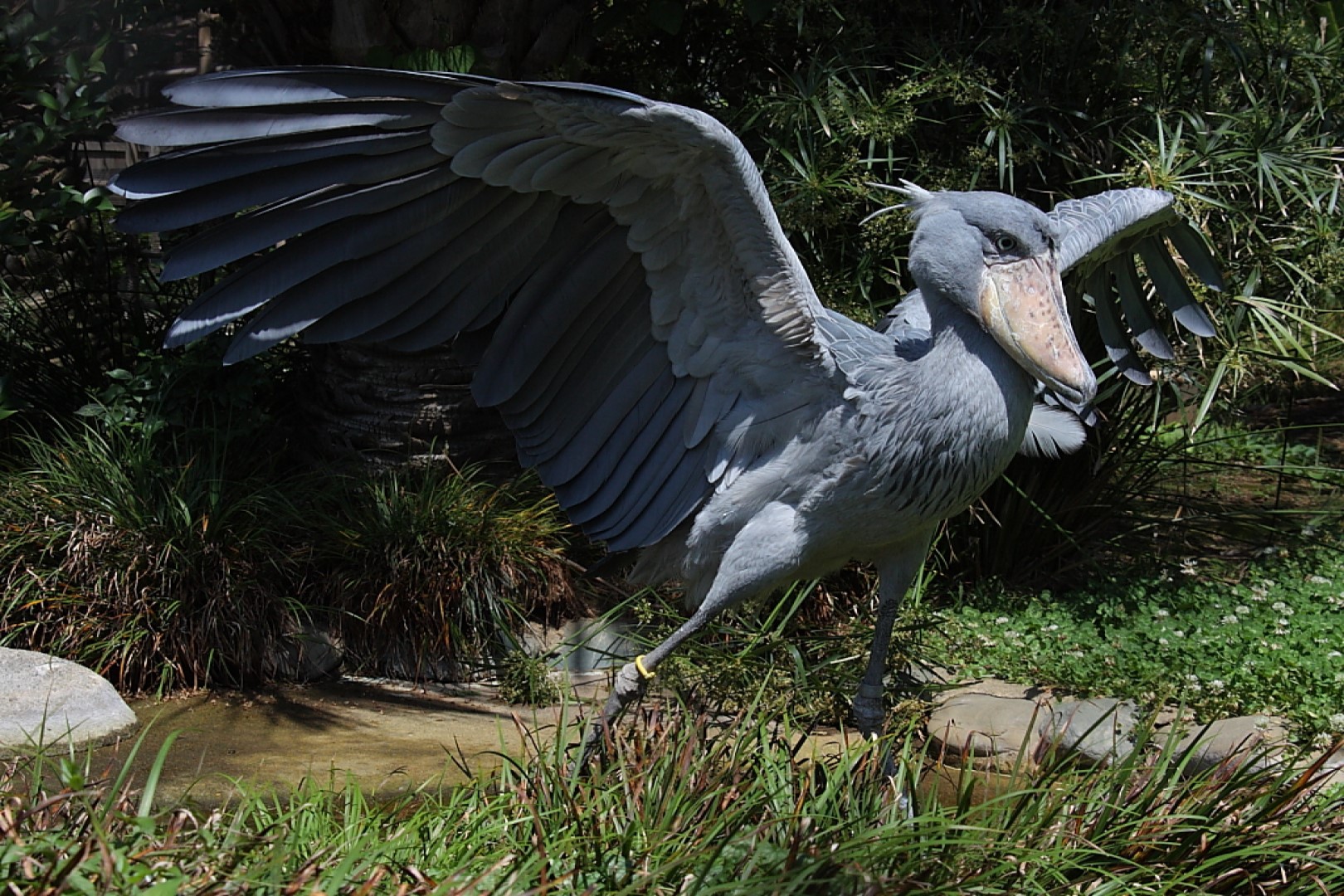
On the 11-day Uganda birding safari is the perfect timeframe to explore the Albertine Rift. The top 5 itineraries feature different geographic combinations—from the papyrus swamps of Mabamba to the dense forests of Bwindi and the savannas of Queen Elizabeth—allowing you to target over 500 bird species and the elusive Shoebill.
11-days-uganda-birding-safari-and-primate-experience
10-days-best-uganda-birding-safari-and-wildlife-experience
12-days-uganda-birding-tour-looking-for-rift-valley-endemic-birds-west-circuit
11 Days Classic Albertine Rift Endemics Route
Uganda’s western border contains the highly localized habitats of the Great Rift Valley, making this 11 Days Classic Albertine Rift Endemics Route a highly targeted specialized itinerary. The route navigates through a distinct combination of high-altitude montane forests, ancient volcanic crater lakes, and deep riverine swamps. Your primary focus remains tracking down range-restricted bird species found nowhere else on earth, alongside iconic African waterbirds and savanna residents. Led by expert local guides, you will traverse steep forest terrain, quiet wetlands, and expansive grasslands to maximize your life list. This expedition is intentionally structured to balance intensive forest interior birding with rewarding savanna game drives and boat cruises, providing a definitive, comprehensive overview of the region's diverse avian geography.
Day 1: Arrival in Entebbe & Relaxation
Your journey begins with your arrival at Entebbe International Airport, situated on a peninsula extending into Lake Victoria. After clearing customs, you will transfer directly to your lakeside hotel to settle in and unwind from your international flight. Depending on your arrival time, you can step out into the hotel gardens for a relaxed afternoon introduction to Uganda's common garden birds. You will watch the canopy for the colorful Double-toothed Barbet, Eastern Grey Plantain-eater, and the ubiquitous Black-headed Weaver nesting in nearby trees. Sunbirds will dart among the tropical flowers, while black kites circle overhead in the lakeside breeze. This quiet day allows you to prepare your camera equipment, calibrate your binoculars, and review your avian checklist before the intensive wilderness tracking begins early tomorrow morning.
Day 2: Early Morning in Mabamba Swamp for the Shoebill
You will depart before dawn to reach Mabamba Swamp as the morning light breaks over Lake Victoria. Boarding a small, motorized wooden canoe, you will navigate a vast network of narrow channels cutting through dense papyrus beds. Your main objective is locating the giant Shoebill Stork as it stands motionless in the shallows to hunt for lungfish. The swamp also provides excellent views of other wetland specialists. You will look for the vibrant Papyrus Gonolek hiding in the stalks and the Blue-breasted Bee-eater perching on exposed reeds. Watch the floating water lilies for the Lesser Jacana and African Pygmy Goose. Following this water excursion, you will return to dry land and begin your drive westward, checking roadside woodlots for rollers and raptors before resting for the evening.
Day 3: Transfer to Kibale National Park
The morning involves a scenic drive through rural landscapes, passing traditional homesteads and sprawling green tea plantations as you approach the prehistoric foothills of the Rwenzori Mountains. Your destination is Kibale National Park, a humid, semi-deciduous evergreen rainforest celebrated for its exceptional biodiversity. Upon arrival, you will check into your forest lodge and begin birding the surrounding canopy and forest edges. The afternoon walk will focus on locating specialized forest interior greenbuls, the Western Nicator, and the massive Black-and-white-casqued Hornbill. The air will fill with the vocalizations of numerous forest birds, giving you a preliminary understanding of the complex multi-layered canopy structure you will explore deeply tomorrow morning during your quest for rare ground-dwelling species.
Day 4: Forest Birding for the Green-breasted Pitta
You will enter the dark forest interior well before dawn to search for the elusive Green-breasted Pitta. Success relies on sitting perfectly still on the damp forest floor, listening carefully for the bird's unique mechanical wing-snapping display call. As daylight filters through the towering ironwood trees, you will search the leaf litter for its brilliant green and blue plumage. The remainder of the day will focus on checking off other canopy and mid-tier residents. You will look for the raucous Black-billed Turaco, the Western Bronze-naped Pigeon, and the spectacular Narina Trogon. Your guide will interpret subtle calls to locate secretive understory birds, including the Scaly-breasted Illadopsis and the Brown-backed Scrub-Robin, completing a rewarding day of deep-forest exploration.
Day 5: Transfer to Queen Elizabeth National Park
Leaving the dense canopy of Kibale, you will drive south toward Queen Elizabeth National Park. The landscape changes dramatically, transitioning from wet rainforest to open savanna plains dotted with candelabra euphorbia trees and volcanic crater lakes. As you enter the park, your birding focuses on savanna specialists along the Kasenyi tracking circuits. You will look for the Rufous-naped Lark, Flappet Lark, and the Black-bellied Bustard foraging in the short grass. Raptors will dominate the hot afternoon skies; you will scan the thermal currents for the massive Martial Eagle, the distinctively shaped Bateleur, and various vultures. You will check the margins of seasonal salt lakes for visiting waterbirds before arriving at your lodge overlooking the rift valley escarpment.
Day 6: Wetland Birding Around the Kazinga Channel
An early morning game drive targets the Harlequin Quail and African Crake before you head to the Kazinga Channel for an afternoon boat cruise. This natural waterway connecting Lake Edward and Lake George serves as a magnet for thousands of birds and mammals. From the boat, you will observe dense flocks of Great White Pelicans, Pink-backed Pelicans, and African Skimmers resting on the sandbanks. The piercing cry of the African Fish Eagle will direct your eyes to the riverside trees. You will cruise past wallowing hippos and drinking elephants to spot the Goliath Heron, Saddle-billed Stork, and the striking Pied Kingfisher hovering over the water before returning to your lodge for dinner.
Day 7: Transfer to Bwindi Impenetrable Forest
You will journey south toward the ancient, mist-shrouded mountains of Bwindi Impenetrable Forest National Park. Your route will take you through the remote Ishasha sector, where you will scan large fig trees for the famous resident tree-climbing lions. Along the forest edges and river valleys, you will look for the Broad-billed Roller, Ross's Turaco, and the Greater Honeyguide. As your vehicle climbs higher into the rugged Kigezi highlands, the temperature will drop noticeably and the vegetation will shift into dense montane rainforest. You will arrive at the high-altitude sector of Ruhija in the late afternoon, positioning yourself at the prime gateway for tracking the world's most sought-after Albertine Rift endemic bird species.
Day 8: Target Ruhija for Grauer’s Broadbill
This day features a dedicated trek along the steep trails of the Ruhija sector down toward the isolated Mubwindi Swamp. Your main target is the rare Grauer’s Broadbill (also known as the African Green Broadbill), a highly localized lifer that builds its nest in this specific high-altitude valley. While navigating the misty, moss-draped forest paths, you will watch for other regional endemics. You will look for the spectacular Rwenzori Turaco moving through the canopy and the Handsome Francolin in the thick undergrowth. The bamboo zones will provide opportunities to spot the Archer’s Robin-Chat, Stripe-breasted Tit, and the Regal Sunbird. Your specialized guides will utilize localized knowledge and sharp listening skills to locate these cryptic species in the dense foliage.
Day 9: Buhoma Sector and Apalis Specials
You will transfer to the lower-altitude Buhoma sector of Bwindi, birding a transitional area known as "The Neck" along the way. This riverine forest environment introduces a different mix of species, including the Black Bee-eater and the Bar-tailed Trogon. Once in Buhoma, your walks will target specialized forest warblers and various localized apalises. You will look for the Mountain Masked Apalis, Rwenzori Apalis, and the Black-faced Apalis moving through the mid-canopy thickets. You will also search the dense understory for the Red-throated Alethe, Neumann’s Warbler, and the elusive Kivu Ground Thrush. This day allows you to thoroughly document the distinct altitudinal variations that make Bwindi a globally critical hotspot for endemic avian evolution.
Day 10: Transfer to Lake Mburo National Park
You will leave the mountainous rainforests behind and drive eastward back toward the rolling hills of Lake Mburo National Park. This park contains the westernmost expansion of traditional East African acacia woodlands, creating a completely different habitat profile for your checklist. In the afternoon, you will explore the dry acacia savannas to find specialized resident birds. You will look for the highly localized Red-faced Barbet, the Bare-faced Go-away-bird, and the Long-tailed Starling. Pairs of Grey Crowned Cranes will walk through the wet valleys, while the Brown-chested Lapwing occupies open areas. This savanna environment provides an excellent contrast to the dark forests, adding numerous woodland specialists to your final trip tally.
Day 11: Morning Birding & Transfer to Entebbe for Departure
On your final morning, you will undertake a targeted walk along the lakeside tracks of Mburo to search for any remaining regional specialties, such as the African Finfoot or the White-backed Night Heron. Afterward, you will pack your gear and begin the return drive to Entebbe, crossing the equator along the highway where you will stop for lunch. The roadside wetlands will offer final views of long-crested eagles, spur-winged geese, and yellow-billed storks. You will arrive at Entebbe International Airport in the late afternoon or evening to check in for your international departure flight, bringing your intensive 11-day Albertine Rift endemic birding safari through Uganda to a successful conclusion.
11 Days Great Northern Birding safari
This specialized 11 Days Great Northern Birding Loop traces a comprehensive geographic arc across Uganda's northern and western ecosystems. The route targets a distinct combination of dry-country savannas, massive wetland floodplains, and unique equatorial lowland rainforests. Your primary focus centers on identifying localized Guinea-Congo biome species and Sudan-savanna specialists that are highly range-restricted within East Africa. Navigating through diverse altitudinal zones, you will investigate primary forest understories, track riverine edge dynamics by boat, and scan open grassland thermal currents for rare raptors. This 10 day Uganda birding safari itinerary balances deep forest interior birding with iconic river cruises to maximize your chances of adding elusive and globally sought-after species to your lifecycle tally, accompanied throughout by professional local guides.
Day 1: Entebbe to Mabamba Swamp
Your expedition begins with an early morning transfer to Mabamba Swamp, a vast papyrus wetland on Lake Victoria. You will board a motorized wooden canoe to search for the prehistoric Shoebill Stork standing in the marsh. The wetland will also produce views of the Lesser Jacana, African Pygmy Goose, and the striking Papyrus Gonolek. In the afternoon, you will journey eastward to the dense Mabira Forest, a prime patch of semi-deciduous rainforest. Here, you will begin tracking forest specialists along the trail networks, looking for the Grey Longbill, Yellow Longbill, and various forest weavers like the Weyns's Weaver and Yellow-mantled Weaver foraging in the mid-canopy.
Day 2: Forest Birding in Mabira Forest
You will spend the entire day investigating the rich interior of Mabira Forest. Your morning walk will focus on mixed-species flocks moving through the lower strata and canopy gaps. You will listen for the sharp calls of the Tit-hylia, Jameson’s Wattle-eye, and the Purple-throated Cuckoo-shrike. The forest floor may reveal the secretive Nahan’s Partridge scratching through leaf litter. Overhead, you will look for the spectacular Great Blue Turaco and the powerful Crowned Eagle patrolling the tall ironwood trees. This location holds nearly half of Uganda's forest bird species, offering an exceptional opportunity to secure numerous forest interior records before you head toward the northern savanna zones tomorrow.
Day 3: Transfer to Murchison Falls National Park
You will leave the central region and drive north toward Murchison Falls National Park, Uganda’s largest protected wilderness. The landscape changes significantly as you enter the dry Sudan-savanna biome. Along the entry routes, you will keep watch for roadside raptors, including the Grey Kestrel, Martial Eagle, and Bateleur. In the afternoon, you will reach the northern banks of the Nile, where the open grasslands host the Abyssinian Ground Hornbill, Denham’s Bustard, and the striking Black-headed Lapwing. You will check into your savanna lodge, listening for the nocturnal calls of various nightjars and owls as the sun sets over the river.
Day 4: Northern Savanna Game Drive & Nile Delta Boat Cruise
An early morning game drive across the sweeping Borassus palm savannas will target dry-country specialists. You will look for the Secretary Bird, Swallow-tailed Bee-eater, and Silverbird perching on low shrubs. In the afternoon, you will board a boat heading downstream toward the Nile Delta, where the river empties into Lake Albert. This marshy floodplain is highly productive for waterbirds. You will scan the exposed sandbanks for the localized African Skimmer, Goliath Heron, Saddle-billed Stork, and Senegal Thick-knee. Elegant pairs of Grey Crowned Cranes will forage along the marshy fringes, alongside herds of elephants, hippos, and crocodiles lining the riverbanks.
Day 5: Boat Cruise to the Base of the Falls
The morning features a boat cruise heading upstream toward the base of Murchison Falls. You will navigate past wallowing hippos to scan the sheer, mist-sprayed rocky cliffs for the Rock Pratincole, which rests on exposed boulders in the fast-flowing currents. You will also look for the Giant Kingfisher, Malachite Kingfisher, and the rare Pel’s Fishing Owl hiding in the dense riverine canopy. After witnessing the Nile squeeze through a narrow gorge, you will disembark and hike to the top of the falls, birding the surrounding woodland for the White-crested Turaco and Red-throated Bee-eater before returning to your lodge.
Day 6: Transfer to Semuliki National Park
You will undertake a scenic southwesterly drive along the Albertine Rift escarpment, enjoying views of Lake Albert and the blue Rwenzori mountains in the distance. Your destination is Semuliki National Park, an extraordinary destination representing the easternmost extension of the vast Guinea-Congo lowland tropical rainforest. This unique ecological positioning means you will encounter numerous Central African bird species found nowhere else in East Africa. Upon arrival, you will settle into your accommodation and explore the forest edges, listening for the deep, drumming vocalizations of large forest hornbills that signal your entry into this highly specialized avian biome.
Mgahinga National Park
Day 7: Kirumia Trail Birding in Semuliki
The entire day will involve trekking the famous Kirumia Trail, a legendary pathway cutting deep into the heart of Semuliki’s lowland forest. You will target highly sought-after Guinea-Congo biome specialists. Your guide will assist you in identifying the rare Nkulengu Rail by its harsh rhythmic duets at dawn, followed by searches for the White-crested Hornbill, Red-billed Dwarf Hornbill, and Black-dwarf Hornbill. The dense vine tangles will host the tiny African Piculet and the Yellow-throated Nicator. You will also keep watch for the rare Congo Serpent Eagle and the Lyre-tailed Honeyguide executing its mechanical display flights above the canopy gaps.
Day 8: Transfer to Kibale Forest National Park
You will leave the lowlands of Semuliki and drive ascend into the rolling hills of Fort Portal, heading toward Kibale Forest National Park. This moist evergreen rainforest is a prime habitat for both primates and forest birds. In the afternoon, you will bird the transitional forest fringes and nearby tea estate boundaries, looking for the Joyful Greenbul, Western Nicator, and various sunbirds. The canopy will resonate with the vocalizations of the Black-billed Turaco and the Great Blue Blue Turaco, providing an ideal orientation to the complex forest layout before your intensive early morning tracking excursions tomorrow.
Day 9: Kibale Forest & Bigodi Wetland Sanctuary
You will enter the dark forest interior before dawn to listen for the mechanical wing-snapping display of the rare Green-breasted Pitta, searching the leaf litter for its emerald and blue plumage once daylight breaks. The mid-morning will focus on canopy residents like the Western Bronze-naped Pigeon and Narina Trogon. In the afternoon, you will transfer to the Bigodi Wetland Sanctuary, a community-managed papyrus swamp. Walking along the boardwalks, you will easily spot the spectacular Great Blue Turaco, alongside papyrus specialists like the Papyrus Canary, White-winged Warbler, and several species of colorful weavers.
Day 10: Drive to Lake Mburo National Park
You will travel southeast away from the dense rainforests, driving through rural farmlands to reach Lake Mburo National Park. This park contains western Uganda’s premier acacia woodland and wetland matrix, introducing a completely different suite of birds. In the afternoon, you will board a boat on Lake Mburo to target the highly elusive African Finfoot, scanning the overhanging riverine roots where it hides. You will also look for the White-backed Night Heron, African Darter, and Giant Kingfisher, before exploring the dry acacia flats for the Red-faced Barbet and Long-tailed Starling.
Day 11: Morning Birding & Entebbe Departure
On your final morning, you will explore the short-grass plains of Lake Mburo to find the localized Brown-chested Lapwing and pairs of foraging Grey Crowned Cranes. After logging your final woodland specialties, you will pack your equipment and begin the return journey to Entebbe, crossing the equator for lunch along the highway. Roadside seasonal wetlands will provide final checklist additions like the Long-crested Eagle and Spur-winged Goose. You will arrive at Entebbe International Airport in the late afternoon for your check-in and evening international departure flight, concluding your comprehensive northern loop safari.
10 Days Ultimate Birding & Primates Combo
This custom-crafted 11 Days Ultimate Birding & Primates Combo balances the pursuit of elusive avian lifers with profound up-close encounters with Africa’s most famous primates. Your journey navigates a diverse network of protected geographical zones, including equatorial rainforests, deep volcanic craters, papyrus swamps, and sweeping savanna floodplains. Moving through these contrasting ecosystems, you will search for globally prized birds like the Papyrus Gonolek, Martial Eagle, and the rare African Green Broadbill. Alongside these ornithological targets, dedicated tracking excursions will lead you to habituated chimpanzee communities and wild mountain gorilla families. Led by specialist local guides, this route offers a multi-layered, intensive exploration of western Uganda’s exceptional biological wealth, promising a comprehensive wildlife checklist.
Day 1: Arrival in Entebbe
Your expedition begins with your arrival at Entebbe International Airport, located on a verdant peninsula extending into Lake Victoria. A transfer vehicle will convey you directly to your hotel to unpack, rest, and adjust to the local environment. Depending on your arrival schedule, you can spend a relaxed afternoon birding the hotel grounds or the nearby lakefront. You will watch the mature tree canopies for the spectacular Great Blue Turaco, Ross's Turaco, and the Double-toothed Barbet. Ground tracking will yield sightings of the African Thrush and various colorful weavers nesting along the shore. This gentle introduction allows you to configure your optical equipment and review your field guides before entering the remote wilderness sectors tomorrow.
Day 2: Entebbe to Kibale Forest & Bigodi Wetland
You will depart early from Entebbe, driving west through rolling green hills and extensive tea estates toward Kibale National Park. Upon arrival, you will proceed directly to the Bigodi Wetland Sanctuary, a community-run papyrus swamp bordering the primary forest. Walking along the wooden boardwalks, you will focus on regional wetland specialists. You will look for the vibrant Papyrus Gonolek, White-winged Warbler, and the Papyrus Canary moving through the dense reeds. The swamp canopy will provide views of the Great Blue Turaco moving heavily across the branches. This walk also delivers your first primate encounters, as several species of monkeys, including the Red Colobus and Grey-cheeked Mangabey, feed openly in the fruit trees.
Day 3: Chimpanzee Trekking in Kibale Forest
The morning centers on tracking habituated chimpanzees within the dense rainforest interior of Kibale. Following a safety briefing by park rangers, you will walk beneath the towering ironwood canopy, listening for the loud pant-hoots that echo across the valleys. Once you locate the community, you will spend one hour observing their complex social dynamics, grooming habits, and agile movements through the branches. The afternoon will shift back to dedicated forest interior birding. You will walk the trail networks to target specialized understory residents, searching the leaf litter and vine tangles for the Scaly-breasted Illadopsis, Narina Trogon, Crested Guineafowl, and various elusive greenbuls before returning to your forest lodge.
Day 4: Transfer to Queen Elizabeth National Park
You will leave the humid canopy of Kibale and drive south, descending the rift valley escarpment toward Queen Elizabeth National Park. The landscape changes noticeably, shifting into expansive grasslands dotted with candelabra euphorbia trees and ancient volcanic craters. Along the transit route, you will check the roadside savanna and acacia fringes for new additions to your checklist. You will target the Lesser Kestrel, Martial Eagle, and the distinctively shaped Bateleur patrolling the open skies. Arriving at your savanna lodge in the afternoon, you will spend the remaining daylight hours scanning the surrounding bushes for the Sulphur-breasted Bush-shrike and the highly vocal Rüppell's Long-tailed Starling.
Day 5: Savanna Birding & Kasenyi Plains
An early morning game drive across the Kasenyi plains will focus on grassland specialists. You will scan the short-grass environments for the Rufous-naped Lark, Flappet Lark, and the Black-bellied Bustard. Your guide will interpret calls to locate the cryptic Harlequin Quail and African Crake running along the vehicle tracks. This open landscape also supports abundant African big game; you will observe large herds of Cape buffaloes, elephants, and Uganda kobs grazing across the plains. Predators like lions and leopards are frequently spotted resting in the thickets. You will conclude the morning by checking the edges of nearby saline crater lakes, where seasonal waterbirds and lesser flamingos forage depending on current water levels.
Day 6: Kazinga Channel Boat Safari
The afternoon features a dedicated boat safari along the Kazinga Channel, a natural waterway connecting Lake Edward and Lake George. This aquatic environment concentrates thousands of resident waterbirds and migratory waders. From the stable observation platform of the boat, you will glide past massive pods of wallowing hippos and basking crocodiles to document the bird life. You will observe nesting colonies of Great White Pelicans, Pink-backed Pelicans, and African Skimmers flying low over the water. The distinct, ringing cry of the African Fish Eagle will direct your eyes to dead shoreline trees, while Goliath Herons, Saddle-billed Storks, and Pied Kingfishers hunt openly along the muddy banks.
Day 7: Travel via Ishasha Sector to Bwindi
You will journey south toward the rugged mountains of Bwindi Impenetrable National Park, driving through the remote Ishasha sector. This grassland region is famous for its tree-climbing lions, which spend the hot afternoon hours resting on the broad limbs of sycamore fig trees. Along the riverine forest strips and open valleys, you will bird the roadside habitats to locate the Broad-billed Roller, Greater Honeyguide, and the striking Ross's Turaco. As your vehicle ascends the steep Kigezi highlands, the savanna gives way to a massive, ancient montane rainforest. You will reach the high-altitude sector of Ruhija in the late afternoon, surrounded by cool mountain mists.
Day 8: Gorilla Trekking in Bwindi
This morning is dedicated to a profound wildlife encounter: tracking endangered mountain gorillas in the steep, dense valleys of Bwindi. Following an early morning briefing on park regulations, you will join an experienced ranger guide to trek through the thick undergrowth and tangled vines. The duration of the walk varies depending on the family's location, but once found, you will spend one hour sitting quietly just meters away from these gentle giants. You will watch the silverback guard his family while juveniles play in the foliage. After returning from this deep-forest trek, you will rest your muscles at the lodge and prepare your binoculars for the upcoming endemic bird tracking.
Day 9: Birding the Ruhija Sector for Endemics
Your exploration turns completely to tracking down Albertine Rift endemics, highly localized bird species restricted to this mountain chain. You will walk the high-altitude trails of Ruhija, scanning the misty, moss-draped canopy. Your guide will assist you in identifying specialized montane residents. You will look for the spectacular Rwenzori Turaco flashing red wing patches through the trees, alongside the Handsome Francolin and Archer's Robin-Chat foraging in the dense undergrowth. The bamboo zones will provide opportunities to document the Stripe-breasted Tit, Regal Sunbird, and Mountain Masked Apalis, all of which thrive within this complex, high-elevation forest ecosystem.
Day 10: Mubwindi Swamp Trail for the Broadbill
This day features a demanding hike down the steep forest ridges toward the isolated Mubwindi Swamp. This specific valley is the premier location to look for the rare African Green Broadbill (Grauer's Broadbill), a small, neon-green bird with a blue throat that builds its nest in the sub-canopy here. While watching for this prized lifer, you will also target other cryptic forest interior specialists. You will scan the thickets for Neumann's Warbler, the Kivu Ground Thrush, and the Strange Weaver. The slow, methodical walk allows you to thoroughly investigate different altitudinal strata, documenting the exceptional avian evolution that characterizes this ancient biological refuge.
Day 11: Transfer to Entebbe for Departure
On your final day, you will leave the montane forests of Bwindi and begin the return drive to Entebbe. The long journey cuts through the rolling hills of Mbarara, providing a final opportunity to observe Uganda’s changing rural landscapes. You will stop at the equator monument for lunch and photography. The seasonal roadside wetlands and grassy valleys along the highway will offer final birding records, including long-crested eagles, spur-winged geese, and yellow-billed storks. You will arrive at Entebbe International Airport in the late afternoon or evening to check in for your international flight home, concluding your comprehensive birding and primates combo safari.
11 Days Savanna & Wetland Grand Slam
This 11-days savanna & wetland grand slam will focus on water birds, raptors, and northern-linked species. You will bypass high-altitude montane forests so you will spend your time in wetlands, river systems, savanna, and open country where many birds will feed, loaf, and hunt. Your route will start at Entebbe with a concentrated Mabamba Swamp session aimed at papyrus and shoreline specialists, including the Shoebill search method. Next you will move to Murchison Falls National Park, northern sector, where river-edge habitat and open plains will support raptors and nocturnal birds linked to drier grassland and scrub. You will then bird Queen Elizabeth National Park for crater-lake and seasonal wetland activity, which will support flamingos and large waterbird lists. The final birding will return to Lake Mburo for acacia woodland birds and freshwater wetland species. This itinerary will use coming tense each day so you will know what you will do, where you will focus, and how your birding effort will build.
Day 1-2: Entebbe & Mabamba Swamp (Shoebill search)
On Days 1 and 2 you will concentrate on Entebbe logistics and then you will focus on Mabamba Swamp for wetland birding. Your guide will run Shoebill search sessions using early morning boat time and careful scanning of papyrus-lined channels, because this habitat type will concentrate feeding and resting behavior. During the same sessions you will also search for other water birds such as African Openbill, Long-toed Lapwing, and various herons and egrets that will use shallows and flooded edges. You will add raptor checks from nearby edges, because open air movement will help you confirm hawks and kites that will hunt over water. You will also plan reed and papyrus edges for small passerines and kingfishers. Between boat sessions you will do short listening blocks so calls will guide you to active feeding pockets. You will keep a simple list structure: primary targets first, then supporting water birds, then raptors. This plan will reduce missed sightings due to shifting birds.
Day 3-5: Murchison Falls National Park (Northern sector)
On Days 3 to 5 you will bird Murchison Falls National Park, northern sector, with emphasis on northern-linked species and open-habitat birds. Your main effort will include standardized nightjar scouting for Standard-winged Nightjar during suitable dusk and early evening windows, using habitat edges and call-based searching that will match known activity patterns. You will also focus on open savanna and sandier patches where Secretary Bird hunting behavior will be most likely, using patient scanning from safe viewing points and repeated checks when wind and light will change. Daytime birding will include raptors, water-edge herons, and large ground-feeding birds that will share hunting circuits. You will also watch for African Fish Eagle around river stretches, and for other accipiters and kestrel-type raptors that will use elevated perches. For wildlife you will scan for elephants, buffalo, and antelope movements, because their routes will often help you predict where birds will be feeding. These days will be structured into morning river birding, midday breaks, and late-afternoon raptor activity checks.
Day 6-8: Queen Elizabeth National Park (Savanna and crater lakes)
On Days 6 through 8 you will bird Queen Elizabeth National Park with a savanna-and-wetland strategy. You will prioritize crater lake shorelines and nearby seasonal wetlands where flamingos and water birds will feed and loaf depending on water level and in-bay conditions. Your guide will run long shoreline scans, then short targeted stops when movement and feeding behavior will appear in clusters. For waterbirds you will target species that will associate with alkaline or shallow lake margins, plus heron and cormorant groups that will use open water for feeding. You will also focus on raptors that will hunt across grassland and open plains, including soaring vultures and hawks that will respond when thermals will improve flight. In the crater-lake habitat you will use vegetation breaks to improve sightlines, so you will catch flocks before they will shift. You will keep wildlife scanning continuous, including elephants and Uganda kob/other antelope where present, because their activity will often coincide with insect and water availability. These three days will build your grand slam water list using repeated lake sessions across multiple times of day.
Day 9-10: Lake Mburo National Park (Acacia woodland + wetland birds)
On Days 9 and 10 you will bird Lake Mburo National Park for acacia woodland birds and wetland birds. Your guide will concentrate on acacia clumps, open savanna edges, and any riverline or waterline habitats where birds will drink and hunt. You will look for species that will use open woodland structure, including barbet groups and other tree-focused birds that will move in and out of foliage gaps. Alongside this you will target wetland-linked species around shorelines and shallow water patches, including waders and small water birds when water conditions will support them. Raptors will be a key part of the plan: you will watch for eagles or large raptors using open ground and elevated perches, plus smaller hawks that will patrol edges. For wildlife you will scan for zebra, impala, and buffalo, because these animals will often create stable routes that birds will use for foraging opportunities and insect activity. Your birding sessions will stay split: morning acacia and waterline, midday rest, and afternoon raptor and shoreline re-checks. This structure will help you confirm both woodland and wetland targets without spending extra time driving.
Day 11: Transfer back to Entebbe for international departure
On Day 11 you will transfer back to Entebbe for your international departure. Your morning will remain logistics-first, with only a short roadside birding stop if your flight timing will allow. You will keep your focus on quick-win habitat types near the route, such as small wetlands and grassy verges where water birds and raptors will still show activity. You will then complete the drive to the airport with enough buffer for check-in and security. Once you arrive you will finalize boarding procedures and ensure documents and luggage will be ready. This closing day will not replace birding time; instead, it will protect your schedule so your grand slam trip will end smoothly. After departure you will be able to review your sightings by habitat type: papyrus/wetlands, river systems, crater lakes, and acacia edges, which will make your final “grand slam” wrap-up more organized.
11 Days Pearl of Africa" Birding Circuit
This comprehensive 11-day itinerary traces a highly strategic route across southwestern Uganda's premium ornithological zones. The expedition spans highly contrasting habitats, linking ancient volcanic lake systems, equatorial papyrus wetlands, dry acacia woodlands, and high-altitude mountain ranges. Your primary focus centers on identifying localized, globally sought-after species, with a particular emphasis on Albertine Rift endemics and specialized waterbirds. Guided by professional local trackers, you will systematically cover extensive trail networks, board wilderness cruises, and embark on nocturnal drives to maximize your life list. By concentrating travel within the country’s most diverse avian quadrant, this route minimizes transit times and maximizes active tracking hours, promising an incredibly productive and comprehensive checklist.
Day 1: Arrival in Entebbe
Your journey begins with your arrival at Entebbe International AirportClick to open side panel for more information, situated on a verdant peninsula extending into Lake Victoria. After completing immigration and customs procedures, you will meet your specialized driver-guide and transfer directly to your hotel. Depending on your arrival time, you can spend a relaxed afternoon exploring the hotel grounds or nearby shoreline thickets. You will scan the mature canopy trees for the Great Blue Turaco, Ross's Turaco, and the Double-toothed Barbet. The lakeside vegetation will introduce common regional species like the Eastern Grey Plantain-eater and various weavers. This initial day allows you to organize your photographic gear, calibrate your optics, and review your trip checklist before venturing into remote wilderness environments tomorrow morning.
Day 2: Mabamba Swamp Boat Trip
You will depart before dawn to reach Mabamba SwampClick to open side panel for more information as the early morning mist rises over the papyrus vegetation. Boarding a traditional motorized wooden canoe, you will navigate a network of narrow water channels to look for the prehistoric-looking Shoebill Stork. Your guide will seek out this massive bird as it stands completely motionless in the shallows hunting for lungfish. The swamp also provides exceptional tracking for other specialized wetland residents. You will look for the vibrant Papyrus Gonolek, Blue-breasted Bee-eater, and the delicate Lesser Jacana foraging on floating lily pads. In the afternoon, you will return to dry land and begin your drive westward, checking roadside woodlands for long-crested eagles and broad-billed rollers.
Day 3: Transfer to Lake Mburo National Park
The morning involves a drive toward the rolling hills of Lake Mburo National ParkClick to open side panel for more information, an ecosystem dominated by extensive acacia woodlands and quiet lakes. Upon arrival, you will undertake an afternoon savanna game drive to target specialized woodland residents. You will scan the branches for the localized Red-faced Barbet, Bare-faced Go-away-bird, and the Long-tailed Starling. Pairs of elegant Grey Crowned Cranes will forage across the moist valley bottoms, while the Brown-chested Lapwing occupies areas with short grass. As darkness falls, you will prepare your gear for a specialized nocturnal drive, which will focus entirely on identifying cryptic night-active species like the Fiery-necked Nightjar, Swamp Nightjar, and Verreaux's Eagle-Owl.
Day 4: Savanna Birding & Night Drives
You will spend the morning exploring the lakeside tracks and riverine thickets of the park. A targeted boat trip on the lake will focus on finding the highly elusive African Finfoot, which paddles quietly beneath overhanging tree roots along the shore. You will also look for the White-backed Night Heron, African Darter, and Giant Kingfisher. The afternoon will involve monitoring the open savanna plains, where you can observe large mammals like zebras, giraffes, and impalas alongside the bird life. After dinner, your second nocturnal tracking session will target any missed nightjars or owls, using specialized spotlights to pick up eyeshine along the woodland perches and grassy tracking paths.
Day 5: Transfer to Bwindi Impenetrable National Park
You will leave the dry savannas of Mburo behind and drive south toward the rugged, high-altitude terrain of Bwindi Impenetrable ForestClick to open side panel for more information, heading specifically for the mountain ridges of the Ruhija sector. The drive offers excellent roadside birding as the landscape transitions into a misty montane rainforest. Upon checking into your forest lodge, you will spend the late afternoon birding the high-elevation gallery tracks. The canopy will resonate with the complex vocalizations of numerous forest species, giving you an introductory look at the multi-layered canopy layout. You will look for the Black-billed Turaco and the Regal Sunbird feeding on forest blossoms before resting early for tomorrow's mountain trek.
Day 6: Ruhija Section for Albertine Rift Endemics
This day features an intensive trek along the steep forest trails of the Ruhija sector, heading down toward the isolated Mubwindi Swamp. Your primary objective is tracking down highly range-restricted Albertine Rift endemics. You will search the dense sub-canopy for the near-mythical African Green Broadbill, a small bird found almost exclusively in this specific valley. Along the misty trails, you will also look for the spectacular Rwenzori Turaco, Handsome Francolin, and Archer's Robin-Chat moving through the thick undergrowth. Your specialized guides will interpret cryptic calls to locate the Mountain Masked Apalis, Stripe-breasted Tit, and Strange Weaver, documenting the exceptional avian evolution that characterizes this ancient mountain refuge.
Day 7: Transfer to Queen Elizabeth National Park
You will descend from the cool montane forests of Bwindi and drive north toward Queen Elizabeth National ParkClick to open side panel for more information. The vegetation shifts dramatically into sweeping open savanna plains, ancient volcanic crater lakes, and extensive wetlands. Upon entering the park, your tracking focuses on grassland specialists along the Kasenyi plains. You will scan the short-grass areas for the Rufous-naped Lark, Flappet Lark, and the Black-bellied Bustard. Raptors will dominate the hot afternoon skies, and you will monitor the thermal currents for the massive Martial Eagle, the distinctively shaped Bateleur, and various species of vultures soaring over the plains before arriving at your savanna lodge.
Day 8: Savannah and Kazinga Channel Boat Cruise
An early morning game drive targets the Harlequin Quail and African Crake before you proceed to the Kazinga Channel for an afternoon boat cruise. This natural waterway concentrates thousands of resident waterbirds and migratory waders along its muddy banks. From the boat, you will observe dense flocks of Great White Pelicans, Pink-backed Pelicans, and African Skimmers resting on the sandbars. The piercing cry of the African Fish Eagle will direct your attention to dead shoreline trees. You will cruise past wallowing hippos and drinking elephants to log the Goliath Heron, Saddle-billed Stork, and the striking Pied Kingfisher hovering over the water.
Day 9: Transfer to Kibale National Park
You will leave the savanna plains and drive northward toward the lush foothills of the Rwenzori Mountains, arriving at Kibale National ParkClick to open side panel for more information. This moist semi-deciduous evergreen rainforest is celebrated for its dense populations of primates and forest interior birds. After settling into your lodge, you will spend the afternoon birding the forest fringes and nearby tea estate boundaries. You will target specialized canopy species, looking for the Joyful Greenbul, Western Nicator, and the Purple-headed Starling. The air will fill with the raucous calls of massive Black-and-white-casqued Hornbills flying across the forest gaps, providing an ideal orientation to the complex forest layout before tomorrow's deep-forest walk.
Day 10: Forest Birding and Bigodi Wetland Walk
You will enter the dark forest interior before dawn to search for the magnificent Green-breasted Pitta. Success requires sitting perfectly still on the damp forest floor, listening for the bird's mechanical wing-snapping display call. Once daylight filters through the canopy, you will look for its brilliant green and blue plumage against the leaf litter. The mid-morning targets the Western Bronze-naped Pigeon and Narina Trogon. In the afternoon, you will visit the Bigodi Wetland Sanctuary. Walking along the wooden boardwalks, you will spot the spectacular Great Blue Turaco, Papyrus Canary, and various sunbirds feeding openly in the wild fruit trees.
Day 11: Return to Entebbe via Mabira Forest
On your final day, you will drive eastward back toward the central region, passing through Kampala to reach the dense Mabira ForestClick to open side panel for more information. This primary patch of semi-deciduous rainforest provides an ideal setting for a final canopy bird walk. You will explore the well-maintained trail systems to look for forest weavers, the Grey Longbill, and the Yellow Longbill foraging in the canopy gaps. Watch the lower strata for Jameson’s Wattle-eye and the Purple-throated Cuckoo-shrike. Following this walk, you will complete the short drive to Entebbe International AirportClick to open side panel for more information for your evening international departure flight, bringing your comprehensive birding circuit to a successful conclusion.
When is the best time for 11 Days Uganda birding safari
The best time to embark on an 11-day Uganda birding safari is during the dry seasons, which run from December to February and from June to September. During these months, forest trails in premier birding spots like Kibale National Park. For those hoping to spot migratory species, the period from late November to April is spectacular, as Palearctic migrants flood into the country, significantly boosting the bird count. Additionally, the breeding season for many resident birds occurs around May and June, providing excellent opportunities to observe unique behaviors and colorful breeding plumages. Rainfall can occur year-round due to the tropical climate, but planning your trip during the dry window guarantees smoother logistics and clearer visibility through the dense canopy foliage.
Where to stay on 11 Days Uganda birding safari
Accommodations on an 11-day Uganda birding safari are strategically located near key avian habitats to maximize early morning birding opportunities. While exploring the northern circuits like Murchison Falls National ParkClick to open side panel for more information, luxury or mid-range lodges situated along the Nile offer excellent views where you can spot water-associated birds right from your private veranda. Moving into the dense rainforests of Bwindi, birders stay at eco-lodges perched on the forest edge, allowing immersive soundscapes of the wilderness and immediate access to trailheads at dawn. These specialized properties often feature expert resident guides, walking paths within the grounds, and bird feeders that attract colorful sunbirds and weavers. Whether you choose luxury safari tents, cozy wooden chalets, or comfortable mid-range bandas, the properties provide essential amenities such as hot showers, charging stations for camera gear, and hearty meals to fuel long days of scanning the rich African canopy.
What to pack on 11 Days Uganda birding safari
Packing correctly for an 11-day birding safari ensures both your comfort and success in the field. A high-quality pair of binoculars is the absolute most important item, alongside a field guide to East African birds or a loaded birding app. For clothing, pack lightweight, moisture-wicking long-sleeved shirts and trousers in neutral earth tones like green, khaki, or brown to blend into the forest environment. Sturdy, waterproof hiking boots with excellent grip are vital for traversing slippery trails, paired with gaiters to protect against safari ants. Don't forget a durable raincoat or poncho, as tropical downpours can happen at any time. A wide-brimmed hat, polarized sunglasses, and high-SPF sunscreen will shield you from the equatorial sun, while strong insect repellent is essential for keeping mosquitoes and tsetse flies at bay. Finally, bring a daypack with a waterproof cover to protect your camera gear and spare batteries.
Booking 11 Days Uganda birding safari with us Roads of Adventure safaris
Booking your 11-day birding journey with Roads Of Adventure SafarisClick to open side panel for more information ensures a seamlessly organized, deeply enriching travel experience across East Africa's most diverse habitats. As a highly reputable ground operator, we design personalized itineraries that focus on your specific target species, from the iconic Shoebill stork to Albertine Rift endemics. Our expert tour guides possess exceptional local knowledge, capable of identifying subtle bird calls and tracking elusive species through dense foliage. We prioritize your comfort and safety, providing reliable 4x4 safari vehicles equipped with pop-up roofs for optimal viewing and securing bookings at top-tier birding lodges. Furthermore, our company works closely with local communities, ensuring that your safari directly supports regional conservation initiatives and protects vital wilderness habitats. Let our dedicated team handle every logistical detail while you prepare for an unforgettable avian adventure. Which specific bird species are you most excited to check off your list?
