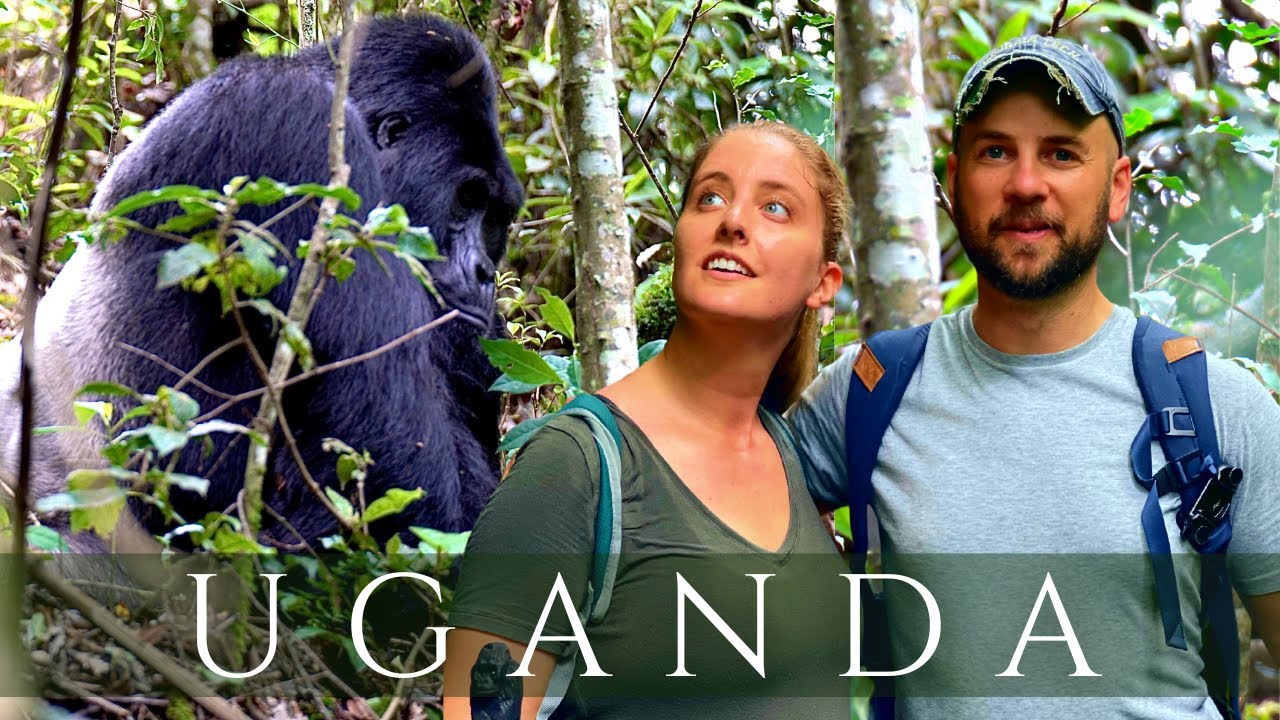
This four-day luxury itinerary connects two of Uganda’s primary primate conservation zones in the southwestern highlands. Departing from Entebbe International Airport, a 75-minute domestic flight transports travelers 338 kilometers southwest to Kisoro Airstrip. Luxury accommodations sit directly along the shores of Lake Mutanda at an elevation of 1,800 meters. The journey includes an official mountain gorilla trekking permit ($800) in the high-altitude Nkuringo sector of Bwindi Impenetrable National Park, where trail elevations range between 2,000 and 2,600 meters. The itinerary also features golden monkey tracking within Mgahinga Gorilla National Park along the bamboo slopes of the Virunga chain. Guests travel in executive four-wheel-drive vehicles with professional local guides, combining wildlife tracking with afternoon rest overlooking Mount Muhabura, Mount Gahinga, and Mount Sabyinyo. Ground transfers remain under 90 minutes per sector, maximizing overall travel efficiency.
Daily Itinerary
Day 1: Luxury Flight to Kisoro & Transfer to Lake Mutanda
Board a scheduled Aerolink morning flight at 07:00 from Entebbe International Airport, flying southwest across 338 kilometers of varied terrain. The Cessna Caravan flight lands at Kisoro Airstrip around 08:15 after 75 minutes of air time. Upon arrival, meet your private guide and board a custom 4x4 Land Cruiser. Take a 17-kilometer drive north, taking approximately 45 minutes along unpaved mountain roads to your luxury lodge on Lake Mutanda. Check in to a private suite positioned at 1,800 meters elevation with clear views of the Virunga volcano chain. After lunch featuring locally sourced organic produce, meet a private captain at 15:00 for a two-hour wooden dugout canoe session across the lake’s calm waters. Observe local bird species, including grey crowned cranes and malachite kingfishers near the papyrus shorelines. Return to the lodge for dinner and early rest before tomorrow's trek.
Day 2: Nkuringo Gorilla Trekking & Premium Relaxation
Depart the lodge at 06:15 with a packed breakfast for the 26-kilometer, 90-minute drive north to the Nkuringo ranger station in Bwindi Impenetrable National Park. Attend a mandatory safety briefing at 07:30 before joining Uganda Wildlife Authority rangers and trackers. Enter the primary rainforest at elevations between 2,000 and 2,600 meters. Hikes range from two to six hours depending on the movement of habituated gorilla groups such as the Nkuringo or Christmas families. Once located, spend one full hour observing the silverback, females, and juveniles feeding on foliage from a seven-meter distance. Hire a local porter to carry gear and support community livelihoods along the steep gradients. Hike back to headquarters to receive an official tracking certificate. Transfer back to Lake Mutanda by mid-afternoon for a 60-minute deep-tissue massage at the spa, followed by a three-course dinner on the outdoor terrace.
Day 3: Mgahinga Golden Monkey Tracking
Leave Lake Mutanda at 06:30 for an 80-minute, 26-kilometer transfer south to Ntebeko Gate in Mgahinga Gorilla National Park. Report to park headquarters at 07:45 for pre-track registration and safety orientation. Commence tracking at 08:30, ascending through bamboo zones situated at altitudes between 2,400 and 3,000 meters along the slopes of Mount Gahinga. Locate the habituated troop of endangered golden monkeys (Cercopithecus kandti), which typically numbers up to 100 individuals. Spend one hour observing their movements through the bamboo canopy as they forage on shoots and wild fruits. The terrain is moderately sloped compared to Bwindi's steep ridges. Return to Ntebeko Gate by 12:30 for lunch at a mountain lodge. In the afternoon, take a guided 90-minute cultural trail walk with indigenous Batwa guides to learn about traditional forest gathering, medicinal plants, and historical shelter construction.
Day 4: Scenic Morning Flight back to Entebbe
Enjoy an early breakfast on the lodge deck at 06:00 while observing morning mist rising over Lake Mutanda. Complete check-out procedures and meet your driver-guide for the 45-minute, 17-kilometer transfer back to Kisoro Airstrip. Arrive at the airstrip by 07:30 to complete security screening and baggage processing with Aerolink ground handlers. Board the scheduled 11-seat Cessna Caravan flight departing at 08:25. The 75-minute return flight covers 338 kilometers over terraced farmland, volcanic lakes, and river channels. Touch down at Entebbe International Airport at 11:25. Retrieve checked luggage or transfer directly to the main international departures terminal for afternoon long-haul flights. For evening departures, optional day-use rooms and guided tours of the historic Entebbe Botanical Gardens can be arranged prior to final airport drop-off.
How physically fit do I need to be for gorilla trekking in Nkuringo?
Gorilla trekking in Nkuringo demands a solid level of physical endurance. Because the region sits high along a ridge at around 2,100 meters, hikes often start with a steep descent into deep valleys before climbing right back up uneven mountain slopes. Trails are rustic and wild, filled with dense vegetation, exposed roots, slick mud, and loose soil. Depending on where the mountain gorillas moved overnight, a trek can take anywhere from two to six hours on foot.
Preparing ahead of time makes a huge difference. Focus on leg strength and cardio in the weeks leading up to your trip, especially exercises like stair climbing, squats, and hiking on uneven ground while wearing a loaded backpack. High-cut, waterproof hiking boots with deep treads and broken-in ankle support are vital to keep you balanced on slippery descents.
It is also wise to hire a local porter at the trailhead, regardless of your fitness level. For roughly 15 to 20 dollars, a porter carries your daypack, offers a steady hand across tricky river crossings or muddy slopes, and keeps you moving smoothly. Hiring a porter also provides immediate income to families living alongside the national park.
How do I get a gorilla permit, and what does it cost?
Gorilla permits in Uganda are officially issued and managed by the Uganda Wildlife Authority to protect mountain gorillas and control human impact on their natural home. The current fee for a foreign non-resident permit is 800 dollars per person, which grants access to one habituated gorilla family for one full hour once located.
Because total permit numbers are capped per group each day, permits sell out fast during popular travel months. It is standard practice to secure permits six to ten months ahead of your trip. When booking a full luxury itinerary, your tour operator secures these permits directly through the official reservation system as part of your overall package.
You will need to provide a clear copy of your passport when booking, as each permit is tied specifically to your passport details and cannot be transferred to someone else. Your 800-dollar permit fee covers park entry fees, expert park rangers, dedicated advance trackers who locate the animals early each morning, armed security escorts, and a financial contribution to local community development funds. Double-check that your permit is designated for Nkuringo so it matches your lodge location.
How does gorilla trekking differ from golden monkey tracking?
While both activities take you into the mountain forests of southwestern Uganda, the terrain, pacing, and animal behavior feel completely distinct. Gorilla trekking happens deep within Bwindi Impenetrable National Park, where the forest is dense, steep, and physically demanding. Mountain gorillas move slowly along the ground in tight family groups led by a silverback, creating a quiet, grounded observation experience once you reach them.
Golden monkey tracking takes place along the lighter bamboo slopes of Mgahinga Gorilla National Park, usually between 2,400 and 3,000 meters in elevation. Golden monkeys are quick, hyperactive primates that spend their time leaping through bamboo branches and foraging for fresh shoots.
Tracking these monkeys is generally less strenuous because the slopes are gentler and the troops remain within known bamboo zones. However, photographing them takes quick reflexes because they move fast through the canopy. Both activities allow for one full hour of direct observation time, but golden monkey permits cost significantly less at 100 dollars per person, making it an easy companion adventure to gorilla trekking.
What clothing and gear should I pack for forest treks?
Packing the right gear directly affects your comfort and safety when hiking through high-altitude rainforests like Bwindi and Mgahinga. Start with sturdy, waterproof hiking boots that offer strong ankle support and deep soles to grip deep mud. Pair them with long, lightweight trekking pants and long-sleeved shirts. Tucking your pants directly into thick socks or protective gaiters stops stinging nettles, sharp thorns, and biting ants from crawling up your legs.
Choose muted colors like khaki, olive green, or brown. Avoid bright shades, and stay away from navy blue or black, which naturally attract biting flies in wooded areas. Sudden downpours happen constantly, so carry a breathable waterproof rain jacket or lightweight poncho inside your daypack.
Heavy-duty gardening gloves or padded cycling gloves are incredibly useful for grabbing muddy branches and prickly vines along steep paths. Inside your daypack, bring a waterproof rain cover, two liters of drinking water, energy snacks, insect repellent, sunscreen, and dry bags to protect your camera gear from moisture. A wide-brimmed hat, sunglasses, and adjustable walking poles round out your essential trail kit.
Why take a domestic flight instead of driving from Entebbe to Kisoro?
Choosing a short domestic flight between Entebbe International Airport and Kisoro Airstrip saves valuable time and eliminates long hours of road fatigue. Driving across the country from Entebbe to Kisoro takes anywhere from nine to ten hours across 480 kilometers. That journey involves pushing through heavy urban traffic, long stretches of highway, and winding dirt roads in the mountains, leaving you tired before your hiking even begins.
A scheduled flight with a regional operator like Aerolink cuts that travel time down to just 75 minutes. The small 11 to 14-seat aircraft flies 338 kilometers over Lake Victoria, terraced farmland, and rolling green ridges before landing directly at Kisoro Airstrip, placing you within a 45-minute drive of Lake Mutanda.
Saving nearly a full day of driving keeps your energy high for mountain trekking, adds peaceful downtime at your lodge, and keeps a short four-day schedule running seamlessly. As a bonus, flying gives you clear aerial views of the Virunga Volcanoes and crater lakes. For anyone working with a tight schedule, flying is easily the most comfortable choice.
What health precautions and vaccinations do I need to arrange?
Traveling to southwestern Uganda requires standard tropical travel health steps along with strict health rules to protect wild primates. A valid Yellow Fever vaccination certificate is mandatory for entering Uganda and will be checked by border officials upon arrival at Entebbe International Airport. Make sure your routine vaccines like Hepatitis A, Hepatitis B, Typhoid, and Tetanus are up to date, and talk with your doctor about antimalarial medication.
Because mountain gorillas and golden monkeys share around 98 percent of our DNA, they easily catch human respiratory illnesses. Uganda Wildlife Authority rules strictly prohibit anyone carrying contagious sicknesses, such as a cold, flu, cough, or stomach bug, from participating in forest treks.
Rangers reserve the right to turn away sick travelers at the morning briefing to safeguard vulnerable populations. Out on the trail, visitors must keep a minimum distance of seven meters from all primates, wear protective face masks while standing near them, and sanitize their hands before entering the forest.
What kind of weather should I expect around Lake Mutanda and Kisoro?
The area around Lake Mutanda, Kisoro, and the nearby national parks features a cool, sub-tropical highland climate shaped by high elevations between 1,800 and 3,000 meters. Daytime temperatures usually hover comfortably between 20°C and 25°C, but early mornings and nights drop fast down to 10°C or 14°C. Morning mist over Lake Mutanda is common, so wearing layers like a warm fleece or light down jacket is essential early in the day.
Uganda experiences two main dry periods from June through August and December through February, alongside two wetter periods from March through May and September through November. Dry months bring clearer skies and firmer trails, while wet months bring frequent rain, muddy paths, and lush greenery.
Even so, because Bwindi and Mgahinga are true tropical rainforests, rain can fall at any time regardless of the month. Wet season hikes can be slipperier, but gorillas often stay lower down the slopes where food is plentiful. Dry season hikes make walking easier, though afternoon rain showers still happen. Packing dependable rain gear ensures you stay comfortable no matter what the sky does.
What camera gear and etiquette work best for primate photography?
Photographing mountain gorillas and golden monkeys in dense forest shade brings unique lighting challenges. The tree canopy cuts out a lot of natural light, and the animals move constantly through shadows. A versatile zoom lens, like a 70–200mm with a fast maximum aperture, gives you the flexibility to frame tight portraits and wider environmental shots without crossing the seven-meter safety boundary. Lenses with wide apertures excel in dark forest underbrush.
Set your camera to a higher sensitivity so you can keep your shutter speed fast enough to freeze movement. Use at least 1/250th of a second for resting gorillas, and push past 1/1000th of a second to catch quick golden monkeys leaping through bamboo.
Flash photography is strictly banned on all treks. Artificial flashes startle wild animals and can trigger defensive reactions from protective silverbacks. Check your camera settings beforehand to ensure your auto-flash is off. Skip bulky tripods that trip up other hikers on narrow trails; a lightweight monopod or simple handheld shooting works far better. Finally, remember to step out from behind the lens occasionally to absorb the moment with your own eyes.
How do luxury lodges handle meals, power, and hot water in remote areas?
Luxury lodges along Lake Mutanda run top-tier hospitality tailored around early morning trekking schedules while managing off-grid mountain setups smoothly. Properties like Chameleon Hill Lodge, Mt. Gahinga Lodge, or Mutanda Lake Resort use smart solar power systems paired with backup generators, supplying reliable lighting, device charging stations, and hot water.
En-suite bathrooms feature continuous hot water systems, which feel incredible after a cold, muddy day in the forest. Wireless internet is generally available in main lounge areas, though speeds reflect the remote mountain setting.
Lodge kitchens serve multi-course meals prepared by trained chefs using fresh, organic produce grown in local volcanic soils. Breakfasts start early, often around 05:30, to match early safari check-ins, accompanied by fresh Ugandan coffee and custom trail lunches packed for your backpack. In the evenings, lounges light up wood-fired hearths, open full-service bars, and offer on-site deep-tissue massages to soothe tired muscles after long mountain hikes.
What are the local tipping customs and community interaction guidelines?
Tipping in Uganda’s luxury travel industry is a customary and direct way to support the guides, trackers, and lodge crews who make your journey smooth. Tips are best given in cash, using either local Ugandan Shillings or recent US Dollar bills printed after 2013.
Plan to tip your lead park ranger around 15 to 20 dollars per trek, and offer 10 to 15 dollars to be shared among the tracking team and security guards. Your personal porter receives a tip of 10 to 15 dollars on top of their base hiring fee. Private safari drivers usually receive 15 to 20 dollars per day, while lodge tip boxes take 10 to 20 dollars per day to cover housekeepers, kitchen staff, and waiters.
When visiting local communities, such as on a guided Batwa village walk, always follow your guide’s lead. Ask for clear permission before snapping photos of local residents, especially young children. Buying handcrafted wood carvings, woven baskets, or local art directly from village craftspeople puts money straight into local households, showing communities that keeping wildlife safe directly benefits their daily lives.
Booking Nkuringo gorilla trekking and golden monkey tracking
To book a combined Nkuringo gorilla trekking and golden monkey tracking safari, you must coordinate between two distinct areas: Bwindi Impenetrable National Park (Nkuringo sector) and Mgahinga Gorilla National Park (the exclusive home of Uganda's golden monkeys). Because permits are strictly limited, you should secure your bookings 3 to 4 months in advance.
