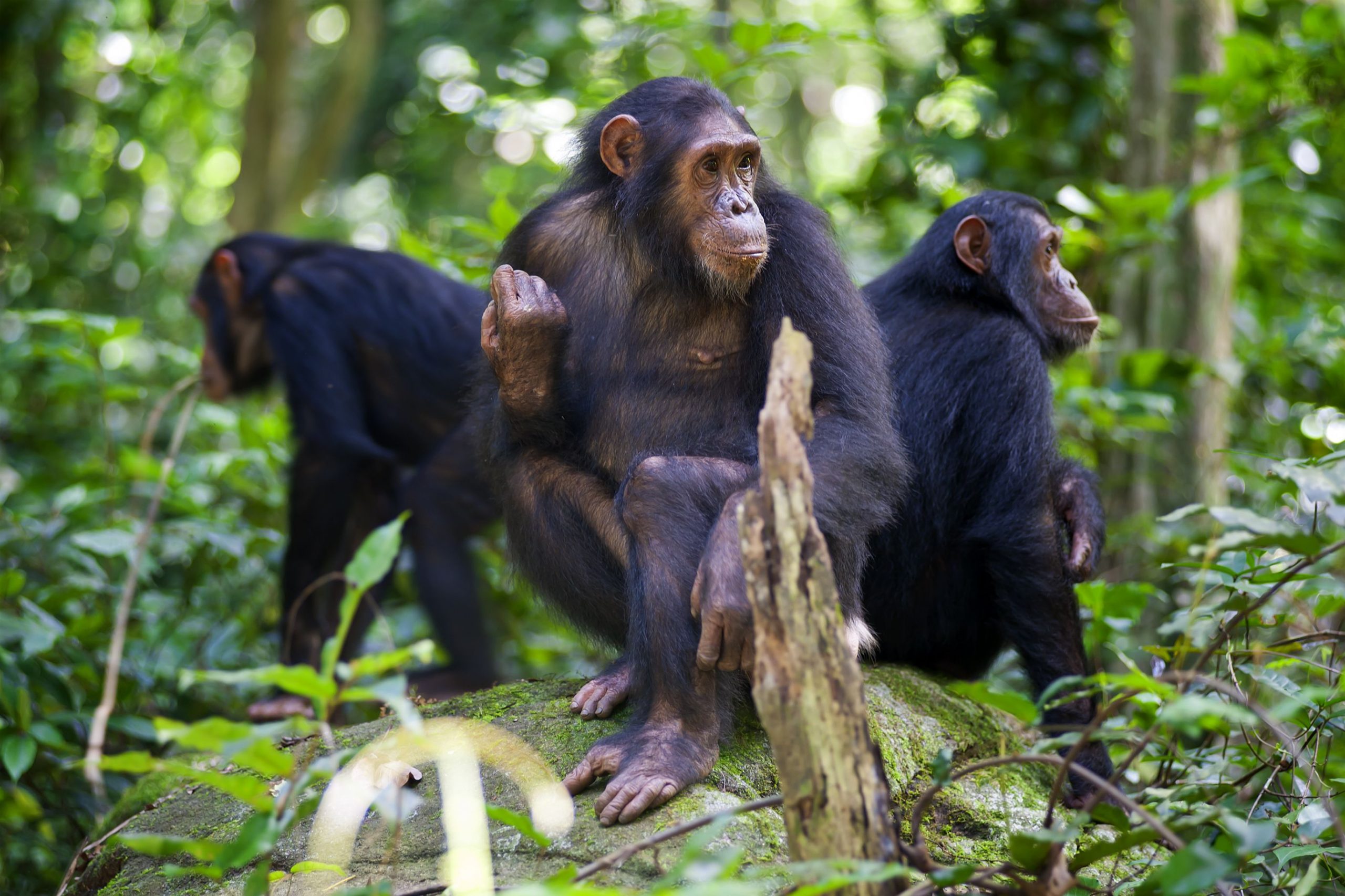
This 3 Days Kibale forest park chimpanzee tracking & Bigodi wetland walk itinerary is the ultimate primate adventure. Perfect for nature enthusiasts, this trip takes you from the bustling streets of Kampala straight into the heart of Uganda's rain forest. Kibale National Park is home to the highest density and diversity of primates in Africa, making it the premier location for tracking our closest living relatives. Alongside the forest adventure, you will experience community-led conservation at the adjacent wetland sanctuary. Over three days, this carefully structured route balances travel, wildlife encounters, and cultural insights. It offers a comprehensive taste of Western Uganda's natural beauty, from volcanic crater lakes and lush tea estates to the rich canopy of the jungle. Whether you want to see primates swinging through the branches or vibrant tropical birds taking flight, this compact safari delivers an unforgettable wildlife experience.
Tour highlights for 3 Days Kibale forest park chimpanzee tracking & Bigodi wetland walk
Kampala departure drive
Scenic tea plantations
Crater lake hiking
Cultural cave exploration
Jungle lodge stay
Chimpanzee tracking briefing
Primate canopy encounter
Guided wetland walk
Rare bird spotting
Community village visit
Day by day 3 Days Kibale forest park chimpanzee tracking & Bigodi wetland walk
Day 1: Kampala to Kibale Forest
Your journey begins with an early morning departure from Kampala or Zana. You will head west on a scenic 300-kilometer drive that takes roughly five to six hours. As you leave the city behind, the landscape shifts into rolling green hills and sprawling, vibrant tea plantations approaching the Fort Portal area. Along the way, you can stop to explore the Amabere Ga Nyina Mwiru Caves, a site rich with local cultural folklore and unique geological formations. Afterward, take a hike around the surrounding Fort Portal Crater Lakes field to enjoy panoramic views of the volcanic basins and distant mountains. In the afternoon, you will arrive at your selected accommodation near the park boundary, such as Kibale Forest Camp or Primate Lodge. Check-in, unpack, and spend the evening relaxing to the sounds of the surrounding jungle as you prepare for the next morning's wildlife adventure.
Day 2: Chimpanzee Tracking & Bigodi Wetland Walk
The main wildlife highlights happen today. Gather at the Kanyanchu Visitor Center by 8:00 AM for an essential safety and behavior briefing from the park rangers. Next, head into the forest canopy to track habituated chimpanzees. This forest walk typically takes two to four hours depending on where the primates nested the night before. Once you locate the community, you have one full hour to watch them feed, groom, and socialise in the trees. After returning to the lodge for lunch and a short rest, head to the Bigodi Wetland Sanctuary for a guided four-and-a-half-kilometer nature walk. Run by a local community conservation group, this swamp boardwalk is a prime location to spot up to eight different primate species, including the striking Red Colobus monkey, alongside rare birds like the massive Great Blue Turaco.
Day 3: Departure
Your final day starts with a relaxed breakfast at the lodge while watching the morning mist clear from the forest trees. If your schedule allows, you can spend the early morning participating in a local community walk to learn about traditional village life and regional conservation efforts. Alternatively, take a quick cycling tour through the nearby Mpanga tea estates to see how the local tea is grown and harvested. After checking out of your lodge, pack your bags and begin the return drive back toward the capital. The journey back mirrors your arrival route, offering another chance to admire the western Ugandan countryside and stop for lunch along the way. You will arrive back in Kampala or Zana by the late afternoon or early evening, bringing this rewarding three-day primate safari to a close.
1. What is the minimum age for chimpanzee tracking?
The minimum age limit for tracking habituated chimpanzees in Kibale National Park is strictly set at 12 years old. This age restriction is heavily enforced by the Uganda Wildlife Authority across all tracking trailheads, including the primary hub at the Kanyanchu Visitor Center.
There are two primary reasons for this policy: wildlife conservation and visitor safety. First, chimpanzees share roughly 98.8% of their DNA with humans, making them highly vulnerable to human illnesses. Children are statistically more likely to carry common childhood diseases, coughs, and colds to which wild primates have no natural immunity. An outbreak of a common human virus can easily turn fatal for an entire chimpanzee community. Second, the forest environment requires a high level of physical discipline and emotional maturity. The terrain can be challenging, involving steep ridges, thick undergrowth, and muddy paths.
Chimpanzee Tracking Age & Group Limits:
• Minimum Age: 12 years old
• Maximum Group Size: 8 trekkers per chimpanzee community
Rangers need to know that every member of the group can walk quietly for hours, respond immediately to spoken commands, and remain calm if a chimpanzee displays dominance. Chimpanzees are strong, loud wild animals; their sudden vocalizations or ground charges can be frightening. A child who panics, screams, or runs away could inadvertently trigger a defensive or aggressive reaction from the primates. If you are planning this three-day safari as a family, any children under the age of 12 will need to sit out the morning trek on Day 2. Most lodges can arrange supervised nature walks or community crafts outside the park boundaries while the adults are tracking in the primary forest canopy.
2. When does the morning briefing start?
The morning briefing for the chimpanzee trek starts promptly at 8:00 AM at the Kanyanchu Visitor Center. It is highly recommended that you depart your lodge early enough to arrive at the center by 7:30 AM. This gives you plenty of time to register, verify your tracking permits with the park officials, and grab a quick coffee before the formal session begins.
The briefing is a mandatory requirement for all visitors. During this session, the lead park rangers explain the code of conduct required to ensure a safe, respectful interaction between humans and primates. You will learn about the required safety distance—which mandates staying at least 8 meters (about 26 feet) away from the chimpanzees at all times. The rangers will also instruct you on behavioral protocols, such as keeping your voice low, avoiding flash photography, and refraining from eating or drinking when you are near the animals.
Additionally, the briefing serves an important logistical purpose: it is when trackers are divided into small groups of no more than eight people. Each group is assigned a specific habituated chimpanzee family and a pair of armed rangers. These rangers guide you through the jungle and carry a rifle exclusively to fire warning shots into the air in the rare event that a wild forest elephant or buffalo approaches the path. Missing the 8:00 AM briefing can result in your tracking slot being canceled or reassigned, as the groups head directly into the forest immediately after the presentation concludes. Staying organized on the morning of Day 2 ensures your primate trek begins smoothly.
3. How long is the Bigodi Wetland walk?
The guided nature walk through the Bigodi Wetland Sanctuary follows a 4.5-kilometer (2.8-mile) loop trail that takes between two and three hours to complete. Located just outside the national park boundary, the walk is usually scheduled for the afternoon of Day 2, allowing you to rest and have lunch after your morning forest trek.
The pace of the walk is intentionally slow and relaxed, as the main goal is to spot wildlife rather than achieve a strenuous workout. The trail consists of a mix of dirt paths cutting through the lush vegetation and elevated wooden boardwalks built directly over the swampier sections of the wetland. Because the sanctuary is a wetland ecosystem, the ground can become wet, slippery, and muddy, especially after a sudden downpour.
Bigodi Wetland Walk Quick Facts:
• Trail Distance: 4.5 kilometers (2.8 miles)
• Average Duration: 2 to 3 hours
• Terrain: Dirt paths and elevated wooden swamp boardwalks
The length of the walk is perfect for wildlife enthusiasts because it transitions through several distinct habitats, including secondary forest, thick papyrus beds, and local agricultural gardens. This variety of environments is why Bigodi holds such a high concentration of biodiversity. As you walk the 4.5 kilometers, your local community guide will frequently pause to point out hidden primates in the canopy or identify birds nesting in the papyrus reeds. The flat terrain makes it highly accessible for travelers of average fitness levels. However, because you will be standing and walking on uneven surfaces for up to three hours, having supportive footwear is essential to enjoying the full length of this community-run eco-tour.
4. What should I pack for the forest trek?
Packing the right gear for your chimpanzee trek in Kibale National Park is essential for your comfort and protection against the elements. The rain forest environment is humid, thick, and unpredictable, meaning your wardrobe needs to focus on functionality rather than style.
First and foremost, you need sturdy hiking boots with deep tread. The forest floor is uneven, crisscrossed with thick tree roots, and often muddy or slick from tropical showers. Sneakers or open shoes do not provide enough ankle support or traction. Pair your boots with long, thick socks, and use the essential trick of tucking your trousers directly into your socks. This creates a physical barrier that prevents biting insects, particularly safari ants, from crawling up your legs if you accidentally step near their path.
Essential Primate Trekking Packing List:
• Footwear: Sturdy hiking boots with deep tread and high ankle support
• Clothing: Long trousers, long-sleeved shirts, lightweight waterproof rain jacket
• Protection: Insect repellent (DEET-based), wide-brimmed hat, neutral colors (khaki/green)
• Gear: Small waterproof backpack, reusable water bottle, camera with optical zoom
Wear lightweight, long trousers and a long-sleeved shirt to protect your skin from scratching briars, stinging nettles, and mosquitoes. Choose earth tones like khaki, green, or grey, and avoid bright colors like blue, which can attract tsetse flies. A lightweight, waterproof rain jacket is a must-have item in your backpack, as tropical rain storms can develop rapidly even during the dry season. Don't forget to pack a strong insect repellent, a wide-brimmed hat, and a small, waterproof daypack to carry your camera gear and a reusable bottle containing at least two liters of drinking water to stay hydrated during the humid walk.
5. Are chimpanzee sightings completely guaranteed?
While no wildlife experience in a completely wild environment can be technically 100% guaranteed, Kibale National Park offers a chimpanzee tracking success rate of well over 90%. This exceptionally high success rate makes Kibale the premier location in East Africa for primate safaris.
The reliability of these sightings is due to the park's intensive, long-term habituation program. Habituation is a gentle, years-long process where research teams and rangers visit a wild chimpanzee community daily until the primates become entirely accustomed to the presence of human observers without altering their natural behaviors. Because of this established routine, the park service always knows the general territory and movement patterns of the various communities.
Furthermore, the park employs a highly efficient "advance tracker" system. Before your tourist group even departs the Kanyanchu Visitor Center at 8:30 AM, teams of expert rangers enter the forest at dawn. They head directly to the location where the chimpanzees built their nests the previous night. Once they hear the community waking up, calling, and moving, they radio the exact geographic coordinates back to your group's guiding ranger. This coordination means you are not wandering aimlessly through the jungle; your guide is leading you along a direct path toward an actively located family. The remaining small margin of unpredictability usually comes down to extreme weather, such as heavy downpours that cause the chimpanzees to sit completely still and silent high up in the dense tree canopy, making them harder to view from the ground.
6. How far is the drive from Kampala?
The road journey from Kampala or Zana to Kibale National Park covers a distance of approximately 300 kilometers (186 miles). Under normal driving conditions, this scenic trip takes between five and six hours to complete, making it the primary activity for Day 1 of your safari itinerary.
The route follows an asphalt highway heading west out of the capital city, passing through key regional towns including Mityana, Mubende, and Kyenjojo before arriving in Fort Portal. The road quality is generally good and fully paved, though travelers should expect a bumpy ride in sections undergoing routine maintenance or within bustling town trading centers where speed bumps are frequent. Traffic exiting Kampala in the early morning can be heavy, which is why a departure around 6:30 AM is always recommended to avoid urban gridlock.
Once you clear the city limits, the drive transforms into an incredibly scenic journey through Uganda’s rural heartland. You will pass traditional homesteads, bustling roadside vegetable markets, and small-scale farms growing bananas and cassava. As you approach the western region, the topography shifts dramatically into rolling hills and expansive, neat carpets of bright green tea estates that signal your arrival in the Rwenzori foothills. This five-to-six-hour drive includes a scheduled stop for lunch and allows time for optional side excursions, such as exploring the historical Amabere Caves or photographing the volcanic crater lakes field near Fort Portal, before you check into your jungle lodge by late afternoon.
7. Who manages the Bigodi Wetland Sanctuary?
The Bigodi Wetland Sanctuary is managed and operated by KAFRED, which stands for the Kibale Association for Rural and Environmental Development. Established in 1992, KAFRED is widely recognized as one of the most successful examples of community-based eco-tourism and natural resource management in East Africa.
The sanctuary was created by local residents who realized that protecting the Magombe swamp from agricultural encroachment could generate sustainable income through tourism while preserving local biodiversity. When you pay for your guided walk on Day 2, your conservation fees go directly into a community fund managed by KAFRED rather than a centralized government agency. Over the last few decades, these funds have directly transformed the livelihoods of the communities living along the park boundary. Tourism revenue has successfully built the Bigodi Secondary School, funded clean water gravity-flow schemes for local villages, and established a community health clinic.
Benefits of KAFRED Community Management:
• Direct Funding: Supports local schools, clean water projects, and health clinics
• Wildlife Protection: Discourages poaching by turning natural habitats into community assets
• Local Employment: Trains and employs residents as professional wildlife guides
KAFRED also actively supports the Bigodi Women’s Group, providing a platform for local women to sell hand-woven baskets and crafts made from sustainably harvested swamp reeds. By turning the wetland into a valuable economic asset, the community is deeply incentivized to stop poaching and illegal logging. The guides who lead you along the boardwalks are all local residents who possess deep, generational knowledge of the swamp’s plants and animals. Choosing to visit Bigodi ensures your travel spending directly supports grassroots rural development and local conservation efforts.
8. Can I track chimpanzees if I am sick?
No, you cannot track chimpanzees if you are suffering from any contagious illness. The Uganda Wildlife Authority enforces a strict health policy at Kanyanchu that allows park rangers to disqualify any traveler showing obvious symptoms of infectious disease, including a common cold, flu, persistent cough, watery eyes, or stomach viruses.
This strict rule exists because chimpanzees are our closest evolutionary cousins, sharing almost all of our genetic makeup. Because of this extreme biological similarity, they lack immunity to common human pathogens. A simple respiratory virus brought in by a tourist can spread rapidly through a habituated chimpanzee family, potentially causing widespread illness or death within the wild population.
Before heading into the forest on Day 2, guides will assess the general health of the group. If you feel unwell or have a lingering cough, it is your ethical responsibility to report it to the park authorities. To minimize any risk of transmission during the trek, visitors are required to maintain a continuous distance of at least 8 meters from the primates. If you need to sneeze or cough while in their presence, you must turn your face away from the animals and completely cover your mouth and nose with your elbow or a handkerchief. Wearing a protective face mask during the one-hour observation period is also frequently requested by rangers as an extra layer of bio-security to keep these endangered primates safe.
9. What bird species am I likely to see?
The combination of Kibale Forest National Park and the adjacent Bigodi Wetland Sanctuary forms a world-class birding destination, boasting an interconnected checklist of over 375 distinct avian species. The unique intersection of dense tropical rain forest and open papyrus swamp creates an ideal habitat for an incredible variety of rare and colorful birds.
The undisputed superstar of the Bigodi Wetland walk is the Great Blue Turaco. This massive, exotic bird is easily identified by its vibrant turquoise-blue body plumage, brilliant yellow and red beak, and striking black crest. You will often see them flying in small groups between the fruiting trees bordering the swamp boardwalks.
Key Bird Species of Kibale & Bigodi:
• Canopy & Swamp: Great Blue Turaco, Ross's Turaco
• Papyrus Specialists: Papyrus Gonolek, White-winged Warbler
• Forest Understory: African Pitta, Green-breasted Pitta (rare)
• Colorful Foragers: Black-billed Weaver, Double-toothed Barbet, Shining Blue Kingfisher
As you explore the deeper papyrus reeds with your guide, you will search for rare swamp specialists like the Papyrus Gonolek, a secretive bird with a vibrant yellow crown and a bright red breast that contrasts sharply against the green reeds. The sanctuary is also home to multiple species of hornbills, including the raucous Black-and-white-casqued Hornbill, as well as various sunbirds, barbets, and kingfishers. Inside the main forest loop during your chimpanzee tracking, keep your eyes on the undergrowth for the elusive Green-breasted Pitta, a legendary find for birdwatchers worldwide. Whether you are an experienced birder or a casual nature lover, the constant activity and vocalizations of these tropical birds provide a rich soundtrack to your itinerary.
10. What extra activities can I do on Day 3?
On the morning of Day 3, your itinerary leaves room for optional flexible activities before you start the five-to-six-hour return drive to Kampala. This morning window is an excellent opportunity to experience the local culture and rural lifestyle of western Uganda.
One popular option is a guided cycling tour through the Mpanga tea estates. You can rent a mountain bike locally and ride along the narrow dirt trails winding through the vast, undulating hills of neatly trimmed green tea bushes. This excursion allows you to interact with the local tea pluckers, see how they carefully select the top two leaves from each branch, and learn about the processing steps that take the leaves from the field to the morning cup.
Alternatively, you can book a community cultural walk through Bigodi village. This walking tour takes you into local homesteads to see traditional life firsthand. You can visit a traditional healer who explains how local forest plants are used to mix remedies, stop by a village primary school, and watch a demonstration by the Bigodi women’s weaving group. Here, you can see how raw palm leaves are dyed using natural roots and bark, then woven into intricate mats and baskets. These community activities wrap up by 11:00 AM, giving you just enough time to head back to your lodge, check out, pack your bags, and begin your journey back toward Kampala or Zana.
Booking 3 day to Kibale Forest Park with us Roads of Adventure safaris
To book a 3-day chimpanzee and nature safari in Kibale Forest National Park with Roads of Adventure Safaris, you will need to finalize specific details including your preferred accommodation tier, vehicle, and exact dates
