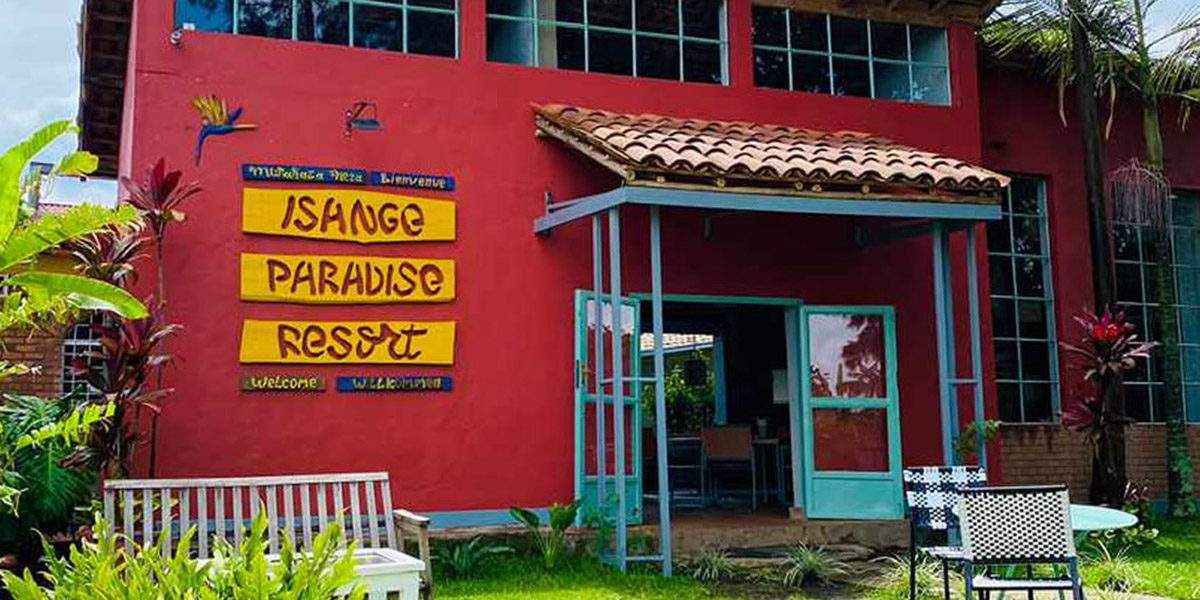
This 3-day primate safari in Rwanda features mountain gorilla trekking and golden monkey tracking in Volcanoes National Park. Base yourself at Isange Paradise Resort in Musanze, an eco-friendly social business supporting local children's charities Isange Paradise Resort.
Tour highlights for 3 Days Gorilla trekking and golden monkey
Arrive in Musanze
Lush resort gardens
Support local children
Morning park briefing
Thrilling gorilla trek
Gentle giants encounter
Cozy fireplace dinners
Active golden monkeys
Bamboo forest hike
Return to Kigali
Day by day 3 Days Gorilla trekking and golden monkey
Day 1: Arrival & Transfer to Musanze
Arrive in Rwanda and transfer to Isange Paradise Resort in Musanze, a scenic 2-to-3-hour drive from Kigali. Settle into your cozy room and spend the afternoon unwinding in the lush, bird-rich tropical gardens. In the evening, enjoy a delicious, freshly prepared meal at the onsite restaurant. By staying here, you actively support local community initiatives, as the resort operates as a social business dedicated to helping children.
Day 2: Mountain Gorilla Trekking
Wake up early for a hearty breakfast before transferring to the park headquarters for your briefing. Embark on an exhilarating, guided trek through the dense, misty rainforest of Volcanoes National Park. The hike can take between 1-7 hours, but spotting a wild gorilla family makes it entirely worthwhile. You will spend a magical hour quietly observing the gentle giants as they feed and care for their young. Return to the resort in the afternoon to rest, share photos, and enjoy dinner by the open fireplace.
Day 3: Golden Monkey Trekking
Start your morning with another early breakfast at the resort before heading back to the park headquarters. Today’s adventure features a lighter trek into the beautiful lower bamboo forests of the Virunga mountains to track the endangered and lively golden monkeys. Watch these nimble, vibrant primates frolic through the canopy before returning to the resort for lunch. Afterward, check out and head back to Kigali for your departure flight, concluding your unforgettable Rwandan primate safari.
1. What is the optimal physical fitness level required for this 3-day itinerary?
The physical fitness level required for this safari ranges from moderate to high, primarily determined by the unpredictable nature of mountain gorilla tracking. While golden monkey trekking occurs in the lower, flatter bamboo zones and is relatively gentle, gorilla trekking takes place at altitudes between 2,000 and 4,000 meters. The terrain consists of steep, muddy slopes, thick tangled vegetation, and no designated paths. A trek can last anywhere from one to seven hours depending on where the assigned gorilla family spent the previous night. To prepare, you should engage in cardiovascular exercises, hill climbing, or stair stepping for at least a month prior to arrival. If you have mobility challenges, Isange Paradise Resort can help arrange a traditional sedan chair (stretcher) and local porters at the park headquarters. Porters are highly recommended for everyone; for a small fee, they carry your daypack and provide a steady hand through slippery sections. Being physically prepared ensures you focus on the magic of the primates rather than physical exhaustion.
2. How does staying at Isange Paradise Resort directly impact the local community?
Choosing Isange Paradise Resort transforms your Rwandan holiday into a meaningful philanthropic venture. The resort operates explicitly as a social enterprise, meaning a significant portion of its financial revenue is directly channeled into community development projects in Musanze. Specifically, the lodge funds local initiatives that support vulnerable children, providing them with access to quality education, healthcare, nutritional support, and scholastic materials. By sleeping here, your tourism dollars directly pay local staff wages, fund the purchase of fresh produce from surrounding community farms, and uplift nearby families. The resort bridges the gap between high-end primate tourism and grassroots community development. Guests can feel a sense of purpose knowing that their comfortable stay, hot showers, and delicious dinners are actively contributing to breaking the cycle of poverty for children in the Volcanoes National Park region, making the entire travel experience far more rewarding.
3. What specific clothing and gear should I pack for these two unique treks?
Packing correctly is vital due to the volatile alpine climate of Volcanoes National Park. For both the gorilla and golden monkey treks, you must wear sturdy, waterproof hiking boots with excellent ankle support and deep tread to navigate muddy paths. Layering is key: wear lightweight, moisture-wicking long-sleeved shirts and long trousers to shield your skin from stinging nettles, sharp branches, and insects. Tuck your trousers into thick hiking socks to prevent safari ants from crawling up your legs. Heavy-duty gardening gloves are mandatory for gorilla trekking, as you will frequently grab thorny vegetation for balance. Bring a high-quality, breathable waterproof rain jacket and rain pants, as downpours can happen instantly. Do not forget a wide-brimmed hat, UV sunglasses, reef-safe sunscreen, and insect repellent containing DEET. Lastly, pack a waterproof daypack with a rain cover to protect your camera gear, extra batteries, binoculars, passport, and the packed lunch provided by Isange Paradise Resort.
4. What are the strict rules and regulations for interacting with mountain gorillas?
To ensure the safety of both humans and these endangered primates, Rwanda’s Volcanoes National Park enforces rigorous guidelines. Before setting off, park rangers conduct a mandatory briefing at the Kinigi headquarters. Once your tracking group locates the gorilla family, you are strictly permitted exactly one hour of observation time. You must maintain a minimum distance of 10 meters (around 32 feet) from the gorillas at all times; if they approach you, you must step back slowly. Flash photography is absolutely forbidden as it can startle the silverback and provoke a defensive attack. Speak in whispers and avoid making sudden movements or direct, prolonged eye contact with the gorillas. If a gorilla charges or coughs, do not run; squat down, lower your eyes, and follow the ranger's instructions. Crucially, if you feel sick or have a contagious illness like a cold or flu, you must volunteer to stay behind, as gorillas share over 98% of human DNA and lack immunity to our diseases.
5. How do golden monkey and mountain gorilla trekking experiences differ?
Though both treks depart from the same park headquarters, the two experiences differ significantly in terrain, behavior, and photography conditions. Mountain gorillas are massive, terrestrial gentle giants that move deliberately. The trek to find them is often long, steep, and physically demanding, taking you deep into the high-altitude montane forest. Once found, they are usually on the ground, allowing for intimate, steady, eye-level photography. Conversely, golden monkeys are small, exceptionally fast, and highly active primates endemic to the Albertine Rift. They live in the lower-altitude bamboo forests, making the hike shorter, flatter, and much easier. Because they spend most of their time swinging rapidly through the bamboo canopy, photographing them requires fast shutter speeds and constant movement. While gorilla encounters feel deeply emotional and spiritual due to their human-like expressions, golden monkey tracking is whimsical, high-energy, and filled with playful antics, making them perfectly complementary activities for a 3-day itinerary.
6. What standard of accommodation, dining, and amenities can I expect at Isange Paradise Resort?
Isange Paradise Resort offers a warm, mid-range sanctuary characterized by authentic Rwandan hospitality and tranquil surroundings. Nestled amidst beautifully manicured tropical gardens filled with native flowers and singing birds, the resort provides a peaceful escape after a grueling day of trekking. The individual cottages and rooms are clean, spacious, and decorated with local African art. They feature comfortable beds with mosquito nets, private en-suite bathrooms, and reliable hot running water—a true luxury after a cold day in the rainforest. The onsite restaurant serves a diverse menu featuring both continental dishes and traditional Rwandan flavors, utilizing fresh, organic ingredients sourced from local farms. In the chilly Musanze evenings, guests gather around the cozy open fireplace in the lounge to share trekking stories. Additional amenities include complimentary high-speed Wi-Fi, secure parking, a bar stocked with local beers and spirits, and an exceptionally attentive staff who provide personalized services like complimentary boot-cleaning after your muddy treks.
7. What is the typical daily timeline for this 3-day primate safari?
Your 3-day itinerary is structured to optimize wildlife viewing and ensure adequate rest. On Day 1, you arrive in Kigali and enjoy a scenic 2-to-3-hour drive to Musanze, checking into Isange Paradise Resort by afternoon to relax in the gardens and dine early. Day 2 is Gorilla Day: you wake up at 5:30 AM, eat a heavy breakfast, and transfer to Kinigi park headquarters by 7:00 AM for registration and briefings. Trekking begins at 8:00 AM and lasts until early or mid-afternoon. You return to Isange for a late lunch, a hot shower, a relaxed evening by the fireplace, and dinner. Day 3 follows a similar early morning schedule for Golden Monkey trekking, which typically concludes around noon. You return to the resort to freshen up, check out, enjoy a final lunch, and embark on the drive back to Kigali for your evening flight home, maximizing every moment of your short stay.
8. Why is the permit system for these treks so strictly controlled, and how much do they cost?
The permit system is heavily regulated by the Rwanda Development Board (RDB) to prioritize wildlife conservation, minimize environmental degradation, and fund park protection. Mountain gorilla permits cost $1,500 USD per person per trek, while golden monkey permits cost $100 USD per person. Only 96 gorilla permits are issued daily, split across a limited number of habituated families, with a strict cap of 8 tourists per family. This prevents the primates from becoming overly stressed or exposed to human pathogens. Because demand is incredibly high worldwide, these permits must be booked and paid for months in advance through a registered tour operator or directly with the RDB. The high fees directly fund the conservation of the park, anti-poaching patrols, veterinary care via the Gorilla Doctors, and a 10% revenue-sharing scheme that builds schools, clinics, and infrastructure for the local communities surrounding Volcanoes National Park.
9. What are the seasonal weather patterns in Musanze, and when is the best time to visit?
Musanze and Volcanoes National Park experience an equatorial, high-altitude climate, meaning it remains relatively cool throughout the year, with daytime temperatures averaging 16°C to 20°C (60°F to 68°F) and dropping significantly at night. The region experiences two dry seasons and two rainy seasons. The long dry season runs from June to September, and the short dry season spans December to February. These dry months are considered the best time to visit because the forest trails are less muddy, making trekking significantly easier, and there are fewer mosquitoes. However, rain can fall at any time. The rainy seasons (March to May and October to November) bring heavy downpours, making trails slick and challenging. The advantage of traveling in the wet season is that gorillas often descend to lower altitudes to feed on fresh bamboo shoots, making treks shorter. Additionally, the resort is less crowded, allowing for a more intimate experience.
10. How do I travel safely and efficiently from Kigali to Isange Paradise Resort?
The journey from Kigali International Airport to Isange Paradise Resort in Musanze is safe, scenic, and well-developed. The distance is approximately 95 kilometers (59 miles) along a fully paved, winding tarmac highway that cuts through Rwanda’s famous rolling hills, earning the country its nickname, "The Land of a Thousand Hills." The drive takes between 2 to 3 hours depending on traffic exiting Kigali. The most efficient and safe method of travel is utilizing a private 4x4 safari vehicle arranged through your tour operator, driven by a professional local guide who understands the mountainous terrain and local speed limits. Self-driving is possible but not recommended for tourists unfamiliar with sharp mountain switchbacks or sudden fog. Public buses run regularly between Kigali and Musanze and are highly affordable, but they do not drop you directly at the park headquarters for your early morning treks, making a private vehicle the superior choice.
11. What photography tips should I use to capture great shots of primates in a dense canopy?
Primate photography in Volcanoes National Park presents unique technical challenges due to the thick forest canopy, dappled sunlight, and dark-furred subjects. To capture crisp images of gorillas and fast-moving golden monkeys, you must understand your camera settings. Use a fast lens with a wide aperture (such as f/2.8 or f/4) to let in as much light as possible under the dark trees. Set your shutter speed high—at least 1/250s for relatively still gorillas, and 1/1000s or faster to freeze the rapid movements of golden monkeys swinging through bamboo. You will need to raise your ISO setting, sometimes up to 1600 or 3200, to compensate for the low light, accepting a bit of digital noise for a sharp picture. Use spot metering so your camera exposes correctly for the dark fur rather than the bright background foliage. Bring a zoom lens (like a 70-200mm) for framing versatility, and pack an extra battery, as the cool mountain air drains battery life quickly.
12. Can this 3-day itinerary be customized to include other cultural or historical activities?
Yes, this 3-day itinerary can be seamlessly customized to include enriching cultural and historical excursions that complement your wildlife viewing. On Day 1, upon arriving in Musanze, you can spend two hours visiting the Ellen DeGeneres Campus of the Dian Fossey Gorilla Fund. This world-class facility features interactive exhibits detailing the history of gorilla conservation in Rwanda and Dian Fossey’s legacy. On the afternoon of Day 2, after your gorilla trek, you can visit the Gorilla Guardians Village (formerly Iby’Iwacu Cultural Village). Located near the park, this community-run non-profit allows former poachers to demonstrate traditional Rwandan drumming, dancing, archery, and historical marriage ceremonies. Furthermore, you can take a scenic canoe trip on the nearby Twin Lakes (Burera and Ruhondo) or explore the Musanze Caves. All of these activities can be easily coordinated by the helpful reception desk at Isange Paradise Resort.
13. What health, medical, and safety precautions should I take before and during the trip?
Rwanda is widely recognized as one of the safest and cleanest countries in Africa, but certain health precautions are necessary for an optimal trip. Consult your travel clinic at least six weeks before departure to ensure your routine vaccines are up to date. While Musanze is at a high altitude where malaria risk is lower than in lowland areas, malaria is still present in Rwanda; therefore, taking prophylactic medication and using DEET-based mosquito repellent at Isange Paradise Resort is highly recommended. You must drink bottled or filtered water throughout your stay, which the resort readily provides. Because the treks reach high altitudes, stay well-hydrated to prevent mild altitude sickness, which manifests as headaches or fatigue. Ensure you have comprehensive travel insurance that covers emergency medical evacuation from remote mountain areas, and carry a basic personal first-aid kit containing blister bands, pain relievers, anti-diarrhea medication, and rehydration salts.
14. How does the park revenue-sharing model benefit the communities around Volcanoes National Park?
Rwanda’s tourism model is globally praised for its progressive 10% tourism revenue-sharing scheme, managed by the government. Ten percent of all gross revenues generated from park permits—including your gorilla and golden monkey purchases—is funneled directly into local communities living adjacent to Volcanoes National Park. This money funds the construction of clean water supply systems, public schools, community health clinics, and improved roads. By making local residents primary beneficiaries of wildlife tourism, the model directly incentivizes communities to protect the park rather than exploit it through illegal poaching, tree cutting, or agricultural encroachment. This aligns perfectly with the ethos of Isange Paradise Resort, which also reinvests its profits into local children's welfare. Together, the park administration and local businesses create a sustainable eco-tourism loop where human development and wildlife conservation thrive side-by-side, preserving the ecosystem for future generations.
15. What are the age restrictions and group size limitations for these specific safaris?
To ensure safety, manage ecological impact, and protect animal welfare, strict age and group limits are enforced within Volcanoes National Park. For mountain gorilla trekking, the absolute minimum age restriction is 15 years old. This rule is unyielding because children are more likely to carry common childhood diseases that can devastate gorilla populations, and they may panic if a large silverback makes a sudden movement. For golden monkey trekking, the age limit is slightly more relaxed, usually set at 12 years old, as the trek is less intense and the animals are non-threatening. Regarding group sizes, a maximum of 8 tourists is permitted to visit a single gorilla family per day to reduce stress on the animals and minimize trail erosion. Golden monkey groups can be slightly larger, typically capping around 16 to 20 people per habituated troop. These tight parameters mean booking your spot early is absolutely essential.
16. Why is Isange Paradise Resort considered an ideal base for budget-to-mid-range travelers?
Isange Paradise Resort stands out as an exceptional choice for budget-conscious and mid-range travelers because it offers a perfect balance of affordability, comfort, and strategic location. Primate tourism in Rwanda can be incredibly expensive, with luxury lodges costing thousands of dollars per night. Isange Paradise Resort offers a clean, highly comfortable, and safe alternative at a fraction of that cost, without compromising on essential amenities like private hot showers, comfortable bedding, and excellent food. Furthermore, its location in Musanze town provides an authentic glimpse into daily Rwandan life, while remaining a short, convenient 25-minute drive from the Kinigi park headquarters. The exceptional hospitality of the local staff, combined with the heartwarming knowledge that your accommodation fees are actively funding local children's education, provides an unmatched value proposition that leaves travelers feeling both physically pampered and socially responsible.
Booking 3 Days Gorilla trekking and golden monkey with us Roads of Adventure safaris
To book a 3-day Gorilla and Golden Monkey trekking experience with Roads of Adventure Safaris, you can reach out through their Roads of Adventure Safaris Contact page or explore their dedicated Mgahinga Gorilla Trekking package to secure your spot
