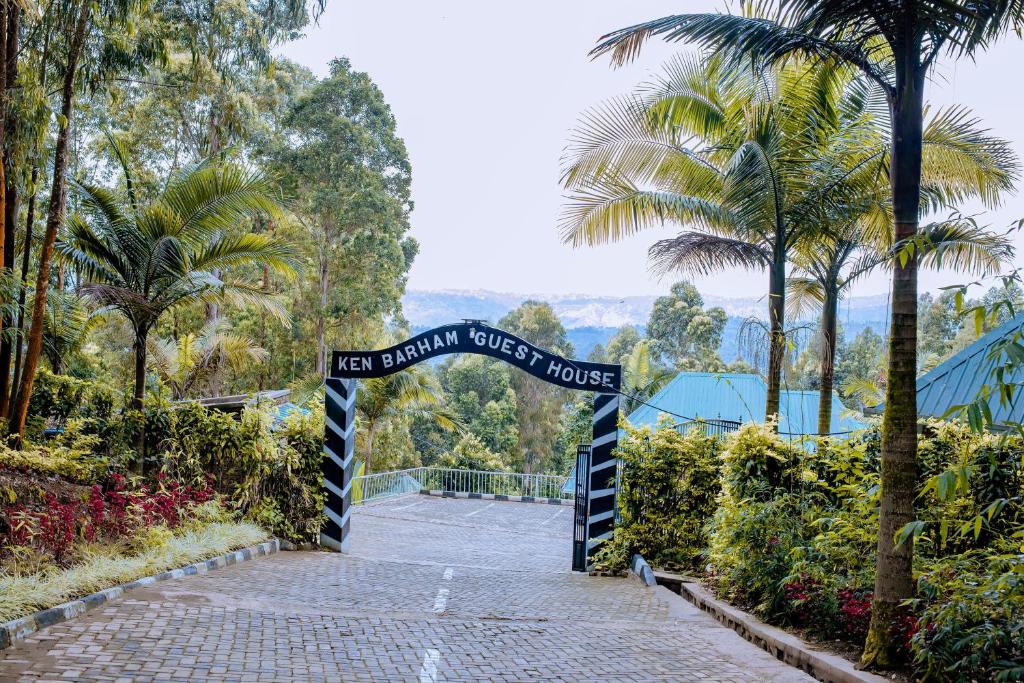
Experience the raw beauty of Rwanda’s montane rainforests on this immersive 3 Days Chimpanzee tracking in Nyungwe park staying at Ken Barham guest house. Designed for wildlife lovers seeking an authentic, budget-friendly African safari, this 3 Days Chimpanzee tracking in Nyungwe park itinerary balances active exploration with deep cultural encounters. Nyungwe National Park protects one of Africa’s oldest ecosystems, home to over a dozen primate species, rare birds, and dramatic landscapes. This carefully crafted journey begins with a scenic drive from Kigali, transitioning through Rwanda's historical heartland before arriving at the edge of the forest. Your home base is the welcoming EAR Ken Barham Guest House in Gisakura, celebrated for its warm hospitality, simple comforts, and exceptional proximity to major trailheads. By staying here, you maximize your time under the forest canopy tracking wild chimpanzees and walking high above the trees. It is the perfect blend of true adventure, historical discovery, and local community engagement.
Tour highlights for 3 Days Chimpanzee tracking in Nyungwe park
Kigali scenic drive
Historic King's Palace
Cultural cattle encounter
Lush tea plantation
Early morning briefing
Wild chimpanzee tracking
Thrilling canopy walk
Beautiful waterfall hike
Colobus monkey trek
Majestic rainforest views
Day by day 3 Days Chimpanzee tracking in Nyungwe park
Day 1: Scenic Drive from Kigali, King's Palace Visit & Gisakura Tea Experience
Your safari begins with an early morning pickup from your hotel or residence in Kigali. Leaving the capital behind, you will embark on a rewarding five to six-hour drive heading southwest. The journey showcases Rwanda’s famous rolling, terraced hillsides, providing endless photo opportunities. Along the way, your guide will point out historic landmarks like the Kamegeri Rock in Ruhango District. You will make a classic stop in Nyanza to tour the King's Palace Museum, an architectural reconstruction of an ancient royal residence, where you can meet the long-horned Inyambo cattle. After lunch, the final leg of the drive takes you deep into the highlands. Arriving in Gisakura, check into the EAR Ken Barham Guest House to settle in. Spend the late afternoon walking through the lush emerald rows of a local tea plantation, learning how leaves are harvested, before returning for dinner.
Day 2: Morning Chimpanzee Tracking & Afternoon Canopy Walkway Adventure
An early start is essential today. Have a quick breakfast before heading to the park offices for a dawn briefing with expert rangers. From there, enter the ancient rainforest to track a habituated community of wild chimpanzees. The trek can be physically demanding as you follow your guides through dense undergrowth, listening for the loud, echoing hoots that signal their location. Once you find them, enjoy an unforgettable hour watching them swing through branches, groom, and socialise. Return to the guest house for a hearty lunch and a brief rest. In the afternoon, head to the Uwinka Reception Centre for the Igishigishigi Trail. This path leads to the famous suspended canopy walkway, hanging seventy meters above the deep forest floor. Walking across the 160-meter-long bridge gives you a breathtaking, bird's-eye view of the vast jungle before dinner.
Day 3: Forest Trekking Along the Isumo Waterfall Trail & Return to Kigali
On your final morning, enjoy breakfast at the guest house before tackling your last forest excursion. You can choose to hike the beautiful Isumo Waterfall Trail, a three-hour trek that descends through steep tea fields into dense, tree-fern valleys where a spectacular waterfall cascades into a rocky gorge. Alternatively, choose a dedicated primate walk to locate large troops of black-and-white Colobus monkeys, known for their unique long hair and playful leaps. Both options offer a wonderful final look at the park’s immense biodiversity. Afterward, return to the EAR Ken Barham Guest House to pack your bags and check out. Enjoy lunch at the lodge before boarding your vehicle for the return drive to Kigali. You will arrive back in the capital by evening, marking the end of your memorable mountain adventure.
How difficult is the chimpanzee trekking in Nyungwe, and what fitness level do I need?
Chimpanzee trekking in Nyungwe National Park is an active, unpredictable adventure that requires a moderate to high level of physical fitness. Unlike mountain gorillas, which often stay relatively stationary once nested, chimpanzees are highly mobile primates. They move quickly through the upper canopy and across steep forest floors, meaning you must actively hike to keep pace with them. The park’s terrain is characterized by steep ridges, deep valleys, and thick undergrowth lying at elevations between 1,600 and 2,950 meters above sea level. This high altitude can make physical exertion feel significantly more intense if you are not acclimatized.
The trails can become incredibly muddy, slick, and uneven after a rainstorm, forcing trekkers to navigate exposed tree roots and damp slopes. A typical trek can last anywhere from two to five hours, depending entirely on where the habituated chimp communities spent the night. You should be capable of walking long distances uphill and downhill without immediate assistance. To prepare, it is highly recommended to engage in cardiovascular exercises or hill hiking a few weeks before your departure. If you have mobility concerns or joint issues, hiring a local porter at the trailhead is an excellent, practical strategy; they help carry your daypack and offer a steady hand through the trickiest parts of the forest.
What are the specific permit costs and additional park fees for this 3-day itinerary?
Budgeting accurately for Nyungwe requires understanding how the Rwanda Development Board structures its pricing, as costs are divided between activity permits and daily park entrance fees. For foreign non-residents, a standard chimpanzee trekking permit costs $150 per person per trek. For foreign residents holding valid working permits in East Africa, this drops to $75, while East African Community citizens pay $25. This specific permit covers your guided forest trek led by armed rangers and one full hour of observation time once the chimpanzees are successfully located.
Crucially, activity permits do not automatically include the mandatory national park entrance fees, which are calculated based on the number of nights you spend inside or directly adjacent to the park ecosystem. For a foreign non-resident spending two nights to complete this itinerary, the park entrance fee is $150 per person. If you choose to add the afternoon canopy walk, that activity requires its own separate permit, which typically costs an additional $40 per person. Therefore, your total statutory conservation and activity fees for this exact trip will come to approximately $340 per person as a foreign non-resident. It is vital to book these permits months in advance through a registered tour operator, as the park limits the number of daily trekkers to protect the primate habitats from over-tourism.
What kind of amenities and room types can I expect at the EAR Ken Barham Guest House?
The EAR Ken Barham Guest House is an established, budget-friendly lodge run by the Anglican Church (Diocese of Cyangugu) in the Rwumba/Gisakura neighborhood. It is designed specifically for travelers who prioritize simple cleanliness, warm hospitality, and functional comfort over high-end luxury. The property features 15 guest rooms arranged around a set of quiet, beautifully manicured green gardens that frequently attract local bird species and passing monkeys. Accommodation options are versatile, offering standard single rooms for solo travelers, standard twin rooms featuring two separate beds, and deluxe double rooms with large single beds suited for couples. Family rooms with multiple beds are also available.
Every room is equipped with an en-suite bathroom featuring a functional shower, sink, clean towels, and a reliable supply of hot water, which is incredibly welcome after a long, damp day of rainforest hiking. The beds are constructed from sturdy local timber and come dressed with clean sheets and warm duvets to combat the chilly highland nights. Simple furniture like a bedside table, a chair, and a wardrobe are standard. The common areas include a cozy dining restaurant serving hearty, home-style African and American cuisines, with flexible options for vegetarian, vegan, and dairy-free diets. Complimentary Wi-Fi is available in the main building, and the property regularly hosts evening traditional dance performances by local youth groups, offering an authentic cultural touch right after dinner.
Where is the guest house located in relation to the main park trailheads and briefing points?
Location is one of the single greatest structural advantages of choosing the EAR Ken Barham Guest House. The property is situated in Rwumba, resting safely right on the western fringes of Nyungwe National Park, surrounded by beautiful, rolling green tea plantations. It sits roughly 24 kilometers from the deeper interior zones of the forest but is incredibly close to the western entrance and the Gisakura park reception office. For travelers, this means you are only a short five to ten-minute drive from the primary assembly points where several major excursions begin.
This close proximity is a massive logistical benefit on Day 2 of your itinerary. Because chimpanzee trekking briefings start exceptionally early in the morning—often by 4:30 AM or 5:00 AM—staying far away from the park gates would mean waking up in the middle of the night to commute. By staying at Ken Barham, your morning driving time is minimized to mere minutes, allowing you to get precious extra sleep and enjoy a quick cup of hot local coffee before heading out. Furthermore, the famous Uwinka Reception Centre, which serves as the main trailhead for the afternoon Canopy Walkway and the Igishigishigi trail, is a reasonable and highly scenic drive further up the main highway, making your afternoon transition smooth and effortless.
What is the chance of actually seeing chimpanzees, and what happens if we don’t find them?
While the park rangers maintain an impressive success rate of over 80% to 90% for locating chimpanzees, it is important to remember that this is a wild safari experience in an unfenced, 1,000-square-kilometer tropical rainforest. Chimpanzees are highly intelligent, free-roaming animals that do not follow human schedules. They can travel vast distances overnight in search of seasonal wild fruits, figs, and fresh leaves. To maximize your chances, a dedicated team of park trackers enters the forest before dawn to locate the nests the chimps built the previous evening. These trackers listen for early vocalizations and communicate via radio to guide your group toward the correct location.
In the rare event that your group does not successfully locate a chimpanzee community during your morning trek, the Rwanda Development Board does not offer cash refunds on permit fees. This policy is standard across most major primate parks, as the fees directly fund the daily operations of trackers, security rangers, and community conservation initiatives. However, if a group hikes extensively and fails to see the chimps due to extreme weather or unexpected movement, park management may, at their discretion, offer a complimentary permit for a subsequent day if availability allows. Rest assured that the trek itself is highly rewarding; even if the chimps stay high up or deep in the brush, you will encounter rare birds, stunning plant life, and other unique primates.
What should I pack specifically for the damp, high-altitude climate of Nyungwe Forest?
Packing correctly for Nyungwe requires preparing for two distinct environmental factors: constant moisture and shifting forest temperatures. The climate is highly humid, and rain can fall unexpectedly at any time of day, regardless of the official season. Your most important piece of gear is a broken-in pair of sturdy, waterproof hiking boots with excellent ankle support and deep rubber tread to handle slick mud and exposed tree roots. Pair these with thick, moisture-wicking hiking socks to prevent blisters over long hours of walking.
For clothing, the golden rule is to dress in lightweight layers. Start with a moisture-wicking base layer, add a light fleece for the chilly early mornings, and top everything with a premium, breathable waterproof rain jacket. You must wear long-sleeved shirts and long hiking trousers to protect your skin against stinging nettles, sharp thorns, and biting insects. It is a classic insider safari tip to tuck your trousers directly into your socks to prevent safari ants from crawling up your legs. Bring a pair of durable, lightweight gardening gloves to help you grab onto damp branches or vines for balance without injuring your hands. Finally, carry a small, waterproof daypack containing a reusable water bottle, high-energy snacks, insect repellent containing DEET, and a rain cover to protect your camera equipment.
How long is the drive from Kigali to Nyungwe, and what are the road conditions?
The road journey from Kigali southwest to Nyungwe National Park spans approximately 220 to 240 kilometers and takes between five and six hours of continuous driving. While the distance might seem modest on a map, the route winds extensively through Rwanda’s mountainous, terraced countryside. The road is fully paved and tarmac all the way from the capital to the park gates, making it a smooth, pothole-free surface. However, because it weaves through countless hills and mountain passes, the drive is filled with tight curves, steep switchbacks, and slow-moving truck traffic, which naturally limits your average driving speed.
The drive is far from boring; it functions as an exceptional cross-country scenic tour. You will pass through major regional towns like Muhanga, Huye, and Nyanza, offering a real-world look at daily Rwandan life, local markets, and vibrant farming communities. Driving through the terraced hillsides illustrates beautifully why Rwanda is called the "Land of a Thousand Hills." Because of the winding roads and the length of the journey, it is best to utilize a spacious, reliable 4x4 safari vehicle to ensure maximum physical comfort. Your itinerary builds in smart, historical rest stops along the way to break up the travel time perfectly.
What historical and cultural significance do the stops at Nyanza and Kamegeri Rock hold?
The route from Kigali to Nyungwe passes directly through the historical heartland of old Rwanda, turning your travel day into an educational cultural experience. Your first major landmark stop is Kamegeri Rock (Rutare rwa Kamegeri) located in the Ruhango District. Local oral tradition states that during the reign of King Mibambwe IV Mutabazi, a clever but cruel chief named Kamegeri suggested using this massive rock to execute criminals by heating it with fire. The King, horrified by the cruelty but wishing to test the chief, ordered that Kamegeri himself be the first person thrown onto the heated stone. Today, it stands as a striking monument to traditional justice and royal philosophy.
Further down the highway sits Nyanza, the ancient royal capital of the Kingdom of Rwanda. Here, you will visit the meticulously reconstructed King’s Palace Museum (Rukari). This site features an enormous, domed thatched palace built entirely from traditional materials using architectural techniques from the 19th century. Walking inside provides a profound look at pre-colonial royal life, social structures, and courtly customs. The highlight for most visitors is meeting the sacred, long-horned Inyambo cattle kept on-site. These magnificent animals are handled by traditional singers who sing poetic, low melodies to groom them, maintaining a living cultural link to Rwanda’s pastoral heritage.
What is the difference between the Isumo Waterfall trail and the Colobus Monkey trek on Day 3?
The choice on your final morning allows you to tailor your adventure toward physical landscapes or primate photography. The Isumo Waterfall Trail is a highly scenic, moderately challenging three-hour loop hike. The trail starts by winding through the brilliant green terraces of the Gisakura tea estates before plunging into a steep, pristine rainforest valley. As you descend, you walk beneath a canopy of massive tree ferns and ancient hardwood trees, surrounded by wild orchids. The climax of the hike is reaching a wooden viewing platform facing a powerful, 17-meter-tall waterfall rushing through a narrow rocky gorge, filling the air with cool mist and dramatic sound. It is an ideal option for hikers who love physical geography and raw scenery.
The Colobus Monkey trek, by contrast, focuses entirely on wildlife tracking. Nyungwe is famous for hosting semi-habituated troops of Black-and-white Colobus monkeys that congregate in extraordinarily large groups, sometimes numbering over several hundred individuals. Tracking them is generally less physically demanding than the chimp trek, as they often frequent the forest fringes near the tea estates. Watching these primates is a visual treat; they possess long, flowing white hair, white tails, and striking black faces. They are highly active, making massive, acrobatic leaps from treetop to treetop. If your primary goal is to maximize your wildlife photography and see unique group social behaviors, the Colobus trek is your ideal choice.
Is the Canopy Walk safe for people who are afraid of heights, and what is its structure?
The Nyungwe Canopy Walkway is a world-class engineering marvel that is completely safe, but it will certainly test your comfort with heights if you experience vertigo. Suspended 70 meters (around 230 feet) above a deep, forested valley, the walkway consists of three sequential sections totaling 160 meters in length. The structure is built from high-strength, heavy-duty galvanized steel cables and rigid metal pedestrian walkways, anchored firmly into solid concrete pylons on either side of the valley. High safety netting encloses both sides of the walking path, making it physically impossible to slip off or fall.
The experience is fully guided by professional park rangers who walk with your group, ensuring everyone moves at a comfortable, steady pace. Only a limited number of people are permitted on a single section of the bridge at one time to minimize swaying. Despite its structural integrity, the bridge does experience a gentle, natural bounce as you walk across it, and looking down reveals the tops of massive forest trees far below. If a traveler has an extreme, paralyzing fear of heights, this specific activity can be mentally challenging. However, for those with mild nervousness, the spectacular panoramic views of the ancient forest canopy, distant hills, and passing birds make pushing past the initial fear incredibly rewarding.
Booking 3 Days Chimpanzee tracking in Nyungwe park with us Roads of Adventure safaris
Booking a 3-day chimpanzee trekking trip with Roads of Adventure safaris guarantees an immersive primate adventure in Rwanda. The typical package includes road transfers from Kigali, chimpanzee tracking in either the Uwinka or Cyamudongo sectors, and an exhilarating Canopy Walk suspended 70 meters above the forest canopy
