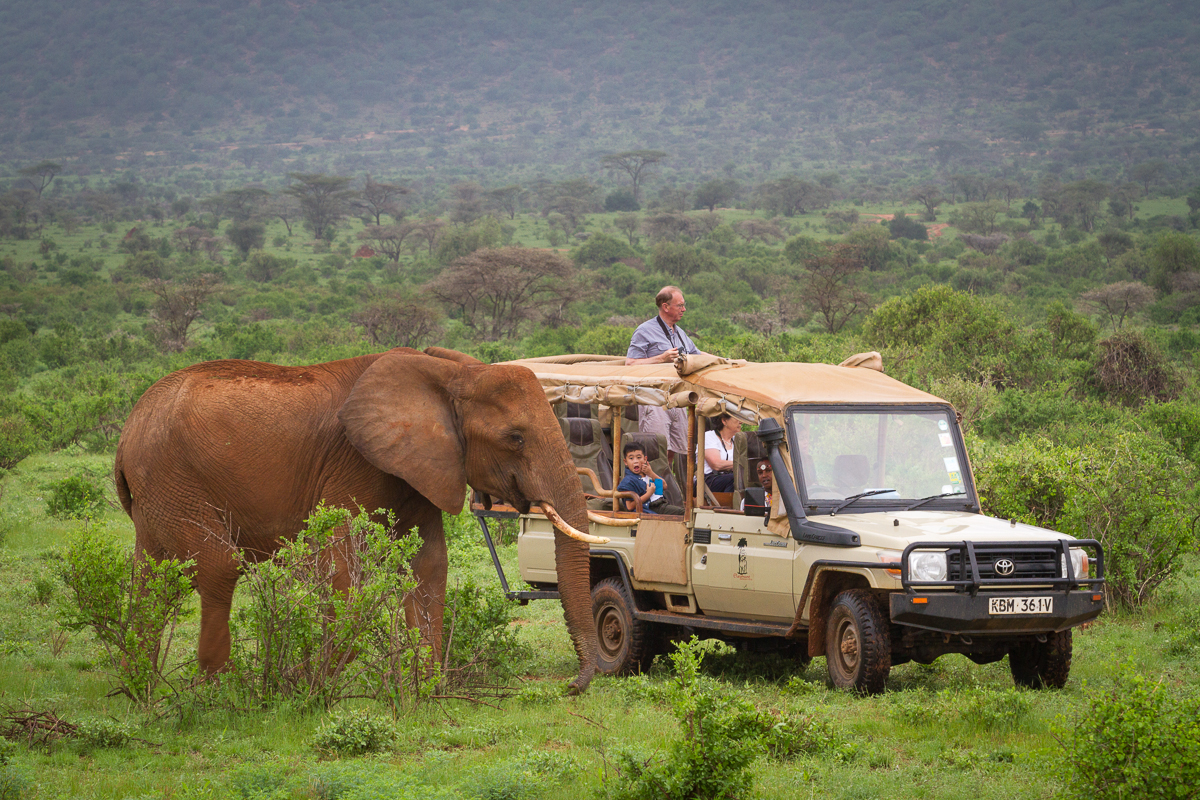
Visiting Samburu National Reserve offers a unique, arid-land safari experience featuring the "Samburu Special Five"—reticulated giraffe, Grevy's zebra, Somali ostrich, Beisa oryx, and gerenuk—best enjoyed during the dry seasons (June–October, January–March). Plan for a 2–3-night stays to explore this 165 sq km reserve, focusing on dawn/dusk game drives along the Ewaso Ng'iro River
Popular related tour packages
4-days-samburu-national-reserve-and-ol-pejeta-kenya-safari-holiday
5-days-best-northern-circuit-kenya-wildlife-safari-less-explored-destinations
10-days-samburu-amboseli-nakuru-naivasha-maasai-mara-safari-tour
8-days-ol-pejeta-lake-nakuru-masai-mara-lake-naivasha-and-amboselib
8-days-samburu-special-five-ol-pejeta-and-masai-mara-safari-tour
Planning and Preparation
Best Time to Visit
The ideal times to visit Samburu National Reserve are during the dry seasons from June to October and December to March. These months bring arid conditions, causing animals to congregate around vital water sources like the Ewaso Ng'iro River. Staying near water not only enhances the chances of spotting diverse wildlife but also allows for unforgettable experiences, such as witnessing dramatic predator-prey interactions. The dry season makes spotting wildlife easier due to reduced foliage and concentrated animal movements, ensuring optimal game viewing opportunities. Moreover, the weather is generally more pleasant for outdoor activities, with cooler temperatures in the mornings and evenings. To maximize your safari experience, consider planning your trip around local wildlife migrations or specific events, such as calving seasons.
Length of Stay
To fully appreciate the unique wildlife and stunning arid landscapes of Samburu National Reserve, it is recommended to spend at least two to three nights. This duration allows you to engage in various activities, such as multiple game drives, guided nature walks, and cultural visits to local Samburu villages. Each day provides different opportunities to observe wildlife behaviors, especially as animals are more active at different times. A longer stay also allows for relaxation and a slower-paced exploration, enhancing your overall experience. Additionally, spending extra time helps mitigate the often-unpredictable nature of wildlife viewing, increasing your chances of witnessing the Samburu Special Five: the Beisa oryx, Gerenuk, Somali ostrich, reticulated giraffe, and Grevy’s zebra.
How to Get There
Reaching Samburu National Reserve can be accomplished with either a quick flight or an adventurous road trip. The fastest way is to fly from Nairobi’s Wilson Airport to Samburu via airlines like Safarilink or Air Kenya, which reduces travel time significantly to approximately one hour. This option is especially convenient for those eager to start their safari experience as soon as possible. Alternatively, travelers can choose to drive, which takes about 6 to 7 hours, providing an opportunity to witness the changing landscapes of Kenya along the way. However, the journey may involve navigating rough, sandy roads, particularly in the dry season. Regardless of the chosen mode of transport, prepare for an exhilarating experience from Nairobi to this remarkable reserve.
Entry Fees
Before embarking on your adventure in Samburu National Reserve, it's essential to check the current entry fees published by the Kenya Wildlife Service (KWS) for non-resident visitors. These fees can vary, so staying informed allows for budget planning. Entry fees are typically paid through cashless methods, including M-Pesa or credit/debit cards, enhancing convenience for visitors. It's crucial to anticipate these costs in advance, as they contribute to the conservation efforts that protect the unique wildlife in the region. Fees often cover access to the park and its myriad activities, ensuring that your contributions support both conservation and local communities. Be sure to carry any necessary documentation, including your passport, as these may be required upon entry.
Book Accommodation
Securing your accommodation in advance is a key step when planning your safari in Samburu National Reserve. Opting for lodges or camps located inside the park (such as Samburu Game Lodge) ensures convenient access to early morning game drives, which are often the best times for wildlife sightings. Booking in advance also allows you to choose accommodations that align with your budget and preferences, whether you desire luxury lodges or comfortable mid-range options. Many lodges provide additional amenities, such as guided tours, cultural experiences, and gourmet dining, enhancing your overall safari experience. Additionally, securing your stay well ahead of your trip minimizes the risk of missing out during peak travel times, ensuring a smooth arrival in this incredible wildlife destination.
Wildlife and Game Drives
Seek the "Special Five"
One of the highlights of visiting Samburu National Reserve is the opportunity to spot the "Samburu Special Five": the Beisa oryx, Gerenuk, Somali ostrich, reticulated giraffe, and Grevy's zebra. These unique species are endemic to the arid regions of northern Kenya, making sightings particularly special for wildlife enthusiasts. Game drives focusing on locating these five species can be both thrilling and rewarding. Engaging with knowledgeable guides who understand animal behavior can significantly enhance your chances of finding them. Moreover, witnessing their interactions within their natural habitat provides rich insights into their adaptations to the harsh environment. Keeping your camera ready for unexpected sightings is a must, as these animals often display captivating behaviors. Capturing these moments not only enriches your experience but also creates lasting memories of your adventure in Samburu.
River-Focused Drives
The Ewaso Ng'iro River serves as the lifeblood of Samburu National Reserve, making river-focused game drives particularly rewarding. Morning and evening drives near the river are excellent opportunities to observe wildlife as they gather for water. Predators, such as lions and leopards, often patrol the riverbanks at these times, creating an ideal setting for thrilling wildlife interactions. These drives offer not only magnificent views but also the chance to encounter a diverse range of animals, from elephants to various antelope species. Experienced guides can provide insights into the ecological significance of the river, enhancing your understanding of the ecosystem's balance. The changing light during sunrise and sunset also adds a magical quality to your encounters, making river-focused drives a must-do during your stay at Samburu National Reserve.
Spot the Predators
Samburu National Reserve is renowned for its exceptional predator sightings, including lions, leopards, and cheetahs. Early morning and late afternoon game drives are prime times to witness these elusive creatures in action, as they are most active during the cooler hours of the day. Experienced guides are essential for finding these predators, as they are adept at interpreting animal tracks and behaviors. The thrill of observing a lion pride or a leopard resting on a tree branch can create unforgettable moments during your safari. Safety is paramount; guides will ensure that you maintain the appropriate distance while enjoying these breathtaking encounters. The various landscapes within Samburu provide diverse habitats that support predator populations, making every drive an exciting opportunity to learn about the fascinating world of these magnificent animals.
Birdwatching
For bird enthusiasts, Samburu National Reserve is a true paradise offering the chance to spot over 350 bird species. The diverse habitats within the reserve create rich opportunities for observing both resident and migratory birds. Unique species, such as the Somali ostrich, Vulturine guinea fowl, and various raptors, make this destination particularly appealing for avid birdwatchers. Early mornings are the best time to look for birds, as many species are active during these hours. Professional guides with birdwatching expertise can significantly enhance your experience by pointing out various species and providing insights into their behaviors and habitats. Binoculars are essential for birdwatching, allowing you to appreciate these colorful avian residents from afar. Whether you’re an experienced birder or a casual observer, the vibrant birdlife in Samburu will delight and inspire.
Respect Wildlife
While enjoying the wildlife experiences in Samburu National Reserve, it’s crucial to respect the animals and their environment. Maintaining a safe distance of at least 20 meters from wildlife helps protect both you and the animals, allowing them to behave naturally without human disturbance. Never attempt to feed or provoke animals, as this can lead to dangerous situations and disrupt their natural behaviors. Follow your guide’s instructions regarding vehicle positioning and movement to minimize your impact on the animals. Observing wildlife with respect not only enhances your experience but also promotes responsible tourism practices that contribute to conservation efforts. Taking care not to litter or disturb the environment helps preserve the fragile ecosystem for future visitors. Adhering to these principles ensures that everyone can enjoy the beauty of Samburu's wildlife safely and ethically.
Packing and Photography
Camera Gear
Investing in the right camera gear is vital for capturing the breathtaking wildlife moments during your Samburu safari. A zoom lens with a focal length of 100–500mm or at least 300mm provides the flexibility needed for both distant and close-up shots of animals without disturbing them. Good image quality is crucial, especially in low-light conditions during early morning and late afternoon game drives. A sturdy tripod or monopod can also be beneficial for stabilizing your camera while shooting in challenging environments. Additionally, bringing extra batteries and memory cards ensures you won't miss capturing any memorable encounters. Finally, consider a weather-resistant camera bag to protect your gear from dust and unpredictable weather. With the right equipment, you'll be able to document the unique wildlife and landscapes of Samburu in stunning detail.
Clothing
When packing for your safari in Samburu National Reserve, it's essential to prioritize lightweight, breathable clothing in neutral colors like khaki and tan. These colors blend well into the surroundings, reducing the likelihood of startling wildlife. Avoid bright colors and black clothing, as the latter can attract tsetse flies, which are prevalent in the area. Layering is also recommended to accommodate varying temperatures, especially during the early mornings and evenings when it can be cooler. Quick-drying fabrics are advantageous for comfort, as daily activities may involve physical exertion. Additionally, consider packing a light rain jacket for unexpected weather changes. Comfortable, sturdy footwear is essential for both game drives and guided walks, ensuring you can explore the environment with ease and confidence.
Sun Protection
Protection from the intense sun is crucial when exploring the arid landscapes of Samburu National Reserve. Bring high-SPF sunscreen to shield your skin from harmful UV rays, paying special attention to exposed areas like your face, neck, and arms. A wide-brimmed hat provides shade and further reduces sun exposure, enhancing comfort during outdoor activities. Polarized sunglasses are also essential for protecting your eyes from the glare and improving visibility when viewing wildlife. As you enjoy the beauty of the reserve, remember to reapply sunscreen regularly, especially after swimming or sweating. Staying protected from the sun allows you to enjoy your safari experience fully while minimizing the risk of sunburn or heat-related issues.
Binoculars
Binoculars are an invaluable tool for enhancing your wildlife viewing experience in Samburu National Reserve. These devices allow you to spot animals from a distance, making it easier to observe their behaviors and interactions without interfering with their natural activities. Choose binoculars with good magnification—typically between 8x and 10x—to ensure clarity and detail when viewing wildlife. A lightweight, compact pair enables easy transport during game drives and hikes. In addition to wildlife, binoculars are excellent for birdwatching, letting you appreciate the intricate features of various species. While guides will often assist in spotting animals, having your binoculars on hand enhances your connection to the environment. With this essential tool, you can immerse yourself in Samburu's stunning landscapes and wildlife.
Dust Protection
Dust is a common element in Samburu National Reserve, especially during the dry season. To protect your camera gear and ensure optimal performance, pack cleaning cloths or lens wipes designed for photography equipment. These will help clear dust from lenses and sensors, maintaining the image quality of your photos. Additionally, consider using camera bags with dust-proof features to shield your equipment from the elements when not in use. It’s wise to regularly check your gear for dust accumulation, as even minor particles can affect your images. Being proactive about dust protection will help ensure that you can capture the breathtaking wildlife and landscapes of Samburu without any technical hitches.
Safety and Etiquette
Health Precautions
Ensuring your health and safety during your safari in Samburu National Reserve is paramount. Prior to your trip, consult a healthcare professional about recommended vaccinations and malaria prophylaxis, as malaria is endemic in this region. Carry a reliable insect repellent containing DEET (30% or higher) to protect against mosquito bites. Staying hydrated is crucial, so drink bottled water only to avoid potential waterborne illnesses. Bringing a basic medical kit with essentials such as band-aids, pain relievers, and any personal medications is wise. Incorporating these health precautions into your travel plans ensures a safer and more enjoyable safari experience, allowing you to focus on the incredible wildlife and stunning landscapes that await in Samburu.
Cultural Visits
Visiting a local Samburu village enriches your safari experience by providing insights into the unique culture and traditions of the Samburu people. Such visits offer opportunities to learn about their pastoralist lifestyle, intricate beadwork, and colorful attire. However, it’s essential to approach these interactions respectfully. Always ask for permission before taking photographs of people or their property, as this shows respect for their privacy and culture. Engaging with local communities can foster meaningful connections and promote mutual understanding while contributing to the preservation of their heritage. By respecting local customs and traditions, you enhance your safari experience and support sustainable cultural tourism in the region.
Vehicle Selection
Choosing the right vehicle is crucial for navigating the varied terrain of Samburu National Reserve. A 4x4 vehicle is highly recommended, as it provides the necessary traction and stability on sandy and rough roads commonly found in the area. These vehicles enhance your game drive experience, allowing you to access remote parts of the reserve where wildlife viewing is often more rewarding. Additionally, a 4x4 can accommodate larger groups comfortably, ensuring everyone can enjoy the experience together. Ensure that your vehicle is well-maintained with a skilled driver who understands the landscape and wildlife, enhancing your safety and enjoyment during your safari adventures.
Safety Rules
While it’s essential to enjoy the thrilling experience of a safari, adhering to safety rules is vital for your well-being. Never stand up in the vehicle or walk outside designated areas without a qualified guide. Observing wildlife from the safety of your vehicle ensures that you maintain a safe distance while experiencing the beauty of nature. Your guide has trained knowledge to navigate safely through the reserve, guiding you to the best viewing points while ensuring your safety. By following these rules, you contribute to a responsible and safe safari experience that prioritizes the well-being of both guests and wildlife alike.
No Littering
Respecting the fragile environment of Samburu National Reserve is paramount during your visit. Adhere to the principle of taking all trash with you, as littering can have detrimental effects on the ecosystem. Plastics and other waste can harm wildlife, disrupt habitats, and degrade the natural beauty of the reserve. Bring reusable bags for any snacks or personal items, ensuring that you maintain a clean environment. Additionally, participating in responsible tourism practices not only helps preserve the area for future generations, but also sets a positive example for other visitors. By being mindful of waste management, you contribute to conserving the stunning landscapes and wildlife you came to enjoy
When is the Best Time for Samburu National Reserve on Kenya Safari Tour
The best time to visit Samburu National Reserve is during the dry seasons from June to October and December to March. These months provide optimal wildlife viewing conditions, as animals are drawn to the Ewaso Ng'iro River for water. The sparse vegetation during this period enhances visibility, allowing for spectacular sightings of diverse species, including the iconic "Samburu Special Five"—Beisa oryx, Gerenuk, Somali ostrich, reticulated giraffe, and Grevy's zebra. The cooler temperatures make early morning and late afternoon game drives particularly enjoyable. Overall, timing your visit around these dry seasons maximizes your chances of unforgettable wildlife encounters and enhances your safari experience.
Where to Stay in Samburu National Reserve on Kenya Safari Tour
Samburu National Reserve offers a range of accommodation options to suit various budgets and preferences. For luxury travelers, lodges such as Sasaab and Saruni Samburu provide upscale amenities and stunning views of the surrounding landscapes. Mid-range options like Samburu Sopa Lodge and Samburu Simba Lodge offer comfortable accommodations with access to essential services and activities. Staying in lodges or camps inside the reserve grants better proximity to wildlife hotspots, allowing for convenient early morning game drives. Each accommodation option emphasizes comfort, sustainability, and quality service, ensuring an enriching safari experience that complements the captivating wildlife and breathtaking scenery of Samburu.
Booking Kenya Wildlife Safari with Us: Roads of Adventure Safaris
Booking your Kenya wildlife safari with Roads of Adventure Safaris guarantees a seamless and personalized experience. Our expert team specializes in crafting tailor-made itineraries that cater to your unique interests and preferences, whether you're seeking luxury, mid-range, or budget options. We handle all logistics, including accommodations, transportation, and guided activities, allowing you to enjoy your adventure without hassle. Our knowledgeable guides are passionate about the region's wildlife and culture, providing enriching insights throughout your journey. Committed to sustainable tourism practices, we support local communities and conservation efforts. Choose Roads of Adventure Safaris for an unforgettable safari experience in Samburu National Reserve, where unforgettable memories await.
