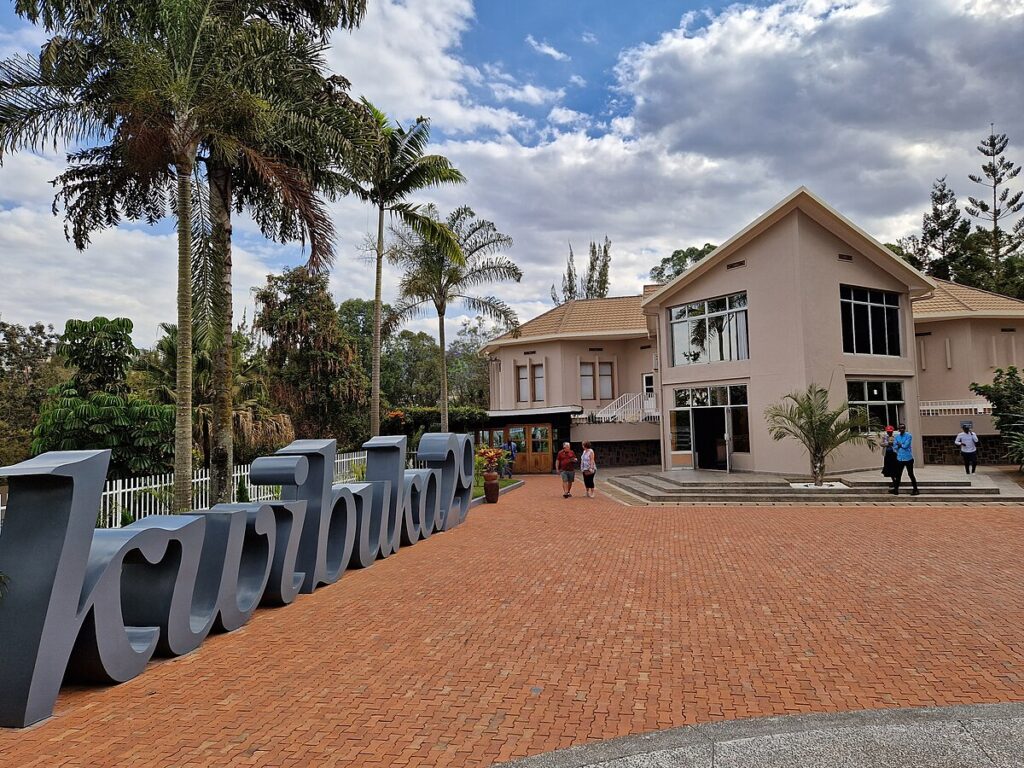
20 FAQS on Kigali genocide memorial on Kigali city tour,the Kigali Genocide Memorial is a deeply moving educational and resting site in Rwanda’s capital, commemorating the 1994 Genocide Against the Tutsi. It is the final resting place for over 250,000 victims, serving as a poignant addition to any gorilla trekking or wildlife safari in the country
1-day-kigali-city-tour-action-packed-city-excursion
2-days-exciting-kigali-city-tour-itinerary
1. What is the fundamental purpose of the Kigali Genocide Memorial?
The Kigali Genocide Memorial stands as a sacred site of remembrance, serving as the final resting place for over 250,000 victims of the 1994 genocide against the Tutsi. Beyond being a burial ground, it functions as a global center for education and peace-building. The primary mission is to ensure that the events of 1994 are never forgotten, providing a space where survivors can grieve and international visitors can learn about the history, causes, and aftermath of this tragedy. By documenting these events, the memorial acts as a warning to the world, promoting the values of human rights and social cohesion to prevent such atrocities from recurring. It is a place where personal histories are preserved, ensuring that those who lost their lives are honored as individuals rather than just statistics in a painful chapter of history.
2. Why is a visit to the Kigali Genocide Memorial recommended during a city tour?
Including the Kigali Genocide Memorial in a city tour offers visitors a deeper understanding of Rwanda's identity and its incredible journey of renewal. You cannot fully appreciate the modern, vibrant spirit of Kigali without acknowledging the profound trauma it has overcome. Visiting this site allows you to grasp the weight of the past that informs the nation’s current commitment to unity and reconciliation. It provides context to the country’s progress, showing how a society can choose to heal rather than remain trapped in bitterness. This stop turns a standard sightseeing trip into a meaningful journey, grounding your perception of Rwanda in reality. It is a humbling experience that encourages empathy and respect for the resilience of the Rwandan people, transforming the way you view the city’s development and the strength of its citizens today.
3. How does the Kigali Genocide Memorial explain the 1994 genocide against the Tutsi?
The Kigali Genocide Memorial uses three permanent exhibitions to carefully detail the origins and unfolding of the 1994 violence. Through archival photographs, video testimonies from survivors, and colonial records, the museum provides a clear, factual account of how the country descended into mass killing. It examines the roots of the ideology that fueled the hatred and explains the role of both the government and the international community in those dark months. The exhibits do not merely describe the events; they tell the stories of those who experienced them. By providing survivors and witnesses a platform to share their truths, the memorial ensures that the historical narrative remains honest and grounded. This method of education helps visitors understand how such a breakdown in humanity could happen, emphasizing the collective responsibility to recognize early signs of hatred and prejudice.
4. Is the Kigali Genocide Memorial suitable for children?
Entry to the Kigali Genocide Memorial is strictly prohibited for children under the age of twelve. The content presented within the museum and the nature of the site as a mass burial ground are extremely heavy and graphic, designed primarily for adults and older students capable of processing complex, traumatic information. The facility serves as a place for serious study and quiet reflection; it is not a destination for casual tourism or family leisure. Parents are encouraged to use their discretion when bringing teenagers, as the exhibits contain depictions of violence that can be difficult for anyone to witness. This age restriction is in place to respect the dignity of the victims interred there and to maintain an atmosphere suitable for those coming to study, grieve, or reflect on the past in a focused, mature manner.
5. What is the expected duration of a visit to the Kigali Genocide Memorial?
We recommend setting aside at least ninety minutes to fully engage with the Kigali Genocide Memorial. This timeframe allows you enough space to walk through the permanent museum exhibits, view the documentary materials, and spend time in the memorial gardens. Many visitors find that they need this period to process the intensity of the information provided. The experience is not something that should be rushed; it requires patience and a calm state of mind to absorb the history and the personal stories presented. If you plan to read all the detailed accounts or sit with the testimonies in the documentation center, you might even find yourself staying longer. Rushing through the memorial would diminish the purpose of your visit, which is to pay your respects and gain an honest understanding of the suffering and the hope that defines this sacred site.
6. Do I need to book a guided tour for the Kigali Genocide Memorial?
You have the choice of participating in a guided tour or exploring the Kigali Genocide Memorial at your own pace. Many visitors find that a guided tour provides valuable insights and historical context that might otherwise be missed. Guides at the memorial are often well-trained to navigate the difficult history with care, offering nuances that help explain the exhibits in greater detail. However, if you prefer quiet contemplation, self-guided tours are perfectly acceptable. If you choose this path, you can use the memorial’s educational materials to guide your exploration. Regardless of your choice, the staff at the memorial are very professional and welcoming, ensuring that everyone receives the information they need. If you are part of a larger group or visiting as part of an organized city tour, booking in advance is a helpful way to ensure a seamless and meaningful experience for everyone involved.
7. What is the dress code for visiting the Kigali Genocide Memorial?
Because the Kigali Genocide Memorial is a place of deep respect and mourning, we kindly ask that you dress in a modest and appropriate manner. There is no rigid uniform, but it is best to avoid clothing that is overly casual, flashy, or revealing. Think of your visit as you would a funeral or a site of great historical solemnity. Opting for clean, respectful attire shows consideration for the Rwandan people who come here to honor their lost loved ones. Remember that the site is a cemetery as well as a museum, and your visual presentation is a small way to demonstrate your awareness of the sanctity of the ground you are walking on. Keeping your clothing simple and dignified ensures that the focus remains on the history and the memory of the victims, rather than on the tourists visiting the grounds.
8. Can I buy souvenirs at the Kigali Genocide Memorial?
The Kigali Genocide Memorial includes a small gift shop where you can purchase educational books, documentaries, and items that support the memorial's ongoing work. However, this is not a place for traditional, decorative souvenirs. The items sold here are chosen to help you further your understanding of Rwanda’s history or to honor the memorial’s mission. If you are looking for vibrant, everyday crafts or gifts, Rwanda has many other markets, such as Kimironko, which are better suited for that purpose. We ask that visitors keep in mind the nature of the site when making purchases. The focus of the shop is to provide resources that reflect the gravity of the memorial’s purpose. Any money spent at the gift shop directly contributes to the maintenance of the facility and the support of the educational programs that continue to teach new generations about the dangers of genocide.
9. How do visitors typically react to the Kigali Genocide Memorial?
Most visitors find their time at the Kigali Genocide Memorial to be an intensely emotional and challenging experience. It is common to feel a sense of heavy sadness, disbelief, or shock as you walk through the exhibitions and look at the faces of the victims. However, many people also leave with a profound sense of respect for Rwanda’s capacity for forgiveness. It is a rare experience that forces you to confront the darker side of human nature while simultaneously witnessing the incredible strength required to rebuild a nation. Many say that while the visit was difficult, it was also one of the most important things they did during their time in Rwanda. It shifts one's perspective on life, peace, and the importance of speaking up against injustice. People often leave the memorial with a renewed sense of responsibility, feeling more connected to the global human experience than when they first arrived.
10. Does the Kigali Genocide Memorial provide access for people with disabilities?
The Kigali Genocide Memorial is committed to ensuring that the site is accessible to as many people as possible. The facility has worked to design its pathways and museum areas so that those with limited mobility can navigate the space with dignity. While the site covers a large area including gardens and stairs to certain sections, the main museum exhibitions are generally well-planned for accessibility. If you have specific needs or concerns, it is always a good idea to contact the memorial staff before your visit. They are very helpful and can provide information about the most accessible routes or suggest how to make your visit as smooth as possible. Ensuring that this history remains accessible to all visitors, regardless of their physical abilities, is an important part of the memorial's philosophy of inclusion and universal remembrance for the victims.
11. Is the Kigali Genocide Memorial only about the genocide against the Tutsi?
While the Kigali Genocide Memorial is dedicated to honoring the victims of the 1994 genocide against the Tutsi, its educational scope is broader. The site includes a specific exhibition that explores the history of genocidal violence and mass killings around the world. This is done to help visitors understand that the tragedy in Rwanda was not an isolated incident, but part of a global history of prejudice and conflict that humanity must work to overcome. By situating the Rwandan experience within this wider context, the memorial emphasizes that the lessons learned here have universal application. It encourages visitors to reflect on how different nations have dealt with their own histories of violence. The goal is to create a space where everyone, no matter where they come from, can find common ground in the pursuit of peace and the prevention of future crimes against humanity.
12. What can I learn about forgiveness at the Kigali Genocide Memorial?
The Kigali Genocide Memorial offers a powerful lesson in the possibility of reconciliation. Through the stories of survivors who have chosen to forgive those who harmed their families, you gain an insight into a type of strength that is rare and deeply moving. The memorial shows how Rwandans have worked to reintegrate and live together again, rebuilding a society that was once torn apart by neighbors killing neighbors. This is not to say that the pain is forgotten, but rather that a conscious choice has been made to prioritize the future. By reading the testimonies and seeing the evidence of community healing, you learn that forgiveness is not an act of forgetting, but a deliberate decision to end the cycle of violence. It is an inspiring testament to the human spirit’s ability to heal and reconstruct itself after near-total destruction.
13. Are there archives available at the Kigali Genocide Memorial?
Yes, the Kigali Genocide Memorial houses the Genocide Archive of Rwanda, which is an invaluable resource for researchers, students, and anyone wanting to dig deeper into the history. This archive contains a massive collection of video testimonies, archival photographs, legal records, and documents that detail the causes and the aftermath of the 1994 genocide. Many of these materials are also accessible through a digital, online database, allowing people from all over the world to access the information. These archives are critical because they preserve the raw evidence and the lived experiences of those who were there. By maintaining these records, the memorial ensures that the truth is protected against revisionism and that future generations have the tools they need to study and understand the events of 1994 with accuracy and depth.
14. How can I reach the Kigali Genocide Memorial from the city center?
Reaching the Kigali Genocide Memorial is very convenient, as it is located in the Gisozi neighborhood, which is only about a ten-minute drive from the city center. Most visitors use taxis or ride-sharing services, which are widely available throughout Kigali. You can easily ask your hotel or tour operator to arrange transport for you. If you are on a guided city tour, the memorial is usually a standard stop on the itinerary, so the logistics will be handled by your guide. The roads leading to the site are well-maintained, and any local driver will know exactly where it is. Because it is so close to the heart of the city, it fits easily into a morning or afternoon of sightseeing. Being this close ensures that you can move from the bustling energy of the modern city to this place of reflection without any significant difficulty.
15. Is the Kigali Genocide Memorial considered a place of worship or reflection?
The Kigali Genocide Memorial is primarily a site for reflection, memory, and education rather than a traditional place of worship. While people of all faiths—and none—visit the site to pay their respects, it is designed to be a secular, neutral space that honors every victim regardless of their background. It is a quiet environment where you are encouraged to reflect on the fragility of peace and the values of humanity. Many people find their own personal way to mark the occasion, whether it is through silent prayer, thoughtful observation, or simply standing quietly in the gardens. The goal is to provide a space where everyone feels welcome to process their thoughts and emotions in their own way, fostering an atmosphere of dignity and peace that transcends any specific religious practice or cultural tradition.
16. What is the significance of the memorial gardens?
The memorial gardens are a central part of the Kigali Genocide Memorial, offering a peaceful and beautiful setting that stands in stark contrast to the violence of the past. These gardens are more than just a landscape; they are a symbolic space for healing. As you walk through the grounds, the quiet nature of the environment encourages you to slow down and reflect on the history you have just encountered. Many of the burials are situated here, and the surrounding greenery serves as a living tribute to the lives that were taken. The garden is designed to remind us that life can grow again, even after the darkest times. It provides a necessary space for visitors to breathe and collect their thoughts after the emotional intensity of the museum exhibits, grounding the experience of the memorial in the natural beauty of the Rwandan landscape.
17. How is the memorial managed and funded?
The Kigali Genocide Memorial is managed by the Aegis Trust, a non-governmental organization based in the United Kingdom, on behalf of Rwanda’s National Commission for the Fight against Genocide. This partnership ensures that the memorial is operated with a high standard of professional care, research, and educational integrity. Funding comes from a variety of sources, including the Rwandan government, international organizations, and the generous contributions of visitors and donors from around the world. This collective support demonstrates a global commitment to the memorial’s mission. The involvement of different groups helps to ensure that the site remains well-maintained and that its educational programs can continue to evolve. By managing the memorial through such collaborations, Rwanda emphasizes that the work of remembrance and peace-building is not just a local responsibility, but a shared duty for the entire international community.
18. What are the "Wall of Names" and its purpose?
The "Wall of Names" is an ongoing project at the Kigali Genocide Memorial that seeks to honor individuals who were lost during the 1994 genocide. Many of the victims buried at the memorial remain unidentified, and their names have been lost to history. This wall is an effort to reclaim those identities and ensure that every victim is remembered as a person with a story, not just as a name on a list or a number in a report. Families and survivors can contribute names to the wall, making it a living, growing tribute to the missing. It serves as a reminder that the tragedy was a loss of thousands of individual human lives, each of which had hopes, families, and futures. Seeing the wall, with its expanding list of names, is a powerful experience that reinforces the dignity of those who perished and highlights the importance of keeping their memory alive for posterity.
19. How do I behave when visiting the Kigali Genocide Memorial?
When you visit the Kigali Genocide Memorial, please remember to behave in a way that respects the gravity of the site. Keep your voice low, avoid loud conversations, and refrain from running or acting in a disruptive manner. Photography is permitted in some areas, but always check for signage and be extremely careful not to photograph in sensitive or restricted sections, especially where there are burials or memorial items. The memorial is a site of deep mourning for many Rwandans, and your behavior is a direct sign of your respect for their loss. It is a place for quiet observation and learning. If you find yourself becoming overwhelmed by emotion, that is entirely understandable, but please try to keep the atmosphere calm and peaceful for the other visitors who are there to pay their respects to the victims.
20. Can I donate or volunteer at the Kigali Genocide Memorial?
Yes, the Kigali Genocide Memorial welcomes support for its work. If you wish to contribute, you can do so directly at the memorial or through their official website, where they provide information on how to support their educational and archival projects. Donations are vital for maintaining the facilities and funding the programs that continue to teach students and visitors about the dangers of hatred and the importance of peace. While volunteer opportunities vary depending on the memorial's current needs and organizational policies, you can always reach out to the Aegis Trust to express your interest in how to help. By contributing your time or resources, you become part of the ongoing effort to ensure that the lessons of the genocide are carried forward, helping to build a future where such tragedies are firmly relegated to the history books.
Booking Kigali genocide memorial and Kigali city tour with us Roads of Adventure safaris
To book a Kigali Genocide Memorial and City Tour with Roads of Adventure Safaris, you can reach out to them directly via their online booking platforms. A standard 1-day city tour seamlessly blends history, culture, and modern development in one of Africa's cleanest and safest cities
