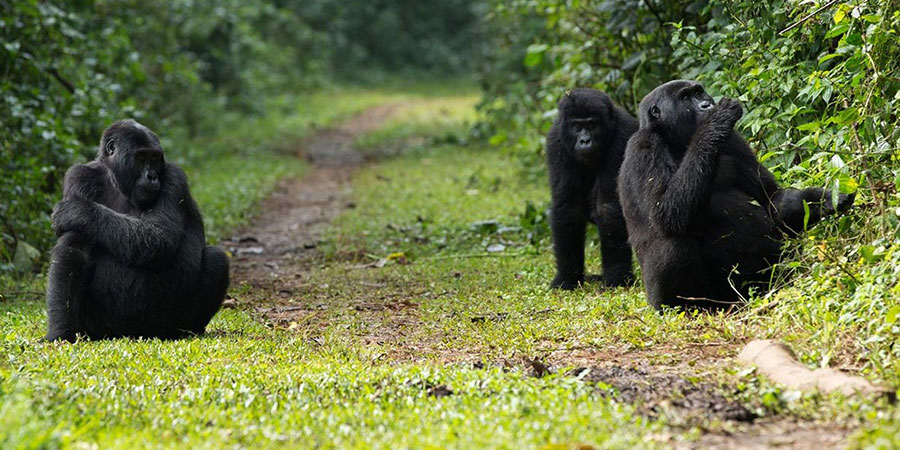
The 20 Days Africa safari trip to Uganda and Rwanda best combo encompasses a wide array of wildlife and stunning attractions. Throughout this itinerary, travelers will encounter mountain gorillas, chimpanzees, elephants, lions, leopards, hippos, crocodiles, buffaloes, Uganda kobs, and numerous bird species, including the shoebill stork and African fish eagle. The trip begins in Entebbe, where you can explore local sights before heading to Jinja, the source of the Nile. The adventure includes visits to Murchison Falls National Park, famous for its powerful waterfall and rich wildlife, followed by Kibale National Park, home to chimpanzees and diverse primate species. Observations continue in Queen Elizabeth National Park, known for its tree-climbing lions and stunning birdlife. Venturing further, the trip includes time in Bwindi for gorilla trekking, Lake Bunyonyi for relaxation, and Volcanoes National Park in Rwanda for golden monkeys. A visit to Lake Kivu rounds out your experience before concluding in Kigali, offering cultural insights and reflections on conservation efforts.
22 Tour Highlights — 20 Days Africa Safari Trip to Uganda and Rwanda
Entebbe Arrival and Relaxation
Explore Source of the Nile
White-Water Rafting Adventure in Jinja
Boat Cruise on Nile River
Ziwa Rhino Sanctuary Visit
Game Drive in Murchison Falls
Scenic Boat Safari on Nile
Chimpanzee Trekking in Kibale National Park
Nature Walk in Bigodi Wetland
Game Drive in Queen Elizabeth
Boat Cruise on Kazinga Channel
Gorilla Trekking in Bwindi Impenetrable
Community Cultural Walk in Bwindi
Relaxation at Lake Bunyonyi
Canoeing or Kayaking on Lake
Dian Fossey Grave Trek
Golden Monkey Tracking in Volcanoes
Beach Relaxation at Lake Kivu
Water Activities on Lake Kivu
Chimpanzee Trekking in Nyungwe Forest
Forest Canopy Walk in Nyungwe
Kigali City Tour and Reflection
20 Days Africa Safari Trip to Uganda and Rwanda day by day
Days 1-3: Arrival & Jinja/Kampala
On Day 1, upon arrival in Entebbe, you will be greeted and transferred to your hotel. After settling in, you may take an optional city tour to see local attractions like the Uganda Wildlife Education Centre. Keep an eye out for creatures, including monkeys, tropical birds, and other wildlife in urban parks. The next day, head to Jinja, about a 2-hour drive, for Source of the Nile activities. Choose between white-water rafting for an adrenaline rush or a relaxing boat cruise to observe wildlife such as crocodiles and various bird species along the riverbanks. On Day 3, enjoy more of Jinja’s offerings, including visiting local markets. The vibrant community reflects the region’s culture, with opportunities to engage with local artisans. As the day concludes, prepare for the transfer to Murchison Falls, ensuring you're refreshed and energized for wildlife encounters ahead.
Days 4-5: Murchison Falls National Park
Days 4 and 5 are filled with exploration in Murchison Falls National Park, accessible via a 5-hour drive, including a stop at Ziwa Rhino Sanctuary to see the impressive rhinos. After checking into your lodge, have lunch before setting out for an afternoon game drive. Look for elephants, giraffes, and various antelope species, such as Uganda kobs, roaming the expansive plains. On Day 5, enjoy a morning game drive before a scenic boat safari leading to the base of Murchison Falls. You can spot hippos, crocodiles, and numerous birds along the river. The boat trip provides unique views of the powerful waterfall, where water crashes through a narrow gorge. Afterward, return to your lodge for dinner, where you can share stories about the remarkable wildlife seen during this thrilling segment of the safari.
Days 6-7: Kibale National Park
On Days 6 and 7, travel to Kibale National Park, about a 6-hour drive, renowned for its chimpanzee population. After checking in and lunch, prepare for your first chimpanzee trekking experience. Kibale boasts over 1,500 chimps and various other primate species, including red-tailed monkeys and grey-cheeked mangabeys. As you track the chimps, you’ll have the opportunity to observe their social behaviors. On Day 7, take a nature walk in the Bigodi Wetland Sanctuary. Expect to spot wildlife such as bushbucks and numerous bird species, like the Great Blue Turaco and various kingfishers. The tranquil wetland offers a different perspective on the region’s biodiversity. After a fulfilling day in the lush forests, return to your lodge for dinner, discussing the intriguing wildlife interactions you have encountered during these two immersive days.
Days 8-9: Queen Elizabeth National Park
Days 8 and 9 focus on Queen Elizabeth National Park, requiring about a 2-3 hour drive. After settling into your accommodation and enjoying lunch, begin your adventure with an afternoon game drive in the Kasenyi plains. Look for elephants, lions, and various antelope species, including Uganda kobs and topis. Queen Elizabeth is also renowned for its birdlife, housing over 600 species, such as the African Fish Eagle and the shoebill stork. On Day 9, embark on a scenic boat cruise on the Kazinga Channel, where you'll see hippos and crocodiles basking in the sun. Numerous bird species will keep your camera busy. After an exciting day of wildlife observation, gather for dinner at your lodge, sharing tales of the incredible encounters witnessed in this vibrant park.
Days 10-11: Bwindi Impenetrable National Park
On Days 10 and 11, head to Bwindi Impenetrable National Park, known for its mountain gorillas. The drive takes about 2-3 hours, allowing for spectacular views. After checking in, enjoy lunch and prepare for the highly anticipated gorilla tracking experience. On Day 11, set off early for your trek, hoping to encounter one of the park's highly regarded gorilla families. Watching these magnificent creatures interact is an unforgettable experience. Keep an eye out for other wildlife, such as blue monkeys and bush pigs. After a timely return to your lodge, consider taking a guided community cultural walk. Engaging with local residents provides valuable insights into their customs and conservation efforts. End your days with dinner at your lodge, reflecting on the incredible memories made with the gorillas and the local community.
Days 12-13: Lake Bunyonyi
Days 12 and 13 are dedicated to relaxation at Lake Bunyonyi, approximately a 2-3 hour drive from Bwindi. This picturesque area is regarded as one of Africa's deepest lakes. Upon arrival, check into your lodge, ensuring your stay is tranquil and refreshing. Spend Day 12 enjoying canoeing or kayaking on the lake, with chances to view local bird species, such as the colorful malachite kingfisher and the African paradise flycatcher. Day 13 can be spent exploring the nearby islands, offering beautiful scenery and further opportunities for birdwatching. Take time to interact with locals and learn about their traditional lifestyles. As the sun sets, enjoy dinner at your lodge, allowing you to unwind and reflect on the serene beauty surrounding you.
Days 14-15: Volcanoes National Park (Rwanda)
On Days 14 and 15, journey across the border into Rwanda towards Volcanoes National Park. The transfer takes about 3 hours. After checking in, have lunch and prepare for an afternoon trek to Dian Fossey’s grave. Discovering her lifelong dedication to gorilla conservation offers a unique perspective on these incredible animals. On Day 15, opt for golden monkey tracking or another gorilla trek. Golden monkeys are playful and often easier to spot, providing great photographic opportunities. Throughout both days, keep a lookout for other wildlife, including red-tailed monkeys and various bird species. Return to your lodge after each day's activities for dinner. Share stories with fellow travelers about the wildlife you encountered and the cultural insights gathered.
Days 16-17: Lake Kivu
On Days 16 and 17, transfer to Lake Kivu, taking about 2-3 hours depending on your lodge. This stunning lake is known for its beautiful beaches and pleasant climate. Upon arrival, check into your accommodation and enjoy lunch. Spend the afternoon relaxing on the beach or partaking in water activities such as kayaking. On Day 17, explore the surrounding areas, which offer hiking and opportunities for cultural interactions with local fishing communities. You may also spot various birds around the lake, enhancing your birdwatching experience. Enjoy leisurely dinners in your lodge, taking in the tranquility and natural beauty of Lake Kivu while discussing the diverse wildlife and landscape you have encountered on your trip thus far.
Days 18-19: Nyungwe Forest National Park
On Days 18 and 19, travel to Nyungwe Forest National Park, which is approximately a 5-hour drive from Lake Kivu. After arrival and checking in, enjoy lunch before your first wildlife activity. Go chimpanzee trekking, where you can observe these fascinating primates in their natural habitat. Nyungwe is home to many other wildlife species, such as Colobus monkeys and diverse birdlife, including the Rwenzori Turaco. On Day 19, embark on a forest canopy walk, providing a unique perspective of the lush rainforest. Keep an eye out for other small mammals and birds. Enjoy your evenings at the lodge, discussing the day’s discoveries and cherishing the incredible wildlife interactions you have been part of during your safari.
Day 20: Kigali
On your final day, travel to Kigali, about a 5-hour drive from Nyungwe. Upon arrival, check into your hotel for a comfortable start. Undertake a city tour, which includes visiting the Kigali Genocide Memorial to reflect on the country's history and resilience. Discover various neighborhoods, markets, and local artisans showcasing Rwandan culture. This tour offers a comprehensive view of Kigali’s transformation and development. As your trip concludes, enjoy a farewell dinner featuring delicious Rwandan cuisine. Take this time to reminisce about the incredible wildlife and cultural experiences encountered throughout the safari. After dinner, prepare for your departure, reflecting on the memories and connections made during this remarkable adventure in Uganda and Rwanda.
1. What is included in a 20 Days Africa Safari Trip to Uganda and Rwanda?
A 20 days Africa safari trip to Uganda and Rwanda typically includes a comprehensive package designed to provide both comfort and adventure. First, travelers enjoy 4x4 transport, essential for navigating diverse terrains, from dense forests to savannahs. Experienced driver-guides ensure a safe and informative journey, sharing insights about the wildlife and culture of both countries.
Park fees are included, granting access to renowned national parks like Murchison Falls, Bwindi Impenetrable, and Volcanoes National Park. Accommodation varies from luxury lodges to mid-range hotels, catering to different budgets while ensuring comfort and proximity to major attractions. Meals are generally included in the package, offering a taste of local cuisine and some international favorites.
Bottled water is provided to keep you hydrated throughout your travels. Additionally, the itinerary often features boat cruises on scenic rivers like the Nile and Kazinga Channel, where you can observe hippos and crocodiles.
Specialized permits for chimpanzee and gorilla trekking are essential components of the trip, allowing you to track these incredible primates in their natural habitats. Pre-booking is required for these permits, as they are limited and in high demand. Overall, the trip offers a well-rounded safari experience, balancing wildlife encounters, cultural interactions, and relaxation in beautiful natural settings.
2. Is a 20 Days Africa Safari Trip to Uganda and Rwanda Safe for Tourists?
Safety is an important consideration for travelers planning a 20 days Africa safari trip to Uganda and Rwanda. Both countries are recognized for their political stability and welcoming environments for tourists. Rwanda, in particular, is often lauded for its high safety standards and infrastructure, making it easy for visitors to navigate urban areas and attractions without concerns.
In Uganda, reputable tour operators handle logistics, ensuring that tourists are well-informed and secure throughout their travels. While some regions may have minimal risks, staying within recommended areas and following local guidelines significantly reduces any potential safety concerns.
Health precautions, including vaccinations and malaria prevention, are essential. Consulting a healthcare professional before your trip is advisable, as they can provide tailored recommendations based on your travel itinerary.
Additionally, it is crucial to respect local customs, particularly in rural communities. Engaging with local guides enhances your safety and enriches interactions with indigenous communities. Solo travelers may also find Uganda and Rwanda welcoming, as tour agencies often provide secure, guided trips. With careful planning and awareness, tourists can enjoy a safe safari adventure, focusing on the incredible wildlife and cultural experiences that both nations have to offer.
3. What is the Best Time for a 20 Days Africa Safari Trip to Uganda and Rwanda?
Timing your 20 days Africa safari trip to Uganda and Rwanda is crucial for maximizing wildlife viewing opportunities and enjoying comfortable travel conditions. The best time to visit these countries is during the dry seasons, which typically fall between June to September and December to February. During these periods, wildlife is more active, and animals often congregate around water sources, making sightings more likely during game drives.
Dry weather facilitates easier hiking conditions for primate tracking, such as gorillas and chimpanzees. Trails tend to be less muddy and more manageable, adding to overall comfort and enjoyment during treks. Furthermore, the foliage in the parks is less dense, making it easier to spot wildlife.
Conversely, the wet seasons (March to May and October to November) bring lush green scenery but can make trekking more challenging due to muddy trails. However, these months also offer unique opportunities for bird watching, as migratory species visit Uganda and Rwanda. Travelers may find fewer tourists during the rainy seasons, allowing for a more tranquil experience.
In planning your trip, consult with reputable tour operators who can offer insights on the best times to visit based on specific interests. Whether you prioritize gorilla trekking or game drives, aligning your safari with the right season can significantly enhance your overall enjoyment and wildlife encounters during this extensive adventure.
4. Will I See the Big Five on a 20 Days Africa Safari Trip to Uganda and Rwanda?
A 20-day Africa safari trip to Uganda and Rwanda offers a fantastic opportunity to see the Big Five, which includes the lion, leopard, buffalo, elephant, and rhinoceros. To fully experience each of these iconic animals, specific national parks are included in the itinerary, ensuring diverse wildlife encounters.
First, a visit to Ziwa Rhino Sanctuary is essential, where you can observe the rare white rhinos in a protected environment, contributing to their conservation. The sanctuary provides guided walks, allowing you to learn about rhino rehabilitation efforts firsthand. This is a unique opportunity, as rhinos are not typically found in the other parks included in this itinerary.
Murchison Falls National Park is renowned for its large populations of elephants, buffalo, and lions. Here, you can enjoy game drives that maximize your chances of spotting these majestic animals in their natural habitat.
Queen Elizabeth National Park further enhances your possibilities of seeing leopards and additional buffaloes, offering diverse ecosystems within its expanse.
While Uganda and Rwanda might not offer as robust a chance to see all Big Five in one place compared to other African countries, the trip provides a fulfilling wildlife experience. Each national park included is selected for its unique wildlife offerings, promising unforgettable sightings that contribute to the thrill of the safari.
5. How Much Does a 20 Days Africa Safari Trip to Uganda and Rwanda Cost?
The cost of a 20-days Africa safari trip to Uganda and Rwanda varies significantly based on several factors, including the level of accommodation, included activities, and the time of year you choose to travel. Broadly speaking, full-board, guided trips are considered premium and can range anywhere from $1,500 to $9,000+ per person.
At the lower end of the scale, budget-conscious travelers can opt for more affordable accommodation options, such as mid-range lodges or camping. Meals and transport remain essential inclusions, as do park fees and permits for gorilla and chimpanzee tracking.
On the higher end, luxury accommodations elevate the overall experience, providing exquisite lodges and personalized service. High-end travelers will find that their costs may include gourmet meals, exclusive guided tours, and superior transport options.
Additional costs may occur for private tours, extra activities, or special excursions. Travelers are also advised to budget for tips, souvenirs, and any optional activities not included in the package.
It is essential to consult with reputable tour operators for detailed quotes based on individual preferences and requirements. Compare inclusions and ensure that the experience aligns with your expectations. Planning and booking several months in advance can often yield better rates and ensure availability for specialized activities like gorilla trekking.
6. Do I Need to Book My 20 Days Africa Safari Trip to Uganda and Rwanda Well in Advance?
Yes, it is highly advisable to book your 20 days Africa safari trip to Uganda and Rwanda well in advance. Ideally, travelers should aim to book 6 to 18 months prior to their desired travel dates, especially for gorilla trekking permits, which are in high demand and limited in number. Securing these permits in advance allows you to guarantee your slot, as they can sell out quickly, particularly during peak travel seasons.
For the best itinerary, having ample time allows you to analyze various tour operators, compare packages, and consider the specific experiences you wish to include in your trip. Not only does this advance planning help in securing gorilla and chimpanzee tracking permits, but it also provides flexibility in selecting accommodations that fit your preferences and budget.
Also, arranging your travel ahead of time aids in ensuring that transportation logistics are seamless, as reputable tour operators can manage all aspects of your safari from start to finish. Ultimately, early planning enhances your chances of creating a dream itinerary filled with exceptional wildlife encounters and cultural experiences across both Uganda and Rwanda, providing the adventure of a lifetime.
7. Can I Do Gorilla Trekking in Both Countries During a 20 Days Africa Safari Trip to Uganda and Rwanda?
Yes, a 20-day Africa safari trip to Uganda and Rwanda provides a unique chance to participate in gorilla trekking in both countries. This experience is not only rare but also allows travelers to observe mountain gorillas in two distinct habitats: Uganda’s Bwindi Impenetrable National Park and Rwanda’s Volcanoes National Park.
In Uganda, treks in Bwindi offer varied landscapes and the opportunity to encounter diverse wildlife along the way. Bwindi is home to several habituated gorilla families, which enhances your chances of a strong gorilla encounter. The park is also famous for its rich biodiversity, including numerous bird species and other primates, adding depth to your trekking experience.
Crossing into Rwanda allows for a different sort of experience with gorillas. Volcanoes National Park is known for its stunning volcanic backdrops and conservation efforts, having been a focal point in mountain gorilla research thanks to primatologist Dian Fossey. Undertaking a trek here presents a distinct ecosystem and the chance to observe the unique behaviors of the mountain gorillas.
Having the opportunity to trek in both countries adds variety and excitement to your safari. Each nation provides a wonderful mix of rugged terrain, stunning views, and remarkable wildlife interactions, making it an unforgettable component of your overall adventure.
8. What Kind of Vehicle is Used for a 20 Days Africa Safari Trip to Uganda and Rwanda?
For a 20 days Africa safari trip to Uganda and Rwanda, travelers can expect to be transported in comfortable, closed 4x4 vehicles. These vehicles are specifically designed for safari conditions, equipped with pop-top roof hatches that allow for optimal wildlife viewing while ensuring safety and comfort during long drives.
The 4x4 design is practical for traversing various terrains, including rugged roads and off-road paths that lead to remote national parks. Comfortable seating is a standard feature, offering ample legroom for a relaxed travel experience. Many vehicles are air-conditioned, adding to overall comfort, especially during warmer months.
In addition to passenger comfort, these vehicles often come equipped with charging ports for electronic devices, allowing travelers to capture and share their adventures without worrying about battery life. Some operators may provide additional amenities such as refreshments and binoculars for enhanced wildlife observation.
Ultimately, the quality of the vehicle contributes significantly to overall enjoyment on your safari. A reliable, well-maintained 4x4 ensures that you'll reach your destinations comfortably and safely, enabling you to focus on the wildlife and unique experiences that make the trip memorable.
9. Are Domestic Flights Available to Shorten Driving Time During a 20 Days Africa Safari Trip to Uganda and Rwanda?
Yes, domestic flights are available to shorten driving time during a 20 days Africa safari trip to Uganda and Rwanda. These flights can significantly reduce travel time between major parks and destinations, making it a practical option for visitors who wish to maximize their time exploring wildlife and landscapes.
For example, travelers may utilize chartered or scheduled services to connect locations such as Entebbe to Murchison Falls, or between Bwindi and Kigali. These flights offer not only quick access to remote regions but also a chance to view the stunning scenery from above, providing a unique perspective of Uganda’s and Rwanda’s diverse terrains.
While domestic flights can increase your overall safari cost, they can be worthwhile for those looking to minimize long road journeys. It's essential to check with your tour operator to include flight options as part of your itinerary.
Choosing to fly between key destinations allows for a more efficient travel experience, freeing up time for extended wildlife viewing or cultural exploration. Efforts to incorporate domestic flights can transform logistical aspects of your safari, ensuring a well-rounded and memorable adventure.
10. What is the Minimum Age for Trekking During a 20 Days Africa Safari Trip to Uganda and Rwanda?
During a 20 days Africa safari trip to Uganda and Rwanda, the minimum age for trekking mountain gorillas and chimpanzees is typically 15 years. This age limitation is implemented to ensure the safety and well-being of both travelers and the wildlife. Trekkers must be physically capable of handling the challenges presented by the rugged terrain and varying trail conditions.
Moreover, the minimum age allows for a certain level of maturity, ensuring that participants understand the guidelines and protocols in place to protect both the trekkers and the gorillas or chimpanzees. These guidelines include maintaining a safe distance from the animals and following instructions from guides.
While the 15-year minimum applies to gorilla and chimpanzee trekking, younger travelers can participate in other safe, age-appropriate activities under the supervision of qualified guides. Many tour operators offer family-friendly itineraries that cater to younger adventurers while ensuring that adults can fully engage in the unique wildlife encounters available in Uganda and Rwanda.
Families planning a safari should consult with tour operators to ensure accommodations and activities are suitable for all age groups, providing a supportive and enriching environment for everyone involved.
11. What Should I Pack for a 20 Days Africa Safari Trip to Uganda and Rwanda?
Packing wisely for a 20 days Africa safari trip to Uganda and Rwanda is essential for ensuring both comfort and preparedness. Opt for lightweight clothing suitable for varying temperatures, as weather can shift between warm days and cooler evenings. Breathable, quick-drying fabrics are ideal for managing heat and humidity during the day, while long-sleeved shirts and pants can protect against insects and sun exposure.
Include a rain jacket and waterproof hiking boots, as conditions can be wet, especially during the rainy seasons. Sturdy footwear is critical for hiking in national parks. A pair of garden gloves may be useful for tracking activities, especially in overgrown areas.
Don’t forget personal items such as insect repellent and sunscreen to safeguard against insect bites and sunburn. A wide-brimmed hat and sunglasses will also help protect you from the sun during outdoor activities.
A daypack for daily excursions should include essentials like a refillable water bottle, camera, binoculars, and a portable charger for electronics. Lastly, bring along a first-aid kit containing basic medical supplies, as well as any personal medications.
Overall, thoughtful packing will contribute to your comfort and enjoyment, allowing you to focus on the incredible wildlife and cultural experiences awaiting you during the safari adventure.
12. Is It Safe to Travel Solo on a 20 Days Africa Safari Trip to Uganda and Rwanda?
Traveling solo on a 20 days Africa safari trip to Uganda and Rwanda is generally considered safe, provided proper precautions are taken. Both countries are known for their hospitality and friendliness toward visitors, making solo travel a viable option for adventurous individuals.
Reputable tour operators offer tailored packages specifically designed for solo travelers, ensuring not only safety but also an enriched experience filled with local insights. Guided tours enhance security and provide assurance during various activities, from city tours to wildlife treks. These operators manage logistics expertly, allowing you to focus on enjoying the journey while feeling secure.
While it’s safe to travel alone, it’s advisable to stay in well-reviewed accommodations and avoid less populated areas after dark. Embrace opportunities to meet fellow travelers, whether at lodges or during group tours. Engaging with local culture through community visits can enrich your experience and allow for valuable interactions.
Nevertheless, always keep your belongings secure and stay vigilant in unfamiliar areas. Solo travel can be a rewarding opportunity for personal growth, immersing you in the vibrant landscapes, wildlife, and cultures of Uganda and Rwanda.
13. Do I Need Malaria Medication for a 20 Days Africa Safari Trip to Uganda and Rwanda?
Yes, it is recommended to take malaria medication for a 20 days Africa safari trip to Uganda and Rwanda. Both countries are endemic regions for malaria, transmitted by infected mosquitoes, particularly in rural areas and national parks. Consulting a travel clinic is advisable to discuss specific medications that are suitable for your health profile and travel plans.
Taking anti-malaria medication can significantly reduce the risk of contracting the disease during your safari. It’s essential to start the medication before entering malaria-risk areas and to continue taking it as advised after your return. Additionally, practicing preventive measures such as wearing long sleeves, using insect repellent, and sleeping under mosquito nets can further minimize the risk.
Awareness of malaria symptoms, including fever, chills, and flu-like illness, is important. If any symptoms arise during or after your trip, seek medical attention promptly. By taking the proper precautions and medications, you can enjoy your safari while remaining vigilant about your health, ensuring a memorable experience in Uganda and Rwanda.
14. What Cultural Experiences Are Included in a 20 Days Africa Safari Trip to Uganda and Rwanda?
A 20 days Africa safari trip to Uganda and Rwanda is not only about wildlife; it also offers rich cultural experiences that enhance your understanding of the region. Cultural interactions are often included in the itinerary, providing insights into the lives of various local communities.
Engaging with the Batwa people in Uganda presents a unique opportunity to learn about their traditional lifestyles, skills, and history. Guided visits may involve demonstrations of basket weaving, hunting techniques, and traditional music and dance, all of which deepen your appreciation for their culture.
In Rwanda, visits to rural villages allow you to understand community dynamics, agricultural practices, and local crafts. During these interactions, you can participate in cooking traditional meals and learn about the importance of conservation efforts in preserving both wildlife and cultural heritage.
Cultural experiences encourage dialogue and connection, allowing travelers to see how communities have adapted to modern challenges while retaining their unique traditions. Participating in local customs creates a well-rounded safari experience, fostering respect and understanding between visitors and residents of Uganda and Rwanda.
15. What Should I Avoid Wearing or Bringing on a 20 Days Africa Safari Trip to Uganda and Rwanda?
When preparing for a 20 days Africa safari trip to Uganda and Rwanda, it's important to consider what to avoid wearing or bringing for both practical and cultural reasons.
One critical guideline is to avoid camouflage clothing, as it is restricted in some areas and may attract unwanted attention. Instead, opt for khaki, olive, or neutral colors that blend well with the environment, making wildlife viewing easier without startling animals.
Excessive tech gadgets, while tempting to bring, should be limited. Large cameras and bulky electronic devices can be cumbersome during treks and can attract unwanted attention. Instead, a quality smartphone or a compact camera can serve well for capturing memories during your trip.
Avoid bringing illegal materials or substances, as strict regulations govern customs in both Uganda and Rwanda. It's also wise to refrain from displaying valuables prominently, reducing the risk of theft.
Ultimately, thoughtful packing and sensitivity to local customs will enhance your overall experience. Dressing modestly will show respect for the cultures you encounter, allowing you to focus on the incredible wildlife and cultural experiences that lie ahead during your safari adventure.
Booking 20 Days Africa safari trip to Uganda and Rwanda with us Roads of Adventure safaris
Roads of Adventure Safaris offers a comprehensive 20-day itinerary exploring the highlights of Uganda and Rwanda. This extensive journey typically includes gorilla trekking in Bwindi Impenetrable Forest and Volcanoes National Park, chimpanzee tracking in Kibale, and wildlife game drives in Queen Elizabeth and Murchison Falls National Parks [1]. The trip usually incorporates cultural experiences in Rwanda and scenic boat trips on the Nile and Kazinga Channel. This immersive, action-packed route provides a deep, personalized experience of both countries' biodiversity, culture, and stunning landscapes, ensuring an unforgettable adventure for travelers seeking a comprehensive East African safari experience.
