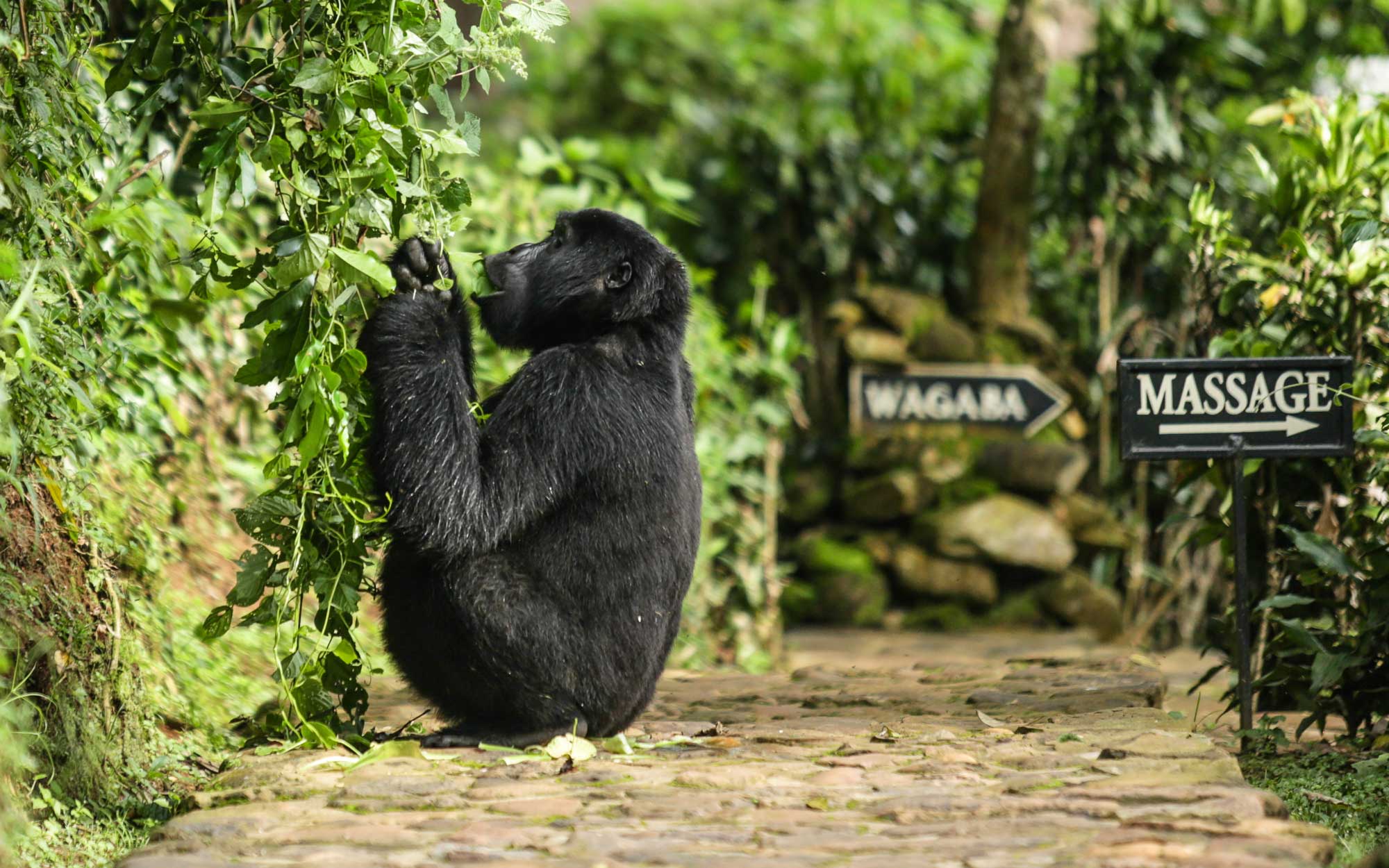
Embarking on a photography safari in Uganda is a once-in-a-lifetime opportunity to capture the stunning biodiversity and breathtaking landscapes of the "Pearl of Africa," from the misty forests of Bwindi to the vast savannas of Queen Elizabeth and Murchison Falls National Parks. To ensure you come away with compelling images of mountain gorillas, tree-climbing lions, and the rich local culture, meticulous planning and a mastery of a few key techniques are essential. The dynamic and often challenging conditions in the wild, including varied lighting from dense canopies to bright sun, demand the right gear and camera settings. The following 20 tips will help you prepare for a successful and ethically rewarding photographic journey, ensuring you are ready to capture those unforgettable moments in nature and make the most of your time in the field.
38-days-unmatched-uganda-primate-safari-tour-and-uganda-wildlife-safari-with-culture
19-days-incredible-uganda-safari-tour-big-five-chimpanzees-and-mountain-gorillas
18-days-best-of-uganda-safari-holiday-vacation-to-all-best-parks
14-days-best-africa-big-five-safari-in-uganda-and-best-gorilla-trekking-adventure
14-days-uganda-and-rwanda-safari-tour-itinerary
10-days-best-photography-uganda-wildlife-safari-holiday-and-gorilla-trekking
7-days-photography-uganda-safari-all-big-five-chimpanzee-and-gorillas
20 best tips for Uganda photography safari
1. Research Your Subjects
Before your trip, spend time researching the wildlife and landscapes you’ll encounter. Familiarize yourself with animal behaviors, the best times for sightings, and seasonal changes in the environment. Knowing when and where to find particular animals, like chimpanzees in Kibale Forest or mountain gorillas in Bwindi, will enhance your chances of capturing stunning photographs. Additionally, understanding the characteristics of your subjects can help you anticipate their actions, leading to better compositions.
2. Invest in Good Equipment
High-quality camera equipment can make a significant difference in your photography. Consider a DSLR or mirrorless camera with a good zoom lens (at least 200-400mm) for wildlife shots and a wide-angle lens for landscapes. Bring the necessary accessories, including extra batteries, memory cards, and a sturdy tripod for stability. Weather-sealed gear can also be beneficial in Uganda's unpredictable climate. Familiarize yourself with your equipment, practicing with different settings to ensure you're well-prepared.
3. Use a Fast Shutter Speed
Wildlife moves quickly, and in low-light conditions, a fast shutter speed is crucial. Use a shutter speed of at least 1/1000th of a second for moving animals, like leopards or elephants, to avoid motion blur. Adjust your ISO sensitivity to allow for faster shutter speeds, particularly during early mornings or late afternoons when light levels are lower. Learning to use manual settings will give you greater control over your images and improve your chances of capturing stunning moments.
4. Plan for the Golden Hours
The best light for photography is often during the “golden hours”—shortly after sunrise and before sunset. The soft, warm light enhances colors and adds depth to images, creating stunning contrasts, especially in landscapes and portraits of wildlife. Plan your daily activities to take advantage of these periods, positioning yourself for the best angles and compositions. This is particularly effective for capturing the vibrant greens of Uganda’s rainforests or the golden hues of savanna grasslands.
5. Focus on Composition
Pay attention to composition to create visually striking images. Use the rule of thirds to place focal points off-center, which draws viewers’ eyes and adds interest. Experiment with leading lines that guide viewers toward your subject, and use natural frames like trees or foliage. Don’t hesitate to move around your subject; changing your angle can transform an ordinary shot into an extraordinary one. Always consider the background, ensuring it complements and doesn’t distract from your main subject.
6. Be Patient and Quiet
Wildlife photography requires patience and stealth. Animals can be unpredictable, so prepare to wait quietly for the perfect shot. Reduce noise by moving slowly and avoiding sudden actions that might scare them away. Observing and understanding animal behavior will also help you predict their movements, increasing your chances of capturing that ideal moment. Remember that some of the best photos often come from simply standing still and letting nature unfold in front of you.
7. Utilize Natural Light
Take advantage of natural light to enhance your photographs. Avoid using flash, as this can disturb wildlife and alter their behavior. Instead, wait for ideal lighting conditions or position yourself so that available light best illuminates your subject. Overcast days provide even lighting, reducing harsh shadows. Pay attention to how light interacts with your subject, using backlighting to create silhouettes or soft, diffused light for intimate shots of animals.
8. Capture the Environment
While photographing wildlife, don't forget to include their habitat and environment. Showcasing the animal in context adds depth to your images and tells a more comprehensive story. For instance, capture a gorilla amid lush foliage or an elephant silhouetted against a setting sun. These composition strategies not only highlight the animals themselves but also emphasize Uganda's stunning landscapes, enhancing the narrative of your safari.
9. Focus on Eye Contact
In wildlife photography, there’s something captivating about animal eye contact. Shots that capture an animal looking directly at the camera evoke emotion and connection with the viewer. Position yourself to get the best angle for eye contact, and ensure your focus is sharp on the eyes. The eyes are often the focal point of the image, creating a more engaging photograph. This technique is especially effective with primates and large mammals.
10. Experiment with Different Perspectives
Take the time to vary your shooting angles and perspectives. Shoot from low to the ground for a dramatic point of view, or try higher angles for a wide landscape shot. Moving around your subjects and using different focal lengths can create visually dynamic photos that tell different stories. Don’t be afraid to think outside the box—unique perspectives often yield the most striking and memorable images.
11. Stay Safe and Respect Wildlife
Your safety and the well-being of wildlife should always come first. Maintain a respectful distance from animals, especially during sensitive moments like feeding or when with young. Consult your guide for guidelines to follow and ensure you are aware of your surroundings. This not only protects you but also contributes to wildlife conservation efforts, allowing future photographers like yourself a chance to capture amazing moments.
12. Learn About Local Culture
A Ugandan photography safari isn't just about wildlife; the local culture is equally captivating. Take time to photograph local communities, showcasing daily life, traditions, and crafts. Engaging with local people can add depth to your portfolio and capture the essence of Uganda beyond its natural beauty. Approach this opportunity respectfully, seeking permission before photographing individuals and being sensitive to their culture.
13. Pay Attention to Details
While wider shots are essential for establishing context, close-up details can be just as powerful. Capture textures, colors, and features that tell a more intimate story—like the patterns on an animal's skin or the delicate petals of a flower. Details also help convey the richness of the environment and the small wonders that exist within it. Keep your macro lens handy for those unexpected moments.
14. Use Image Stabilization
Many cameras and lenses come with image stabilization features to help reduce blurriness caused by camera shake. When shooting at slower shutter speeds or when hand-holding your camera, utilizing this feature can significantly improve your photographs. If you’re using a tripod, turn off image stabilization to avoid unwanted adjustments. Stable images lead to sharper results, especially crucial for wildlife photography.
15. Keep Your Camera Ready
Always be prepared to capture spontaneous moments. Wildlife can appear unexpectedly, so make sure your camera settings are optimized for the conditions. Keep your camera accessible, with the lens cap off and battery charged. Consider pre-setting your camera with common settings suitable for various scenarios. This way, you can quickly respond to unexpected wildlife sightings or scenes, ensuring that you don’t miss those once-in-a-lifetime shots.
16. Stay Hydrated and Energized
Photography safaris can be physically demanding, especially during long days in the field. Bring water and snacks to stay hydrated and maintain your energy levels. This is vital for being alert and ready to capture the best moments. Plan for breaks, allowing yourself to refresh and recharge. Staying physically comfortable enhances your ability to focus on your photography, ultimately improving the quality of your work.
17. Plan for Weather Conditions
Uganda's weather can be unpredictable, so always be prepared for changing conditions. Bring weather-resistant gear for your camera and yourself, like rain covers and waterproof bags. This preparedness allows you to capture unique moments that might occur during adverse weather, such as dramatic stormy skies or misty mornings. Keeping an eye on the weather helps you make the most of every photographic opportunity available.
18. Participate in Guided Tours
Guided photography tours can enhance your safari experience. Local guides often have valuable knowledge about wildlife behavior and hidden locations that maximize your chances of capturing exceptional images. They can provide insights into photography techniques and assist in getting you into the best position for shots. This partnership allows you to focus on capturing moments while benefiting from their expertise.
19. Post-Processing Skills
Learn basic post-processing techniques to enhance your photographs after the safari. Software like Adobe Lightroom or Photoshop can help you adjust exposure, contrast, and color balance. Post-processing is a valuable skill that allows you to present your work at its best. However, strive to maintain the natural feel of your images; the goal is to enhance, not alter, the story you captured in the wild.
20. Have Fun and Enjoy the Moment
Finally, while photography is essential, remember to enjoy the experience of being in Uganda. Take moments to appreciate the beauty around you without the lens. Engage with fellow travelers, learn from guides, and soak in the sights and sounds of the wild. This balance of capturing and enjoying will not only enrich your experience but also spark creativity in your photography.
10 top places to visit on Uganda photography safari
Here are 10 top places to visit on a Uganda photography safari, each offering unique opportunities for stunning photographs:
1. Bwindi Impenetrable National Park
Bwindi Impenetrable National Park is renowned for its population of mountain gorillas, making it a must-visit for photographers. The dense, lush forest provides a stunning backdrop for capturing these magnificent creatures in their natural habitat. Trekking through the park, you'll encounter various flora and fauna, from vibrant butterflies to unique plant species. The challenge of navigating narrow trails and dense underbrush adds to the exhilarating adventure. Photographers can capture intimate moments as gorillas interact with each other or forage for food. The misty morning light filtering through the trees also creates beautiful atmospheric shots. Additionally, Bwindi is home to various bird species, providing even more subjects for your lens. Visiting this UNESCO World Heritage Site not only enhances your photography portfolio but contributes to gorilla conservation efforts, making it a rewarding experience.
2. Queen Elizabeth National Park
Queen Elizabeth National Park, located in southwestern Uganda, is one of the country’s most biodiverse areas, making it ideal for photography enthusiasts. With its stunning landscapes, including savannahs, forests, and wetlands, the park is home to a wide variety of wildlife, including elephants, hippos, lions, and a plethora of bird species. The famous tree-climbing lions of the Ishasha sector provide a unique photographic opportunity, allowing you to capture their unusual behavior in a picturesque setting. The park's boat cruise along the Kazinga Channel offers a tranquil way to photograph hippos and water birds, as well as stunning views of the surrounding terrain. Sunrise and sunset in the park create incredible lighting conditions, enhancing your landscape photos. Whether you are focused on wildlife, plants, or the stunning vistas, Queen Elizabeth National Park offers endless opportunities to expand your photography skills.
3. Kibale National Park
Kibale National Park is a premier destination for primate enthusiasts and photographers alike. Home to over 13 primate species, including the famous chimpanzees, this park allows visitors to capture incredible images of these intelligent creatures in their natural setting. The lush rainforest setting provides a rich tapestry of colors and textures, adding depth to your photographs. Kibale is known for its biodiversity, including unique flora and fauna, making it an excellent location for both wildlife and landscape photography. Guided chimpanzee treks allow for close encounters, giving you the chance to capture emotional moments between mothers and their young, playing, or foraging for food. Also, the nearby crater lakes offer scenic viewpoints, perfect for capturing Uganda’s beauty in the midday sun or during the golden hours. Be prepared for varying light conditions in the forest, as fast shutter speeds may be needed for motion shots.
4. Murchison Falls National Park
Murchison Falls National Park is one of Uganda’s largest national parks and offers photographers an incredible range of subjects. Famous for the dramatic Murchison Falls, where the Nile River explodes through a narrow gorge, this park is a visual feast. Capture the falls from various vantage points, experimenting with long exposure to convey the power of the rushing water. The park is also home to a variety of wildlife, including elephants, giraffes, lions, and buffalo. A boat cruise along the Nile provides opportunities to photograph hippos, crocodiles, and an array of bird species, particularly near the riverbanks. The diverse ecosystems—from lush forests to open savannahs—create varied settings for your photography. Early morning or late afternoon light offers the best conditions for capturing wildlife activity and stunning landscapes. Murchison Falls presents an unforgettable experience, blending natural beauty and wildlife photography.
5. Lake Mburo National Park
Lake Mburo National Park is a smaller, yet spectacular, destination for wildlife photography in Uganda. Known for its rich diversity of ecosystems—wetlands, savannahs, and acacia forests—this park offers unique photo opportunities. The park is home to a variety of animals, including zebras, impalas, and elands, making it an ideal location for capturing classic African wildlife shots. The lake itself attracts numerous bird species, such as herons and pelicans, making it a birdwatcher’s paradise. You can take guided walking safaris to get closer to the wildlife and capture intimate images without the distraction of vehicles. The stunning backdrop of the lake, particularly at sunrise and sunset, allows for breathtaking landscape photography, enhancing your experience as you capture the tranquility of the setting. Lake Mburo provides a unique perspective of Uganda’s wildlife and is a perfect complement to your photography safari.
6. Rwenzori Mountains National Park
Rwenzori Mountains National Park, often referred to as the "Mountains of the Moon," offers photographers a stunning backdrop of majestic landscapes and diverse ecosystems. The park is famous for its snow-capped peaks, lush valleys, and unique alpine flora, including giant lobelias and heath plants. The challenges of hiking in the mountains lead to breathtaking panoramic views that are perfect for landscape photography. As you ascend the trails, capture the transition of ecosystems—from tropical rainforests at lower elevations to the alpine meadows high up. The Rwenzori peaks often create dramatic weather patterns, offering dynamic light and atmospheric conditions that add intrigue to your images. While wildlife is less prominent in this park, the scenic beauty and unique vegetation provide ample subjects for photographers focusing on nature and landscapes. The experience of photographing this UNESCO World Heritage Site is both challenging and rewarding.
7. Kazinga Channel
The Kazinga Channel, a natural waterway that connects Lake Edward and Lake George, is a prime location for photographers looking to capture the abundant wildlife of Queen Elizabeth National Park. This channel is known for its impressive concentration of hippos, which can be photographed lounging in the water or basking on the shore. Birdwatchers will also appreciate the diversity of species, including flamingos, pelicans, and various raptors, making it an ideal scene for avian photography. Boat cruises along the channel allow for close encounters with wildlife and create unique opportunities for capturing reflections and dramatic lighting. Early morning and late afternoon, when the light is soft and warm, are the best times to photograph the stunning scenery and wildlife. The Kazinga Channel's rich biodiversity, combined with striking natural beauty, ensures that it is a must-visit for any photography safari.
8. Jinja and the Nile River
Jinja, located at the source of the Nile River, offers a different perspective of Uganda for photographers. The flowing waters provide an excellent opportunity for capturing dynamic shots of white-water rafting and other adventure activities. The surrounding landscapes, dotted with lush vegetation and local communities, add depth to your portfolio. Photographers can also explore the scenic riverside views and dramatic sunsets, producing mesmerizing landscape images. Visit nearby islands for additional nature photography opportunities or capture portraits of locals engaged in traditional fishing. The vibrant culture of Jinja, combined with the natural beauty of the Nile, provides a rich tapestry of subjects for your photographic exploration. Whether it’s the thrill of adventure sports or the serene beauty of the river, Jinja presents an engaging backdrop for any photography safari.
9. Kidepo Valley National Park
Kidepo Valley National Park, located in the northeastern corner of Uganda, is one of the most remote and breathtakingly beautiful parks in the country. The park’s rugged terrains, vast savannahs, and scenic mountains offer stunning landscapes ideal for photography. Kidepo is known for its diverse wildlife, including large herds of buffalo, elephants, and rarer species such as the ostrich and cheetah. A game drive through Kidepo allows for incredible opportunities to capture wildlife in a dramatic setting, particularly at sunrise or sunset when the golden light enhances the scenery. Birdwatchers will also be delighted by the diverse range of avian species. Kidepo's seclusion and unique geography provide a striking contrast to Uganda's more populous parks, making it a paradise for photographers seeking raw and extraordinary beauty.
10. Ngamba Island
Ngamba Island, situated on Lake Victoria, is a sanctuary for rescued chimpanzees and an excellent place for wildlife photography. The island offers a unique setting where photographers can capture these intelligent primates in a semi-natural environment, providing intimate glimpses of their behaviors. Daily feeding sessions allow for close encounters and opportunities to photograph chimps as they interact and play. The lush surroundings of the island, with its tropical vegetation, provide a beautiful backdrop that enhances animal portraits. Additionally, the island is home to various bird species, offering opportunities for avian photography. Visiting Ngamba Island not only enriches your portfolio but also contributes to the ongoing efforts in chimpanzee conservation. The unique combination of wildlife and scenic beauty ensures a rewarding experience for photographers and wildlife enthusiasts
When is the Best Time for Uganda Photography Safari
The best time for a photography safari in Uganda largely depends on the wildlife you wish to capture and the weather conditions. Generally, the optimal time to visit is during the dry seasons, which run from December to February and June to August. During these months, wildlife tends to be more active, seeking sources of water, making sightings easier. The dry conditions also lead to less dense vegetation, providing clearer views of animals in their natural habitats. For primates like mountain gorillas and chimpanzees, allow for ample time in Bwindi Impenetrable National Park and Kibale National Park during these periods, as trekking conditions are favorable. However, the rainy seasons (March to May and September to November) can also offer unique opportunities for capturing vibrant landscapes and fewer tourists, lending a peaceful quality to your photography. Regardless of when you visit, Uganda’s diverse wildlife and stunning scenery ensure outstanding photography opportunities year-round.
Where to Stay on Uganda Photography Safari
Choosing the right accommodations during your Uganda photography safari is crucial for maximizing your experience. There are a variety of options available, ranging from luxury lodges to eco-friendly tented camps. In Bwindi Impenetrable National Park, consider staying at the upscale Mahogany Springs Lodge, which offers stunning views and convenient access to gorilla trekking. In Queen Elizabeth National Park, the Mweya Safari Lodge provides a blend of comfort and proximity to wildlife. For a more intimate experience, the luxurious Magashi Camp in Akagera National Park offers exclusive views of nature. Many lodges also provide photography-friendly facilities, such as spacious rooms with large windows for optimal lighting. Staying near the parks allows you to take advantage of early morning and late evening light, essential for great wildlife photography. Make sure to choose accommodations that align not just with your budget, but also enhance your photographic experience while in Uganda.
Booking Uganda Photography Safari with Us: Roads of Adventure Safaris
When planning your photography safari in Uganda, trust Roads of Adventure Safaris for an unforgettable experience tailored to your interests. We specialize in customizing photography-oriented itineraries that cater to every level of photographer. Our knowledgeable guides are not only wildlife experts but also skilled photographers, ready to assist you in capturing stunning images. With flexible schedules, we allow ample time at each location for optimal shooting conditions, whether you’re aiming for that perfect wildlife shot or breathtaking landscapes. We work closely with high-quality accommodations to ensure comfort after long days in the field. Our tours cover Uganda’s premier photography hotspots, including Bwindi, Queen Elizabeth, and Murchison Falls National Parks. Booking your safari with us guarantees personalized attention, ensuring you won’t miss any photographic opportunities. Let Roads of Adventure Safaris handle your logistics, so you can focus on what you love—capturing the beauty of Uganda through your lens.
