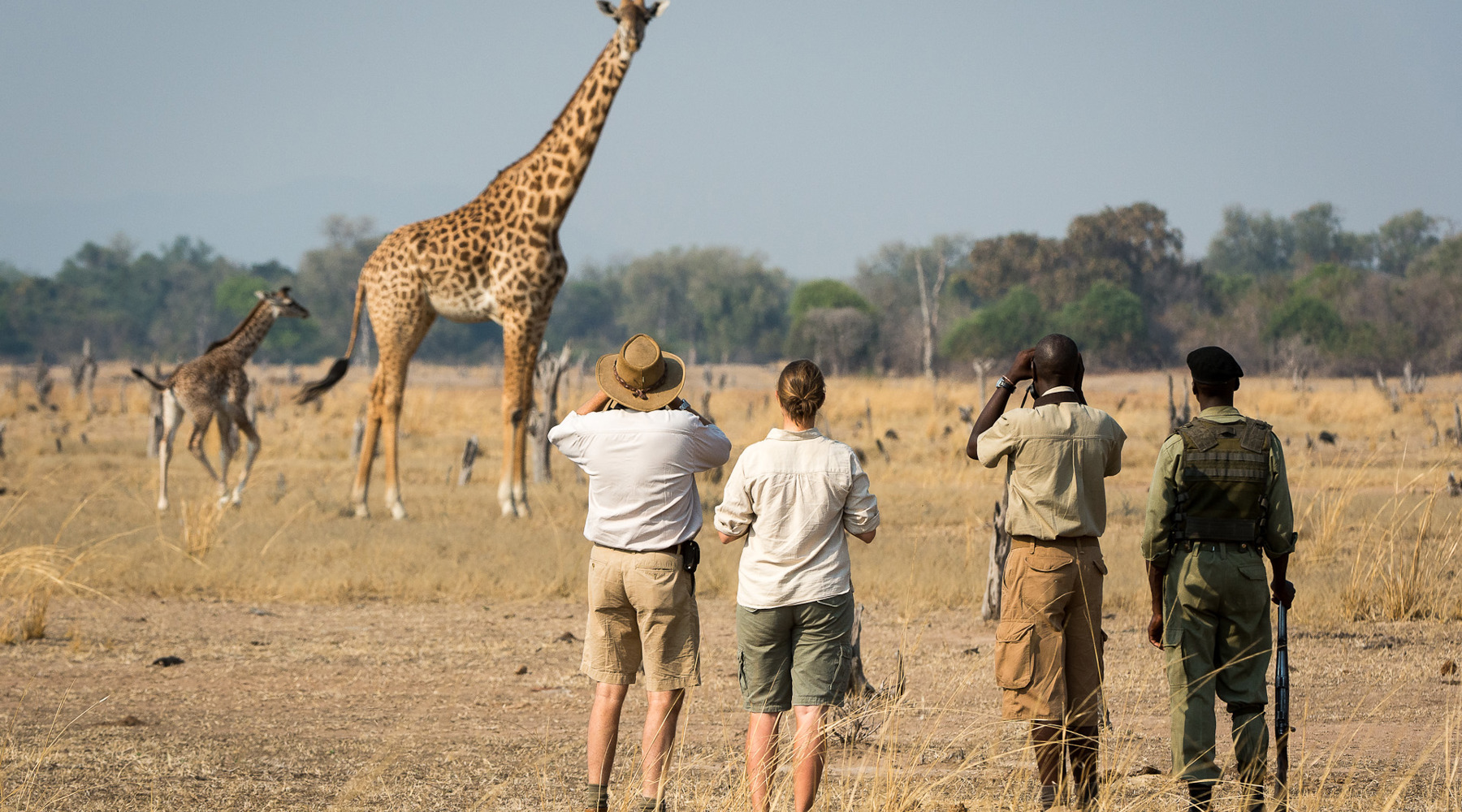
For a successful Zambia safari, focus on early morning/late afternoon golden light, use fast shutter speeds to freeze action, and bring a versatile telephoto lens Protect gear from extreme dust using bags and cloths, shoot from low angles, utilize beanbags for stability, and prioritize eye-level shots for intimate wildlife portraits.
21-days-perfect-zambia-safari-holiday-vacation-tour-southern-africa-safari
19-day-zambia-zimbabwe-and-botswana-safari-itinerary
18-days-zambia-safari-tour-to-less-frequented-western-circuit-safari-parks
17-days-best-victoria-falls-tour-zambia-side-zimbabwe-and-botswana-safari-tour
15-days-best-of-zambia-safari-and-victoria-falls-tour-package
11-days-wild-zambia-safari-itinerary-round-tour-package-adventure
10-days-exceptional-adventure-safari-in-zambia-and-victoria-falls-tour-package
8-days-perfect-zambia-wildlife-safari-escape-and-victoria-falls-tour
Gear and Preparation for Photography on a Zambia Safari
Bring Two Camera Bodies:
When preparing for a Zambia safari, having two camera bodies ready is crucial for capturing high-quality images while minimizing the risk of dust entering your sensor. Switching lenses in the field can expose sensitive internal components to dust, which is prevalent in the dry, rugged environments typical of safari settings. By utilizing two camera bodies, you can keep one fitted with a long telephoto lens, perfect for capturing distant wildlife, while the other can accommodate a versatile zoom or wide-angle lens for varied shots. This dual setup enables photographers to switch smoothly between different perspectives without losing precious moments to fumbling with gear.
Often, wildlife encounters occur unexpectedly, requiring rapid adjustments in gear to capture fleeting opportunities. The ability to grab the right camera without switching lenses allows you to focus more on composition and timing rather than technical adjustments. Furthermore, having two cameras means you’re better equipped to handle different lighting conditions—one camera can be set for low-light scenarios, while the other can be adjusted for brighter settings. Ultimately, bringing two camera bodies significantly enhances your preparedness, leading to a more rewarding safari photography experience.
Long Telephoto Lens:
For any serious wildlife photographer, a long telephoto lens is an essential piece of equipment during a Zambia safari. A lens with a minimum reach of 300mm allows you to photograph animals from a safe distance while capturing intricate details in their behavior. Opting for lenses in the 400mm to 600mm range is even more beneficial, as it provides additional versatility and clarity for distant subjects such as lions lounging in the grass or birds soaring in the sky.
The wildlife in Zambia’s national parks is often shy or easily startled, making it essential to maintain a respectful distance. A long telephoto lens enables you to achieve stunning shots without encroaching on the animals' natural behaviors. This distance not only safeguards your safety but also enhances your photographic storytelling by capturing wildlife in their natural surroundings.
Moreover, longer lenses naturally create beautiful background blur, isolating the subject and adding a professional touch to your images. This technique is particularly effective when photographing animals against busy or cluttered backgrounds, such as thick brush or trees. Overall, investing in a long telephoto lens equips you with the tools necessary for capturing breathtaking wildlife shots during your Zambia safari, ensuring you get the most out of your photographic journey.
Versatile Zoom
Packing a versatile zoom lens is an essential aspect of your gear for a Photography Zambia safari. A lens such as 70–200mm offers invaluable flexibility when faced with the dynamic nature of wildlife encounters. While long telephoto lenses are terrific for distant subjects, wildlife often comes surprisingly close, and a shorter zoom helps you adapt quickly to these sudden opportunities.
This versatility allows you to capture a wide array of shots, from tight portraits of an elephant feeding nearby to expansive environmental shots that include the stunning landscapes of Zambia’s national parks. A zoom lens caters to both scenarios, providing a much-needed edge for those unpredictable, spontaneous moments. Additionally, zoom lenses excel at capturing interactions between wildlife, such as a herd of antelope grazing or a pride of lions resting together.
Beyond wildlife, a versatile zoom lens is also excellent for capturing scenic elements of your safari. From mesmerizing sunsets to the breathtaking vistas of the Zambezi River, incorporating various subjects into your photography enriches your storytelling. The ability to shift between focal lengths seamlessly allows you to capture diverse perspectives, creating a comprehensive visual record of your adventure. Ultimately, bringing a versatile zoom lens enhances your creative capabilities and ensures that you are prepared for any photographic situation that arises during your Zambia safari.
Beanbags
In the fast-paced world of wildlife photography, stability is key, especially when shooting from a moving safari vehicle. Utilizing beanbags instead of traditional tripods can significantly enhance your photographic experience in a Zambia safari. Beanbags offer a lightweight, portable, and flexible solution, making them ideal for stabilizing your camera on uneven surfaces like the edge of a vehicle door or window frame.
When placed correctly, beanbags provide a solid foundation that absorbs vibrations caused by the vehicle, which is crucial when working with long telephoto lenses. This stability helps maintain focus and results in sharper images, especially important when capturing fast-moving wildlife or shooting in low-light conditions. Unlike tripods, which can be cumbersome and restrictive in the confined space of a vehicle, beanbags allow for quick adjustments. Photographers can reposition their gear swiftly without interrupting the flow of action, ensuring they capture spontaneous moments effectively.
Moreover, beanbags are easy to pack; you can either carry pre-filled ones or fill them with sand, rice, or beans upon arrival, saving valuable luggage space. By choosing beanbags for stability during your Zambia safari, you ensure that you’re well-equipped for capturing high-quality images while enjoying the flexibility needed for dynamic wildlife shooting.
Dust Protection
Dust is one of the most significant challenges faced by photographers during a Zambia safari. The dry, rugged terrains combined with the movement of safari vehicles kick up fine dust, which can easily settle on camera equipment, impacting both image quality and the functionality of your gear. Protecting your equipment from dust is essential for maintaining optimal performance and achieving stunning images.
One of the simplest and most effective steps in dust protection is to bring a microfiber cloth. This cloth should be used regularly to wipe down your lenses and camera bodies, ensuring that dust and smudges do not compromise your photography. Additionally, consider carrying a dedicated gear bag or cover that can be employed during drives to shield your equipment from the relentless dust. These protective measures are particularly important during long game drives when vehicles create large clouds of dust.
Also, limiting lens changes in the field can minimize dust exposure. If possible, use two camera bodies with different lenses attached to avoid the need for frequent switches. Utilizing lens caps and protective filters can further safeguard your investment. By implementing these precautions, you can ensure that your gear remains clean and functional throughout your safari, allowing you to focus on capturing the breathtaking moments that Zambia has to offer.
Spare Batteries/Memory Cards
On a Zambia safari, preparation is the key to capturing spectacular wildlife moments. One critical aspect of this preparation is ensuring that you have ample spare batteries and memory cards. With the potential to take hundreds, if not thousands, of photos in a single day, running out of power or storage can be a frustrating setback.
A general rule is to bring at least double the number of batteries and memory cards you think you’ll need. Safari photography often entails unpredictable opportunities; animals can emerge, behaviors can change, and lighting conditions can shift in an instant. Being prepared means you won’t miss capturing a magnificent moment due to technical issues.
Storing batteries and memory cards in protective cases also enhances their longevity and accessibility. Ensure that batteries are fully charged each night, and bring along a small power bank or solar charger if you’re in more remote areas. Memory cards should also be organized and kept safe to avoid accidental loss or damage.
Ultimately, being equipped with spare batteries and memory cards will grant you the peace of mind to focus entirely on your photography, allowing you to document the rich tapestry of wildlife and landscapes that Zambia offers without the worry of running out of power or space.
Lens Cleaning Kit:
A good lens cleaning kit is an indispensable tool for photographers embarking on a Zambia safari. The extreme dust and rugged conditions in many of the country’s national parks can easily lead to smudges, fingerprints, and dust on your equipment. Regular cleaning is essential to maintain image quality and ensure clarity in your photographs.
A standard lens cleaning kit should include a microfiber cloth, an air blower, and a lens cleaning solution. The microfiber cloth is perfect for gently wiping away dust and fingerprints without scratching the glass. An air blower can be used to remove larger dust particles that risk scratching the lens if wiped away. When dealing with tough smudges, using a lens cleaning solution enhances the cleaning process, ensuring that your lens is spotless and ready for shooting.
Given that dust in areas like the Luangwa Valley can be extreme, committing to a lens cleaning routine is vital. Ideally, lenses should be cleaned daily or whenever you notice dust accumulation. Consider taking a few moments between shoots to inspect and clean your lenses, ensuring optimal performance throughout the day.
A well-maintained lens not only guarantees better image quality but also enhances your overall shooting experience. Being proactive in lens care during your Zambia safari will allow you to capture crisp, clear images—showcasing the stunning wildlife and landscapes that define this beautiful country.
Camera Settings and Technique for Photography on a Zambia Safari
Aperture Priority/Manual
Using Aperture Priority or Manual mode on your camera offers photographers a greater level of control when shooting wildlife on a Zambia safari. Aperture Priority mode allows you to set the aperture while letting the camera rapidly adjust shutter speed and ISO for proper exposure. This is particularly useful when capturing fast-moving subjects in varied lighting conditions typical of safari environments.
By adjusting the f-stop to lower values, you achieve a shallow depth of field, which effectively blurs the background. This technique emphasizes your subject—be it an elephant walking through the grass or a leopard resting in a tree. A blurred background helps isolate the animal, drawing the viewer’s attention directly to it, thereby enhancing storytelling in your images.
However, Manual mode can be advantageous when you desire full control over all settings. This is particularly effective during challenging lighting conditions, such as at dawn or dusk when wildlife is most active. With Manual mode, you can adjust both aperture and shutter speed to achieve the desired creative effect.
Incorporating these techniques not only elevates your photography but also empowers you to adapt to ever-changing conditions. Mastering Aperture Priority and Manual settings will allow you to create striking images during your Zambia safari, showcasing the remarkable wildlife and stunning landscapes that define the region.
Fast Shutter Speed
When photographing wildlife in Zambia, using a fast shutter speed is essential for capturing sharp, dynamic shots. Setting your camera to a minimum shutter speed of 1/500th of a second is recommended, especially when dealing with fast-moving animals like birds or running predators. This speed helps to freeze action, eliminating motion blur that could compromise the quality of your images.
Wildlife encounters can be unpredictable, and animals often move quickly when startled or engaged in activity. Whether it’s a cheetah sprinting after prey or a bird taking flight, a fast shutter speed ensures that you can document these fleeting moments with clarity and detail. Adjusting your settings based on the speed of the subject is key; faster animals may require even quicker shutter speeds to ensure crisp captures.
Additionally, if you find yourself in lower light conditions, it’s important to balance your shutter speed with aperture and ISO settings. Raising your ISO while maintaining a fast shutter speed allows you to adapt to changing light without sacrificing image quality. This flexibility enables you to continue capturing sharp images during dawn, dusk, or in shaded areas of the park where light levels are lower.
In conclusion, utilizing a fast shutter speed is vital for wildlife photography. It allows you to capture the dynamic essence of the animals you encounter, ensuring that your Zambia safari is documented with stunning imagery.
High ISO for Low Light
During a Zambia safari, lighting conditions can vary dramatically, especially during the golden hours of early morning and late afternoon. In many cases, you may find yourself faced with low-light situations, whether due to the time of day or overcast skies. In such instances, utilizing a high ISO setting becomes a valuable tool for photographers.
The fear of introducing noise into your images should not deter you from adjusting your ISO. Increasing your ISO can significantly enhance your ability to capture sharp, well-exposed images in challenging lighting conditions. It’s more beneficial to have a grainy but sharp image than a clean, blurry one resulting from camera shake or slow shutter speed. A typical range for wildlife photography can be from ISO 800 to 3200, depending on the specific conditions.
Modern cameras are equipped to handle higher ISO settings with improved technology that minimizes noise, allowing for cleaner images even at elevated levels. Experimenting with your camera’s capabilities will give you insight into how high you can push your ISO without compromising photo quality.
Ultimately, mastering the use of high ISO settings in low-light situations will greatly enhance your photography experience during a Zambia safari. It provides the freedom to capture stunning moments that define the wildlife and landscapes you encounter, ensuring that each photograph reflects the true beauty of your adventure.
Use Continuous Shooting (Burst Mode)
When capturing wildlife on a Zambia safari, utilizing Continuous Shooting, or Burst Mode, is one of the most effective techniques to ensure you don’t miss those fleeting moments of action. Wildlife can be unpredictable, with animals like lions or cheetahs suddenly jumping or sprinting, making it essential to capture these fast action sequences. Burst Mode allows you to take rapid series of photographs in quick succession, increasing your chances of getting that perfect shot.
By holding down the shutter button, you can capture multiple frames per second, providing a range of images to choose from. This is particularly useful when photographing animals engaging in dynamic behaviors, such as a lion leaping to catch its prey or a bird taking flight. With Burst Mode, even if the action is swift, you have a higher likelihood of freezing a moment that illustrates the raw beauty of wildlife in motion.
However, it's important to exercise caution with this feature. Continuous Shooting generates a large number of images, which can quickly consume memory card space and require significant time for post-processing. To manage this, be selective in your use of Burst Mode; use it during key moments when you anticipate action, rather than for every wildlife sighting.
Single Point Auto-focus
When photographing wildlife, achieving sharp focus is critical, and using Single Point Auto-focus can significantly improve your results. Unlike multi-point auto-focus, which can sometimes lock onto distracting elements like grass or branches in front of your subject, Single Point Auto-focus allows you to designate one specific focus point. This precision ensures that the animal’s eye is sharp and clear, making for striking photographs.
In wildlife photography, the eye is often the most critical feature. When you focus on the eye, it brings the subject to life, drawing the viewer into the photograph. This technique is particularly effective when capturing close-ups of animals, whether they are roaring lions, gazing elephants, or colorful birds. By ensuring that the focus is on the eye, you can elevate the emotional impact of your images, creating a stronger connection with the viewer.
To effectively use Single Point Auto-focus, it’s essential to be aware of your framing and anticipate the animal’s movements. This might require quick adjustments, but the payoff is worth it. Even a slight misfocus can detract from an otherwise perfect shot, so staying mindful of your focus settings is vital.
In conclusion, employing Single Point Auto-focus is a valuable technique during your Zambia safari. It will enhance your ability to capture captivating, high-quality images that portray the beauty and majesty of the wildlife.
Keep Lens Clean
Maintaining a clean lens is crucial for ensuring the clarity and sharpness of your images, especially during a Zambia safari where dust can accumulate rapidly. The dusty environments typical of safari settings can significantly affect image quality, making it essential for photographers to prioritize lens hygiene. One single smudge or speck of dust can ruin an otherwise stunning photograph, so being proactive in keeping your lens clean is a must.
A basic lens cleaning kit—including microfiber cloths, a lens brush, and cleaning solution—is invaluable. Microfiber cloths are particularly effective for gently wiping away dust and fingerprints without scratching the glass surface. Regularly checking your lens for dust, especially before shooting, helps ensure that you capture images at their best quality.
Moreover, a good practice is to clean your lens at the beginning and end of each day or whenever you notice a buildup of dust. Never clean your lens with clothing or tissues, as these materials can leave scratches; always use dedicated cleaning tools.
While on the move, consider covering your lens whenever the vehicle is kicking up dust, which can happen during game drives. This little precaution can prevent spellbinding moments in nature from turning into frustrating disappointments due to unclear images.
In summary, keeping your lens clean is fundamental to your photography success during a Zambia safari. With clear optics, you can ensure that your images truly reflect the beauty of the magnificent wildlife and landscapes that you encounter.
Golden Hours Rule
The quality of light can make or break a photograph, and understanding the Golden Hours Rule is essential for any photographer on a Zambia safari. The "golden hour" refers to the period shortly after sunrise and just before sunset when the sunlight is soft, warm, and diffused, creating ideal lighting conditions for photography. This type of light enhances colors and contrasts, leading to photographs that exude warmth and drama.
During these golden hours, animals are often more active—particularly in the early morning when they may be foraging for food or during the late afternoon when they prepare for night. This provides an excellent opportunity to capture dynamic wildlife behavior against the backdrop of stunning light. The low angle of the sun during these times creates long shadows and highlights textures in the fur and feathers of animals, adding depth to your images.
Additionally, the softer light minimizes harsh shadows, making it easier to achieve even exposure. This quality is particularly beneficial for capturing the intricate details of habitats, landscapes, and animal features. Photographs taken during these hours often appear more three-dimensional and engaging to viewers.
To fully take advantage of these magical moments, plan your safari outings around these hours. Set out early and stay out late, ensuring that you are ready to capture the stunning vistas and wildlife activity that unfolds under the enchanting light of sunrise and sunset.
Eye-Level Perspective
When photographing wildlife, positioning your camera at eye level with the animals can dramatically enhance the impact of your photos. This perspective provides a more engaging and intimate view of the subject, allowing for compelling compositions that resonate with viewers. By asking your guide to position the vehicle accordingly, you can capture powerful images that avoid the less appealing downward angles that often diminish the strength of shots.
Shooting from eye level brings the viewer closer, creating a sense of connection between the viewer and the subject. This perspective allows for stunning eye contact with animals, which can evoke emotions and showcase their personality. For example, capturing an elephant gazing directly into the lens instantaneously creates a more personal photograph compared to a shot taken from an elevated angle.
Moreover, photographing at eye level enriches the compositional elements you can include in your frame. By avoiding downward shots, you can highlight the animal’s natural environment, showcasing the grass, trees, or water around them. This context adds depth to your images, enabling you to tell a more complete story about the creature and its habitat.
In conclusion, striving for an eye-level perspective during your Zambia safari enhances your wildlife photography. It creates captivating and emotional images that allow viewers to connect with the incredible wildlife you encounter on your journey.
Rule of Thirds
The Rule of Thirds is a timeless principle of composition that can significantly enhance your wildlife photographs during a Zambia safari. This technique involves dividing your frame into a grid of nine equal sections, creating four intersecting points. By positioning key elements of your photo along these lines or at their intersections, you can create balanced and engaging compositions that draw the viewer’s eye.
When photographing animals, instead of placing your subject squarely in the middle of the frame, try positioning it off-center. This approach leads to more dynamic images that feel natural and interesting. For example, if you photograph a lion resting in the grass, placing it along one of the intersecting lines allows the rest of the frame to showcase the surrounding landscape, adding context and depth to the image.
Using the Rule of Thirds also helps guide the viewer's gaze through the photograph, enhancing the storytelling aspect. Additionally, it encourages you to consider the overall composition rather than simply capturing the subject. This technique can be adapted for various subjects and environments you encounter during your safari, promoting creativity in your shooting style.
While the Rule of Thirds is a helpful guideline, it’s also essential to remain flexible. Experiment with different compositions, breaking the rule when it suits your artistic vision. Ultimately, mastering the Rule of Thirds can elevate the quality of your photography, producing more compelling and memorable images from your Zambia safari.
Tell a Story
When photographing wildlife, telling a story through your images can create more compelling photographs that resonate with viewers. Instead of focusing solely on tight close-ups of animals, incorporating environmental elements into your compositions can provide context and depth, enriching the narrative quality of your images. This approach helps to paint a fuller picture of the wildlife and their habitats.
For instance, if you're capturing an elephant drinking at a river, consider framing the shot to include surrounding trees, grasslands, or even the reflections in the water. These elements convey information about the ecosystem and behavior, making the image more informative and engaging. Including context helps the viewer understand the animal’s interaction with its environment, fostering a deeper appreciation for the scene.
Additionally, using environmental storytelling allows you to capture different aspects of animal behavior. Group shots or moments of interaction between animals can tell a richer story than a single portrait can. For example, photographing a pride of lions in their natural setting, resting under trees, offers insights into their social dynamics and communal lifestyle.
By consciously framing your shots to include environmental elements, you will create impactful images that transport viewers into the scenes. This storytelling approach can elevate your wildlife photography, making each photograph not just a visual capture but also a meaningful narrative. During your Zambia safari, adopt this technique to uncover the unique tales that each moment has to offer.
Anticipate Action
One of the keys to successful wildlife photography is the ability to anticipate animal behavior. Understanding the habits and tendencies of various species can significantly enhance your chances of capturing exciting moments during your Zambia safari. Animals often exhibit predictable behavior related to their environmental needs, such as feeding, drinking, or moving between habitats. By observing these patterns, you can put yourself in the right place at the right time.
For example, foraging animals such as antelope, warthogs, or elephants frequently move toward more open areas to graze or seek out water sources. Observing these behaviors can guide your choice of locations to set up for shots. Staying alert to the subtle movements and cues of animals can lead to incredible action photos, such as a lion chasing its prey or birds taking flight.
Moreover, it helps to remain patient and quietly observe wildlife rather than focusing solely on capturing immediate photographs. By understanding the dynamics of animal behavior, you'll be able to capitalize on moments of interaction or movement that would typically go unnoticed. Also, consider discussing with your guide, who often has valuable insights into local wildlife habits.
In conclusion, anticipating action can elevate your photography. By observing animal behavior and being mindful of their surroundings, you will enhance your ability to capture stunning wildlife images that tell captivating stories during your Zambia safari.
Shoot from the Vehicle
When on a Zambia safari, one of the most effective techniques for capturing wildlife images is shooting from the vehicle. Your safari vehicle can serve as a mobile hide, providing a safe and stable platform from which to photograph animals in their natural habitat. Shooting from the vehicle can minimize disturbances to wildlife, allowing for more authentic captures of their behavior.
While many photographers instinctively want to shoot from the roof, considering different angles is equally important. Lower angles often produce more engaging compositions compared to shooting directly down at animals. By rolling down the window or leaning slightly out of the vehicle, you can achieve eye-level perspectives that bring viewers closer to the subject.
Additionally, using the vehicle as a hide allows you to get closer to wildlife without alarming them. Animals are accustomed to safari vehicles, often ignoring their presence, which means you can observe and photograph them without spooking them. This leads to more candid shots of wildlife.
Moreover, consider varying your composition and perspective. Shooting at different angles, distances, and focal lengths can yield a diverse portfolio of images, showcasing the unique aspects of roadside encounters. Keep in mind the benefits of shooting from the vehicle, as well as various compositions to enrich your photographic experience during your Zambia safari.
Disable Geotagging
In the realm of wildlife photography, particularly during a Zambia safari, protecting the privacy and safety of animal habitats is paramount. One essential practice is disabling geotagging on your camera. Geotagging adds location data to your photographs, which can inadvertently reveal sensitive information about the whereabouts of endangered species or vulnerable wildlife habitats.
By enabling geotagging, you risk exposing critical locations to poachers, wildlife traffickers, or others who may exploit this information. By temporarily turning off location services, you contribute to the conservation efforts that aim to protect these magnificent creatures in their natural environments. It's a small but significant step photographers can take to support biodiversity and ethical wildlife stewardship.
Additionally, even if you aren’t focused on endangered species, it’s wise to be cautious about identifying specific locations. Disturbances at popular tourism sites may alter animal behaviors, leading to stress and altered feeding or movement patterns. The less identified a location may be, the more likely it is that wildlife will thrive without undue human interference.
By disabling geotagging before your Zambia safari, you can enjoy capturing extraordinary wildlife moments while doing your part to protect the natural world. Every effort counts in the ongoing battle to conserve the precious ecosystems and wildlife that make this adventure so meaningful
1. When is the best time for a Photography Zambia safari?
The ideal time for a photography-focused safari in Zambia is during the dry season, which spans from May to October. During these months, wildlife congregates around scarce water sources, making them easier to spot and photograph. As the vegetation becomes less dense, photographers will find improved visibility, allowing for clearer shots of animals in their natural environments. Additionally, the weather is generally pleasant, providing stable lighting conditions that enhance photo quality.
However, the "Green Season," running from November to April, offers a different kind of photographic opportunity. While the weather can be rainy, this season features dramatic cloud formations, lush landscapes, and vibrant colors, making it a prime time for landscape photography. Birds are especially abundant during these months, providing wonderful chances for capturing avian life in rich detail.
In summary, the dry season is optimal for wildlife photography thanks to the concentrated activities around limited water sources, while the Green Season shines in terms of lush scenery and birding opportunities. Depending on your photography focus, choosing either season can yield captivating images, making each visit to Zambia a unique experience for wildlife photographers.
2. Where are the best locations for a Photography Zambia safari?
Zambia boasts several exceptional locations for photography enthusiasts, each offering unique wildlife experiences. South Luangwa National Park is renowned for its leopards and other big cats, providing ample opportunities for dramatic images. The park's diverse ecosystems and varied landscapes contribute to stunning backdrops, whether capturing a lion in the sun-drenched savannah or elephants crossing a tranquil river.
Lower Zambezi National Park is another favored destination, particularly for its river and canoe scenes. Here, you can photograph wildlife from unique angles on the water, capturing moments like elephants swimming across a river or hippos dozing in the shallows. The diverse habitats within the park—rivers, floodplains, and woodlands—offer rich photographic opportunities.
Kafue National Park is noted for its broad range of ecosystems, making it one of Zambia's most biodiverse parks. Photographers can capture everything from rolling grasslands to lush wetlands, as well as various animal species coexisting in these rich environments.
Lastly, the Liuwa Plain is famous for its unique wildebeest migrations, a spectacular event that can be captured across expansive landscapes and grasslands. Each of these locations provides distinct photographic subjects and settings, ensuring that your Zambia safari leaves you with a diverse and stunning portfolio.
3. What camera gear should I bring on a Photography Zambia safari?
Bringing the right camera gear is essential for a successful photography safari in Zambia. A DSLR or mirrorless camera is recommended for their versatility and ability to manipulate settings for varying light conditions. To make the most of your wildlife photography, a versatile telephoto zoom lens is highly beneficial. Popular choices include lenses with a focal length of 100-400mm; these allow you to capture wildlife from a distance while maintaining clarity and detail.
In addition to telephoto lenses, including a wide-angle lens in your kit is advantageous for landscape photography and capturing the expansive skies that define Zambia’s stunning scenery. A lens with a focal length of 16-35mm is ideal for dramatic shots of mountains, rivers, and wildlife in their natural habitats.
Accessories matter, too. Bring along a sturdy camera bag for protection and organization, as well as a lens cleaning kit to combat dust. Since photogenic animals often appear unexpectedly, speed is vital, so consider having spare batteries and memory cards on hand. This ensures you won't miss capturing a fleeting moment and keeps your equipment in optimal condition throughout the trip.
Ultimately, packing a combination of camera bodies and versatile lenses, along with essential accessories, maximizes your potential to capture the incredible wildlife and landscapes found on a Zambia safari.
4. Are there specialized photography vehicles for a Photography Zambia safari?
Yes, many lodges and safari operators in Zambia offer specialized photography vehicles designed to enhance the wildlife photography experience. These open-topped, specially equipped 4WD vehicles are tailored for photographers, providing a stable platform from which to shoot. The design allows for unobstructed views, enabling you to capture wildlife without the hindrance of windows or barriers.
For example, lodges like Chiawa Camp and Kaingo have vehicles equipped with beanbags for camera stability. This feature enhances your ability to achieve sharp images, even at lower angles, and accommodates various shooting positions. The open concept of these vehicles encourages exploration of different perspectives, making it easier to frame wildlife shots in a dynamic way.
Moreover, some photography vehicles are outfitted with amenities like raised seats or adjustable platforms, allowing photographers to capture images from various heights. This flexibility is particularly beneficial when aiming for eye-level perspectives, which can significantly enhance the impact of your photographs.
In summary, specialized photography vehicles in Zambia not only improve comfort and accessibility but also enhance the overall photographic experience. By choosing lodges or operators that prioritize photography, you benefit from an environment conducive to capturing breathtaking images of the country's remarkable wildlife.
5. What is special about a walking Photography Zambia safari?
Walking safaris in Zambia, particularly those pioneered in South Luangwa National Park, offer a unique and intimate perspective on wildlife photography. Unlike traditional vehicle-based safaris, walking safaris allow photographers to experience the African wilderness from ground level, offering a different dimension and new angles for capturing wildlife. This immersive experience fosters a deeper connection with the landscape, enabling photographers to appreciate the tiny details often overlooked from a vehicle.
The opportunity to shoot from ground level cannot be understated. It allows for powerful compositions that highlight the majesty of wildlife in their natural settings. You may find yourself crouching to photograph the intricate patterns on a leopard's fur or capturing the dramatic light filtering through the trees as animals roam past you.
Additionally, walking safaris are designed to be educational, giving participants insights into animal behavior, tracks, and signs in their natural habitat. Experienced guides lead these safaris, offering expert knowledge and enhancing your understanding of the environment while providing safety. This combination of photography, education, and immersion in nature leads to an enriching experience.
In conclusion, participating in a walking photography safari in Zambia offers unparalleled opportunities to capture intimate moments with wildlife in a way that cannot be achieved from a vehicle. This unique approach not only enhances your photography portfolio but deepens your appreciation for the natural world.
6. Do I need a professional lens for a Photography Zambia safari?
While you don't necessarily need a professional lens for a Zambia safari, having a telephoto lens capable of at least 200mm focal length is highly recommended. A quality lens allows you to capture wildlife up close without intruding on their natural behavior, which is crucial for ethical wildlife photography. Telephoto lenses provide the necessary distance to photograph animals in a non-threatening way, resulting in more authentic images.
Professional lenses typically offer superior optical quality, which enhances sharpness and color reproduction, but there are many excellent consumer-grade options that can also deliver outstanding results. Look for lenses with features such as image stabilization to counteract camera shake, particularly when shooting handheld at longer focal lengths.
Furthermore, consider the type of photography you plan to pursue. If you’re aiming for wildlife portraits, a fast aperture (e.g., f/2.8 or f/4) is advantageous for creating depth of field, allowing the subject to stand out against a blurred background. For landscapes or vibrant skies, a wide-angle lens can also be beneficial, offering versatility in your photography repertoire.
Ultimately, while professional lenses can enhance the quality of your images, what truly matters is your ability to adapt to various shooting conditions. With a good telephoto lens and a solid understanding of composition and light, you’ll be well-equipped to capture stunning images during your Zambia safari.
7. Can I do night photography on a Photography Zambia safari?
Yes, Zambia is one of the few countries that allows night drives, providing photographers unique opportunities to capture nocturnal species using spotlights. This specialized activity opens up a fascinating realm for wildlife photography, enabling you to document animals that are primarily active after dark, such as leopards, aardvarks, and various small mammals. Night photography allows you to experiment with different lighting techniques and settings as you adapt to shooting in low-light conditions.
Equipped with powerful spotlights, guides can safely illuminate animals, helping you achieve stunning shots that reveal the beauty and mystery of wildlife at night. This setting creates an exhilarating atmosphere as you navigate the landscapes under the stars, capturing images that convey the enchanting essence of Zambia's flora and fauna.
To make the most of nocturnal photography, consider your camera settings carefully. A fast lens with a wide aperture (e.g., f/2.8) is ideal for low-light situations, as it allows more light to reach the sensor. Higher ISO settings may be necessary to capture sharp images in dim light, although keeping an eye on grain becomes crucial.
In conclusion, taking part in night photography during your Zambia safari opens up a whole new dimension of wildlife observation and photographic opportunity. The unique experience of capturing nighttime scenes adds a rich layer to your safari adventure, resulting in a diverse and compelling photographic portfolio.
8. Do lodges offer charging facilities for a Photography Zambia safari?
Most reputable safari lodges in Zambia are equipped with charging facilities for camera batteries and other electronic devices. Depending on the lodge, you may find power supplied by generators or solar panels, ensuring guests have access to electricity for recharging equipment. It's crucial to check with your chosen lodge beforehand to confirm their power sources and capabilities, as not all lodges provide consistent access to electricity.
While many lodges will accommodate guests who require charging, it’s always advisable to bring spare batteries, especially for longer safaris. Wildlife photography can be draining on batteries, particularly when you’re capturing numerous action shots or during night drives with spotlights. Having additional batteries on hand ensures you won’t miss crucial moments due to lack of power.
In terms of convenience, consider investing in portable solar chargers or battery packs if you will be spending extended periods in remote areas. These can provide an additional power source, especially when traveling between lodges or during excursions.
Ultimately, while many safari lodges do offer charging facilities, preparation is key. Bringing spare batteries and planning ahead ensures a seamless photography experience, allowing you to focus on capturing the stunning wildlife and landscapes that make Zambia such a remarkable destination.
9. Are there, or do I need, photography hides for a Photography Zambia safari?
Photography hides can significantly enhance your wildlife photography experience during a Zambia safari. Several camps, such as Kaingo and Mwamba in South Luangwa National Park, are renowned for their specialized hides tailored to offer close, safe encounters with animals. These hides allow photographers to observe and photograph wildlife without the typical disturbances that human presence may cause.
The well-designed hides offer various vantage points—such as the hippo hide, elephant hide, and carmine bee-eater hides—each providing unique perspectives for capturing animals in their natural habitats. From a hide, you can expect to document incredible moments, like elephants bathing or birds nesting, all while remaining concealed and unobtrusive.
Using a hide can also enhance the photographic experience by allowing you to focus on waiting for the right moment. The patience required to wait for wildlife to come into view pays off, as you often have the opportunity to capture intimate interactions and natural behaviors that might otherwise be missed while on the move.
In conclusion, opting to use photography hides during your Zambia safari can unlock incredible opportunities for wildlife photography. Whether you’re capturing the sights in South Luangwa or others, these hides bring you closer to nature while maintaining a respectful distance from the wildlife, making for powerful and memorable images.
10. How close do you get to animals during a Photography Zambia safari?
The proximity at which you can photograph wildlife during a Zambia safari depends on a variety of factors, including the type of safari, the behavior of the animals, and the expertise of your guide. Generally, professional guides aim to keep a safe distance that allows for spectacular shots while minimizing stress to the animals. This respectful approach is crucial for ethical wildlife photography, ensuring that interactions remain natural and that the animals do not feel threatened.
In vehicles, you can expect to be relatively close to the animals, often within 10-30 meters for larger species like elephants and lions. This distance allows for striking compositions while ensuring the safety of both the photographer and the wildlife. The vehicle often serves as a hide, allowing you to capture images without directly influencing animal behavior.
When participating in walking safaris, the distance can vary dramatically and is guided by safety protocols. Guides are experienced at reading animal behavior, keeping you at a safe distance while still providing opportunities for stunning shots.
Ultimately, your guides play a crucial role in determining how close you can get to the wildlife. Their understanding of animal behavior ensures that you capture powerful images while still respecting the natural environment—a vital aspect of responsible wildlife photography.
11. Is a drone allowed for a Photography Zambia safari?
Using drones for photography in Zambia is subjected to strict regulations. Before even considering bringing a drone on your photography safari, it’s important to understand that drone usage generally requires prior permission from the Zambian Department of National Parks and Wildlife. In many cases, drone flying is prohibited altogether within national parks to protect wildlife and their natural behavior.
The rationale behind these regulations is to minimize disturbances and ensure the safety and conservation of wildlife. Drones can provoke stress in animals, potentially leading to unwanted behavioral changes that could endanger them. Given the sensitive nature of wildlife photography, maintaining a respectful distance and using traditional methods is often encouraged.
While there may be certain locations outside of parks where drone use is permitted, this requires careful planning and adherence to local guidelines and regulations. Additionally, ethical considerations should be taken into account; the goal of wildlife photography should be to document and appreciate animals in their habitats without disruptive influence.
In summary, drone use for photography in Zambia is highly regulated. Prior permission is required, and in national parks, it is generally prohibited. Focusing on traditional photography methods will not only yield stunning images but also support conservation efforts and responsible wildlife observation.
12. What are the best camera settings for a Photography Zambia safari?
Selecting the best camera settings for a Zambia safari is crucial for successfully capturing wildlife in varying conditions. For fast-moving birds and animals, a high shutter speed of at least 1/500th of a second is recommended. This speed ensures that motion blur is minimized, allowing you to freeze action during unforgettable moments, whether it’s an animal in mid-leap or birds in flight.
You should also consider your aperture settings. A low aperture (e.g., f/4 or f/5.6) is effective for creating a shallow depth of field, blurring backgrounds to make the subject stand out. This technique enhances the overall impact of your images, particularly when photographing wildlife in busy environments.
In low-light situations, such as during the early morning or late evening, it’s vital to monitor and adjust your ISO settings accordingly. Don't hesitate to raise your ISO to achieve faster shutter speeds if necessary, while being mindful of potential noise in your images. Modern cameras often perform well at higher ISO levels, allowing you to capture sharp, vibrant images even in challenging lighting.
Ultimately, the key is to be adaptable. Conditions can change rapidly on a safari, so familiarize yourself with your camera's settings and practice adjusting them quickly. This flexibility will empower you to seize amazing wildlife moments and create a diverse portfolio of stunning images.
13. Do I need a tripod for a Photography Zambia safari?
While tripods have their advantages in certain photographic situations, they are not always practical on a Photography Zambia safari. Given the mobility and rapid action of wildlife photography, a monopod or beanbag is generally a more suitable choice for stability while shooting from vehicles. Monopods provide support for your camera without the bulkiness and constraints of a tripod, allowing you to quickly adjust your position and framing when opportunities arise.
Beanbags offer additional versatility; they can be easily positioned on vehicle frames to absorb vibrations and provide a stable shooting surface. This effective setup allows photographers to maneuver easily and adapt to dynamic scenes, which is essential for capturing fleeting moments.
However, a tripod may still be beneficial for specific situations, such as during walking safaris, landscape photography, or while using specialized hides. In these cases, a sturdy tripod can provide stability for long exposures or meticulous compositions.
Ultimately, consider the shooting conditions and your priorities when packing gear for your Zambia safari. A monopod or beanbag is generally the more practical option, providing the stability needed without hampering your ability to capture spontaneous wildlife moments.
14. What are the baggage restrictions for a Photography Zambia safari?
When planning a Photography Zambia safari, it's essential to recognize that small bush planes often impose strict weight limits for baggage. Typically, these weight limits range from 15 to 20 kilograms (approximately 33 to 44 pounds) per person, and cargo must be packed in soft bags to facilitate storage in the aircraft.
These restrictions can pose a challenge for photographers whose gear can be heavy, especially when packing lenses, bodies, and other equipment. To overcome this, it's crucial to inform your safari operator in advance if you have particularly heavy or specialized camera equipment. Some operators may allow additional weight, especially if you can demonstrate a professional need.
One effective strategy is to carefully plan what you're bringing. Consider prioritizing essential gear, such as a camera body, a versatile lens, and necessary accessories, while minimizing extras that can be left behind. Some photographers opt to travel with lighter options or even rent equipment on location to alleviate weight concerns.
Ultimately, packing efficiently and adhering to airlines' baggage limitations will ensure a smooth start to your Zambia safari. Proper planning allows you to focus on your photography experience without worrying about excess baggage fees or complications during transport.
15. Is a guide necessary for a Photography Zambia safari?
Yes, hiring a guide specializing in photography greatly enhances your experience during a Zambia safari. A personal guide does more than merely drive you to various locations; they understand animal behavior, geography, and lighting conditions, which are pivotal for optimizing photography opportunities. Their expertise ensures that you are in the right place at the right time, ready to capture stunning wildlife moments.
Guides are adept at reading the signs of animal activity, enabling them to lead you toward hotspots where action is likely to occur. They can also provide insights into the habits of various species, enriching your understanding of the animals and enhancing your photographic pursuits. With their deep knowledge of the environment, they can help identify suitable locations that offer compelling backdrops for your images.
Additionally, guides can assist with technical photography advice, helping you adjust camera settings and find the best angles for shots. Their experience can lead to unexpected photographic opportunities, whether it's an eagle soaring above or a lion resting in the shade.
In conclusion, hiring a knowledgeable guide is not just recommended, but often essential for a successful photographic safari experience in Zambia. Their insights, skills, and expertise will ensure that you capture the extraordinary wildlife moments that make this journey unforgettable.
Booking Photography Zambia safari with us Roads of Adventure safaris
Booking a photography safari with Roads of Adventure Safaris ensures an unforgettable experience capturing Zambia's stunning wildlife and landscapes. Our expert guides are passionate about photography and equipped to help you seize exceptional moments in the wild. We offer tailored itineraries that cater to photographers of all skill levels, from beginners to professionals. Stay in comfortable lodges and specialized photography vehicles designed for optimal viewing and photographing wildlife. With Roads of Adventure Safaris, immerse yourself in the breathtaking beauty of Zambia while creating remarkable images that tell the story of this incredible destination. Join us for your photographic adventure!
