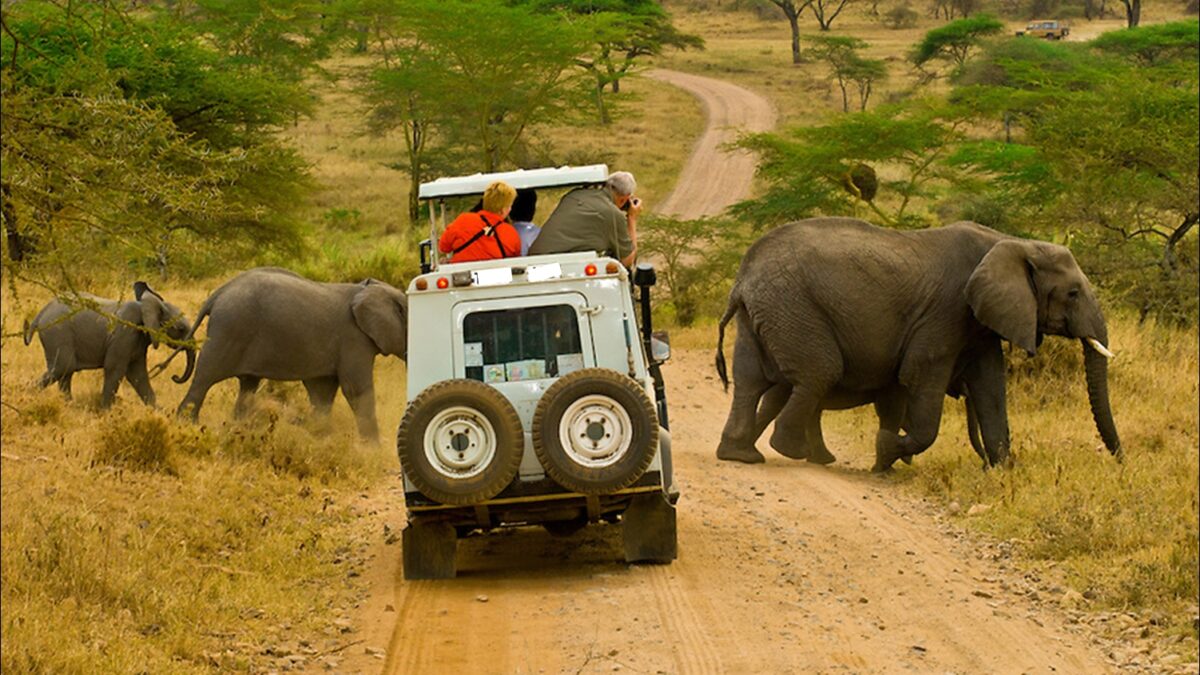
Renting the perfect 4x4 for your Uganda safari is the key to an unforgettable road trip. To ensure a smooth journey through rough terrains and national parks, prioritize booking a reliable vehicle with a reputable local provider, confirming insurance details, and planning your route in advance.
Some of the popular tour packages you can follow for your Uganda safari
18-days-best-of-uganda-safari-holiday-vacation-to-all-best-parks
16-days-classic-uganda-wildlife-safari-and-gorilla-trekking-tour
15-days-africa-big-five-safari-in-uganda-and-primate-vacation
14-days-uganda-and-rwanda-safari-tour-itinerary
10-days-9-nights-midrange-uganda-wildlife-safari-and-cultural-experience
7-days-best-gorilla-trekking-and-safari-in-uganda-to-see-big-fives
Vehicle Selection & Itinerary
Choose True 4×4 Capability
Navigating the steep, clay-heavy mountain paths leading to Bwindi Impenetrable National Park requires active four-wheel drive to prevent getting stuck during sudden tropical downpours, making it vital to avoid standard sedans entirely. Renting a sturdy Toyota Land Cruiser (such as a TX, TZ, or V8) or a modified Safari Van ensures your vehicle possesses the necessary clearance and low-range gears to handle deep mud, water crossings, and severely rutted dirt roads throughout your Uganda safari. A Land Cruiser Prado TX remains a highly reliable, robust choice for these exact rural wilderness routes.
Book a Pop-Up Roof
If you are planning a self-drive road trip or a classic game drive, prioritize vehicles equipped with a customized pop-up roof to ensure optimal, 360-degree wildlife viewing and photography inside the savanna reserves. In open parks like Murchison Falls National Park or Queen Elizabeth National Park, an elevated roof provides a clear line of sight over tall elephant grass and thick shrubs, allowing travelers to safely spot lions, leopards, and elephants without ever needing to exit the protective shell of the vehicle.
Match Car Size to Your Group
A compact Toyota RAV4 is an excellent, fuel-efficient choice for 1 to 2 people traveling light, usually costing roughly $40 to $55 per day for self-drive, but larger groups or families require a full-size Land Cruiser Prado or a customized Safari Van. These larger vehicles comfortably accommodate 5 to 8 passengers and provide the heavier suspension strength needed to transport large luggage pieces, extensive camping equipment, and heavy photography gear over bumpy terrain without compromising passenger comfort.
Consider Rooftop Tents
Renting a 4×4 outfitted with an integrated rooftop tent saves massive time on camp setup and offers a secure, highly elevated sleeping experience across different wilderness campsites. These rooftop tent attachments typically cost an extra $20 per day and keep campers completely off the ground, which provides excellent peace of mind when sleeping near untamed park boundaries where wild animals roam freely throughout the night.
Decide on Self-Drive vs. a Local Driver
While a self-drive arrangement grants maximum personal freedom and flexibility to alter your daily schedule, hiring an experienced local driver-guide reduces navigation stress, helps spot hidden wildlife, and manages local traffic checkpoints seamlessly. A professional driver-guide costs an additional $30 to $40 per day, which is a highly worthwhile investment that frees you from navigating complex, potholed dirt tracks so you can fully focus on enjoying the beautiful Ugandan landscape.
Booking & Logistics
Book Well in Advance
Secure your preferred vehicle at least 3 to 6 months early, especially if you plan on traveling during the peak dry seasons running from June to August and December to February. During these busy months, high-demand vehicles like the customized Safari Land Cruiser sell out completely across the country, so booking early ensures you secure a mechanically sound car and avoids premium last-minute rental rates.
Vet Your Rental Agency
Do not simply pick the first car hire in Uganda agency you find online; instead, spend time comparing independent reviews on platforms like TripAdvisor or Google to ensure you select a reputable, reliable provider. Look for companies that receive specific praise for high vehicle maintenance standards, responsive customer communication, and fair vehicle rescue policies in the rare event of an unexpected mechanical breakdown in a remote area.
Clarify the Deposit Terms
Most car rental operators require a 30% to 50% deposit to lock in your vehicle booking, which is usually payable securely online via reliable digital payment platforms like PayPal or Pesapal. Always confirm the agency's exact cancellation and refund policy in writing before sending any funds, ensuring you fully understand whether your down payment is refundable or transferable if your travel dates change.
Confirm Unlimited Mileage
Since safari distances between major destinations are vast, ensure your rental contract explicitly includes unlimited mileage to avoid facing unexpected and exorbitant daily distance fees. A typical tourism loop running from Entebbe to Murchison Falls, Kibale Forest, Queen Elizabeth, and Bwindi covers well over 1,200 kilometers, meaning capped mileage contracts can quickly rack up massive penalization fees by the end of your journey.
Check What’s Included
Always ask if the quoted daily rate covers comprehensive insurance, government taxes, and 24/7 roadside assistance before signing your agreement. Ensure the insurance policy covers third-party damage and collision damage waivers, as having these critical inclusions verified beforehand protects you from paying out-of-pocket for minor stone chips or tire punctures that are incredibly common on wilderness roads.
Documentation & Requirements
Check Age Requirements
Most Ugandan rental companies require the primary driver to be between 23 and 75 years old to satisfy local commercial insurance policies. Drivers who fall outside this specific age bracket may face significantly higher insurance premiums or be required to hire a professional local driver-guide instead of operating the vehicle themselves.
Carry Your Driver’s License
Bring your valid home country driver's license and ensure it is written clearly in English, as you will otherwise need to present an official International Driving Permit alongside your original license. Keep both documents easily accessible in the vehicle's glove box at all times, because traffic police routinely request them during standard roadside checks along major highways.
Keep Physical Permits Ready
Have your printed gorilla tracking permits, chimpanzee tracking receipts, National Park entry documentation, and passport easily accessible in a secure folder during your journey. Park rangers at entry gates, such as the Uganda Wildlife Authority offices, require physical copies to verify your booking details before granting access to the tracking trailheads.
Always Bring Physical Cash
Have a sufficient amount of physical Ugandan Shillings on hand, as cash is absolutely essential for paying fuel stations, village parking fees, and road tolls in remote areas where credit card machines are completely nonexistent. Carrying small cash denominations also makes tipping your park rangers, security guides, and lodge staff incredibly smooth and convenient.
Purchase a Local SIM Card
Buy an MTN or Airtel SIM card immediately upon arrival at Entebbe International Airport to ensure you stay connected throughout your entire trip. A local card provides reliable mobile internet data for navigation and allows you to make direct phone calls to your rental agency or accommodation if you experience an emergency along the road.
Safety & Driving on the Road
Understand Uganda Traffic Laws
Driving is strictly on the left side of the road in Uganda, and you must obey speed limits which are strictly enforced by traffic police, especially near urban centers and school zones. The standard highway speed limit is 80 to 100 kilometers per hour, urban towns drop to 50 kilometers per hour, and inside all national parks, the mandatory limit is a slow 40 kilometers per hour to protect crossing wildlife.
Avoid Night Driving
Plan your daily travel itineraries carefully to ensure you reach your lodge before sunset, as driving at night is highly hazardous due to unlit roads, wandering livestock, and unmarked asphalt speed humps. Potholes become virtually invisible in the dark, and handling a flat tire or a mechanical issue at night in a remote area presents preventable safety challenges.
Map Out Fuel Stations
Fuel gets scarce and noticeably more expensive the further you travel from major cities like Kampala or Entebbe, making it wise to map out your refueling stops in advance. Always keep your tank full when exploring remote northern areas like Kidepo Valley National Park, and make it a habit to top up your fuel tank at major town hubs before entering park gates.
Leverage Offline Maps
Download offline Google Maps or use specialized navigation apps like Maps.me before heading out, as internet connectivity often drops inside thick national parks and dense forest reserves. Pre-loading your routes ensures you maintain accurate GPS navigation and tracking even when driving through dense forest reserves like Kibale or Bwindi where cellular signals are weak.
Inspect the Vehicle Thoroughly
Before leaving the rental yard, check the overall tire conditions, ensure you have at least one working spare tire along with a functional jack and lug wrench, test the air conditioning, and take clear photos of any existing scratches or dents. Verifying the mechanical soundness of your 4×4 prevents unexpected vehicle breakdowns and ensures a seamless experience during your Uganda safari.
Hiring a car for Uganda for Uganda safari with us Roads of Adventure safaris
Hiring a 4x4 vehicle with Roads of Adventure safaris (or a comparable specialized local operator) guarantees a robust, reliable Uganda safari. A guided 4x4 (like a pop-up roof Toyota Land Cruiser) removes the stress of navigating rough terrain and managing unpredictable fuel logistics
