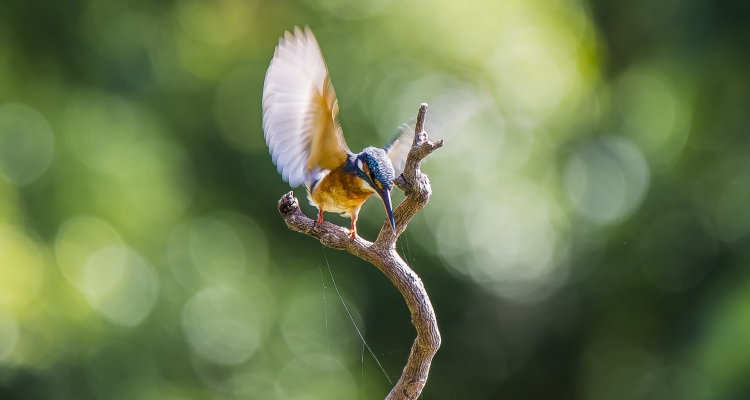
A 2-week Rwanda birding and primate safari offers an immersive experience, covering top birding sites like Nyungwe Forest and Akagera National Park, alongside gorilla trekking in Volcanoes National Park. This itinerary combines 700+ bird species (including 29 Albertine Rift endemics) with chimpanzee, golden monkey, and big game viewing in savannahs, usually best from June-September or December-February.
12-days-perfect-rwanda-birding-safari-itinerary
10-days-best-rwanda-birding-safari-combined-with-rwanda-gorilla-trekking-vacation
5-days-perfect-rwanda-birding-safari-and-wildlife-and-gorilla-trekking
14-days-rwanda-uganda-birding-safari-extravaganza-focused-on-the-albertine-endemics
2 weeks Rwanda birding tour and Rwanda primate safari experience
This 14-day Rwanda birding and primate itinerary blends national treasures across four premier habitats: Kigali’s urban biodiversity, Akagera’s savanna and wetlands, Nyungwe Forest’s montane canopy, and Volcanoes National Park’s highland forests. Expect a diverse fauna list spanning birds, primates, and iconic megafauna. Birds to look for include Shoebill, Papyrus Gonolek, Grauer’s Rush Warbler, Rwenzori Turaco, Kungwe Apalis, Red-collared Mountain Babbler, Handso me Francolin, Grauer’s Warbler, African Fish Eagle, Pied Kingfisher, Black-winged Oriole, Olive Sunbird, and Great Spotted Cuckoo, among many others. Mammals range from elephants, buffalo, giraffes, and lions to chimpanzees, mountain gorillas, and golden monkeys. The route moves from Kigali’s city edges to Akagera’s papyrus swamps, then climbs into Nyungwe’s misty forests, before pausing at Lake Kivu and Volcanoes National Park for primate encounters. Transfers are paced to maximize daylight observations and minimize fatigue, with canopy walks, boat safaris, and guided treks providing intimate wildlife moments. Guides tailor daily plans to optimize light, animal activity, and photography opportunities, ensuring a balanced rhythm of exploration, rest, and reflection.
Day 1 — Kigali & Akagera National Park (160 words)
Arrival in Kigali sets the stage for rapid wildlife immersion as you transition toward Akagera’s savanna and wetlands. Early drive delivers classic savanna sightings: elephants threading through acacia, distant lions on low ridges, and giraffes nibbling upper branches. Papyrus swamps host diverse birdlife: Papyrus Gonolek, Yellow-billed Hornbill, and Grey Crowned Crane may appear near reedbeds, while African Fish Eagles patrol open water. In the lowland scrub, you’ll encounter buffalo, warthogs, and warblers flitting through grasses. With water bodies nearby, expect hippos, Nile crocodiles, and African Openbills gliding over reflections at dawn. Raptors such as Bateleur and Martial Eagle deliver keystone moments against a morning sky. Water birds on Lake Ihema intensify the scene: African Jacana, Malachite Kingfisher, and African Skimmer skitter along margins. Evening reveals nocturnal species—Leopard glimpses from distant thickets, nightjars calling from reed edges, and jackal silhouettes on headlights. The day ends with a lodge dinner and safari-ready anticipation for more riverine and papyrus-dominated habitats tomorrow.
Day 2 — Akagera National Park (160 words)
A full day in Akagera intensifies both land and water biodiversity. Dawn game drives visit open plains for lions, elephants, and zebras, with giraffes browsing on acacia canopies and buffalo herds moving in loose herds. The northern sector adds opportunities to observe hartebeest and impala—familiar companions to predatory activity. Water-based sightings drive the day: hippos lounge in lake margins, while Nile crocodiles rest on sunlit banks. Papyrus wetlands yield a chorus of birdlife: Yellow-billed Duck, Purple Heron, and White-winged Tern add color to the reed beds, complemented by Papyrus Gonolek and Yellow-billed Hornbill in taller stands. Aquatic birds like African Fish Eagle and African Openbill patrol the waterways, and kingfishers—Malachite and Pied—freely dive for sport. Grayish represented shorebirds include Sedge Warbler and Reed Warbler around freshwater edges. Afternoon drives bring additional mammals: zebra, warthog, eland, oribi, and possibly a leopard or serval crossing open stretches. Night drives or stargazing add potential sightings of nocturnal species: nightjars, porcupines, and small carnivores in dense cover.
Day 3 — Akagera: Wetland & Savanna Focus (160 words)
Today centers on the wetland mosaic and savanna edge dynamics. Dawn light filters over papyrus swamps, highlighting Yellow-billed Hornbill, Papyrus Gonolek, and Papyrus Warbler as birds move along reed stands. Waterbirds circle the lake margins: African Fish Eagle sours overhead, while African Skimmer skims the surface in shallow bays. Shorebirds include Lesser Moorhen and African Water Rail in reedy pockets, with Malachite and Pied Kingfishers punctuating the shoreline. In drier zones, lion prides, lone leopards, and spotted hyenas create tense moments, and elephants sweep across grasslands with calves in tow. Giraffe silhouettes drift between acacia trees, and buffalo graze along riverine borders. Raptors create dramatic hunts against a bright sky: Bateleur, Martial Eagle, and Lanner-type falcons. End-of-day sightings may include nocturnals—Leopard cats or Genets—near camp areas, with Nightjars calling from brush. The day concludes with reflections on a landscape where aquatic and terrestrial life intersect and where photography opportunities abound from dawn to dusk.
Day 4 — Akagera to Nyungwe Forest (160 words)
A long, scenic transfer takes you from Akagera’s savanna to Nyungwe’s montane forest. Stopovers along the way yield quick birding checks: White-winged Apalis, Black-throated Wattle-eye, and Mountain Wagtail near rocky outcrops. In the mid-elevation zones, African Hawk-Eagle may wheel over open country, and a distant Red-chested Sunbird flickers in roadside gardens. Arriving at Nyungwe, the cooler climate promotes a shift to high-elevation specialties. The forest’s edge roars with color as Turacos, Green-breasted Pitta, and Narina Trogon reveal themselves on fruiting trees. Albertine Rift endemics—Rwenzori Turaco, Grauer’s Warbler, and Handsome Francolin—provide standout moments along canopy walks and forest trails. Evening light invites owl and Nightjar activity, with possible sightings of Navadensis Flycatcher lingering in dim understory. Lodging near the forest allows for near-dawn starts and relaxed late afternoons, balancing travel fatigue with prime birding windows. A night briefing confirms chimpanzee tracking plans for Day 5 and highlights forest etiquette for sensitive habitats.
Day 5 — Nyungwe Forest: Birds & Chimpanzee Tracking (160 words)
This day packs chimpanzee trekking in Cyamudongo Forest with focused birding along the way. Morning primate viewing yields dramatic social interactions and facial expressions ideal for behavior photography. After the trek, target Albertine Rift endemics within Nyungwe’s dense canopy: Green-tailed Bristlebill, Grauer’s Warbler, Kungwe Apalis, and the striking Rwenzori Turaco may appear during mid-canopy forays. The canopy walk provides vantage points for canopy-dwelling birds such as Narina Trogon, Green Magpie, and various sunbirds that flash through fruiting trees. Forest edge species include White-eyed Slaty Flycatcher, Sooty Barbet, and Stripe-throated Mountain Babbler in trail corridors. Watercourses add kingfishers and herons when streams widen, while honey guides and sunbirds brighten flowering shrubs. Evenings present opportunities for night birds and small mammals. The day emphasizes a rhythm of primate observation, targeted birding, and patient photography in a humid, biodiverse forest environment.
Day 6 — Nyungwe to Volcanoes National Park (160 words)
The transition to Volcanoes National Park moves through rolling hills and tea estates with roadside birding that yields Bar-tailed Larks, White-headed Black-Eyes, Yellow-fronted Canary, and Cinnamon-breasted Bunting. Arrival at Volcanoes shifts attention to montane and bamboo habitats. Look for Rwenzori Turaco, Grauer’s Warbler, and Mountain Buzzard-Eagle on higher ridges, with Shelly’s Monal-Parrot and African Green Broadbill in dense stands. Bamboo zones host Golden Monkeys and a range of forest birds, while edge habitats harbor Alpine species like Alpine Pipit and Alpine Chat. Night birding in lower elevations may reveal Hartlaub’s Turaco and various nightjars. Canopy and mid-story birds—Kingfishers, Pigeons, and Sunbirds—provide additional angles for photography. The day ends with gorilla tracking logistics reviewed and gear prepared for prime primate habitats, maintaining a balance between birding and primate opportunities across the park.
Day 7 — Volcanoes National Park: Gorilla Trekking Prep (160 words)
Day 7 emphasizes prep for gorilla trekking and continued birding around Volcanoes. Early mornings yield forest birds along edge treelines: Crowned Hornbill, African Paradise Flycatcher, Alpine Warbler, and White-naped Raven present near viewpoints and forests. The lead activity centers on gorilla tracking in misty montane forests with opportunities to observe unique primate behaviors, often accompanied by a diverse chorus of forest birds and passerines. After viewing gorillas, return to the lodge to rest, perform light editing on photographs, and share sightings with guides for field notes. Afternoon birding around bamboo zones or along tea-estates can reveal Grauer’s Warbler, Handsome Francolin, and Rwenzori Turaco nestled in canopy gaps. Evening capacity planning for Golden Monkey tracking on Day 13 is touched upon, ensuring permits and logistic considerations are aligned with your preferences for primate encounters and birding. The day concludes with scenic viewpoints and local cultural briefings.
Day 8 — Volcanoes National Park: Golden Monkeys & Birds (160 words)
Today centers on golden monkey tracking in Volcanoes and associated birding opportunities. Early treks to bamboo zones reveal golden monkeys swinging through mossy branches, often yielding close-up behavioral photography as they forage. Bird activity accompanies primates: forest kings, barbets, and sunbirds flash through the understory, while Rwenzori Turaco and Grauer’s Warbler appear at higher elevations in bamboo corridors. The montane forest hosts mimics of open-country birds—Alpine Accentors and Pipits—upon rocky outcrops and ridges. After monkeys, birding returns to mid-story birds: Green-backed Alcalat, White-winged Apalis, and Black-faced Apalis in fruiting trees along forest edges. Canopy walks offer vantage points for Narina Trogon and Green Magpie, while watercourses produce kingfishers and waders when streams widen. The day wraps with a reflective dinner and planning for Day 9’s Lake Kivu and Lake-level birding, ensuring smooth transitions between habitats and efficient use of daylight.
Day 9 — Lake Kivu & Transfer to Volcanoes (160 words)
A lighter travel day with selective birding around Lake Kivu. Morning shorelines yield African Fish Eagle, White-winged Tern, and Pied Crow, with waterbirds gliding by the lake’s glassy surface. On the lake, boat-based viewing highlights African Skimmer and Little Bittern, while hovering kingfishers watch for fish. After lunch, a scenic transfer to Volcanoes National Park includes light stopovers for roadside birding: Olive Sunbird, Sunbird Spice, and Green Vanga spark field notes. Evening arrival at Volcanoes provides a second chance to observe dusk species along park boundaries and bamboo edges. The focus remains on consolidating sightings from Lake Kivu and preparing for Gorilla and Golden Monkey treks. Night drives or walks may reveal nocturnal species like Egyptian Nightjar or African Scops Owl near lodge grounds, adding a final note to a day that bridges lakeside serenity with montane forest intrigue.
Day 10 — Volcanoes: Gorilla Trekking Prep & Birding (160 words)
Gorilla trekking looms large today, but opportunities for early-morning birding persist. Walks along forest trails reveal canopy-dwelling birds such as Grauer’s Warbler, Handsome Francolin, and Crowned Hornbill, plus mountain-edge specials like Alpine Warbler and Mountain Yellow Warbler. After arrival back from gorilla trekking, the afternoon offers more birding along edge habitats: Green-backed Camaroptera, Scarce Nicator, and White-naped Raven feeding near fruiting trees. The lodge gardens may host sunbirds and kingfishers while visitors plan for Golden Monkey tracking on Day 13. A short canopy walk can yield Narina Trogon in mid-canopy and Green Turaco overhead. The day ends with a debrief on gorilla behavior, safety reminders for treks, and a review of camera settings for forest illumination.
Day 11 — Volcanoes: Golden Monkeys & Birding (160 words)
Golden Monkey tracking takes center stage with dramatic leaps through mossy bamboo; expect dramatic photo opportunities as primates forage near fruiting trees. Birding complements primates with forest and edge species: Grauer’s Warbler and Handsome Francolin in bamboo zones; Rwenzori Turaco flashing iridescent green along canopy lines. Mid-story birds like Green-capped Eremomela and Gabon Nightjar at dusk add variety. Raptors are a constant backdrop, with Augur Buzzard and Long-tailed hawk observed overhead during treks. Edge habitats around tea estates contribute Alpine Pipits and White-throated Swallows in open fields. In forest clearings, look for White-eyed Slaty Flycatcher and Sooty Barbet perched on stubs. The day ends with logistics for Day 12’s Gorilla Trekking and Day 14 departure, including packing plans, gear checks, and final wildlife wish lists.
Day 12 — Gorilla Trekking Prep (160 words)
Gorilla trekking prep combines forest safety briefings with last-minute birding checks around Volcanoes. Early morning paths yield Crowned Hornbill, African Paradise Flycatcher, and Alpine Warbler along edge plots and viewpoints. After gorilla treks, revisit montane edges for additional birds: Grauer’s Warbler in denser thickets, Mountain Babbler, and White-crowned Robin-Chat in clearings. Afternoon birding can target specialty species such as Handsome Francolin and Rwenzori Turaco near bamboo stands. Night walks near lodge grounds may reveal owls and small mammals. The day balances physical exertion with observational opportunities, ensuring you’re rested for Day 13’s Golden Monkey tracking, and Day 14’s Kigali departure.
Day 13 — Golden Monkeys & Last Birding (160 words)
The Golden Monkey tracking experience sits at the heart of today, with acrobatic displays amid mossy bamboo and fruiting trees providing dynamic photo opportunities. Birding runs along forest edges and canopy corridors yield Grauer’s Warbler, Kungwe Apalis, and Green Turaco, while mid-story birds include White-winged Apalis and Green-backed Camaroptera. Alpine birds emerge at higher elevations; Alpine Warbler and Alpine Accentor show briefly near ridges. The day also allows a final pass through lower-canopy zones for Sooty Barbet, Narina Trogon, and Yellow-fronted Canary. Evening packing and logistics review wrap up the itinerary, with a recap of favorite sightings and field notes. A closing night in Volcanoes offers one last chance for night birds and a final reflection on a trip that blended mountain and forest life with intimate primate encounters.
Day 14 — Kigali & Departure (160 words)
A final Kigali day blends light birding with cultural and logistical wrap-up. Morning birding around Nyarutarama Lake yields waterbird highlights: Little Grebe, African Darter, and Common Moorhen, with passerines like Varied Thrush and White-winged Crow gracing nearby trees. Transfer to Kigali for onward travel, making time for any last stops at a local market or craft corner for keepsakes. If flight times permit, a brief city stroll can reveal street biodiversity—house sparrows, weaver birds, and sunbirds visiting urban gardens. The trip concludes with a review of sightings, field notes, and photo backups, ensuring you depart with a robust list of birds and primates across Rwanda’s diverse habitats. This 14-day itinerary aims to balance dense wildlife blocks with comfortable pacing, thoughtful logistics, and memorable encounters that resonate long after your return.
Best Time for Rwanda birding safari
Rwanda’s birding and primate magic unfolds across distinct seasonal patterns, so selecting timing hinges on your priorities. The dry seasons, typically June through September and December through February, are particularly favorable for trekking in forested and montane habitats. Trails are drier, footing steadier, and visibility improves as rain is less likely to disrupt field days. This window also tends to yield cleaner wildlife silhouettes against open skies, aiding photography and viewing of highland species and large mammals at key sites like Volcanoes and Nyungwe. For gorilla and golden monkey treks, drier mornings reduce post-night humidity on the trails, creating more comfortable and productive trekking conditions.
If your focus is peak avifauna and a higher chance of cross-ecosystem moves, March–May (the long rainy season) and October–November (the short rains) offer lush vegetation and fruiting events that attract a flurry of passerines, tanagers, and forest edge birds. Bird activity often increases during dawn hours when mist lifts and dew settles on leaves, presenting opportunities to observe insectivores actively foraging. These shoulder periods can also deliver quieter roads and fewer crowds at popular sites, allowing extended photos and patient birding. In sum, use June–September and December–February for smoother treks, and March–May or October–November for a richer birding tapestry, adjusting daily plans to local weather and fruiting phenology.
Key Birding Spots
Rwanda highlights three premier birding arenas that shape most itineraries: Nyungwe National Park (montane forest), Akagera National Park (savannah and wetlands), and Volcanoes National Park (montane rainforest). Each site anchors a distinctive avifauna and offers specialized viewing windows for diverse life lists.
Nyungwe National Park is renowned for its elevated biodiversity. Montane forests host Albertine Rift endemics and canopy specialists such as Rwenzori Turaco, Grauer’s Warbler, Kungwe Apalis, and Green-tailed Bristlebill. The canopy walk provides unique angles to photograph Narina Trogon, Green Magpie, and sunbirds. Birding here often centers on mid- to upper-story birds, though understory species like White-eyed Slaty Flycatcher and Sooty Barbet also reward patient observers. Expect misty mornings, lush epiphytic growth, and a chorus of forest birds that respond to sunrise.
Akagera National Park contrasts with Nyungwe through open savanna, lakes, and papyrus wetlands. Papyrus Gonolek, Yellow-billed Hornbill, and Papyrus Warbler are signature papyrus specialists, while waterbirds such as African Fish Eagle, Malachite Kingfisher, and African Openbill populate lake margins. Shorebirds along reed beds, plus raptors like Bateleur and Martial Eagle, round out a day of varied sightings. Night drives in Akagera can produce nocturnal species like Leopards and Nightjars, adding a different chapter to a broadly textual birding tapestry.
Volcanoes National Park offers montane forest specialists and highland endemics. Target species often include Grauer’s Warbler, Handsome Francolin, Rwenzori Turaco, and Alpine-affinity birds at higher elevations. Bamboo zones favor Golden Monkeys, while edge habitats around tea estates deliver Alpine Pipit and other montane edge birds. Canopy and mid-story birds such as Narina Trogon, Green Turaco, and various kingfishers contribute to a layered viewing experience, often enhanced by dramatic viewpoints along ridges and bamboo belts.
Key Primates
Rwanda’s primate assemblage is a compelling complement to its birding, with three flagship species that anchor most itineraries: Mountain Gorillas, Chimpanzees, and Golden Monkeys. Each primate group offers distinct encounters, behavioral nuances, and photography opportunities, enriching a wildlife-focused itinerary.
Mountain Gorillas are the marquee experience in Volcanoes National Park. Treks typically begin at dawn, guiding groups through montane forests where gorilla families move through bamboo and mossy clearings. Observations emphasize close social interactions, nursing, play, and grooming behaviors, often framed by the misty backdrop of highland forests. Guided rules emphasize respectful distances and safety, ensuring a memorable and sustainable encounter. The photographic window often includes momentary facial expressions, infant play, and silverback postures that convey family dynamics. While trekking duration can vary, the emotional resonance and documentary value of gorilla treks consistently rank among the world’s wildlife highlights.
Chimpanzees in Nyungwe and adjacent Cyamudongo Forests provide another dimension to primate watching. Treks reveal social hierarchies, tool-use demonstrations, and vocal communications that echo through the canopy. Interactions with birds and other forest residents are common, creating layered field notes across taxonomic groups. Chimpanzee encounters require patience as groups move quickly and unpredictably, rewarding observers with intimate moments of behavior, foraging, and play.
Golden Monkeys in Volcanoes’ bamboo zones complete the triad. These agile primates often traverse vine-stitched branches and mosaic bamboo stands, offering kinetic action shots and social behavior depicting bonding and grooming. The altitudinal context of golden monkey habitats adds a striking visual element to photography, with mossy foliage and cool air providing a distinctive mood. Across all three primate species, guided trackers, clear safety briefings, and a respectful wildlife ethos enhance the quality and sustainability of the experiences.
Optional Addition: Bwindi Extension
An optional Bwindi Impenetrable Forest extension in Uganda can significantly broaden birding and primate opportunities for seasoned itineraries. Bwindi’s dense montane forest and network of dripping moss lines create a rich biodiversity stage that complements Rwanda’s assets, expanding both species lists and behavioral observations.
Birding highlights and species potential
- Bwindi’s forest hosts a suite of Albertine Rift endemics and forest specialists, including Grauer’s Warbler, Chapin’s Flycatcher, and Handsome Francolin, alongside Green Blackbird and various turaco species.
- Cloud forest microhabitats increase the likelihood of seeing canopy-dwelling birds such as Grauer’s Warbler and Green-backed Camaroptera, with opportunities for intimate portraits in dim light.
- Edge habitats near tea estates and forest gaps yield Alpine-related species, such as Alpine Flycatcher and Alpine Accentor, broadening montane lifelist options.
Primate and mammal synergy
- Bwindi is globally renowned for Gorilla tracking in its own right, enabling a combined itinerary that blends gorilla treks with Rwanda’s gorilla and golden monkey themes. This cross-border approach creates a robust, multi-country wildlife catalog.
- Chimpanzees and other primates are encountered in forested sectors, often alongside a suite of bird species, offering integrated field notes for naturalists who track interspecies interactions.
Logistics and planning considerations
- Bwindi extensions require careful coordination for cross-border travel, permit timing, and accommodation logistics to minimize fatigue. Transport efficiency, permit availability, and guide expertise are critical for a seamless addition.
- Weather in Bwindi can be more variable, with frequent showers and cooler climes, so packing should emphasize rain gear, layering, and camera protection.
- A successful extension hinges on flexible scheduling to align with gorilla trekking windows, canopy walks, and ridge-edge birding that Bwindi uniquely enables.
Booking Rwanda birding safari with us Roads of Adventure safaris
Book your unforgettable Rwanda birding safari with Roads of Adventure Safaris, a top-rated operator. We offer custom, expert-guided tours targeting Albertine Rift endemics in Nyungwe Forest, Akagera, and Volcanoes National Park. Experience tailor-made, flexible itineraries featuring, gorilla trekking and over 1,000 bird species. Enjoy personalized service from passionate, local guides. Book now for competitive, mid-range adventures
