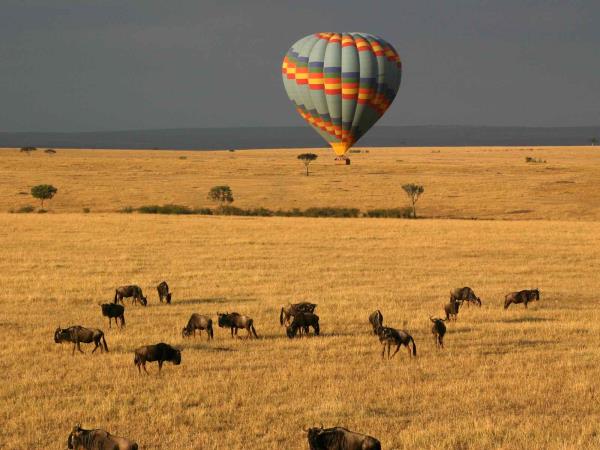
A 14-day Tanzania safari for first-timers usually combines the "Northern Circuit" (Serengeti, Ngorongoro, Tarangire) with a relaxing 3-4 day beach stay in Zanzibar. This itinerary maximizes wildlife viewing—including the Big Five—and cultural encounters with the Maasai or Hadzabe tribes before ending with tropical beaches. Expect high-quality game drives in top national parks.
14-days-best-of-kenya-and-tanzania-wildlife-photography-safari-tour
14-days-best-tanzania-honeymoon-safari-and-zanzibar-for-couples
14-Day Northern Circuit & Zanzibar Itinerary
Embarking on a 14-day adventure in Tanzania allows travelers to discover some of the country’s most remarkable wildlife and natural beauty. This itinerary covers the Northern Circuit, well-known for its rich biodiversity, including iconic species such as elephants, lions, leopards, buffaloes, rhinoceroses, giraffes, zebras, wildebeests, flamingos, hippos, and various antelope. Each park offers a unique opportunity to observe these animals in their natural habitats. Whether lounging under a baobab tree in Tarangire or watching lions climb trees in Lake Manyara, the variety is captivating. Following the wildlife tour, relaxing on the beaches of Zanzibar provides the perfect contrast. Travelers can enjoy the vibrant culture of Stone Town while enjoying the turquoise waters and pristine sands. This itinerary balances wildlife viewing, cultural encounters, and leisure time, making it ideal for anyone looking to explore Tanzania’s incredible diversity.
Day 1: Arrive in Arusha
Arriving in Arusha marks the beginning of your 14-day adventure in Tanzania. After clearing customs at Kilimanjaro International Airport, a guide will meet you and transfer you to your hotel. Arusha is the gateway to Tanzania's national parks and offers a vibrant atmosphere with local markets and dining options. You can take a leisurely walk around town, visiting shops that sell crafts and souvenirs. Enjoy your first taste of Tanzanian cuisine at a local restaurant. The warm hospitality of the locals sets the tone for your upcoming safari. Ensure you rest well to prepare for your thrilling days ahead. Your safari excursion will soon begin, offering ample opportunities to observe iconic wildlife species.
Day 2-3: Tarangire National Park
Over the next two days, you'll visit Tarangire National Park, famous for its large elephant herds and remarkable baobab trees. Each morning, your guide will take you on game drives through the park. On the first day, you’ll encounter elephants roaming in large herds, along with buffaloes grazing at the waterholes. As you drive through the park, you might spot lions lazing in the shade and leopards resting high in the branches of acacia trees. Birdwatchers will find plenty of species, such as the vibrant yellow-collared lovebird and various raptors. The second day allows for additional exploration of Tarangire, with opportunities to see giraffes, zebras, and antelopes, such as the Grant's gazelle. Return to your lodge in the evening to relax and reflect on your wildlife sightings.
Day 4: Lake Manyara National Park
On Day 4, you will head to Lake Manyara National Park, known for its diverse wildlife and stunning scenery. Your day starts with a morning game drive, where you may have the chance to see the park's famous tree-climbing lions resting on branches. Manyara's wetlands are home to a variety of bird species, including flamingos and various ducks. Hippos wallow in the lake, and if you are lucky, you may spot a herd of elephants bathing nearby. As you explore, keep an eye out for blue monkeys and bushbucks. In the afternoon, you can relax at your lodge while reflecting on the day’s wildlife sightings.
Day 5: Lake Natron
Day 5 takes you to Lake Natron, a striking alkaline lake at the base of Mount Oldonyo L'engai. This unique location offers a different wildlife perspective. You may see thousands of flamingos feeding in the shallows, particularly in the early hours. The area is home to various birds of prey, providing opportunities for birdwatching enthusiasts. You'll have time for a short trek to nearby waterfalls or visit volcanic formations. As the sun sets, the colors of the lake and surrounding area create a vivid backdrop. You’ll spend the night at a nearby lodge, relishing the serene surroundings and the sights of the local environment.
Day 6: Lake Eyasi
On Day 6, you will travel to Lake Eyasi, known for its rich cultural experiences. Here, you will have the chance to meet the Hadzabe and Datoga tribes. During the morning, observe the Hadzabe’s traditional hunting methods, which may include bow and arrow techniques. This unique encounter offers insight into their ancient way of life. You may also join the Datoga in traditional crafts, witnessing their skills in beadwork and pottery. Wildlife sightings include dik-diks and various birds along the lake shore. In the afternoon, return to your lodge to unwind, reflecting on the cultural richness you have encountered during the day
Day 7: Ngorongoro Crater
Day 7 features a descent into the Ngorongoro Crater, a UNESCO World Heritage Site, filled with incredible wildlife. The morning starts early as you drive down to the floor of the crater, dotted with vast grasslands and acacia forests. Expect to see an abundance of wildlife, including the Big Five: lions, elephants, leopards, rhinos, and buffaloes. The dense population of predators provides unique photographic opportunities. If you’re lucky, you may witness a lion pack on the hunt or a rhino grazing peacefully. In addition to these famous species, you may also see hyenas, hippos, and various bird species. After a full day of exploration, you will return to your lodge for dinner.
Day 8-10: Serengeti National Park
The next three days are centered around the Serengeti National Park, renowned for its wildlife. Each day begins with an early morning game drive, maximizing your chances of spotting lions, elephants, cheetahs, and other iconic animals. Depending on the season, you may witness the Great Migration, a movement of wildebeests and zebras searching for greener pastures. Look for large herds of gazelles and the occasional leopard lounging in a tree. Your days will be filled with diverse wildlife encounters, providing ample photographic opportunities. Each evening, share stories of your sightings at your lodge and enjoy traditional meals with fellow travelers.
Day 11-14: Zanzibar Island
After an exhilarating safari, the final leg of your adventure takes you to Zanzibar Island. For the next four days, unwind on beautiful beaches and explore the local culture. Start with a visit to Stone Town, where you can wander through narrow streets filled with historic buildings, shops, and food stalls. Discover the rich history at the former slave market and the stunning Sultan’s Palace. After exploring, relax on the island's beautiful beaches, where you can swim, snorkel, or simply bask in the sun. Enjoy local seafood dishes, and consider a spice tour to learn about the island's fragrant heritage. This combination of relaxation and cultural enrichment rounds out your 14-day itinerary, making it a memorable conclusion to your Tanzanian adventure.
1. What is included in a 14 days Tanzania safari?
A 14-day Tanzania safari package typically includes a variety of essential components to ensure a seamless experience. Accommodation is usually provided in either lodges or tented camps, offering comfortable and safe resting places between wildlife explorations. Travelers are transported in 4x4 safari vehicles designed for game drives, allowing optimal visibility and comfort while observing wildlife.
Experienced local guides accompany guests, sharing their in-depth knowledge of the parks, animals, and ecosystems, which enriches the safari experience. The cost usually covers park fees, permitting access to the various protected areas you'll visit throughout your safari itinerary. Meals are generally included, ranging from full-board accommodations (breakfast, lunch, and dinner) at lodges to pre-packed lunches during long game drive days.
Airport transfers at the beginning and end of the safari are also part of the package, facilitating easy arrivals and departures. Some packages may include additional perks, such as cultural tours, guided walks, or night game drives, depending on the itinerary. Overall, a well-organized 14-day safari package offers a comprehensive experience, allowing travelers to focus on enjoying their time in Tanzania without worrying about logistics.
2. Which parks are visited during a 14 days Tanzania safari?
During a 14-day Tanzania safari, travelers typically explore the Northern Circuit, which encompasses several iconic parks. The itinerary commonly includes the Serengeti National Park, renowned for its extensive wildlife and the Great Migration, where millions of wildebeests and zebras traverse the plains. The chance to spot the "Big Five"—lions, leopards, rhinos, elephants, and buffaloes—makes the Serengeti a highlight of the trip.
Another key destination is the Ngorongoro Crater, a UNESCO World Heritage Site that houses a high density of wildlife, including predators and herbivores in a unique volcanic environment. Visitors often describe the crater as one of Africa's premier game-viewing destinations.
Tarangire National Park, famous for its large herds of elephants and distinctive baobab trees, is also included. The park provides opportunities for diverse wildlife sightings, from lions to a wealth of bird species.
Lake Manyara National Park is part of the itinerary, recognized for its tree-climbing lions and large flocks of flamingos that inhabit the lake. Additionally, some itineraries may feature a visit to Arusha National Park, which offers a glimpse of diverse ecosystems and attractions such as Mount Meru.
This mix of parks allows for various wildlife encounters, showcasing the best of what Tanzania has to offer over the course of the two-week safari.
3. Is a 14 days safari too long for a first-timer?
No, a 14-day safari is generally considered ideal for first-time travelers to Tanzania. This duration allows individuals to thoroughly explore the diverse wildlife and landscapes without feeling rushed. Unlike shorter itineraries, which can lead to fatigue from constant traveling, a 14-day journey promotes a more leisurely pace.
With ample time in each location, travelers can delve deeper into the unique environments of the parks, offering richer interactions with the local wildlife. For instance, spending multiple days in the Serengeti lets visitors witness the Great Migration if their timing is right and increases the likelihood of seeing various species, from big cats to elephants and giraffes.
Moreover, combining the safari with leisure days in Zanzibar at the end provides a balanced experience, letting first-timers relax on beautiful beaches after their adventurous days in the bush. This blend of wildlife exploration and relaxation makes the trip gratifying.
Additionally, extended trips allow for cultural experiences, such as visiting local Maasai villages or heading to Lake Eyasi to meet the Hadzabe and Datoga tribes, creating a more comprehensive understanding of Tanzania's rich culture. Thus, a well-planned 14-day itinerary is optimal for newcomers.
4. When is the best time for a 14 days Tanzania safari?
The best time for a 14-day Tanzania safari generally falls during the dry season, which runs from late June to October. This period is exceptionally favorable for wildlife viewing as animals congregate around limited water sources, enhancing the likelihood of spotting them during game drives. The dry grasslands make it easier to see wildlife, including the "Big Five," throughout the national parks.
Individuals interested in witnessing the Great Migration, where millions of wildebeests and zebras move in search of greener pastures, should plan their safari around this time. In particular, the migration peaks from July to September when animals cross rivers in the Serengeti, presenting dramatic spectacles for photographers and wildlife enthusiasts.
Alternatively, if visitors are keen to see the calving season when baby wildebeests are born, January to February is another excellent time. During these months, the southern Serengeti becomes a nursery, attracting predators and offering a distinctive wildlife viewing experience.
While the dry season offers the best wildlife opportunities, it's worth noting that each season has its charm. The green season from November to April brings newborn animals, vibrant flora, and fewer tourists, making it an attractive time for those seeking a quieter experience. Depending on personal preferences, each time of year brings unique wildlife sightings and activities.
5. What is the cost of a 14 days Tanzania safari?
The cost of a 14-day Tanzania safari varies widely based on several factors, including the level of accommodation, type of tour, and the specific experiences included. Budget tours typically start around $3,000 to $5,000 per person. These tours often include camping or basic lodges, meals, park fees, and transport but may involve shared accommodation.
For mid-range packages, prices generally range from $6,000 to $10,000 per person. These tours usually consist of comfortable lodges or tented camps with amenities, allowing travelers to enjoy a more comfortable safari experience without drastically increasing costs.
Luxury safari experiences can easily exceed $10,000 per person, featuring upscale lodges with exceptional service, gourmet meals, and often private guides. These packages provide a more exclusive experience with personalized attention and premium accommodations, greatly enhancing comfort during the safari.
It's also essential to factor in additional costs, such as international flights, travel insurance, souvenirs, tips, and optional activities. Depending on the operator and inclusivity of the package, costs may vary significantly. Overall, individuals should carefully research different packages and operators to find one that aligns with their budget and expectations.
6. Can I combine a 14 days safari with Zanzibar?
Yes, combining a 14-day safari with a beach holiday in Zanzibar is highly popular among travelers. It allows for a well-rounded experience that includes both wildlife exploration and relaxation. A typical itinerary might consist of 9 to 10 days of safari across various national parks, followed by 4 to 5 days of leisure on the beautiful beaches of Zanzibar.
After exciting days of spotting wildlife and engaging in cultural activities, many travelers find unwinding on the island's sandy shores a refreshing conclusion to their trip. Zanzibar offers a range of activities to enjoy, from leisurely beach time and snorkeling in the pristine waters to exploring the rich history and vibrant markets in Stone Town.
The logistics of this combination are quite manageable; many safari operators offer packages that seamlessly transition from the safari to Zanzibar. Some tours may even include domestic flights to save time.
This blend of adventure and relaxation caters to diverse preferences, making it a versatile option for travelers seeking both wildlife encounters and a tranquil beach experience. Overall, adding Zanzibar to your Tanzania safari enhances the overall journey, creating lasting memories.
7. What is the "Big Five," and can I see them in 14 days?
The "Big Five" refers to lion, leopard, rhinoceros, elephant, and buffalo—a term originally coined by big-game hunters to signify the most difficult animals to hunt on foot. In a 14-day safari, travelers have an excellent chance to see all five species, especially when visiting renowned areas like the Serengeti and Ngorongoro Crater.
In the Serengeti, game drives increase opportunities to spot lions lounging or hunting, as well as leopards resting in trees. The elephants can often be seen gathering in herds, and the chances of spotting rhinos are best in the Ngorongoro Crater due to its high density of wildlife. Additionally, buffaloes are frequently located in various parks, notably in Tarangire.
With a well-structured itinerary that includes several game drives in optimal locations, your 14-day safari offers ample opportunities to observe these magnificent creatures in their natural habitats. Besides the Big Five, travelers will also encounter a plethora of other wildlife, enhancing the overall safari experience. Sightings not only provide exciting moments but also contribute to a deeper understanding of wildlife conservation.
8. Is a 14 days safari suitable for children?
Yes, a 14-day safari can be suitable for children, but it is often advisable to opt for a private safari. This allows families to tailor game drive lengths and accommodate children's needs better, maintaining engagement throughout the trip. Many lodges and camps offer family-friendly accommodations and activities, ensuring that children have a comfortable and enjoyable experience.
When choosing a safari, look for operators that specialize in family safaris. They often provide knowledgeable guides who can tailor explanations to be engaging for younger audiences. The flexibility of a private safari allows families to set their own pace, possibly including break times or special activities that cater to children's interests.
Certain parks may also be more conducive to families, offering a range of experiences that can captivate young minds. Sites like the Ngorongoro Crater and Serengeti provide thrilling wildlife sightings, while cultural visits, such as meeting local tribes, add educational elements to the adventure.
Overall, while a 14-day safari can be fulfilling for kids, ensure that the itinerary incorporates enough variety in activities to maintain their interest and excitement throughout the experience.
9. Should I choose a fly-in or driving 14 days Tanzania safari?
Choosing between a fly-in or driving safari for a 14-day Tanzania adventure depends on personal preferences and budget considerations. Driving safaris are typically more economical and offer scenic routes between parks. Travelers enjoy the opportunity to witness changing landscapes and spot wildlife en route. This method of travel creates an immersive experience and memorable encounters along the way.
While driving provides scenic views and a sense of adventure, it may take more time to transition between parks, particularly if distances are significant. Ideally, many itineraries utilize a combination of both. Drivers may transport you to primary parks while providing insight into the surrounding areas, and domestic flights can facilitate quicker transfers to more distant locations, such as flying from the Serengeti to Zanzibar.
On the other hand, flying saves time and can be a great option for those with limited vacation days. However, flights may increase the overall cost of the trip. Consider your travel goals, budget, and desired experiences carefully when making the decision to ensure an enjoyable 14-day safari adventure.
10. What clothes should I pack for a 14 days safari?
Packing the right clothing for a 14-day Tanzania safari is essential for comfort and practicality. Opt for lightweight, neutral-colored clothing, as this helps blend in with your surroundings and minimizes the attention of insects like tsetse flies. Light khaki, beige, or olive green are recommended shades.
Since temperatures can vary, especially in the early mornings and evenings, it's wise to bring layers. A warm fleece or jacket will keep you comfortable during cooler early morning game drives. Sturdy, breathable walking shoes or hiking boots are recommended for both walking safaris and general activities.
As a precaution against the sun, include a wide-brimmed hat, sunglasses, and sunscreen to protect yourself from UV rays. A rain jacket may also be helpful, particularly if you visit during the rainy season.
Consider a small backpack for day trips to carry water, snacks, and personal items. A refillable water bottle is also recommended for hydration during your safari. Being appropriately dressed and prepared will ensure a comfortable and enjoyable safari experience.
11. What kind of accommodation is used?
In a 14-day safari, accommodations vary widely, catering to different budgets and preferences. Options may include budget camping, mid-range tented camps, and luxury lodges, each offering unique experiences.
Budget camping typically consists of basic tents set up in public campsites. This option is generally more economical and provides a closer connection with nature. Camping offers shared bathroom facilities and communal meal arrangements, creating a friendly atmosphere among travelers.
For those seeking comfort, mid-range tented camps provide private tents with better amenities, such as en-suite bathrooms and hot showers. These camps often incorporate local materials and designs to enhance the overall experience while maintaining a sense of adventure.
Luxury lodges offer premium accommodations with high-end services, gourmet meals, and stunning views. Many lodges come with spacious rooms, private balconies, and exquisite decor, enhancing the overall safari atmosphere.
Regardless of the accommodation type, safari operators often choose locations that are close to wildlife viewing areas, providing easy access to the parks, allowing you to maximize your time for animal sightings. Ultimately, the choice of accommodation will depend on individual preferences and budget.
12. Is there malaria in the areas covered in a 14 days safari?
Yes, malaria is present in many regions of Tanzania, including areas commonly visited on a 14-day safari. It is advisable for travelers to consult a doctor or healthcare provider prior to their trip for information on malaria prophylactics. Most healthcare professionals recommend starting medication before arrival and continuing it during and after the trip to ensure comprehensive protection.
Taking additional preventive measures, such as using mosquito repellent and sleeping under treated mosquito nets, can help reduce the risk of malaria infection. Many lodges and camps offer nets and may provide rooms that are mosquito-proofed.
During the safari, travelers should wear long-sleeved shirts and long pants during evening hours when mosquitoes are most active. Staying aware of malaria symptoms is also essential—these include fever, chills, and flu-like symptoms. If you suspect malaria, seeking prompt medical attention is crucial.
Ultimately, being proactive about malaria prevention measures will ensure a healthier, more enjoyable safari experience while exploring Tanzania's incredible wildlife.
13. Are cultural tours included?
Many 14-day Tanzania safari itineraries offer the chance to engage with local tribes, enriching the overall experience. These cultural tours typically involve visiting the Maasai, Datoga, or Hadzabe tribes, particularly near areas like Lake Eyasi. Visiting local communities allows travelers to gain insights into traditional lifestyles, customs, and practices.
Such tours often include opportunities to observe cultural events, such as dances or ceremonies, enabling visitors to appreciate the social structures and values of these communities. Engaging in activities like traditional crafts or cooking can also add depth to cultural interactions.
In most cases, cultural experiences are integrated into the safari itinerary, ensuring they complement wildlife visits without overwhelming the adventure. Planning with the tour operator in advance ensures that cultural activities align with your interests and provide meaningful encounters.
Ultimately, integrating cultural tours into your 14-day safari itinerary enhances appreciation for the richness of Tanzania's heritage, making the journey more holistic. Such interactions foster understanding and respect for diverse ways of life among travelers and the communities they visit.
14. How much tipping is expected?
Tipping is an essential aspect of safari culture in Tanzania and is customary for guides, camp staff, and drivers. While tipping amounts can vary based on personal satisfaction and the level of service received, a general guideline suggests tipping between $10 to $20 per day for driver-guides, depending on the group size and quality of service.
For those participating in camping safaris, consider tipping camp staff separately, usually around $5 to $10 per day. If your itinerary includes exceptional service or memorable experiences, feel free to adjust your tips higher to reflect that.
It’s best to bring cash for tips in small denominations of U.S. dollars or Tanzanian shillings. Handing tips directly to individuals not only shows appreciation for their efforts but also fosters a personal connection.
Regarding group tours, consider pooling tips if you're part of a larger party, simplifying the process. Overall, tipping in Tanzania is a way to support local workers and ensure they receive fair recognition for their hard work, enhancing the overall safari experience for everyone involved.
15. What is the typical daily routine?
A typical day on a 14-day Tanzania safari begins early, often around 5:30 to 6:00 AM, to take advantage of prime wildlife viewing hours. Mornings are generally cooler, making it an ideal time for animal activity. After a quick breakfast, you'll head out for a morning game drive.
Game drives usually last around 3-4 hours, following routes that increase the chances of spotting wildlife. During this time, your guide will provide insights into the various species you encounter. After the morning drive, many itineraries return to the lodge for brunch, allowing guests to relax during the hottest part of the day.
Afternoons can include a rest period or the option of engaging in activities such as cultural tours or guided walks. Afternoon game drives typically resume around 3:00 PM, lasting until sunset. This is another excellent time for seeing animals, as they become more active again.
Dinner provides shared time to discuss the day's sightings and relax before the next adventure. Overall, the daily routine balances activity and rest, offering ample opportunities for wildlife viewing while ensuring travelers enjoy a well-paced adventure.
Booking Tanzania safari with us Roads of Adventure safaris
Book your unforgettable Tanzania safari with Roads of Adventure Safaris for tailored, high-quality, and memorable experiences. Specializing in personalized itineraries, expert guided tours, and diverse options from luxury lodges to budget camps, they ensure seamless planning for wildlife, cultural, or family adventures. Book in advance for best accommodation.
