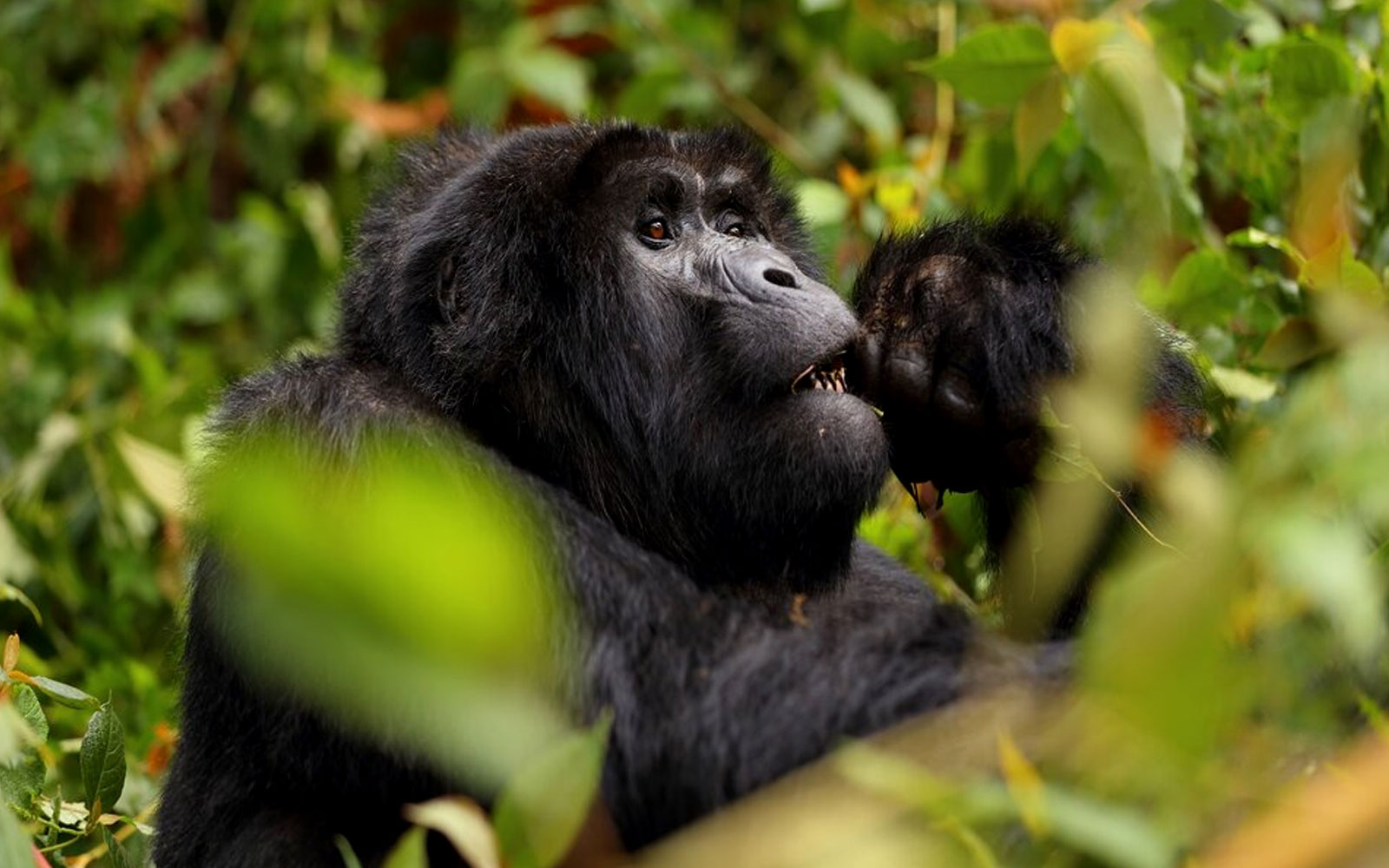
Rwanda offers world-class, diverse safari experiences, from trekking endangered mountain gorillas in Volcanoes National Park and tracking chimpanzees in Nyungwe to spotting "Big Five" wildlife in Akagera. Key highlights include cultural sites in Kigali, scenic Lake Kivu, and canopy walks, making it an ideal destination for primates, birding, and scenery.
Some of the Popular Rwanda gorilla trekking tour packages
11-days-best-uganda-rwanda-primate-safari-and-wildlife-from-kigali
10-days-rwanda-photography-safari-and-gorilla-trekking-adventure
9-days-rwanda-gorilla-trekking-and-adventure-activities-and-relaxation
8-days-best-of-rwanda-uganda-safari-volcanoes-to-best-uganda-safari-parks
7-days-best-gorilla-trekking-and-other-highlights-of-rwanda-tour
6-days-akagera-safari-and-volcanoes-gorilla-trekking-and-ibi-wacu-cultural-village
16 Popular places and Rwanda safari destinations to visit this year
Volcanoes National Park
Volcanoes National Park is a breathtaking haven for nature lovers, famous primarily for its unparalleled gorilla trekking opportunities. Nestled in the northwestern region of Rwanda, the park is home to approximately half of the world's remaining mountain gorillas. Trekking through the dense bamboo forest, visitors can encounter these magnificent creatures in their natural habitat, observing their social behaviors and witnessing the incredible efforts of conservationists dedicated to their protection. Besides gorillas, the park is also known for golden monkey tracking, where adventurers can observe these playful primates swinging through the trees.
Formed by a chain of volcanic mountains, including the iconic Virunga massif, Volcanoes National Park offers stunning views and a range of hiking trails, catering to various skill levels. Treks to Mount Karisimbi and Mount Bisoke provide opportunities for hiking enthusiasts to explore diverse flora and fauna while enjoying panoramic views of the surrounding landscape.
In addition to wildlife, the park also holds cultural significance, being home to the Batwa people, who have lived in harmony with the environment for centuries. Engaging with local communities through cultural experiences and traditional performances adds a rich layer to the visit. Overall, Volcanoes National Park is an extraordinary destination that combines wildlife, adventure, and culture, making it a must-visit for any traveler exploring Rwanda.
Nyungwe Forest National Park
Nyungwe Forest National Park is one of Africa’s oldest rainforests, renowned for its rich biodiversity and captivating natural beauty. Spanning over 1,000 square kilometers, it is home to a variety of primates, including chimpanzees, Rwandan mangabeys, and blue monkeys. Chimpanzee trekking in this park offers visitors the chance to observe these intelligent creatures as they forage for fruits and interact in their social groups. The lush vegetation and serene atmosphere further enhance the trekking experience, making it a paradise for wildlife enthusiasts.
One of the unique features of Nyungwe is its 160-meter-long canopy walk, which allows visitors to cross above the forest floor while getting a bird’s-eye view of the rich biodiversity below. This exhilarating walk offers the opportunity to spot various birds, butterflies, and even the occasional passing monkey. Birdwatching is a significant attraction here, with over 300 species recorded, including the rare Rwenzori turaco and various endemic species.
Hiking trails throughout Nyungwe lead to various viewpoints, waterfalls, and diverse ecosystems, allowing visitors to immerse themselves in the park’s natural wonders. The park’s commitment to conservation and research makes it an essential area for scientists studying tropical ecosystems. Cultural experiences, such as visiting nearby communities and learning about traditional Rwandan lifestyles, add depth to the adventure. Nyungwe Forest National Park promises a unique blend of wildlife encounters and engaging activities that appeal to nature lovers and adventurers alike.
Akagera National Park
Akagera National Park stands out as Rwanda’s premier savannah park, offering an entirely different wildlife experience compared to the country's mountainous regions. Located in the eastern part of Rwanda, it features rolling plains, wetlands, and a variety of habitats that support an impressive biodiversity. The park is renowned for its Big Five—lions, elephants, leopards, buffalo, and rhinoceros—making it a prime destination for safari enthusiasts. Game drives through the park provide opportunities to spot these iconic animals in their natural habitat.
The park's diverse ecosystems also include numerous lakes, notably Lake Ihema, which is ideal for viewing hippos and crocodiles. Boat safaris on this lake offer a unique vantage point for observing wildlife along the shoreline, including a variety of bird species like kingfishers and herons, further enriching the safari experience.
In addition to game drives and boat safaris, visitors can engage in guided walks and cultural experiences to learn about the local communities and conservation efforts. The park’s commitment to wildlife conservation and community engagement ensures that tourism positively impacts both the environment and local people. Overall, Akagera National Park provides a rich and diverse safari experience, allowing travelers to connect with Rwanda’s remarkable natural heritage and wildlife conservation efforts.
Gishwati-Mukura National Park
Gishwati-Mukura National Park is Rwanda’s newest national park, resulting from the merger of two previously established reserves: Gishwati and Mukura. This relatively undiscovered gem offers a unique glimpse into the country's diverse wildlife and lush forests. The park is particularly famous for chimpanzee tracking, allowing visitors to engage with these intelligent primates in a serene environment. Trekking through the park's forested areas, visitors often encounter various other species, including golden monkeys and a variety of bird species.
Gishwati-Mukura is also an excellent destination for birdwatching with its over 140 recorded species, including the endemic Rwenzori turaco and various forest-dwelling birds. The park's rich flora and fauna provide an opportunity for nature lovers and photographers to capture the beauty of Rwanda's biodiversity.
The park also emphasizes community engagement and sustainability, involving local communities in conservation efforts. Guided hikes and cultural visits offer insights into traditional Rwandan life and the importance of preserving these unique habitats. With its blend of wildlife encounters, hiking trails, and cultural activities, Gishwati-Mukura National Park provides an enriching experience for travelers seeking a less-traveled path in Rwanda.
Lake Ihema
Lake Ihema, located within the boundaries of Akagera National Park, serves as a vital water source for an array of wildlife and is particularly famous for its hippos and crocodiles. This expansive lake, one of the largest in Rwanda, is surrounded by diverse ecosystems, including wetlands and savannah, making it a biodiversity hotspot. Visitors can embark on boat safaris to explore the lake, offering unique opportunities to observe wildlife from a different perspective. From the water, you can often spot lounging hippos, sunbathing crocodiles, and a variety of bird species along the shore.
The surrounding wetlands are teeming with life, attracting numerous waterfowl and offering excellent birdwatching opportunities. Observing species such as the African fish eagle and several heron species adds to the appeal for nature lovers.
In addition to its wildlife, Lake Ihema is an important ecological area. The lake's biodiversity supports conservation efforts and provides livelihoods for local communities through sustainable fishing practices. Whether you're paddling along quietly or observing the wildlife from a boat, Lake Ihema offers a serene retreat where nature thrives.
Virunga Mountains
The Virunga Mountains are a significant and visually striking mountain range that extends across the borders of Rwanda, Uganda, and the Democratic Republic of the Congo. This volcanic chain comprises several peaks, including Mount Karisimbi and Mount Bisoke, making it a prime destination for hiking enthusiasts. Exploring these mountains provides not only breathtaking views but also the chance to encounter unique wildlife, such as the rare golden monkey and various bird species endemic to the region.
Hiking routes range in difficulty, offering options for both seasoned trekkers and casual walkers. The higher altitudes provide stunning panoramic views of the surrounding landscapes, including insights into the conservation efforts dedicated to protecting the mountain gorillas that inhabit these slopes. The natural beauty and rich biodiversity of the Virunga region make it an essential component of Rwanda's tourism model.
Visitors can also engage in cultural experiences with the local communities that inhabit the foothills of these mountains. Learning about their traditions and lifestyles adds depth to the trip. The Virunga Mountains offer an exciting combination of outdoor adventure and cultural insights, making it a must-visit when exploring Rwanda's diverse attractions.
Kigali Genocide Memorial
The Kigali Genocide Memorial is an essential site that provides a poignant insight into Rwanda's tragic history during the 1994 genocide. Located in the capital city of Kigali, the memorial serves as a final resting place for over 250,000 victims of the genocide, making it a profoundly moving experience for visitors. The center offers detailed exhibitions that document the events leading up to the genocide, the aftermath, and the ongoing recovery process, providing context and fostering understanding of this dark chapter in Rwandan history.
Visitors can explore the well-organized displays featuring survivor testimonies, photographs, and artifacts that tell the stories of those affected. The peaceful gardens surrounding the memorial offer a reflective space where individuals can honor the memory of those lost. Through education, the memorial aims to promote awareness and healing, encouraging visitors to reflect on themes of reconciliation and peace.
Visiting the Kigali Genocide Memorial is not only important for understanding Rwanda's past but also for appreciating the nation's remarkable journey toward recovery and unity. Engaging with this memorial fosters a deeper connection with the Rwandan people and their resilience as they move forward.
Kigali City
Kigali, the capital city of Rwanda, is a vibrant cultural and commercial hub that showcases the nation’s rapid development and modernization. Known for its cleanliness and orderliness, Kigali offers various attractions and activities for visitors. Museums, art centers, and restaurants create a rich cultural atmosphere, allowing travelers to engage with Rwanda's heritage and contemporary life.
Significant sites in Kigali include the Kigali Genocide Memorial and the Natural History Museum, which provide insights into the country’s history and biodiversity. The city is also home to several art galleries, such as the Inema Arts Center, where local artists display their works, reflecting Rwandan culture and creativity.
Kigali's bustling markets, like Kimironko Market, offer a taste of everyday life, where visitors can shop for local produce, crafts, and souvenirs. Dining options range from local Rwandan cuisine to international fare, catering to diverse palates. As a focal point of Rwandan culture and development, Kigali provides an engaging experience for visitors, making it an essential stop on any Rwandan itinerary.
Kimironko Market
Kimironko Market is the largest market in Kigali and a vibrant center for local culture and commerce. This lively market offers visitors a glimpse into the everyday life of Rwandans, where one can find a wide variety of goods, including fresh produce, artisanal crafts, textiles, and local foods. The bustling atmosphere is filled with vendors showcasing their colorful products, making it an exciting place to explore and shop.
Strolling through the market, visitors can sample traditional Rwandan dishes like brochettes or sweet potatoes, further immersing themselves in the culinary culture. The market is not only a shopping destination; it’s an opportunity to engage with local artisans and farmers, fostering connections and understanding of Rwandan customs and traditions.
For those interested in photography, Kimironko Market offers plenty of captivating scenes to capture, providing personalities and stories that define Rwandan life. Visiting this market is a highlight for many travelers, enriching their understanding of the vibrant culture and community spirit that characterizes Kigali.
Nyamirambo Women’s Centre
The Nyamirambo Women’s Centre plays a significant role in promoting women's empowerment and community development in Kigali. Established by local women, this center offers various programs aimed at improving the lives of women and girls through education and vocational training. Visitors can engage in community tours, which highlight traditional Rwandan crafts, cooking, and cultural practices.
During these tours, guests can learn about the daily lives of the women and the impact the center has had on their communities. Participating in workshops on traditional crafts, such as weaving baskets or making jewelry, provides hands-on experiences while supporting local artisans. Visitors also get to taste authentic Rwandan dishes prepared by the women, adding a culinary aspect to the cultural engagement.
The Nyamirambo Women’s Centre exemplifies the resilience of Rwandan women and their contributions to community development. By visiting the center, travelers not only gain insights into Rwandan culture but also support initiatives aimed at improving the lives of women in the region, making it a meaningful addition to any itinerary.
11. Statehouse Museum
The Statehouse Museum, located in Kigali, is a significant historic site that provides compelling insights into Rwanda's political evolution and cultural heritage. Once the residence of the Rwandan president, the Statehouse now serves as a museum, preserving and showcasing the nation's past through various exhibits and artifacts. Visitors can explore the former presidential offices and living quarters, gaining a deeper understanding of Rwanda's political landscape and its journey through tumultuous times.
The museum houses several important artifacts, including photographs, documents, and memorabilia that illuminate the history of the nation, from pre-colonial times to contemporary developments. Educational programs and guided tours provide engaging narratives about significant events, including the 1994 genocide and the country’s rebuilding efforts. By examining these histories, visitors can appreciate the resilience and strength of the Rwandan people.
Additionally, the museum is set within beautifully landscaped grounds, offering a pleasant environment for leisurely strolls. The tranquil setting allows for reflection on the complexities of Rwanda's history while embracing its progressive future. Visiting the Statehouse Museum is an essential experience for those wishing to understand not only Rwanda's past but also the cultural and political vision it holds for the future. Engaging with this site enhances appreciation for the transformation that has taken place and highlights the importance of learning from history.
12. National Museum of Rwanda (Butare)
The National Museum of Rwanda, located in Butare, is a flagship institution that embodies the rich cultural and historical legacy of the country. This museum is recognized for its extensive collection of artifacts that tell the story of Rwanda’s diverse heritage, showcasing everything from traditional crafts to archaeological findings. Visitors can explore a variety of exhibits that highlight Rwanda’s art, music, and cultural practices, providing insights into the nation’s social fabric.
One of the museum's main attractions is the collection of ethnographic displays, which illustrate the customs and traditions of Rwandan communities. Visitors can view traditional clothing, musical instruments, and items used in daily life, creating an immersive experience that facilitates a deeper understanding of Rwandan culture. The museum also covers pre-colonial history, colonial influences, and the impacts of the genocide, offering a comprehensive view of the nation's complex timeline.
Educational programs and guided tours enhance the visit, providing context and narratives to the artifacts on display. The museum's tranquil gardens further add to the experience, inviting visitors to relax and reflect on the information learned. For anyone interested in Rwandan culture, history, and art, the National Museum of Rwanda in Butare is an invaluable destination that fosters appreciation and understanding of the nation’s rich heritage
13. King’s Palace Museum (Nyanza)
The King’s Palace Museum, located in Nyanza, offers a fascinating look into Rwanda's royal heritage and traditional governance. Once the official residence of Rwandan kings, the museum is housed in a reconstructed royal palace, which serves as a captivating backdrop for exploring the customs, traditions, and history of the Rwandan monarchy. A visit to the museum allows travelers to delve into the ceremonial practices and lifestyles of Rwanda’s kings and queens.
Exhibits include traditional artifacts, royal regalia, and historical objects that provide insights into the royal family’s significance in Rwandan society. Visitors can learn about the cultural practices surrounding leadership, the role of the king in governance, and the evolution of the monarchy through time. The museum emphasizes the importance of tradition while also highlighting Rwanda’s progression into the modern era.
Guided tours provide additional context, bringing to life the narratives of past kings and their influence on Rwandan culture. Additionally, the surrounding gardens and landscapes offer picturesque views, enhancing the serene atmosphere. Engaging with the King’s Palace Museum provides a deeper appreciation for Rwanda’s rich history and the enduring significance of its monarchy, making it a must-visit for anyone looking to understand the cultural legacy of the nation.
14. Lake Kivu
Lake Kivu is one of Africa's Great Lakes, known for its stunning beauty and serene atmosphere. Located on the border between Rwanda and the Democratic Republic of the Congo, Lake Kivu is a popular destination for both locals and tourists. Its clear waters and surrounding rolling hills make it ideal for various water-based activities, such as boating, kayaking, and fishing. The lake offers numerous opportunities for relaxation, providing tranquil spots to unwind and soak in the natural beauty.
Visitors can enjoy scenic boat trips that allow them to explore the lake’s small islands, discovering hidden gems like the peaceful island of Impera, known for its rich birdlife. Water sports enthusiasts can indulge in kayaking or paddleboarding, enjoying the refreshing atmosphere. The lakeside towns of Gisenyi and Kibuye both offer inviting beaches where visitors can bask in the sun or engage in leisurely swims.
In addition to recreational activities, Lake Kivu also offers opportunities for cultural immersion, with nearby towns featuring local markets and restaurants where visitors can sample Rwandan cuisine. Exploring the surroundings, guests can also visit nearby hot springs and coffee plantations, enriching their experience. Lake Kivu serves as an exceptional destination for those seeking a blend of relaxation and adventure, making it a must-visit during a Rwandan safari
15. Gisenyi (Rubavu)
Gisenyi, located on the shores of Lake Kivu, is a delightful lakeside town known for its sandy beaches, hot springs, and coffee tours. This vibrant destination offers a mix of relaxation and adventure, making it popular among both tourists and locals. The picturesque setting, with beautiful views of the lake and mountains, invites visitors to unwind while enjoying outdoor activities.
The beaches in Gisenyi are excellent places to relax and soak up the sun. Visitors can participate in various water sports, such as kayaking, sailing, and swimming. The nearby hot springs provide a therapeutic experience, allowing guests to bathe in naturally heated waters surrounded by lush landscapes.
In addition to its natural attractions, Gisenyi offers unique cultural experiences, including tours of local coffee plantations. Visitors can learn about Rwanda’s renowned coffee industry and the traditional methods employed in coffee production, adding a flavorful dimension to their trip. Exploring local markets and tasting Rwandan cuisine also enrich the experience. Gisenyi, with its combination of scenic beauty and cultural engagement, serves as a wonderful getaway for those looking to immerse themselves in the beauty and hospitality of Rwanda
16. Kibuye (Karongi)
Kibuye, a peaceful town located on the shores of Lake Kivu, is renowned for its scenic views, tranquil atmosphere, and opportunities for boat trips to nearby islands. This charming destination is perfect for travelers seeking a serene retreat surrounded by nature. Kibuye is an excellent base for exploring the stunning regions of Lake Kivu, with its picturesque landscapes characterized by rolling hills and lush greenery.
Visitors can enjoy various activities on the lake, including boat excursions that lead to islands such as Napoleon Island and Amahoro Island. These boat trips offer unique opportunities to observe local bird species and enjoy stunning views of the surrounding hills. The calm waters of Lake Kivu provide an ideal setting for kayaking and swimming, making it a comfortable and enjoyable experience for all.
Kibuye is also known for its warm hospitality and vibrant local culture. Visitors can engage with the community through local markets or food tours, sampling traditional Rwandan dishes. The combination of natural beauty, cultural engagement, and endless opportunities for relaxation makes Kibuye an idyllic destination for travelers looking to embrace the tranquility of Rwanda’s landscapes while enjoying leisurely activities.
10 Ways to choose Rwanda safari destinations to visit this year
Choosing the best Rwanda safari in 2026 involves balancing primate trekking in Volcanoes and Nyungwe with savanna game drives in Akagera, focusing on your specific wildlife, adventure, or luxury preferences. Key considerations include visiting between dry seasons (June-Sept or Dec-Feb), targeting the Big Five, birdwatching, or exploring cultural history
1. Prioritize Mountain Gorilla Trekking
If encountering endangered mountain gorillas is your primary goal, Volcanoes National Park should be at the top of your list. This park is one of the few places globally where you can see these majestic creatures in their natural habitat. The experience of trekking through the dense bamboo forests, observing gorilla families as they interact, is often cited as a life-changing encounter. Guided treks are well-organized, ensuring both safety and respect for the animals and their environment.
The park is home to several habituated gorilla families, allowing for various trekking options depending on your fitness level. The gorilla permits are limited to protect this endangered species, so it's essential to book well in advance. This trek not only supports conservation efforts but also helps local communities through tourism.
In addition to gorilla trekking, Volcanoes National Park offers other activities, such as golden monkey tracking and cultural experiences with the local Batwa community. The park's breathtaking surroundings, characterized by stunning volcanic peaks, further enhance the overall experience. Prioritizing a visit to Volcanoes National Park will allow you to connect with one of the most remarkable wildlife experiences in the world.
2. Focus on Chimpanzee Tracking
For those drawn to primate watching, Nyungwe Forest National Park is the place to be. Known for its incredible biodiversity, this park is an ideal destination for trekking chimpanzees. Visitors can follow experienced guides into the lush, dense forest to observe these intelligent creatures in their natural behavior, sharing the forest with other primates such as blue monkeys and Rwandan mangabeys. The thrill of encountering a chimpanzee troop as they groom, play, and communicate adds a dynamic element to your safari.
One of the park's standout features is its 160-meter-long canopy walkway, providing a unique perspective of the forest's flora and fauna from above. Visitors can stroll above the ground, spot various bird species, and enjoy the tranquility of the forest.
The trekking experience is enriched by the lush biodiversity surrounding you, with over 300 bird species recorded in the park, making it a haven for birdwatchers. Nyungwe also offers various hiking trails, allowing visitors to explore its pristine ecosystem thoroughly. Focusing on chimpanzee tracking in Nyungwe Forest National Park provides an unforgettable adventure, showcasing Rwanda's commitment to conserving its natural heritage.
3. Opt for Big Five Safaris
Akagera National Park is Rwanda's premier destination for those interested in the “Big Five”: lions, rhinoceroses, elephants, leopards, and buffalo. This savannah park offers thrilling game drives where visitors can spot these iconic animals in their natural habitats. Unlike the mountainous regions of Rwanda, Akagera provides an entirely different wildlife experience characterized by vast grasslands, wetlands, and diverse ecosystems.
The park features well-maintained roads and offers various safari options, including guided game drives and boat safaris on Lake Ihema. The boat cruises provide unique opportunities to view hippos and crocodiles while offering scenic views of the park's wildlife along the shores.
Akagera has made significant strides in recent years to increase its wildlife populations, and sightings of the Big Five are becoming more frequent. Engaging with local conservation efforts also provides insight into the difficulties faced in maintaining a balance between wildlife protection and local community needs. If your safari vision includes the thrill of seeing iconic African wildlife, choosing Akagera National Park for its traditional game drives is a fulfilling option.
4. Consider Time of Year
When planning your safari in Rwanda, consider the time of year you choose to visit. The best months for wildlife viewing are during the dry seasons, which run from June to September and December to February. During these months, rainfall is minimal, making conditions more favorable for trekking and wildlife spotting. Trails are generally easier to navigate, increasing your chances of successful encounters with both primates and other wildlife.
The dry seasons also bring animals closer to water sources, making them easier to spot during game drives in Akagera National Park. Additionally, the pleasant weather enhances the overall safari experience, allowing visitors to enjoy long days filled with hiking, wildlife watching, and cultural explorations.
In contrast, the wet seasons (March to May and October to November) can make trekking more challenging due to muddy trails. However, these months offer lush greenery and fewer tourists, allowing a more intimate experience with wildlife and the tranquil rainforest atmosphere. Timing your visit according to weather patterns ensures a rewarding experience tailored to your interests.
5. Choose Based on Activity Level
When selecting your Rwanda safari destination, consider your preferred activity level. Both Volcanoes and Nyungwe National Parks cater to those seeking intensive hiking and adventure. In Volcanoes, gorilla trekking requires a good level of fitness, as it often involves navigating steep and rocky terrains through dense forests. Similarly, Nyungwe offers various challenging trails, including hikes to waterfalls and birdwatching excursions, allowing for active engagement with nature.
On the other hand, Akagera National Park provides a more relaxed safari experience with vehicle-based game viewing. Here, you can enjoy the thrill of spotting wildlife from the comfort of a 4x4 vehicle, making it ideal for families or those looking for a less physically demanding adventure. Boat safaris on Lake Ihema also offer a leisurely approach to wildlife observations.
Choosing based on your activity level ensures that your safari aligns with what you’re looking for—whether it’s the adrenaline rush of trekking in the mountains or a relaxed day of game drives and scenic views. Tailoring your safari experience to your activity preferences maximizes enjoyment and satisfaction.
6. Focus on Birdwatching
For bird enthusiasts, Akagera National Park stands out as one of Rwanda’s top birdwatching destinations. With over 500 bird species recorded, the park features diverse habitats, including wetlands, savannahs, and papyrus swamps, making it a haven for avian life. Birdwatchers can anticipate spotting vibrant species such as the African fish eagle, shoebill stork, and various kingfisher species.
In addition to traditional game drives, Akagera offers guided birdwatching tours that provide in-depth knowledge about the different species and their habitats, enhancing your understanding of the local ecosystem. With its variety of environments, visitors have ample opportunities to observe both water and land birds throughout the park.
Birding can be combined with other activities, such as boat safaris on Lake Ihema, where you might observe various waterfowl and enjoy the tranquility of the lake’s surroundings. Whether you are an experienced birder or simply appreciate nature, Akagera National Park offers exceptional opportunities to observe and learn about the region’s avian diversity.
7. Prioritize Cultural/Historical Experiences
Rwanda boasts a rich cultural and historical tapestry, and choosing to focus on these experiences can greatly enhance your visit. Kigali offers significant cultural insights, with sites such as the Kigali Genocide Memorial, which details the unfortunate events of the 1994 genocide. This memorial allows visitors to learn about Rwanda's history and resilience and promotes messages of peace and reconciliation.
Additionally, places like Nyanza feature the traditional King's Palace, where visitors can explore the history of Rwandan monarchy and culture. Interactions with local communities can further deepen these cultural insights. Visiting the Nyamirambo Women’s Centre provides opportunities to engage in community tours and partake in craft workshops, supporting women's empowerment and understanding local traditions.
Balancing your wildlife safari with cultural interactions allows you to gain a more holistic view of the country. By prioritizing these experiences, you'll enrich your understanding of Rwanda and appreciate its journey from its challenging past to its current sense of unity and hope.
8. Evaluate Budget and Comfort
When planning your Rwanda safari, evaluating your budget and comfort preferences is crucial. Luxury lodges in Volcanoes and Nyungwe National Parks offer high-end accommodations complete with amenities and personalized services, allowing for a lavish experience while enjoying nature. These lodges often provide gourmet meals, spa services, and stunning views, elevating your safari experience.
Conversely, Akagera National Park presents more budget-friendly options, including mid-range lodges and camping facilities. These accommodations make the park accessible for various travelers without compromising on essential comforts. Staying in these options allows you to allocate your budget toward more activities, such as guided excursions and park fees.
Ultimately, your choice will depend on the type of experience you desire. Those seeking luxury and comfort might lean toward high-end lodges, while budget-conscious travelers will find ample opportunity for adventure in more affordable settings. Evaluating your budget not only affects accommodation choices but also influences how you engage with the diverse activities available in Rwanda.
9. Combine Wildlife with Relaxation
Combining wildlife viewing with relaxation can enhance your overall safari experience in Rwanda. Including Lake Kivu in your itinerary offers a beautiful retreat, allowing you to enjoy water-based activities after days of trekking and safari adventures. The serene environment around the lake is perfect for relaxation, and you can partake in boat trips, swimming, or kayaking while taking in the breathtaking views.
Lake Kivu provides a refreshing break from the previous activities, with options for leisurely walks along the shore or enjoying local cuisine at lakeside restaurants, offering beautiful sunset views. This combination of wildlife and relaxation allows you to recharge before continuing your adventures.
The seamless blend of wildlife encounters and relaxing moments enables visitors to appreciate the diverse offerings of Rwanda fully. While engaging with its rich natural environment, taking the time to unwind at Lake Kivu ensures a balanced safari experience, bringing together the thrill of exploration with restful moments in a stunning setting.
10. Target Specialized Tours
For travelers seeking a deep dive into conservation and history, targeting specialized tours is an excellent option. One such experience includes hiking to Dian Fossey's grave in Volcanoes National Park, which offers a profound connection to the legend of gorilla conservation. This trek not only leads you through lush forests but also educates visitors about Fossey’s critical work in protecting mountain gorillas and her lasting legacy.
Other specialized tours may focus on specific wildlife encounters, such as birdwatching excursions in Akagera or immersive cultural experiences in local villages through community-led initiatives. Engaging in these specialized tours allows travelers to invest time in specific interests and gain insights that general tours may not provide.
Choosing specialized experiences enhances your understanding of Rwanda's ecosystems and conservation efforts, allowing for meaningful interactions with nature and communities. These tailored experiences ensure your safari is as rewarding as possible, offering both adventure and a deeper understanding of the region’s unique heritage.
When is the Best Time for Rwanda Safari Destinations
The best time for a Rwanda safari is during the dry seasons, which typically run from June to September and December to February. These months offer the most favorable conditions for wildlife viewing, as the animals congregate around water sources and vegetation is less dense. This is particularly advantageous for activities like gorilla trekking in Volcanoes National Park and game drives in Akagera National Park, where visibility is improved. Additionally, the temperate weather during these periods makes hiking and exploring more comfortable. While the wet seasons (March to May and October to November) can present challenges like muddy trails, they also bring lush landscapes and fewer tourists, offering a unique experience for those who don’t mind a bit of rain.
Where to Stay on Rwanda Safari Destinations
Rwanda offers a range of accommodations catering to various budgets and preferences. For luxury, consider Bisate Lodge in Volcanoes National Park, which combines opulence with stunning views and eco-friendly practices. Nyungwe Forest National Park boasts One&Only Nyungwe House, where guests can enjoy upscale amenities amid the lush rainforest. Mid-range options include Hotel des Mille Collines in Kigali and Akagera Game Lodge in Akagera National Park, providing comfort and convenience. For budget travelers, guesthouses like Yambi Guesthouse in Kigali and eco-friendly options in Kibuye and Gisenyi are great choices. Choosing the right accommodation can enhance your safari experience and provide a comfortable base for your adventures.
Booking Rwanda Safari Destinations with Us - Roads of Adventure Safaris
Booking your Rwanda safari with Roads of Adventure Safaris ensures a seamless and unforgettable experience. Our itineraries are customized to highlight the country's diverse attractions, including gorilla trekking, wildlife safaris, and cultural interactions. With expert local guides, we provide in-depth knowledge of Rwanda's ecosystems and rich history, ensuring you get the most out of your journey. We also assist with lodging arrangements, catering to your preferred level of comfort, whether luxury, mid-range, or budget accommodations. Our focus on personalized service allows you to explore Rwanda at your own pace, making your adventure as unique and memorable as possible. Let us help you discover the wonders of Rwanda!
