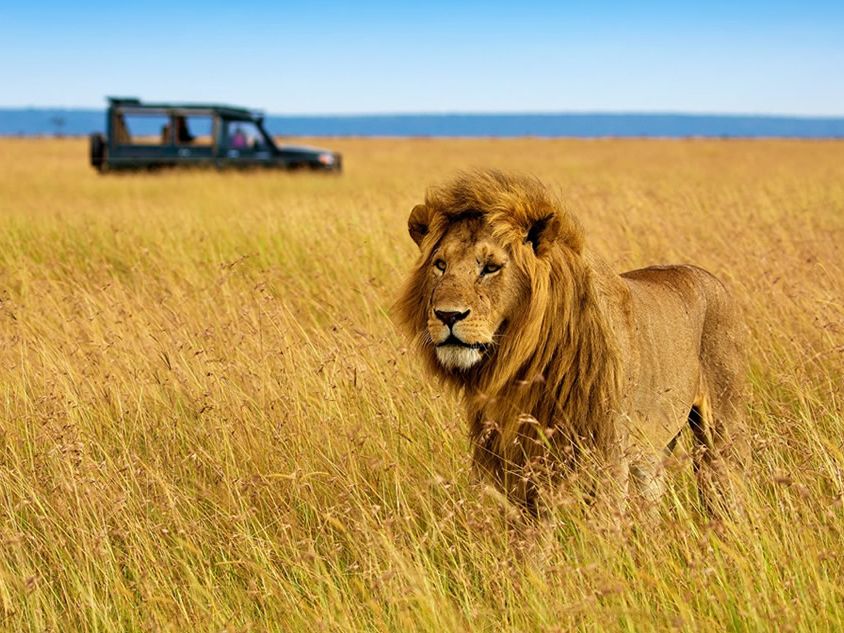
Masai Mara offers year-round safaris, peaking July-October for the Great Migration, featuring diverse wildlife like the Big Five, extensive birdlife, and activities like balloon safaris, village visits, and walking safaris, with options from luxury lodges to budget camps; it's generally safe, but booking early, flying (for shorter trips) or driving from Nairobi, and understanding park rules (like vehicle limits) are key tips for an unforgettable Kenyan experience.
2-days-masai-mara-safari-africa-big-cats-safaris
2-days-best-masai-mara-safari-tour
3-days-fly-in-masai-mara-safari-tour-package
3-days-budget-masai-mara-safari-tour-package-itinerary
4-days-masai-mara-and-lake-nakuru-kenya-safari-tour-package
4-days-budget-masai-mara-safari-and-lake-nakuru
5-days-masai-mara-safari-lake-nakuru-and-hells-gate-national-park-kenya-tour
5-day-kenya-tanzania-safari-tour-from-masai-mara-to-serengeti-and-ngorongoro-crater
6-days-kenya-wildlife-safari-and-uganda-gorilla-tracking-safari-tour
7-days-incredible-africa-big-five-kenya-tanzania-combined-tour
What's the Best Time for a Kenya Safari in Masai Mara?
The best time to visit Masai Mara for a Kenya safari is from July to October, coinciding with the Great Migration. During this period, millions of wildebeest and zebra traverse the plains in search of fresh grazing grounds, creating a stunning spectacle as they attempt to cross the crocodile-infested Mara River. This dramatic event draws wildlife enthusiasts and photographers from around the world, eager to witness one of nature's most incredible migrations. However, the Masai Mara is a year-round destination; wildlife viewing remains excellent outside the migration period, with the dry seasons from January to February and June to September offering easier game spotting. During these months, animals tend to congregate around water sources, making sightings more frequent. Each season highlights different aspects of the ecosystem, from the lush greenery of the rainy season to the stark beauty of the dry season. Therefore, while timing your safari to coincide with the Great Migration offers a unique experience, any time spent in the Masai Mara is bound to be enriching, with diverse wildlife and breathtaking landscapes awaiting your exploration.
What is the Great Migration?
The Great Migration is an awe-inspiring annual movement of over a million wildebeest and hundreds of thousands of zebras across the plains of East Africa, primarily between Tanzania's Serengeti and Kenya's Masai Mara. This spectacular natural event typically occurs from July to October when these herbivores migrate in search of greener pastures and water sources, driven by weather patterns and the availability of food. The most dramatic part of this migration is the perilous crossing of the Mara River, where numerous crocodiles lie in wait, creating a breathtaking and often heart-wrenching scene. Watching the herds rush to cross the river, while predators like lions and hyenas lurk nearby, provides an adrenaline-pumping experience for safari-goers. The sheer volume of wildlife and the interactions among species make the Great Migration one of the world’s most incredible wildlife spectacles. This phenomenon not only supports local ecosystems but also sustains the livelihoods of many communities in the region. Travelers who plan their safaris during this period can enjoy close encounters with these massive herds and all the predators that follow them, making it an unforgettable experience in the heart of the African wilderness.
What Wildlife Can I See on a Masai Mara Kenya Safari?
A Masai Mara safari offers an extraordinary opportunity to see a vast array of wildlife, including the famous Big Five: lions, leopards, elephants, rhinos, and buffalo. The Mara is renowned for its robust lion population, where prides can often be seen basking in the sun or on the move. Leopards, though more elusive, can frequently be spotted lounging in trees or stalking their prey. The park is also home to a substantial population of elephants and buffalo, creating numerous opportunities for visitors to observe these magnificent creatures. In addition to the Big Five, the Mara is famous for its cheetah population, renowned for their speed and agility. Giraffes, zebras, hippos, and crocodiles can also be seen in abundance. The park is home to over 500 bird species, making it a birdwatcher's paradise as well. Each game drive offers unique wildlife encounters, from playful cubs learning to hunt to dramatic predator-prey interactions. The diversity of wildlife and the park's dynamic ecosystems ensure that no two safari experiences are ever the same, providing endless opportunities for adventure and discovery.
Where Exactly is Masai Mara?
Masai Mara National Reserve is located in the southwestern part of Kenya, bordering Tanzania's Serengeti National Park. It spans approximately 1,510 square kilometers (583 square miles) and is one of Africa's most renowned wildlife reserves. The reserve is accessible from the capital city, Nairobi, through a drive or a short domestic flight, making it relatively easy to reach for travelers. Its strategic location allows for a seamless continuation into the Serengeti, making it an integral part of the larger ecosystem that supports the Great Migration. The geography of the Masai Mara is characterized by rolling hills, open savannahs, acacia woodlands, and the iconic Mara River, which serves as a vital water source for wildlife. Its diverse landscapes create a rich tapestry of habitats, each supporting various species and enhancing the overall biodiversity of the region. Visiting Masai Mara offers travelers a chance to immerse themselves in the heart of this wild and beautiful part of Kenya, allowing for memorable wildlife encounters and stunning scenery.
What Kind of Accommodation is Available for a Kenya Safari?
When planning a Kenya safari in Masai Mara, there are various accommodation options to suit every traveler's needs and budget. Options range from luxury lodges to budget campsites, ensuring that everyone can enjoy the exceptional wildlife experiences the reserve has to offer. Luxury lodges provide high-quality amenities, sumptuous dining, and stunning views of the surrounding landscapes, often featuring private decks or balconies for guests to indulge in the beauty of the wilderness. Tented camps, which range from mid-range to luxury, offer an authentic safari experience, blending comfort with nature. These camps typically feature en-suite facilities, gourmet meals, and guided activities. For budget-conscious travelers, basic campsites are available, providing essential amenities and a more rustic encounter with nature, where you can fall asleep to the sounds of the wild. Many accommodations also offer all-inclusive packages that include meals, game drives, and guided activities, enhancing the overall experience. Regardless of your choice, staying within or near the reserve allows for easy access to wildlife activities, creating unforgettable memories during your Masai Mara safari.
Are Meals Included in My Kenya Safari Package?
Typically, meals are included in most Kenya safari packages when staying at lodges or tented camps within Masai Mara. These accommodations usually offer full-board options, meaning that breakfast, lunch, and dinner are generally provided. The dining experience often features a delightful variety of local and international cuisines prepared by talented chefs, allowing guests to savor the flavors of Kenya amidst incredible natural surroundings. Meals may be served in communal dining areas where guests can share stories and experiences, adding a social element to your safari adventure. Depending on your itinerary, picnic lunches can also be arranged for days spent out on game drives, ensuring you don't miss any wildlife action. In contrast, if you opt for budget camping, your meals may not be included, so it's essential to clarify this when booking. Many budget camps allow you to prepare your meals or offer options for dining on-site. Overall, including meals in your safari package enriches the experience, allowing you to focus more on enjoying your safari adventures without the worry of meal logistics.
How Safe is a Kenya Safari in Masai Mara?
A safari in Masai Mara is generally very safe, provided visitors follow certain guidelines and instructions from their guides. Trained professionals lead safari tours, ensuring that guests are well-informed about safety protocols. Staying inside the vehicle during game drives is crucial, as this protects you from close animal encounters. Guides often have extensive knowledge of wildlife behavior, which helps in minimizing risks. It’s also advisable to avoid feeding or approaching animals, as this can provoke unexpected reactions. While threats are minimal, travelers should remain aware of their surroundings and adhere to park regulations. Personal safety measures, such as keeping valuables secure, are also essential. Additionally, security at lodges and camps typically features precautions, including night guards and secure entry points. For those interested in walking safaris or cultural visits to local communities, guides will ensure that visitors are informed of potential risks and how to navigate them safely. Overall, your Kenya safari in Masai Mara can be an incredibly rewarding experience when approached with care and respect for the wildlife and environment.
What Should I Pack for My Kenya Safari?
Packing appropriately for your Kenya safari in Masai Mara is key to ensuring a comfortable and enjoyable experience. Start with neutral-colored clothing, such as khakis, browns, and greens, which helps you blend into the natural environment and minimizes disturbances to wildlife. Opt for lightweight, breathable fabrics that can keep you cool during the day and warm at night. Layering is essential due to varying temperatures; mornings and evenings can be chilly, whereas afternoons are often warm. Don’t forget a wide-brimmed hat, sunglasses, and sunscreen to protect against the sun. Good quality binoculars and a camera with a zoom lens are crucial for capturing the stunning wildlife and landscapes. Insect repellent is also necessary to safeguard against mosquitoes and other pests. Comfortable shoes are essential, particularly for walking safaris or village visits. Consider bringing a small daypack for essentials during outings. Lastly, any personal items, such as medications, should be packed as well. By packing wisely, you can ensure that you are well-prepared for the incredible adventures that await you in the Masai Mara.
Do I Need a Visa for a Kenya Safari?
Yes, travelers typically need a visa to enter Kenya for a safari, including visits to Masai Mara. Many nationalities can apply for an e-visa online before arrival, streamlining the process and saving time at the airport. The e-visa allows for a stay of up to 90 days in Kenya, and the application form is straightforward, requiring basic personal information and travel details. It's essential to check the specific visa requirements based on your nationality, as some countries may have different regulations. Applications should be submitted well in advance of your travel dates to ensure processing is completed in a timely manner. Upon arrival, having a printout of your e-visa may be required. Additionally, travelers should ensure that their passports are valid for at least six months beyond their intended departure date from Kenya. Meeting these requirements helps ensure a smooth travel experience, allowing you to focus on enjoying the breathtaking landscapes and wildlife during your Kenya safari.
Can I See the Endangered Black Rhino in Masai Mara?
Yes, you can see the endangered black rhinoceros in Masai Mara, particularly in the Mara Triangle area. Conservation efforts have been in place to protect and increase the black rhino population, which has made a resurgence over the years. The Mara Triangle is particularly known for its wildlife-rich environments and the dedicated efforts of conservation organizations working within the area to safeguard these iconic animals. While encountering black rhinos can be a bit more challenging compared to other wildlife due to their elusive nature, guided game drives increase your chances of spotting them. Experienced guides are knowledgeable about their habits and preferred habitats, helping you navigate to areas where sightings are more likely. Seeing a black rhino in its natural environment is a captivating experience, showcasing the importance of conservation and the ongoing efforts to protect these magnificent creatures. For wildlife enthusiasts, witnessing a black rhino serves as a reminder of the delicate balance between nature and conservation, emphasizing the need for continued protection of endangered species.
What's the Difference Between the Reserve & Conservancies?
The primary difference between the Masai Mara National Reserve and the surrounding conservancies lies in management and the visitor experience. The Masai Mara National Reserve is a public area that attracts larger crowds, making it well-known for its extensive wildlife and the Great Migration. However, this popularity can lead to competition for animal sightings and denser traffic on game drives. Conversely, conservancies are privately managed areas adjacent to the reserve that focus on sustainable tourism and exclusive experiences. These conservancies limit visitor numbers, providing a more intimate and less congested environment for wildlife encounters. Activities within conservancies often include walking safaris and cultural visits to local Maasai communities, offering a unique perspective on the region's rich heritage. Additionally, revenues generated from conservancies directly benefit local communities and conservation efforts, making your visit impactful. Choosing between the reserve and a conservancy depends on your preference for an authentic safari experience, whether you prioritize abundant wildlife sightings or a more secluded, personalized encounter with nature.
Can I Visit a Maasai Village on My Kenya Safari?
Yes, visiting a Maasai village is a fantastic cultural experience during your Kenya safari in Masai Mara. Many tour operators and lodges offer organized visits to local Maasai communities, providing an opportunity to learn about their rich traditions, customs, and daily life. These visits typically include guided tours of the village, where you can observe traditional housing, clothing, and social structures. Engaging with the Maasai people gives visitors insight into their herding culture, art, dance, and rituals. During your visit, you might also have the chance to participate in activities such as traditional dances or craft demonstrations. Purchasing handmade goods directly from the villagers supports local artisans and helps contribute to community development. This experience enriches your safari adventure, providing a deeper understanding of the unique culture that coexists with the extraordinary wildlife of the Masai Mara. Visitors often leave with lasting memories and a greater appreciation for the Maasai’s harmonious relationship with the land and its inhabitants.
What Are the Park Entry Fees for a Kenya Safari?
Entry fees for Masai Mara National Reserve vary based on nationality and whether you are a resident or a non-resident. These fees are typically charged on a daily basis and contribute to the park's conservation efforts and maintenance. For non-residents, entry fees can generally range from $70 to $80 per day, while residents often pay lower rates. Children usually receive discounted fees, making it accessible for family trips. Fees are collected at the entry gates, and it's advisable to have the exact amount in cash, as not all entry points accept credit cards. Additionally, entry fees may change, so checking the latest rates before your trip is essential. Some safari packages may include these fees in the total cost, so be sure to confirm this with your operator beforehand. Understanding the fee structure helps you budget your trip more effectively, ensuring that you can explore the stunning wildlife and landscapes of Masai Mara while supporting its conservation.
Are There Activities Besides Game Drives on a Kenya Safari?
Absolutely! In addition to exhilarating game drives, there are numerous activities available to enhance your Kenya safari experience in Masai Mara. Hot air balloon safaris are a popular option, offering a breathtaking aerial view of the landscapes and wildlife at sunrise. This peaceful experience allows you to appreciate the beauty of the Mara from above, often concluding with a champagne breakfast in the bush. Walking safaris, typically offered in private conservancies, let you explore the park on foot, guided by knowledgeable rangers who provide insights into the smaller details of the ecosystem. Cultural visits to Maasai villages offer a unique glimpse into their traditions and daily life. For the more adventurous, canoeing safaris along the rivers provide a tranquil yet thrilling way to observe wildlife, particularly birds. Birdwatching is another fantastic option, given the diversity of bird species in the region. With various activities available, each safari can be tailored to suit your interests, ensuring a memorable and enriching experience in the Masai Mara.
What's a Typical Day Like on a Kenya Safari?
A typical day on a Kenya safari in Masai Mara is filled with adventure and unforgettable wildlife encounters. Early mornings usually begin with a wake-up call around sunrise, as this is the best time for game viewing when animals are most active. After a hearty breakfast, you’ll embark on a morning game drive, where your guide will take you in search of the Big Five and other wildlife. Depending on the season, you might witness spectacular animal behaviors or even be fortunate enough to see the migration. After a few hours, the mid-morning heat prompts a return to your lodge or camp for lunch and a well-deserved rest. Afternoon activities may involve leisure time to relax by the pool or refresh before the evening game drive. As the sun sets, you'll head out again for an afternoon drive, often coinciding with the golden hour for the best photographic opportunities. Dinner is typically served at the lodge after the evening drive, providing a chance to share stories and reflect on the day’s adventures. The rhythm of each day can vary, but the focus remains on immersing yourself in the awe-inspiring wildlife and landscapes of the Masai Mara.
How Long Should My Kenya Safari Be?
The ideal duration for a safari in Masai Mara typically ranges from 3 to 5 days, allowing visitors ample time to explore the park and engage in various activities. A 3-day safari offers a taste of the stunning landscapes and wildlife, ideal for travelers on a limited schedule. This duration allows you to experience game drives and possibly witness significant wildlife events, such as the Great Migration during peak season. For a more immersive experience, a 5-day safari is recommended, giving you additional opportunities for game viewing, cultural visits to Maasai communities, and even balloon safaris or walking tours. Some travelers opt for longer trips that may combine Masai Mara with other destinations, such as Lake Nakuru or Amboseli National Park, enriching their overall experience of Kenya's diverse ecosystems. Ultimately, the ideal length of your safari will depend on your interests, budget, and how much time you wish to dedicate to exploring the beautiful wildlife and landscapes that Masai Mara offers.
Booking Kenya safari with us Roads of Adventure safaris
Booking your Kenya safari with Roads of Adventure Safaris guarantees an unforgettable experience tailored to your interests. Our expert team crafts personalized itineraries that showcase the breathtaking landscapes and rich wildlife of the Masai Mara. Enjoy guided game drives to witness the Big Five and the renowned Great Migration during the peak season. We provide a range of accommodations, from luxury lodges to budget-friendly camps, ensuring comfort throughout your stay. With knowledgeable guides and seamless logistics, we handle all the details, allowing you to focus on creating lasting memories in the heart of Kenya's incredible wilderness.
