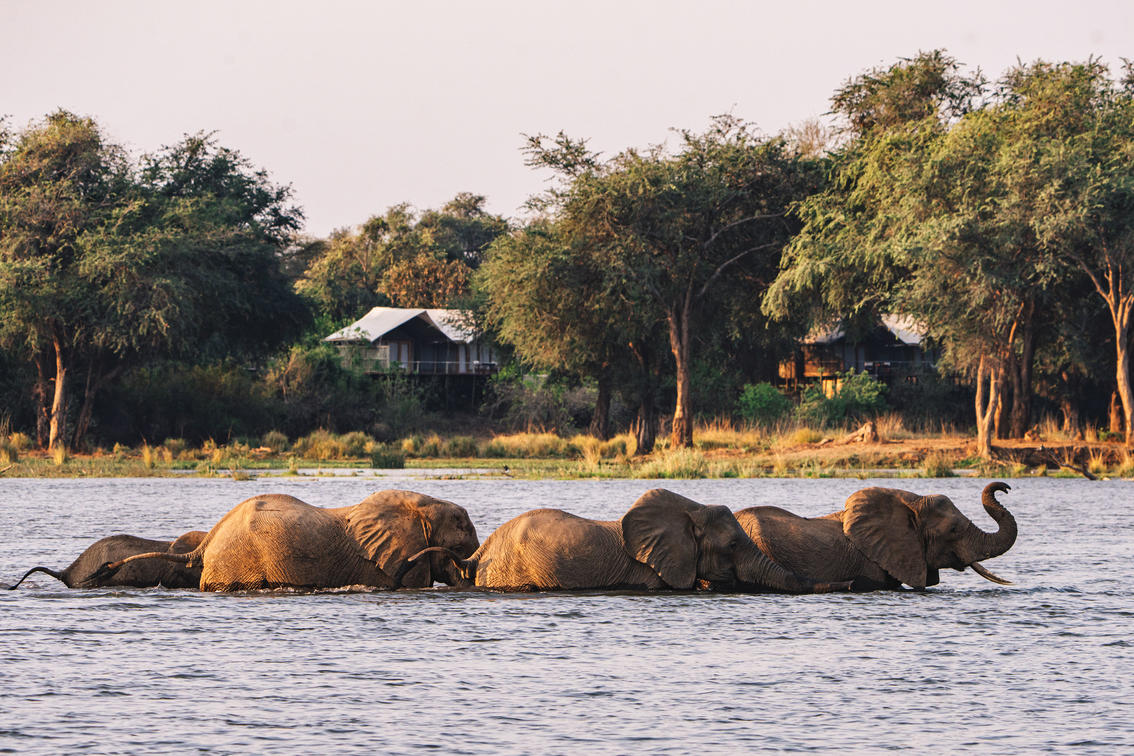
Lower Zambezi National Park offers unique water-based safaris (canoeing, fishing) alongside classic game drives for elephants, lions, leopards, buffalo, and wild dogs, but no rhinos, with activities accessible by air or 4x4 from Lusaka, and stays ranging from luxury lodges to bush camps, often unfenced, requiring malaria precautions. The park boasts vast elephant herds, no paved roads, and stunning Zambezi River views, ideal for diverse, family-friendly safaris, especially during the dry season.
Planning a Zambia wildlife safari tour to Lower Zambezi National Park involves knowing the best time (dry season: June-Oct for wildlife, Nov-May for lush scenery), what to pack (light clothing, layers), typical costs ($300-$900/day), activities (game drives, walking, canoeing), and wildlife (elephants, predators, birds), with essentials like malaria precautions and currency (Kwacha) also important for a successful trip to this remote, beautiful park along the Zambezi River.
3-days-canoeing-safari-and-fishing-at-zambezi-river-on-lower-zambezi-safari-park
3-day-best-lower-zambezi-national-park-zambia-safari-and-canoeing-safaris
5-days-canoe-and-safari-in-zambia-lower-zambezi-national-park
10-days-exceptional-adventure-safari-in-zambia-and-victoria-falls-tour-package
1. When is the best time for a Zambia wildlife safari tour in Lower Zambezi?
The best time for a wildlife safari in Lower Zambezi is during the dry season, which typically spans from June to October. During these months, animals congregate near the Zambezi River, making wildlife viewing optimal. The reduced foliage also makes it easier to spot animals. Visitors can expect to see elephants, lions, leopards, and various antelope species, as they come to drink from the river. Alternatively, the green season from November to May brings lush landscapes, transforming the area into a vibrant setting filled with new life. This period is particularly appealing for birdwatchers, as migratory birds arrive, making it a perfect time for those interested in avian species. Although wildlife is more dispersed during this season, the stunning scenery and vibrant colors can provide unique experiences that the dry season cannot offer. Ultimately, the choice of when to visit should align with your interests—whether you're focused on wildlife viewing or appreciating the stunning beauty of the landscape.
2. What wildlife can I expect on my Zambia wildlife safari tour?
During your Zambia wildlife safari in Lower Zambezi, you can expect to encounter an impressive range of wildlife. The park is home to large populations of elephants, often seen swimming and bathing in the river. These gentle giants provide unforgettable moments. Buffalo and various antelope species, such as kudu and impala, roam the plains. Predators like lions and leopards also inhabit the area, adding thrilling excitement to your safari. Observing these majestic creatures in their natural settings is a highlight. Additionally, the Zambezi River teems with life, including hippos and crocodiles, which can often be seen basking on the shores. Birdwatching enthusiasts will delight in the diversity, with over 400 bird species recorded, including vibrant kingfishers and majestic fish eagles. Each safari presents unique opportunities to witness the interactions within this thriving ecosystem, enriching your understanding and appreciation of Zambia's wildlife.
3. What activities are available on a Zambia wildlife safari tour?
A Zambia wildlife safari tour in Lower Zambezi offers a variety of exciting activities that cater to different interests. Game drives are among the most popular, allowing visitors to explore the park in specially equipped vehicles, offering sightings of elephants, lions, and more in their natural habitat. Walking safaris are another immersive experience, providing the opportunity to explore the bush on foot with expert guides, who share insights about wildlife and plants. Boat cruises along the Zambezi River offer unique vantage points for observing hippos, crocodiles, and diverse birdlife. Canoeing provides an adventurous way to explore the river and get up close to nature, giving you a unique perspective of the landscape. Some lodges also offer cultural experiences, enabling visitors to engage with local communities and learn about their traditions and lifestyles. This range of activities ensures that every safari participant, regardless of experience level, can create unforgettable memories tailored to their interests.
4. Do I need a visa for my Zambia wildlife safari tour?
Visa requirements for a Zambia wildlife safari tour vary based on your nationality. Travelers from certain countries may require a visa to enter Zambia, while others can enter visa-free or obtain a visa on arrival. It's essential to check the latest regulations by visiting the Zambian Immigration website or consulting with your local embassy. The process can sometimes involve submitting specific documents, so preparing them in advance can save time. Additionally, some travelers may choose to apply for an e-Visa for ease of entry. Always keep in mind that visa regulations are subject to change, and it's best to verify requirements well before you plan your trip. Ensuring you have the correct visa will facilitate a smoother entry into this beautiful country and allow you to focus on enjoying your wildlife adventure.
5. Is Lower Zambezi remote?
Yes, Lower Zambezi National Park is renowned for its remoteness, which offers an authentic wilderness experience during your Zambia wildlife safari tour. The park is located along the banks of the Zambezi River, providing a serene backdrop away from crowded tourist spots. Its remote setting allows visitors to fully immerse themselves in the environment, connecting with nature in an undisturbed habitat. This tranquility is a significant draw for wildlife enthusiasts who seek an unspoiled escape. While access may involve a domestic flight or longer road transfers from Lusaka, this isolation enhances the safari experience by fostering a deeper connection with the surrounding wildlife. Many lodges are strategically located to maximize wildlife sightings while maintaining a sense of seclusion, ensuring guests have an intimate and enriching encounter with nature. The park's remoteness is one of its defining features, making it a perfect choice for those seeking a unique and authentic safari adventure.
6. What should I pack for my Zambia wildlife safari tour?
When preparing for your Zambia wildlife safari tour, thoughtful packing is crucial for comfort and enjoyment. Start with neutral-colored clothing, as it helps you blend into the environment and reduces your visibility to wildlife. Lightweight layers are essential, as temperatures can fluctuate from warm days to cooler nights. Sun protection is vital; pack a wide-brimmed hat, sunglasses, and sunscreen to shield against the sun's rays. Insect repellent is a must to guard against bites, particularly in the evenings. Additionally, a good pair of walking shoes or hiking boots will be invaluable for game drives and walking safaris. Binoculars will enhance your wildlife viewing experience, allowing you to observe animals from a safe distance. Don’t forget a high-quality camera to capture unforgettable memories. Depending on your lodge, verify specific recommendations for personal items, such as toiletries and any medications you may require. Packing these essentials will help ensure that your safari adventure is both comfortable and unforgettable.
7. What's the currency in Zambia?
The currency in Zambia is the Zambian Kwacha (ZMW). While the Kwacha is widely used in local markets and across the country, U.S. dollars are also accepted, particularly in tourist areas, lodges, and larger establishments. It's advisable to have a mix of both currencies on hand for convenience. While credit cards are accepted at major lodges, it's essential to carry some cash for smaller expenses or in more rural areas where card facilities may not be available. Currency exchange services are readily found in Lusaka, as well as at Mfuwe Airport for travelers heading to Lower Zambezi. When exchanging money, it's best to compare rates to ensure a fair deal. Being well-prepared with local currency makes for a smoother experience while exploring Zambia, allowing you to fully engage with the rich culture and vibrant wildlife on your safari adventure.
8. Is malaria a concern during a Zambia wildlife safari tour?
Yes, malaria is a concern in Zambia, and it's advisable to take precautions while on your wildlife safari tour. Malaria is transmitted through mosquito bites, primarily during the rainy season from November to March, although it can be a risk year-round. It is recommended to consult your doctor before your trip to discuss malaria prophylaxis medication. Additionally, taking preventive measures such as using insect repellent containing DEET, sleeping under mosquito nets, and wearing long-sleeved clothing during dawn and dusk can significantly reduce your risk. Accommodations in the area often offer mosquito-friendly environments, like screened windows and nets, to enhance your safety. By being proactive about malaria prevention, you can enjoy your Zambia safari worry-free and focus on the breathtaking landscapes and incredible wildlife encounters awaiting you.
9. What kind of accommodation is available for my Zambia wildlife safari tour?
Lower Zambezi offers a range of accommodations tailored to different budgets and preferences, ensuring a memorable stay during your wildlife safari tour. From rustic bush camps to luxurious lodges, there's something for everyone. Rustic camps often provide a more immersive experience, allowing guests to connect closely with nature while enjoying basic amenities. In contrast, luxury lodges offer upscale comforts, gourmet dining, and stunning views of the Zambezi River. Many accommodations focus on sustainability, using eco-friendly practices to preserve the environment. Family-friendly options are available as well, catering to all ages with activities designed to engage young adventurers. Regardless of your choice, staying in Lower Zambezi places you in close proximity to incredible wildlife, allowing for unforgettable encounters right outside your door. Each accommodation option contributes to the overall safari experience, providing a perfect base for exploring the rich biodiversity of this remarkable region.
10. Can I use credit cards on my Zambia wildlife safari tour?
During your Zambia wildlife safari tour, you will find that major lodges and tourist establishments generally accept credit cards, making it convenient for larger transactions. However, it's prudent to carry some cash for small purchases, local markets, or in more remote areas where card facilities may not be available. While Visa and MasterCard are commonly accepted, it's advisable to check with your specific lodge beforehand regarding their payment policies. Some places may charge additional fees for credit card transactions, so it's wise to inquire about this while planning your safari. Moreover, having cash on hand ensures you don’t face any issues when exploring local communities or purchasing souvenirs. Being prepared with both cash and card options can ease your travel experience, allowing you to focus on enjoying the adventure and wildlife encounters that await you in Zambia.
11. How do I get to Lower Zambezi for my Zambia wildlife safari tour?
Getting to Lower Zambezi National Park for your Zambia wildlife safari tour typically involves either domestic flights or road transfers from Lusaka, the capital city. The most common route is a domestic flight from Lusaka to the nearby airstrips, such as Jeki or Chongwe. This scenic flight generally takes about 40-60 minutes, providing beautiful views of Zambia's landscapes. Once you arrive, many lodges include transfers from the airstrip to their accommodations. Alternatively, adventurous travelers may opt for a road trip from Lusaka, which can take around 5-6 hours, allowing for sightseeing along the way. While traveling by road offers a chance to see rural Zambia, it also requires careful planning and a reliable vehicle. Regardless of how you get there, Lower Zambezi's stunning beauty and diverse wildlife await, making the journey well worth it.
12. Are safaris in Zambia safe for families on a Zambia wildlife safari tour?
Yes, safaris in Zambia can be incredibly safe and enjoyable for families. Many lodges and camps cater specifically to families, offering child-friendly activities and accommodations. However, it's essential to check the age restrictions for certain activities, such as walking safaris and night drives, as they often have specific age limits to ensure safety. Many lodges provide special programs designed to educate and engage children about wildlife and conservation, making the experience enriching for all ages. Accommodations often have heightened security measures, ensuring a safe environment for families. Parents can feel confident in introducing their children to the wonders of the African wilderness, knowing that specialized guides and staff are dedicated to providing a safe, family-oriented experience. A Zambia safari can strengthen family bonds while creating lasting memories amidst stunning wildlife and landscapes.
13. What languages are spoken in Zambia?
The official language in Zambia is English, which is widely used in government, education, and tourism contexts. As a result, English proficiency is generally high, making communication easy for international visitors. However, Zambia is a multicultural nation with over 70 local languages, reflecting its rich cultural diversity. Key local languages include Bemba, Nyanja, Tonga, and Lozi, each spoken by different ethnic groups throughout the country. In tourist areas, you’ll often find guides and staff who can communicate effectively in English, helping to bridge any language gaps. For a more authentic experience, learning a few basic phrases of local languages can enhance interactions with locals and enrich your safari experience. Overall, the combination of English and local dialects contributes to a warm and welcoming atmosphere, making it easy for travelers to connect with the Zambian culture.
14. What are the typical costs for a Zambia wildlife safari tour?
The costs for a Zambia wildlife safari tour can vary widely based on factors such as the type of accommodation, length of stay, and the activities included. Generally, you can expect to pay between $300 and $900+ USD per person per day. Budget options, such as camping or rustic lodges, may fall on the lower end of that spectrum, while luxury lodges and exclusive tours will be at the higher end. Packages often include meals, guided safaris, and sometimes even drinks and activities. Additional costs may include park entry fees, domestic flights, and tips for guides and staff. Group travel or family discounts are sometimes available, and booking well in advance can also help secure better rates. Planning your budget according to your preferences and expectations allows you to craft a safari experience that is both fulfilling and financially manageable.
15. Is there Wi-Fi available at lodges during a Zambia wildlife safari tour?
Wi-Fi availability at lodges during your Zambia wildlife safari tour can vary significantly. Some luxury lodges offer complimentary Wi-Fi access in common areas, enabling guests to connect with family or share their experiences during their stay. However, the quality and speed of the connection may be limited, encouraging a healthier digital detox. Many lodges in more remote areas may not have Wi-Fi at all, emphasizing the opportunity to disconnect and fully immerse yourself in the breathtaking wilderness. While this might be challenging for some travelers, it enhances the sense of adventure and allows for deeper engagement with the surrounding environment. For those needing to stay connected, it’s advisable to check the specifics with your chosen lodge before booking. This way, you can better manage your expectations regarding connectivity during your safari adventure.
16. What makes Lower Zambezi special for a Zambia wildlife safari tour?
Lower Zambezi National Park stands out as a unique and captivating destination for a Zambia wildlife safari tour. Its stunning river setting alongside the Zambezi River creates a picturesque backdrop that is both beautiful and abundant in wildlife. The park is renowned for its excellent elephant viewing, often seen splashing in the river or grazing along the banks. Unique activities, such as canoeing and walking safaris, provide a different perspective on the landscape, allowing for close encounters with nature and wildlife. The remote and tranquil environment fosters an intimate experience, with fewer crowds and more personal wildlife sightings. Lower Zambezi's diverse ecosystems support a wide range of animals, making it a biodiverse paradise for safari-goers. The combination of breathtaking scenery, incredible wildlife, and varied activities makes Lower Zambezi a must-visit destination for an unforgettable safari adventure in Zambia.
Booking Zambia wildlife safari with us Roads of Adventure safaris
Booking your Zambia wildlife safari with Roads of Adventure Safaris guarantees an unforgettable experience. We specialize in creating personalized itineraries that showcase the stunning landscapes and rich wildlife of Lower Zambezi. Our expert guides lead immersive safaris, including game drives, walking tours, and canoeing adventures. Simply share your travel dates and preferences, and we’ll handle the arrangements for you. Join us for an incredible journey into the heart of Africa!
