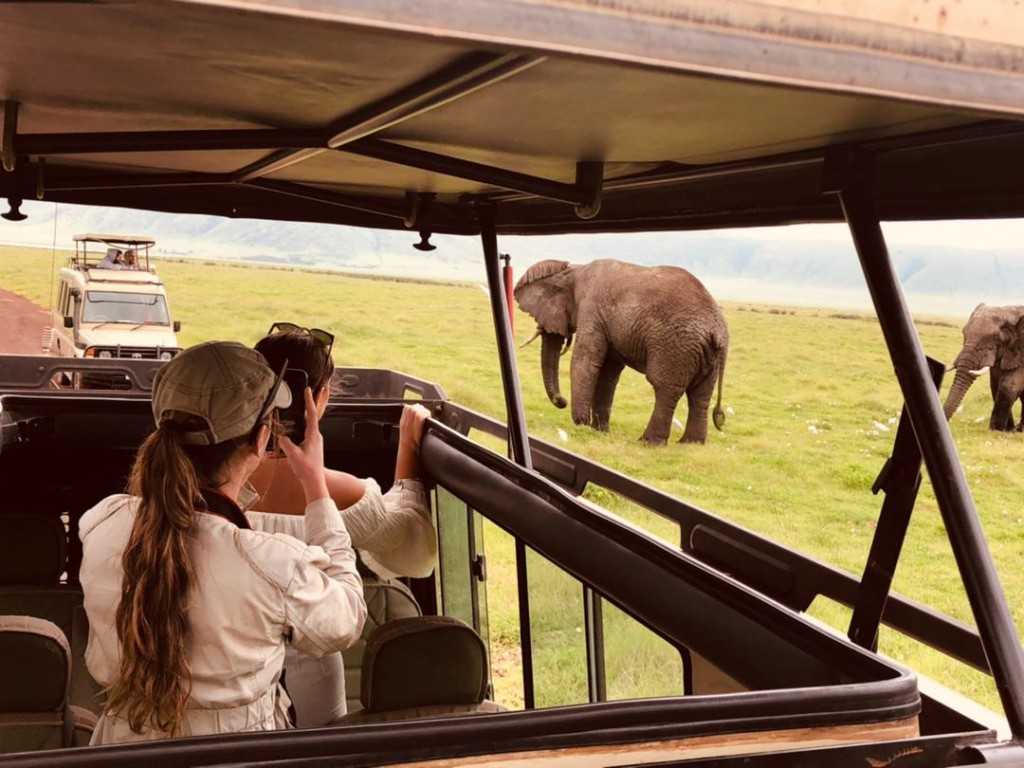
Frequently asked questions about Serengeti safaris cover when to go (year-round viewing, migration bests), costs (vary by season/luxury), safety (generally safe, use bottled water), packing essentials (layers, camera, binoculars, soft bags), necessary docs (passport, visa, vaccinations), and wildlife (Big Five, 540+ bird species, no tigers, rare Black Rhino). Key Park rules include 6 am to 6 pm entry, speed limits, no feeding animals, and no drones.
3-days-serengeti-safari-fly-in-ngorongoro-big-five-safari-from-zanzibar-island
3-days-best-of-central-serengeti-safari-begive-spotting-and-game-watching
3-days-ndutu-and-ngorongoro-crater-safari-in-tanzania
3-budget-tanzania-to-safari-serengeti-and-ngorongoro
3-days-southern-serengeti-safari-tour-and-ngorongoro-crater-calving-season-package
3-days-amazing-serengeti-safari-to-ngorongoro-crater-tanzania-tour
4-days-ndutu-and-serengeti-safari-in-tanzania
4-days-tarangire-ngorongoro-and-serengeti-safari-tour
4-days-best-tarangire-ngorongoro-and-serengeti-safari-itinerary
4-days-best-beach-to-bush-fly-in-and-fly-out-luxury-tanzania-safari-from-zanzibar
1. When is the best time to visit for a Tanzania safari?
The best time to embark on a Tanzania safari is year-round, as the country offers diverse wildlife experiences in every season. However, for those keen on witnessing the iconic Great Migration, plan your visit between late May and July. During these months, millions of wildebeest and zebras cross the Mara River, providing thrilling river crossings that are a highlight for many travelers. If you wish to observe calving, visit between December and March, when thousands of wildebeest give birth on the plains. These months not only offer stunning wildlife sightings but also beautiful landscapes, making for unforgettable photography opportunities. The dry season, from June to October, tends to attract animals to water sources, providing more visibility for spotting wildlife. Regardless of when you visit, a Tanzania safari promises captivating experiences, as the parks and wildlife are equally vibrant throughout the year.
2. How much does a Tanzania safari cost?
The cost of a Tanzania safari varies considerably based on several factors, including the season, type of accommodation, and travel preferences. Budget safaris can start as low as $450 per day, while luxury experiences may exceed $1650 per day. This extensive range allows for a variety of options, accommodating different budgets and expectations. Lower-priced safaris typically involve camping or basic lodges and might include shared vehicles. Conversely, luxury safaris often feature high-end lodges, exclusive use of safari vehicles, and personalized service. Additionally, prices fluctuate depending on the time of year, with high season rates usually being more expensive due to higher demand. It’s essential to factor in additional costs such as park entry fees, tips, and optional activities like hot air balloon rides or cultural visits. Planning your Tanzania safari according to your budget will ensure you enjoy an unforgettable experience tailored to your preferences.
3. Is the Serengeti safe for a Tanzania safari?
Safety is a priority on any Tanzania safari, and the Serengeti is generally considered safe for visitors. Following the guidance of your tour guides and adhering to park rules significantly enhances your safety. Guides are trained to navigate the terrain and respond appropriately to wildlife encounters, ensuring that you can enjoy a thrilling experience without undue risk. Additionally, taking basic precautions is advised, such as drinking only bottled water and keeping personal belongings secure from wildlife. While encountering wild animals is exhilarating, it’s crucial to respect their space and observe from a safe distance. Traveling with reputable tour operators and staying informed about any safety updates before your trip also contributes to a safe and enjoyable experience. Ultimately, by following guidelines and remaining aware, you can appreciate the incredible sights and sounds of the Serengeti while ensuring your safety during your Tanzania safari.
4. What wildlife can I see on a Tanzania safari?
A Tanzania safari offers an incredible opportunity to witness some of the world’s most iconic wildlife in their natural habitats. The Serengeti is famed for housing the Big Five: lions, leopards, elephants, buffalo, and rhinos. Additionally, you can expect to see vast herds of wildebeest and zebras, especially during the Great Migration. Cheetahs can often be spotted pacing the savanna, and giraffes are commonly seen gracefully browsing on acacia trees. Birdwatching is another highlight, with over 540 species recorded in the area, including the striking secretary bird and the colorful lilac-breasted roller. The diverse ecosystems provide habitats for a wide array of animals, making every game drive a unique experience filled with potential sightings. Whether you are keen on tracking large mammals or observing vibrant birdlife, a Tanzania safari promises unforgettable moments in the wild, showcasing the rich biodiversity this region has to offer.
5. Do I need vaccinations or malaria meds for a Tanzania safari?
Before embarking on your Tanzania safari, it is crucial to consult a doctor regarding necessary vaccinations and malaria prophylaxis. Recommended vaccines often include Hepatitis A and B, Typhoid, and sometimes Yellow Fever, particularly if you are traveling from a country with a risk of transmission. Malaria is prevalent in many parts of Tanzania, especially during the rainy season, so anti-malarial medication is generally advised for travelers. It’s essential to start taking these medications ahead of your trip, as advised by healthcare professionals. In addition to vaccinations, consider protecting yourself from mosquito bites by wearing long sleeves and using insect repellent. Staying informed about health advisories related to travel and following preventive measures will help ensure your well-being. Your safety is paramount, so take the necessary steps well before your Tanzania safari to remain healthy and enjoy your adventure without concerns.
6. What's the Great Migration in relation to a Tanzania safari?
The Great Migration is one of nature's most spectacular phenomena and a significant highlight of any Tanzania safari. This annual event involves millions of wildebeest, zebras, and gazelles traversing the plains in search of fresh grazing. Typically, the migration peaks from late May to July as herds cross rivers, creating dramatic scenes that attract many wildlife enthusiasts. This journey is driven by the animals' instinct to find food and water, following rain patterns throughout the Serengeti and into the Maasai Mara. Independent of season, the migration showcases the harsh realities of survival, as predators like lions and crocodiles join the hunt, offering guests thrilling wildlife sightings. Witnessing the migration is an unforgettable experience, with each moment brimming with life and excitement. If you aim to experience the Great Migration, planning your Tanzania safari around its schedule will greatly enhance your wildlife adventure.
7. Are there tigers in the Serengeti on a Tanzania safari?
No, tigers are not found in the Serengeti, nor anywhere else in Tanzania. Tigers are native to Asia, primarily inhabiting forests and grasslands in countries such as India and Bangladesh. On a Tanzania safari, however, you can experience the majestic wildlife that is synonymous with the African savannah. The Serengeti is home to the Big Cats, including lions, leopards, and cheetahs, which can often be seen throughout the park. These incredible predators roam freely, and their behaviors, such as hunting and cub-rearing, offer rich opportunities for observation and photography. While tigers are absent, the unique ecosystem of the Serengeti presents a distinct wildlife experience that is unmatched in its beauty and diversity. Embrace the chance to witness Africa's remarkable fauna, capturing the essence of a true Tanzania safari without the presence of tigers.
8. What should I pack for a Tanzania safari?
Packing appropriately for your Tanzania safari is crucial to ensure a comfortable and enjoyable experience. Start with light layers, as temperatures can vary throughout the day and evening. Mornings can be chilly, so include a warm jacket or fleece for early game drives. Comfortable, closed-toe shoes are essential for walking safaris and general exploration. Sun protection is vital; pack a wide-brimmed hat, sunglasses, and sunscreen to shield yourself from the strong African sun. A good-quality camera and binoculars are must-haves to capture the stunning wildlife and scenery. Additionally, a small backpack for daily essentials is helpful during excursions. Include a reusable water bottle to stay hydrated and reduce plastic use. Avoid bright colors, as they can disturb wildlife, and opt for neutral tones instead. By preparing your packing list thoughtfully, you’ll be well-equipped to fully enjoy the incredible adventures awaiting you on your Tanzania safari.
9. What should I leave at home for a Tanzania safari?
When preparing for your Tanzania safari, knowing what to leave at home can enhance your experience. Bright colors, while they may seem fun, can scare wildlife and should be avoided; instead, opt for neutral shades. Hairdryers are typically not compatible with the solar-powered systems in most lodges, so it’s best to leave them behind. Additionally, drones are usually banned in national parks, so don’t bring them along. Excessive jewelry or valuables are also unnecessary, as you'll want to enjoy your time without worrying about losing them. Bring essential travel documents and prescriptions, but not excessive paperwork. Lastly, pack efficiently to avoid heavy luggage, which can be cumbersome during travel. By leaving unnecessary items at home, you can focus on immersing yourself in the incredible sights and experiences that a Tanzania safari has to offer.
10. What are the park hours for a Tanzania safari?
Park hours are essential to know when planning your Tanzania safari, particularly to maximize wildlife viewing opportunities. In general, most national parks, including the Serengeti, are open from 6 am to 6 pm. Departing early to enter the parks at dawn is ideal, as wildlife is most active during these cooler hours. Early risers often have better chances of encountering thrilling sights, such as predators on the hunt, or herds gathering before the heat of the day sets in. Evening returns offer opportunities to witness stunning sunsets over the savannah, providing a perfect backdrop for that memorable photograph. Additionally, operating within park hours is also crucial for adherence to safety guidelines and respecting wildlife well-being. Be sure to confirm any specific park regulations or alternative hours with your tour operator to ensure a successful venture on your Tanzania safari.
11. What are the driving rules for a Tanzania safari?
Understanding the driving rules during your Tanzania safari is vital for a safe and enjoyable experience. While exploring national parks, adhere to a strict speed limit of 50 km/h, particularly to ensure the safety of wildlife and fellow travelers. Feeding animals is strictly prohibited; interactions can be harmful to both wildlife and visitors alike. Always follow the instructions of your guide, who will help navigate routes and identify key viewing locations for wildlife. Staying in your vehicle during game drives is essential, as it ensures both safety for you and respect for the animals. Conducting yourself within these rules helps preserve the integrity of the natural environment. By staying informed about the driving regulations on your Tanzania safari, you can fully enjoy the adventure while contributing to the conservation of this incredible wildlife-rich landscape.
12. How long should my Tanzania safari be?
The duration of your Tanzania safari largely depends on your interests and available time. Generally, a 5 to 7-day safari allows for a well-rounded experience, providing ample opportunities to explore multiple parks and witness diverse wildlife. A shorter safari might focus on specific highlights, like the Serengeti and Ngorongoro Crater, allowing for concentrated wildlife viewing. Longer trips can include more parks, such as Tarangire or Lake Manyara, and additional activities like cultural experiences with local tribes. Factors such as travel style, budget, and personal interests also influence the ideal length of your trip. It’s essential to discuss your preferences with your tour operator, who can craft an itinerary that fits perfectly with your timeframe. Ultimately, choosing the right duration will enable you to create lasting memories in Africa’s breathtaking landscapes while enjoying a fulfilling Tanzania safari.
13. Can I see the Big Five on a Tanzania safari?
Yes, a Tanzania safari offers a high chance of encountering the iconic Big Five: lions, leopards, elephants, buffalo, and rhinos. The Serengeti is particularly renowned for its lion population, and you can often spot these majestic predators during early morning or late afternoon game drives. Elephants are also prevalent, gracefully roaming the plains and forests, providing memorable sighting opportunities. Leopards can be elusive but are often seen lounging in the branches of acacia trees. Buffaloes are frequently found in large herds, while rhinos are rare, providing a more unique experience if spotted. Knowledgeable guides enhance your chances of encountering these magnificent animals, leading you to prime viewing locations. The thrill of observing the Big Five in their natural habitat is a significant highlight of any Tanzania safari, promising an unforgettable adventure in the wild.
14. What is the rarest animal seen on a Tanzania safari?
On a Tanzania safari, the critically endangered Black Rhino is often considered the rarest animal you may encounter. With populations severely diminished due to poaching and habitat loss, spotting a Black Rhino is a special experience, typically occurring in protected areas like the Ngorongoro Crater. Although their numbers have started to recover due to conservation efforts, sightings remain rare, making them a unique highlight of your safari. Besides the Black Rhino, other uncommon species like the African Wild Dog can occasionally be seen, but their populations are also declining. The thrill of encountering these rare animals adds depth to your safari experience, underscoring the importance of wildlife conservation efforts. Engaging with knowledgeable guides can also yield more insights about these species, enhancing your understanding and appreciation of wildlife preservation during your Tanzania safari.
15. Do I need a visa for a Tanzania safari?
Yes, a visa is typically required for travelers undertaking a Tanzania safari, and it’s essential to verify the specific requirements based on your nationality. Most tourists can obtain an e-visa prior to arrival or a visa on arrival at designated entry points. Make sure to apply for your visa well in advance, allowing ample processing time. Additionally, ensure that your passport is valid for at least six months beyond your planned departure date and has blank pages for stamps. Familiarizing yourself with visa regulations and necessary documentation beforehand will help streamline your entry into Tanzania. If you are uncertain about the process, consult with your tour operator or an official government source to ensure compliance with entry requirements, allowing you to focus on enjoying your Tanzania safari without any travel hiccups.
Booking Tanzania safari with us Roads of Adventure safaris
Booking Your Tanzania Safari with Roads of Adventure Safaris
Booking your Tanzania safari with Roads of Adventure Safaris ensures a seamless and unforgettable experience while exploring the stunning landscapes and rich wildlife of Tanzania. Our expert team is dedicated to crafting personalized itineraries that cater to your interests and preferences, whether you’re a first-time visitor or a seasoned traveler. We offer a range of packages, from budget-friendly options to luxurious experiences, ensuring there’s something for everyone.
Our knowledgeable guides are passionate about wildlife and conservation, providing insightful information during your journey while prioritizing your safety. We handle all logistics, including accommodation, transport, and park permits, allowing you to focus on enjoying your safari adventure. With a commitment to sustainable tourism, we also support local communities and conservation efforts in the areas we visit. By choosing Roads of Adventure Safaris, you’re not just booking a trip; you’re embarking on a remarkable journey filled with discovery, excitement, and magical moments in the heart of Africa.
