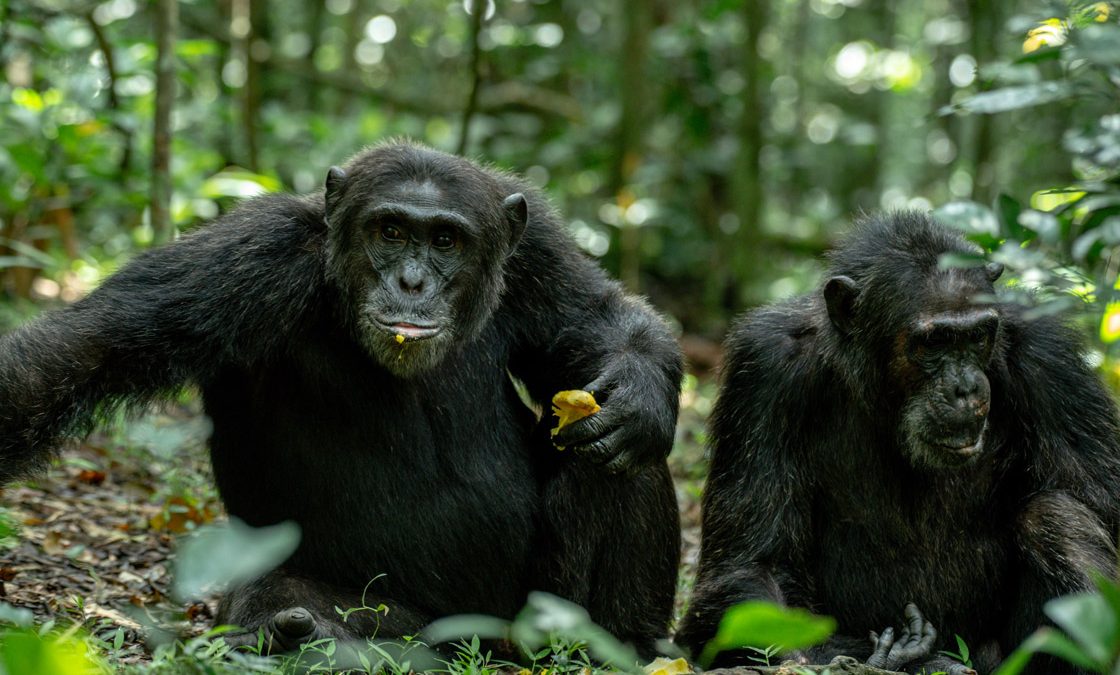
A 14-day Uganda and Rwanda safari combines elite primate tracking with classic big game viewing, featuring mountain gorillas in Bwindi (Uganda) and Volcanoes National Park (Rwanda), chimpanzees in Kibale, and savannah game drives in Queen Elizabeth and Akagera. This immersive itinerary typically includes Rhino tracking at Ziwa, boat cruises on the Nile and Kazinga Channel, and cultural tours, starting in Entebbe/Kigali and ending in Kigali/Entebbe.
14-days-complete-uganda-safari-tour-and-primate-safari-experience
14-days-uganda-and-rwanda-safari-tour-itinerary
14-days-luxury-rwanda-primate-safari-and-uganda-safari-tour-combo
14-days-rwanda-uganda-birding-safari-extravaganza-focused-on-the-albertine-endemics
14 Days Safari in Uganda and Rwanda widlife safari vacation
A 14-day wildlife safari in Uganda and Rwanda offers remarkable opportunities to engage with a variety of species, including mountain gorillas, chimpanzees, lions, elephants, hippos, golden monkeys, rhinos, buffaloes, leopards, and various exotic birds. Starting in Uganda, this itinerary includes thrilling activities like rhino tracking at Ziwa Rhino Sanctuary and a boat safari at Murchison Falls, where you can encounter hippos, crocodiles, and a variety of birds. The trip continues to Kibale Forest, known for its high concentration of primates, including red-tailed monkeys and grey-cheeked mangabeys. Queen Elizabeth National Park presents opportunities to view tree-climbing lions and elephants on thrilling game drives. The breathtaking gorilla trekking in both Bwindi and Volcanoes National Parks highlights this safari, offering a unique chance to observe mountain gorillas in their natural surroundings. Cultural insights are incorporated through visits to local communities. The journey wraps up with visits to Akagera National Park for savannah wildlife and a tour of Kigali, ensuring an educational adventure.
Days 1-3: Arrival & Rhino Tracking (Uganda)
Upon your arrival at Entebbe International Airport, your safari begins with a warm welcome from your guide. After brief introductions, you will drive to Ziwa Rhino Sanctuary, which takes approximately 2 to 3 hours. Here, you will track the endangered white rhinos, with potential sightings of other wildlife such as bushbucks and several bird species, including the African grey parrot. After the tracking, continue your journey to Murchison Falls National Park, roughly a 3-hour drive. Once you arrive, you can unwind before setting out for a memorable boat safari along the Nile River, where you’ll see hippos, crocodiles, and an array of birds like kingfishers and storks. Over the next few days, enjoy morning game drives where you might catch sight of elephants, giraffes, and buffaloes, rounding out your first three days filled with wildlife encounters and stunning river views.
Days 4-5: Murchison Falls & Kibale Forest (Chimps)
Day 4 begins with an early morning game drive in Murchison Falls National Park. This is an excellent time for spotting lions, elephants, and various antelopes. As you navigate through the park, you may also see birds like the shoebill stork and the African fish eagle. After the game drive, you will proceed to Kibale National Park, with a travel duration of approximately 6 to 7 hours. Upon arrival, settle into your accommodation and prepare for chimpanzee tracking the following day. On Day 5, you will set off early to track the chimpanzees in Kibale Forest. The forest is rich in biodiversity, home to over 13 species of primates, including red-tailed monkeys, grey-cheeked mangabeys, and baboons. After the thrilling tracking session, take a nature walk in the nearby Bigodi Wetland, where you can view more wildlife and enjoy the vibrant local flora and fauna.
Days 6-8: Queen Elizabeth National Park (Big Game)
On Day 6, you'll drive approximately 2 to 3 hours to Queen Elizabeth National Park. Upon arrival, check in at your lodge before taking a boat cruise along the Kazinga Channel. This channel is teeming with wildlife like hippos, crocodiles, and a myriad of bird species, including the vibrant pelicans and shoebills. This leisurely cruise offers great opportunities to observe animals while providing a unique perspective on the park. On Day 7, venture into the Kasenyi plains for a morning game drive. Common sightings include lions, elephants, and various plains game such as topi and Uganda kobs. Keep an eye out for tree-climbing lions in the Ishasha sector on Day 8 while you traverse this remarkable area. Returning to your lodge after a full day of adventure allows for moments of reflection on the amazing wildlife and unforgettable scenes of the Ugandan bush.
Days 9-10: Bwindi Impenetrable National Park (Gorillas)
Day 9 involves a transfer of about 2 to 3 hours to Bwindi Impenetrable National Park, known for its incredible mountain gorillas. After checking into your accommodation, prepare for the gorilla trekking experience the following day. On Day 10, partake in a guided trek through the dense jungle. This journey could last several hours as guides lead you to a family of mountain gorillas, with chances to see other wildlife, such as forest elephants, duikers, and various bird species. The trek is strenuous but rewarding, allowing for a profound connection with these magnificent creatures. Once you encounter the gorillas, observe their behaviors and interactions. After a memorable trek, spend some quiet time at Lake Bunyonyi, where you can relax and reflect on the day’s events, surrounded by the serene beauty of the area.
Days 11-12: Volcanoes National Park (Rwanda)
On Day 11, your adventure continues as you cross into Rwanda and travel to Volcanoes National Park, around 3 to 4 hours from Bwindi. Upon arrival, visit the Iby’iwacu Cultural Village, where you can learn about local customs and traditions. This visit may include interactions with local artisans and performances showcasing Rwandan culture. Day 12 presents an option for either tracking golden monkeys or hiking to the grave of Dian Fossey. Golden monkeys are lively, offering a different primate experience compared to gorillas. This activity allows for close encounters with these endangered monkeys in their mountainous habitat. Alternatively, the hike to Dian Fossey’s grave provides insights into her groundbreaking conservation work. No matter your choice, both activities offer opportunities for remarkable wildlife sightings and contribute to understanding the importance of conservation in Rwanda.
Days 13-14: Akagera National Park & Departure
On Day 13, you will depart for Akagera National Park, approximately a 3-hour drive. Known for its varied habitats, Akagera is home to a range of wildlife, including the Big Five: lions, elephants, leopards, buffaloes, and rhinos. Enjoy a full day of game driving, where you can witness animals in the savannah plains and lush wetlands, with opportunities to observe hippos and numerous bird species. As your safari comes to a close, you will drive to Kigali on Day 14 for a city tour, including a visit to the Kigali Genocide Memorial, which provides profound insights into Rwandan history. After the tour, it's time for your departure. Your journey through Uganda and Rwanda concludes, leaving you with memories of rich wildlife encounters and cultural experiences that will last a lifetime.
1. What Does a 14-Day Uganda-Rwanda Safari Include?
A typical 14-day Uganda-Rwanda safari includes a variety of exhilarating wildlife activities and cultural experiences. Core components are gorilla trekking in both Bwindi Impenetrable National Park in Uganda and Volcanoes National Park in Rwanda. These treks offer extraordinary opportunities to observe mountain gorillas in their natural habitats. In addition to gorilla trekking, travelers also engage in chimpanzee tracking in Kibale National Park, home to a high concentration of primates.
The safari typically features boat cruises on the picturesque waters of Murchison Falls and Queen Elizabeth National Park, offering views of hippos, crocodiles, and dozens of bird species. Game drives in multiple national parks aim to spot the Big Five: lions, elephants, leopards, buffaloes, and rhinos. Accompanying these wildlife activities are cultural interactions; many itineraries include visits to local villages or cultural sites, enriching the overall experience.
Alongside these adventure activities, packages often cover essential logistics, including park entry fees, permits (for gorilla and chimpanzee tracking), and sometimes even accommodation. This structure ensures that travelers enjoy a seamless experience without worrying about the details, allowing them to focus on the adventure and wildlife encounters throughout their journey.
2. Can I Start in One Country and End in Another?
Yes, starting in one country and ending in another is a common practice for travelers undertaking a Uganda-Rwanda safari. Many itineraries begin in Kigali, Rwanda, and conclude in Entebbe, Uganda, or vice versa. This approach is designed to minimize driving times between destinations, allowing travelers to maximize their time spent engaging with wildlife and cultural activities rather than in transit.
Starting in Kigali can also provide a more straightforward entry point into Rwanda, facilitating visits to key attractions such as the Kigali Genocide Memorial. After experiencing Rwanda’s captivating landscapes and gorilla trekking, travelers can cross into Uganda, enriching their safari experience with a diverse range of wildlife interactions, including chimpanzees and the Big Five.
This flexibility makes it easier to design a custom itinerary that aligns with your travel goals. Since both countries have roads that connect major parks, smooth border crossings are facilitated by tour operators, ensuring seamless transitions and allowing travelers to appreciate the natural beauty and wildlife of both nations without unnecessary logistical challenges.
3. Which Parks Are Included in Uganda?
A standard 14-day Uganda-Rwanda safari itinerary typically includes several of Uganda’s most renowned national parks. Murchison Falls National Park is often the first stop, celebrated for its spectacular waterfall and diverse wildlife. Visitors can expect to see animals such as elephants, giraffes, and a variety of bird species, including the magnificent shoebill stork.
Kibale Forest National Park is another key destination, famous for its dense population of primates, specifically chimpanzees. This park is often recommended for its high success rate in chimp tracking, making it an essential stop for wildlife enthusiasts.
Queen Elizabeth National Park is included for its rich biodiversity and opportunities to see tree-climbing lions, hippos, and elephants. The park is also known for its stunning boat cruises on the Kazinga Channel, where travelers can observe wildlife in a unique aquatic setting.
Lastly, Bwindi Impenetrable National Park is a highlight of any Ugandan safari, renowned for its mountain gorilla populations. Trekking in this park provides a unique chance to see these incredible animals up close. Each of these parks contributes to a well-rounded and unforgettable wildlife experience in Uganda.
4. Which Parks Are Included in Rwanda?
In a typical Uganda-Rwanda safari, two primary national parks stand out in Rwanda: Volcanoes National Park and Akagera National Park. Volcanoes National Park is a focal point for gorilla trekking, offering one of the only opportunities in the world to observe mountain gorillas in their natural habitat. The park not only allows for exhilarating trekking experiences but also showcases the stunning volcanic mountains that form part of the Virunga range.
In addition to gorilla trekking, travelers in Volcanoes National Park can engage in activities like golden monkey tracking or hiking to Dian Fossey's grave, adding depth to their cultural and wildlife experiences within the park.
Akagera National Park, on the other hand, provides a contrasting environment characterized by savannahs, wetlands, and lakes. This park is known for its efforts in reintroducing the Big Five, making it a prime location for spotting lions, elephants, leopards, and buffaloes. Safaris here typically include game drives and boat rides in the park's lakes, offering another dimension of wildlife observation.
Together, these parks present a diverse array of wildlife encounters and landscapes, enhancing the overall safari experience while highlighting Rwanda's rich biodiversity and conservation efforts.
5. Is Golden Monkey Trekking Included?
Yes, golden monkey trekking is often included in itineraries for travelers visiting Rwanda's Volcanoes National Park. This unique activity allows participants to get up close and personal with the endangered golden monkeys, which are known for their playful behavior and social structure. Trekking to observe these lively primates typically takes place in the bamboo forests of the national park, providing an exhilarating alternative to gorilla trekking.
The experience generally involves a guided trek that can last from a few hours to a full day, depending on the location of the monkeys. As part of this activity, tourists not only engage in primate observation but also gain insights into the significance of conservation efforts for these monkeys in Rwanda.
For many travelers, golden monkey trekking becomes a highlight of their trip, contributing to a greater appreciation for Rwanda’s rich biodiversity. Being able to observe multiple primate species during one trip enhances the wildlife experience, solidifying Rwanda's reputation as a prime destination for ecotourism and wildlife conservation.
6. Are City Tours Part of the Package?
Most Uganda-Rwanda safari packages typically include a city tour, particularly in Kigali, Rwanda's capital. The city tour often encompasses significant historical sites, such as the Kigali Genocide Memorial, which serves as a poignant reminder of the country’s past and the strength of its people. This memorial offers visitors insights into Rwanda's history and the events of 1994, making it an essential stop for understanding the culture and resilience of Rwandan society.
During the tour, travelers also have the opportunity to explore local markets and experience the vibrancy of urban life, enjoying local cuisine and interacting with friendly residents. Visiting places like the Craft Market or the local artisan shops can enhance the cultural immersion aspect of the safari.
Additionally, some itineraries may also include tours in other cities such as Entebbe in Uganda, where visitors can explore botanical gardens or the waterfront while relaxing before or after their safari. These city tours enrich the entire travel experience, blending wildlife adventures with cultural awareness, ultimately providing a holistic understanding of the regions visited.
7. How Much is a Gorilla Permit in Rwanda?
As of 2024, a single gorilla trekking permit in Rwanda costs $1,500 USD for foreign non-residents. This price reflects the importance of conservation efforts in protecting the critically endangered mountain gorillas, as revenue generated from these permits is directed toward park management and community development initiatives. The trek into Volcanoes National Park is not just an adventure; it supports ongoing efforts to preserve gorilla populations and their habitats.
The cost of the permit also includes the services of experienced guides and park rangers who ensure the safety and enjoyment of the trekking experience. The permit grants access to a specific group of gorillas, enhancing the likelihood of a meaningful encounter.
It is advised to book these gorilla permits in advance, especially during peak tourist seasons when availability can be limited. Given the significant investment involved, travelers should consider this as a once-in-a-lifetime opportunity to connect with wildlife and contribute to conservation, making the experience both extraordinary and impactful.
8. How Much is a Gorilla Permit in Uganda?
A gorilla permit in Uganda typically costs between $600 and $800 USD, depending on the season. This price point significantly lower than Rwanda makes gorilla trekking in Uganda an attractive option for travelers on a budget. The permits allow access to gorilla families in Bwindi Impenetrable National Park and sometimes even Mgahinga Gorilla National Park, where mountain gorillas can be observed in their natural habitat.
Revenue from these permits plays a crucial role in funding conservation efforts and the management of national parks, supporting broader initiatives aimed at protecting these endangered animals. Notably, tracking in Uganda often provides more opportunities to visit multiple habituated families, which can enhance the overall experience.
Like in Rwanda, it is essential to book these permits in advance, especially during peak seasons when demand is high. Overall, the more accessible price of gorilla permits in Uganda, alongside the remarkable chance to witness these incredible creatures, remains a significant draw for travelers seeking wildlife encounters in East Africa.
9. What is the Difference Between Gorilla Trekking in Uganda vs. Rwanda?
Gorilla trekking in Uganda and Rwanda offers distinct experiences influenced by geography and logistics. Rwanda typically provides shorter, easier treks due to its well-maintained trails and concentrated gorilla populations, making it an appealing option for travelers seeking a less strenuous experience. The likelihood of spotting mountain gorillas in Rwanda is high, thanks to the park's management and conservation efforts.
In contrast, gorilla trekking in Uganda often involves more rugged terrain, which can prove challenging for some visitors. However, this aspect also allows for a more immersive experience in the wilderness. Uganda provides access to a greater number of habituated gorilla families, which can enhance the opportunity for diverse encounters during one trek.
Additionally, trekking conditions may differ; Rwanda often has more regulated trekking groups to minimize disturbance to gorillas, while Uganda may offer a more rugged and budget-friendly option. Ultimately, both countries provide unique advantages in their gorilla trekking experiences, and many enthusiasts choose to trek in both countries to appreciate varied natural environments and gorilla behaviors.
10. Is Chimpanzee Tracking Guaranteed?
Chimpanzee tracking in Kibale National Park boasts an impressive success rate, often nearing 100%. This high success rate can be attributed to the dense population of chimpanzees residing within the park, making sightings very likely. Kibale is renowned for being home to over 1,400 chimpanzees and boasts a range of other primate species, including red-tailed monkeys and grey-cheeked mangabeys.
During the tracking experience, visitors are accompanied by knowledgeable guides who understand the habits and movements of the chimpanzees, ensuring that participants have a fulfilling encounter. The guided nature of the tracking increases the chances of spotting these fascinating primates in their natural habitat, where they exhibit their social behaviors and communication styles.
In addition to tracking, the park offers diverse ecosystems filled with various wildlife, making each visit unique. This makes chimpanzee tracking an essential activity for those interested in primate conservation and observation, and it often serves as one of the highlights of the Uganda-Rwanda safari experience.
11. Do I Need a Special Visa for Both Countries?
Yes, travelers planning to visit both Uganda and Rwanda are generally required to obtain a visa for each country. An East Africa Tourist Visa is highly recommended, as it streamlines the process by covering entry into Uganda, Rwanda, and Kenya for a single fee of $100 USD. This visa simplifies logistics by allowing multiple entries within a 90-day period, making it an excellent option for travelers eager to explore the East African region comprehensively.
Obtaining the East Africa Tourist Visa is typically straightforward. Travelers can apply online before their trip or at the airport upon arrival. Ensure you have all necessary documents, including a valid passport and any required health certifications, to facilitate a smooth entry.
By securing this visa, you can focus on your adventures without having to worry about crossing borders with separate visas. Overall, preparing your visa requirements ahead of time contributes to an enjoyable and hassle-free travel experience.
12. How Do I Cross the Border?
Crossing the border between Uganda and Rwanda is typically a straightforward process, particularly for tourists. The most common border crossing points are Cyanika and Katuna, where well-established procedures facilitate easy transitions between the two countries. When traveling within a safari package, your tour driver or guide will assist with the border crossing, handling necessary documentation and ensuring compliance with regulations.
Travelers will need valid passports and, ideally, the East Africa Tourist Visa, which allows for easier entry into both nations. Upon arrival at the border, travelers are required to present their documentation to customs officials. The process generally takes no longer than 30 minutes to an hour, depending on traffic and the time of day.
It's advisable to plan your border crossing in coordination with your itinerary to minimize waiting times. With proper planning and the guidance of an experienced tour operator, crossing the border between Uganda and Rwanda can be a seamless aspect of your wildlife safari adventure.
13. What is the Best Time for This Safari?
The best time to embark on a Uganda-Rwanda safari is during the dry seasons, which occur from June to September and December to February. These months provide favorable conditions for both hiking and wildlife viewing, with less rainfall resulting in clearer trails and more predictable animal behaviors.
During the dry season, trekking conditions are more comfortable, making it easier to explore the rugged terrains of Bwindi Impenetrable National Park and Volcanoes National Park. Wildlife viewing is more rewarding, as animals often congregate around water sources, increasing the likelihood of sightings. The dry season also coincides with the peak tourist periods in both Uganda and Rwanda, bringing together travelers from around the globe who share a passion for wildlife and natural beauty.
Conversely, the wet seasons can lead to muddy trails and hinder some outdoor activities, although this time often sees fewer tourists and can be ideal for budget-conscious travelers. Ultimately, planning your safari around the dry seasons maximizes your chances for wildlife interactions and overall enjoyment of the experience.
14. What Should I Pack?
Packing for a safari in Uganda and Rwanda requires careful consideration of the varied environments you will visit. Essential items include waterproof hiking boots and long trousers to protect against insects and rough terrain during treks. Insect repellent is a must to ward off mosquitoes, while a high-factor sunscreen helps shield against sun exposure during outdoor activities.
A rain jacket is also advisable due to the possibility of unexpected rainfall, especially in mountainous areas. Layering is key, as mornings in the mountains can be quite chilly, requiring warmer clothing that can be easily removed as the day heats up.
Bringing a refillable water bottle is important for staying hydrated, and it's beneficial to have binoculars for wildlife observation. Additionally, a good-quality camera is vital for capturing the remarkable sights and memories of your safari journey. With thoughtful packing, you can ensure a comfortable and enjoyable safari experience, allowing you to focus on exploring the stunning wildlife and cultural richness of Uganda and Rwanda.
15. Is It Safe?
Both Uganda and Rwanda are considered safe destinations for travelers, with a welcoming culture and friendly locals. Each country has made significant strides in improving security and tourism infrastructure, making it easy for visitors to explore with peace of mind. The areas frequented by tourists are typically well-policed, and professional armed rangers accompany trekkers in national parks, ensuring safety during gorilla and chimpanzee tracking.
It's advised to follow standard safety precautions while traveling, such as securing personal belongings, avoiding isolated areas after dark, and adhering to local laws and customs. Engaging with reputable tour operators or guides ensures a smoother experience, as they are well-versed in the local environment and can provide guidance on safety measures.
Overall, with political stability and dedicated efforts to promote tourism, travelers can confidently explore both nations while enjoying their diverse wildlife and cultural experiences. The friendly nature of the people enriches the journey, making it not only safe but enjoyable.
16. Are Accommodation Options Luxury or Budget?
Accommodation options during a Uganda-Rwanda safari cater to a range of preferences and budgets, ensuring that all travelers have a comfortable stay. Choices range from luxury lodges and upscale tented camps to mid-range and budget-friendly accommodations, offering a spectrum of amenities and experiences.
Luxury lodges typically feature modern facilities, extensive services, and stunning views of wildlife or natural surroundings. These accommodations often provide high-quality dining options, private balconies, and spa services, allowing guests to unwind in comfort after an adventurous day.
Mid-range options can include cozy lodges and guesthouses that provide essential amenities at reasonable prices, striking a balance between comfort and affordability. Budget accommodations such as hostels or basic guesthouses are also available for travelers seeking a more economical solution, ensuring that a wider audience can explore the stunning landscapes and wildlife without compromising quality.
Booking Uganda Rwanda safari with us Roads of Adventure safaris
Book your unforgettable Uganda-Rwanda safari with Roads of Adventure Safaris www.roadsofadventuresafaris.com for tailored, expert-guided adventures. Specializing in mid-range to luxury, they manage all logistics, including Gorilla/Chimpanzee permits, 4x4 transport, and lodge bookings. Explore Bwindi, Volcanoes NP, and Queen Elizabeth with a trusted team focusing on secure, memorable experiences. Offering custom itineraries, they ensure seamless, high-quality service. Contact info@roadsofadventuresafaris.com www.roadsofadventuresafaris.com or +256 701041637 to secure your dream African adventure.
