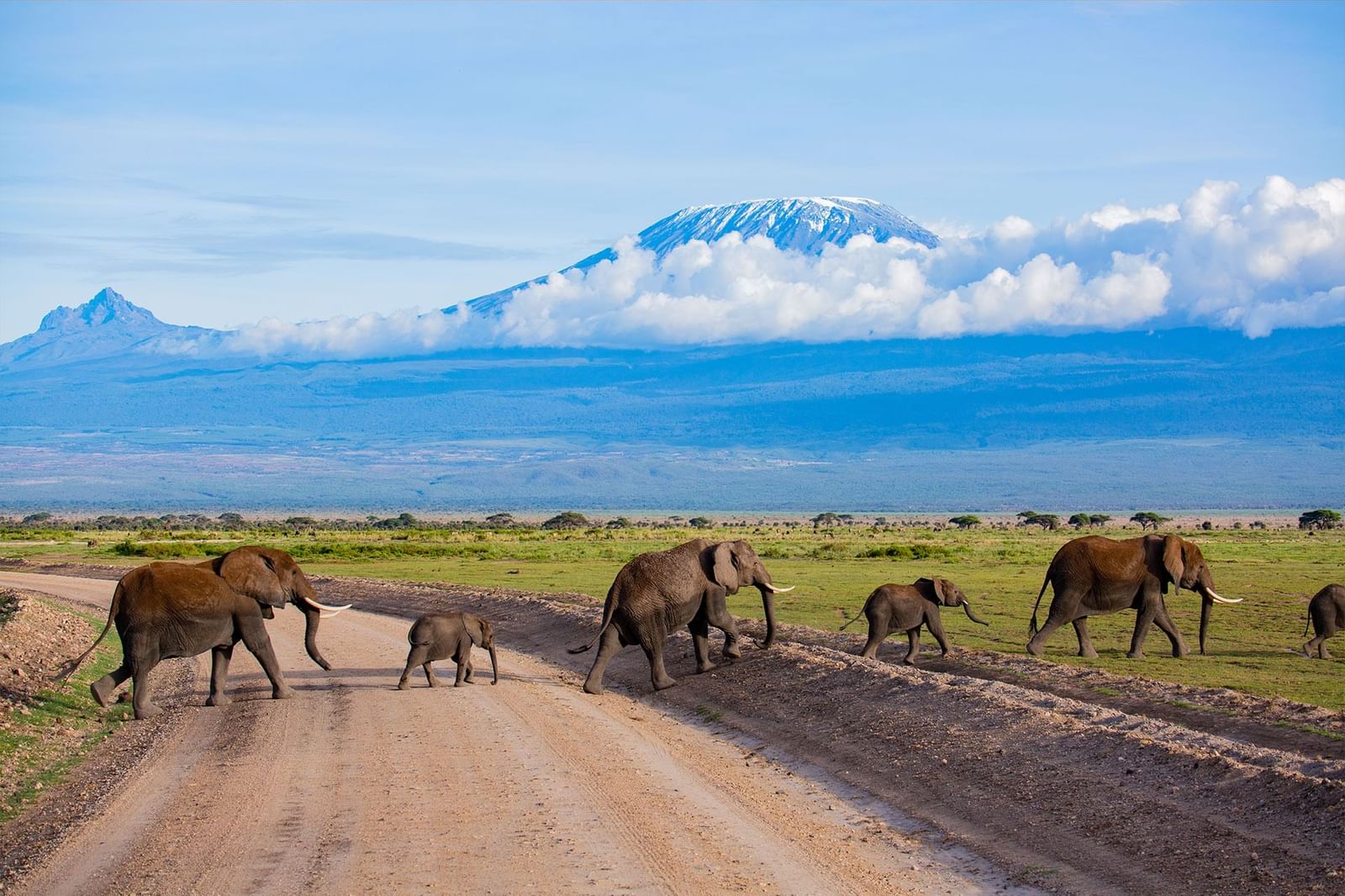
The 14-Day Kenya Wildlife Safari Classic Edition is an immersive, cross-country adventure. It explores Kenya’s premier parks, focusing on the "Big Five" (lion, leopard, elephant, rhino, buffalo), the "Samburu Special Five" (Grevy's zebra, reticulated giraffe, Beisa oryx, gerenuk, Somali ostrich), and a relaxing coastal or lake finale.
14 Days Kenya wildlife safari classic edition
The 14 Days Kenya wildlife safari classic edition offers an immersive journey through the heart of East Africa's most legendary wilderness landscapes. This curated expedition balances the semi-arid northern frontier with the iconic savannahs of the Great Rift Valley and the southern plains under Mt. Kilimanjaro. Travelers track rare localized species in Samburu, explore critical rhinoceroses’ sanctuaries at Ol Pejeta and Lake Nakuru, and cruise the peaceful waters of Lake Naivasha. The adventure reaches its ultimate peak in the world-renowned Maasai Mara National Reserve; a pristine eco-system globally celebrated for its high predator concentrations and the dramatic Great Migration. Traveling in custom-built 4x4 safari vehicles accompanied by expert driver-guides, this classic edition ensures premium game-viewing opportunities, authentic cultural encounters with local communities, and overnight stays in hand-picked luxury tented camps and classic safari lodges. It is the definitive two-week African immersion, seamlessly blending raw wilderness adventure with timeless safari hospitality.
Tour highlights for 14 Days Kenya wildlife safari classic
Majestic Samburu Special-Five
Rare Grevy's zebras
Threatened black rhinos
Protected white rhinos
Equator line crossing
Scenic Rift Valley
Pink flamingo gatherings
Endangered Rothschild's giraffes
Serene boat safaris
Crescent Island walking
Vast Mara savannahs
Dramatic river crossings
Thrilling predator tracking
Authentic Maasai encounters
Towering Mount Kilimanjaro
Massive elephant herds
Lush sulfur swamps
Famous Carnivore dining
Day by day 14 Days Kenya wildlife safari classic
Day 1: Arrival in Nairobi
Your 14 Days Kenya wildlife safari classic edition commences upon arrival at Jomo Kenyatta International Airport (NJKIA) in Nairobi. Your dedicated professional driver-guide will warmly welcome you and provide a seamless transfer to your upscale hotel tucked away in the serene suburbs of the capital city. Depending on your arrival time, you can unwind by the pool or opt for a brief afternoon excursion to the Karen Blixen Museum or the Giraffe Centre, where you can hand-feed endangered Rothschild's giraffes. In the evening, gather for an essential pre-safari briefing with your guide to review the exciting route ahead. Enjoy a relaxed dinner featuring local and international cuisine at your hotel, allowing your body to adjust to the African time zone and rest ahead of your early morning departure into the rugged northern frontier.
Day 2: Nairobi to Samburu National Reserve
After an early breakfast, depart Nairobi and drive north toward the semi-arid frontier of the Samburu National Reserve. The scenic five-hour road trip takes you through the fertile agricultural highlands of central Kenya, past sprawling pineapple and coffee plantations, and alongside the striking, jagged peaks of Mount Kenya before descending into the dramatic desert scrubland. Arrive at your luxury safari lodge in time for lunch and a brief rest. At 4:00 PM, embark on your introductory game drive along the life-giving Ewaso Nyiro River. This unique river system cuts through the dusty plains, drawing massive herds of elephants and unique northern wildlife to its banks. Keep your camera ready as twilight settles over the dramatic landscape, then return to your camp for dinner under the stars.
Day 3: Full Day in Samburu National Reserve
Dedicate a full day to exploring Samburu’s rugged terrain, focusing on tracking the "Samburu Special Five"—rare species uniquely adapted to arid climates that are not found in Kenya's southern parks. These include the long-necked gerenuk, reticulated giraffe, Grevy's zebra, Beisa oryx, and the Somali ostrich. Set out with a sunrise game drive when predators are most active, scanning the acacia trees for leopards and watching lion prides patrol the riverbanks. Return to camp for a midday lunch and a leisurely siesta during the heat of the day. In the late afternoon, head out for another drive, exploring the park's deeper rocky kopjes and yellow-fever tree forests. You may also opt for an enriching cultural visit to a traditional Samburu village to learn about their ancient pastoralist customs, vibrant beadwork, and harmonious lifestyle.
Day 4: Samburu to Ol Pejeta Conservancy
Bid farewell to Samburu and drive south toward the Laikipia Plateau, arriving at the private Ol Pejeta Conservancy. This diverse 90,000-acre non-profit reserve rests directly on the equator and boasts a spectacular backdrop of Mount Kenya. After checking into your luxury tented camp and enjoying lunch, head out into the field. Ol Pejeta is the largest black rhino sanctuary in East Africa, making it a premier destination to view these highly endangered, prehistoric creatures up close. Your afternoon drive will include a poignant visit to the strictly guarded enclosure housing the world's last two remaining northern white rhinos. You will also visit the Sweetwaters Chimpanzee Sanctuary, a rescue center established in partnership with the Jane Goodall Institute to rehabilitate orphaned and abused chimpanzees, offering a heartwarming break from traditional big-game tracking.
Day 5: Ol Pejeta to Aberdare National Park
Travel short distance into the mist-covered misty highlands to reach Aberdare National Park, a dramatic landscape of deep ravines, cascading waterfalls, and dense mountain rainforests. Check into a legendary forest treehouse lodge, designed specifically for stationary, low-impact wildlife viewing. The cooler, alpine climate provides a vital sanctuary for specialized montane wildlife, including the rare, forest-dwelling bongo antelope, giant forest hogs, and elusive black leopards. Your afternoon does not require driving; instead, relax on the lodge's open wooden decks overlooking a large, salt lick and floodlit waterhole. Throughout the afternoon and well into the night, an array of elephants, buffaloes, and rhinos emerge from the dense forest canopy to lick the mineral-rich soil, providing an exceptional, intimate theater of wildlife viewing from the comfort of your accommodation.
Day 6: Aberdare to Lake Nakuru National Park
Descend from the misty highlands into the spectacular Great Rift Valley, tracking western roads to arrive at Lake Nakuru National Park. Famous globally for the vibrant pink fringe of flamingos that seasonally gather along its alkaline shores, this compact park is a triumph of modern conservation. After lunch at your cliffside lodge, embark on an extensive afternoon game drive through the yellow-fever acacia woodlands and euphorbia forests. Nakuru serves as a highly successful government-protected rhino sanctuary, hosting healthy populations of both southern white rhinos and elusive black rhinos. It is also an excellent habitat for tracking the rare, localized Rothschild's giraffe, massive herds of Cape buffalo, and a surprisingly high density of leopards that utilize the stout acacia branches for afternoon naps. Conclude your day at a scenic viewpoint overlooking the lake.
Day 7: Full Day at Lake Nakuru National Park
Spend another immersive day deep within Lake Nakuru National Park to capture the changing light and diverse ecosystems. Start with a dawn game drive along the lake’s northern shores, watching pelicans and waterbucks wade through the morning mist. Ascend to the panoramic Baboon Cliff viewpoint, which offers sweeping vistas across the entire shimmering lake basin and its surrounding volcanic hillsides. Spend your afternoon exploring the park's hidden sections, tracking lion prides that frequently climb trees to escape the ground brush or spotting colorful bird species—with over 450 avian species recorded here, it is a birdwatcher's paradise. This slow-paced day ensures you cover the park's diverse eco-zones completely, offering ample time for high-quality wildlife photography without the rush of changing locations, followed by a quiet dinner at your lodge.
Day 8: Lake Nakuru to Lake Naivasha
After breakfast, take a short, scenic drive further south along the Rift Valley floor to Lake Naivasha, the highest and purest of the valley's freshwater lakes. Surrounded by yellow-barked acacia trees and volcanic landscapes, Naivasha is a peaceful oasis. Check into your lakeside resort and enjoy lunch on lawns where colobus monkeys play. In the afternoon, board a motorized boat safari to cruise past pods of wallowing hippos and spot magnificent African fish eagles plunging into the water for prey. Step ashore onto Crescent Island Game Sanctuary, a private, peninsula reserve where you will participate in an exclusive guided walking safari. Because there are no large predators on the island, you can safely walk alongside giraffes, zebras, waterbucks, and wildebeests, experiencing the unique thrill of being on foot in the African bush.
Day 9: Lake Naivasha to Maasai Mara National Reserve
Depart the Rift Valley lakes and journey into the world-famous Maasai Mara National Reserve, the crown jewel of your 14 Days Kenya wildlife safari classic edition. As you cross the reserve’s gates, the landscape opens dramatically into quintessential African savannah—vast, undulating golden plains dotted with iconic flat-topped acacia trees. Arrive at your luxury tented camp in time for lunch and a brief rest. At 4:00 PM, head out for your first game drive in this wildlife-rich ecosystem. The Mara supports an unparalleled density of apex predators, and you are likely to spot lions resting in the shade or a cheetah scanning the plains from a termite mound before nightfall. Return to your camp for dinner, falling asleep to the distant, thrilling sounds of roaring lions and laughing hyenas.
Day 10: Full Day in Maasai Mara National Reserve
Awaken to the smell of fresh Kenyan coffee before setting out on a full-day game drive across the boundless Mara plains. Armed with a packed picnic lunch, your guide will navigate deep into the reserve to explore diverse habitats, from open grasslands to riverine forests. If your safari falls between July and October, you will head toward the Mara River to witness the harrowing Great Migration, where hundreds of thousands of wildebeests and zebras brave massive Nile crocodiles to cross the turbulent waters. Even outside migration months, the Mara offers spectacular year-round wildlife viewing, featuring resident prides of lions, leopards, elephants, and large buffalo herds. Enjoy your picnic lunch under the shade of an isolated acacia tree in the middle of the wild savannah, a true bucket-list experience.
Day 11: Second Full Day in Maasai Mara National Reserve
Dedicate a second full day to unlocking the deeper secrets of the Maasai Mara ecosystem. You may choose to start your morning with an optional, unforgettable hot-air balloon safari at dawn, drifting silently over the plains as the sun rises, followed by a champagne bush breakfast. Alternatively, set out on another early morning game drive to track elusive nocturnal hunters, like leopards and hyenas, before they retreat from the intense midday heat. In the afternoon, visit an authentic, local Maasai village (Manyatta). This cultural encounter provides a rare opportunity to interact with the iconic Maasai warriors, watch their traditional jumping dances, learn about their communal homestead structures, and discover how this ancient tribe continues to coexist harmoniously alongside wild apex predators.
Day 12: Maasai Mara to Amboseli National Park
Bid farewell to the golden plains of the Mara and embark on a longer transit day as you journey southeast toward Amboseli National Park. This drive takes you through scenic Maasai land and back through Nairobi for a brief lunch stop, before continuing south to the border country. Arrive at Amboseli late in the afternoon, where you will be greeted by the breathtaking sight of Mount Kilimanjaro—the tallest freestanding mountain in the world—towering majestically over the park's boundaries. Check into your luxury lodge and unwind after the long journey. As the evening clouds clear around Kilimanjaro’s snow-capped peak, enjoy a refreshing sundowner drink on the deck, taking in the classic view of the African landscape before sitting down for a relaxed dinner.
Day 13: Full Day in Amboseli National Park
Spend the day uncovering the unique habitats of Amboseli National Park, a landscape famous for its stark contrasts, stretching from dried-up lake beds to lush, green sulfur springs fed by Kilimanjaro’s melting snow. Amboseli is globally celebrated as the best place in Africa to view and photograph free-ranging herds of giant African elephants. Start with an early morning game drive when Kilimanjaro’s peak is most likely to be completely cloud-free, capturing iconic photos of elephants walking before the snowy mountain. Spend the afternoon exploring the permanent Enkongo Narok and Olokenya swamps, where massive hippos, buffaloes, and hundreds of waterfowl species gather to feed. Ascend Observation Hill for a panoramic view of the entire park, watching the sunset cast a deep orange glow over the dusty, beautiful plains.
Day 14: Amboseli to Nairobi & Departure
On the final day of your 14 Days Kenya wildlife safari classic edition, enjoy a final sunrise game drive in Amboseli, capturing one last look at the wildlife against the mountain backdrop. Return to the lodge for a hearty breakfast before checking out and commencing your four-hour drive back north to Nairobi. Arrive in the capital city by early afternoon, where your guide will take you to the famous Carnivore Restaurant for a celebratory farewell lunch featuring a wide array of traditionally roasted meats. Following lunch, enjoy optional time for last-minute souvenir shopping at local artisan markets, before your driver transfers you directly to Jomo Kenyatta International Airport for your evening homeward flight, bringing your unforgettable two-week Kenyan safari adventure to a close.
What is the significance of the "Samburu Special Five," and how does their physiology reflect their habitat?
The "Samburu Special Five" comprises the reticulated giraffe, Grevy’s zebra, Beisa oryx, gerenuk, and Somali ostrich. These species are highly localized endemic variants adapted specifically to the arid and semi-arid brush states of Northern Kenya, a stark contrast to the lush grasslands found later in the 14 Days Kenya wildlife safari classic edition. Their survival relies on advanced evolutionary physiology designed to combat extreme heat and water scarcity.
The gerenuk (Litocranius walleri), or giraffe gazelle, features a highly modified lumbar spine and elongated metatarsal bones, allowing it to stand completely erect on its hind legs to reach acacia browse up to eight feet high. This anatomical adaptation eliminates its dependency on surface water entirely, as it derives sufficient moisture directly from succulent leaves. Similarly, the Grevy’s zebra (Equus grevyi) exhibits much narrower vertical striping than its plains counterpart. This pattern functions as a solar radiator, generating micro-air currents across the skin to dissipate heat, while its larger, rounded ears maximize thermal regulation. The Beisa oryx possesses a specialized nasal vascular network called a carotid rete, which cools blood flowing to the brain through counter-current heat exchange, allowing its core body temperature to safely rise to levels that would cause organ failure in other mammals. Exploring this northern frontier on Days 2 and 3 highlights how isolation and climatic pressures drive unique evolutionary divergence before travelers head south toward the classic savannahs.
How do black and white rhinoceros species differ ecologically, and why is Ol Pejeta critical to their survival?
The structural and behavioral distinctions between the black rhinoceros (Diceros bicornis) and the white rhinoceros (Ceratotherium simum) center strictly on their dietary niches and anatomical adaptations. Black rhinos are selective browsers. They possess a prehensile, pointed upper lip designed to wrap around branches, strip thorny bark, and pluck leaves from woody shrubs. Ecologically, they prefer dense, overlapping bushlands where they remain solitary and aggressively territorial. Conversely, white rhinos are broad-lipped grazers. Their wide, square mouths act like lawnmowers, perfectly designed for cropping short grasses on open plains. They are substantially larger, more social, and prefer open savannah ecosystems.
During Day 4 of the 14 Days Kenya wildlife safari classic edition, travelers explore the Ol Pejeta Conservancy, which serves as a vital sanctuary for both species. Ol Pejeta holds the largest population of black rhinos in East Africa, utilizing advanced anti-poaching infrastructure, K9 tracking units, and satellite-linked horn transmitters to protect these critically endangered mammals. Crucially, the conservatory also safeguards the world’s last two remaining northern white rhinos (Ceratotherium simum cottoni), both females, making it the global epicenter for cutting-edge cellular technologies and in-vitro fertilization (IVF) programs aimed at rescuing this subspecies from total extinction.
What role does residual volcanic activity play in the ecosystems of the Great Rift Valley lakes?
The Great Rift Valley, which shapes Days 6 through 8 of the safari itinerary, is a massive geological trench formed by the tectonic separation of the Nubian and Somalian plates. This ongoing rifting has left behind a legacy of deep volcanic faulting, subterranean hot springs, and tectonic depressions that directly dictate the water chemistry and ecological profiles of Lakes Nakuru and Naivasha.
Lake Nakuru is a closed, endorheic basin with no natural outlets. High evaporation rates combined with continuous mineral inputs from underground volcanic springs create a highly alkaline, hypersaline "soda lake" environment. This extreme chemistry prevents most fish life from surviving, but it provides the perfect environment for Spirulina (Arthrospira fusiformis), a microscopic, blue-green alga that thrives on intense sunlight and high pH levels. This abundant food source is what draws millions of lesser flamingos to the lake.
Just a short distance away, Lake Naivasha rests at a higher elevation along the Rift floor. It remains a freshwater lake due to underground volcanic fissures that continuously drain its water into deep, subterranean aquifers, preventing mineral accumulation. This freshwater supports massive beds of papyrus reeds, diverse fish populations, and large pods of hippopotamuses, illustrating how localized volcanic geology can create two entirely different ecosystems right next to each other.
How does the Great Migration function as a dynamic ecological clock across the Mara-Serengeti ecosystem?
The Great Migration is a continuous, clockwise search for food and water driven by seasonal rainfall patterns across the 40,000-square-kilometer Mara-Serengeti ecosystem. It is not a random movement, but a highly synchronized ecological cycle involving over 1.3 million wildebeests, 200,000 zebras, and thousands of gazelles. The movement is driven by the animals' nutritional needs; the volcanic soils of the southern Serengeti are rich in phosphorus and calcium, which are vital for pregnant and lactating wildebeests during the calving season early in the year.
As the southern plains dry out around May, the herds follow the path of the rains northwest toward the Western Corridor. By July and August, the migration reaches the northernmost point of the ecosystem: Kenya’s Maasai Mara. This critical phase is featured during Days 10 and 11 of the 14 Days Kenya wildlife safari classic edition. The herds cross the treacherous, crocodile-infested waters of the Mara River to reach the fresh, perennial grasses of the Mara, where they stay until October. When the short rains return to the south in November, the herds quickly move back down, completing a vital cycle that naturally trims the grasslands, deposits nutrients into the soil, and sustains the region's apex predators.
Why do elephants in Amboseli National Park achieve exceptional size, and how do they impact the park's hydrology?
Amboseli National Park, featured on Days 12 and 13 of the safari, is world-renowned for hosting some of Africa's largest elephants, including famous "Big Tuskers" whose ivory carries rare genetic traits for immense growth. The exceptional size and health of these elephants are tied directly to the unique hydrology of Mount Kilimanjaro. Although Amboseli receives very little rainfall, melting snow and rainfall from Kilimanjaro soak deep into porous volcanic rock, flowing underground for miles before bubbling up as permanent, nutrient-rich freshwater swamps like Enkongo Narok right in the heart of the park.
These swamps provide an endless, year-round supply of lush water plants and grasses, giving the elephants a stable, high-protein diet even during severe droughts. As these massive animals move through the swamps, they act as natural engineers. Their heavy footsteps create deep channels through the thick papyrus, keeping the water flowing and preventing the swamps from choking. By digging into the muddy ground, they open up clean pools of water that smaller mammals and birds rely on, showing how their behavior shapes the entire park's water system.
What are the distinct behavioral and structural hunting adaptations of Kenya’s apex predators?
The Maasai Mara is an ideal setting for observing the specialized hunting strategies and physical adaptations of Africa's top predators, highlighting how they split up niches to avoid direct competition. The lion (Panthera leo) relies on cooperative, social hunting within a pride. Lions use a coordinated ambush technique where hidden "wing" pride members herd prey toward a concealed central striker. Their heavy, muscular bodies are built for short bursts of power and dragging down large animals, rather than long-distance chases.
In contrast, the cheetah (Acinonyx jubatus) is a solitary daylight hunter built purely for speed. It features non-retractable claws that act like athletic cleats for grip, a flexible spine that lengthens its stride, and a long, muscular tail that acts as a rudder during sharp turns. Cheetahs target smaller, agile prey like Thomson's gazelles, using high-speed chases that last less than a minute.
The leopard (Panthera pardus) relies entirely on camouflage and stealth. It uses its rosette-patterned coat to blend into the shadows before ambushing prey from close range. Its immense upper-body strength allows it to hoist carcasses twice its weight high into acacia branches, keeping its food safe from hyenas and lions.
How do alkaline and freshwater lake ecosystems split up avian communities in the Rift Valley?
The dramatic shift in birdlife between Lake Nakuru (Days 6–7) and Lake Naivasha (Day 8) shows how water chemistry directly shapes local food webs. Lake Nakuru’s highly alkaline waters support a specialized, low-diversity food web dominated by Spirulina algae and small brine fly larvae. This specific environment is perfect for the lesser flamingo (Phoeniconaias minor), which uses a specialized, deep-keeled bill lined with fine filtering structures to strain algae from the water. Greater flamingos (Phoenicanaias roseus) also feed here, but they use a shallower bill to scoop up small insects and crustaceans from the muddy lake bottom, allowing both species to share the same lake without competing.
When the safari shifts to the fresh waters of Lake Naivasha, the birdlife changes completely. The freshwater supports diverse fish populations like tilapia and black bass, which draws large numbers of diving and plunging fish-eating birds. Here, the African fish eagle (Haliaeetus vocifer) uses its powerful, curved talons and rough soles to snatch fish right from the surface. Alongside them, great white pelicans work together in groups to herd schools of fish into shallow waters before scooping them up, showing how freshwater ecosystems foster a completely different web of life.
What is the genetic and ecological status of the global cheetah population, and how does Kenya safeguard them?
The cheetah is currently facing a silent extinction crisis across Africa, with wild populations dropping to fewer than 7,100 individuals. This decline is made worse by a severe lack of genetic diversity, the result of an ancient near-extinction event that occurred around 10,000 years ago. This historical bottleneck left surviving cheetahs with highly identical DNA, making the modern species vulnerable to diseases, reducing cub survival rates, and causing high numbers of jaw deformities. Today, habitat loss and conflict with human farmers add to these pressures, as cheetahs are frequently pushed out of protected areas by larger predators like lions and hyenas.
The 14 Days Kenya wildlife safari classic edition highlights how Kenya is tackling this crisis through innovative community conservancies, particularly around the borders of the Maasai Mara. By partnering with local Maasai landowners, these conservancies open up vital wildlife corridors outside official national park boundaries. This expands the safe territory available to cheetahs, giving them space to hunt and raise their cubs away from high densities of larger predators, while community-led patrols help reduce conflicts between cheetahs and livestock farmers.
How do pastoralist communities like the Samburu and Maasai coexist with apex predators?
The preservation of Kenya's iconic wilderness areas depends heavily on the ancient pastoralist traditions of the Samburu and Maasai peoples. For centuries, these communities have coexisted with apex predators by grazing their cattle alongside wild herds. Their traditional livestock enclosures, called bomas or manyattas, are built using thick, circular walls of thorny acacia branches that effectively keep out lions, leopards, and hyenas at night.
However, as human settlements expand and wild prey populations shrink, conflicts can arise when predators attack livestock, sometimes leading to retaliatory killings. To prevent this, modern conservation groups work closely with local communities. Initiatives like installing predator-proof steel mesh fencing and solar-powered LED light systems around bomas mimic human movement, successfully deterring lions from approaching. In addition, programs that compensate herdsmen for livestock losses and involve local communities in tourism revenue help transform predators from economic threats into valued assets, ensuring that indigenous cultures and wildlife can thrive together.
What are the differences between national parks and private conservancies in Kenya?
Understanding the structural and legal differences between public national parks and private or community-owned conservancies is key to fully appreciating Kenya's approach to conservation. National parks, such as Lake Nakuru and Amboseli, are owned and managed directly by the state through the Kenya Wildlife Service (KWS). These areas are dedicated strictly to wildlife protection and tourism; no human settlement or livestock grazing is allowed inside their borders, and vehicles must stay strictly on designated roads, with night game drives prohibited.
Private conservancies, like Ol Pejeta, operate under a different model based on flexible partnership agreements with private entities or local communities. Conservancies allow for a blend of wildlife conservation and managed cattle grazing, which helps keep the grasslands healthy. For travelers, conservancies offer unique opportunities that are unavailable in national parks, such as controlled off-road driving to get closer to rare sightings, guided night game drives using spotlights, and walking safaris, providing a more exclusive experience while funding local community development.
How does the topography of Aberdare National Park shape its unique wildlife and low-impact viewing styles?
Aberdare National Park presents a striking contrast to the classic African plains, featuring a high-altitude landscape shaped by the volcanic topography of the Aberdare Mountain Range. Rising over 10,000 feet, this park is characterized by deep, mist-shrouded valleys, dense rainforests, alpine moorlands, and spectacular waterfalls. This cold, rugged environment has created a unique mountain ecosystem home to specialized species adapted to the thick forest cover, including giant forest hogs, side-striped jackals, and the critically endangered bongo (Tragelaphus eurycerus)—a large forest antelope known for its deep chestnut coat and bright white stripes.
Because the dense forest canopy makes traditional driving safaris difficult, Aberdare has pioneered a unique style of stationary, low-impact wildlife viewing. Lodges like The Ark are built directly overlooking natural salt licks and freshwater waterholes, equipped with floodlights for night viewing. This setup allows guests to quietly watch wildlife from open viewing decks as animals emerge from the thick forest to lick mineral-rich soil and drink water. This approach minimizes human disturbance and vehicle emissions, giving travelers an intimate look at shy nocturnal wildlife that would be impossible to track by vehicle.
What is the ecological importance of Crescent Island, and how do safaris operate without predators?
Crescent Island Game Sanctuary, located within Lake Naivasha, is a unique crescent-shaped peninsula formed by the submerged rim of an ancient volcanic crater. This distinct geography has created a natural sanctuary that is largely isolated from the surrounding mainland. While it is home to an abundance of plains game, the island's terrain keeps it free from large apex predators like lions, leopards, and spotted hyenas, creating an ecosystem where prey species live without the constant threat of predation.
This environment changes wildlife behavior in fascinating ways. Without the pressure of predators, animals like giraffes, zebras, waterbucks, and wildebeests are much calmer, forming loose, mixed-species herds across the island's meadows. For travelers on Day 8 of the safari, this lack of predators allows for an exclusive guided walking safari. Walking on foot lets visitors observe these animals up close without the noise and barrier of a safari vehicle, providing an intimate opportunity to study herd dynamics, tracking, and plant life while safely walking among wild herds.
How do specialized 4x4 safari vehicles minimize environmental impact during game drives?
The custom-built 4x4 safari vehicles used throughout the safari are essential tools designed to maximize passenger safety while minimizing environmental impact in fragile ecosystems. Built on rugged, heavy-duty chassis, these vehicles feature specialized suspension systems that handle rough terrain without causing excessive soil compaction, which can crush plant roots and lead to land erosion. They are also equipped with extended pop-up roofs that allow travelers to view and photograph wildlife from within the vehicle, eliminating the need to step outside and disturb the animals or damage the surrounding vegetation
To reduce their environmental footprint further, modern safari fleets utilize low-emission diesel engines or hybrid technologies, along with high-mounted exhaust systems that prevent hot pipes from sparking fires in dry grass. Drivers carry long-range UHF radios to coordinate sightings, which helps limit vehicle crowding around sensitive wildlife encounters. By keeping tracking organized and controlled, these vehicles allow travelers to enjoy incredible wildlife views while protecting the integrity of Kenya's protected wilderness areas.
What are the main threats to the Mara River, and why is its conservation vital to East Africa?
The Mara River is the lifeblood of the entire Mara-Serengeti ecosystem, serving as the only permanent water source for millions of animals during the height of the dry season. However, this critical river system faces growing environmental pressures that threaten its stability. Upstream, large-scale deforestation in the Mau Forest Complex—the primary water catchment area where the river begins—has altered its natural flow, leading to flash floods during rainy seasons and leaving the river dangerously low during droughts.
In addition, expanding agricultural activities along the riverbanks introduce chemical fertilizers and pesticides into the water, while large irrigation projects draw out significant amounts of water, lowering river levels further. When water levels drop, the river struggles to clear the high amounts of organic waste left by large hippo pods, creating stagnant pools with low oxygen levels that can cause massive fish kills. Protecting the Mara River through cross-border conservation agreements between Kenya and Tanzania is vital to safeguarding the Great Migration and ensuring the survival of East Africa's wildlife.
How does a two-week safari itinerary support local community development and conservation funding?
A comprehensive itinerary like the 14 Days Kenya wildlife safari classic edition plays a vital role in supporting conservation by driving economic development in local communities. A significant portion of the park entry fees and accommodation costs goes directly toward funding the Kenya Wildlife Service and local community trusts, providing the financial resources needed to pay for anti-poaching patrols, wildlife veterinary care, and habitat restoration efforts across the country.
Beyond direct conservation funding, the safari industry is a major source of sustainable employment for communities living alongside wildlife areas, providing jobs for professional guides, camp staff, rangers, and local artisans. In community-owned conservancies, tourism revenues are used to fund vital local projects, including building clean water systems, schools, and medical clinics. By linking the protection of wildlife directly to improvements in local livelihoods, this sustainable tourism model transforms communities into active guardians of their natural heritage, ensuring the long-term survival of Kenya's spectacular ecosystems.
For a deeper look into the stunning landscapes and wildlife encounters featured across this itinerary, watch this comprehensive guide to Kenya's premier safari parks. This video breaks down the unique characteristics, species, and visual highlights of each major destination visited during your two-week journey.
Booking 14 Days Kenya wildlife safari with us Roads of Adventure safaris
To book your 14-Day Kenya Wildlife Safari with Roads of Adventure Safaris, you can contact their team directly via their Official Website or call their offices to secure your itinerary. They are a highly-rated tour operator specializing in tailor-made East African wildlife tracking
