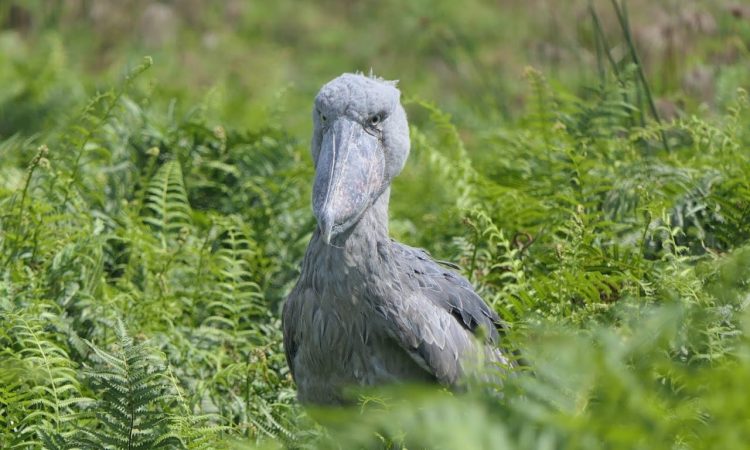
Uganda is an unrivaled paradise for bird lovers, harboring over 1,080 recorded species across diverse ecosystems. This 14-day birding in Uganda takes you through the country's most celebrated biodiversity hotspots, targeting rare Albertine Rift endemics, Guinea-Congo biome specialists, and savanna species. You will explore the lush lowlands of Semuliki, the ancient montane forests of Bwindi Impenetrable, and the waterways of Queen Elizabeth and Murchison Falls. Guided by expert local spotters, you will search for iconic birds like the prehistoric Shoebill, the elusive Green-breasted Pitta, and the rare African Green Broadbill. Beyond avian treasures, this journey offers primate encounters, including chimpanzees and mountain gorillas, amidst breathtaking equatorial landscapes. Prepare for an unforgettable expedition through Africa’s most rewardingly rich birding trails.
Daily Itinerary
Day 1: Arrival and Entebbe Birding
Arrive at Entebbe International Airport (EBB), where you will be met by your birding guide. Depending on your arrival time, head straight to the Entebbe Botanical Gardens on the shores of Lake Victoria or the Uganda Wildlife Education Centre (UWEC). Spend 2 to 3 hours scanning the lush canopy and lakeside vegetation for resident birds. Key highlights include the stunning Great Blue Turaco, Eastern Grey Plantain-eater, Ross's Turaco, Slender-billed Weaver, Orange Weaver, and Jackson’s Golden-backed Weaver. You may also spot the African Openbill and Pied Kingfisher along the water edges. This gentle introduction allows you to stretch your legs after your flight while picking up essential suburban and waterbirds. Transfer to your Entebbe hotel in the evening for dinner and a detailed pre-tour briefing before your safari begins tomorrow.
Day 2: Mabamba Swamp to Masindi
Depart Entebbe at 6:00 AM for a 1.5-hour drive to Mabamba Swamp, a RAMSAR-designated wetland. Board a motorized wooden canoe to navigate narrow papyrus channels, aiming for early morning sightings of the elusive Shoebill Stork. Watch for papyrus endemics like the Papyrus Gonolek, White-winged Swamp Warbler, Blue-breasted Bee-eater, and African Pygmy Goose. After a 3-hour excursion, begin the 5-hour overland drive northward to Masindi town. Stop en route at the Ziwa Rhino Sanctuary for a 2-hour guided rhino tracking walk while birding the surrounding savanna woodlands. Keep an eye out for the White-crested Turaco, Brown Parrot, and Meyer's Parrot. Arrive in Masindi by late afternoon, check into your hotel, and prepare for an early morning departure to the legendary Royal Mile.
Day 3: Royal Mile and Murchison Falls National Park
Depart Masindi early for a 1-hour drive (35 km) north to Budongo Forest’s Busingiro section, home to the famous Royal Mile—a wide, flat 1.6 km forest track renowned for low canopy birding. Spend 4 hours searching for West African forest specialists, including Nahan’s Partridge (Francolin), Chocolate-backed Kingfisher, Yellow-footed Flycatcher, White-thighed Hornbill, and Puvel’s Illadopsis. After lunch in Masindi, drive 2 hours into Murchison Falls National Park. Visit the Top of the Falls to marvel at the mighty Victoria Nile squeezing through a 7-meter gorge. Search the gorge walls and river rocks for the Rock Pratincole, Bat Hawk, and Brown-throated Wattle-eye. In the evening, drive to your lodge in the Paraa or Pakuba sector, spotting nocturnal birds like the Freckled Nightjar along the way.
Day 4: Victoria Nile Delta Boat Cruise and Buligi Game Drive
Embark on a 6:00 AM 3-hour boat cruise downstream to the Victoria Nile Delta where the river meets Lake Albert. This is one of Africa’s best spots for viewing the Shoebill, Goliath Heron, African Skimmer, Red-throated Bee-eater, and Saddle-billed Stork. Return to the lodge for lunch and rest during the midday heat. At 3:30 PM, set out on a 3-hour game drive across the northern Buligi tracks. As you view Rothschild’s giraffes, elephants, and lions, search the open grassland and savanna acacia for Denham’s Bustard, Abyssinian Ground Hornbill, Black-headed Lapwing, and Chestnut-crowned Sparrow-Weaver. Return to camp at sunset, scanning the tracks for the Standard-winged Nightjar during the breeding season. Enjoy dinner and listen to the sounds of the African wilderness.
Day 5: Transfer to Kibale Forest National Park
Set off early on a scenic 7- to 8-hour drive southward from Murchison Falls to Kibale National Park, the primate capital of the world. The route passes through Masindi, Hoima, and the rolling tea plantations of Fort Portal. Make strategic birding stops along woodland edges, tea estates, and roadside streams to spot the Crested Crane (Uganda’s national bird), Cinnamon-chested Bee-eater, Augur Buzzard, and Black-throated Wattle-eye. Arrive at your lodge near Kanyanchu in the late afternoon. Spend the remaining daylight birding around the lodge grounds, listening for the calls of the Grey-throated Barbet, Joyful Greenbul, and African Emerald Cuckoo. Have an early dinner and rest ahead of an intensive morning searching for forest canopy and understory species in Kibale.
Day 6: Kibale Forest Pitta Search and Bigodi Wetland
Meet at Kanyanchu Visitor Center at 6:00 AM for a dedicated morning trek inside Kibale's dense forest. Your primary target is the secretive Green-breasted Pitta (Pitta reidii), best located at dawn while displaying on call perches. Along the trail, search for the Red-chested Owlet, African Broadbill, Grey-winged Robin-Chat, and Scaly-breasted Illadopsis. Keep an eye out for chimpanzee troops moving through the canopy. In the afternoon, head to the nearby Bigodi Wetland Sanctuary for a 3-hour guided walk along wooden boardwalks and community paths. Bigodi is a haven for papyrus and swamp edge species, including the Great Blue Turaco, White-spotted Flufftail, Papyrus Canary, Speckled Tinkerbird, and Yellow-spotted Barbet. Return to your lodge for dinner and share species tallies from a productive day.
Day 7: Kibale to Semuliki National Park
After breakfast, depart Kibale for a 3-hour drive descending into the Albertine Rift Valley toward Semuliki National Park. Semuliki represents the easternmost extension of the vast Ituri Forest of the Congo Basin, offering a unique biome. Check into your lodge near Sempaya and spend the afternoon birding around the famous Sempaya Hot Springs and forest fringes. Steam plumes from the hot springs create micro-habitats where you can spot the White-crested Hornbill, Piping Hornbill, Red-billed Dwarf Hornbill, and Crested Malimbe. Scan the tall trees for the Congo Serpent Eagle perched in search of prey. In the evening, listen near the forest edge for the eerie duets of the Nkulengu Rail before settling in for the night.
Day 8: Full Day Birding along the Kirumia Trail
Spend the entire day exploring the Kirumia Trail, a premier 13 km forest birding route that cuts deep through Semuliki’s lowland rainforest down to the Semuliki River. Pack a lunch and wear sturdy boots for an 8-hour trek targeting Central African species found nowhere else in East Africa. Key avian targets include the Black-casqued Wattled Hornbill, Black Dwarf Hornbill, Capuchin Babbler, Yellow-throated Nicator, Xavier's Greenbul, and Red-rumped Tinkerbird. Look out for subtle understory species like the Blue-headed Crested-flycatcher, African Piculet, and Maxwell’s Black Weaver. Primates like De Brazza's monkeys and red-tailed monkeys are frequent companions along the trail. Return to the lodge by late afternoon for well-deserved rest.
Day 9: Semuliki to Queen Elizabeth National Park (Northern Sector)
Ascend out of the Semuliki valley and drive 3.5 hours south through Fort Portal and Kasese to Queen Elizabeth National Park. Arrive in the northern Kasenyi/Mweya sector by midday, where open savannas contrast sharply with dense forests. Spend the afternoon birding the savanna acacia woodlands along the Kasenyi track and crater lakes drive. Search for the White-tailed Lark, African Moustached Warbler, Flappet Lark, Croaking Cisticola, and Martial Eagle. Keep your camera ready as savanna mammals like elephants, kobs, and buffalos share the landscape. Check into your safari lodge perched along the Kazinga Channel, enjoying stunning views over the water as night falls. Listen for nightjars and owls around the lodge grounds before dinner.
Day 10: Kasenyi Plains and Kazinga Channel Boat Cruise
Start with a 6:30 AM birding game drive across the Kasenyi Plains. Search for ground-dwelling species including the Temminck's Courser, Black-bellied Bustard, Yellow-throated Longclaw, and Rufous-naped Lark. Scan perches for Chapin’s Flycatcher, Raptor species, and the Grey Kestrel. Return to the lodge for lunch. At 2:00 PM, embark on a 2-hour launch trip along the Kazinga Channel, a natural waterway connecting Lake George and Lake Edward. This boat trip offers incredible close-up views of waterbirds such as African Skimmers, Pink-backed Pelicans, Great White Pelicans, Pied Kingfishers, Malachite Kingfishers, and Water Thick-knees. Hundreds of hippos and elephants line the banks, offering fantastic photo opportunities before you return to camp.
Day 11: Ishasha Sector to Bwindi Impenetrable National Park
Depart northern Queen Elizabeth and drive south through the Ishasha sector, famous for its tree-climbing lions. Spend 2 hours birding Ishasha’s riverine gallery forests and open savannas for the Stout Cisticola, Sulphur-breasted Bush-shrike, and Brown-backed Scrub-Robin. Continue driving through the scenic Kigezi highlands, ascending into the ancient montane rainforest of Bwindi Impenetrable National Park (Buhoma sector), a total travel time of 5 to 6 hours. Arrive in Buhoma in the late afternoon. Bwindi holds 23 of Uganda's 24 Albertine Rift endemic bird species. Spend the remaining daylight birding along the park entrance roads and lodge gardens for the Black Bee-eater, Lühder’s Bush-shrike, and Red-throated Alethe. Check in to your forest lodge for dinner.
Day 12: Buhoma Trail Birding (Bwindi Forest)
Spend a full day birding the forest trails of Buhoma, such as the Waterfall Trail and Ivy River Trail. Accompanied by local forest guides, walk under the ancient canopy where bird parties frequently move through the understory and sub-canopy. Key target species include the Bar-tailed Trogon, Mountain Illadopsis, Red-faced Woodland Warbler, Equatorial Akalat, Black-billed Turaco, and Yellow-eyed Black Flycatcher. Look closely in the dense thickets for the Neumann’s Warbler and Short-tailed Warbler. Along stream banks, search for the African Black Duck and Cassin’s Grey Flycatcher. Buhoma’s trails are flat to moderately sloped, making for comfortable walking. Return to your lodge in the late afternoon to review your checklist and relax after a rewarding 8-hour day in the jungle.
Day 13: Buhoma to Ruhija Sector and Mubwindi Swamp
Depart Buhoma early for a 2-hour drive to the higher-altitude Ruhija sector of Bwindi (2,350 meters above sea level). Ruhija is the ultimate hotspot for high-elevation Albertine Rift endemics. Hike down the Mubwindi Swamp trail, a 4- to 5-hour round-trip walk through bamboo and ridge forest. The absolute highlight here is the vulnerable African Green Broadbill (Pseudocalyptomena graueri, also known as Grauer's Broadbill), which nests near the swamp. Other high-priority species include the Regal Sunbird, Archer’s Robin-Chat, Grauer’s Rush Warbler, Stripe-breasted Tit, Handsome Francolin, and Rwenzori Batis. The hike back uphill requires moderate fitness, but the world-class birding makes every step worth it. Overnight at a lodge in Ruhija.
Day 14: Gorilla Trekking or Bird Walk and Departure
Spend your final morning doing an optional Mountain Gorilla trek in Ruhija (2–5 hours depending on gorilla family location) or a morning bird walk along the Bamboo Zone for the Rwenzori Turaco and Doherty’s Bush-shrike. Afterward, transfer to Kihihi Airstrip (1.5 hours away) for a 1-hour domestic flight back to Entebbe International Airport, or take an 8- to 9-hour overland drive back to Kampala/Entebbe. If flying, enjoy aerial views of Uganda’s terraced hills and crater lakes. Arrive at Entebbe by late afternoon to catch your international flight home, concluding an incredible 14-day Ugandan birding adventure.
What makes Mabamba Swamp the best place for Shoebills?
Mabamba Wetland is world-famous because it offers the highest statistical probability of sighting the elusive Shoebill Stork in its natural habitat. Located on the fringes of Lake Victoria, this RAMSAR-designated marshland is dominated by vast stands of papyrus, water lilies, and dense miscanthus grass. This unique ecosystem provides the ideal hunting ground for the Shoebill, which feeds primarily on lungfish, catfish, and water snakes.
Local fishermen navigate the narrow channels using small motorized wooden canoes, allowing birdwatchers to glide silently into the bird's territory without causing distress. Because the local community actively protects these birds through ecotourism initiatives, the resident Shoebills have become accustomed to non-intrusive human presence.
While you can spot Shoebills in other reserves like Murchison Falls, Mabamba stands out because early morning visits almost always yield extended, up-close views of these prehistoric-looking creatures standing stock-still in the shallows. Beyond the Shoebill, the swamp is alive with papyrus endemics like the Papyrus Gonolek, Blue-breasted Bee-eater, and White-winged Swamp Warbler, making it an essential morning stop on day two of your 14-day Ugandan itinerary.
Why is the Royal Mile in Budongo Forest famous?
The Royal Mile, located within the Busingiro sector of Budongo Forest Reserve, holds legendary status among international birders as one of the best lowland forest birding locations in Africa. Originally cleared as a walking trail for the King (Omukama) of Bunyoro, this wide, perfectly flat, 1.6-kilometer track creates a natural canopy break. This wide clearing allows light to reach the lower strata, giving birders an unusually unobstructed view into the middle and lower forest canopy—a rare luxury in dense rainforests.
The bird density along this single stretch is extraordinary. It is the premier site in East Africa to locate the elusive, globally threatened Nahan's Partridge (Francolin). Walking the track under the shade of giant mahogany trees, you can easily spot brilliant species like the Chocolate-backed Kingfisher, Yellow-footed Flycatcher, White-thighed Hornbill, and Puvel’s Illadopsis.
Because the terrain is completely level, birding here is remarkably comfortable compared to steep mountain trails. A four-hour morning walk along the Royal Mile routinely allows birders to check off dozens of species that would otherwise require days of tough forest tracking elsewhere.
What makes Kibale Forest ideal for seeing Green-breasted Pittas?
Kibale National Park is internationally recognized as the top destination in Africa for tracking the secretive Green-breasted Pitta (Pitta reidii). This brightly colored, ground-dwelling species is notoriously difficult to locate because it frequents the dark, dense understory of tropical moist evergreen forest. However, Kibale’s healthy, protected forest ecosystem harbors a stable breeding population, particularly in the leaf-littered sub-canopy zones around Kanyanchu.
The secret to finding the Green-breasted Pitta lies in timing and localized expertise. During their breeding displays (typically during wet season months), male pittas call from low branches at dawn to mark their territory, making them easier for experienced local guides to locate by ear. Guides take birders into the forest around 6:00 AM, following the bird's distinct, brief whistling calls before it drops back down to forage on the forest floor.
Aside from the pitta, Kibale’s status as the "primate capital of the world" means your birding walk is often accompanied by sightings of chimpanzees, red colobus monkeys, and grey-cheeked mangabeys. Combining a high probability of pitta sightings with rich primate encounters makes Kibale an unforgettable midpoint on your 14-day journey.
Why is Semuliki National Park unique for African birding?
Semuliki National Park offers an avian experience found nowhere else in East Africa because it serves as the easternmost tongue of the vast Guinea-Congo lowland rainforest biome. Sitting inside the floor of the Albertine Rift Valley, Semuliki’s dense, moist tropical forest is ecologically identical to the ancient Ituri Forest of the Democratic Republic of Congo. Consequently, it acts as a sanctuary for over 35 species of Central African birds that reach their absolute eastern geographic limit here.
When you hike Semuliki's famous 13-kilometer Kirumia Trail, you are essentially birding the Congo Basin without leaving Uganda. Highlights include species that are impossible to find elsewhere in East Africa, such as the Nkulengu Rail, Black-casqued Wattled Hornbill, Capuchin Babbler, Yellow-throated Nicator, and Congo Serpent Eagle.
The park’s dramatic landscape—complete with the steaming Sempaya Hot Springs surrounded by swamp forest—creates unique microclimates where hornbills, weavers, and kingfishers gather in high numbers. For life-listers aiming to maximize species count, Semuliki adds an indispensable layer of Central African biodiversity to a 14-day Ugandan itinerary.
What birding highlights await along Queen Elizabeth's Kazinga Channel?
A boat cruise along the Kazinga Channel in Queen Elizabeth National Park provides one of the most concentrated waterbird spectacles in the entire world. This 32-kilometer natural waterway links Lake George and Lake Edward, attracting thousands of resident and migratory waterbirds to its muddy banks, shallow estuaries, and reedy edges.
Cruising slowly in a double-decker safari boat brings you mere yards away from feeding and resting birds, offering photographers incredible eye-level angles. Highly sought-after highlights include large flocks of African Skimmers resting on sandbars, Pink-backed and Great White Pelicans, Saddle-billed Storks, Goliath Herons, and African Fish Eagles calling from overhanging acacia branches. Kingfishers are everywhere; it is common to spot Pied, Malachite, and Woodland Kingfishers hovering or diving along a single stretch of shore.
What makes this experience truly magical is the backdrop. As you check waterbirds off your list, massive pods of hippos, bathing elephant herds, and wallowing buffalos share the shoreline, blending classic African mammal viewing with world-class birding in a single two-hour afternoon journey.
Why is Bwindi Impenetrable Forest vital for Albertine endemics?
Bwindi Impenetrable National Park is recognized globally as an Important Bird Area (IBA) and a UNESCO World Heritage site, largely because it is the single most crucial sanctuary for Albertine Rift endemic birds in East Africa. The Albertine Rift—a dramatic geological trench stretching across central Africa—is home to dozens of bird species that exist nowhere else on the planet. Bwindi’s vast range of elevation, spanning from 1,160 to 2,607 meters above sea level, creates diverse montane forest habitats that sustain 23 of the region's 24 Albertine Rift endemics.
As you hike through Bwindi's ancient, mist-shrouded canopy, the sheer volume of specialized species is breathtaking. Forest sections like Buhoma and Ruhija host iconic endemics including the Neumann’s Warbler, Red-collared Mountain-Babbler, Regal Sunbird, Handsome Francolin, and Rwenzori Batis.
The forest's complex vegetation structure means birds occupy every niche, from dense understory thickets to tall moss-covered branches. Birding in Bwindi requires patience and physical effort on steep forest trails, but the reward is ticking off dozens of high-value life birds found strictly within this restricted evolutionary hotbed.
How hard is the hike to spot African Green Broadbills?
Searching for the critically endangered African Green Broadbill (Pseudocalyptomena graueri) in Bwindi's Ruhija sector requires a moderate to demanding physical effort, but it stands as a holy grail moment for serious birdwatchers. The primary site for this elusive Albertine Rift endemic is the Mubwindi Swamp trail, a round-trip hike covering roughly 8 to 10 kilometers.
The trek begins at an elevation of over 2,300 meters. You descend down a winding, narrow forest track through dense bamboo and montane forest to reach the swamp floor. Walking downhill is relatively easy, though trails can be muddy and slippery following rain. The challenge lies in the trek back up, as you climb steep gradients at high altitude where the air is noticeably thinner.
However, the hike is paced slowly, as your guide stops frequently to scan the understory for mixed-species foraging flocks. Near the swamp, where broadbills build their distinctive hanging nests, the reward of spotting this tiny, leaf-green bird with its sapphire throat makes every strenuous step worthwhile. With sturdy boots, walking poles, and a steady pace, most birders of average fitness complete the trail comfortably.
Can gorilla trekking fit into a 14-day birding trip?
Yes, gorilla trekking can seamlessly fit into the final stages of a 14-day Ugandan birding itinerary. Because Bwindi Impenetrable National Park serves as both Uganda's top mountain gorilla habitat and its premier montane birding destination, you don't need to alter your travel route to enjoy both experiences. Day 14 of the itinerary provides a natural opening to track these gentle giants before your journey back to Entebbe.
In fact, gorilla trekking and birdwatching complement each other exceptionally well. While walking through the forest with national park rangers in search of a gorilla family, you are immersed in prime Albertine Rift bird habitat. It is common to spot species like the Bar-tailed Trogon, Black Bee-eater, or Great Blue Turaco flitting through the bamboo leaves while on the trail.
The key is proper planning: gorilla permits must be secured months in advance. Spending the morning hours observing a family of mountain gorillas, followed by an afternoon bird walk or scenic transfer, provides a grand finale to an intensive two-week birding expedition across Uganda.
What essential equipment should you pack for Ugandan birding?
Packing correctly for a 14-day Ugandan birding trip requires balancing gear for hot open savannas and wet, dense rainforests. High-quality, waterproof binoculars (8x42 or 10x42) are absolute essentials, as lighting beneath rainforest canopies can be limited. A lightweight, durable spotting scope is helpful for distant waterbirds in Mabamba Swamp or along the Kazinga Channel, though your tour guide will usually provide one.
Footwear is critical: bring broken-in, waterproof hiking boots with excellent traction for steep, muddy forest trails in Bwindi and Kibale, alongside lightweight walking shoes for game drives and boat cruises. Wear lightweight, breathable clothing in neutral earth tones (greens, khakis, and browns)—avoid bright colors, which startle birds, and dark blue or black, which attract tsetse flies in savanna areas.
Don't forget a sturdy, breathable rain jacket or poncho, as tropical downpours can happen unexpectedly even in dry seasons. Include a dry bag to protect cameras, optics, and field guides from dampness, high-SPF sunscreen, insect repellent containing DEET, a wide-brimmed hat, and a headlamp for early morning departures.
When is the best time of year for birding Uganda?
Uganda offers world-class birding year-round, but the absolute prime window for a comprehensive 14-day itinerary falls between December and February, with a secondary sweet spot from June to September. During these drier months, forest trails in Bwindi, Kibale, and Semuliki are less muddy and far easier to navigate. Lower rainfall also means canopy trees lose some foliage, dramatically improving visibility for shy forest species like the Green-breasted Pitta and African Green Broadbill.
Furthermore, the months of late November through April coincide with the arrival of millions of Palearctic migratory birds flying south from Europe and Asia. During this period, resident species are joined by wintering warblers, flycatchers, raptors, and waders, boosting your overall trip species count significantly.
If your goal is tracking resident breeding birds—when many species, including weaverbirds and nightjars, display their brightest breeding plumage—the brief rains of late March to May can also be highly rewarding, provided you don't mind occasional showers. Ultimately, whether you visit in January or August, Uganda’s equatorial location guarantees an abundance of birds every single day.
Booking 14 days birding in Uganda with us Roads of Adventure safaris
Booking a 14-day birding safari with Roads of Adventure Safaris offers access to over 1,060 bird species across Uganda’s varied ecosystems. A typical route starts in Entebbe, taking you through Mabamba Swamp (for the Shoebill Stork), Budongo Forest, Kibale National Park, Queen Elizabeth National Park, and Bwindi Impenetrable
