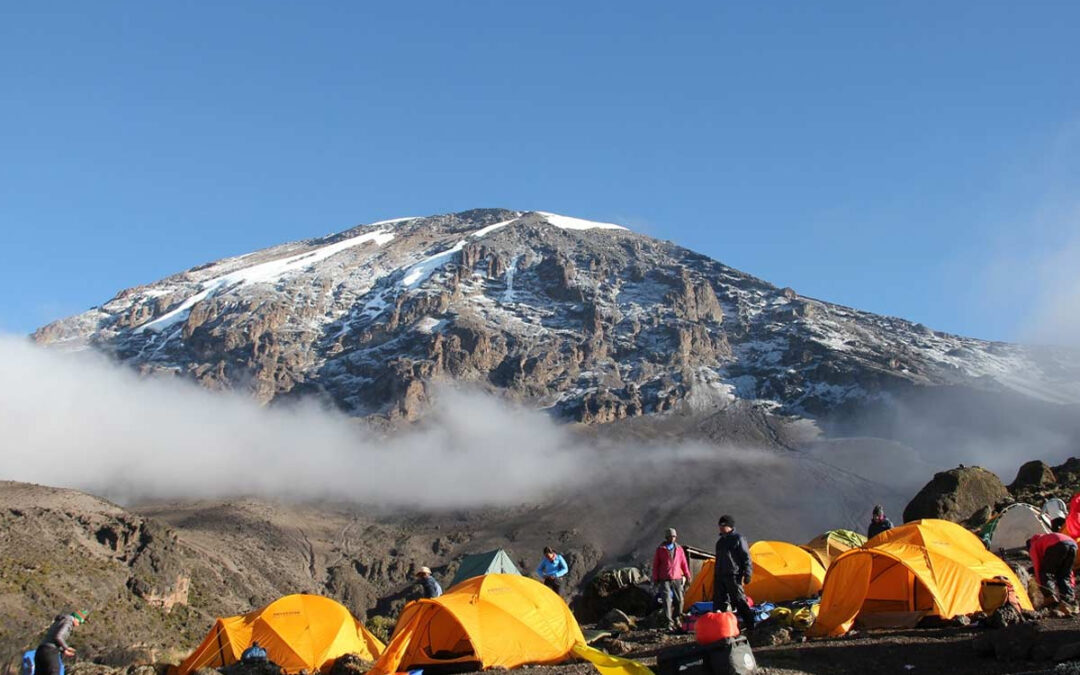
This 13 Days Kilimanjaro climb and safari in Tanzania is a premier expedition that seamlessly bridges the gap between high-altitude endurance and the raw beauty of the African savannah. This structured journey begins with a 7-day ascent of Mount Kilimanjaro via the scenic Machame route, meticulously planned to ensure optimal acclimatization and a successful summit push. Once you stand upon the "Roof of Africa," you will transition from the icy, volcanic heights to the expansive, life-filled plains of the Northern Circuit. Over the final days, you will explore the dense elephant populations of Tarangire, the unique caldera ecosystem of Ngorongoro, and the vast, predator-rich plains of the Serengeti. This balanced itinerary serves as the definitive 13 Days Kilimanjaro climb and safari in Tanzania, offering a transformative experience that combines personal physical triumph with world-class wildlife observation in one of the most iconic landscapes on the planet, creating memories that will last a lifetime.
Tour highlights for 13 Days Kilimanjaro climb and safari in Tanzania
Lush rainforest hiking paths
Shira Plateau moorland trekking
Lava Tower acclimatization hike
Barranco Wall climbing challenge
Uhuru Peak summit success
Official mountain summit certificate
Classic hut accommodation stay
Tarangire giant baobab trees
Large elephant herd sightings
Ngorongoro crater floor game
Rare black rhino tracking
Big Five wildlife spotting
Endless Serengeti plains scenery
Predator tracking wild lions
Great Wildebeest Migration movement
Iconic kopje rock formations
Professional safari guide expertise
Scenic bush flight transfers
Day by day 13 Days Kilimanjaro climb and safari in Tanzania
Day 1: Arrival
Your 13 Days Kilimanjaro climb and safari in Tanzania begins with your arrival at Kilimanjaro International Airport. You will be met by our representative and transferred to your comfortable lodge in Moshi or Arusha. The afternoon is reserved for a crucial gear check with your lead mountain guide to ensure your equipment meets the demands of the coming week. This session is vital to address any missing items and to ensure your boots and layers are appropriate for the variable weather conditions. You will also participate in a comprehensive pre-climb briefing, where the guides explain safety protocols, the importance of hydration, and the "pole pole" trekking philosophy. Use this time to relax and recover from your international flight, as the following days require high energy and mental focus. Your accommodation provides the final night of luxury before the rugged, wilderness-focused phase of your expedition starts.
Day 2: Machame Gate to Machame Camp
The second day of your 13 Days Kilimanjaro climb and safari in Tanzania marks the official start of your trekking phase. After a transfer to the Machame Gate, you will complete the necessary park registration formalities. You then enter the verdant montane rainforest, where the air is cool, humid, and filled with the scent of wet earth. The trail leads through a dense canopy of ancient trees and ferns, offering glimpses of colorful birdlife and potentially the black-and-white colobus monkeys. This is a steady, rhythmic walk designed to get your legs moving and your lungs acclimated to the increasing elevation. You will reach Machame Camp by late afternoon, where your team will have already set up your tents. Enjoy a hearty, warm dinner in the dining tent as you begin to bond with your fellow climbers, listening to the mountain sounds that define this iconic climb.
Day 3: Machame Camp to Shira 2 Camp
On the third day of the 13 Days Kilimanjaro climb and safari in Tanzania, you emerge from the rainforest and ascend into the heath and moorland zones. The vegetation changes dramatically, shifting from dense canopy to a landscape dominated by giant lobelias and unique groundsels. As you climb higher, the panoramic vistas of the southern face of Kibo and the rugged Mawenzi peak come into clear view. The trek across the Shira Plateau is expansive and open, providing a sense of the immense scale of the mountain. You will move at a steady, manageable pace to ensure proper oxygen intake. Upon reaching Shira 2 Camp, you are rewarded with an incredible vantage point for sunset. This camp is a significant milestone, as it serves as a base for acclimatization in a zone where the air begins to thin, testing your body’s initial response to higher elevations.
Day 4: Shira 2 to Lava Tower to Barranco Camp
This day of your 13 Days Kilimanjaro climb and safari in Tanzania follows the essential "climb high, sleep low" rule. You will trek across the rocky, volcanic landscape toward the Lava Tower, a massive geologic formation. Reaching this high point allows your body to experience a significant increase in altitude before you descend into the sheltered Barranco Valley to sleep. This contrast between the harsh, barren terrain of the tower and the lush, protected flora of the valley is striking. As you approach Barranco Camp, you will get a clear look at the Great Barranco Wall, a looming formation that you will navigate on the following morning. The camp itself is tucked away, providing a calmer environment that helps you recover from the exertion of the climb. Focus on hydration and steady breathing throughout the day, as this period of the trek is key to minimizing altitude-related fatigue.
Day 5: Barranco to Karanga Camp
The fifth day of the 13 Days Kilimanjaro climb and safari in Tanzania presents a clear physical challenge: the Barranco Wall. You will scramble up this steep, rocky section, relying on hand and foot placement to navigate the path. While it appears intimidating, the climb is technically straightforward and well-supported by your guides. Once at the top, the trail traverses a series of ridges, offering undulating terrain that leads toward the Karanga Valley. This area acts as a vital bridge between the lower camps and the final approach to the summit. As you walk through the alpine desert, the landscape is stark and beautiful. Reaching Karanga Camp provides a shorter day of trekking, allowing for much-needed rest. You will spend the afternoon relaxing, hydrating, and preparing your gear for the final transition to the base camp, ensuring your muscles remain loose and ready for the days ahead.
Day 6: Karanga to Barafu Camp
As you advance on the sixth day of the 13 Days Kilimanjaro climb and safari in Tanzania, you move toward Barafu Camp, the final staging point before the summit push. The path through the alpine desert is desolate and rocky, with the towering peaks of Kibo and Mawenzi constantly in view. The air is now noticeably thin, and your movements will be much slower to conserve energy. Reaching Barafu Camp, you will notice the harsh, windswept nature of this high-altitude ridge. After arriving, your focus shifts entirely to preparation: checking your headlamp batteries, organizing your thermal layers for the freezing midnight temperature, and eating a high-calorie dinner. You will retire early to your tent to gain as much rest as possible, knowing that you will be awakened shortly after midnight for the final, most demanding ascent of your entire mountain expedition.
Day 7: Summit Day
The seventh day of your 13 Days Kilimanjaro climb and safari in Tanzania is the culmination of your physical efforts. Waking shortly after midnight, you begin the slow, dark ascent toward the crater rim. This segment requires immense mental fortitude as you navigate the steep, loose scree under the light of your headlamp. Reaching Stella Point, you traverse the rim to finally stand at Uhuru Peak, the highest point in Africa, at dawn. The achievement is profound. After taking time to observe the glaciers and the landscape below, you begin the long, careful descent to Mweka Camp. This return trip is challenging, as you lose thousands of feet of elevation in a single day. You will arrive back at lower altitudes feeling exhausted but deeply satisfied, having successfully navigated one of the world's most iconic trekking challenges with your dedicated support team.
Day 8: Mweka Camp to Gate
On the eighth day of the 13 Days Kilimanjaro climb and safari in Tanzania, you complete the final walk to the Mweka Gate. The descent takes you back through the lush forest zone, where the air feels thick and rich with oxygen. Upon reaching the gate, you will officially sign out of the national park and receive your summit certificates, a tangible token of your perseverance. You will then meet your vehicle for the transfer back to your hotel in Moshi or Arusha. The relief of a hot shower and the comfort of a real bed is unmatched after a week on the mountain. This day is dedicated to total recovery and celebration with your team. You will also spend some time reviewing your itinerary for the upcoming safari phase, ensuring your luggage is organized for the wildlife adventure that begins the very next morning.
Day 9: Tarangire National Park
The safari portion of your 13 Days Kilimanjaro climb and safari in Tanzania opens with a visit to Tarangire National Park. Known as the "home of elephants," the park features sweeping savannahs punctuated by ancient, massive baobab trees that create a dramatic silhouette against the sky. During your game drive, you will search for the large family herds that congregate near the Tarangire River. The park offers an excellent introduction to Tanzania’s wildlife, as you observe zebras, giraffes, and impalas grazing in the open. The landscape is unique compared to the other reserves you will visit, with its dry, golden hues and hilly terrain. You will spend the day driving through different sectors of the park, capturing photos and enjoying the expertise of your safari guide, who will help you spot predators and unique bird species hidden within the acacia scrubland before retiring to your lodge.
Day 10: Ngorongoro Crater
On day ten of your 13 Days Kilimanjaro climb and safari in Tanzania, you will descend into the Ngorongoro Crater, an ancient volcanic caldera that functions as a self-contained Eden for wildlife. The steep, 600-meter-high walls create a natural enclosure, ensuring a high density of animals year-round. As you drive across the crater floor, you have an excellent chance to spot the "Big Five," including the rare black rhino, which often grazes in the open grassland. The sheer concentration of herbivores and predators in this basin provides non-stop action. You will enjoy a picnic lunch near a hippo pool, surrounded by the vibrant ecosystem. The scenery, ranging from high-grass meadows to alkaline lakes, is stunning. This day provides some of the most consistent and rewarding wildlife viewing in Africa, perfectly complementing the rugged mountain experience you completed earlier in the week.
Day 11: Serengeti National Park
Day eleven of your 13 Days Kilimanjaro climb and safari in Tanzania brings you to the legendary Serengeti. As you move from the highlands onto the vast, open plains, the scale of the ecosystem becomes immediately apparent. The Serengeti is world-famous for its massive herds and its high population of big cats, including lions and cheetahs, which thrive on the plains. Your game drive today focuses on tracking predators and exploring the unique rock formations known as kopjes, which often serve as vantage points for leopards. The expansive horizon and the sheer variety of life remind you why this park is the heart of the East African safari experience. You will spend the night at a camp located within the park, listening to the nocturnal calls of the bush, feeling fully immersed in the natural cycles of the Serengeti wilderness.
Day 12: Serengeti National Park
Your second full day in the Serengeti as part of the 13 Days Kilimanjaro climb and safari in Tanzania allows for a deeper exploration of its diverse sectors. With no transfers between regions, your guide has the flexibility to pursue specific wildlife sightings based on current migration patterns. You might witness the dramatic movement of wildebeest herds or spend time observing the social dynamics within a lion pride. This day is about patience and observation, capturing the essence of the "endless plains." Whether you are tracking a hunting cheetah or simply watching a giraffe traverse the horizon, the experience is profoundly grounding. You will enjoy a final sunset dinner in the bush, reflecting on the transition from the mountain peaks to the plains, appreciating the incredible journey you have undertaken across Tanzania’s most significant landscapes and habitats over the past twelve days.
Day 13: Departure
The final day of your 13 Days Kilimanjaro climb and safari in Tanzania begins with an early morning game drive to catch the wildlife during their most active period. As the sun rises over the savannah, you might spot predators completing their night hunts or herbivores grazing in the cool morning air. Following this, you will transfer to a nearby bush airstrip for a flight back to Arusha or JRO, which offers a final, birds-eye view of the vast Tanzanian landscape. Upon arrival at the international airport, you will have time to purchase last-minute souvenirs and reflect on the past two weeks. Your journey, which started at the base of Kilimanjaro, concludes with the successful completion of both a high-altitude climb and an immersive safari, leaving you with a profound connection to the natural wonders and the adventurous spirit of this remarkable country.
1. Which route is best for the 13-day itinerary?
The 7-day Machame Route is widely considered the superior choice for a 13-day itinerary that combines mountain trekking with a wildlife safari. This route provides the most optimal balance between logistical efficiency and physiological adaptation. By dedicating seven days to the ascent, you grant your body the time required for proper acclimatization, significantly increasing your chances of reaching the summit without suffering from severe altitude-related illness. The "pole pole" (slow, slow) pace is better facilitated on this longer duration, allowing you to gradually adjust to the thinning air while traversing a spectacular array of ecological zones. Furthermore, the scenery on the Machame path is legendary; it offers a diverse visual progression from the humid, verdant rainforest through the moorland plateau and into the stark, volcanic landscape of the alpine desert. Because this route approaches from the south, it avoids the heavier foot traffic found on the shorter Marangu trail, providing a more immersive wilderness experience. The extra day spent on the mountain ensures that when you return for your safari, you are not entirely physically depleted, allowing you to transition into the comfort of your safari vehicle with a genuine sense of accomplishment. The 7-day Machame schedule effectively optimizes your success on the summit while maintaining a pace that respects the formidable physical nature of the mountain.
2. Do I need to be a professional mountaineer to summit?
Climbing Mount Kilimanjaro is classified as a "trekking" peak, which is a major distinction in the world of mountaineering. You do not need to be a professional climber, nor do you require any technical skills such as rock climbing, ice axe usage, or the technical application of ropes and harnesses. The journey is essentially a very long, demanding hike over steep, uneven terrain. However, the absence of technical requirements should not be mistaken for an easy walk. The mountain presents significant challenges, including rapid altitude gain, fluctuating temperatures, and long days of continuous physical exertion. To succeed, you must possess strong cardiovascular endurance, good stamina, and the mental grit to push through fatigue. Your preparation should involve focused training: hiking on uneven ground, stair climbing to build leg strength, and aerobic exercise to improve your oxygen processing efficiency. While technical experience isn't necessary, your physical conditioning remains the single most important factor in your summit success. The mountain is accessible to individuals of various athletic backgrounds, provided they arrive with a disciplined training regimen and a realistic understanding of the endurance required for a multi-day ascent of this magnitude.
3. What is altitude sickness, and how is it managed?
Altitude sickness, clinically referred to as Acute Mountain Sickness (AMS), is a temporary physiological reaction that occurs when your body struggles to adapt to the lower partial pressure of oxygen at high elevations. As you ascend, the amount of available oxygen decreases, which can trigger symptoms such as persistent headaches, nausea, fatigue, dizziness, and shortness of breath. Managing AMS is a fundamental priority for every Kilimanjaro expedition. The most critical management tool is the "pole pole" trekking philosophy; by walking slowly, you allow your respiratory and circulatory systems to adapt incrementally to the environment. Hydration is equally vital, as drinking at least 3 liters of water per day helps your body maintain healthy blood volume and function efficiently under stress. Our professional guiding teams are trained to monitor your health continuously, using pulse oximeters to measure your blood oxygen saturation and heart rate every day. In cases where symptoms persist, guides can implement emergency protocols, which include the administration of supplemental oxygen or, if necessary, an immediate descent to a lower elevation. Altitude sickness should always be treated with respect and open communication; telling your guide exactly how you feel at the first sign of discomfort is the safest way to ensure that your experience on the mountain remains both enjoyable and secure.
4. Will I carry all my own gear?
You are not expected to carry your heavy luggage on a Kilimanjaro expedition, as this would be physically prohibitive for most trekkers. The labor is divided between you and a team of professional porters to ensure that you can focus entirely on the trek. Your responsibility is limited to carrying a lightweight daypack. This pack should contain only the items you need for immediate, daily use: your water hydration bladder, rain gear, a warm mid-layer, sunscreen, camera, and personal snacks. Everything else—including your main duffel bag, extra clothing, and your high-quality, sub-zero sleeping bag—is carried by the porters. These dedicated team members are experts at navigating the mountain trails, moving with speed and agility to ensure that camp is set up and your belongings are safely stored before you reach your next destination. This logistical support is essential to the success of the trip; by removing the burden of heavy gear, the porters allow you to maintain the slow, steady pace that is necessary for proper acclimatization. They work tirelessly to provide a level of support that makes this challenging trek accessible to a wide range of participants, turning a daunting expedition into a manageable and highly supported adventure.
5. Are there showers or toilets on the mountain?
The facilities on Mount Kilimanjaro are basic and functional, reflecting the mountain's status as a remote, high-altitude environment where infrastructure is minimal. There are no showers available anywhere on the mountain. Instead, your crew will provide you with a basin of warm water in the morning and evening, which is the standard method for washing your face and hands. Wet wipes are a highly recommended addition to your personal hygiene kit. When it comes to sanitation, the mountain camps typically provide communal wooden outhouses. However, many professional tour operators now provide a private, portable toilet tent for their clients. This private option is significantly more hygienic and offers a level of comfort that is greatly appreciated by climbers after a long day of trekking. These portable toilets are managed by the support crew, ensuring they are clean and maintained throughout the journey. While these facilities are quite different from those you would encounter in a city or a lodge, they are part of the authentic mountain experience. Managing your expectations regarding these basic sanitary arrangements is a good way to stay focused on the incredible natural beauty and the personal goals that make the climb such a transformative event.
6. What gear is absolutely essential for the trek?
Packing the right gear is the difference between a comfortable, successful trek and one that is needlessly difficult. Your clothing must be centered on the concept of layering; you need moisture-wicking base layers to keep your skin dry, insulating mid-layers like fleece or down jackets to hold in heat, and a high-quality, windproof, and waterproof outer shell to protect against the mountain’s unpredictable weather. You must bring a robust, sub-zero-rated sleeping bag, as the night temperatures at higher camps are consistently freezing. Footwear is your most important asset; you should bring broken-in, waterproof hiking boots with excellent ankle support. Blisters can end a summit bid, so ensure your boots are comfortable before you leave home. Other non-negotiables include sturdy trekking poles to save your knees during the descent, a comfortable and durable daypack, and a hydration bladder that allows you to drink throughout the day. A powerful headlamp with spare batteries is critical, especially for the midnight summit push. By focusing on quality, moisture-management, and warmth, you create a personal environment that allows you to cope with the transition from the humid forest floor to the freezing, thin air of the Uhuru Peak summit.
7. Can my phone get reception, and is there electricity to charge devices?
Connectivity on the mountain is quite limited and should not be relied upon for personal or professional communications. While you may find pockets of cell phone reception at certain points on the lower slopes, particularly in areas with a clear line of sight to the towns below, this signal disappears almost entirely once you gain elevation and move into the deeper, high-altitude camps. Similarly, there is no electricity on the mountain; you will not find charging stations or electrical outlets in the camps. Because the cold temperatures will also drain your battery life much faster than usual, you must be self-sufficient regarding your power needs. You should bring several high-capacity, fully charged power banks to keep your phone, camera, and headlamp batteries topped up. Remember to keep these power banks close to your body or inside your sleeping bag at night, as the extreme cold can cause batteries to lose their charge even when not in use. Embracing the lack of connectivity is a key part of the Kilimanjaro experience, allowing you to disconnect from your daily responsibilities and focus fully on the physical and mental challenge of the climb, while the stunning silence of the mountain provides a much-needed break from the digital world.
8. Which national parks will I visit on safari?
A standard 13-day combo itinerary focuses on the "Classic Northern Circuit," which provides a dense and diverse wildlife experience. Your journey will include Tarangire National Park, Serengeti National Park, and the Ngorongoro Conservation Area. Each park offers a unique environment. Tarangire is famous for its vast, rolling savannahs, unique baobab trees, and its role as a critical refuge for elephants during the dry season. The Serengeti is an expansive wilderness that is synonymous with the African safari; its vast, open plains are ideal for witnessing the Great Migration and tracking the massive populations of predators that thrive in the open grassland. The Ngorongoro Conservation Area is the highlight for many, as you descend into the Ngorongoro Crater, an ancient, enclosed volcanic caldera that acts as a secure, self-contained habitat for thousands of animals. These three locations are interconnected in a way that allows you to experience the transition from arid river corridors to the vast, endless plains of the Serengeti, and finally the intimate, concentrated wildlife viewing inside the crater walls. This circuit is carefully selected to ensure that you witness the widest possible variety of landscapes, animal behaviors, and ecosystem types, maximizing your opportunities to see the most iconic fauna that Tanzania has to offer.
9. What wildlife will I see?
The safari portion of your 13-day trip provides access to some of the most wildlife-dense areas on the planet. You have an excellent opportunity to encounter the "Big Five": the African lion, the elusive leopard, the massive elephant, the powerful buffalo, and the rare, endangered black rhinoceros. These animals are spread across your itinerary, with the Serengeti being particularly excellent for lions and leopards, and the Ngorongoro Crater serving as one of the best locations in East Africa to spot the black rhino. Beyond the "Big Five," you will encounter a wide variety of other species, including giraffes, zebras, wildebeests, gazelles, impalas, warthogs, and waterbucks. The avian population is equally staggering, with hundreds of bird species—including ostriches, flamingos on the alkaline lakes, and birds of prey like the martial eagle—frequently spotted by observant travelers. Your professional safari guide is an expert at locating these animals, using tracking techniques and regional knowledge to find them in their natural habitats. While wild animal sightings are never guaranteed, the sheer density of wildlife in the Northern Circuit makes it highly likely that you will witness a wide range of these iconic creatures in their natural behavior.
10. What kind of vehicle will we be in?
For your safari, you will travel in a 4x4 extended safari vehicle, typically a Toyota Land Cruiser, which has been custom-fitted to provide both safety and optimal viewing opportunities. These vehicles are engineered to handle the rough, unpaved tracks found within the national parks, ensuring you can access remote areas without compromising the vehicle's integrity. The interior is spacious, featuring comfortable seating and large sliding windows that provide excellent views for all passengers. The most critical feature for your experience is the pop-up roof. During game drives, the roof is elevated, allowing you to stand and gain a 360-degree, panoramic view of the surrounding plains. This setup is perfect for photography, as it allows you to get an unobstructed view of the wildlife without having to move inside the vehicle. The vehicles are also equipped with power outlets, allowing you to charge your camera gear or phone while on the move between wildlife sightings. Your professional driver-guide will maintain the vehicle to ensure it is always ready for the day's excursions, providing you with a comfortable and reliable "mobile viewing platform" throughout your safari journey.
11. Where do I stay on a safari?
Tanzania offers a wide array of accommodation options for safari travelers, each designed to provide a unique connection to the African wilderness. Depending on your specific package, you may stay in permanent luxury lodges, which are often built using local stone and wood, featuring amenities like swimming pools, fine-dining restaurants, and comfortable lounges that offer sweeping views over the bush. Another popular option is the permanent tented camp, which bridges the gap between camping and lodge-style luxury. These camps feature canvas structures raised on wooden platforms, providing all the comforts of a hotel—including comfortable beds and private en-suite bathrooms with hot showers—while keeping you physically connected to the sounds and rhythms of the wilderness. For the truly adventurous, some itineraries include temporary mobile camps, which are set up in remote locations specifically to be close to the wildlife migration. No matter the style, each accommodation type is chosen to ensure you are well-rested and prepared for your next day of game viewing. These lodges and camps are located in strategically chosen areas to minimize driving time and maximize your immersion in the safari environment, ensuring every night you spend on safari feels like an extension of the adventure.
12. What is the best time of the year to do this trip?
The ideal window for this 13-day itinerary is during the dry seasons, which are January to March and June to October. During these months, the weather is more favorable for both the strenuous demands of the Kilimanjaro trek and the observational requirements of a wildlife safari. In the dry season, the lack of rain means that mountain trails are stable and less prone to mud, making your ascent safer and more comfortable. Furthermore, the summit visibility is generally clearer, offering you the best chances of experiencing the iconic panoramic views from the top. For the safari phase, the dry conditions are equally beneficial; as water sources in the parks dry up, animals are forced to congregate around the remaining pools and rivers, making them far easier to track and observe. The foliage is also thinner, which increases your chances of spotting camouflaged predators like leopards. Avoiding the long rains of April and May is highly advised, as the heavy precipitation can make trekking conditions hazardous and wildlife tracking more difficult due to tall, wet grass and flooded roads. Planning your trip during the dry months ensures that your adventure is physically comfortable, logistically smoother, and visually productive.
13. Do I need a visa and vaccinations?
Yes, most international travelers are required to obtain a visa to enter Tanzania. This is a straightforward process that can be managed by applying online through the Tanzania Immigration Department's e-visa portal prior to your departure, or, in some cases, by obtaining a visa upon arrival at Kilimanjaro International Airport. You should check the official government requirements for your specific nationality well in advance of your trip. Regarding health, you should consult your primary healthcare provider or the CDC’s Traveler’s Health page for the most current advice on Tanzania. A Yellow Fever vaccination certificate is mandatory if you are arriving from a country where yellow fever is endemic. Routine vaccinations, such as for Hepatitis A and Typhoid, are also frequently recommended for travelers visiting the region. It is essential to have these discussions with a doctor at least 6–8 weeks before your travel dates, as some vaccinations require a series of doses or a waiting period to become fully effective. Taking care of these administrative and health requirements early in your planning process provides you with the peace of mind to focus entirely on the excitement of your upcoming expedition.
14. What are the rules regarding tipping?
Tipping is a standard and highly appreciated practice in Tanzania, reflecting the hard work and dedication of the professional teams that support your journey. Because your trip involves two distinct phases, you will manage your tips accordingly. For the Kilimanjaro trek, it is customary to tip your team as a group. Your lead guide will help you understand the recommended amounts based on the size of your support crew, which includes your assistant guides, porters, and the camp cook. It is common to pool these tips and present them to the crew on your final morning at the park gate. Similarly, for the safari segment, you will tip your driver/guide at the conclusion of your time with them. The amount is at your discretion, based on your satisfaction with their knowledge, professionalism, and effort in finding wildlife. Having small denominations of Tanzanian shillings or US dollars is very helpful for this purpose. Tipping is a great way to show your gratitude for the essential work done by these professionals, who spend their lives mastering the mountain and the bush to ensure your experience is safe, rewarding, and truly memorable.
15. How much physical training is needed for this trip?
Physical preparation is the foundation of a successful Kilimanjaro climb. While you do not need to be an elite athlete, your body needs to be accustomed to sustained, daily effort. Your training should prioritize building cardiovascular endurance and leg strength. Effective preparation includes aerobic activities like running, cycling, or swimming, which improve your lung capacity and heart efficiency. Equally important are long, slow hikes on weekends, ideally wearing the boots and the daypack you will use on the mountain, as this helps condition your muscles for the specific stress of walking on uneven ground. Stair-climbing is also an excellent substitute if mountain trails are not accessible to you. The goal is to reach a level of fitness where you can walk for 6 to 8 hours a day for several days in a row without suffering from extreme exhaustion. By arriving in good physical condition, you reduce the physical stress on your body, which in turn helps you acclimatize more easily and improves your ability to recover between hiking days. A consistent training program, begun 3 to 6 months before your departure, will not only make the ascent more manageable but will also significantly enhance your enjoyment of the entire journey.
16. What kind of food and drinking water is provided?
Your nutritional needs are fully managed by your support team throughout the 13-day trip. On the mountain, your cook prepares three hot, balanced meals every day, designed to be high in carbohydrates and easy to digest, which is essential for sustaining your energy at high altitudes. The meals typically include fresh vegetables, fruit, soups, pasta, rice, and protein sources. Drinking water on the mountain is collected from natural streams by the support crew and is then thoroughly boiled and treated to ensure it is safe for consumption. On the safari phase, your lodges and camps provide full meal services, which are typically very high quality and feature a mix of local and international cuisines. Bottled mineral water is consistently provided by your driver/guide throughout the safari, ensuring you remain well-hydrated during the long game drives. If you have any specific dietary requirements—such as vegetarian, vegan, or gluten-free—you must communicate these to your tour operator well in advance. They have extensive experience in accommodating these needs, but timely notice allows the kitchen teams to plan your menu and ensure that the necessary ingredients are stocked for your journey.
Booking 13 Days Kilimanjaro climb and safari in Tanzania with us Roads of Adventure safaris
Book your 13-day Kilimanjaro and safari trip directly through the Roads of Adventure Safaris booking desk. Their expert team specializes in seamlessly combining 7-day mountain treks with 4 to 6-day wildlife tours across Tanzania’s spectacular Northern Circuit
